Milestone Reached—100 Blog Posts!

With a small, self-congratulatory pat on the back, I will advise my readers that this is the 100th post on My Second Running Life. It seems appropriate that I’m writing this as we turn the page to a new year, and also as I approach the third anniversary of this project. These are both events that lend themselves to introspection, so I will do a bit of that before looking forward to 2026.

State of the Blog

With a few exceptions, I write pieces that deal with these topics: running, photography, and/or strokes. Here’s my rationale—running has been a constant presence in my life for fifty years; strokes threatened to end it all, and likely would have, had it not been for the previous point; and photography has increasingly been the medium through which I express my thoughts and feelings as I go through life.

And what about this life—My Second Running Life? When I settled on the title for the blog, it was my way of reminding myself that fulfillment can come in different ways. I think the title still serves that purpose. I hope that my readers see it the same way.

I will add a thought for readers who may struggle to balance elements of their own life, especially if that includes trying to maintain a high standard of performance as an amateur athlete. For many years, I was there, too. Let me remind you that there will be no harsher judge of your success than you. Only you can decide what success looks like—don’t let anyone presume to tell you. And only you can give yourself permission to back away when that is the right thing to do, because of family or work commitments. It’s worthwhile remembering what the word amateur means—someone who participates in an activity for no reason other than the love of doing it.
I describe competitive distance running as a perfect proxy for life itself. There will inevitably be highs and lows. In a race, we may be having a rough stretch, only to find the next mile is better. If today’s effort falls short and the race doesn’t go to plan, we can console ourselves with the thought that there will be another chance soon.

In other words, we must never lose hope or stop believing in ourselves. That’s what this blog has always been about.

The Year in Review

Running

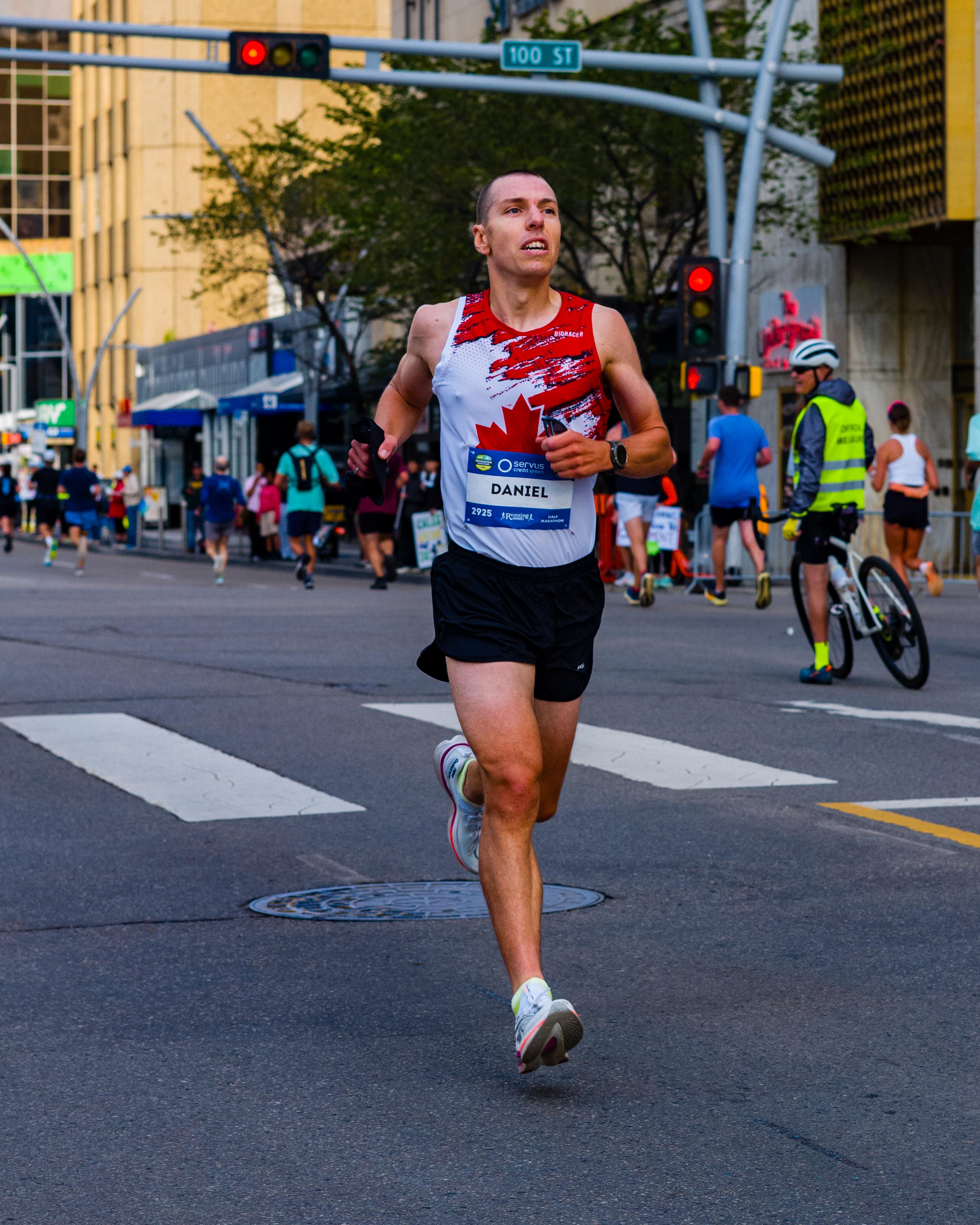
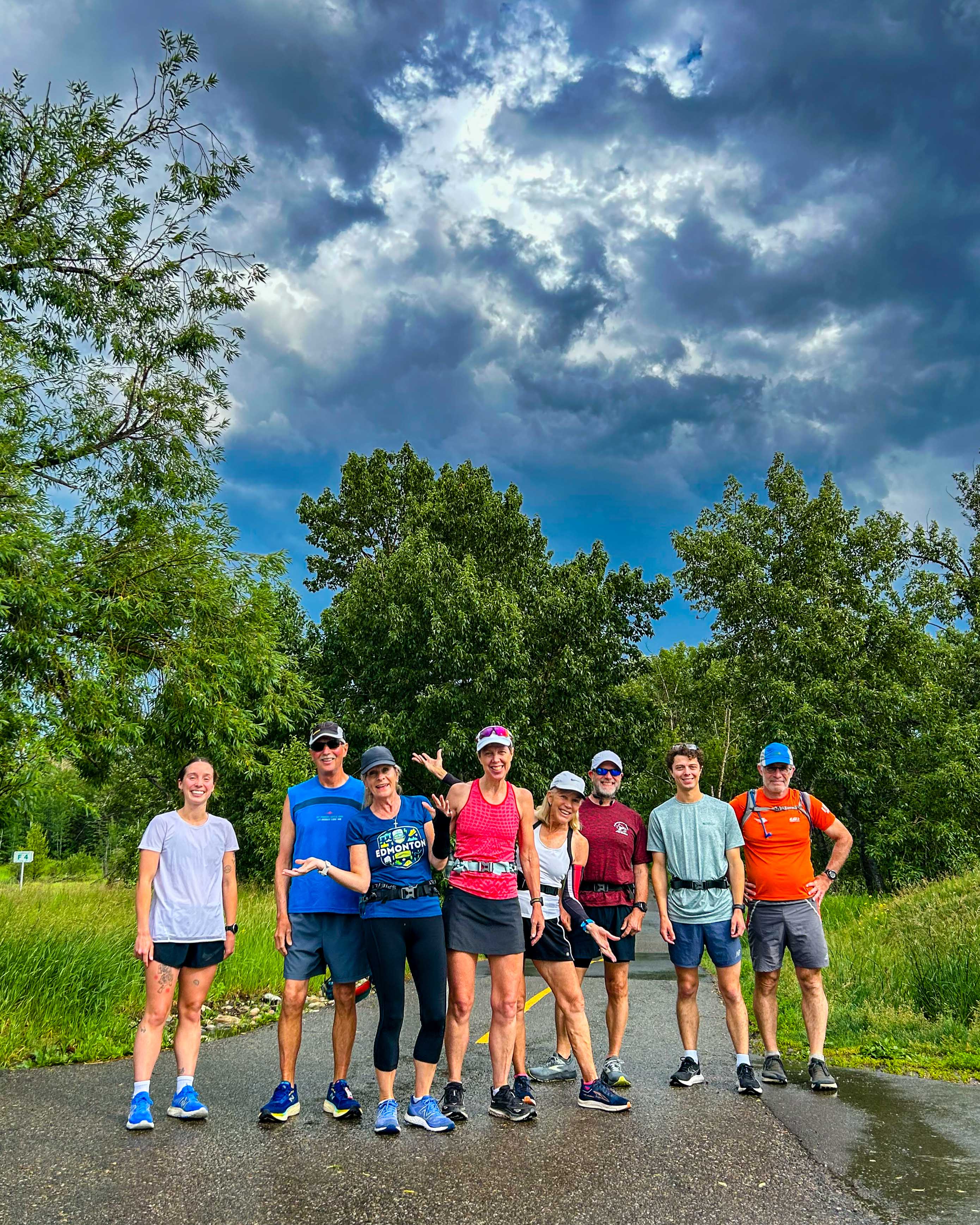
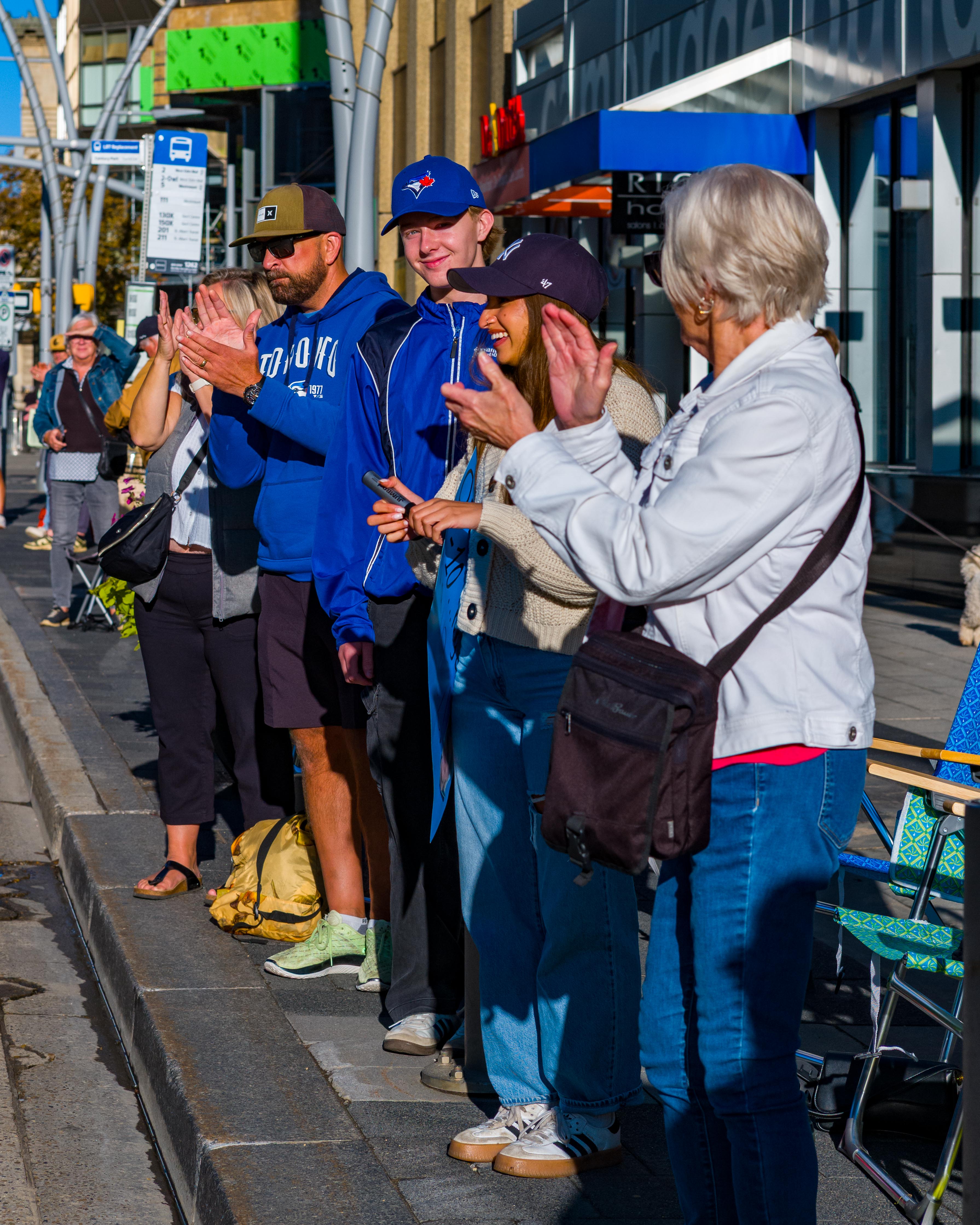
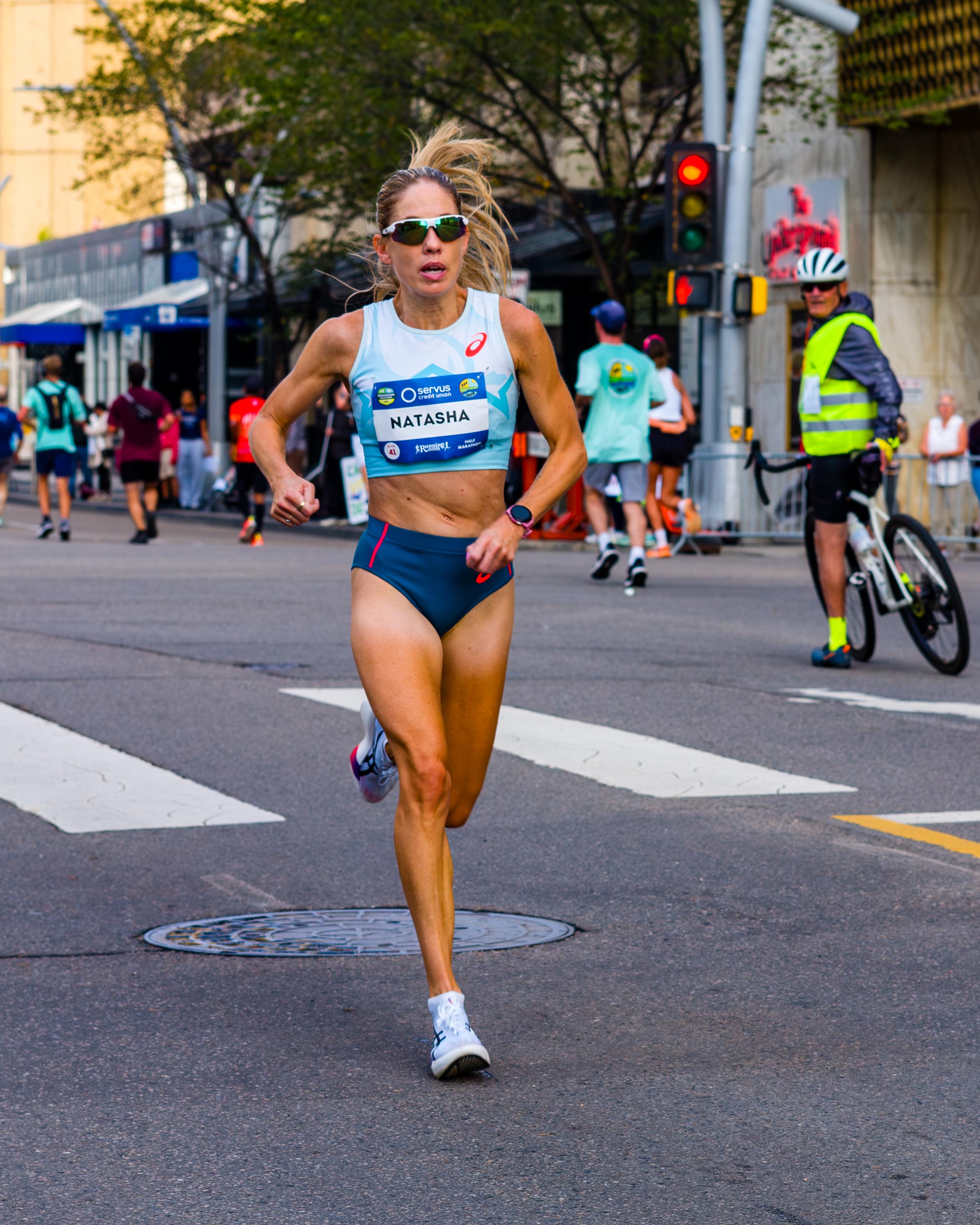
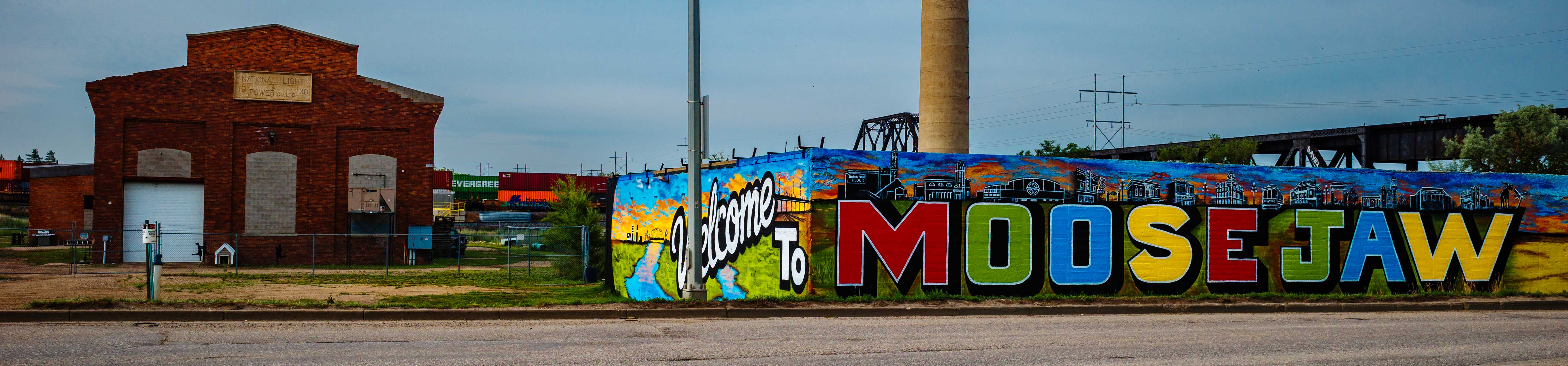
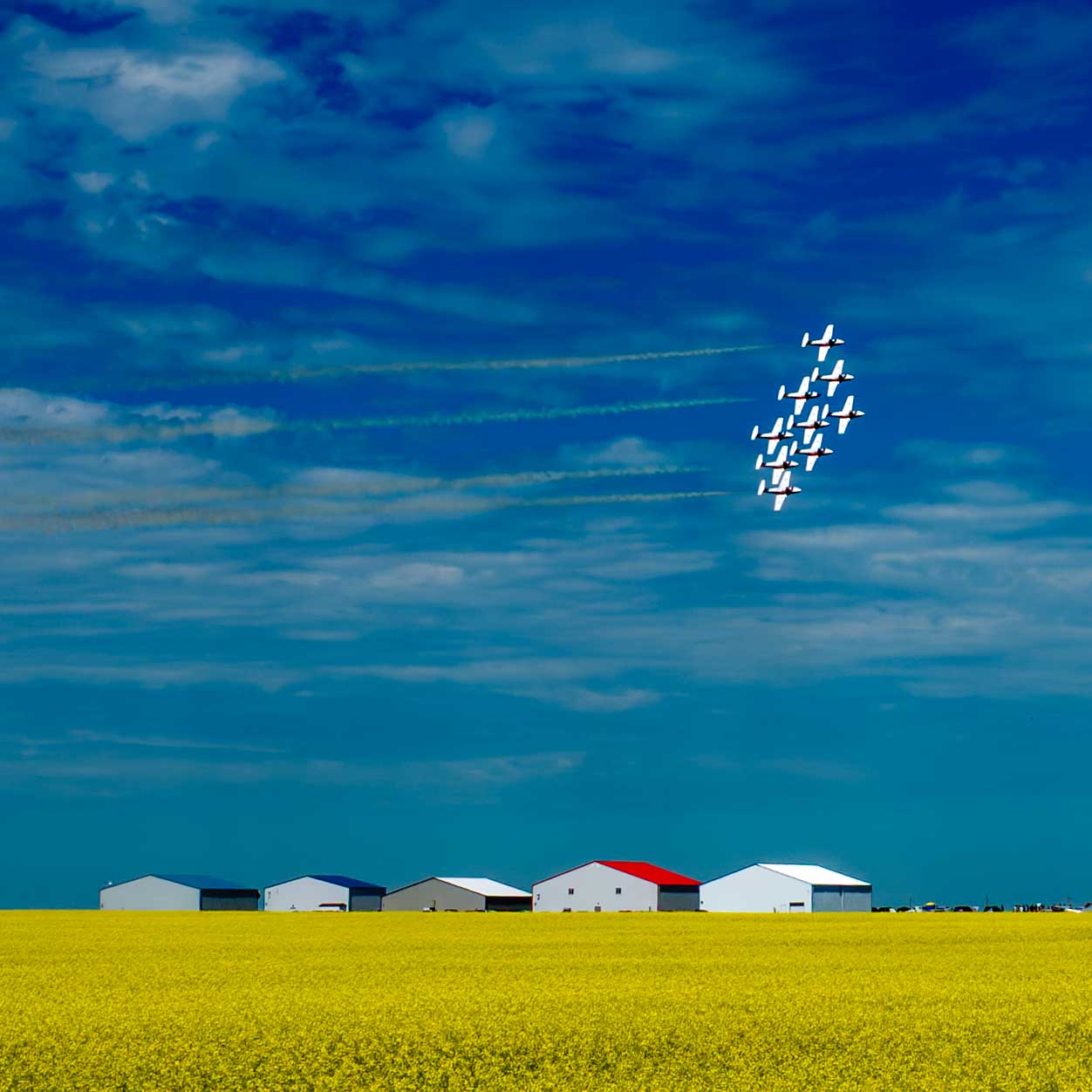
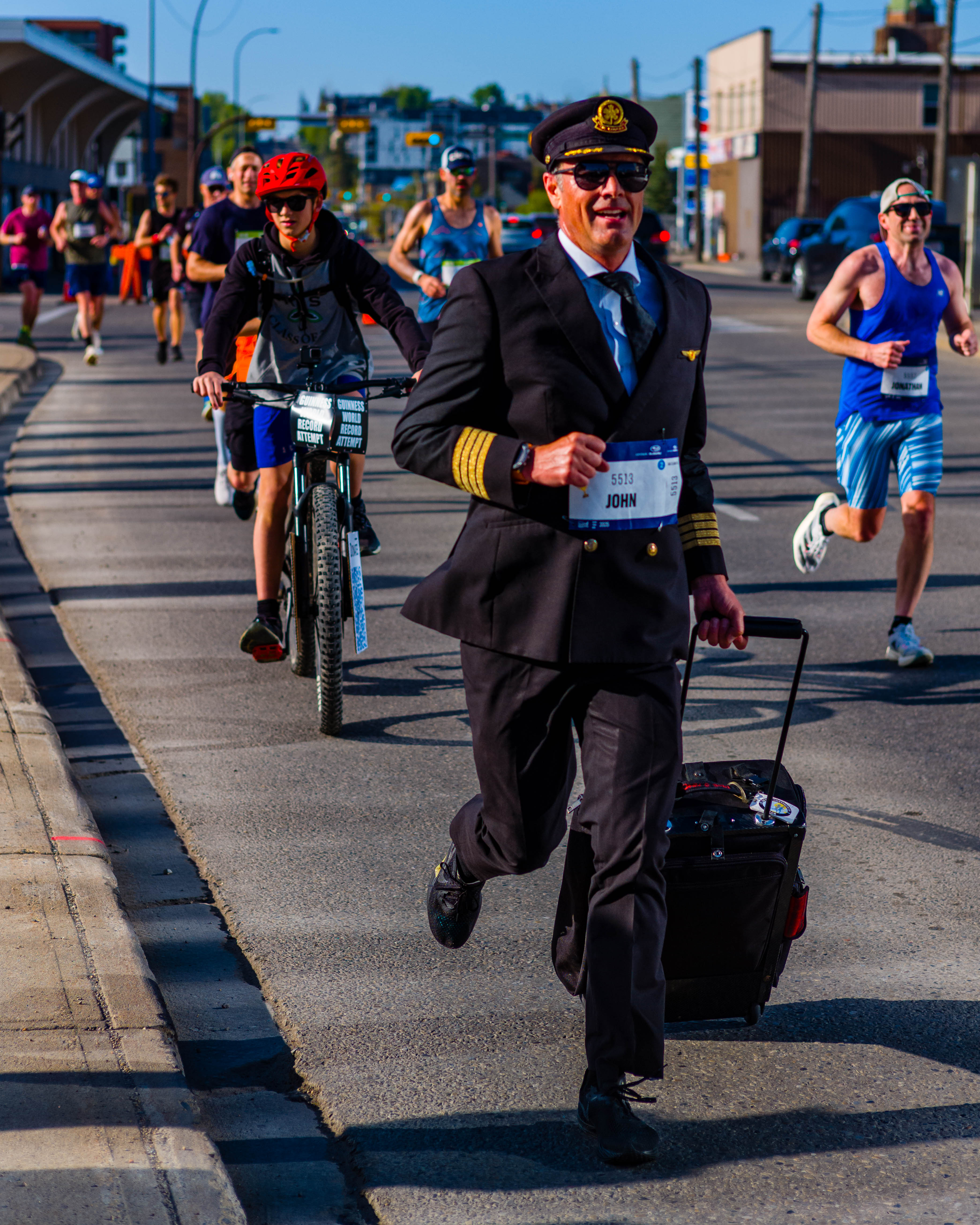
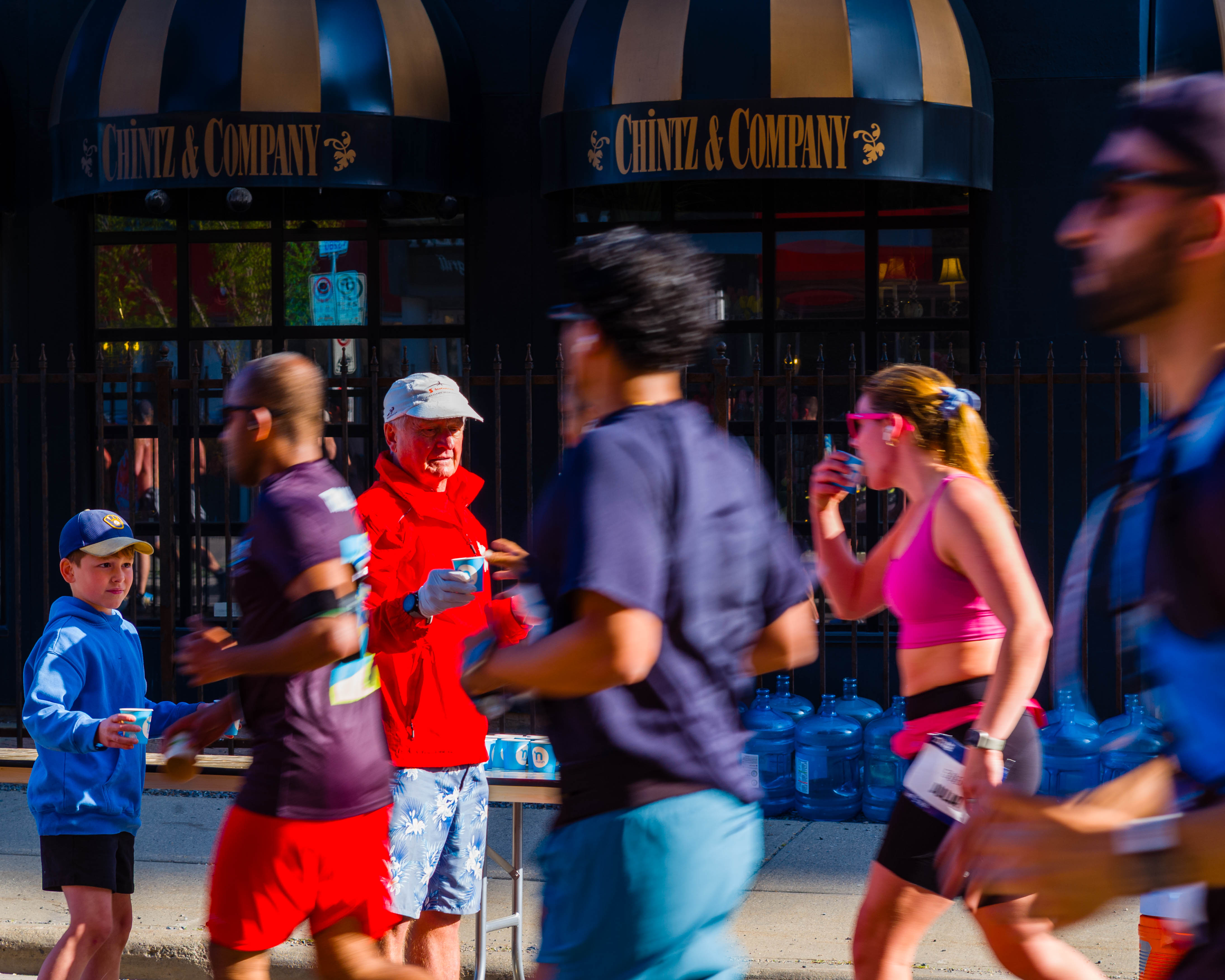
My days of preparing for and executing goal races may be over, but I will never tire of being around runners. In 2025, I had plenty of opportunities to catch racing action in Alberta; cheer on friends and teammates; meet some very talented athletes; do some volunteering; and, of course, snap some memorable roadside photographs. We also said goodbye to a dear friend. You can read about the major events on the calendar here, here, and here. Below is a small sample of my favourite running pictures from 2025:
Copyright for all photographs is mine.

Strokes

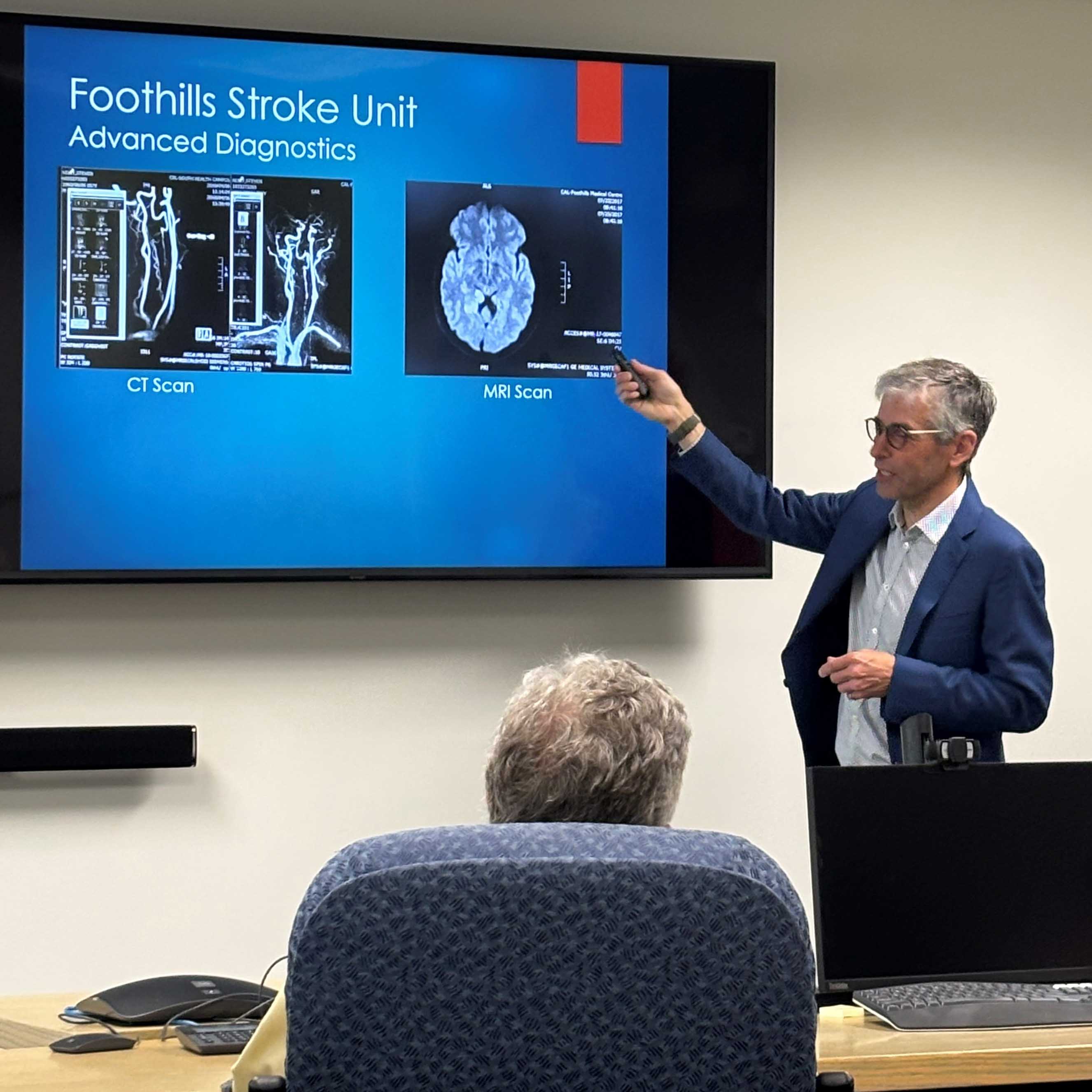
When I started on the path of self-publishing a book, I knew almost nothing about the process. However, I knew I wanted to share what I had learned about strokes, which are typically the fourth leading cause of death in Canada. And I wanted to give back in whatever ways I could, to support the essential work being done every day at the Foothills Stroke Unit and the University of Calgary.

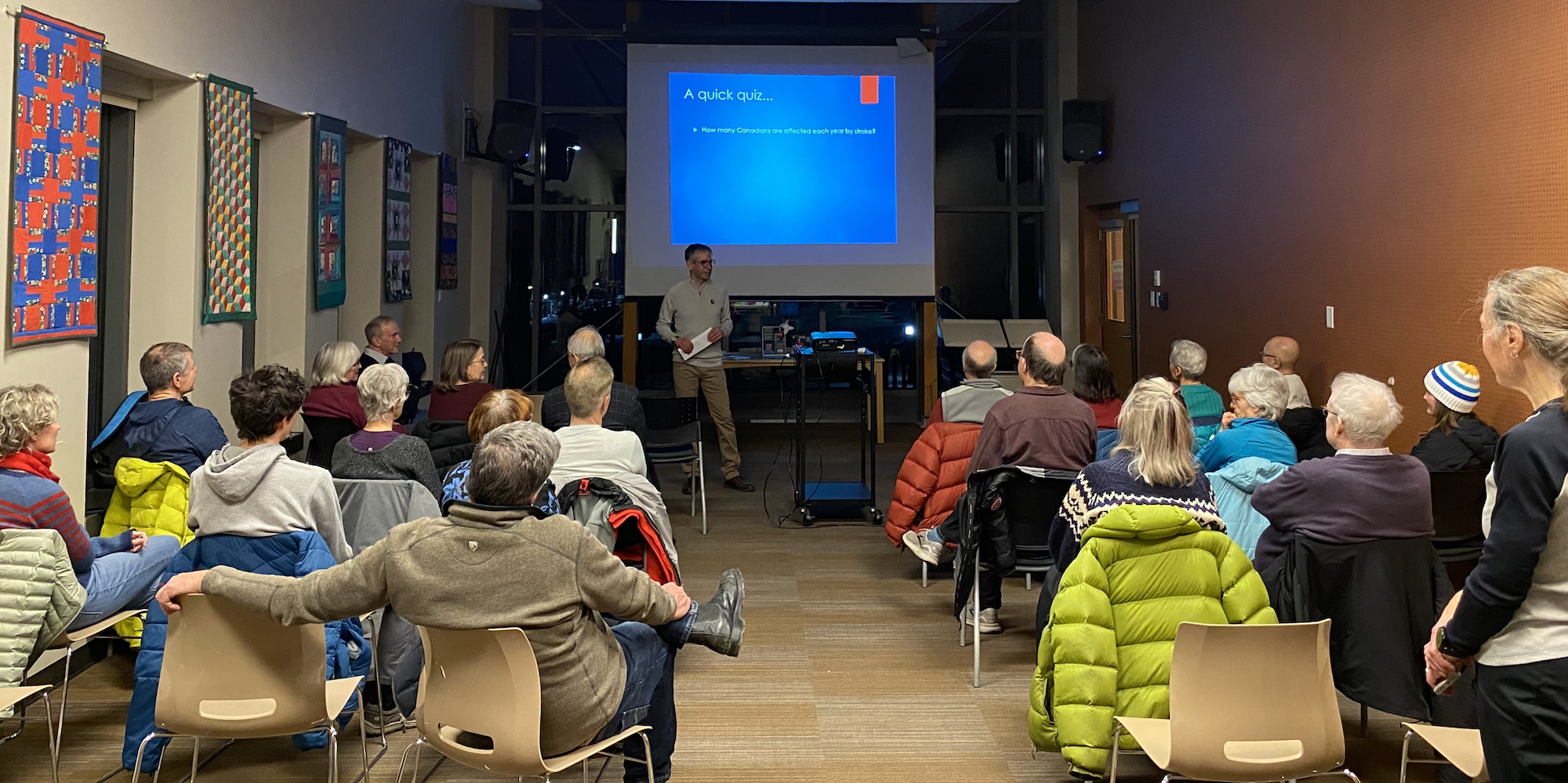
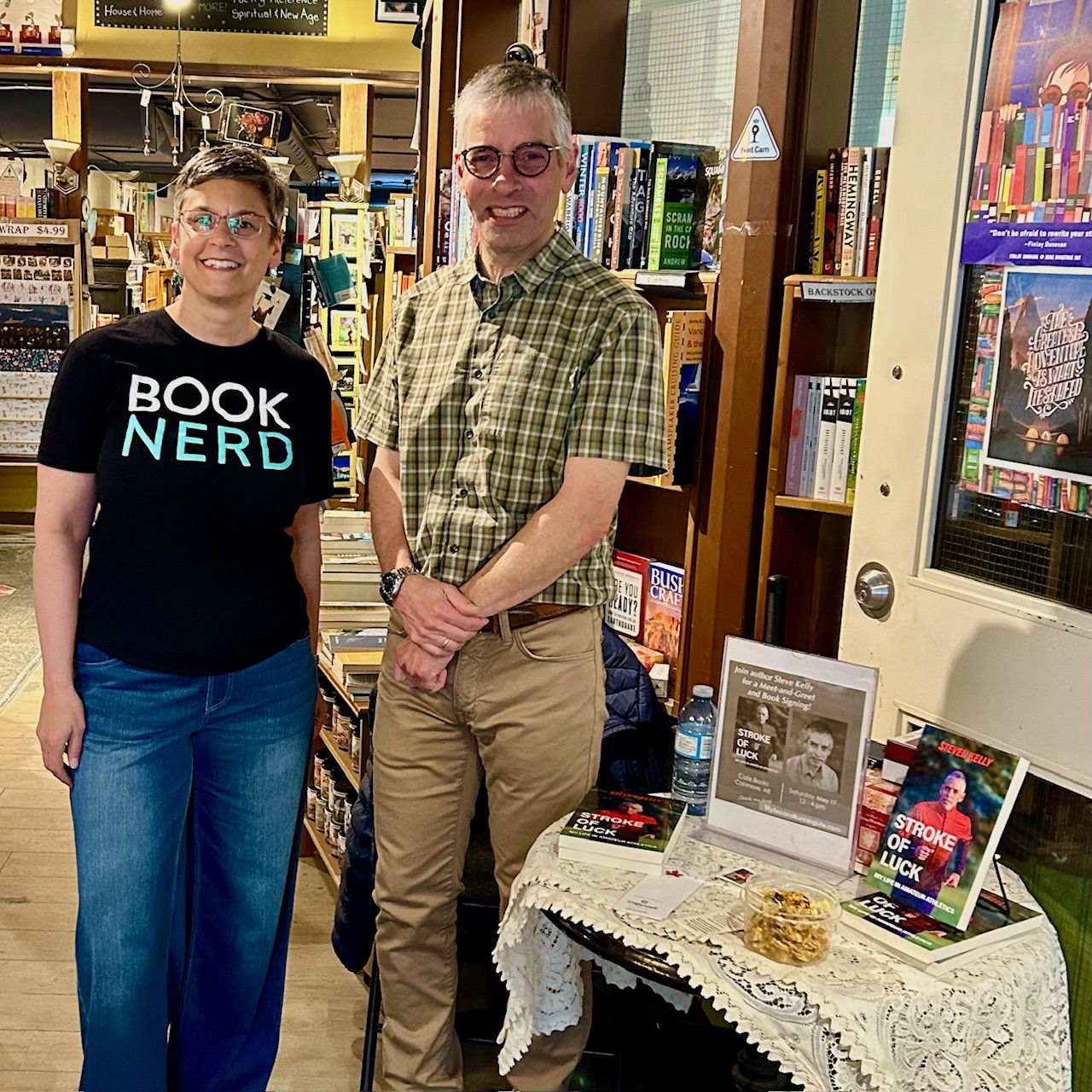
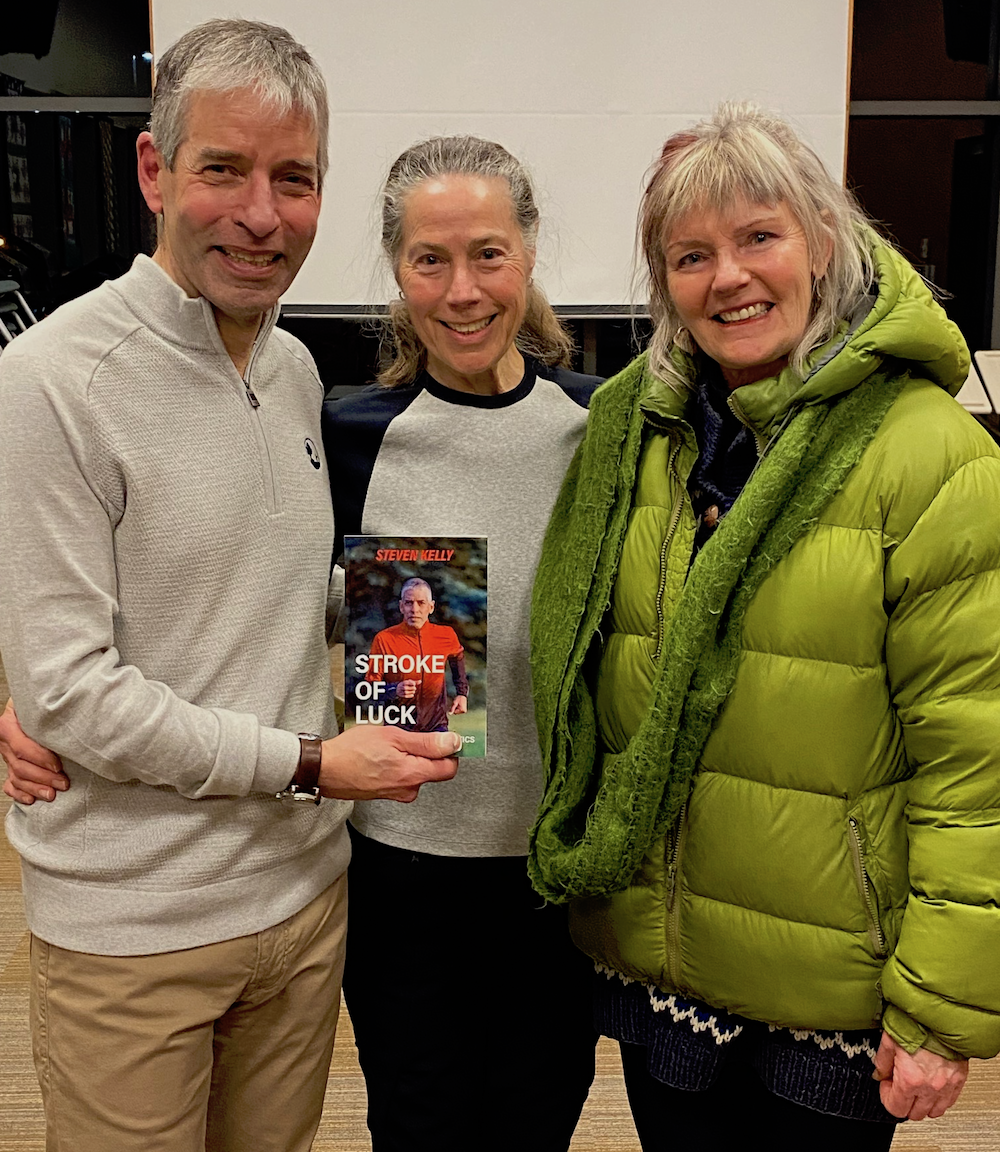
I was fortunate last year to have had several opportunities to tell my story, as written in Stroke of Luck. It’s extremely gratifying to share my key messages: the importance of an active lifestyle, awareness of the full range of stroke symptoms, and recognition of (and support for) the world-class stroke care and research being done at Foothills.

Naming everyone who made these events possible would be difficult. I appreciate the help of the Calgary Health Foundation to ensure that funds raised go where they should. Let me share a few photographs from events in Canmore, Edmonton, and Calgary:
I close my posts with the acronym BE FAST, but it seems timely to remind my readers just what this small and powerful phrase means:
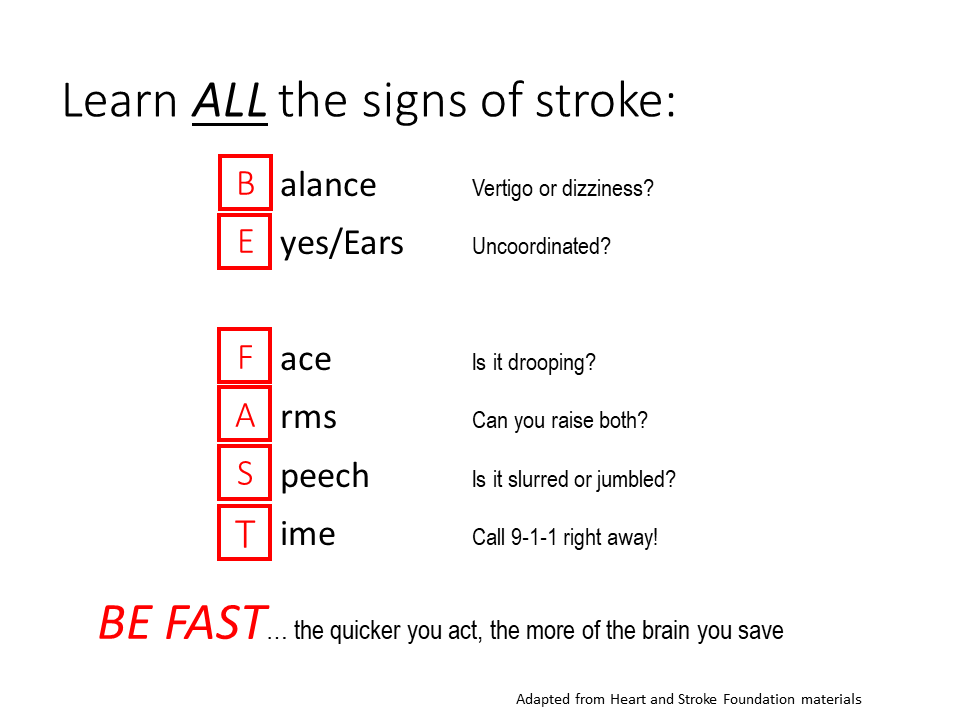
If you or someone you care about is experiencing any of the symptoms of stroke, don’t hesitate—call 9-1-1 right away! If you want to learn more, do check out some of these other posts on the blog: here, here, and here.

Other Photography

Photography has become my constant companion, on my runs and walks, in both good times and bad. Believe me, the last couple of years have brought more than enough bad news. Fortunately, memories of family and friends that we’ve lost are a blessing that will sustain us.

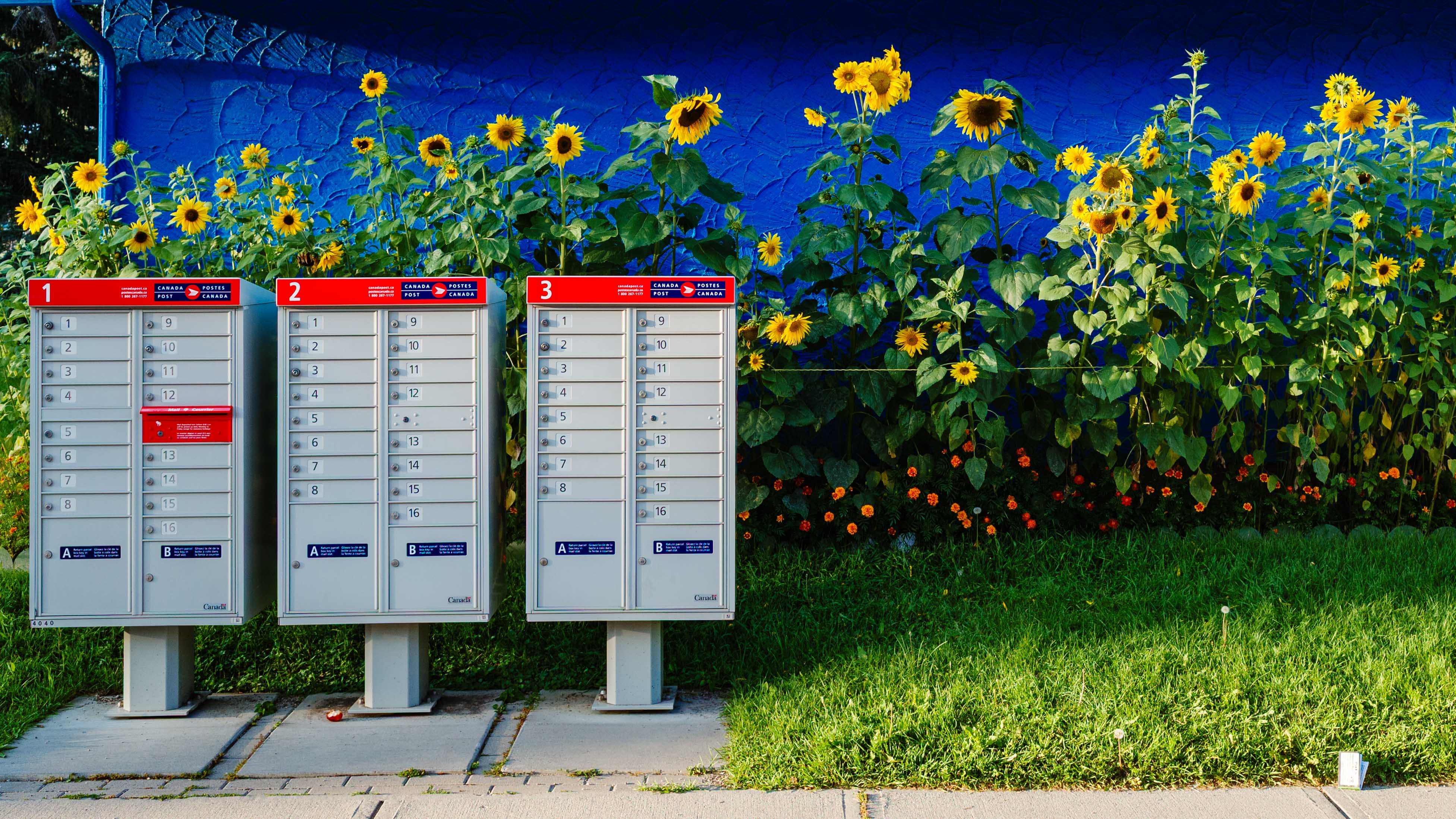
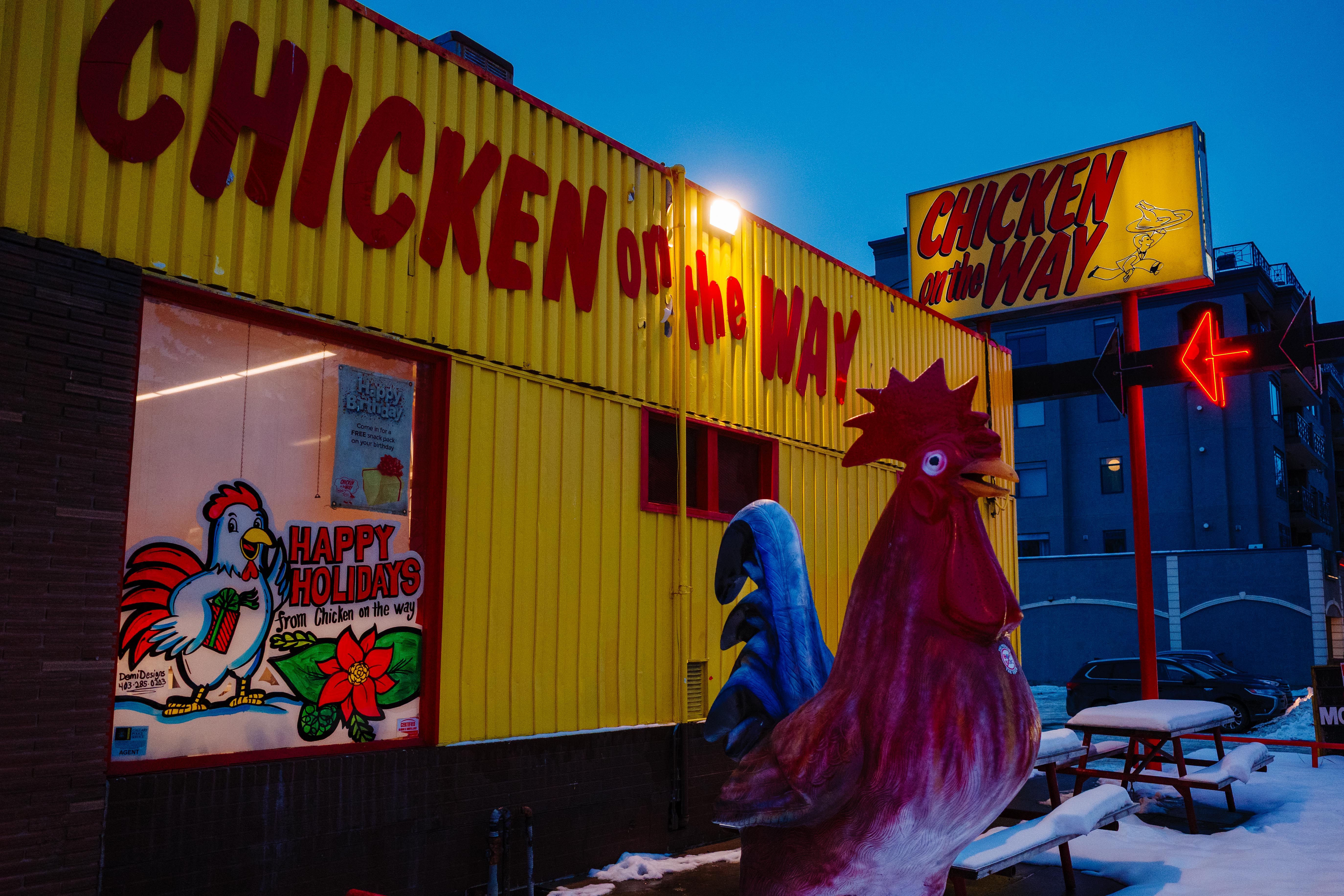
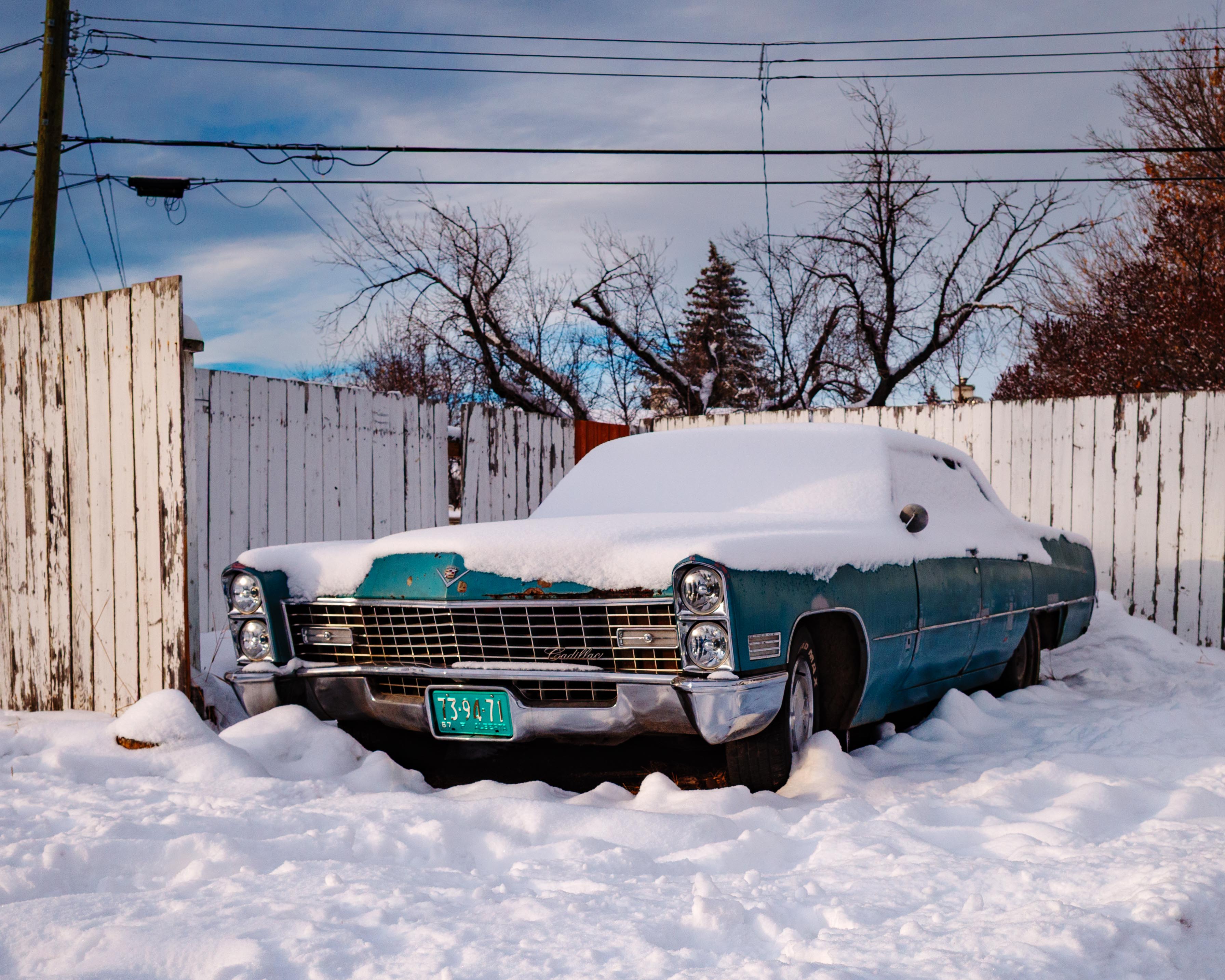
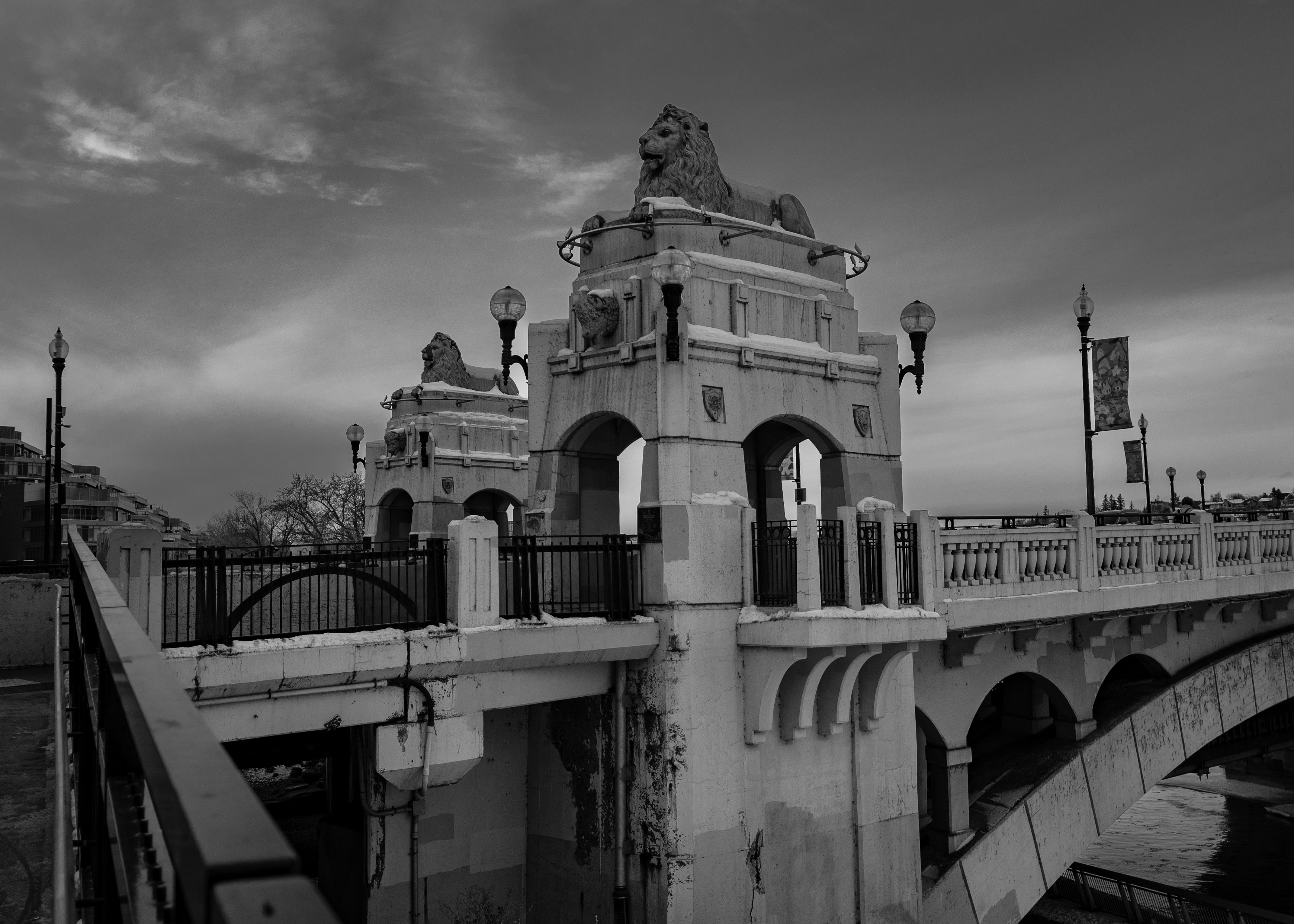
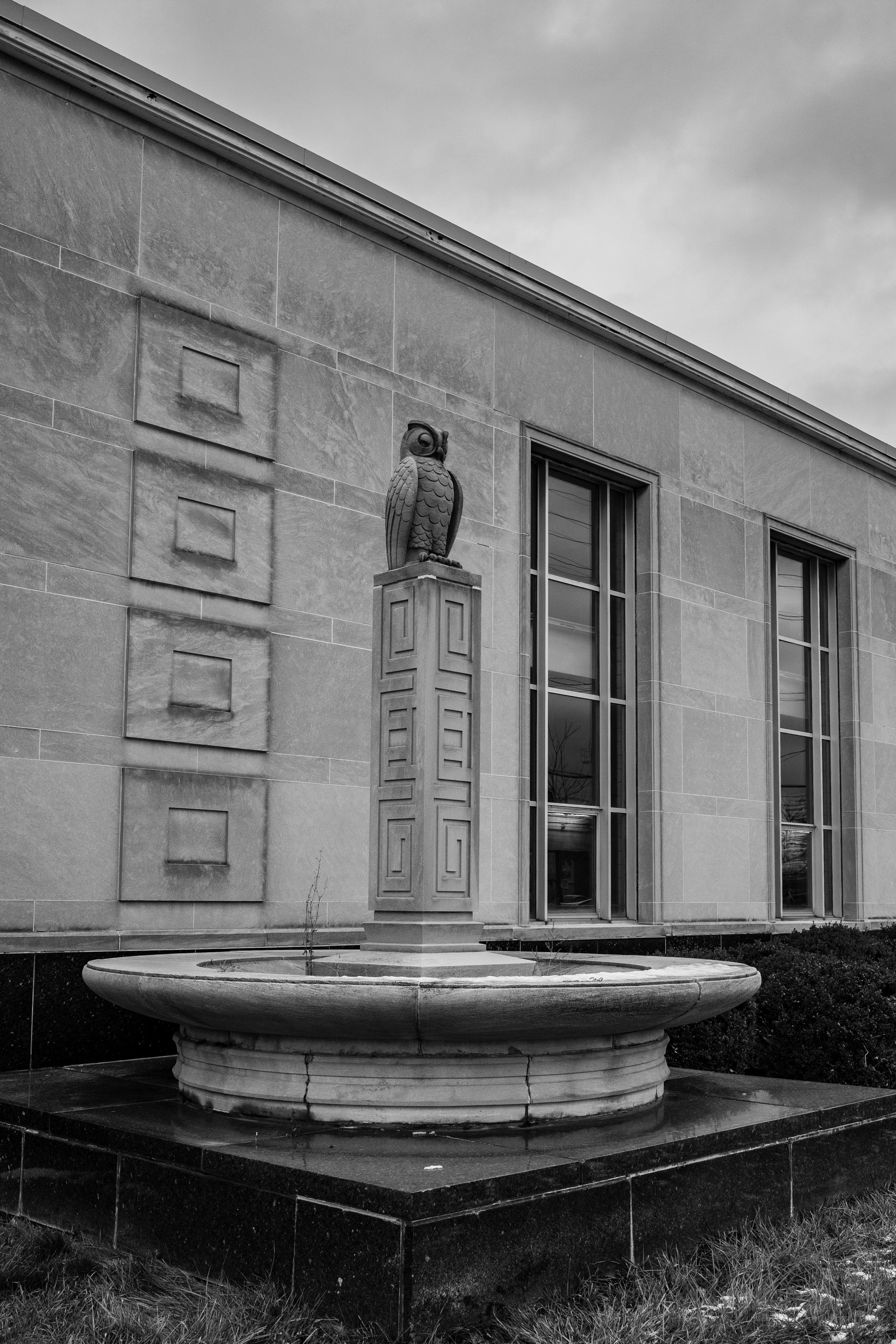
I still prefer to carry a dedicated camera, although I find myself slowly giving in to the convenience of digital. I admit that I shot less film in 2025 than I have in previous years, and that’s a shame. In any case, here are some of my memorable shots from 2025 (all digital, as it happens):

Regardless of the format, my approach to photography is almost completely intuitive. Recently, a guest on my blog wrote that calling myself an observer may not be accurate. But that’s okay. I never know what pictures I’m looking for when I head out the door. What I’ve learned is that I should trust my instincts—if I see something that catches my attention, I should react to it. I plan to keep that going.

Goals for 2026
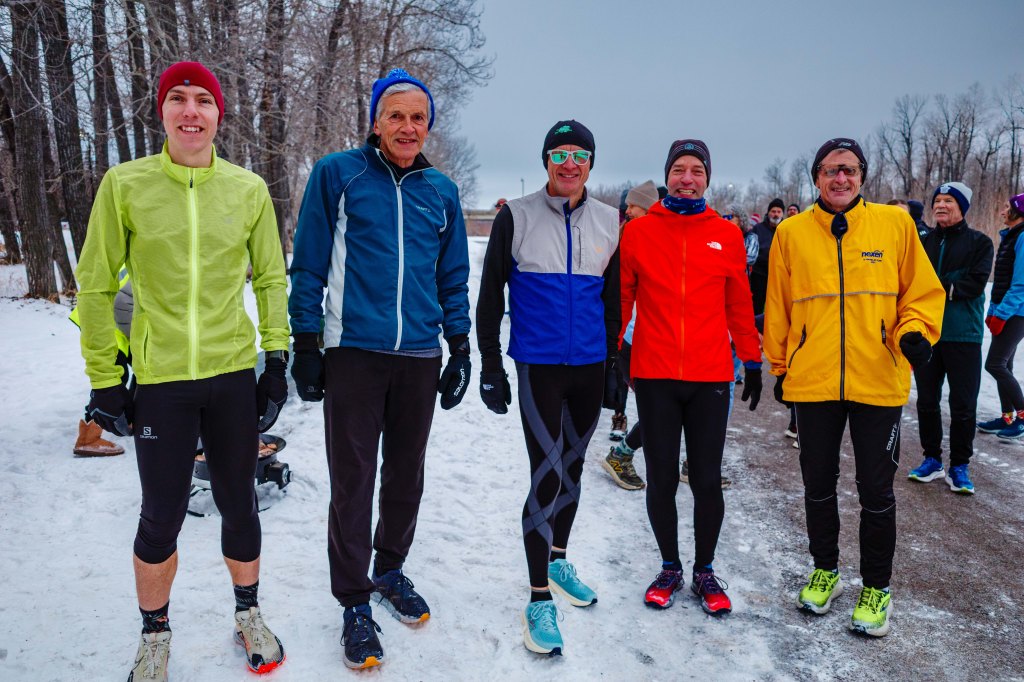
With a bit of luck and planning, I think 2026 will be a good year. The first good omen was the Sheep River Parkrun on New Year’s Day in lovely Okotoks. It was a perfect start to the year, as I was surrounded by good friends and my son Daniel.

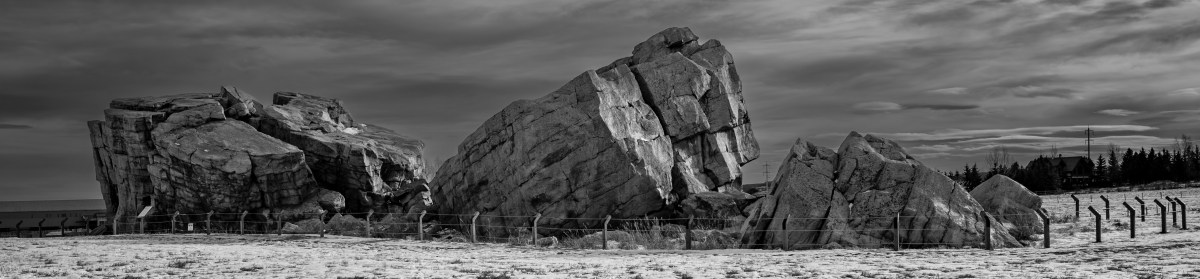
This morning, chinook clouds south of Calgary seemed to be calling to me. I drove in that direction and found myself back in Okotoks, at the “big rock” which gives the town its name. As I admired and photographed this impressive glacial erratic, it occurred to me that the rock is a symbol of my life—it’s not on the path that was expected, and it sits in pieces. I take solace that, like the rock, I have survived. It’s a fitting picture for the top of this post.

As I quietly walked around the famous rock, I thought about topics for future articles. One idea I have is a series of photo runs in my favourite Southern Alberta towns, including more shots on film. I think it will be a wonderful way to explore the history and culture of our province, while (more or less) staying in shape. So look for that, as well as more of my favourite photographs from life, and of course, news on stroke research and prevention.

I hope you’ll check in often. As ever, be well and BE FAST!

Return to Prairie Mountain!

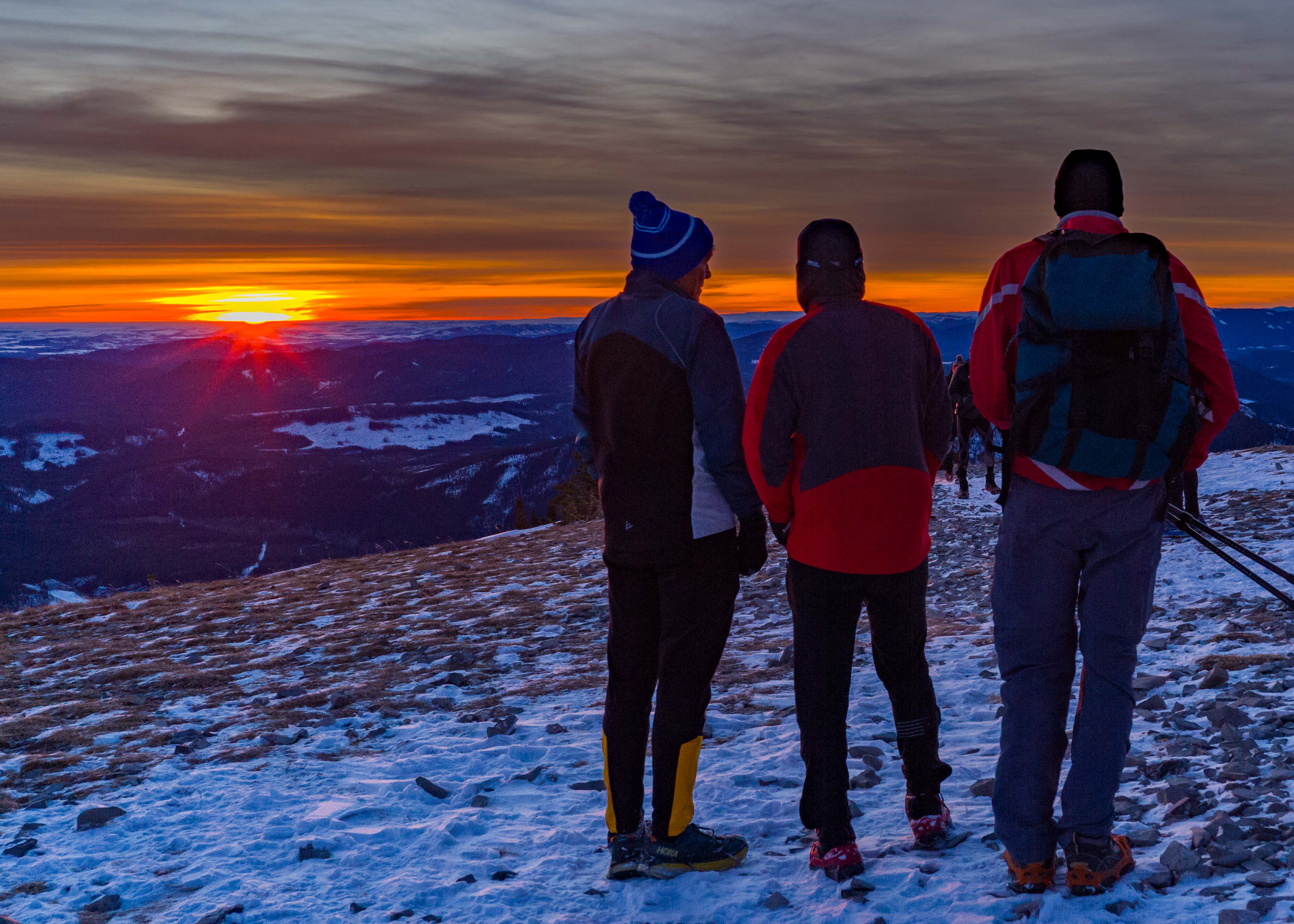
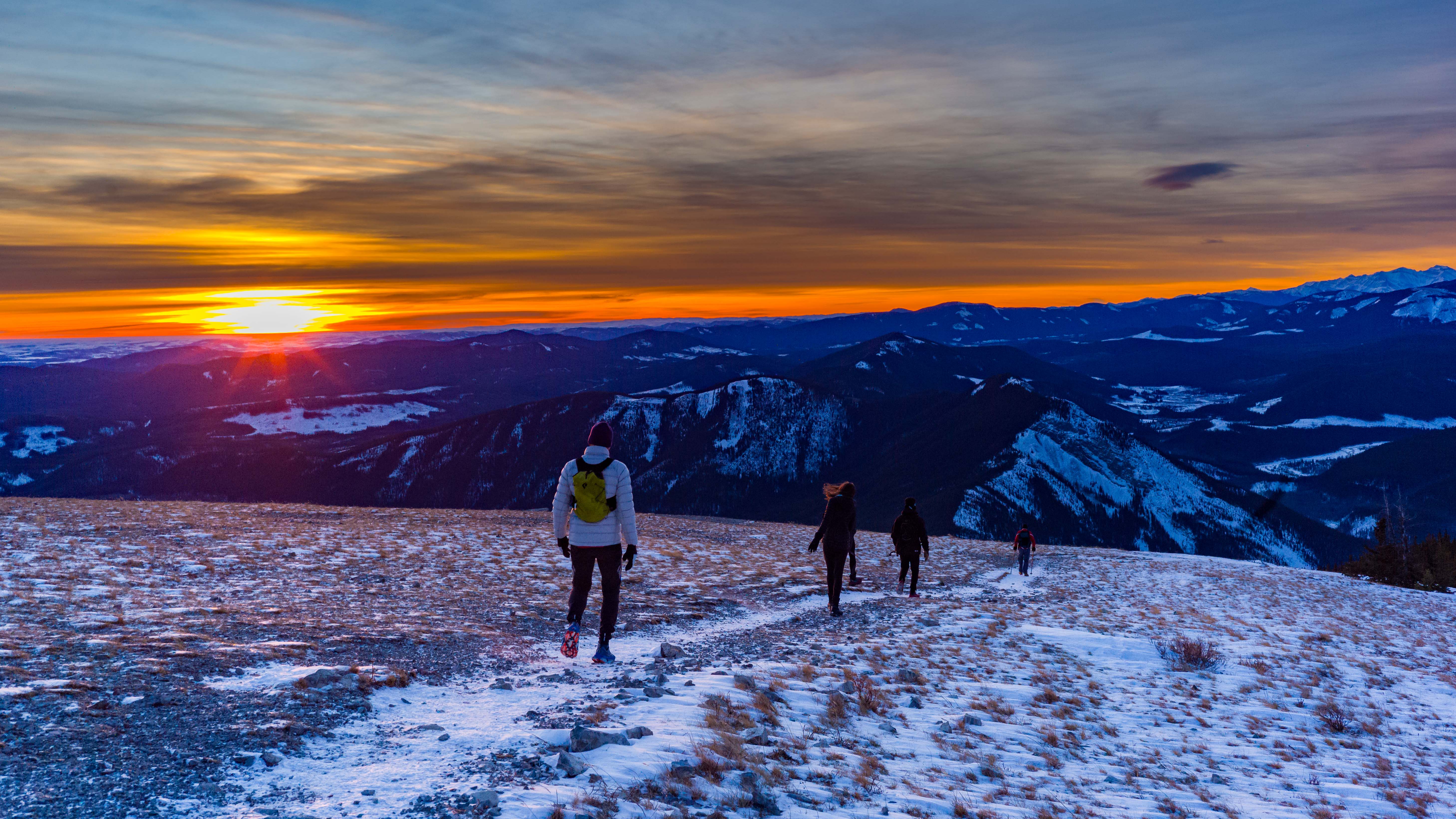
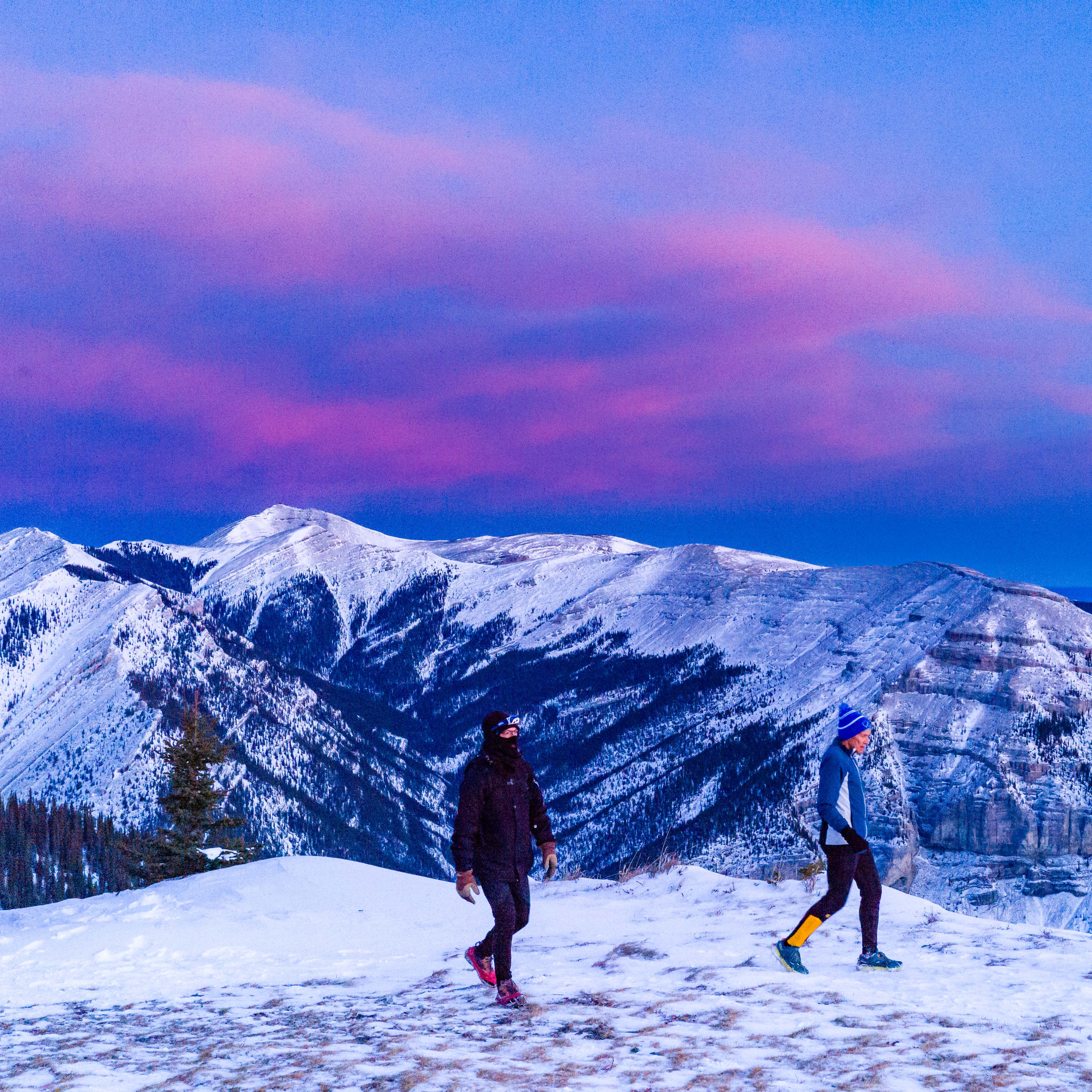
Just as Santa can be counted on for a visit in late December, we look to my friend Tim to reveal the details of the annual Prairie Mountain Winter Sunrise Hike. True to form, Tim set the date for the 2025 hike on December 29. Sunrise on that day would be, within a few seconds, the latest of the year.

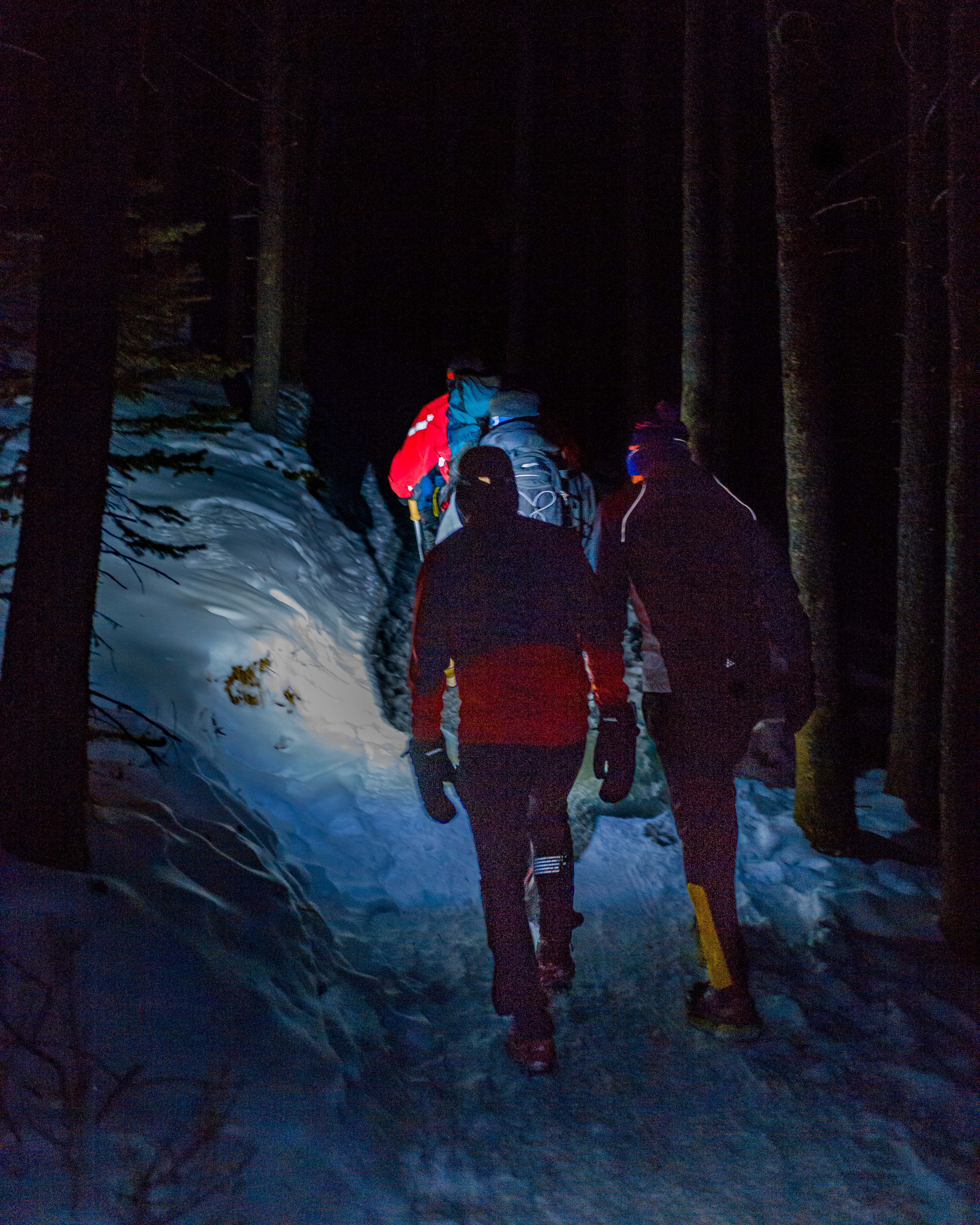
Working back from a target of 8:39:33 a.m., our convoy of eight hikers met up at the Tsuut’ina Subway on Buffalo Run Boulevard at 6:10 a.m. With practiced efficiency, we were geared up and on the trail by 7:00 a.m. We expected to have ample time to reach the summit.

I’ve posted on our previous PM hikes, and I’m pleased to say these pieces have been popular. In 2023, I shared photos of a beautiful sunrise in Part 1: The Hike and delved into the mysteries of the celestial world for Part 2: The Science. We were not deterred by last year’s cloudy conditions—you can read about that hike here. This year’s forecast suggested that the star attraction would likely make a return appearance.

For readers who are unfamiliar with Prairie Mountain, it is the most accessible mountain for Calgary hikers. Accessible doesn’t mean easy, though—this is a good workout at any time. Last year, I noted that the hike seemed to be tougher than what I remembered. This time out, I had the same feeling. I’m not sure I like that trend! One foot, then the other. Repeat.

The Hiking Bit

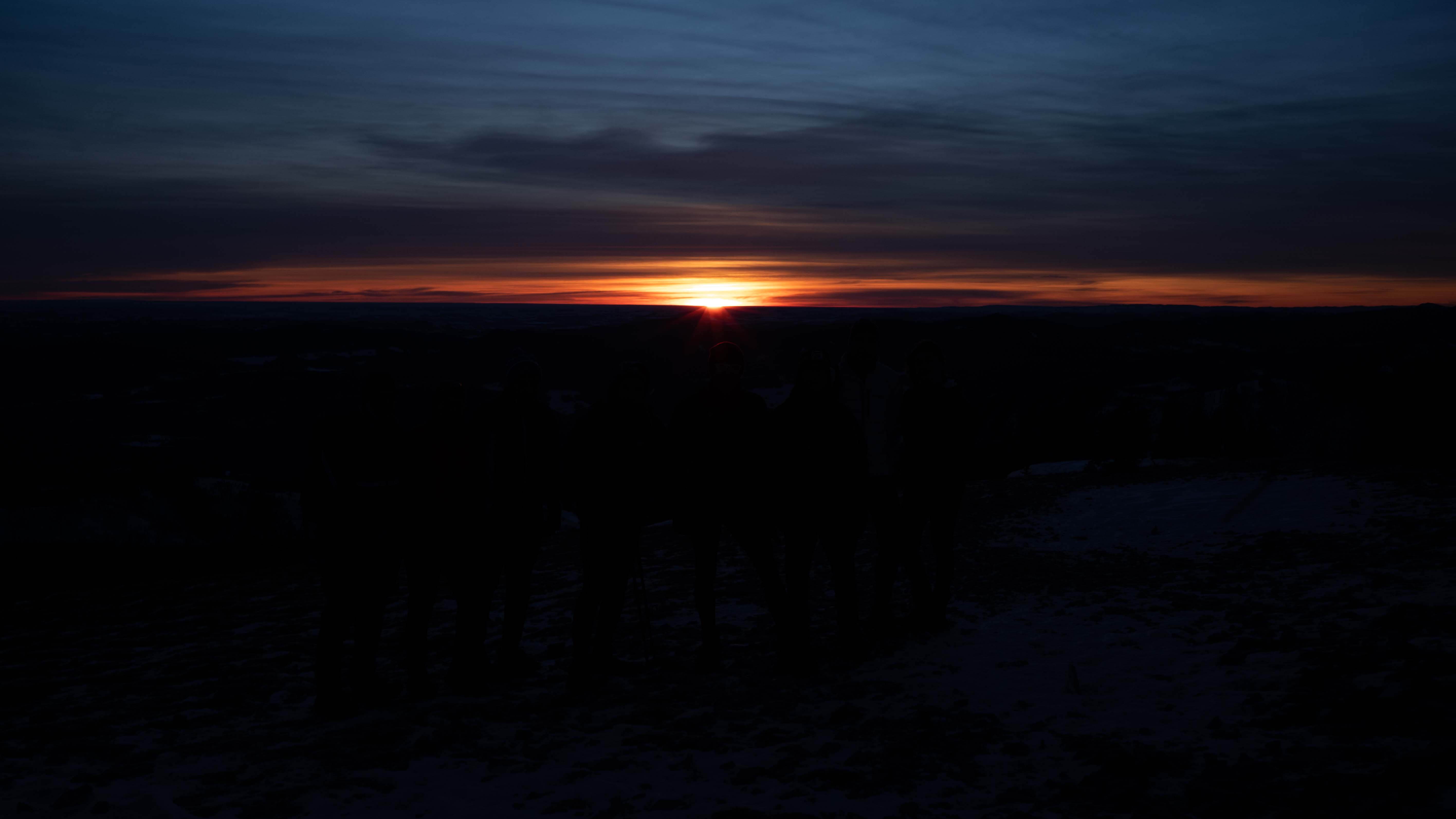
Given the snow-packed conditions on the trail, I was (again) very thankful for the new stone steps on the toughest sections. Even so, I welcomed a short pause at the first lookout, where we switched off our headlamps. I couldn’t help but notice the vibrant orange light to the east, which was already impressive as we approached the summit ridge. Were we too late?

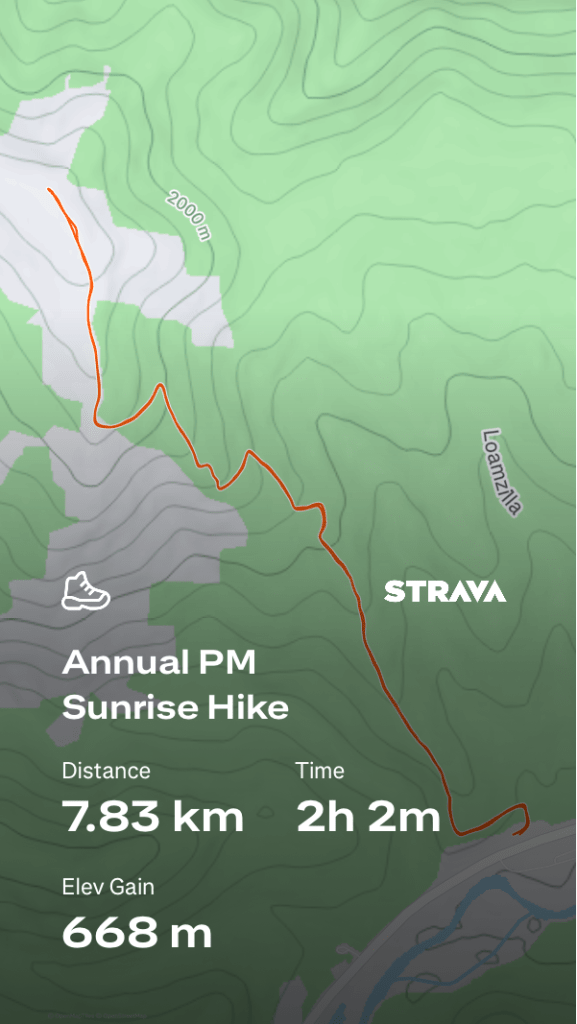
Because any PM summit is an impressive achievement, here’s my Strava activity summary.

A few words on equipment. I decided to bring my “good camera”, the totally manual Leica M10. It’s a wonderful camera, but when you are bringing up the rear in the dark, as I was, adjustments are challenging. That meant I came home with blurry shots of my hiking partners’ backsides and severely underexposed images. Overall, I think the Ricoh GR III is better suited to this task. As always, my Kahtoola Microspikes and ancient red Komperdell poles were a necessity.

As usual, our group set a steady pace. (I hang around with some very healthy folks.) It’s hard to blame my comparatively slow pace on my photographic duties unless I present a few photos. So here’s the evidence!

Note: Copyright for all pictures is mine

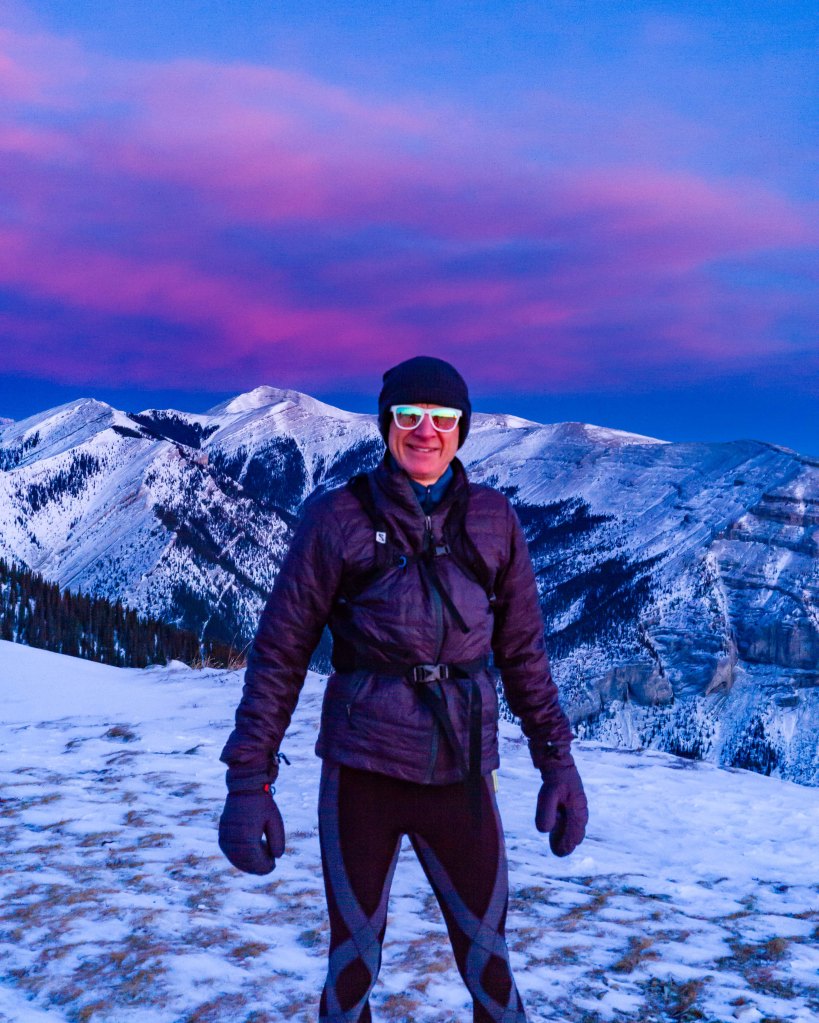
We enjoyed the relatively mild temperature (-5C) and the shelter of the treeline for most of the hike. However, as soon as we reached the summit ridge, we were immersed in a strong westerly wind. We slogged the rest of the way up the ridge. The small Canadian flag on the summit cairn was no match for the stiff breeze. We headed for the shelter of a few scraggly trees below the summit to wait for the rest of our group. With fingers losing feeling, operating cameras and zippers became almost impossible. There was no loitering at the top on this day!

The Technical Bit

Given the challenges I mentioned with manual camera settings, I thought it might be interesting to present a comparison of my pre- and post-editing for one of this year’s key PM shots. I suppose this is called making lemonade out of lemons.

Of course, everyone hopes for a good group picture at the summit. This year, we imposed on a solo hiker who reached the summit just ahead of us to do the honours. Now, my comment that “the settings should be fine” must be tempered with the reality that I didn’t actually look at these before handing over the camera. Yes, I was freezing, the wind was howling, and for all I know, he had never touched a manual camera before. I’m fully to blame for any technical shortcomings. That said, my heart sank when I saw the images straight out of the camera. However, with some comprehensive (and slightly desperate) work in Lightroom Classic, I managed to extract a passable image. You can compare the before and after image here:

A hardy group celebrates another Prairie summit!

At the risk of losing some readers, I’ll summarize the edits I made to this image in my attempt to rescue it. First, I increased the overall exposure significantly—a whopping 3.5 stops. I think the meter was fooled by the sun in the centre of the image. Then I dropped the sky by a stop, and raised the foreground by almost another stop. I raised the white balance to warm the image up slightly. I dropped the highlights, mostly around the sun, and raised the shadows. Then I increased the saturation, clarity and dehaze. That left me with a noisy image, which I tried to fix using the latest AI tools in Lightroom. In the end, I gave up, as all this did was create artifacts that were, to my eye, worse than the noise.

So, as long as no one looks too closely, this is a fair reminder of what it felt like to stand on the summit that morning. My homework for next year is to be better prepared.

Wrapping Up

With the start of a new year, one is often moved to contemplate things that truly have value and be thankful for people who are important in life. I’m very fortunate to be surrounded by like-minded people who value fitness and friendship. And we are all blessed to have special places like Kananaskis just a short drive from home. Thanks, Tim, for getting us out there and up there again.

The annual winter solstice hike was a great experience and a perfect end to the year. Oh yes, the post-hike coffee and baked goods at the Handle-bar Cafe in Bragg Creek were delicious. And well earned.

Until next time, be well, BE FAST—and Happy New Year to all!

Meet “The Flâneur”

Introduction

I’ve been writing this blog for nearly three years. Over that time, I’ve thought about whether the site is achieving what I intended when I wrote the first pieces. Indeed, it’s worth asking whether my initial objectives have changed—and if so, how.

My soul-searching is timely because my friend Phil Davies recently approached me with some thoughts on the blog and my other social media content. Phil has a keen eye and a strong artistic sensibility. He volunteered his opinion that my Instagram profile may not be totally accurate:

Phil questioned my use of the word observer. At first, I wasn’t sure what he meant, because he had always been complimentary about my photo runs. For those unfamiliar, photo runs are a cornerstone of My Second Running Life—they make this blog what it is. As an example, here’s a piece I wrote about my run in Longview a few weeks ago.

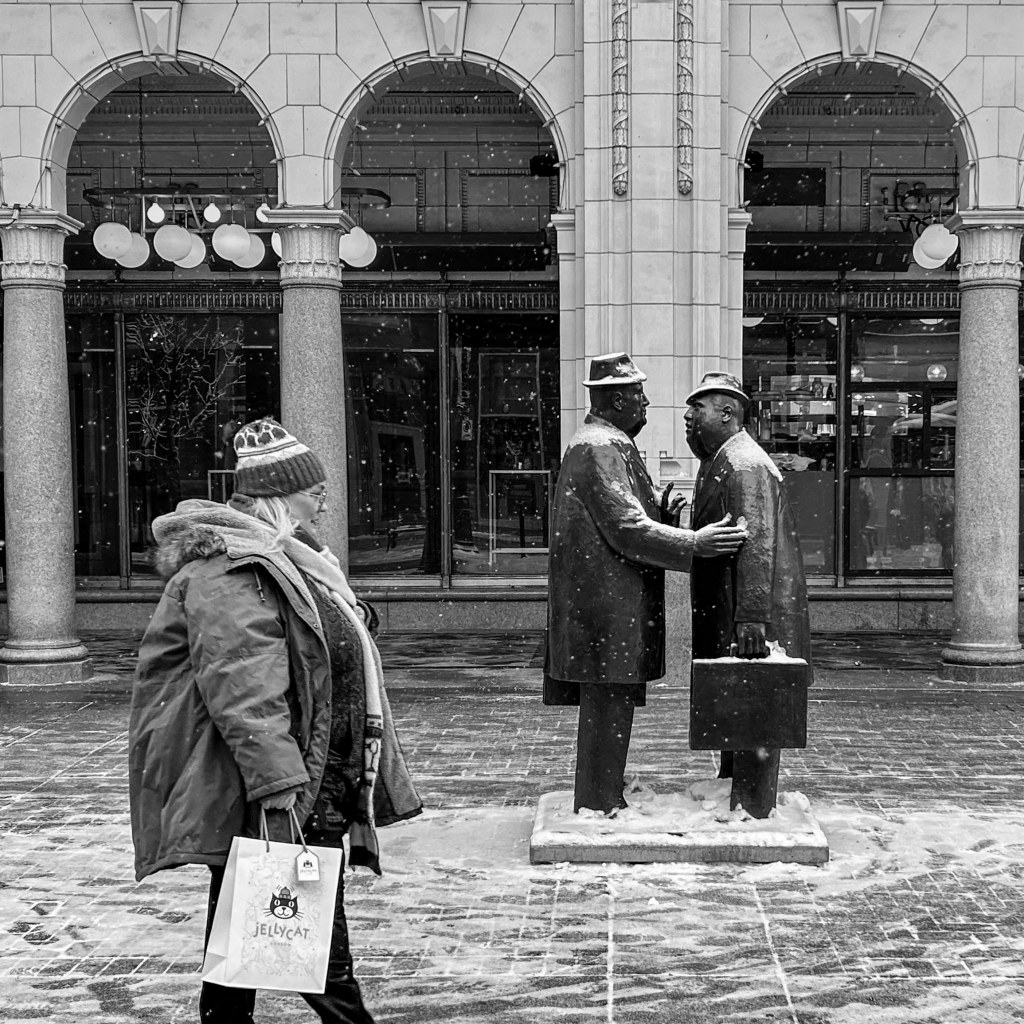
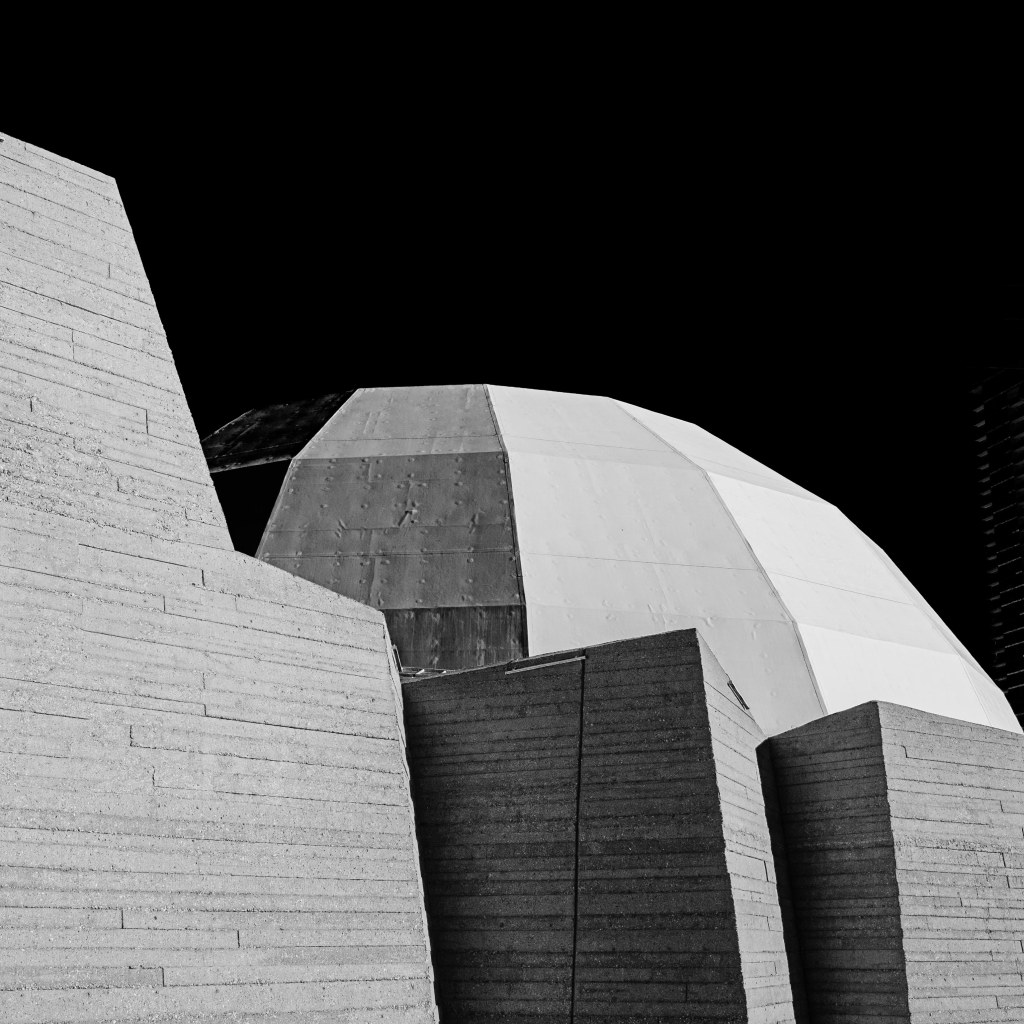
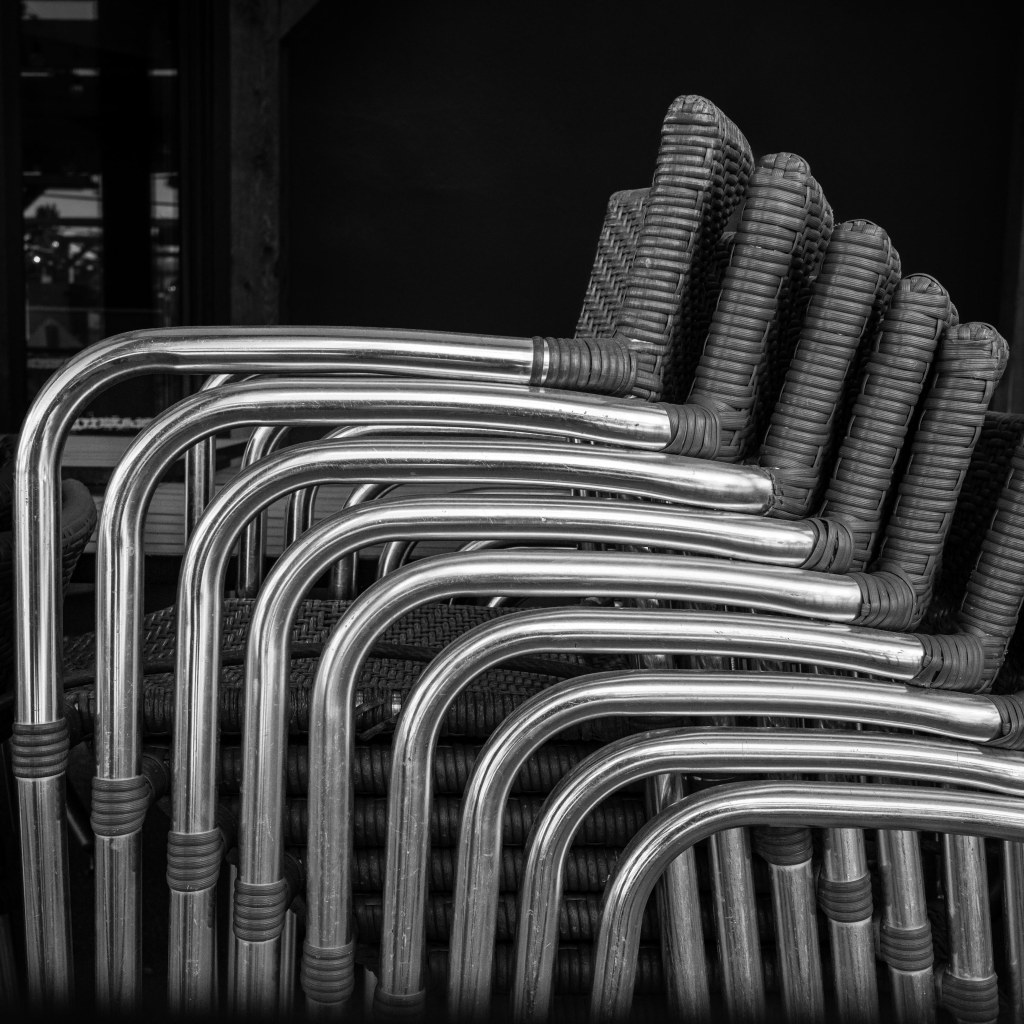
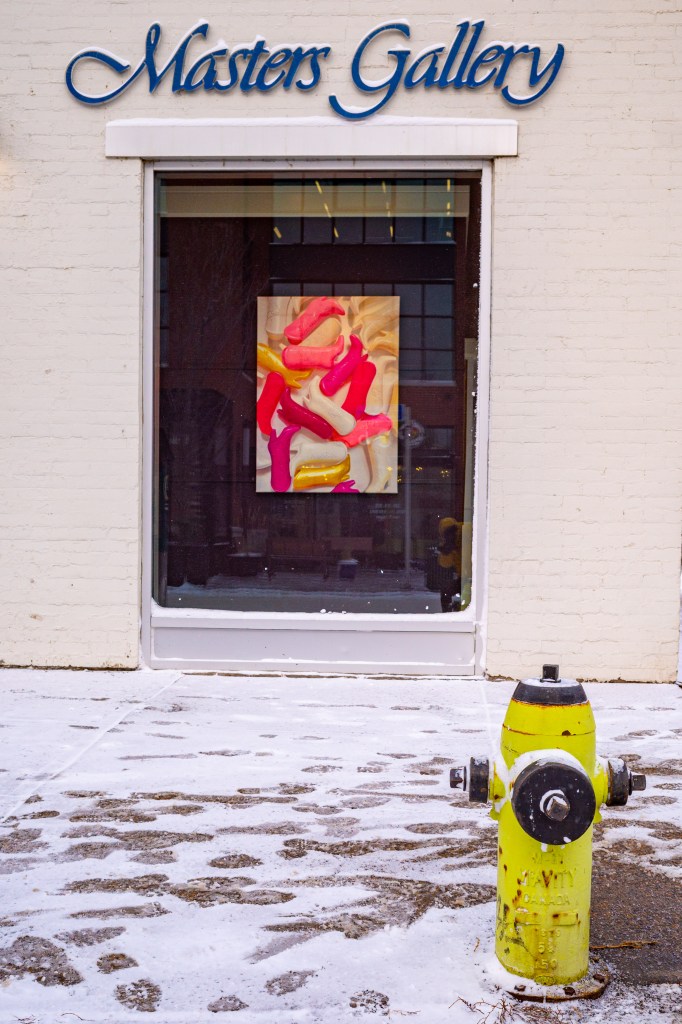
For me, there’s nothing better than going out for an easy run with no worries about time and pace, seeking only a memorable photograph. I look for different things—colour, pattern, contrast, human interaction, irony—and observer was the word I settled on to describe what I do on these runs.

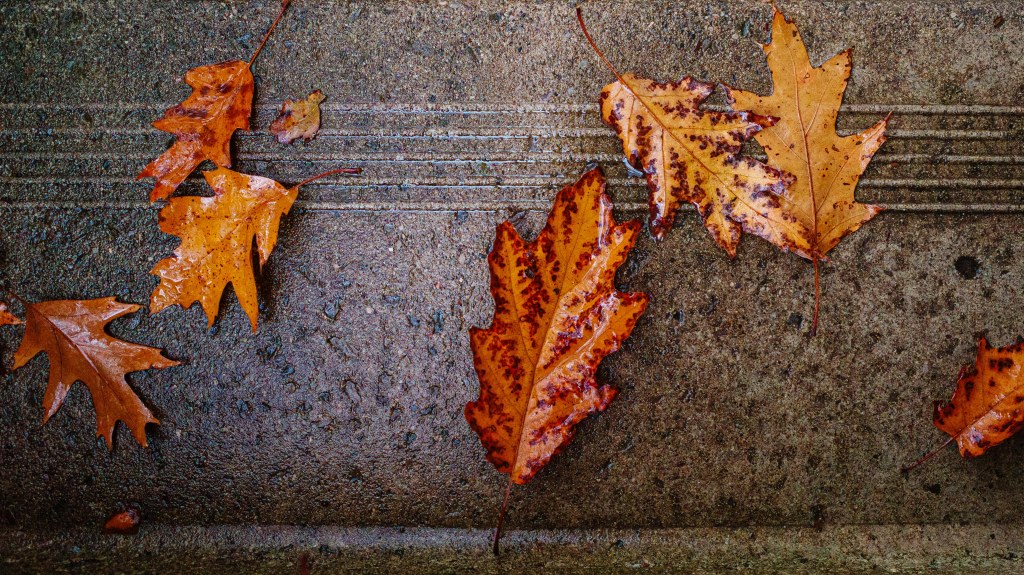
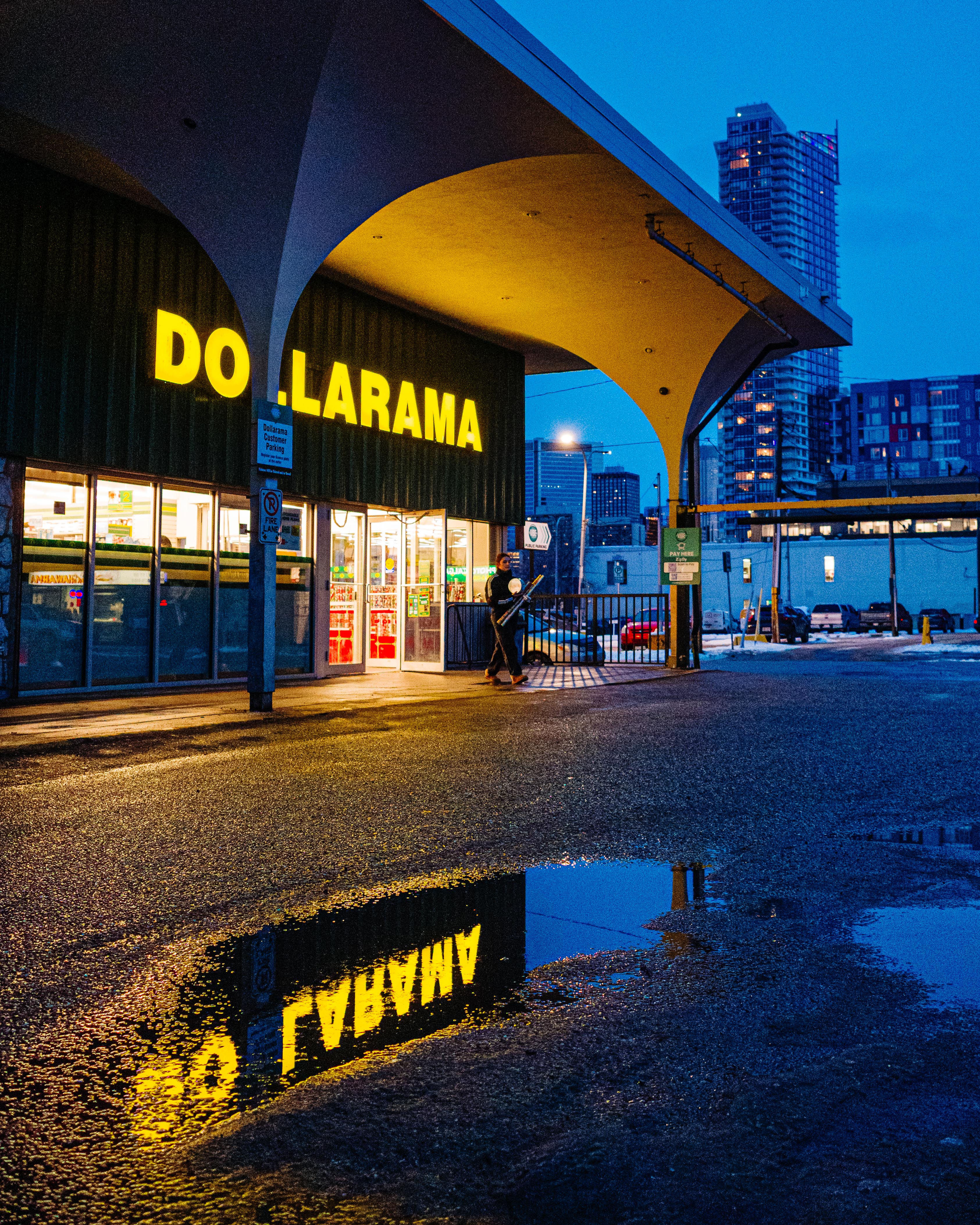
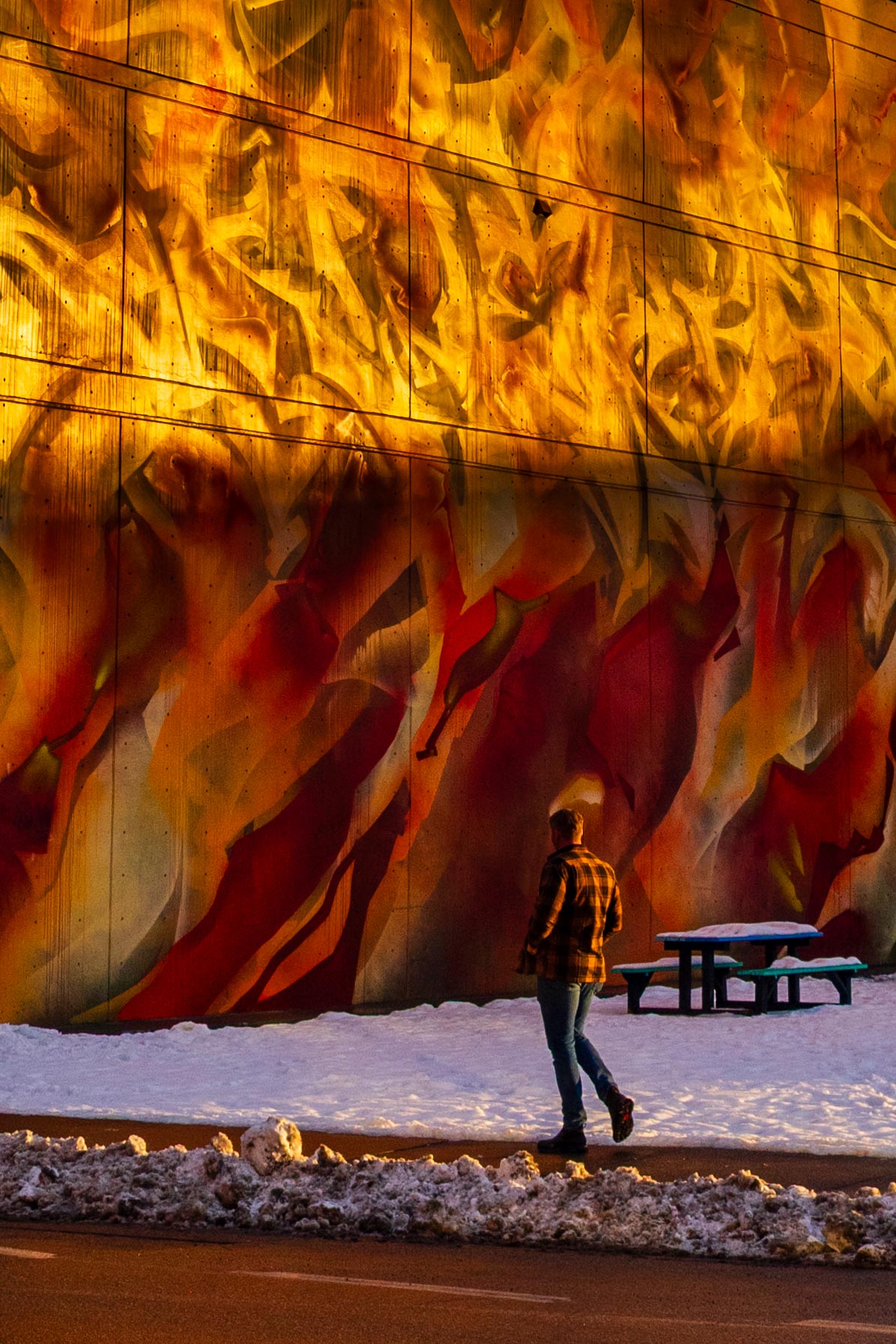
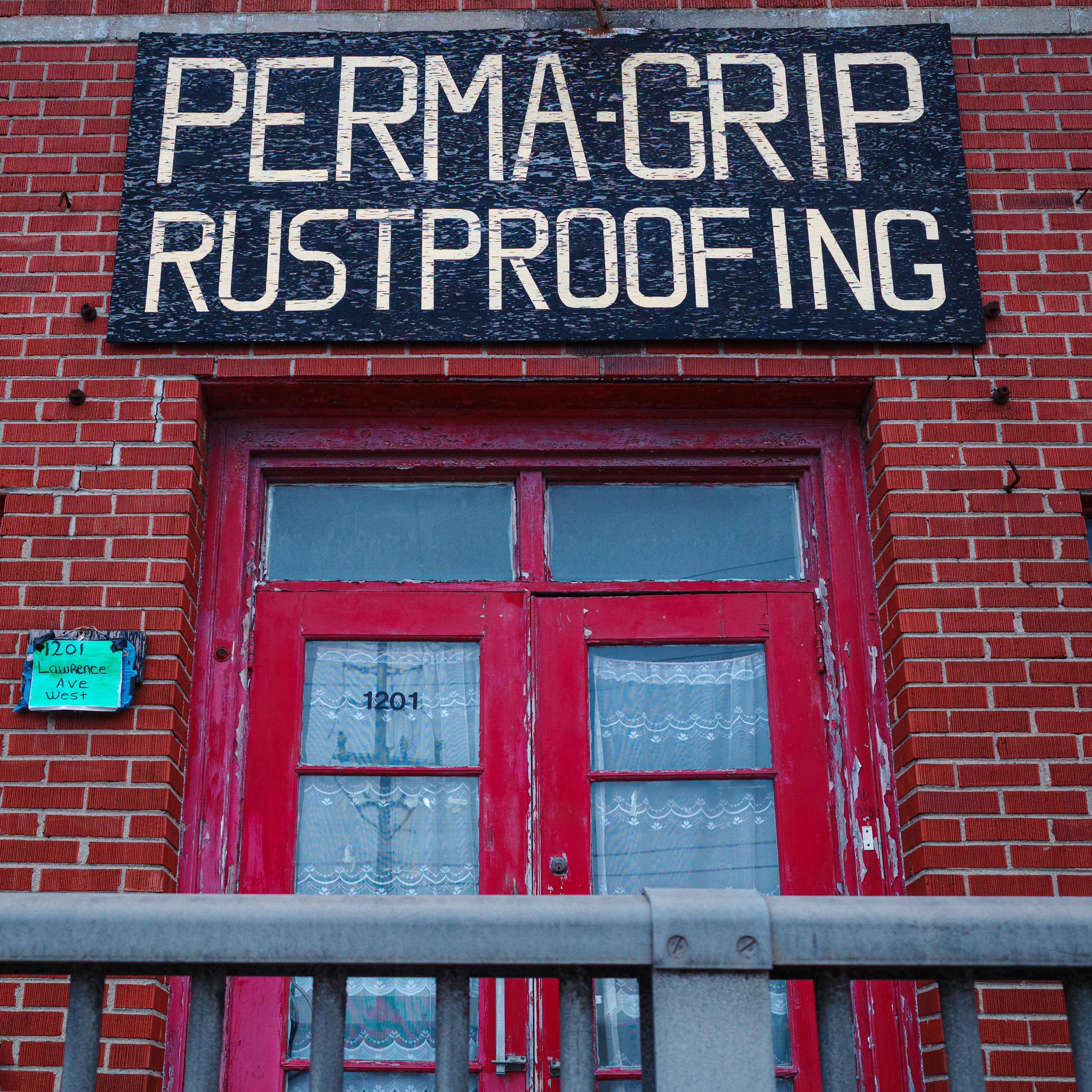
Phil went on to explain that there might be more to this process than observation. He even jotted down some thoughts, which I present here as my first guest submission on the blog. The photographs are mine, but Phil selected the pictures he wanted to accompany his writing.


In nineteenth-century Paris, the flâneur was a stroller who transformed the act of walking into an art form; moving leisurely through the city, observing its ebb and flow with an artist’s eye and a philosopher’s curiosity. Armed with nothing more than time and attention, he understood the city itself to be a living canvas, constantly repainting itself.

Steve’s approach to running and photography is a modern embodiment of this classic figure—using movement through the city as a form of creative engagement rather than mere exercise or transit. His curiosity and his keen eye allow him to see the extraordinary within the ordinary.

The flâneur’s genius lies not in destination but in observation—he reads the city like a complex novel, deciphering the social codes written in architecture, fashion, and gesture. In the Parisian context, this meant lingering in the arcades, studying the interplay of commerce and desire, watching how different classes of people navigated the same spaces with entirely different purposes. The flâneur sees what others miss because he moves at human speed rather than the hurried pace of those bent on efficiency. 

Transported to Calgary among the gleaming downtown towers and the sprawling neighbourhoods stretching toward the Rockies, the flâneur’s eye discovers different rhythms and revelations. He might capture the interplay between the city’s frontier heritage and its contemporary energy—perhaps pausing to photograph how the morning light catches the glass of a modern office building while casting shadows on a historic sandstone church. My friend Steve embodies this Parisian tradition, combining the flâneur’s contemplative wandering with the practical purpose of his runs. His camera serves the same function as the flâneur’s notebook—a tool for capturing the moments that define urban life; transforming the ordinary act of moving through space into a form of creative observation.  In calling Steve a flâneur, I celebrate something valuable but increasingly rare in our hurried world—the importance of moving through our environment with alertness, engagement and appreciation.

– Phil Davies, December 2025


These boots were made for walkin’…! (Calgary, December 2022)

Concluding thoughts

Until my discussion with Phil, I would have said that I wasn’t doing anything different from any other street photographer, except that I’m moving faster than most of them. When I’m cruising the streets, I do so with thoughts of my photography idols in mind; people like Fred Herzog, Elliott Erwitt, and Saul Leiter. I wish I could be one-tenth the photographer that they were.

I also move through the streets with a clear purpose. I welcome the creative tension that comes with choosing a location and then watching for promising scenes to develop in front of me as I’m running. Many times and for many reasons, I’ve missed a shot that I wish I’d captured. But that’s alright, because sometimes I come home with a treasure. I can’t ever be too hard on myself about this, given the parameters I’ve set for myself.

In the end, it may not matter what label I use—flâneur, observer, or something else. Phil, you’ve helped me see that this process of roving exploration is well worth the effort.

On Running Streaks

A running streak is pretty much what it sounds like—run every day until you can’t. And while it’s up to each runner to set their own parameters, the Streak Runners International, Inc. and the United States Running Streak Association, Inc. (yes, there is a governing body for this activity) have set out some helpful guidelines. Here’s a quote from the SRI/USRSA website:

The official definition of a running streak, as adopted by the Streak Runners International, Inc., and United States Running Streak Association, Inc., is to run at least one mile (1.61 kilometers) within each calendar day. Running may occur on either the roads, a track, over hill and dale, or on a treadmill.

-SRI/USRSA website

So that’s it. Sounds simple enough, right? The longest active run streak, as reported recently in Canadian Running, belongs to Jim Pearson of Marysville, WA. As of September 24, 2025, he has run for 20,310 consecutive days. Over that time—more than 55 years—Pearson has run 305,000 kilometres. Now that’s impressive!

Is a running streak a good idea?

As I wrote in my memoir, Stroke of Luck, I’ve never bought into the idea that runners, even highly competitive runners, need to run every day. Of course, regular exercise is hugely beneficial, and running streaks are as consistent as you can get. So, the routine of getting out the door every day will pay dividends in overall health and cardiovascular fitness. From my own experience, regular running seems to increase resistance to seasonal bugs. It may reduce susceptibility to injuries (or it may not). And perhaps most important—streaking instills a feeling of mental toughness, given all the challenges that must be overcome to keep one going.

But there are downsides. The most obvious is that sometimes, when we are injured or feeling under the weather, the best thing we should do is rest. Forcing ourselves out the door, just to check a box and continue a streak, may be making a bad situation worse.

Although streaks aren’t really my thing, I will admit to a certain fascination with runners who can and do carry on long streaks. My brother Paul completed a decades-long streak, as did my old running partner in Calgary, Rick Webb. Rick used to regale me with stories about how he kept his streak alive. One of my heroes is the late Ron Hill, a fascinating man, a legendary runner, and a running streaker. I wrote this in Stroke of Luck:

“… I appreciate what it takes to carry on a running streak. I have known a number of streakers through the years. This evolutionary branch of the running population is an eccentric lot. Most serious runners of the last few decades would have heard of Ron Hill, the great British marathoner and Olympian, whose 52-year streak—which ended in 2017—is legendary. To running streakers, Ron Hill is a patron saint, a person who is universally admired and spoken of with great reverence. He died in 2021.”

Strides Run Streak, 2025 edition

With that background, there should be no surprise that I’ve once again taken on the challenge of the annual Strides Run Streak (SRS). The challenge is simple: run at least one mile every day in December. Kudos to Jeremy and his team at Strides for giving us a manageable goal, one that will help keep us motivated over the holidays.

I’ve been a regular participant in the SRS. In fact, there is a connection between the SRS and my stroke story, which goes all the way back to 2012. I explained in Stroke of Luck how I extended the 2012 streak from a month-long event into one that lasted more than four years. This became my longest personal running streak, even though it paled in comparison to Hill or Pearson. I joked in the book that I might be able to make a case to the RSI/USRSA for the most interesting END to a running streak.

I’ll leave my story there, but if you’d like to know how things turned out, why not get a copy of my book? In doing so, you’ll be supporting a great cause—the stroke unit at the Foothills Medical Centre in Calgary. The book would be a great gift for the runner on your Christmas list!

Now, as some of my followers on Strava will know, I give myself the added challenge of finding a worthy photo while I’m completing my daily run. Sometimes that is a bigger test than the running part, particularly with the days getting shorter and winter setting in. There aren’t many great photos taken on a treadmill!

So far in 2025, my commitment is strong, and the weather has been agreeable. There are a few hurdles, mostly a nagging soreness in my right Achilles tendon. Fortunately, that seems to loosen up after a couple of kilometres. Worse for me is that my training partner is still sidelined with a sore hip. That means my running is mostly solo.

Enough words. Here are some images from the 2025 SRS, which started while we were in Toronto. It’s obviously a work in progress, and I hope to send out another batch of pictures by month-end:

Copyright for all images is mine.

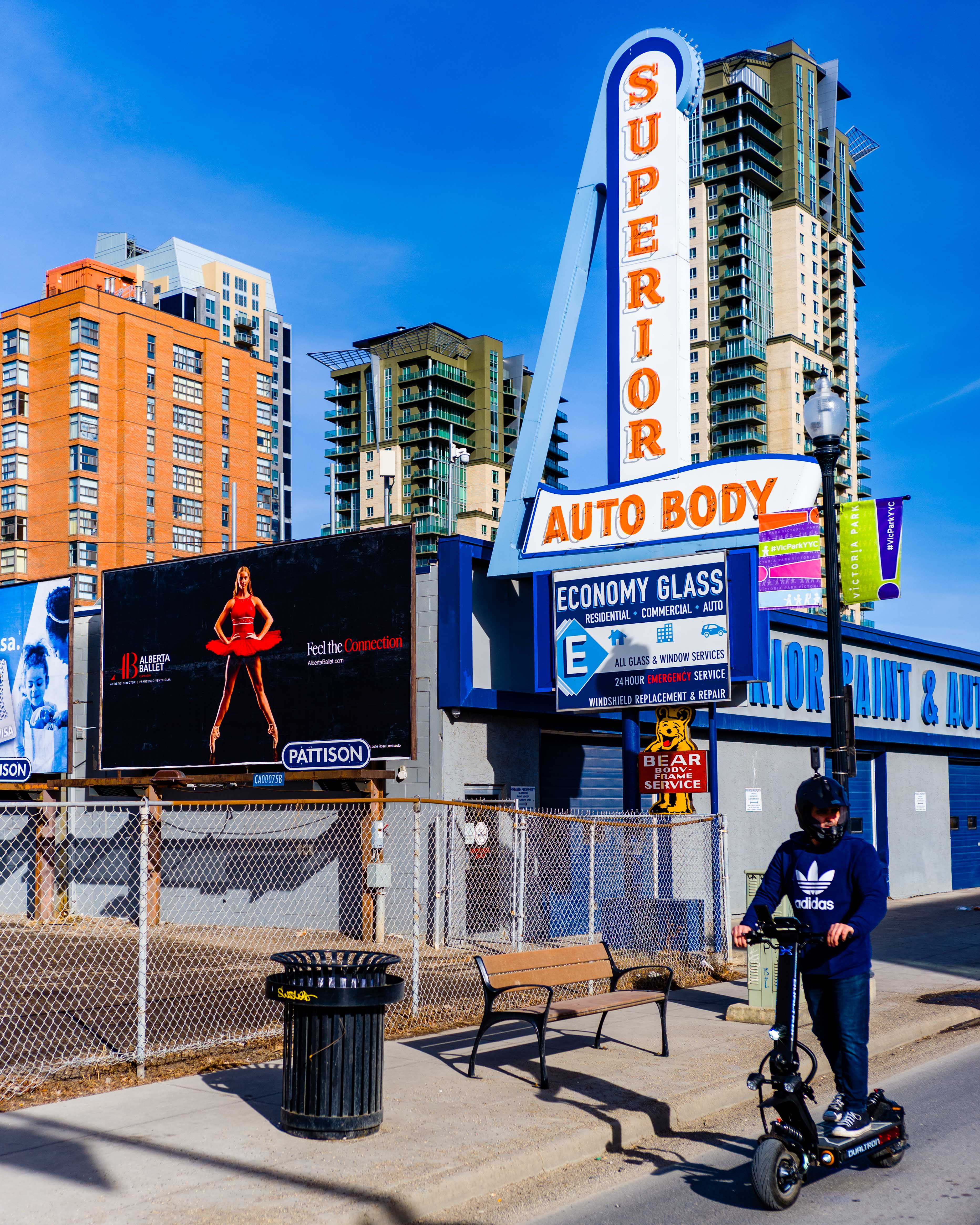
While it’s always nice to capture the festive spirit, I don’t consider it essential. As I’ve said before, my goal is to find images that transport me back to that time and place. I like visiting different neighbourhoods during the month. For me, a good photo run is thrilling; a way of adding meaning to my runs. It doesn’t replace the excitement of competition in a road race, but it’s sure better than nothing. And while there are no governing bodies for photo runs, I can recommend the Ricoh GR III—portable, capable, and durable. It’s been a constant companion on my outings.

Merry, Merry!

Wrapping Up

I hope you’re finding your own source of motivation at this time of year. While it’s easy to avoid going outside, especially when the temperature is -18c, as it is in Calgary today, I always feel better for having made the effort. So, whether it’s a month-long run streak, a walk with your dog, or a jog on a treadmill, I highly recommend a daily dose of activity. Having a camera with me is a reminder to keep things informal, and if I’m lucky, I’ll come home with a memento of the day.

Happy Holidays! And until next time, be well and BE FAST…

The Longview Photo Run

The Black Friday Sale ends soon!

Time is running out for an unbeatable deal on a running story you don’t want to miss!

Stroke of Luck is available on Amazon at a marathon-inspired 26.2 % discount—but only until the end of November.

Get your copy today!

Longview: A Short History

For as long as I’ve been in Calgary, the Village of Longview has been my idea of what makes Alberta special. It’s a quiet village in an idyllic setting. The views of the foothills to the west are spectacular, and that’s because Longview sits just outside Kananaskis Country. Highway 22 (the Cowboy Trail) is the town’s main street. I’ve often told Deb that I want to move to a ranch in Longview, although I wouldn’t have a clue what to do once I actually got there. No matter.

I learned about Longview’s fascinating history when I did my research for this piece. The village is named for brothers Thomas and Oliver Long, who homesteaded in the area at the beginning of the 20th century. Given its location, Longview has a long connection with farming and ranching. When oil was discovered in nearby Turner Valley in the late 1930s, Longview boomed—so much so that it earned the nickname Little New York. Of course, booms tend to go bust, and that’s what happened a few years later. For most of the last 60 years, the village’s population has been around 300.  

One of Longview’s claims to fame is that the annual Kananaskis 100 Mile Relay starts there, early on a Saturday morning in late June, just after the Highwood Pass opens up. There are some fond memories there, I can tell you! I wrote about the race earlier this year—check it out here.

And if anyone needs another reason to visit Longview, here’s one: Flic Film is a business that caters to those of us who can’t quite give up film photography. I used to have a convenient option for film development near my house, until “my guy”—that was Paul Stack—wrapped up his business and retired to Nova Scotia. I’ve been wondering what to do with my film since then, so I was thrilled to learn about Flic Film. I met Dalton on my visit to Longview, and left him with my order.

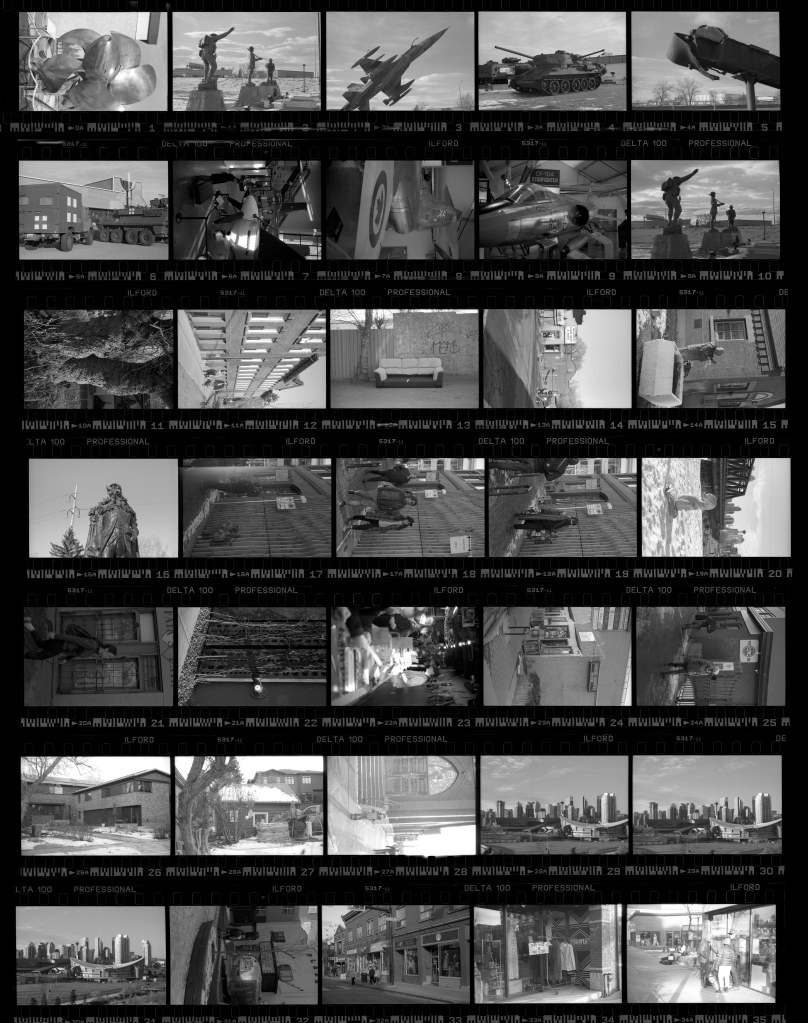
Feeling slightly nostalgic, here’s a contact sheet, which (if you’ve never seen one) is a handy way to identify any “keepers” on a roll of film. There’s something real about flipping through a binder of negatives.

A Short Jog Through the Village

Since I knew I’d be back to pick up my negatives, I decided to add a short photo run through the village on my return visit. I already knew there would be a lot of interesting material along the main street (Morrison Street), like the iconic Twin Cities Hotel. When I’m faced with that situation on a photo run, I try to get a few kilometres under my belt so I’m not starting and stopping too much.

Here’s my running route, courtesy of Garmin:

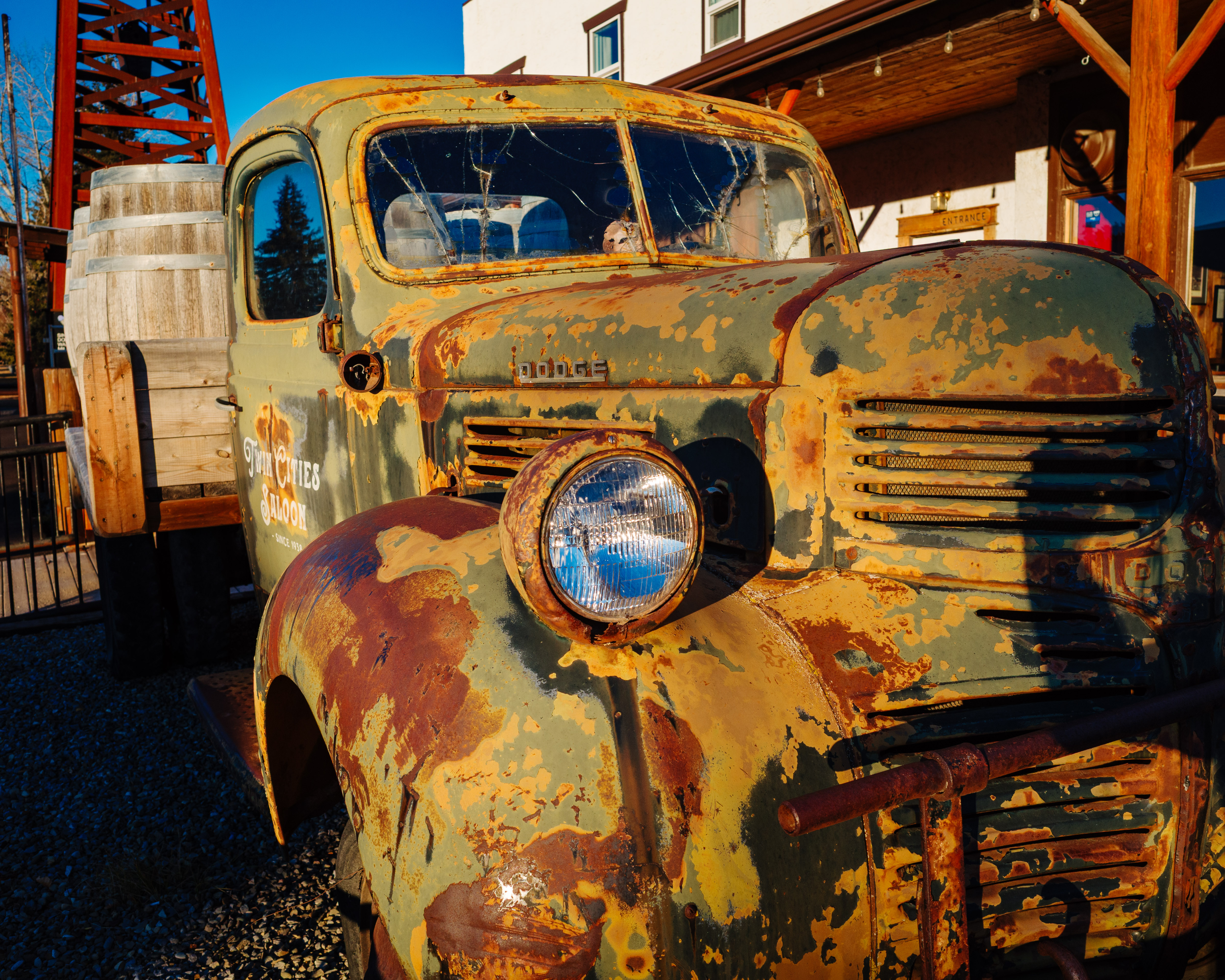
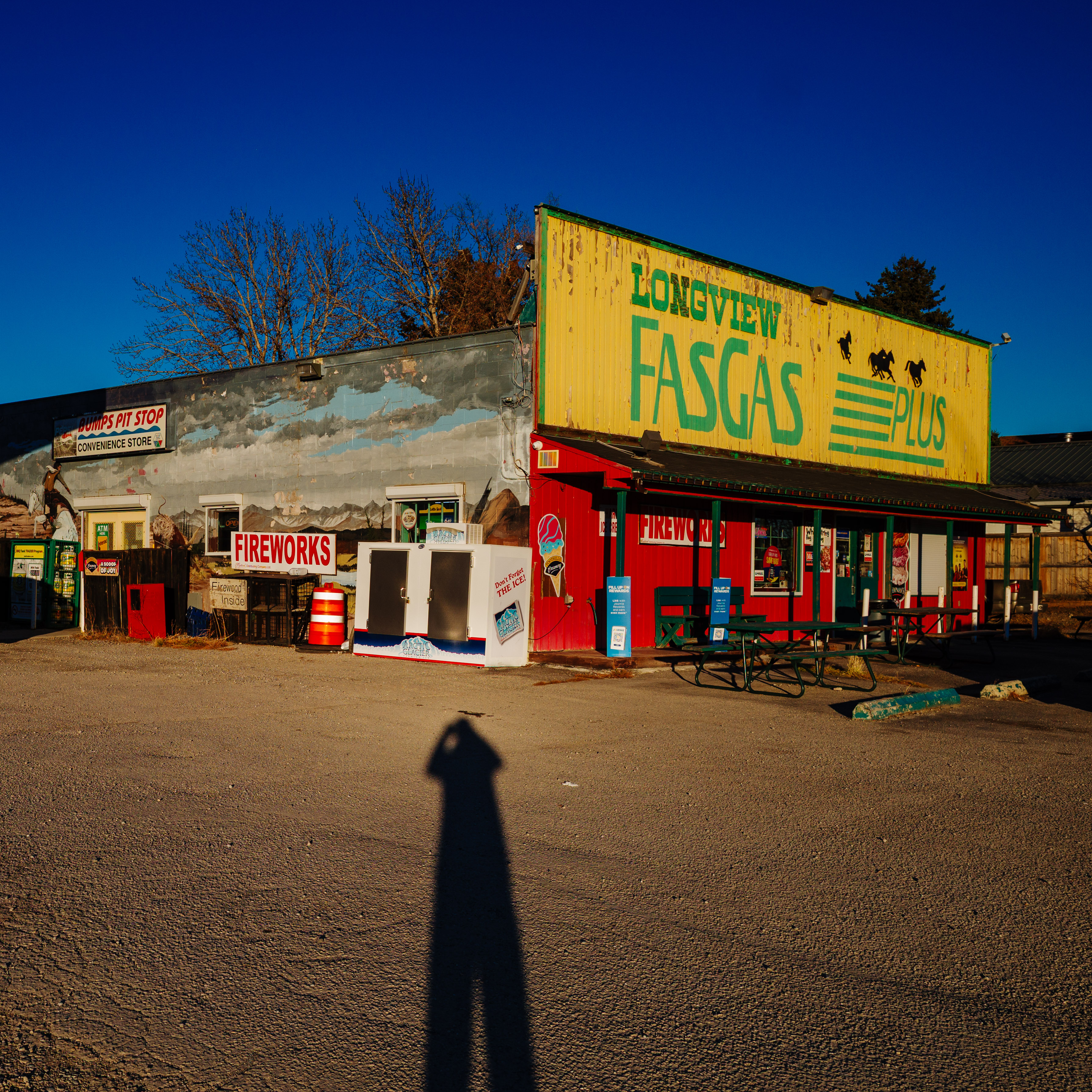
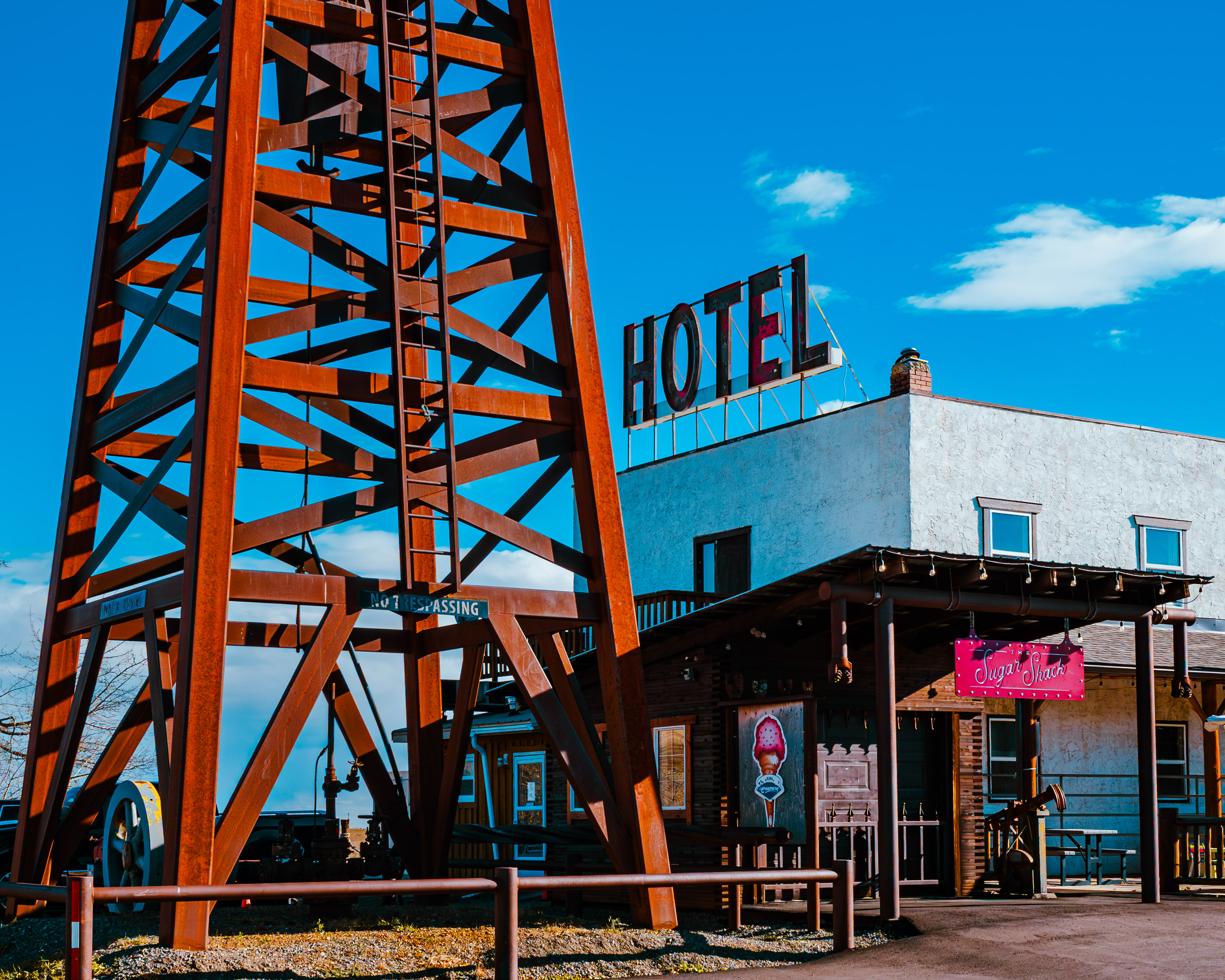
I did end up with a few worthwhile images, carrying the venerable (but now discontinued) Ricoh GR III. I learned a lesson, though. At this time of year, the sun sets quickly. If you see it, shoot it, because it might not be there a few minutes later!

Enjoy these images (copyright is mine):

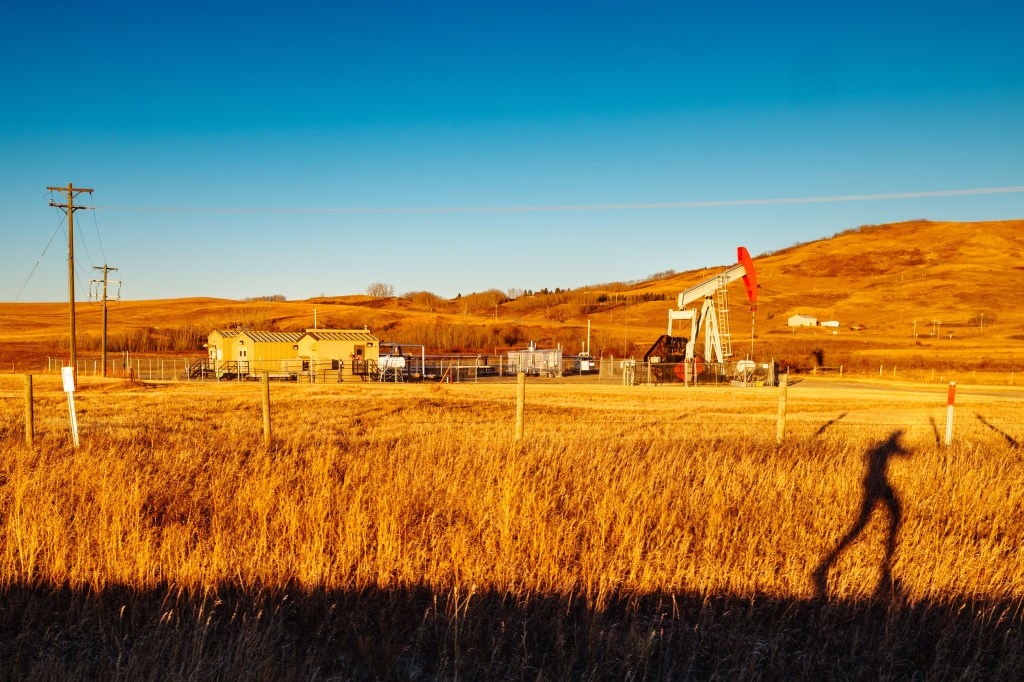
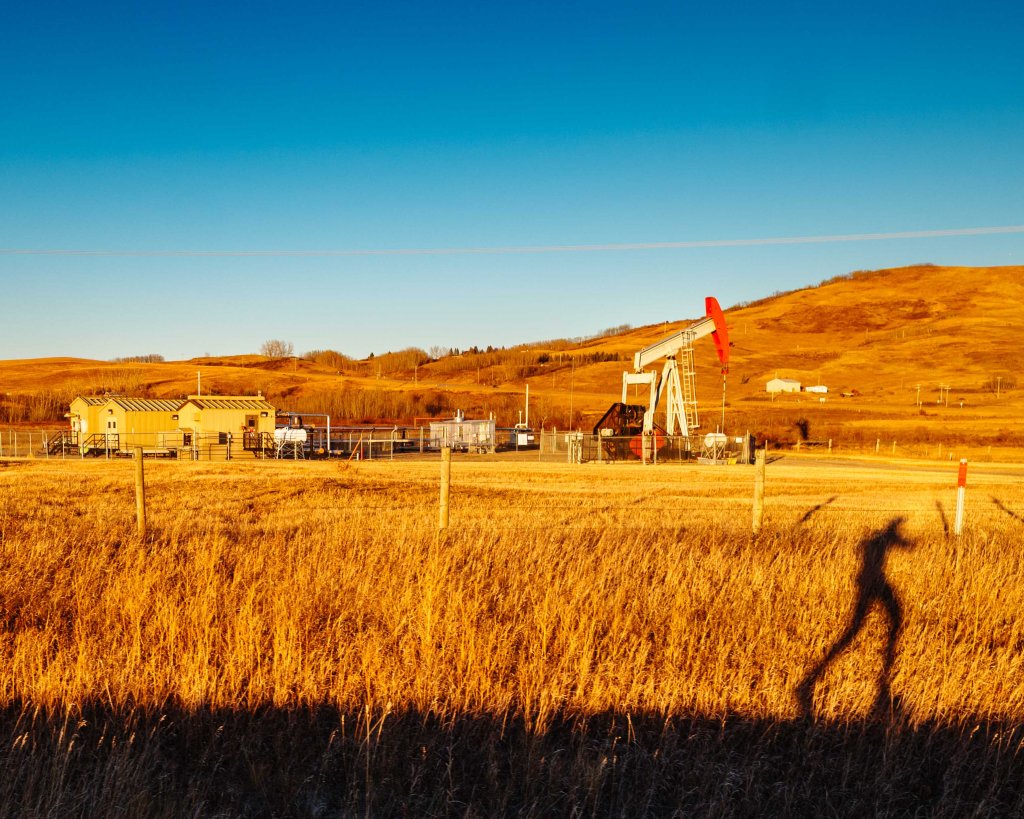
After an out-and-back run to the Highwood River at the south end of the village, including a decent hill, I headed out on Highway 541 towards K-Country. I was thinking about some of my past adventures on the relay. Running the first couple of kilometres was great, and being able to turn around was even better. Here’s a selfie, where I did my best imitation of the pump jack in the background.

Heading for Home

After I got home and started putting this piece together, I read about a bit of Alberta history that I was completely unaware of. A few kilometres north of Longview is a historic site marker, which I have driven by and wondered about, since there doesn’t seem to actually be anything there.

Well, it turns out to be a commemorative plaque and display for Little Chicago. Apparently, the boom that fueled growth in Longview led to another town springing up, just up the road. That’s where the Twin Cities Hotel got its name. The name Little Chicago was changed to Royalties, as it caused confusion with, you know, that other Chicago. At the peak in the late 1930s, the population of the two towns was about 3,200. As things turned sour economically, all traces of Little Chicago disappeared, except for the plaque that tells the story. I’ll definitely stop for a look—and a photo—on my next film drop.

Until next time, be well and BE FAST!
Urban Sustainability? Hardly!

We live in interesting times in Calgary. I’ve formed strong opinions about what I see happening in my city. For many reasons, I think we’re on the wrong track. From what I’ve seen recently in other large Canadian cities, the same things are happening there, too.

One of the first pieces I wrote for this blog was on the topic of sustainability. You can find it here. My focus then was on objects that are perfectly designed for their intended purpose. They are sustainable, in that they can be expected to work perfectly for a lifetime (or longer) if properly maintained.

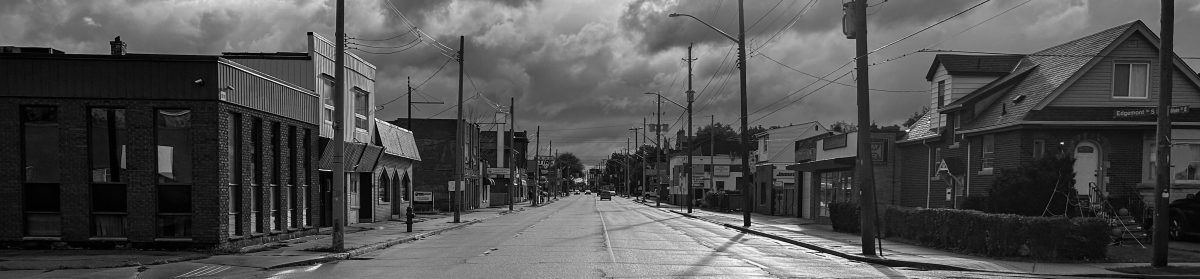
As I walk around inner-city neighbourhoods in Calgary, I’m bothered by a pattern that I see being repeated over and over again. Homes that have stood for decades are being levelled and replaced by one of two things: large, contemporary boxes or large, multi-family boxes. And it’s not just homes. Commercial buildings are being torn down and replaced by high-rise residential towers full of small (you guessed it) boxes.

Boxes, boxes and more boxes…

Why is this happening? Well, it is now presented as common knowledge that housing is a critical problem in Calgary. City administration has prepared or commissioned studies to explain the situation and how dire it is. I’ve read their material, and I’m willing to admit that I don’t know. I’m not an urban planner or a sociologist. Maybe it’s a crisis, or maybe it isn’t.

What I do know is that if I exercise my right to ask questions or comment on proposed developments that directly affect me, by writing letters to my councillor and city planners, the usual response consists of boilerplate talking points about housing supply and affordability challenges. I used to write such letters, but I don’t do so anymore. When a response starts with the words “because we are in a housing crisis…“, then it will include justification for all sorts of irrational actions.

As I said, I have many problems with this trend, but let me come back to that word, sustainability. I define sustainability as encompassing the social, environmental and economic aspects of a project. In my view, nothing in the current teardown and build cycle is sustainable. I’ve noticed that the experts who tout densification and the bureaucrats who facilitate it—the same people who are quick to extol its benefits—tend to be silent on this point. This isn’t an oversight; it’s because the facts don’t fit their narrative.

How about an illustration?

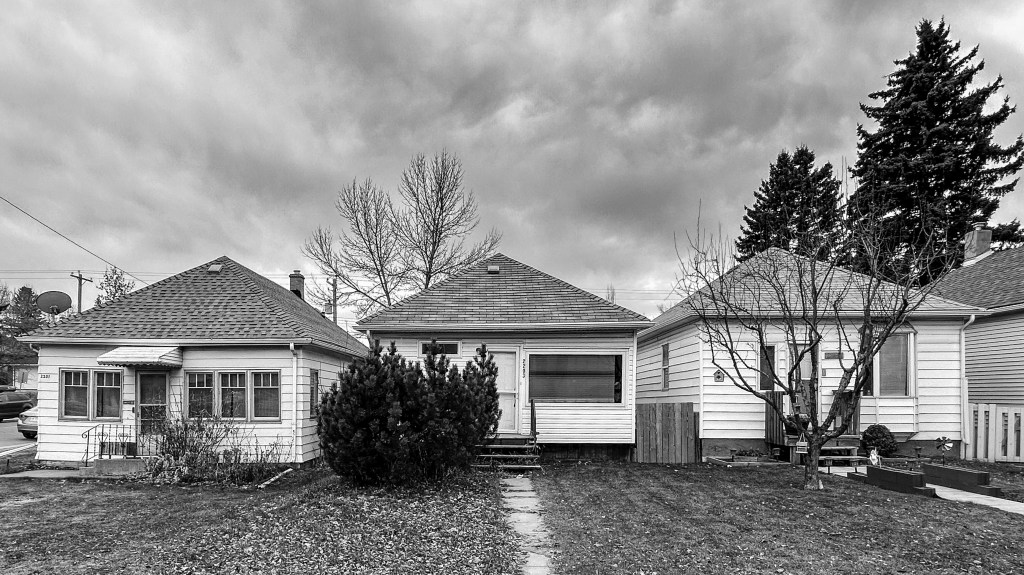
Yesterday, I walked by a row of three post-war houses. All were small, neat and well-kept. They have been standing for decades, so we know they have survived many brutal Calgary winters. The owners of these homes have replaced roofs, tended lawns, and done the hundreds of other routine tasks needed to keep them functioning. They have put their personal touches on them. These houses are not flashy, large, or modern, but they definitely are sustainable. On the evidence, these are the type of structures that stand in the way of solutions to our housing problem.

The impediments to solving our housing crisis… really?

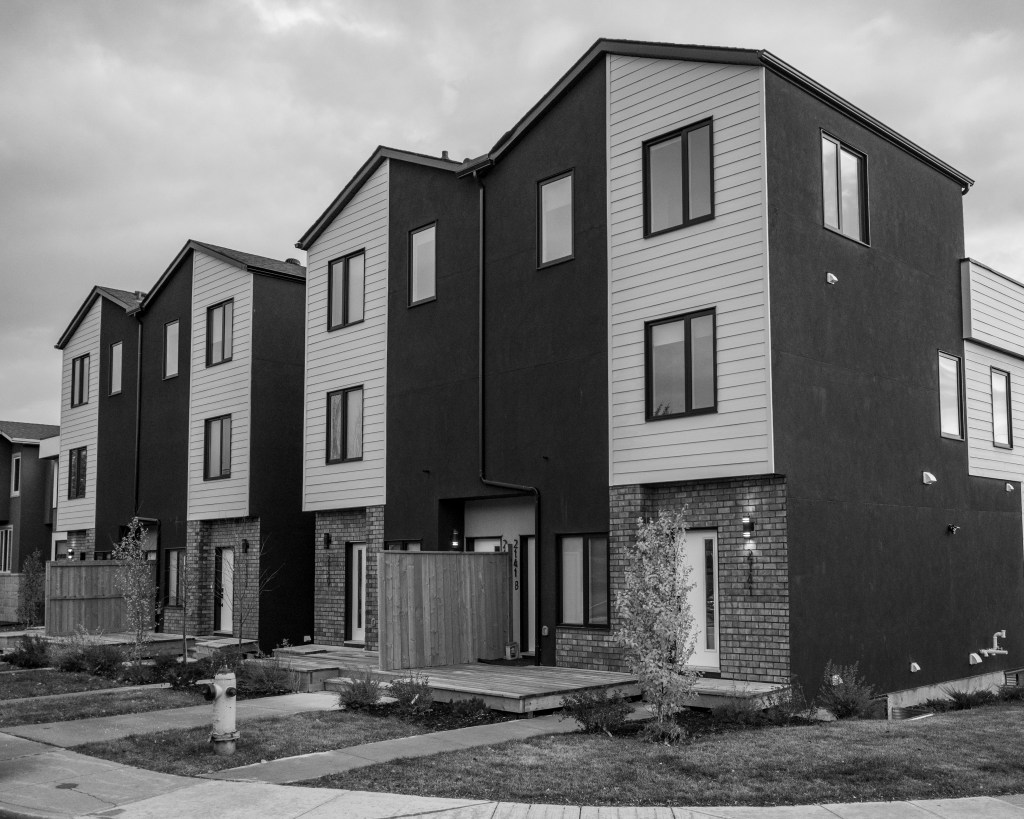
Let’s contrast this scene with another, where a transition has already occurred. The houses that used to stand in this location were like the ones pictured above. They have been replaced by multiple, multi-family dwellings; in this case, four fourplexes.

Tell me, what problem is this solving?

To get to this point, three houses were demolished and carted to the landfill. I estimate this would have generated 400 cubic metres (200 tonnes) of waste. That’s without consideration of the concrete foundations, which represent more waste to the landfill, and heavy waste at that.

Pouring new foundations generates significant GHG emissions, because cement manufacturing is one of the most GHG-intensive industries. Of course, there will be a continuous stream of waste while construction is in progress. And our lush urban tree canopy? Gone.

What are the main development scenarios for inner city locations?

If we see a custom contemporary house going up, it’s usually large and built to serve the needs of a couple or a small family. In other words, there will be a lot of space dedicated to a few people. Don’t get me wrong. This is a free country, and people can build to their own taste and budget. But on a full lifecycle basis, it’s hardly sustainable.

If it’s a multi-family dwelling, it’s almost certainly going to be built by a developer who will target the minimum building standards. There will be pressed board exterior walls, thin insulation and interior walls, plastic pipe and cheap finishings. Unlike the post-war houses pictured above, nothing built today will last. We can be sure of two more things: the developer will realize a healthy margin, and the finished units will not be affordable.

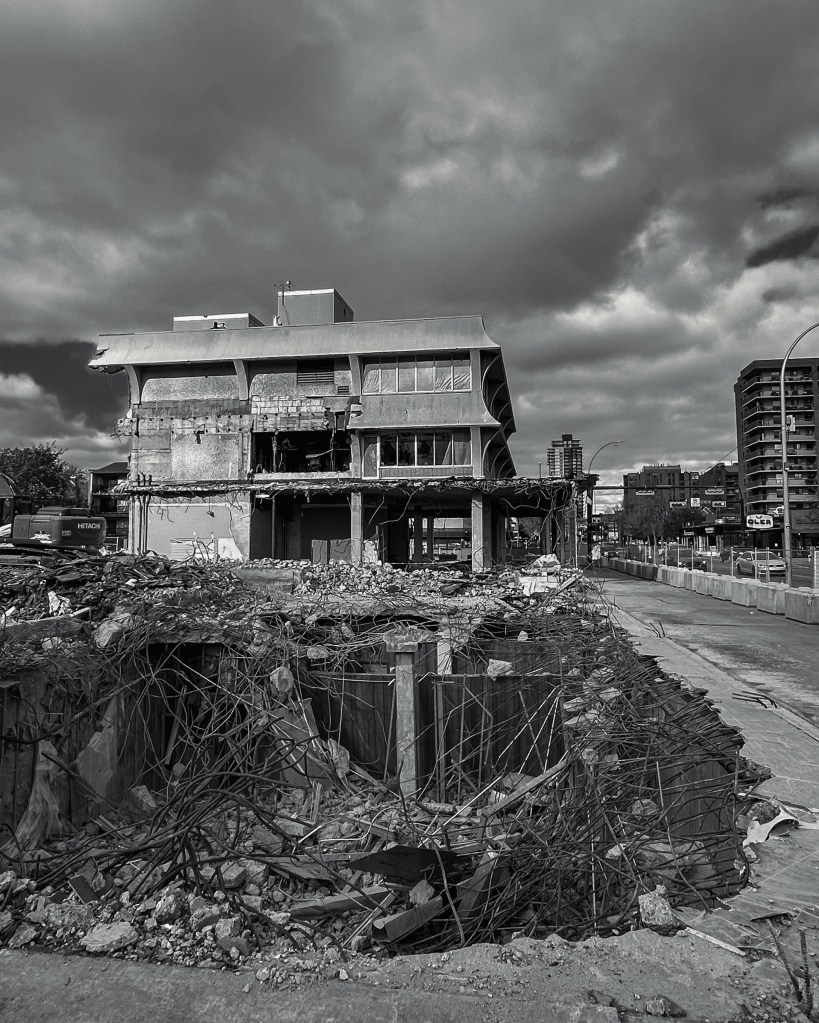
What about commercial properties? To round out my review, I checked the progress on the long-planned demolition of the Jimmie Condon Building at the corner of 17th Avenue and 14th Street. Some would say the building is (sorry, was) historic, and others would say its pagoda-style roofline was an eyesore. Either way, if a picture is worth a thousand words, then this one is a mouthful.

Off to the landfill, Jimmie!

We hear a lot these days about the need to build more “climate resilient” infrastructure. In response, I’ll note that I’ve seen plenty of buildings shrouded in tarps a few years after construction, presumably to repair deficiencies in exterior construction or incorrect materials. That is neither resilient nor sustainable.

I’ll leave for another day related questions—like whether multi-family dwellings (or high-rise towers) will solve the apparent housing crisis that led to their construction in the first place. Or who ultimately pays for luxury condo units that sit on the market unsold, or peddled as short-term rentals. Or whether we should be replacing our city’s already small inventory of historic buildings with characterless, cheaply-built boxes.

To conclude, there’s a saying that a good crisis should never be wasted. I think our municipal government and administration are doing just that with their housing crisis. Their logic is simple: the more housing units that are built, the more tax revenue will be generated. So inner city buildings are being demolished at a rapid pace, with no consideration of what makes our neighbourhoods unique or desirable.

This is a trend that’s hard to justify if one is thinking sustainably. We’re targeting one objective—increasing the supply of housing units—at all costs. In this context, “at all costs” means neglecting environmental stewardship and economic sensibility.

Fortunately, the market has a way of correcting irrational behaviour. I hope we will soon see evidence that a much-needed correction is underway.