Thoughts on Decline

I think about my own mortality a lot. Perhaps too much. Sometimes a trivial observation will send my mind down that track—like when I’m walking down a busy street, and I realize that I’m older than almost all the people I see.

Given my personal health story, thoughts of my humanness are perhaps more present than they were when I was young and, as the saying goes, invincible. I’ve experienced a significant decline, one that goes beyond “aging”, although a growing count of orbits around the sun means I’m experiencing that type of decline as well. Apparently, aging occurs in both a stepwise and linear fashion, and the decades of our 40s and 60s are where the biggest steps occur. I think I can attest. And of course, I know how the story will end.

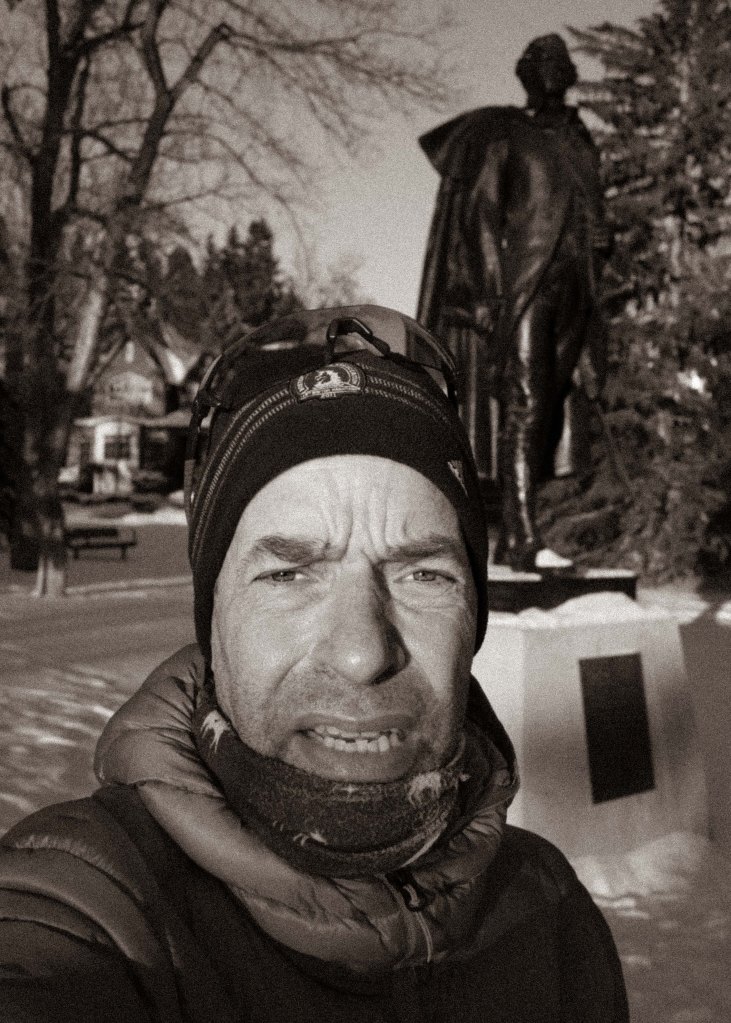
But then, sometimes, the most amazing things happen, things that make me celebrate my situation, my very obvious mortality. Things like today’s run1, in which I reluctantly took on Calgary’s arctic conditions, and returned home somehow feeling 20 years younger. It was a wonderful outing, easily my best run in a month, and one that made me feel truly alive. You may know the feeling— it’s like history being made, even if the run itself counted for nothing.

My recent reading list includes several books that deal with decline and death, and that may explain my focus on the subject. While this piece doesn’t offer any great insights, I generally find it easiest to deal with things by writing. So here goes, with a decidedly unfestive, but hopefully not depressing, piece.

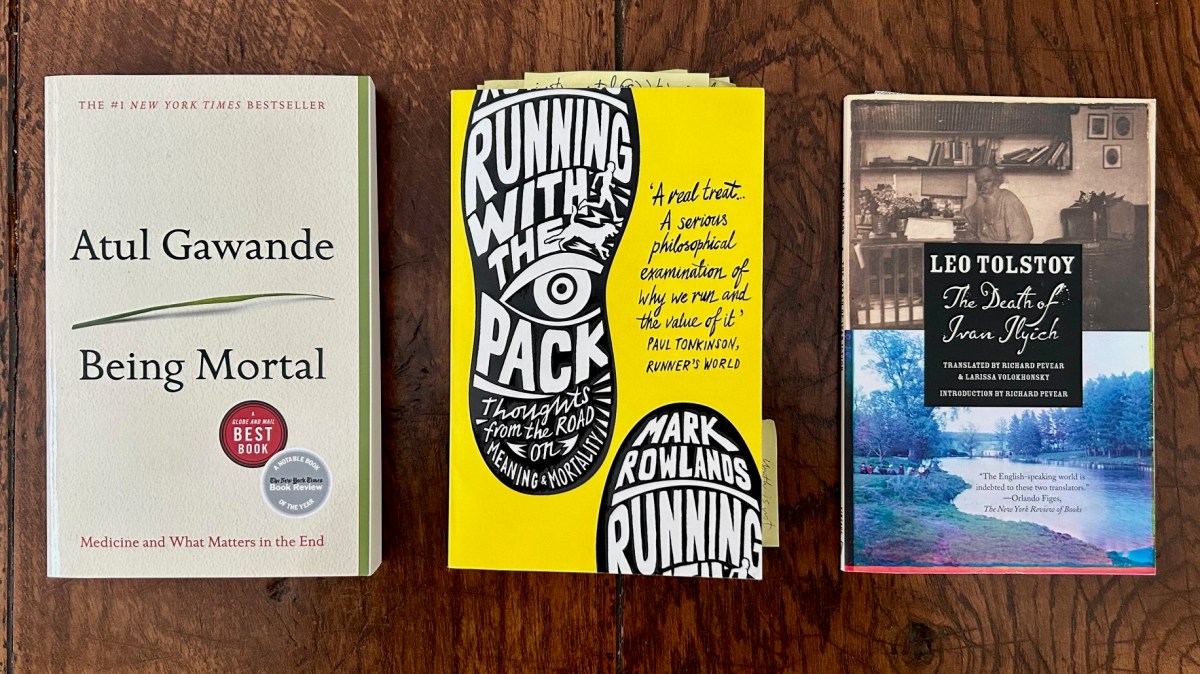
Being Mortal, by Atul Gawande

Being Mortal, by surgeon and author Atul Gawande, was suggested to me by a friend. We were both dealing with parents in their declining years—in fact, my mother had died just a few weeks before. I sat on his recommendation for a while, perhaps because I was afraid to open the book. I’m glad I eventually did.

Gawande describes how modern medical intervention has changed the profile of physical decline, essentially blurring the transition from life to death. While sobering, the book makes the point that our societal approach to medicine is often not suited to the needs of people nearing the end of life.

Gawande argues that the role of the medical establishment should not be to ensure survival at all costs. He would rather see the system as enabling well-being, however a person (the patient) might define it. He presents numerous examples of human decline, not all of which are age-related, to support his contention that the best action at any time may be palliative, rather than interventional.

I finished Being Mortal with a feeling of anxiety. I suppose the book confirmed what I already knew, that the circumstances of my own demise are likely to be unknown to me. I looked back over the ever-growing list of people I’ve known who have died. The full gamut of difficult human experience is there for my contemplation.

My takeaways? I should ensure that those around me are aware of my wishes at the end of my life, and to the extent possible, stay involved in the process.

Running with the Pack, by Mark Rowlands

Running with the Pack, by philosopher and University of Miami professor Mark Rowlands, is a book I discovered during the formative stages of my research for Stroke of Luck. The challenge I faced at the time was to understand my long personal connection with running at a deeper level. The evidence clearly demonstrated a connection, but I was grappling with a version of that most fundamental philosophical question: “What is the meaning of life?”

Rowlands’ unique book helped me organize my thoughts. I appreciated his ability to parse philosophical discourse into manageable pieces. Better still was his framing of mini-lectures around his own running. (And his dogs, which play a major role in his life.) While the answers remain as elusive as ever, I certainly relate to Rowlands’ thought process.

I wanted to see what Rowlands had to say about decline. In fact, he says a lot. He observes that philosophers have tended to be less interested in decline, even though for human beings it is an inevitable aspect of living. Using the example of running injuries, Rowlands explains why there really is no escaping our decline, given our evolution as mammals and our physiology.

So, what are we to do? Rowlands would have us look to young children and animals, especially dogs. These beings instinctively know what is important in life—the things that bring joy, the things that are worth doing for their own sake. Things like, you guessed it, running. The highlight of Rowlands’ book is his explanation of the “intrinsic value” of running; the idea that when we are immersed in a run, we experience it for its own sake. We find joy in an activity that has no instrumental value.

This line of thinking was hugely beneficial to my own assessment of running and its importance to me. As Rowlands says, “youth exists whenever action has become play”. That may explain why today’s run made me feel 20 years younger—it was pure joy to be outside and in control. In a small way, it was a statement of defiance against my own decline.

The Death of Ivan Ilyich, by Leo Tolstoy

The Death of Ivan Ilyich is a short work by Leo Tolstoy, written in 1886. It tells the story of the demise of a prominent and successful bureaucrat from an unspecified affliction, or possibly the result of a seemingly insignificant fall while doing a home renovation project. (Aside: I must remember to point out to Deb how dangerous these activities can be!)

Whatever the cause, Ivan’s death is slow and painful, both physically and emotionally. His illness highlights many themes that remain relevant today. First is the superficial nature of Ivan’s relationships with his family and friends. Those close to him are too absorbed in their own affairs to understand what he is going through, much less feel any empathy for him. Quite the opposite. His suffering proves to be an inconvenience to his socially conscious wife and an opportunity for his rivals at work.

Second, it’s a story about the role of medicine. The medical care offered to Ivan is inept and, worse, insensitive. As readers, it’s tempting to look at Ivan’s situation with full awareness of the miracles that modern medicine could have offered him. However, after having read Being Mortal, I realized that Ivan faced the same issues we face today. Are today’s invasive interventions any more humanistic than those of Ivan’s callous doctor? Medicine shouldn’t be about the miracles that science can offer, but whether and when the tools at hand should be used at all.

What does it all mean?

I’ve highlighted three books that allowed me to think about decline from new and different perspectives. The books could not be more different. This is a subject where it is worthwhile considering as many viewpoints as possible. For that reason alone, I recommend all three books. Read together, they complement each other well.

It seems the best course of action is to be prepared for my own decline by knowing how I define living. That will inform any difficult conversations with family and friends, as we face decisions about the type and extent of medical intervention I am ultimately willing to endure. Until then, I should seek joy as I’ve always done—by going for a run!

I hope 2026 is good for you and yours. Remember, BE FAST!

  1. I wrote this piece in mid-December, during a long cold snap. I decided to sit on it for a while, realizing that it would have been a downer during the festive season. Now, here we are, well into the new year and in the middle of another cold snap, so I decided it was time to hit the “publish” button. SK ↩︎

An Important Visit With CHF

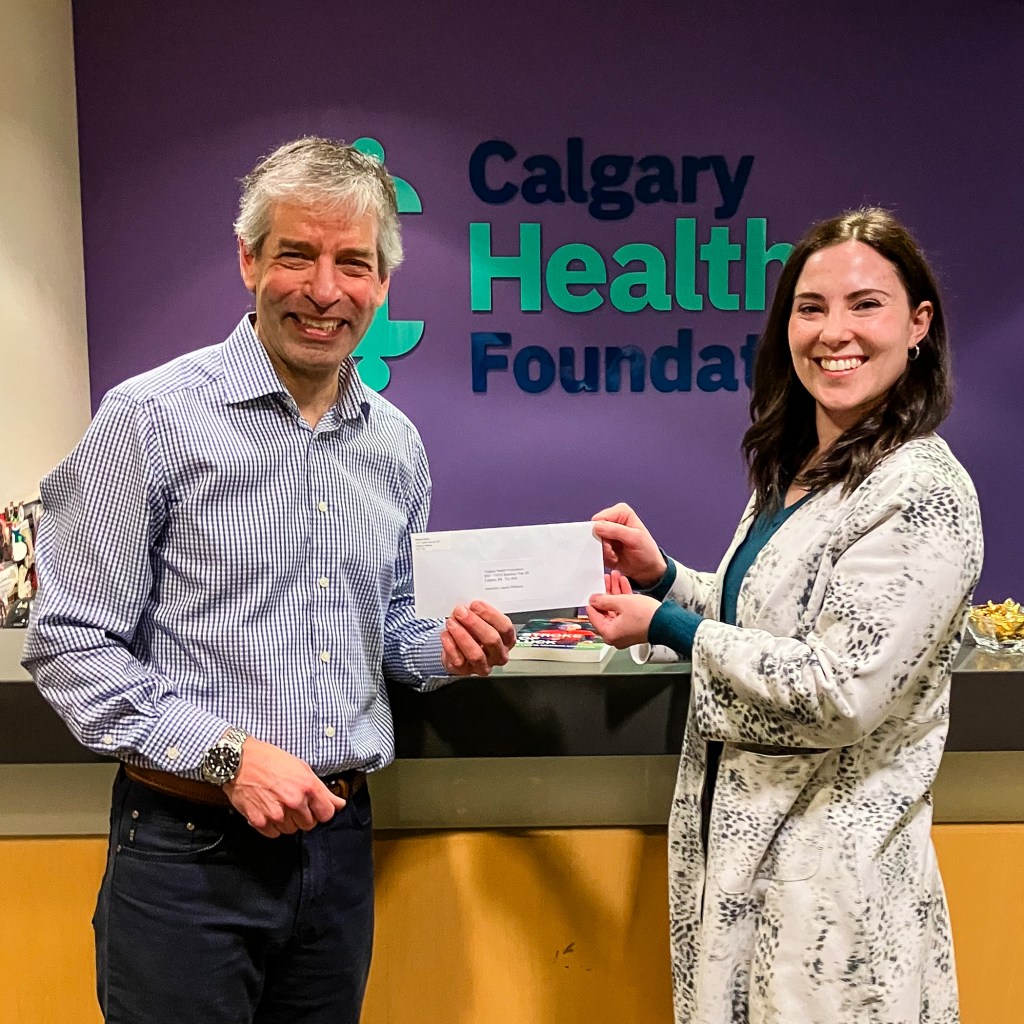
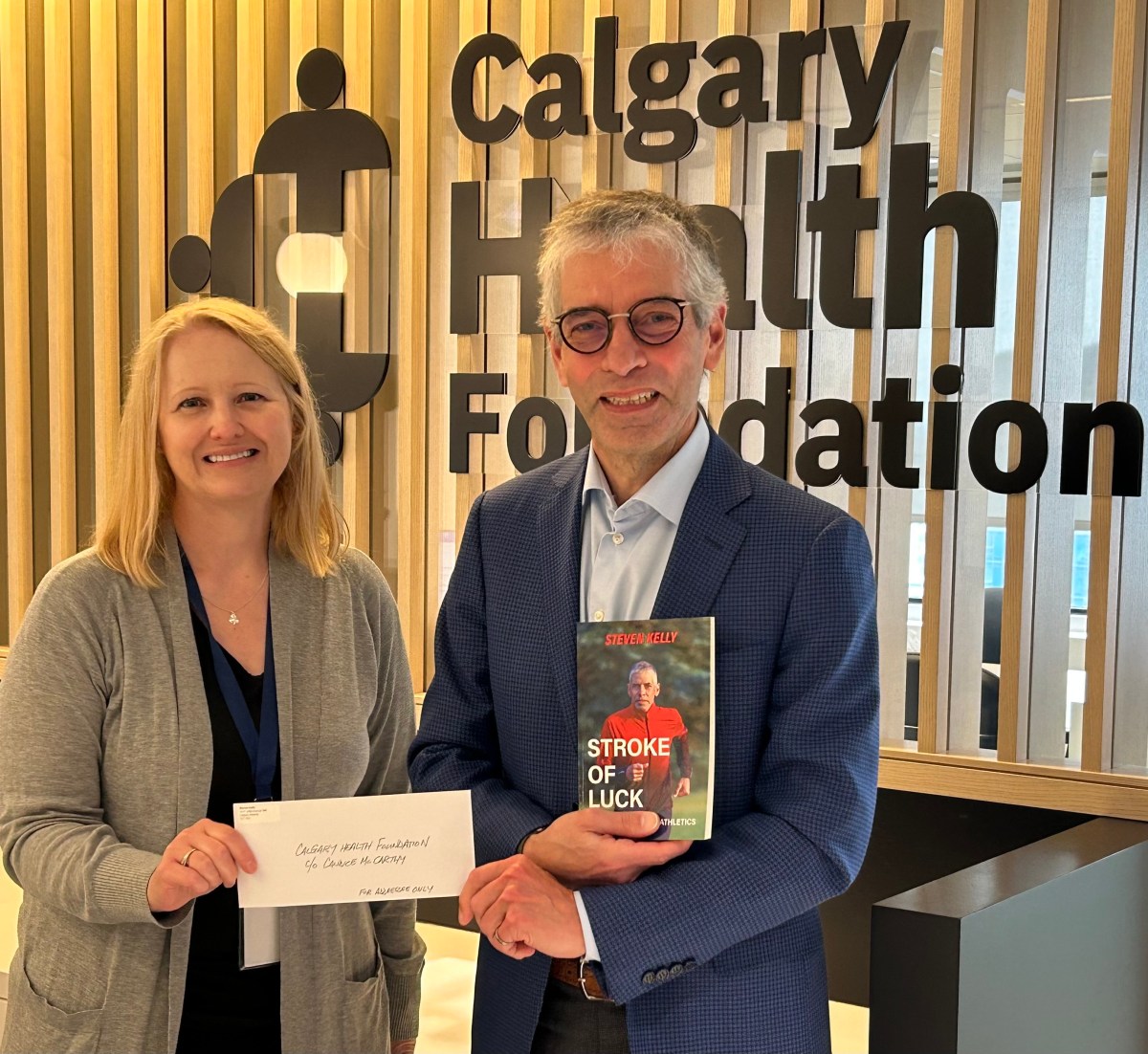
I had the pleasure of dropping into the Calgary Health Foundation office today. The purpose of my visit was to present CHF with a donation cheque, on behalf of everyone who has supported my Stroke of Luck book project.

When I first considered writing a book about my stroke journey, it was a daunting prospect. I was indebted to the doctors, nurses and staff at the Foothills Medical Centre, Unit 100 (“the Stroke Unit“) for their care during my stroke journey. As a grateful patient, it was ultimately an easy decision to go ahead with the project, once I realized that my book could be a platform for helping them in their invaluable work.

I’ve committed to sharing with the Stroke Unit proceeds from book sales, plus all other direct donations I receive. With the help of Laurel Williams (Philanthropy Advisor) and Ashley Oakley (Communications Advisor), these funds will go directly toward the ongoing needs of the Stroke Unit. It’s the least I can do.

Thanks again to all who have bought the book or have contributed to the cause. Your support is greatly appreciated!

With Laurel Williams, CHF Philanthropy Advisor, March 2025 (Photo by Ashley Oakley)

While I’m writing, I will take the opportunity to remind my readers about my three main messages:

  • The importance of an active lifestyle
  • Awareness of ALL the symptoms of stroke, and of course…
  • Raising funds to support the great work being done every day on stroke prevention and care at the Foothills Medical Centre’s Stroke Unit

Finally, if you have not already read the story that Ashley wrote about my stroke journey, you can find it here.

Until next time, be well and BE FAST!

Strokes, Streaks and Snow

Now for a post dedicated to the core subjects on this site: strokes, running, and of course photography. Covering all of that might seem like a tall order, but the last month has provided me with plenty of material on all three subjects. So, without further ado…

CanStroke Congress

In late November, Calgary hosted the 2024 Canadian Stroke Congress, which is described as “a forum for stroke researchers, trainees, clinicians, allied health, administrators, policymakers, and People With Lived Experience of stroke (PWLE) to share new discoveries and innovations, the latest science and therapies, and to build relationships for future collaboration.”

I learned about the congress in a recent conversation with representatives of the Heart and Stroke Foundation. By registering as a PWLE, I was able to attend any of the main sessions at a very reasonable cost. It was a unique opportunity to participate in an exceptional event.

Several workshops were offered on the day before the congress, and I attended one on patient engagement. We heard from scientists and advocates on a range of topics, all focused on ways that PWLE can become involved in stroke research and advocacy. Breakout sessions addressed the practicalities of various engagement paths. The workshop was a good chance to meet other people and share our respective stroke journeys.

I was so impressed with the workshop that I returned the next day to attend a couple of the main sessions. Dr. Andrew Demchuk, the hero of my own stroke story, and Dr. Thalia Field from UBC led a discussion, “What’s New in Stroke Prevention?” It was standing room only for this session. While much of the discussion was over my head, I was so impressed by the depth and breadth of the presentation, and the knowledge and confidence of the speakers. It reinforced my opinion that world-class stroke care is available in Canada.

Another session (“What’s New in Acute Stroke?”) had three eminent stroke neurologists discuss developments in stroke diagnostics and therapies, including some that I touched on in a recent post. It turns out I have a connection to all three of the speakers:

  • Dr. Michael Hill was one of the physicians involved in my care at the Foothills Stroke Unit in 2017. He kindly wrote the foreword for Stroke of Luck.
  • I’ve never met Dr. Mayank Goyal, but he would have been the physician responsible for inserting a stent into my blocked vertebral artery, should the decision have been made to follow this treatment route for me.
  • Finally, Dr. Aristeidis Katsanos is an eminent stroke neurologist at my alma mater, McMaster University.

My takeaway from attending the congress is that while stroke incidence is increasing and our healthcare system is under severe pressure, we should be encouraged by many significant advancements that are being made in stroke diagnostics and therapy. There is reason to be optimistic about the future.

A Blast of Winter

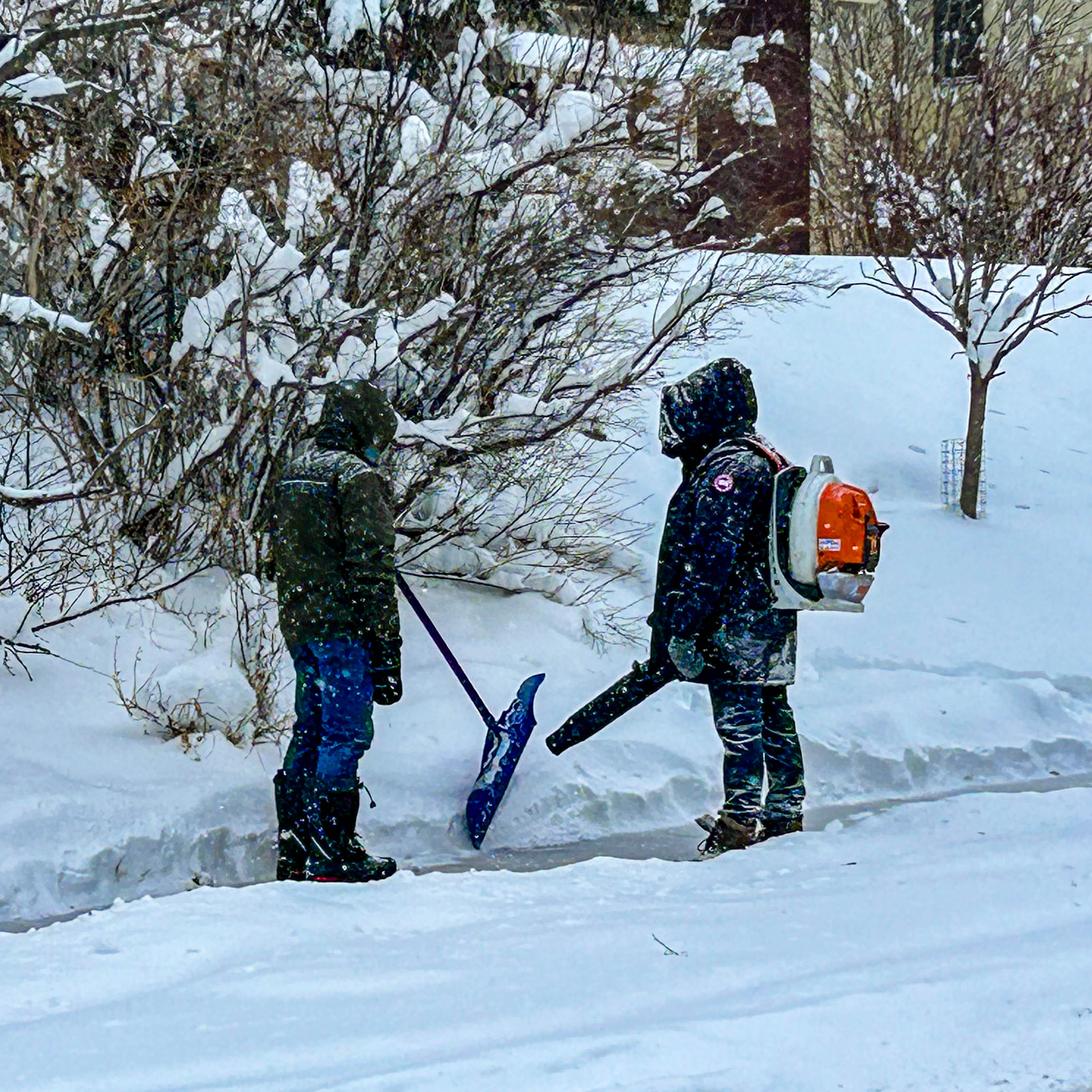
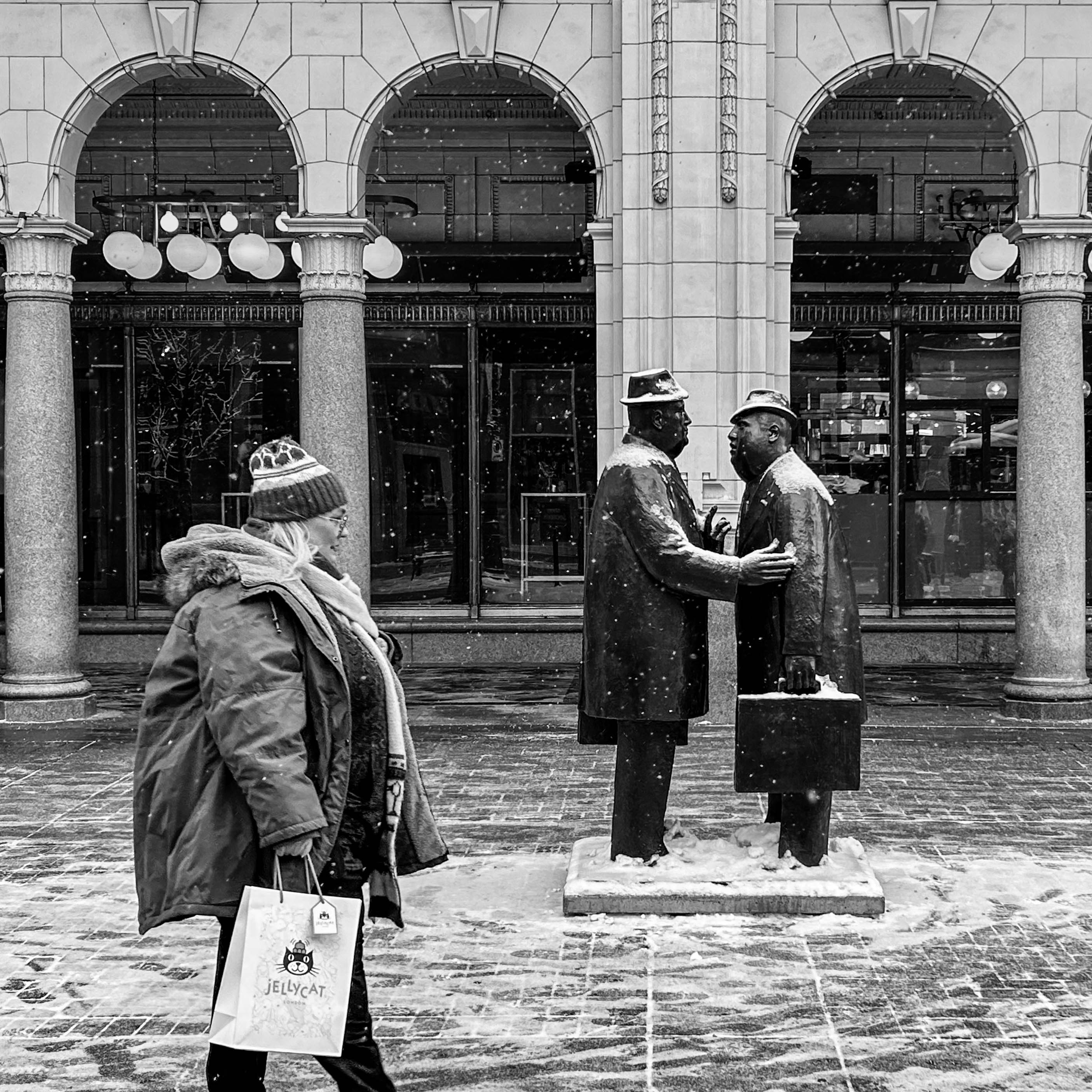
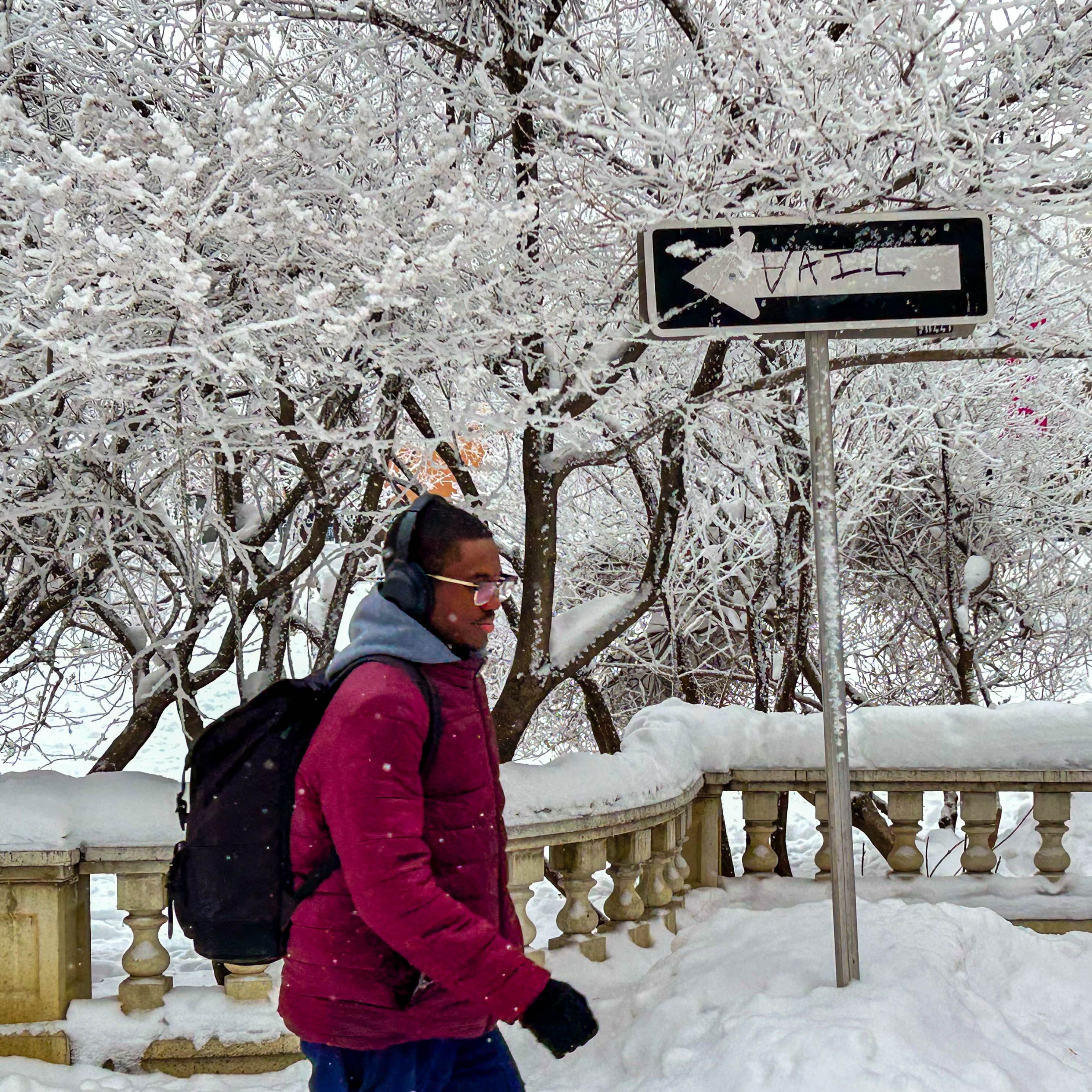
Coincident with the stroke congress was Calgary’s first blast of winter. This likely gave the conference organizers fits. It was quite a wallop. I think we got something like three times our usual November snowfall in one day. Now, while that did complicate a lot of things, it also provided for some great photography. Here are some shots from around the city… with a reminder that the copyright for all images is mine.

Strides Run Streak

Here we are, already halfway through December. Cue the usual observations about where the year has gone. December is also when many Calgary runners take on the annual Strides Run Streak. The challenge is simple: run at least one mile every day during the month.

I have some meaningful connections to this event, so whatever else is going on at this time of year, I like to sign up for it. One mile a day is an achievable goal. I give myself the added challenge of finding a worthy photo or two while I’m completing my run. Sometimes that is a bigger test, particularly with the days getting shorter and shorter!

This year, my commitment is strong, but the challenges are not insignificant. We started the month with plenty of snow on the roads and sidewalks, which have slowly turned into skating rinks. Ah, Calgary weather! I’m also doing most of my running solo these days, as my favourite training partner is sidelined with a sore hip. We are both hoping for some improvement soon.

Two weeks into December, my streak is intact, and I have managed to accumulate a few images. Maybe more images than miles, if I’m honest. While it is nice to capture the festive spirit… the snow does help with that… it isn’t essential. Rather, my goal is to find images that can transport me back into that time and place. It’s a way of adding meaning to my runs. When it comes together, it’s a nice feeling. Here’s a sample.

And while I did say the images don’t have to be festive, there is one that has the potential to put even a Grinch like me into the Christmas spirit. See what you think.

Look for more images soon. I have ideas for other posts before I shut things down for the holidays. In case that doesn’t happen, I will take this opportunity to offer my best wishes for a Merry Christmas to one and all.

Be well and BE FAST!
Stroke News Digest

I haven’t written much about strokes lately, so it was time to scan the recent headlines. It turns out there is quite a lot to report on, and much of it (but not all) is good news. I always prefer to start with the positives, so here goes…

Announcing the Black Friday Sale!

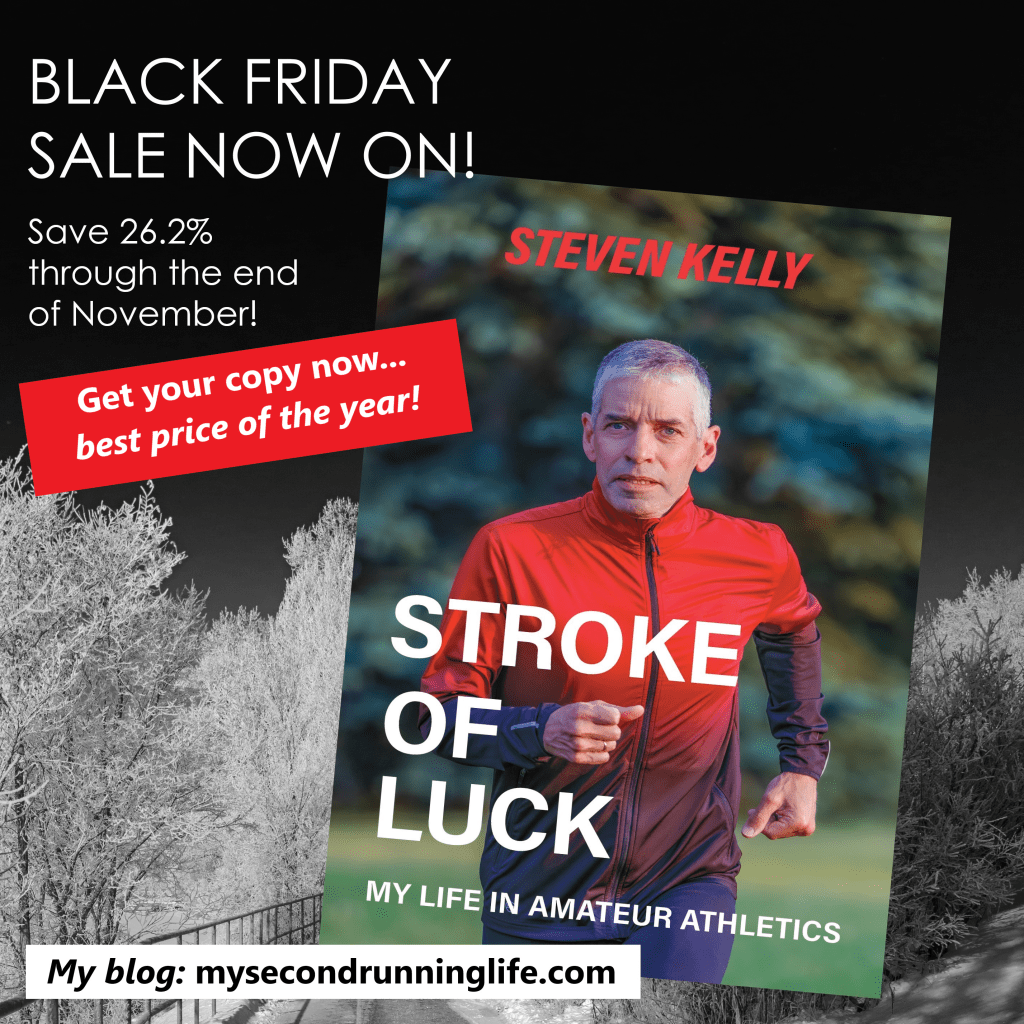
If you’ve been waiting to order your copy of Stroke of Luck: My Life in Amateur Athletics, now’s the perfect time. I’ve reduced prices for e-book and print editions by a marathon-inspired 26.2 percent. These are the best prices you’ll see in 2024. The book would be a great gift for a runner… or non-runner… on your holiday gift list!

Order your copy of Stroke of Luck on Amazon today!

Sale prices will be in effect until December 1.

Awareness Campaigns are Working

June is Stroke Awareness Month in Canada. Heart and Stroke is committed to helping improve the lives of people at risk for and living with heart disease and stroke. When it comes to stroke, much has changed in the last several decades. The keys are increased awareness of the signs of stroke, and some revolutionary changes in stroke diagnostics and treatment.

Promoting stroke awareness is a priority for Heart and Stroke. Their media campaigns rely on an easy-to-remember acronym… F-A-S-T. By now, most of us will have seen the television ads and billboards, which remind us of the major signs of stroke, as follows:

  • F is for FACE… Is it drooping?
  • A is for ARMS… Is the person unable to lift both?
  • S is for SPEECH… Is it slurred or incoherent?
  • T is for TIME… Call 9-1-1 if any of these conditions exist!

Heart and Stroke notes that awareness campaigns have been successful. For example, 4 in 10 Canadians surveyed can name at least 2 signs of stroke. Women and older Canadians are more likely to recognize stroke symptoms. Of course, there is always more that can be done.

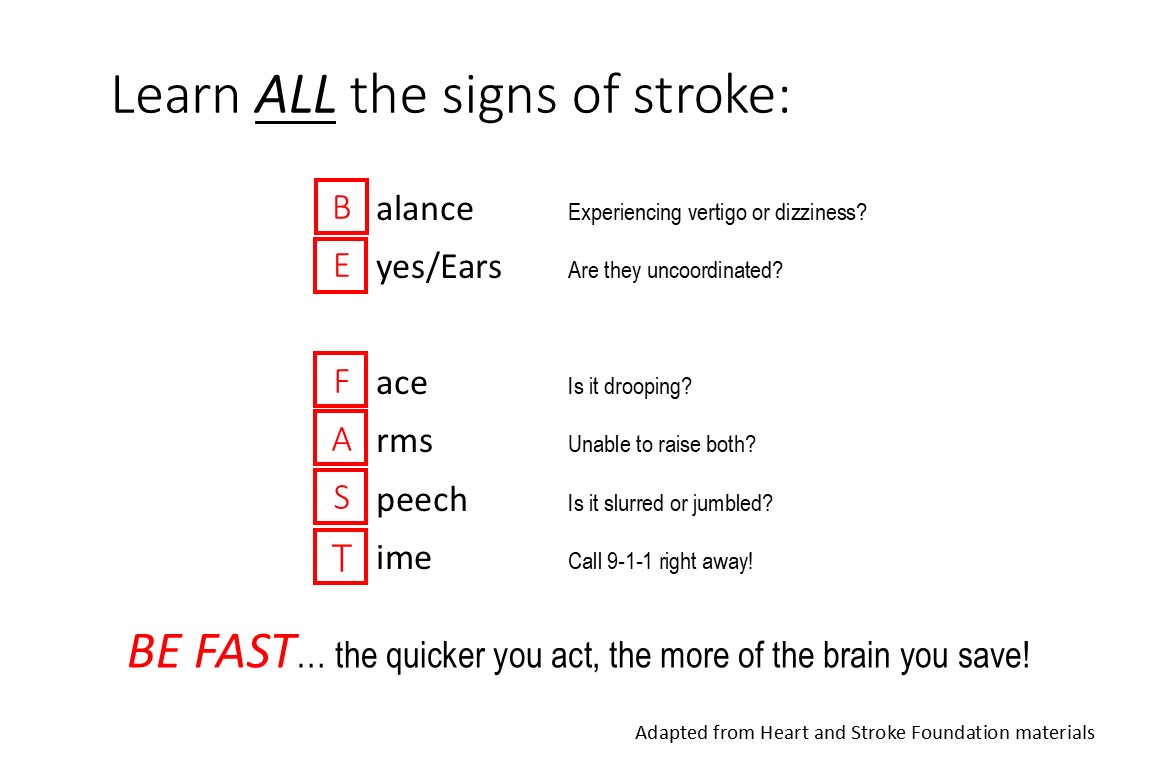
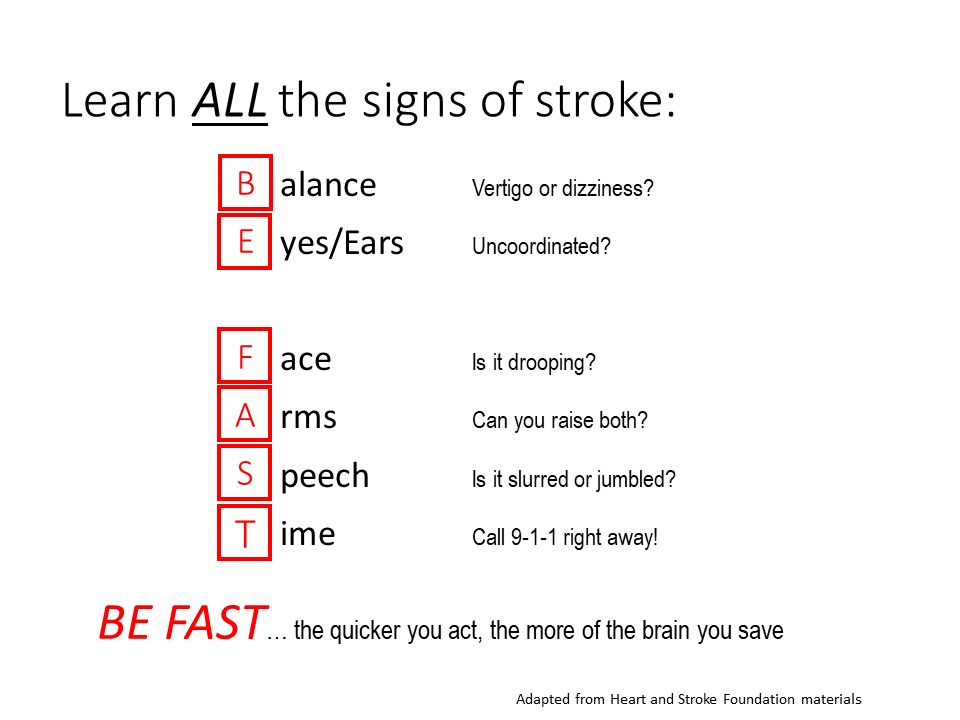
At this point, I will add a caveat about stroke awareness, because my symptoms did not fall into the F-A-S-T framework. It’s an 80-20 situation. I encourage everyone to read my blog pieces where I describe the less frequent symptoms. These include problems with balance and eyes/ears. So, if you can, please remember BE FAST, to cover off all the signs of stroke.

U of Calgary – Leading in Stroke Research

While there can never be a good time or place to have a stroke, it’s been said that Calgary is the place to be if is going to happen to you. I do have some direct experience in this regard, but I didn’t fully appreciate how much innovation is happening here.

A couple of March 2024 articles in Arch, the University of Calgary magazine (here and here) highlight advancements in diagnosis and treatment that originated at the Calgary Stroke Program (CSP). Here are just a few:

(1) A Calgary-based clinical trial led to a procedure known as EVT (endovascular thrombectomy), which is drastically reducing the death rate from one of the most common types of strokes. EVT is a procedure that can disrupt large clots in the brain. If done promptly after the onset of symptoms, EVT can triple a patient’s chance of making a full recovery from certain strokes.

(2) The Alberta Stroke Program Early CT Score (ASPECTS) is a grading system for strokes. This tool, which is based on a brain CT scan, has been adopted around the world as a way of measuring changes in a patient’s condition.

(3) A clinical trial of a clot-busting drug called Tenecteplase (TNKase™) compared it to the standard drug used for dissolving blood clots in brain arteries with acute ischemic stroke. As a result, TNKase™ is becoming the standard of care in hospitals around the world.

I could go on. The innovations originating in Calgary cover diagnostic processes, treatment options and rehabilitative therapies. It is a remarkable success story. On a personal note, I have come to know several of the doctors involved in these research programs. They are truly miracle workers.

Stroke Incidence is Increasing

A study in The Lancet Neurology found that the global prevalence of cardiovascular disease, including stroke, increased from 271 million in 1990 to 523 million in 2019. The study found that population growth and aging account for this increase. While stroke mortality rates had been declining in the latter part of the twentieth century, some countries have actually seen a reversal in this trend since 2010. Unfortunately, the US and UK are two countries that have seen an increase in stroke numbers.

A study on stroke prevalence by the Centers for Disease Control and Prevention fills in some of the details for the US. Here are a couple of headlines: stroke is the fifth leading cause of death in the US and it costs the economy about $56 billion annually. Digging deeper, the CDC study confirms the trend in stroke incidence. Overall US stroke prevalence increased by about 8 percent from 2011-2013 to 2020-22. The increase was slightly higher in females than males. There was an inverse relationship between education level and stroke prevalence. Perhaps most worrying was a significant increase in adults aged 18-64. As you might guess, obesity is a leading risk factor for stroke.

Not surprisingly, the trends in Canada are similar. Stroke is the fifth leading cause of death in Canada, accounting for about 13,000 deaths annually. There are more than 108,000 strokes in Canada each year… that’s one every five minutes. And nearly 900,000 Canadians are living with the outcome of strokes. As in other countries, it’s a result of our aging population.

Fortunately, when strokes do happen, more people are recognizing them and taking action.

Before signing off, I couldn’t help but include a photograph taken on yesterday’s short walk along the Elbow River in Calgary. The picture has nothing to do with strokes, but I liked it. Yes, winter is here!

Elbow River (November 20, 2024)

Thanks for reading. Be well, and BE FAST…

Stroke Awareness Sale Extended!

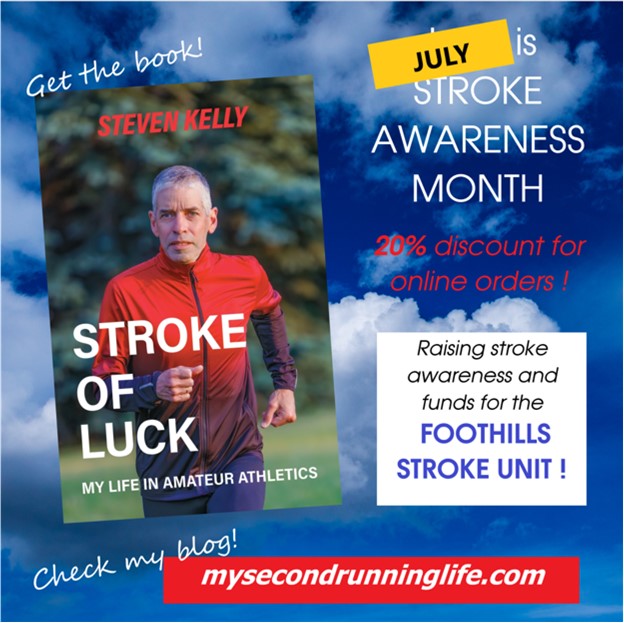
Did you know that June is Stroke Awareness Month in Canada?

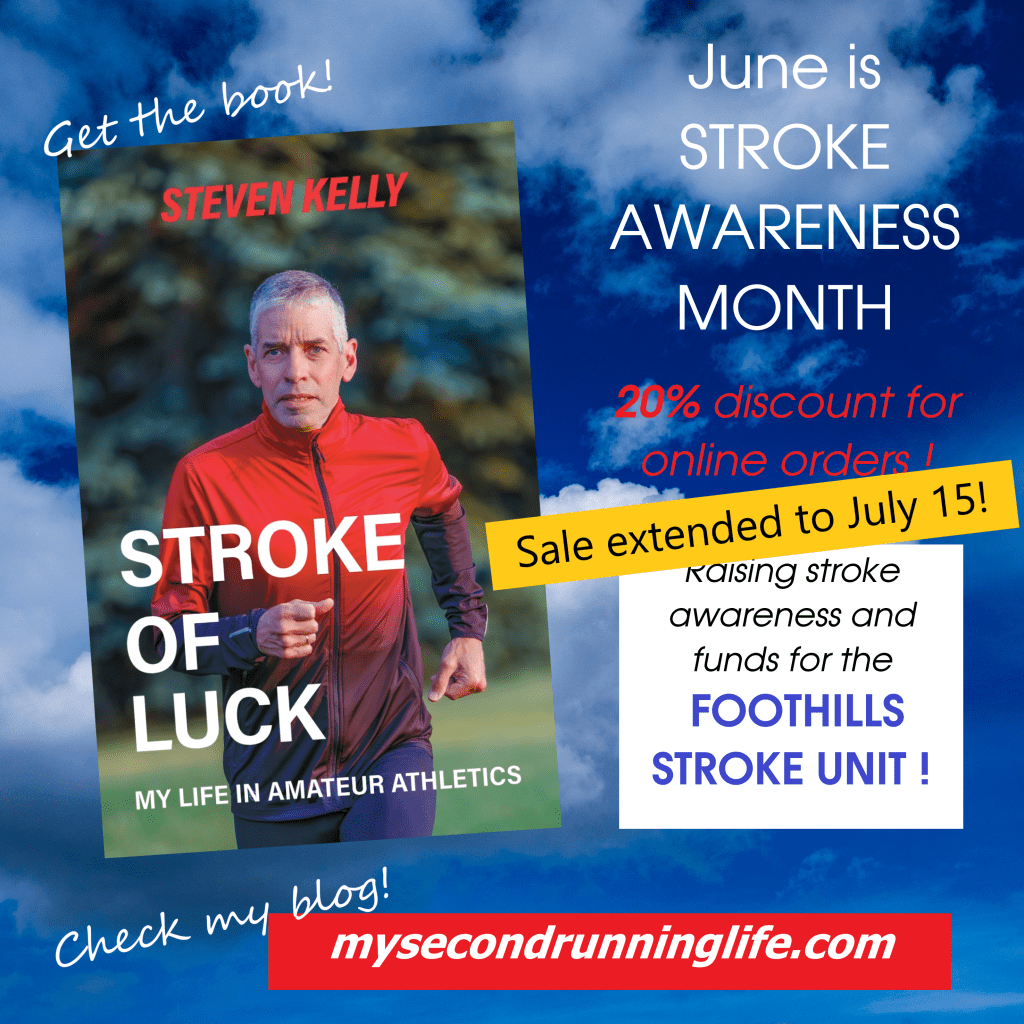
To recognize the importance of stroke awareness, I’ve extended the online promotion for my memoir, Stroke of Luck.

Get your copy on Amazon and save 20% until July 15. And help me help the heroes at the Foothills Stroke Unit!

Stroke incidence continues to rise in Canada – more strokes are happening and more people are living with stroke due to our aging population and more younger people having strokes.  There are now nearly 110,000 strokes each year in Canada. That is roughly one stroke every five minutes.

Strokes occur due to an interruption of blood flow to the brain, and most strokes originate in the carotid arteries. The carotid arteries are the large arteries at the front of the neck. They deliver most of the blood to the brain. Carotid artery strokes produce symptoms that are familiar to many people, thanks to effective public awareness campaigns:

  • FFace drooping
  • AArms can’t be lifted above your head
  • SSpeech is slurred or jumbled
  • TTime to call 9-1-1

As I learned, strokes can also occur due to an interruption of blood flow in the vertebral arteries. These arteries are at the back of the neck. They are smaller than the carotid arteries, but just as important.

The symptoms of vertebral strokes are different than those originating in the carotid arteries because they control different bodily functions. Here’s what to look for as possible signs of a vertebral artery stroke:

  • BBalance and coordination problems, like vertigo
  • EEyes and Ears behaving strangely, especially if uncoordinated

Taken together, these symptoms can be remembered by the words BE FAST.

BE FAST is an appropriate phrase, because regardless of the type of stroke, time is of the essence. If there’s any doubt, call 911 right away!

Be well, and BE FAST!

Earl Grey GC Member Profile

In this, Heart Health Month, it was a great pleasure to sit down with Christa Abbott, Director of Marketing & Communications for Earl Grey Golf Club in Calgary. (I’m quite sure it used to be called Heart and Stroke Month, so I should be okay borrowing the older designation!)

I’ve been a member of Earl Grey for many years, although admittedly golf has taken second place behind running for most of that time.

Christa and I talked about my stroke journey… the medical one, not the golf one… about the role that running played in getting me through that ordeal, and about the process of writing my book, Stroke of Luck.

I was really pleased with the piece that Christa wrote, and in particular how she incorporated one of my main messages… the importance of knowing ALL the symptoms of stroke… into the graphic for her article. Here it is:

Splash screen from Earl Grey Member Profile (Christa Abbott, 2024)

You can find the post on the club’s Instagram page here.

Christa neatly highlighted the phrase “BE FAST” as a reminder of the full range of stroke symptoms. You can read my post on this potentially life-saving topic here. I’ve included the information below, for quick reference.

And the picture of me that Christa used?

It was taken at about the 8k mark in the Calgary 10k race, in May 2017. I’ll be the first to admit it isn’t the best picture that’s ever been taken of me during a race. That said, when I do show this picture, I point out that I had just suffered a vertebral artery stroke a few minutes before it was taken!

For me, this is a stark reminder that strokes can affect any of us, at any time.

You can read the full story in Stroke of Luck: My Life in Amateur Athletics, available online at Amazon, or at independent bookstores, like our great local store, Owl’s Nest Books.

Thanks to all my friends at Earl Grey, and everyone else who has supported me in this initiative. Oh, that reminds me, there is one thing I plan to do in this next phase of my life (My Second Running Life)… suck a little less at golf!

Happy Heart Health (and Stroke) Month to all,

Steve