Mysterious Japan: Part 2

This edition of my trip report focuses on our travels to two smaller destinations, both on the western side of Honshu, the main island of Japan. As mentioned in Part 1, our son Matthew was a great resource for the logistics and details of our trip, particularly this part of it. I hope you’ll enjoy this summary, and of course, do check back in soon for the final installment!

Outline of the Week

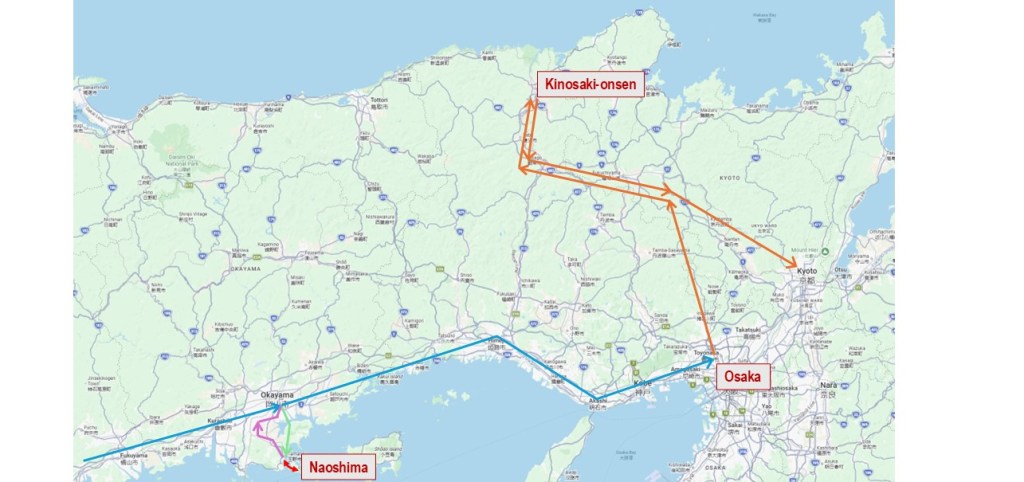
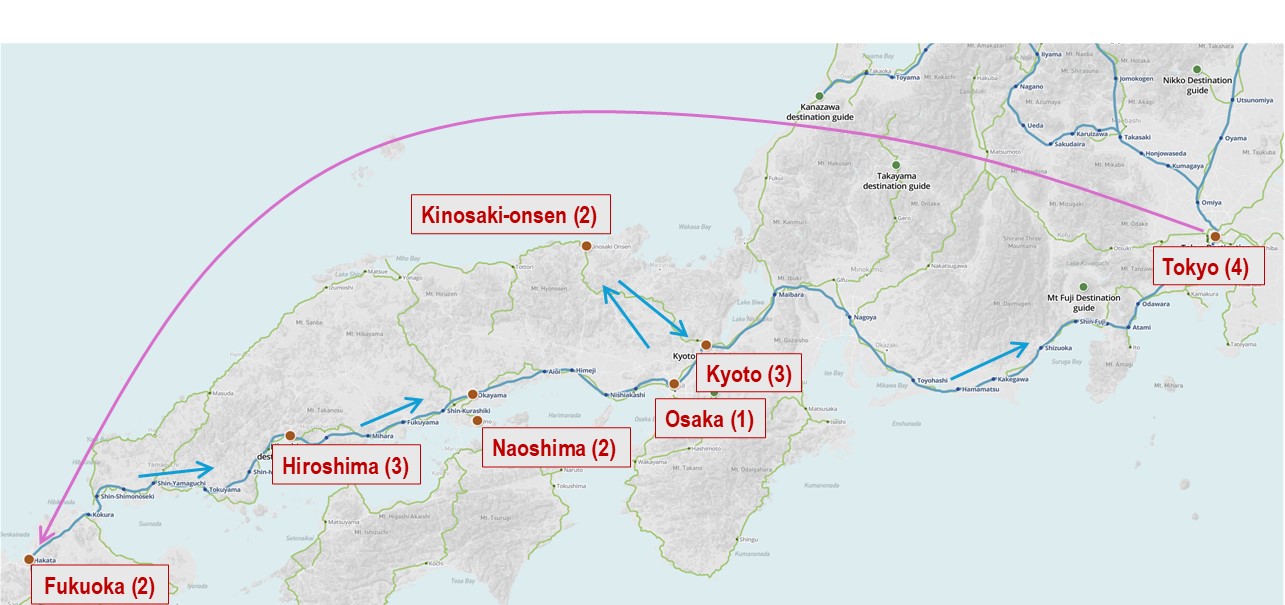
First, a quick overview of our travels for this part of our vacation. Picking up the story at Hiroshima Station, we boarded a Shinkansen for Okayama, the capital city of Okayama Prefecture. From there, we caught a city bus to the port of Uno, and then a passenger ferry to the island of Naoshima.

A couple of days later, we reversed course for Okayama, this time on a local train. Then we transferred to a bullet train bound for Osaka, a short distance to the east. We overnighted near Shin-Osaka Station. The next day we took a regional train to Kinosaki-onsen, a small town in Hyogo Prefecture on the northern Sea of Japan coast.

It’s worth saying at this point, again, how impressed we were by the transportation systems in Japan. We were worried about all these connections, but as it turned out, we had no trouble getting to any of our destinations. Every transfer was flawless, and every component of the system was on time, clean and efficient.

The Art Island of Naoshima

Naoshima is a small island in Japan’s Seto Inland Sea. The whole island is only about 14 square kilometres. The terrain is quite hilly. Ferries make the short hop from Uno to the main port (Miyanoura) in about 10-15 minutes. The economy in the north of the island has long relied on industry, mainly copper smelting and aquaculture.

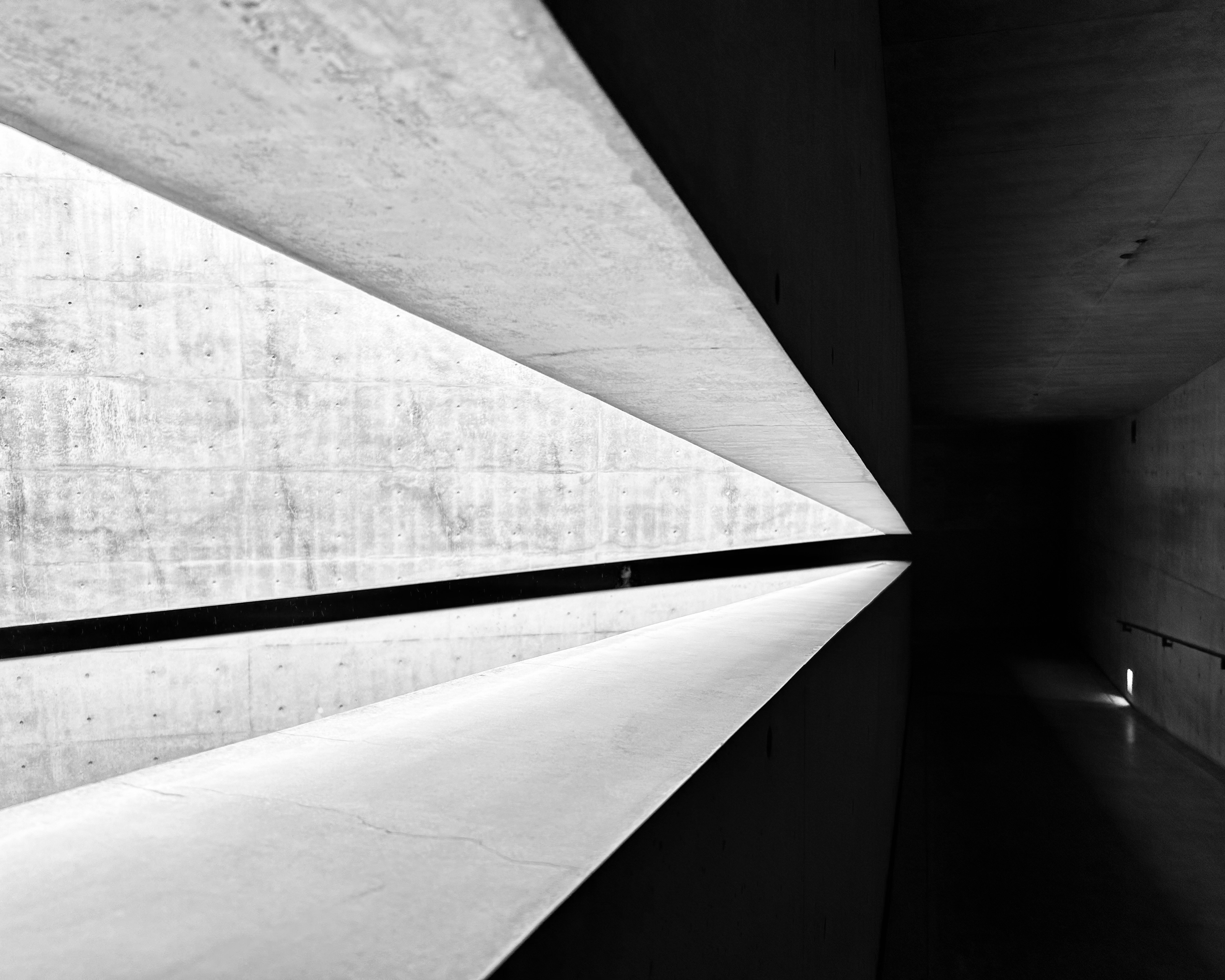
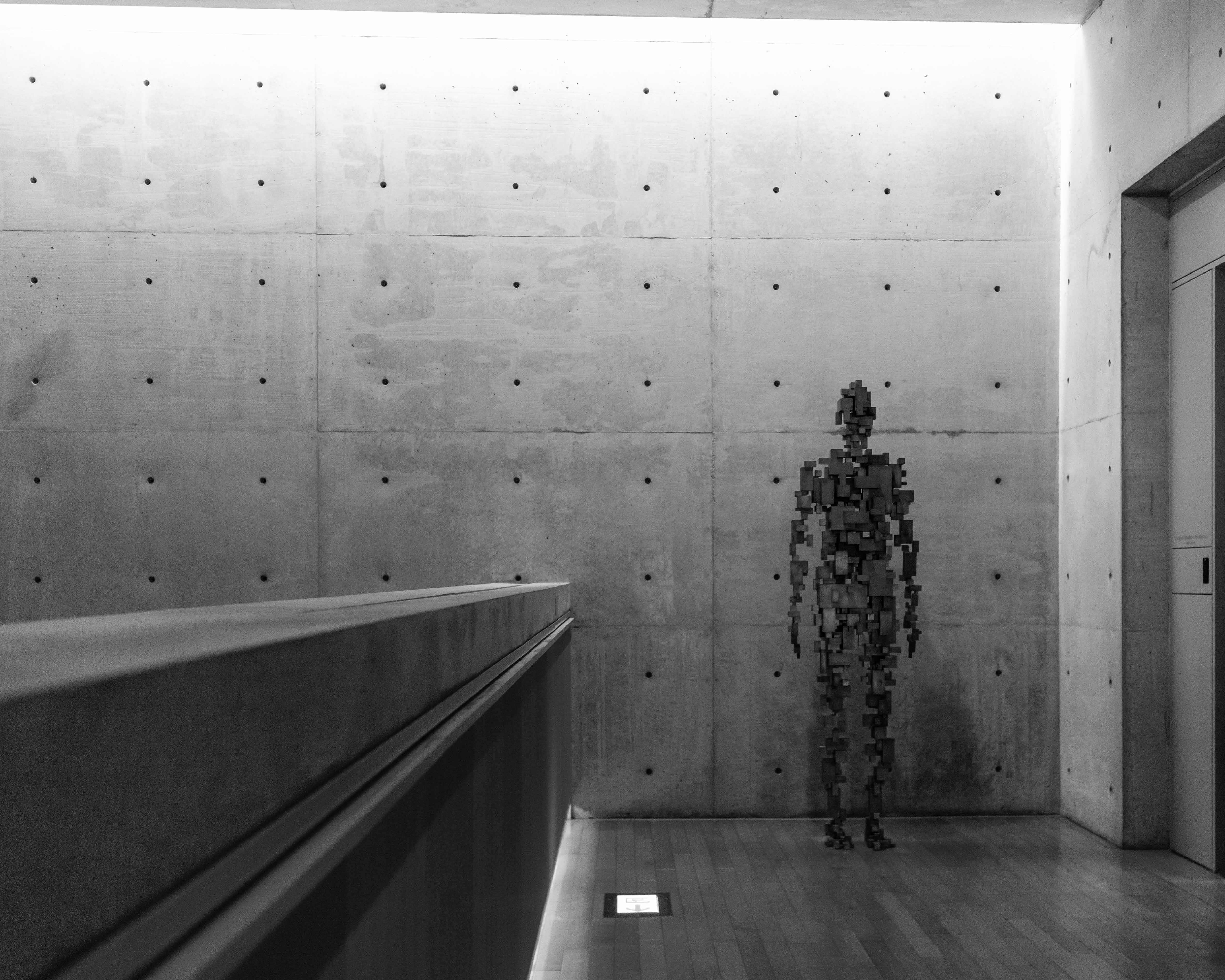
You may ask, what is the attraction to Naoshima? Well, over the last several decades, the south end of the island has become a centre for art and architecture. Benesse House is an organization that works to incorporate art into the local landscape. And when I say into, I mean “into”. The hotel and art museum, which opened in 1992, were designed by renowned Japanese architect Tadao Ando to fit seamlessly into the landscape. One of the buildings, the Chichu Art Museum, is completely underground. There are installations across the island, including multiple sites around the Benesse complex and several conceptual “art houses”.

Copyright for all photographs on the site is mine, unless noted.

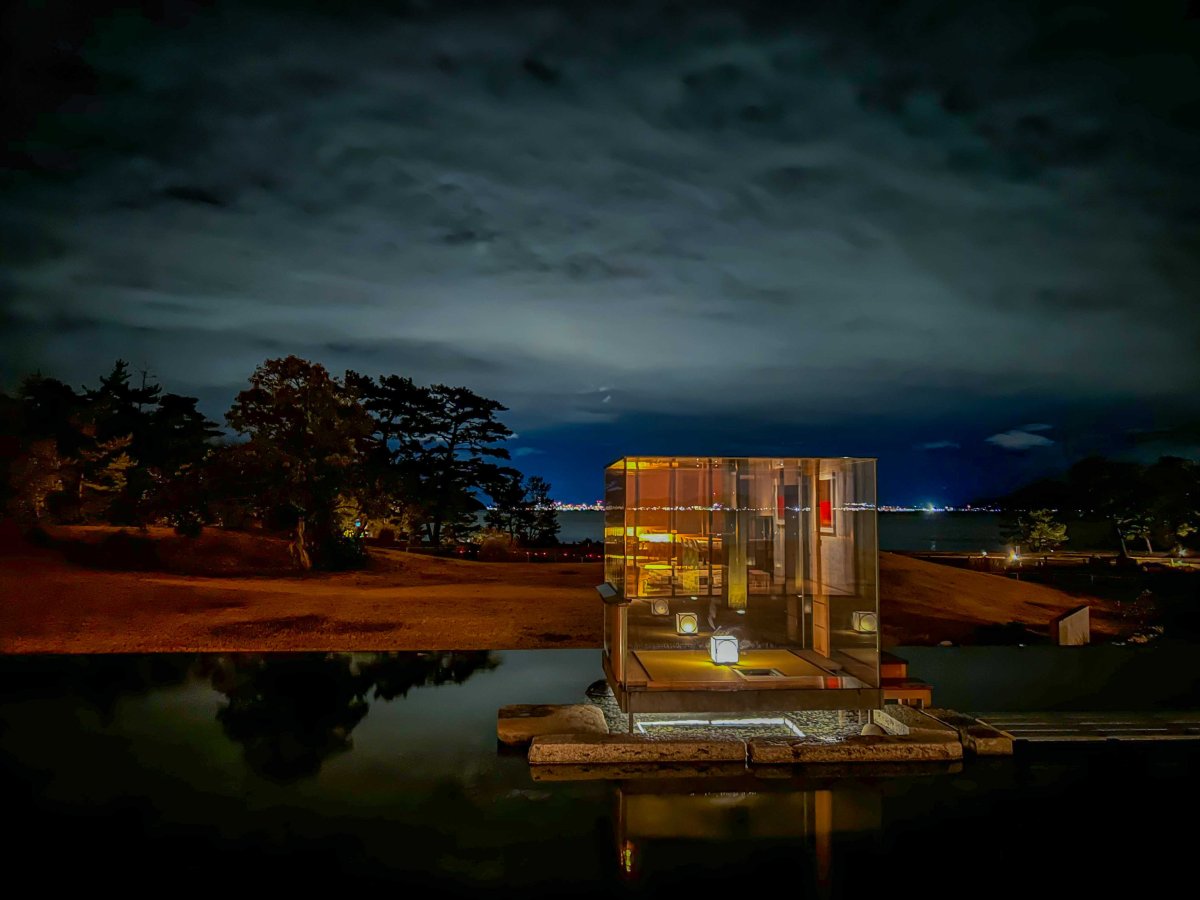
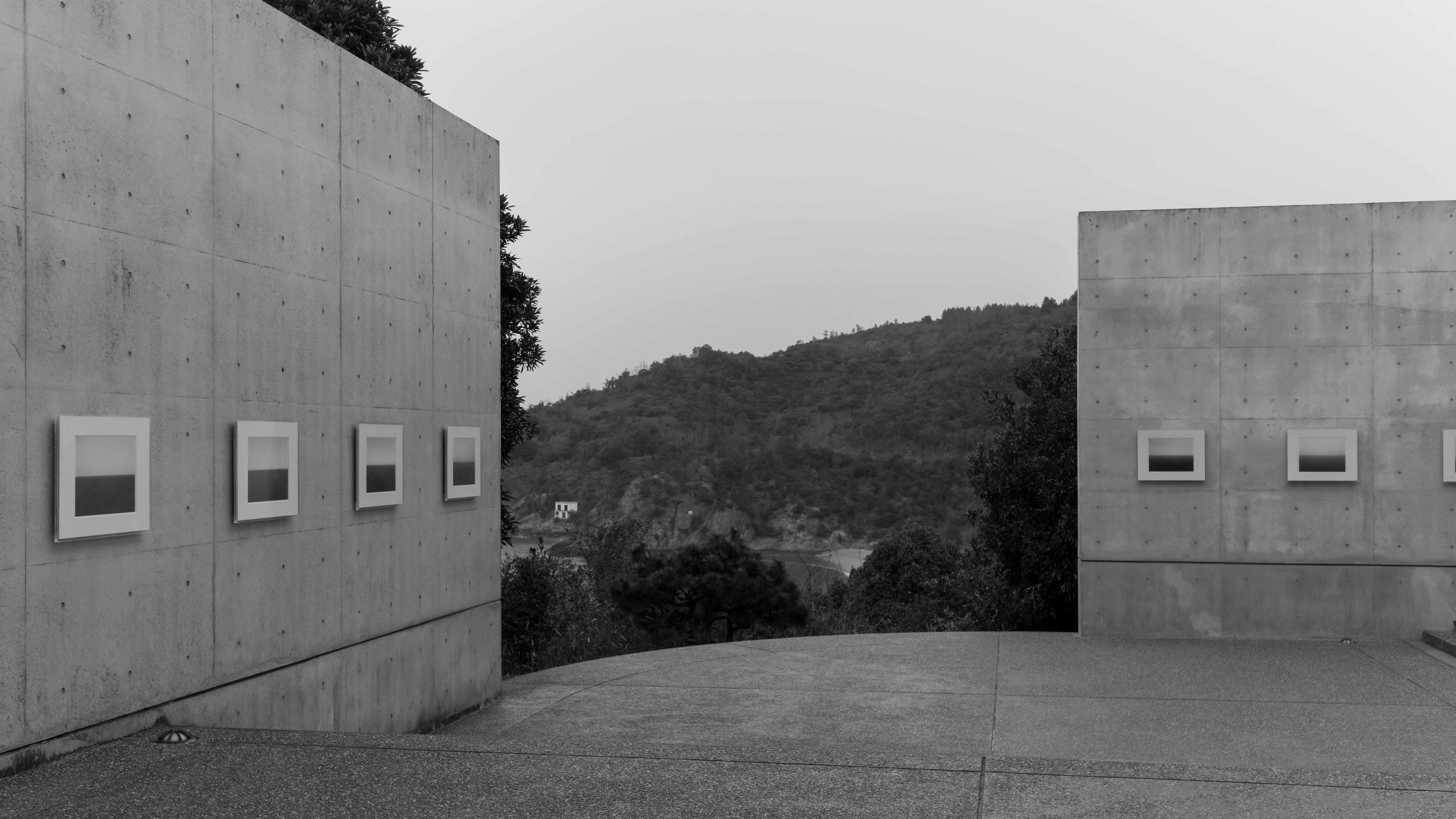
We thoroughly enjoyed our stay in Benesse House Park. The view out over the grounds and the sea was beautiful. Even in a steady rain, the setting was impressive—and in a way, the rain enhanced the appeal of the stark concrete buildings. The artwork at the site includes sculpture and photography. We made the short walk to the Museum, and stopped at a couple of the open-air installations along the way. And we had some great meals in the hotel restaurant. The striking feature image for this post was taken just as the sky cleared after dinner on our second day.

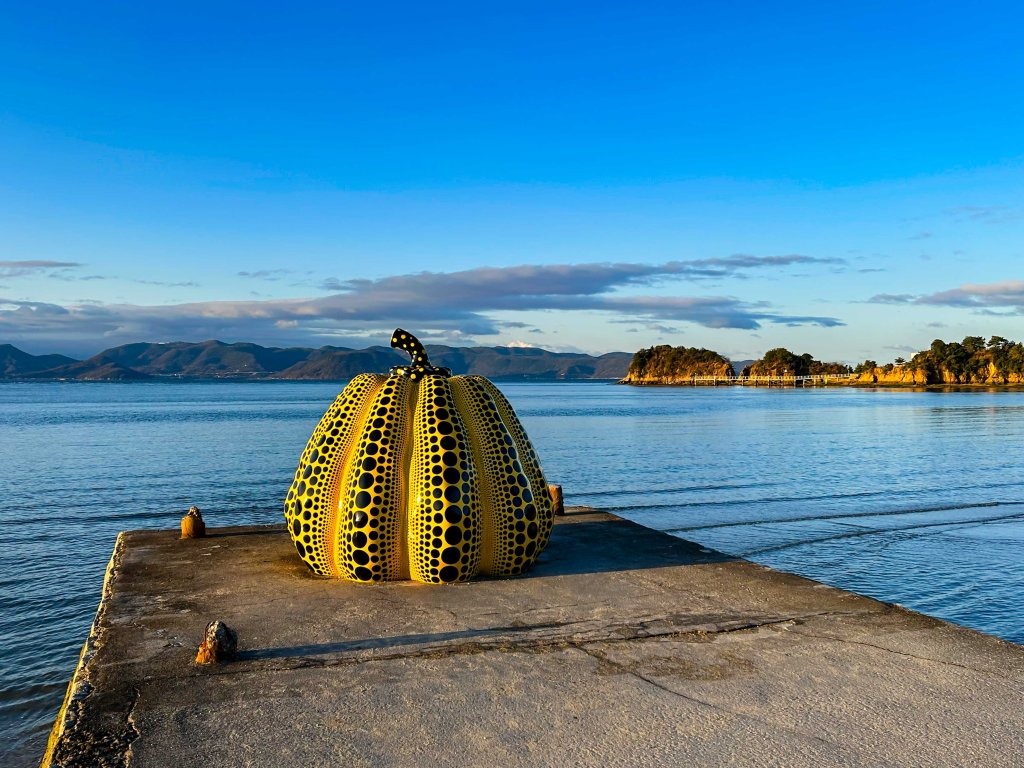
The most famous piece on the site, Pumpkin, is a large sculpture by Yayoi Kusama. Pumpkin sits on its own pier a short distance from the hotel. It is definitely the most popular piece too, judging by the crowds that were snapping selfies with it. (I finally managed to get a nice photo of it when I went out for an early morning jog.) The piece was created for a 1994 exhibition of open air works around the museum. Adding to its appeal, the sculpture was blown out to sea (and rescued) in 2022.

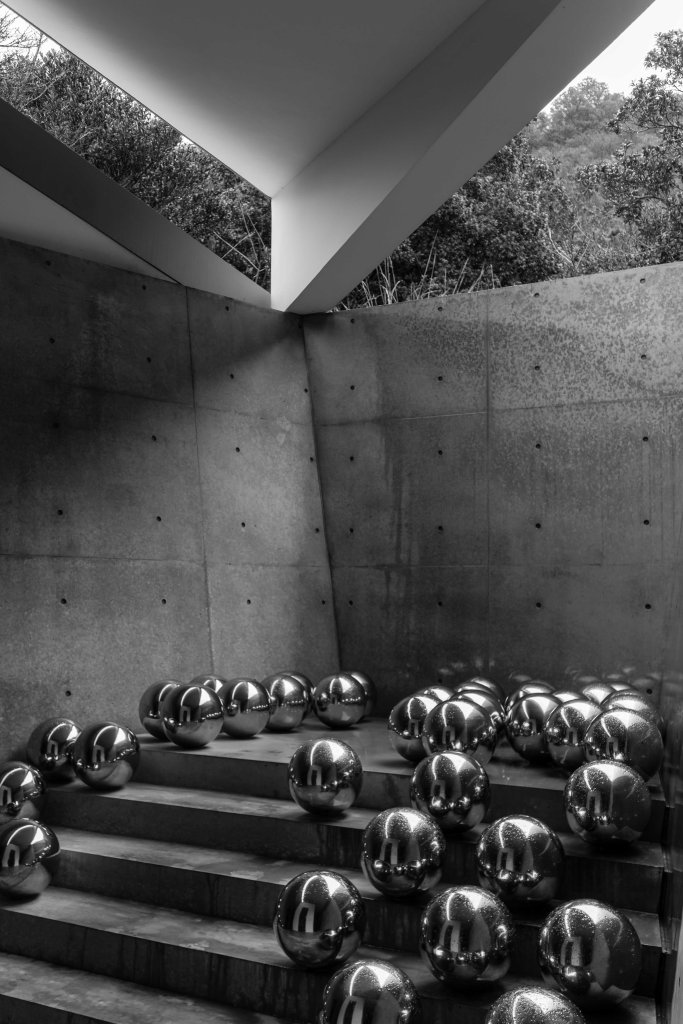
Kusama, who is now 97 years old, has been an avantgarde artist for decades. Her pieces often include polka dots, which she attributes to hallucinations she had as a child. Other works of hers are found in Naoshima. We particularly liked her Narcissus Garden, a free form sculpture of stainless steel balls, installed in an open-air pavilion called the Valley Gallery.

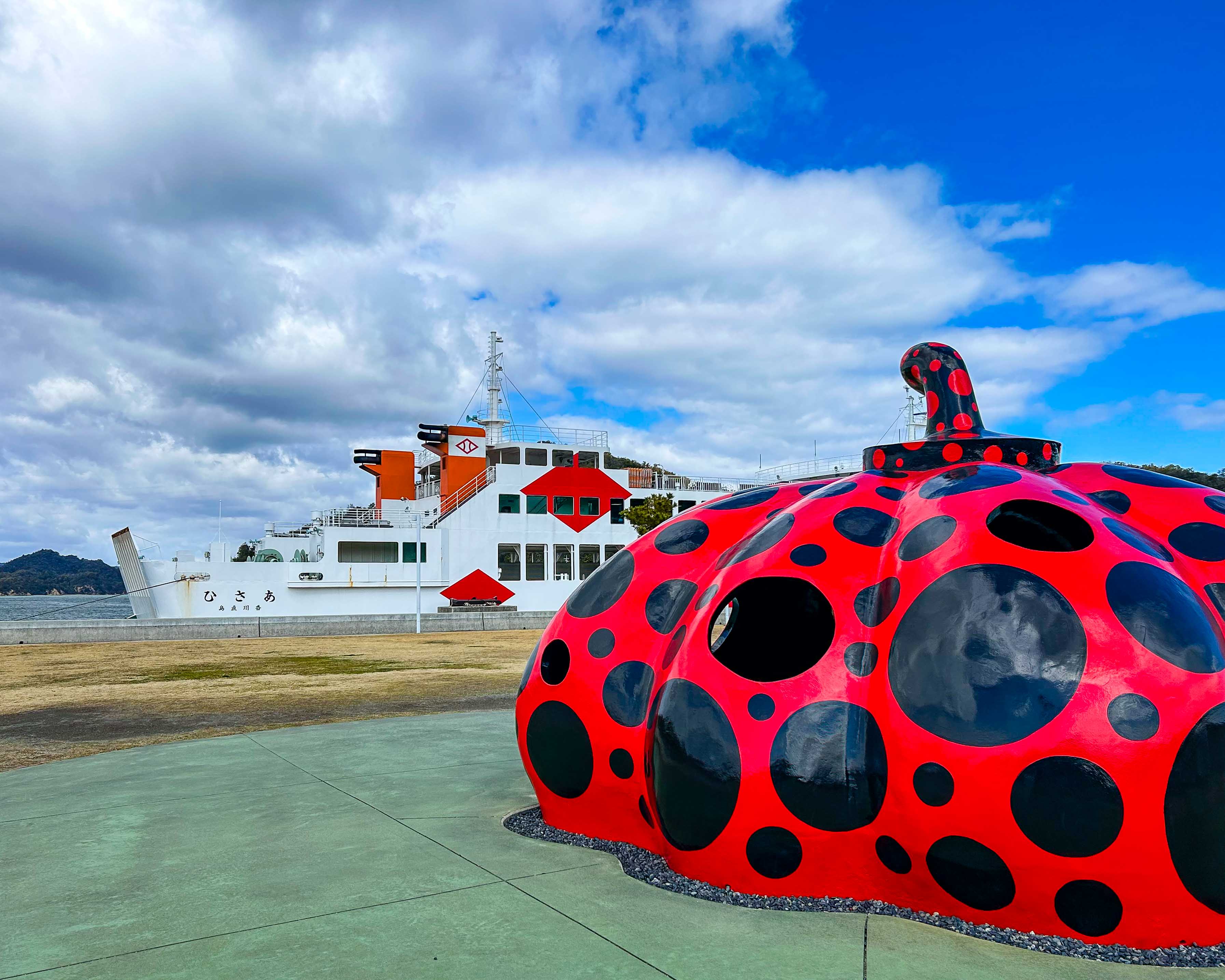
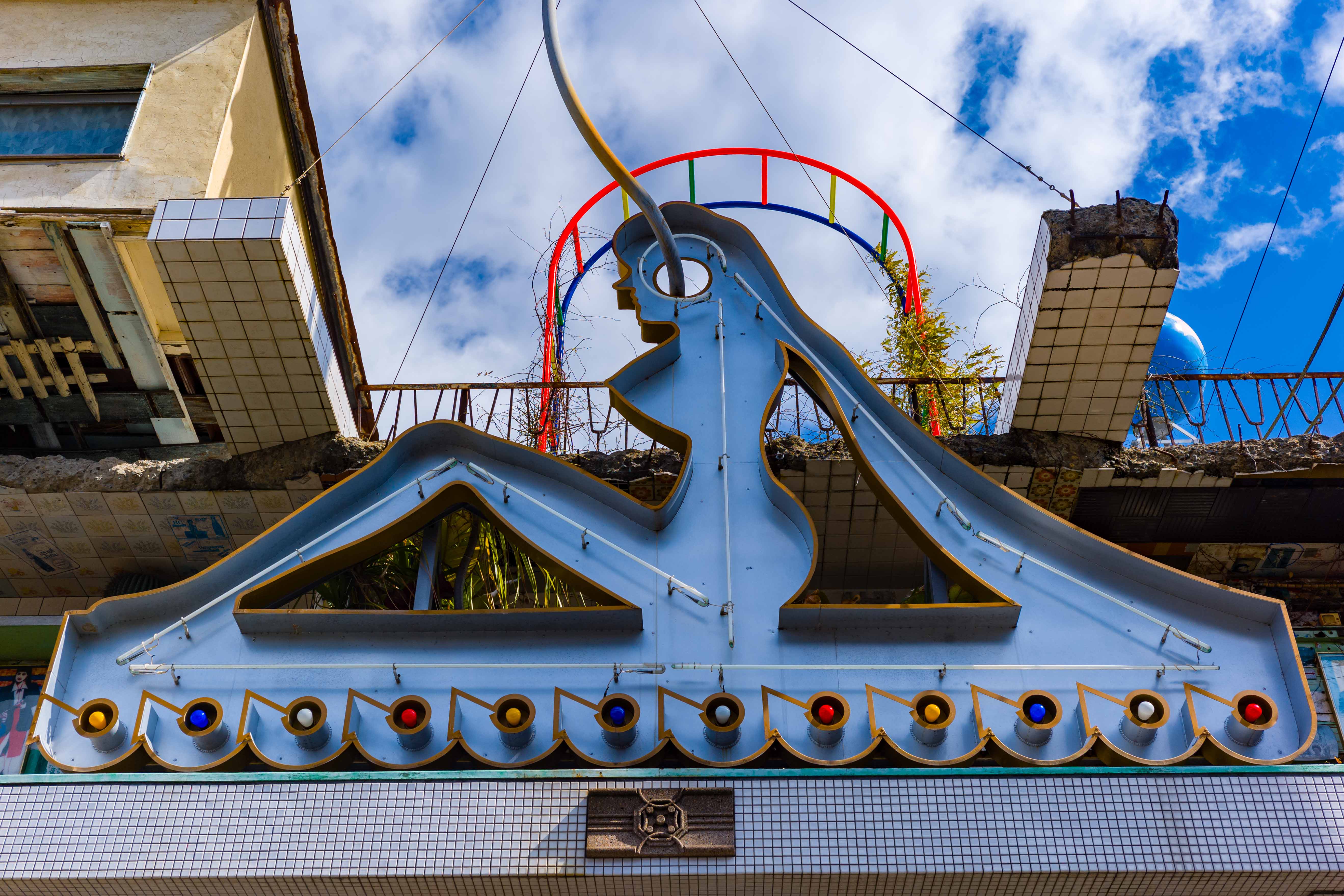
Another large and popular Kusama pumpkin—this one red—is installed at the Miyanoura port. It made for a colourful picture when the ferry was moored close by. We enjoyed a short stroll around the town, which features a public bath that doubles as an art installation. Maybe on our next visit…

The Hot Springs of Kinosaki-onsen

Our next major stop in Japan was similar to Naoshima in one respect—it was rather remote. However, its attractions were quite different. We headed to Kinosaki-onsen, on the northern coast of the Kansai region. Onsen are traditional Japanese hot springs, treasured for their mineral-rich waters. The town of Kinosaki is particularly famous, as it has seven public baths where visitors can experience the relaxing geothermal waters in a serene setting.

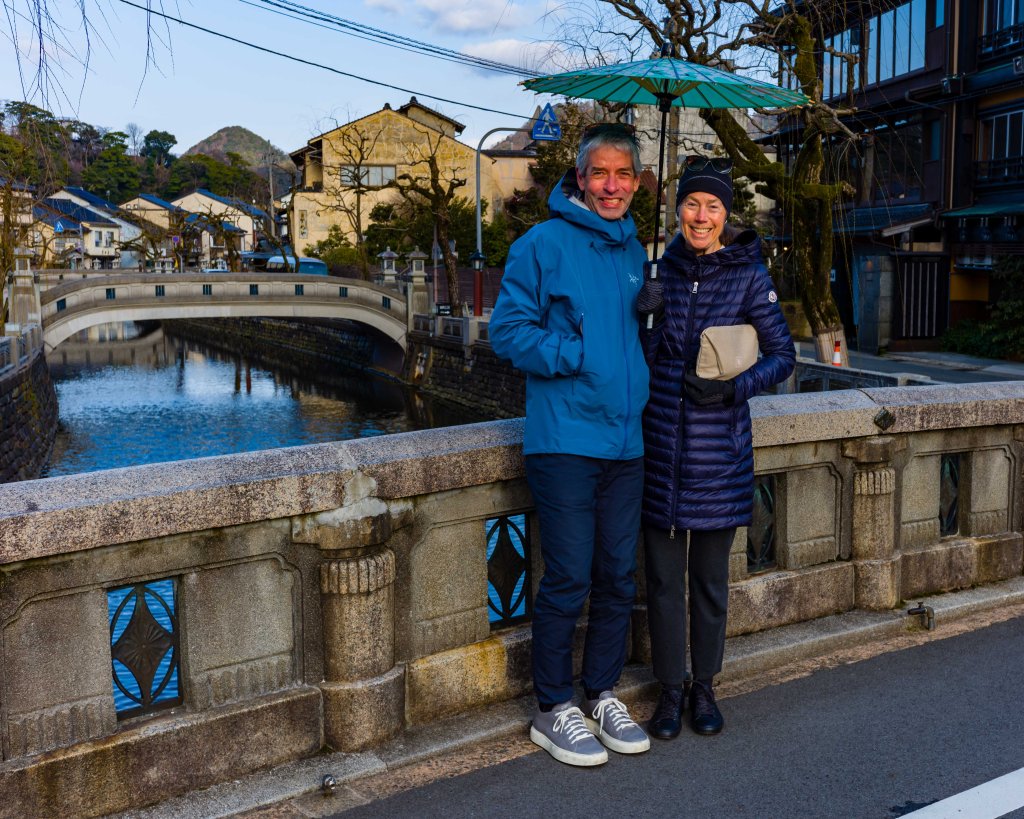
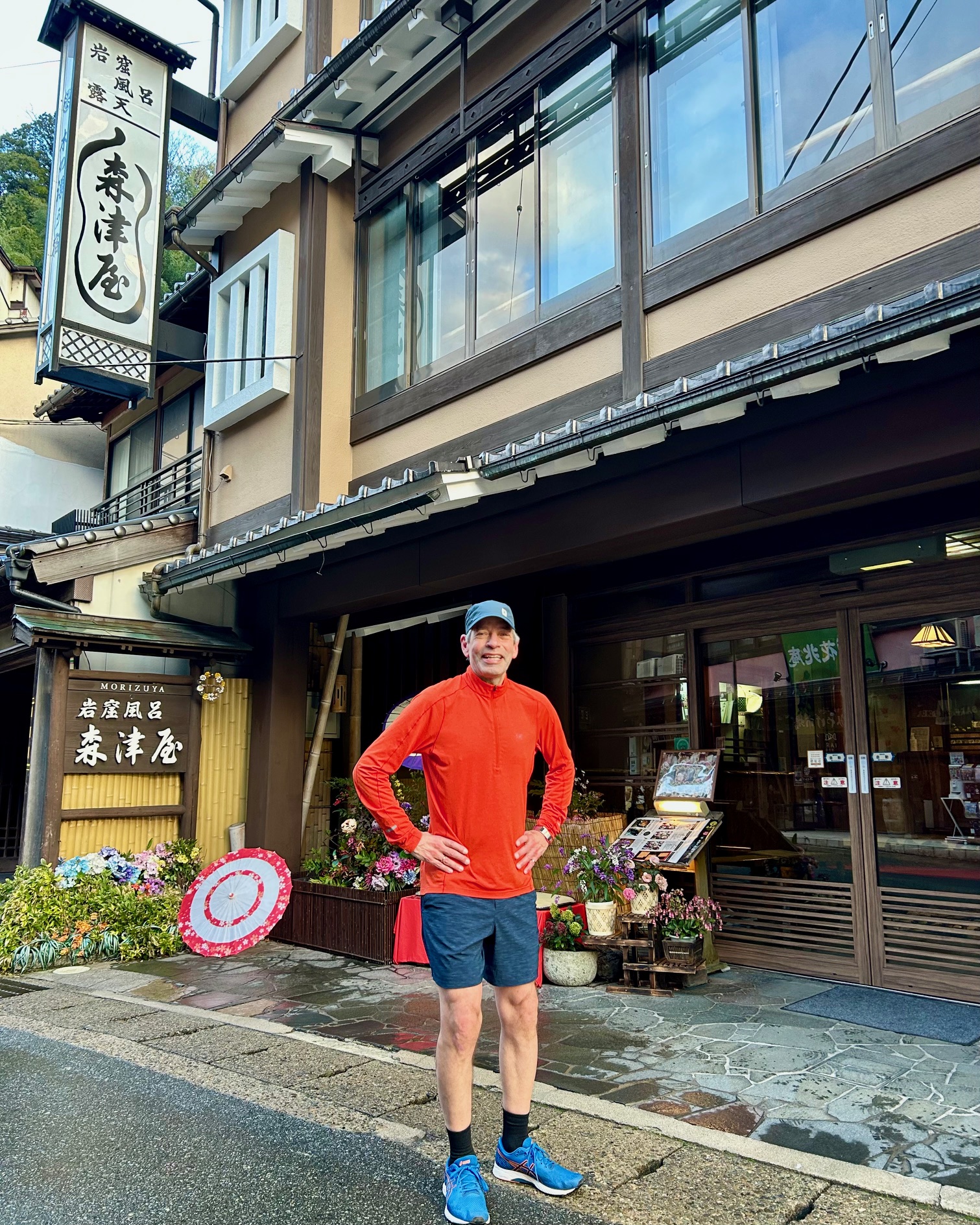
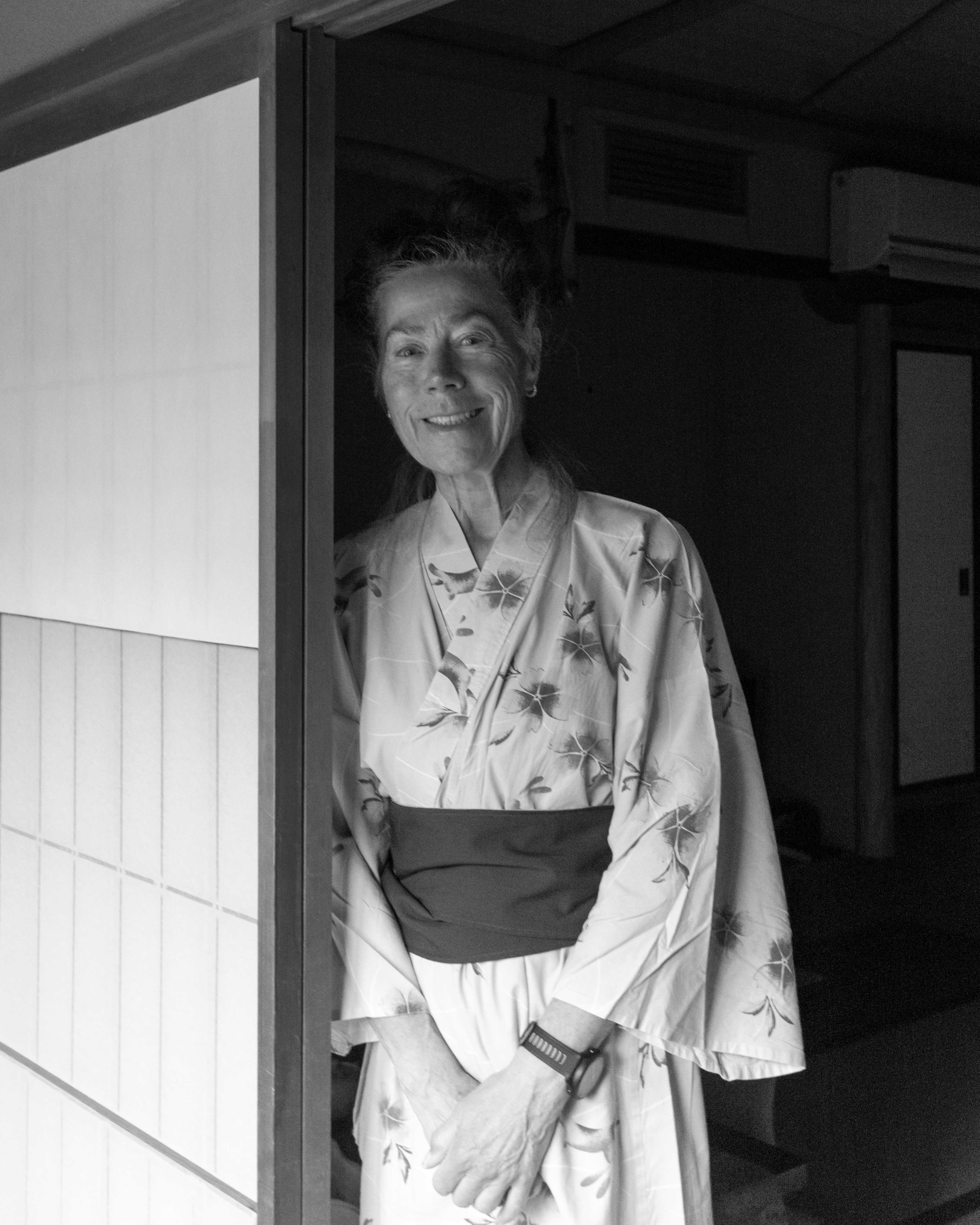
Our JR West regional train got us to Kinosaki at less than Shinkansen speed, but was just as efficient. While we had brushed up on the etiquette for visiting onsen, we really weren’t sure what to expect. We arrived at our ryokan, the comfortable Morizuya Inn on the town’s picturesque main street. Hatchi, the owner/manager, immediately made us feel welcome, even insisting on some photos on a scenic bridge over the Otoni River.

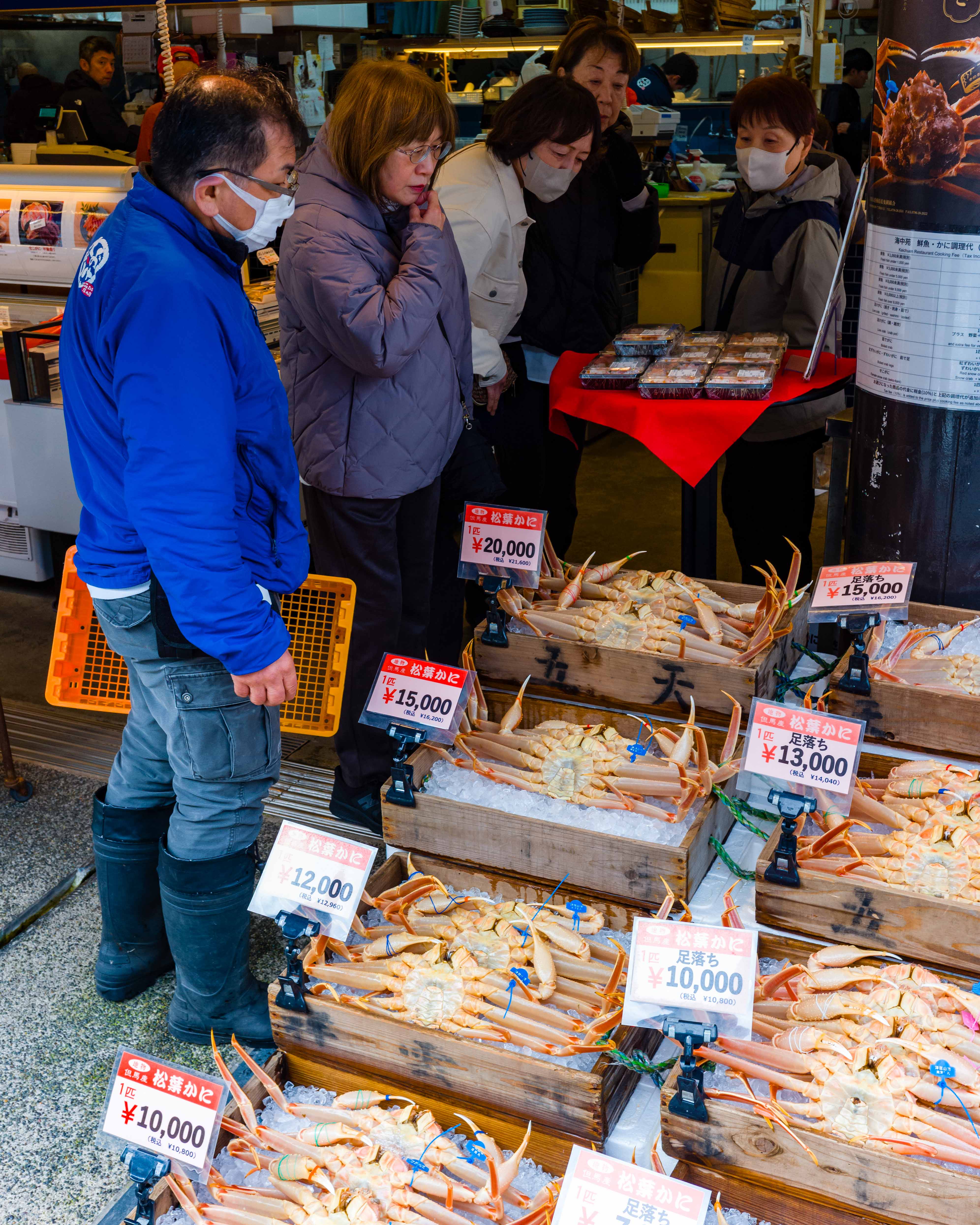
First things first, we put on our yukata (dressing gowns) and enjoyed a traditional multi-course dinner in the dining room. Crab is the local specialty, it was in season, and it was definitely a highlight of our meal.

Many visitors make it a goal to see all the traditional onsens in the town. They can even get a stamp from each one as a souvenir. We set our sights a little lower, having never been to a public bath in Japan. In the end, we visited two of them, and we enjoyed the experience. Very relaxing! We began to appreciate why this is such an important part of Japanese culture.

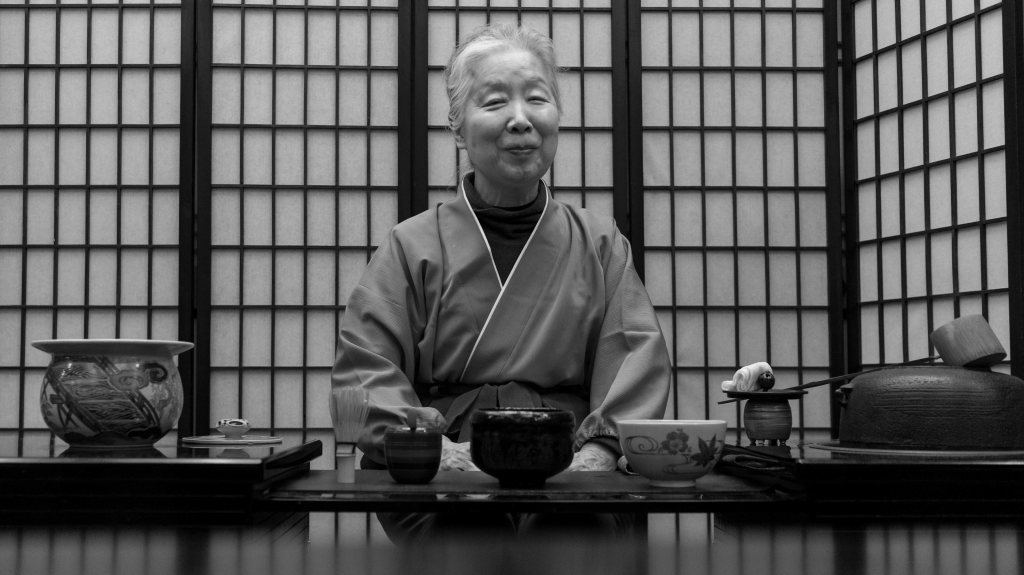
Later, we took part in another cultural experience—the tea ceremony, led by Hatchi’s mother. She is a lovely woman, and the ceremony was very special.

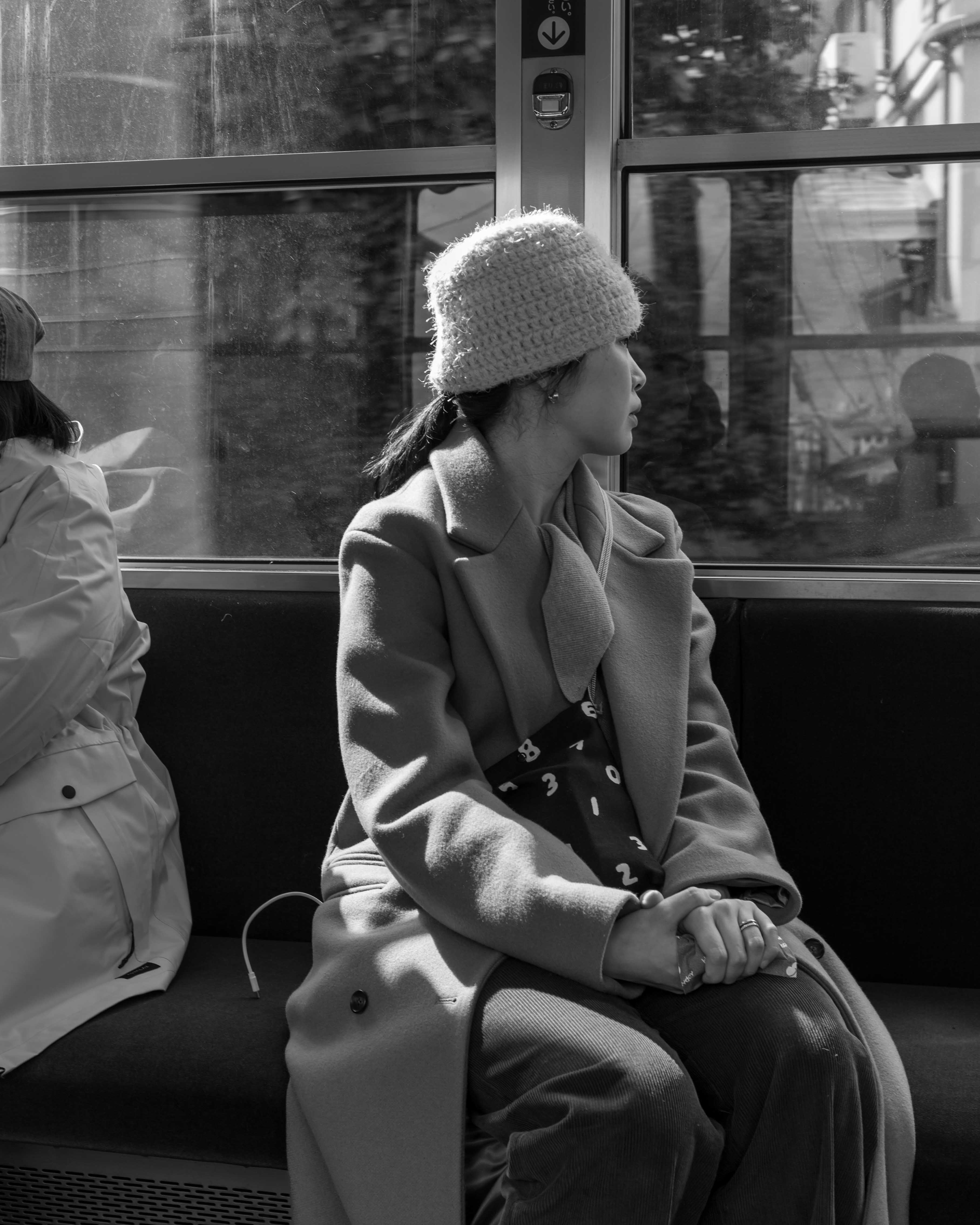
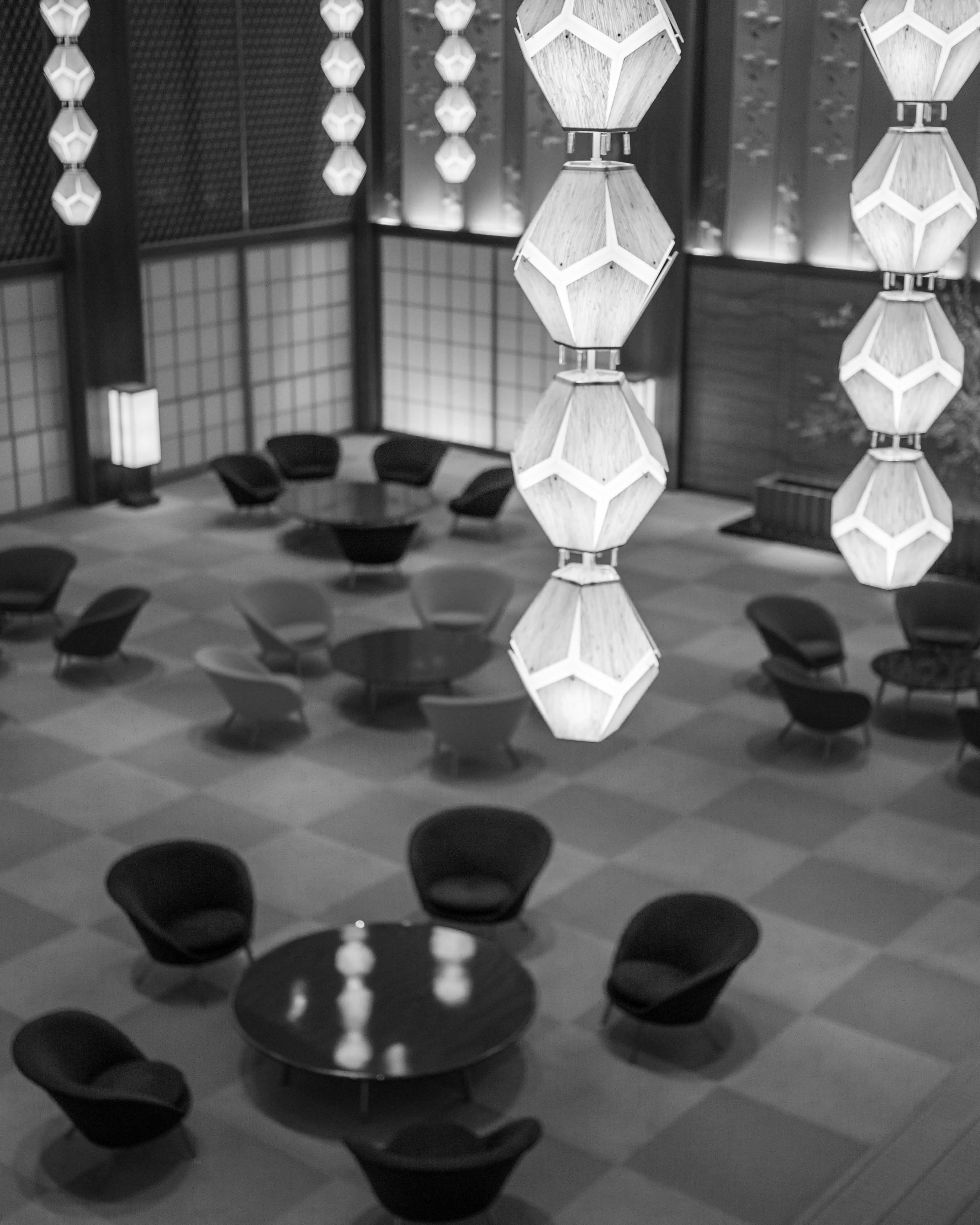
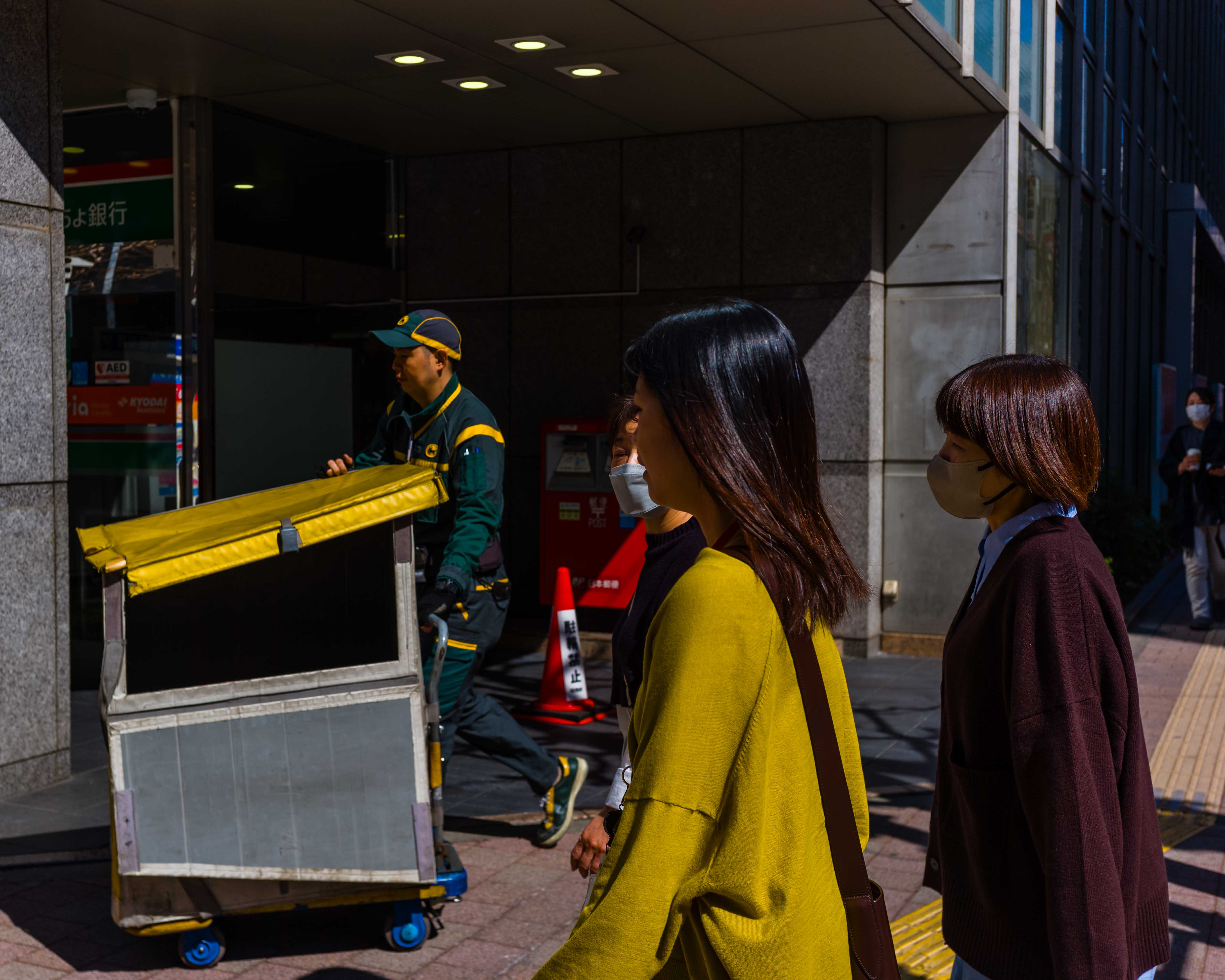
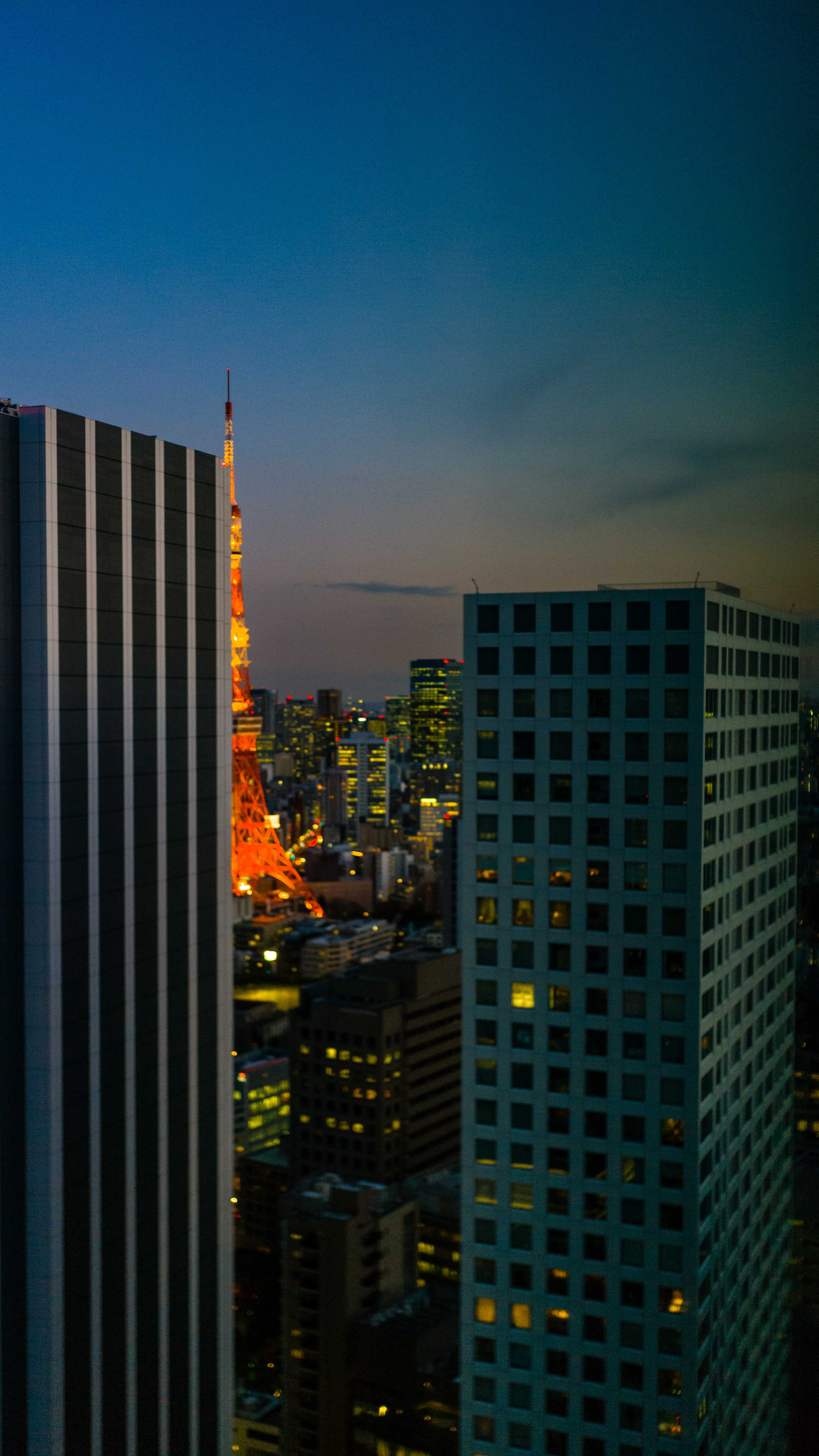
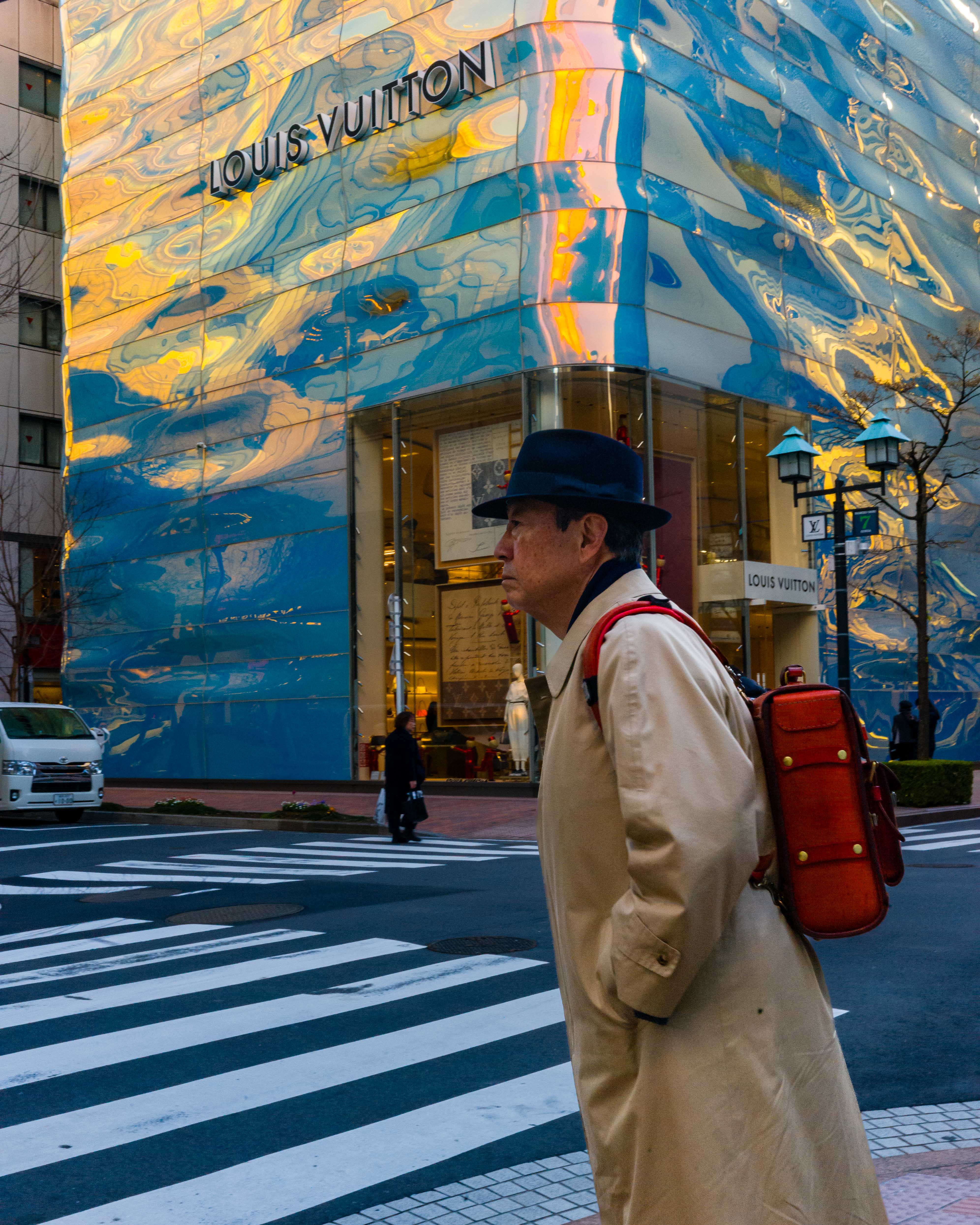
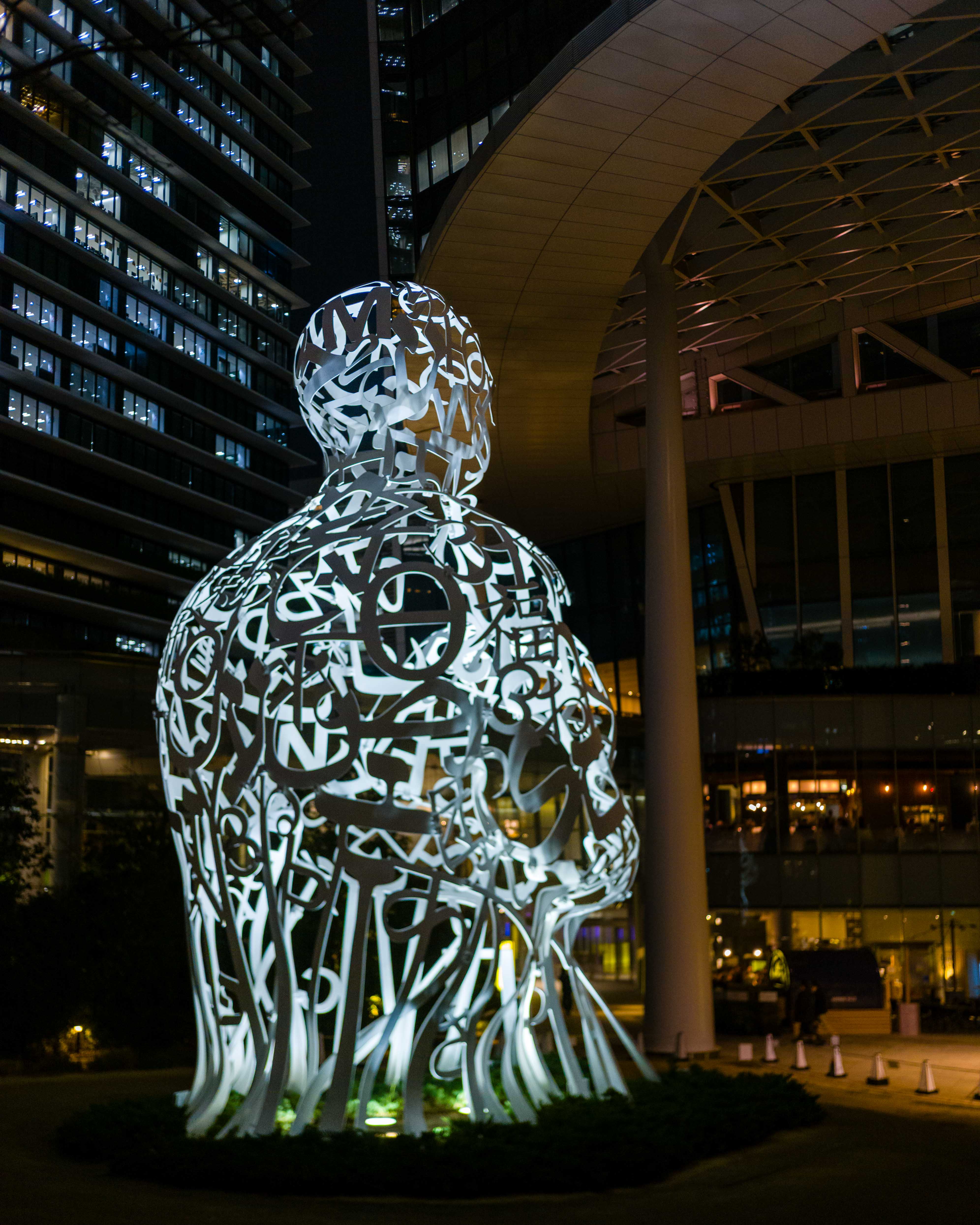
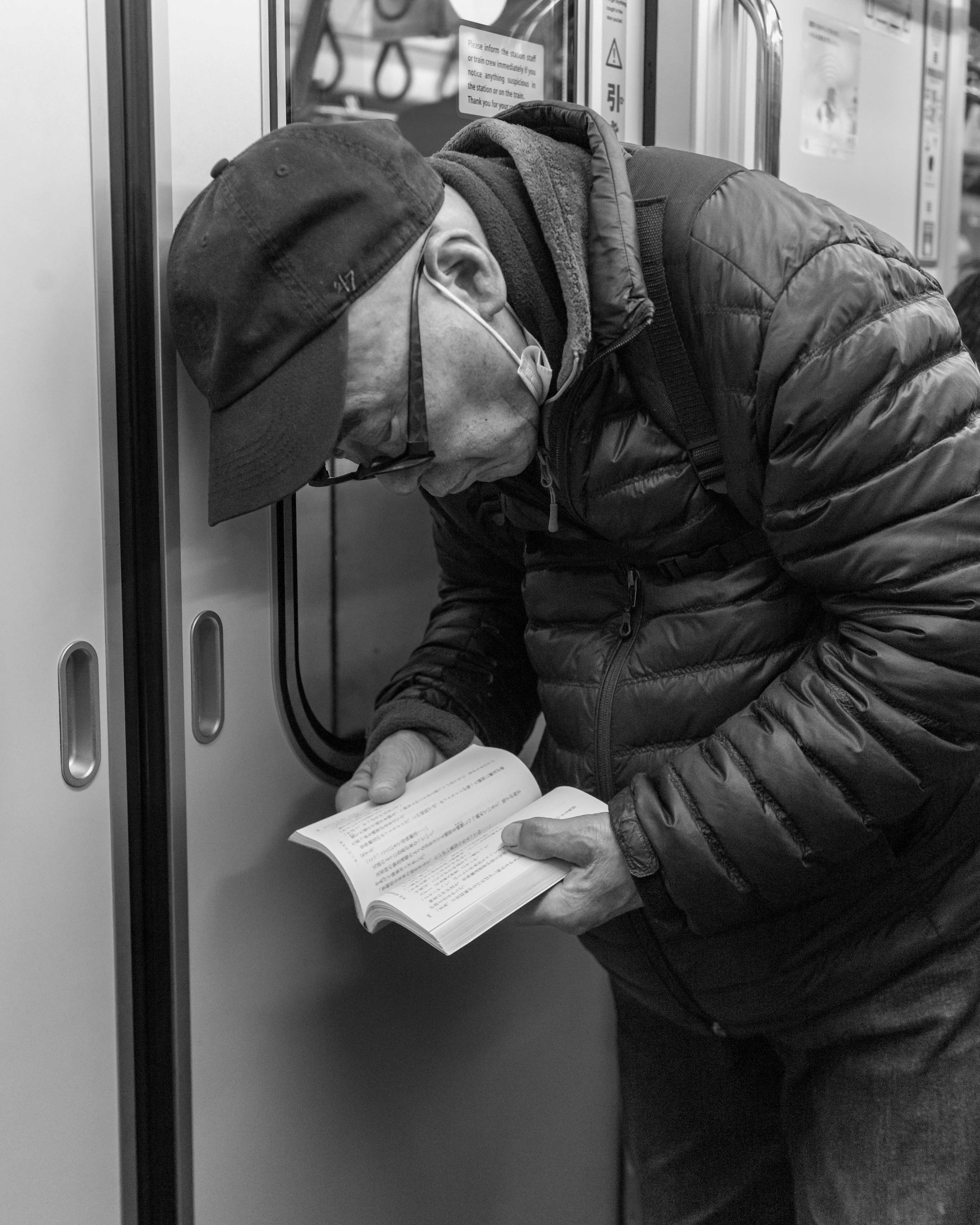
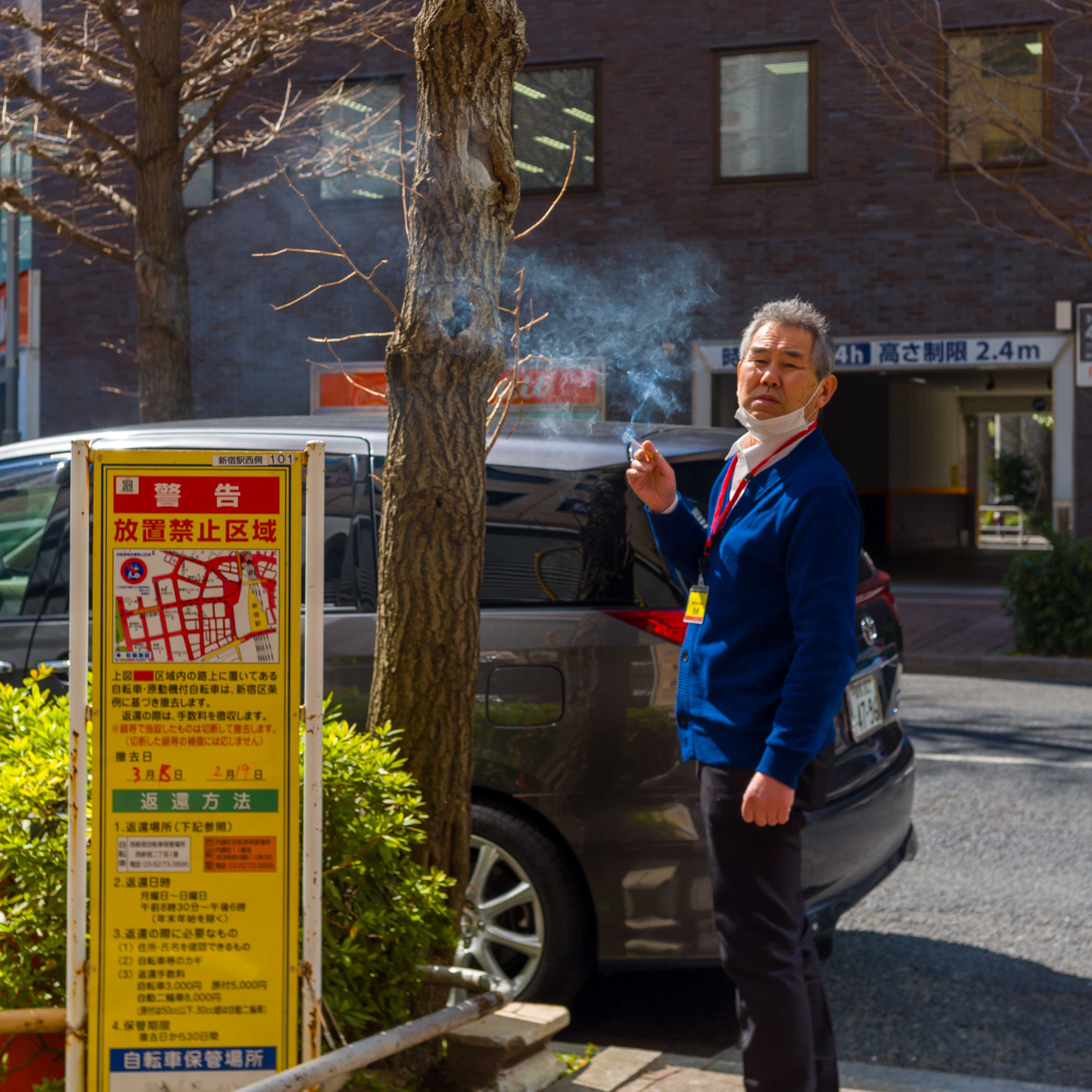
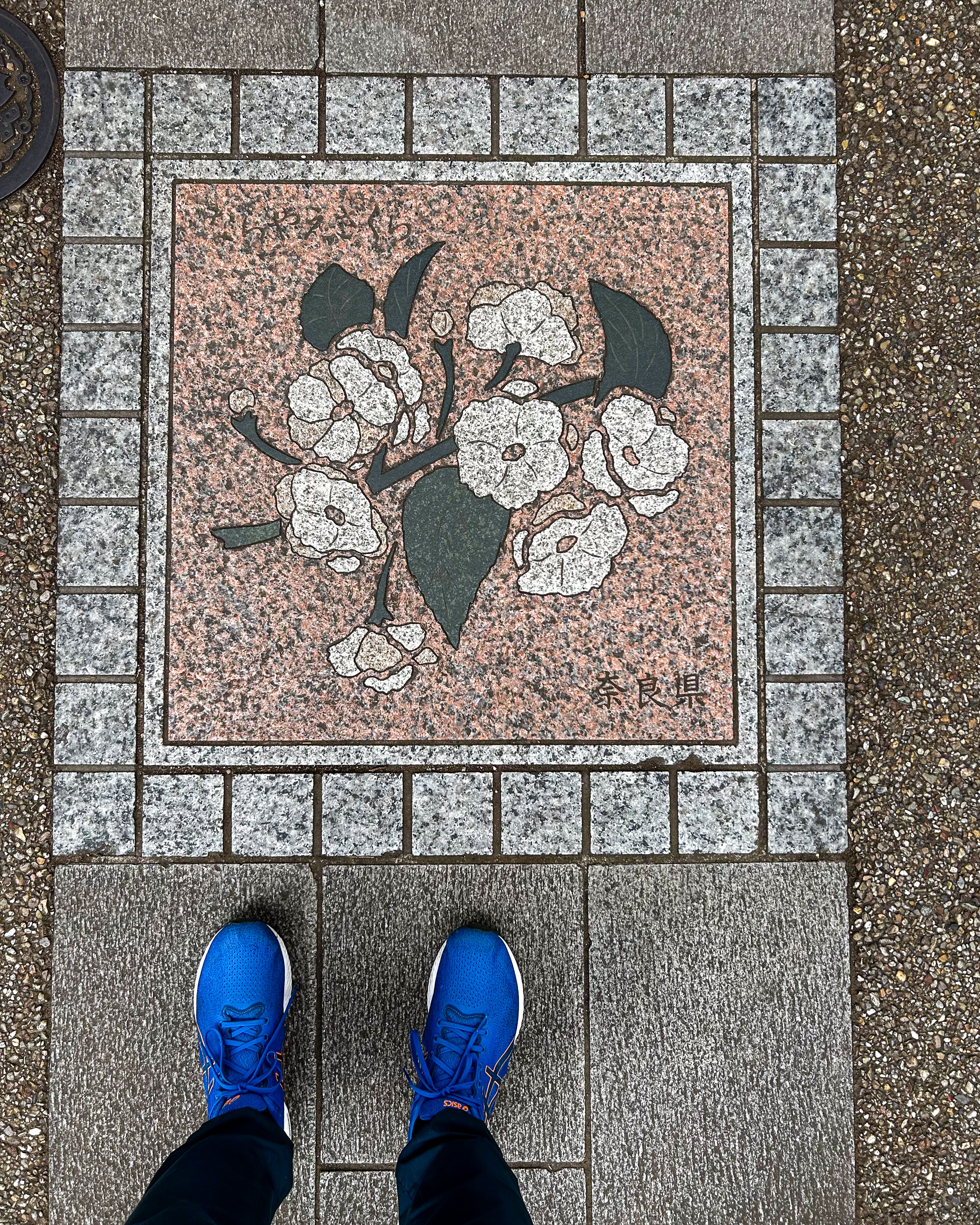
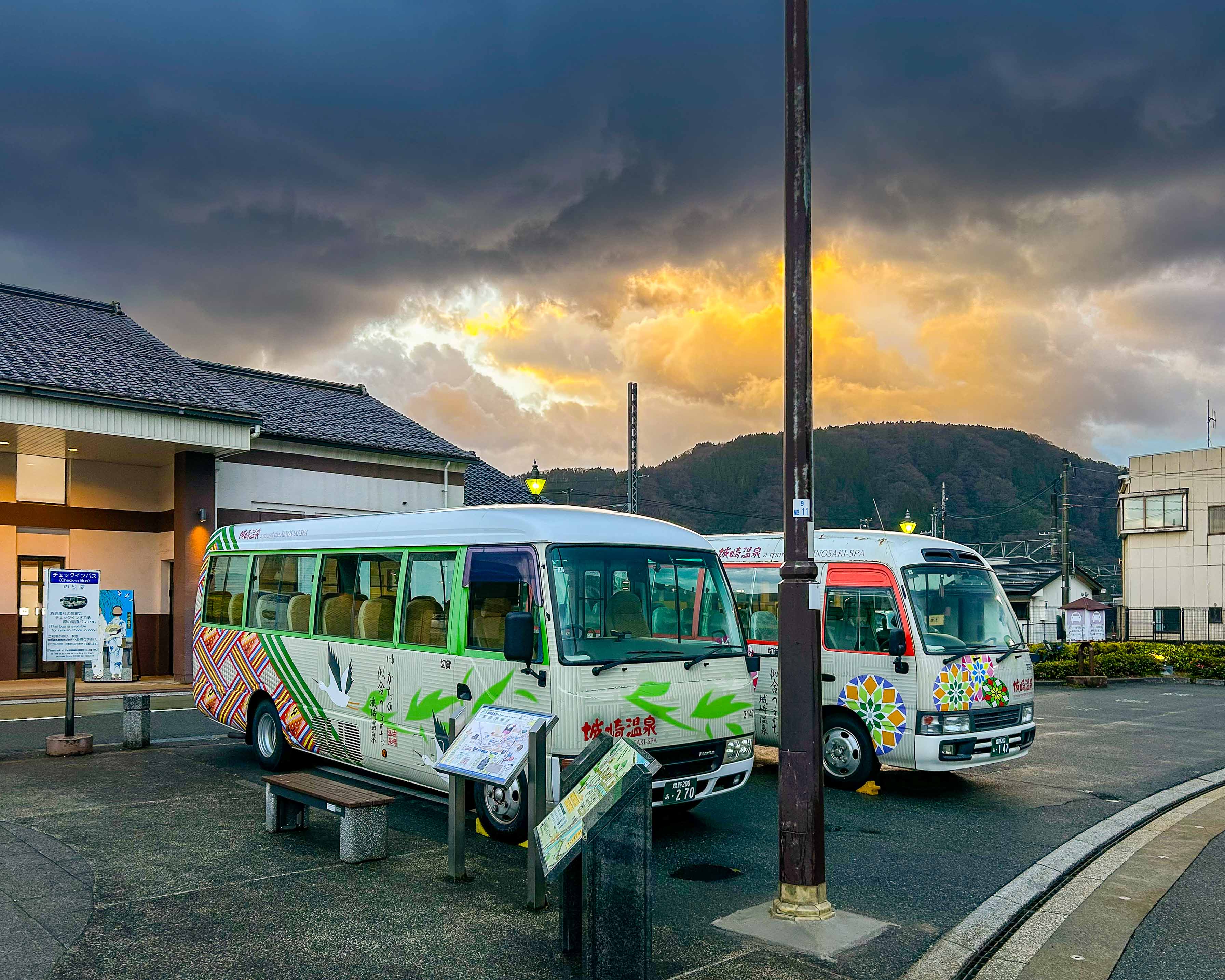
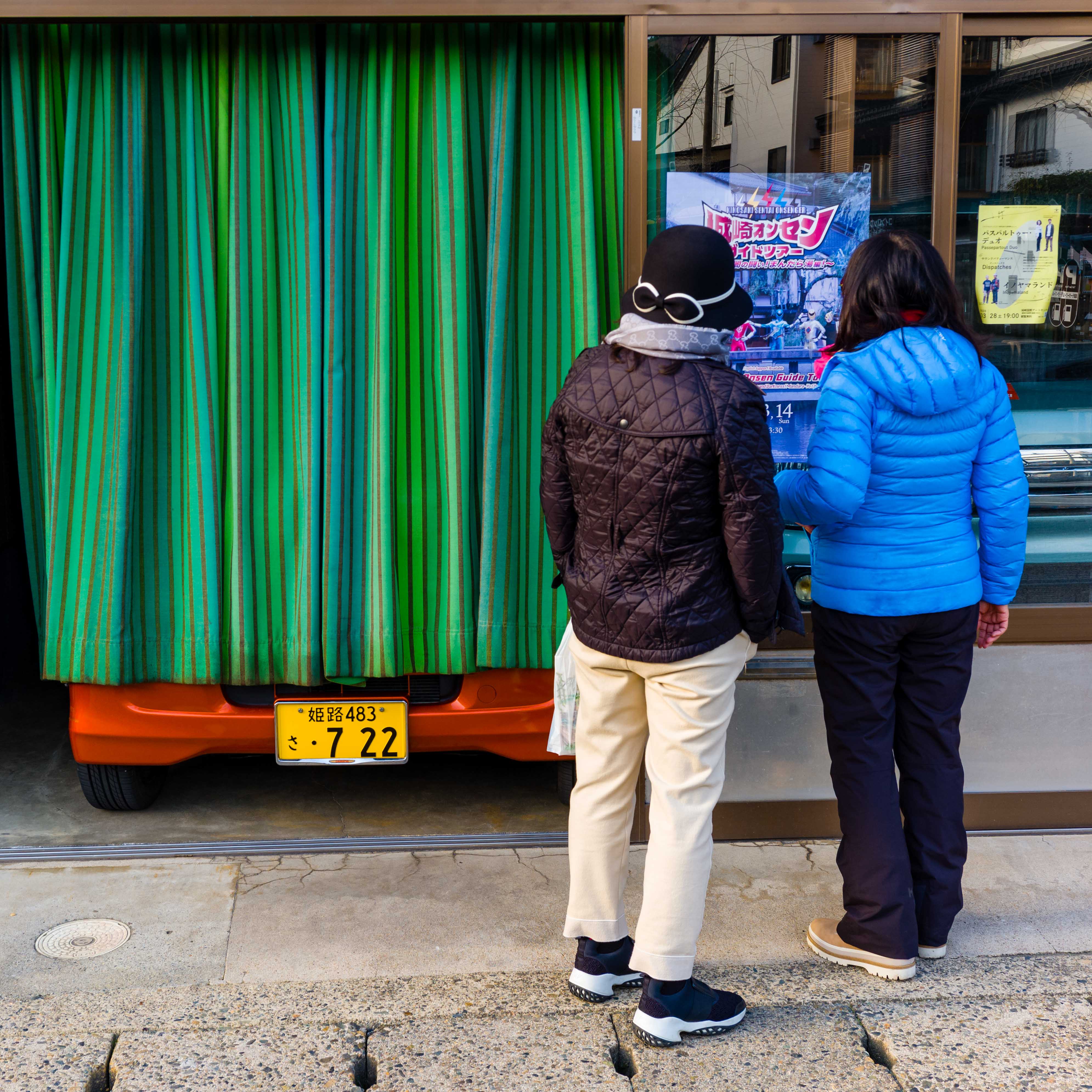
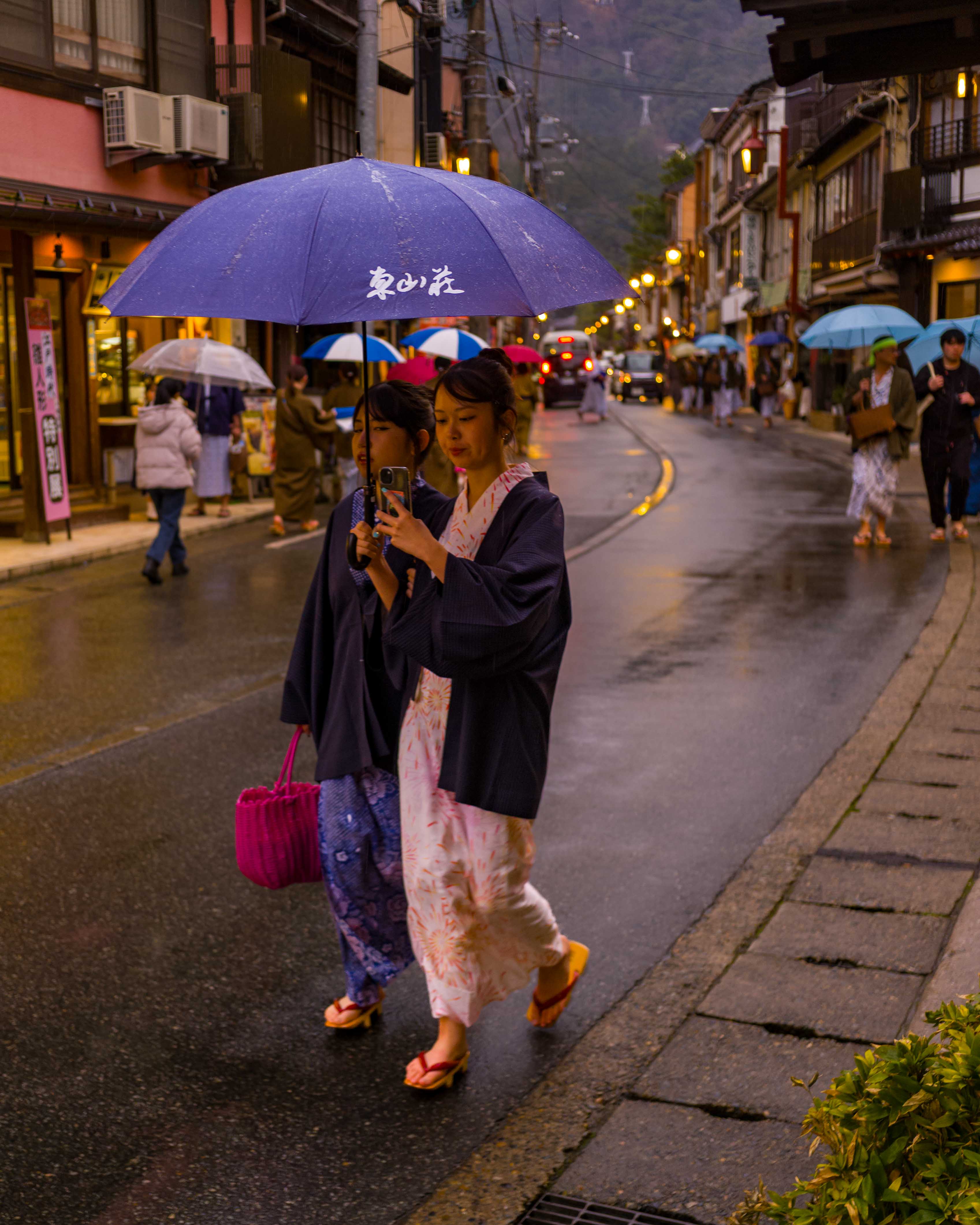
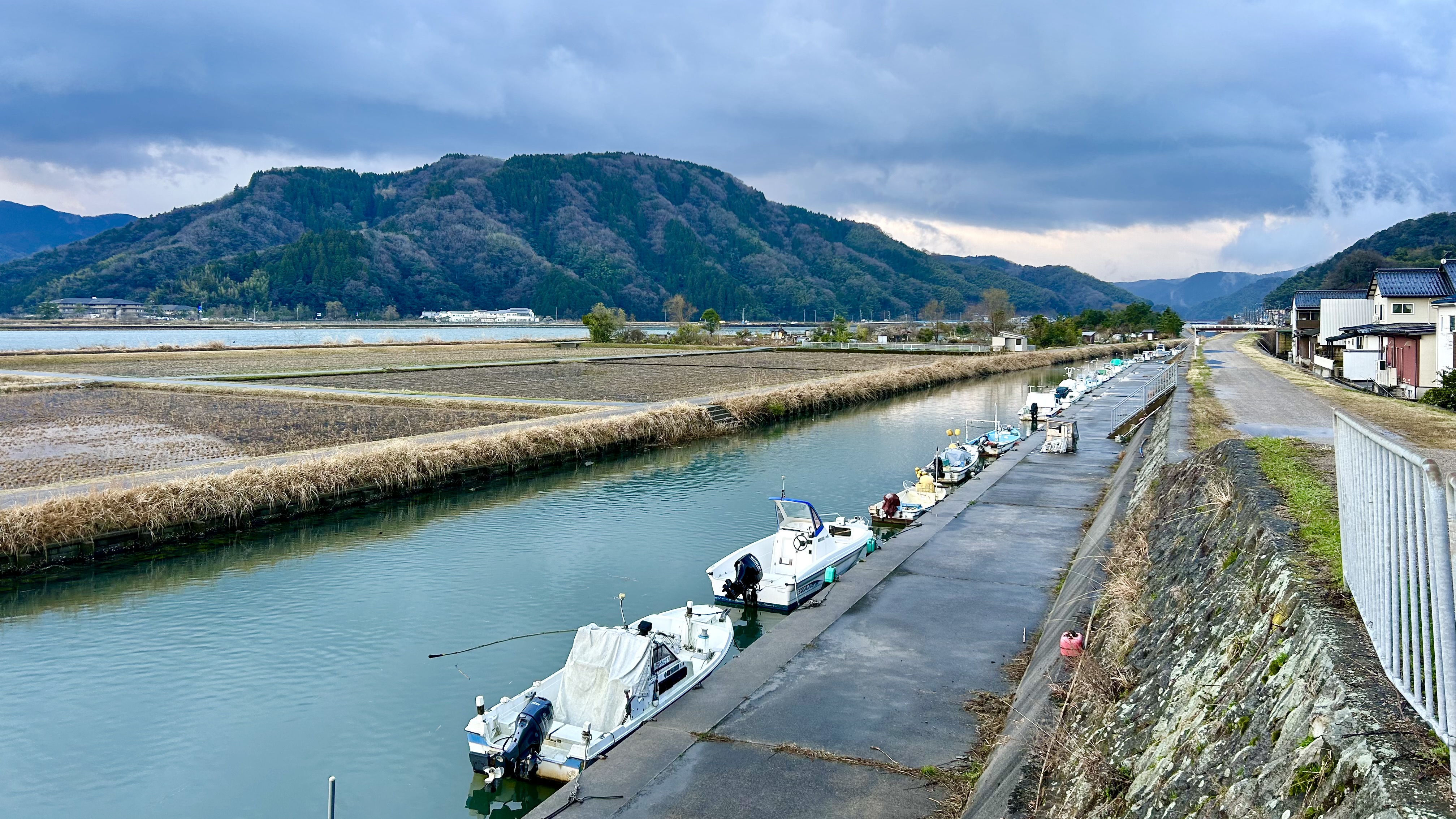
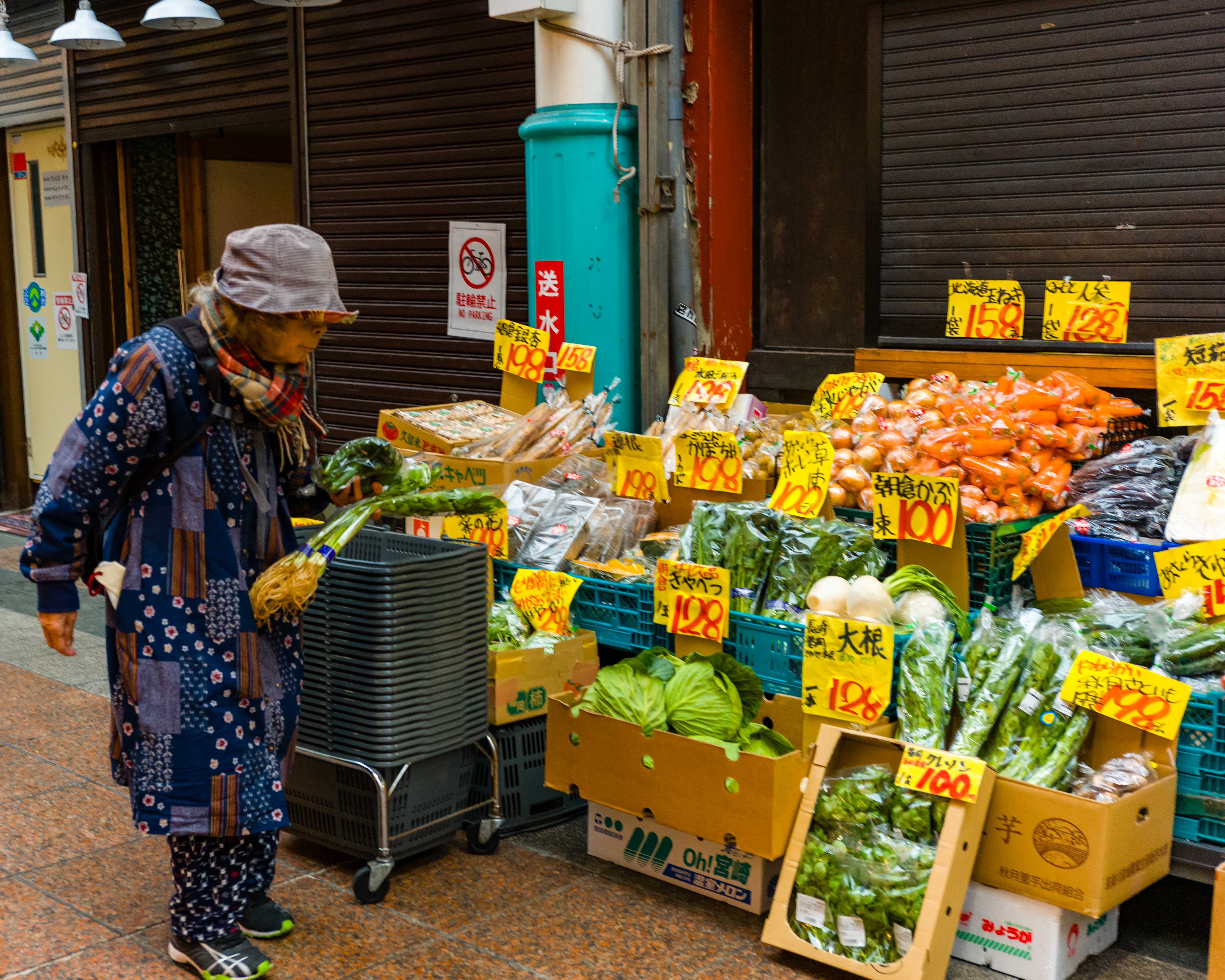
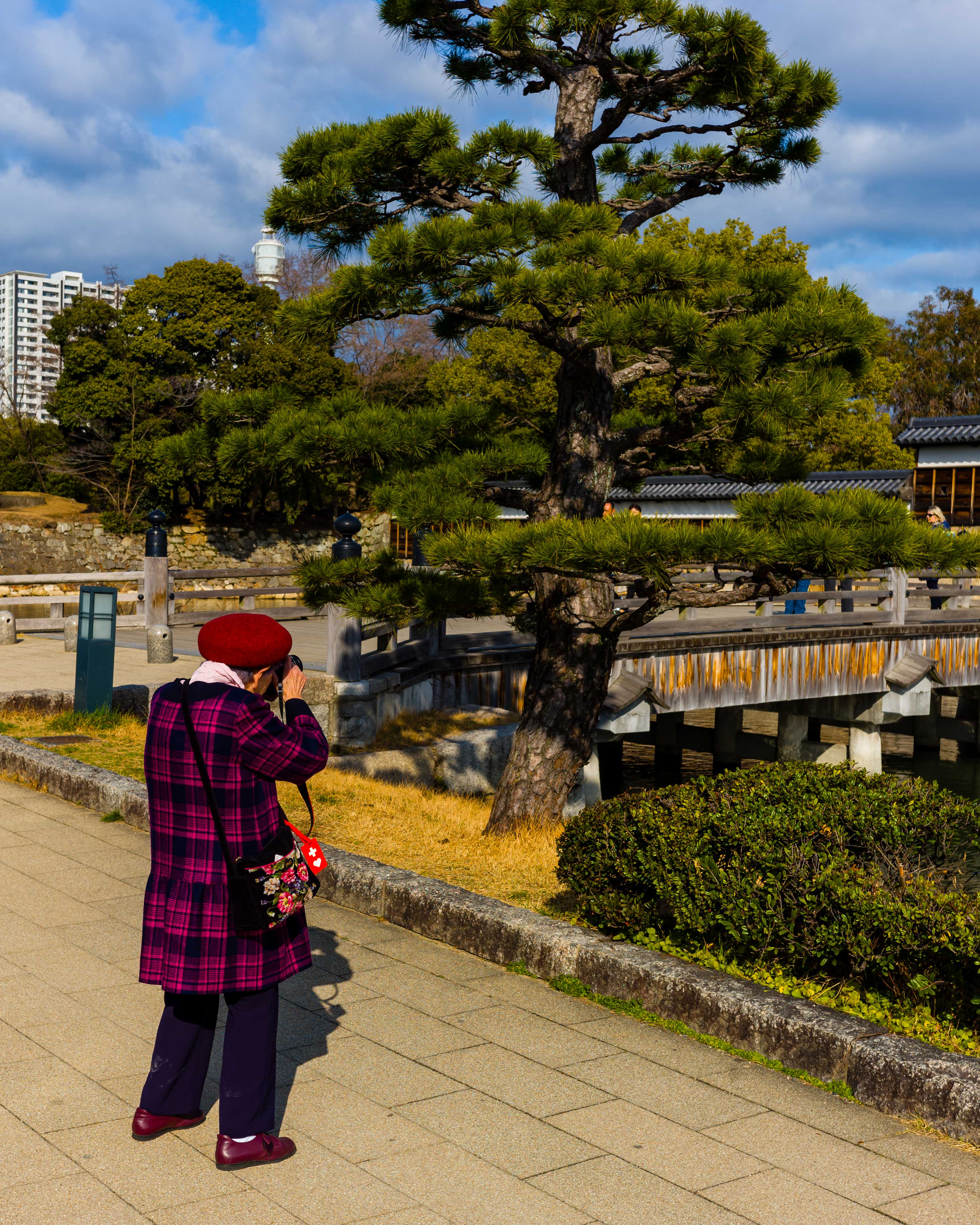
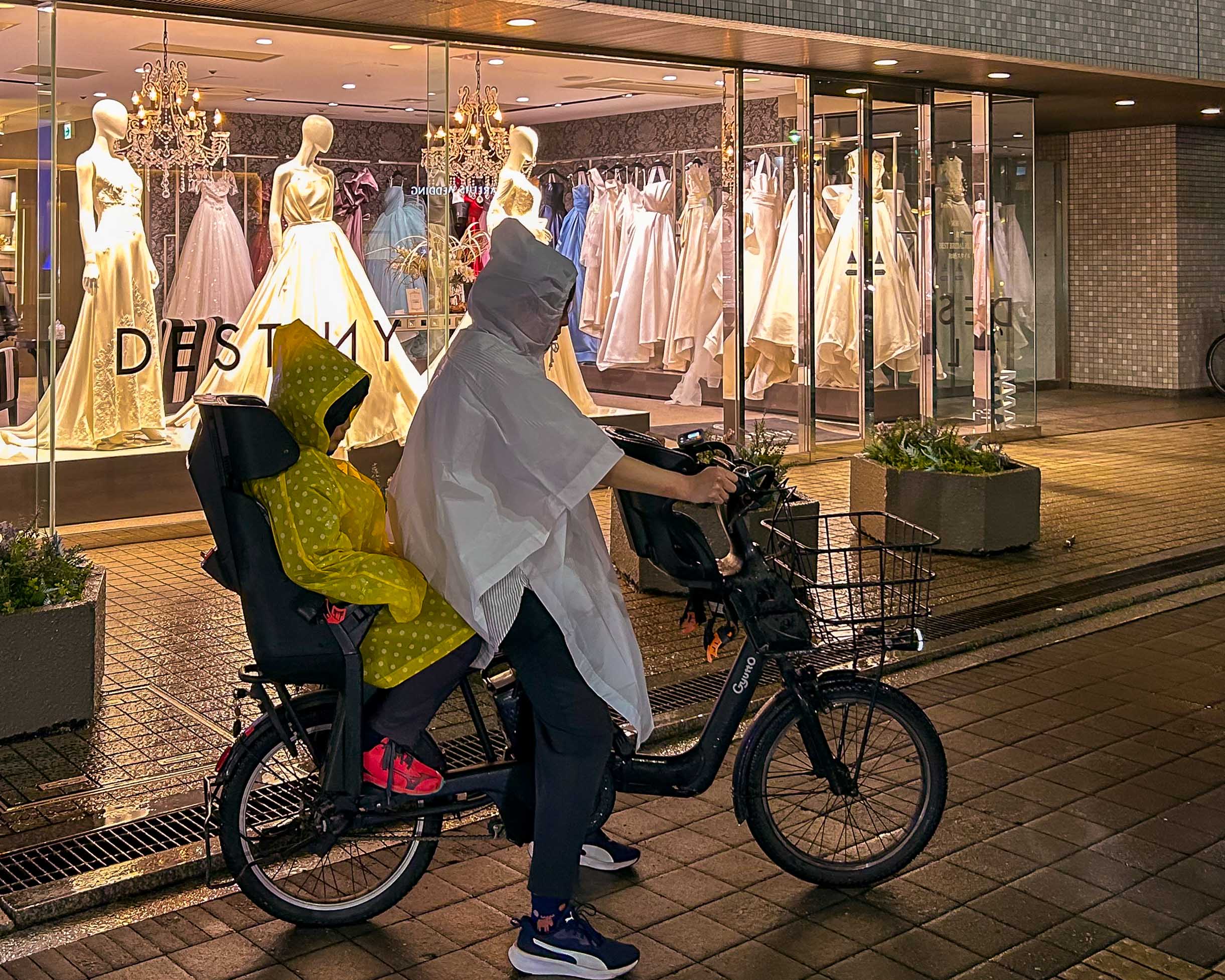
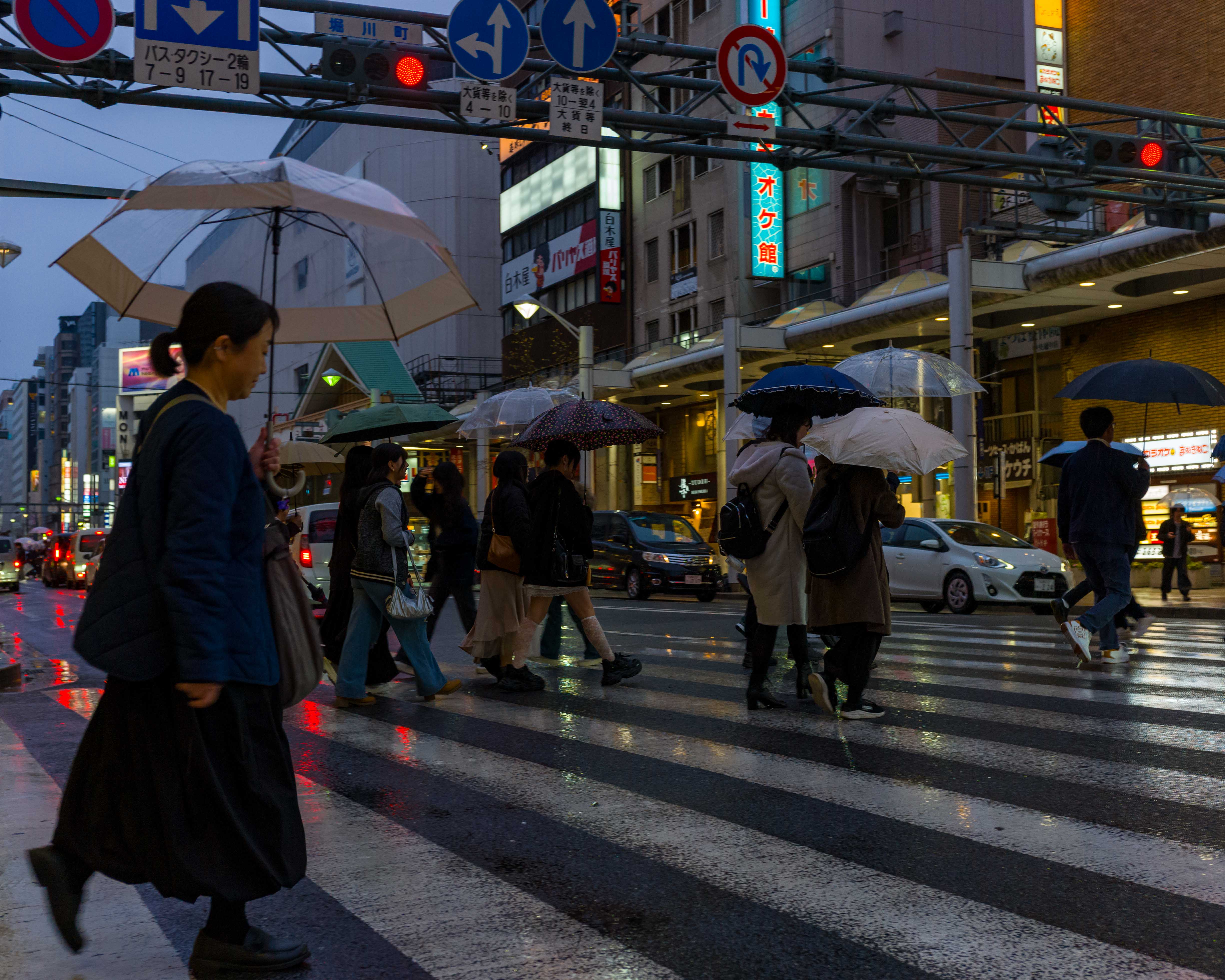
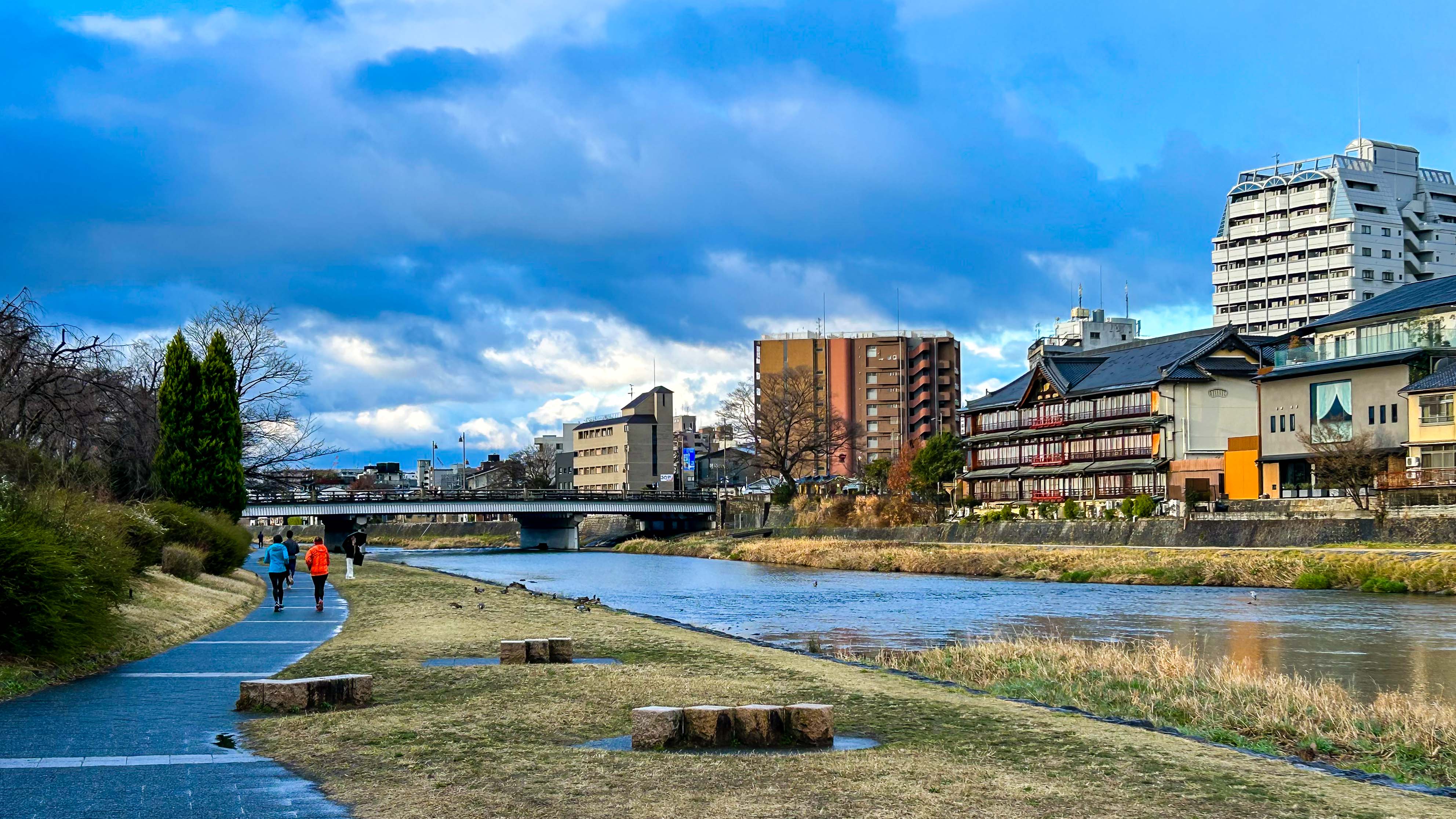
Here are a few pictures from our laid-back time in this unique place. The picture of two ladies looking at a store window reminded me of one of my favourite Fred Herzog photos. On our last morning in town, I had the streets to myself for an early morning jog, and I was treated to a magical sunrise. There was some overnight snow on the cars, but coming from Alberta that didn’t seem photo-worthy!

More Impressions

The middle part of our vacation brought many more positive impressions. We had been to opposite sides of the main island, and seen two very different places—the first celebrated man’s impact on the natural environment, while the other let us experience nature’s impact on us. The food was all extraordinary, especially the traditional Japanese meals. And the people were wonderful—so welcoming and respectful.

Up next were the major cities, Kyoto and Tokyo. Stay tuned for that.

Until then, be well and BE FAST!

Magical Japan: Part 1

Japan is definitely on a roll. The trend in its tourism statistics is astounding—international visitors increased 11 percent per year from 2010 to 2024. Many reasons are cited for Japan’s popularity: it has a rich cultural heritage, it’s safe, it has great food, and unmatched transportation systems.

Our son Matthew is an experienced traveller to Japan, and he was instrumental in our decision to plan a visit. In consideration of the tourism figures, we settled on the last few weeks of winter as a good time to travel there. I’ll be posting several articles to convey our full experience, so I hope you’ll stop by and read them all!

Outline of the Trip

Tokyo’s Narita Airport would be our entry point into Japan, but we decided to immediately head away from the capital. Our logic was simple: we would arrive shortly before the Tokyo Marathon, and we wanted to avoid those crowds. Instead, we would head to the western edge of Japan and work our way back to Tokyo at the end of our vacation. A bonus for Deborah was the chance to fly on Peach, one of Japan’s domestic carriers. We overnighted near the airport and caught an early flight the next morning, which was terrific. Our destination? Fukuoka!

Fukuoka: Gateway to Asia

Fukuoka is the largest city in the Kyushu region and the capital city of Fukuoka Prefecture, south and west of the main island of Honshu. Its population is 1.5 million. Demographically, Fukuoka is a young city, and we found it to have an energetic vibe.

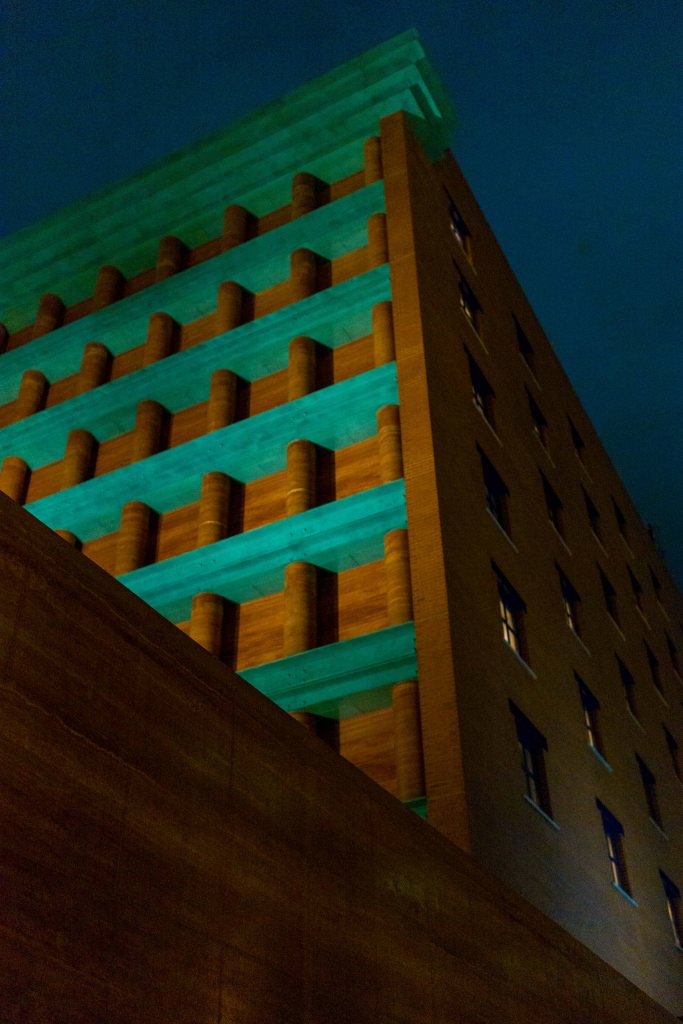
We stayed at the striking Hotel Il Palazzo, a recently renovated boutique hotel located steps from the Naka River. The hotel was designed by Italian architect Aldo Rossi, an ambitious project that combined Eastern and Western influences. Rossi was inspired by the palazzos of Venice and the traditional temple of Kyoto.

Copyright for all photographs on the site is mine, unless noted.

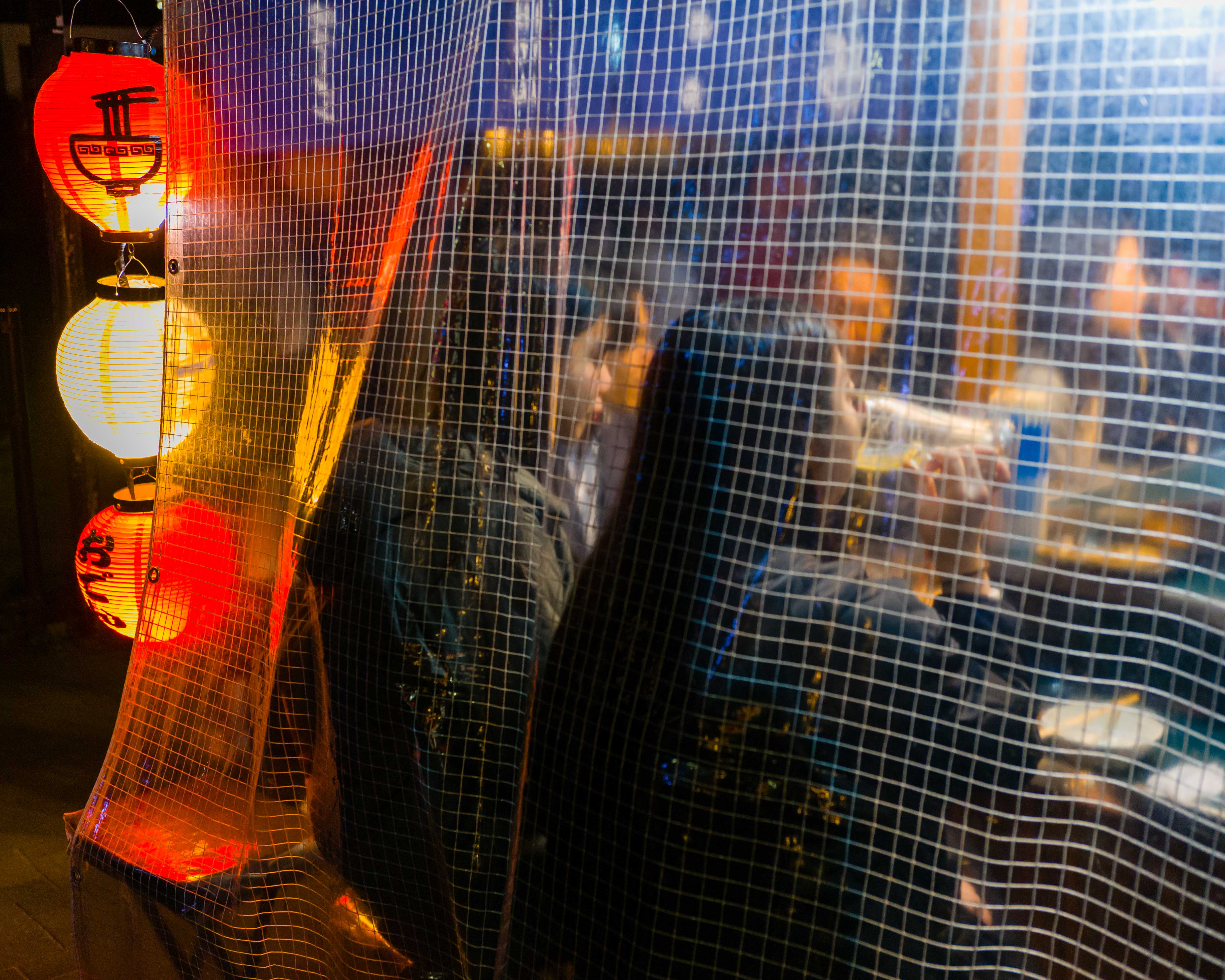
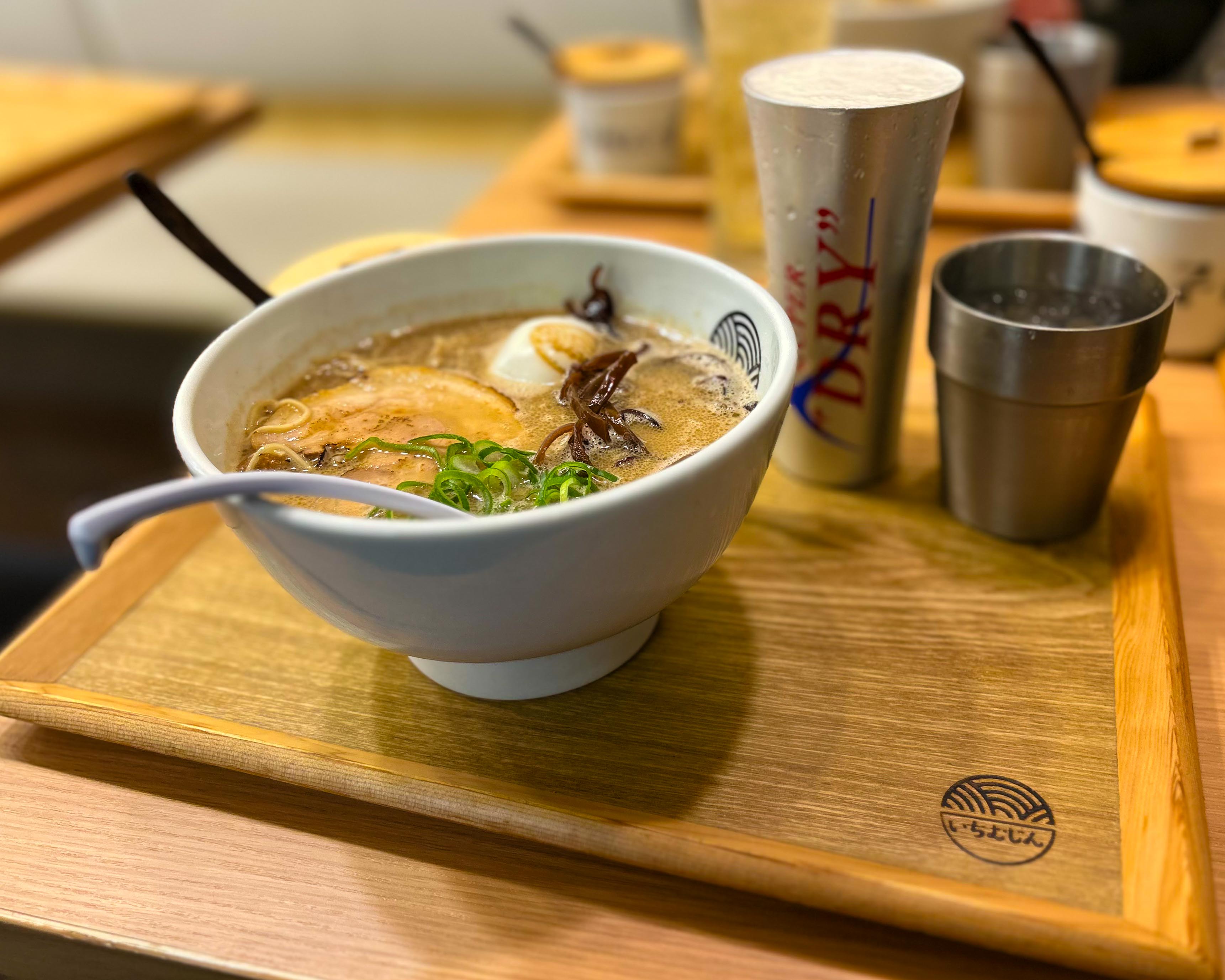
We made the most of our time in the central Hakata district: we walked through the Kawabata pedestrian arcade to avoid the rain, strolled the grounds of the Kushida Shrine, and checked out the famous (and crowded) Nakasu Yatai Street after dark. Yatai are pop-up food stalls that Fukuoka is known for. In fact, Fukuoka has a reputation as a “foodie” city. It is perhaps best known for tonkatsu ramen, thin noodles in rich pork bone broth, which is one of my favourite noodle dishes. Of course, we enjoyed a fine bowl of this delicious soup while in the city.

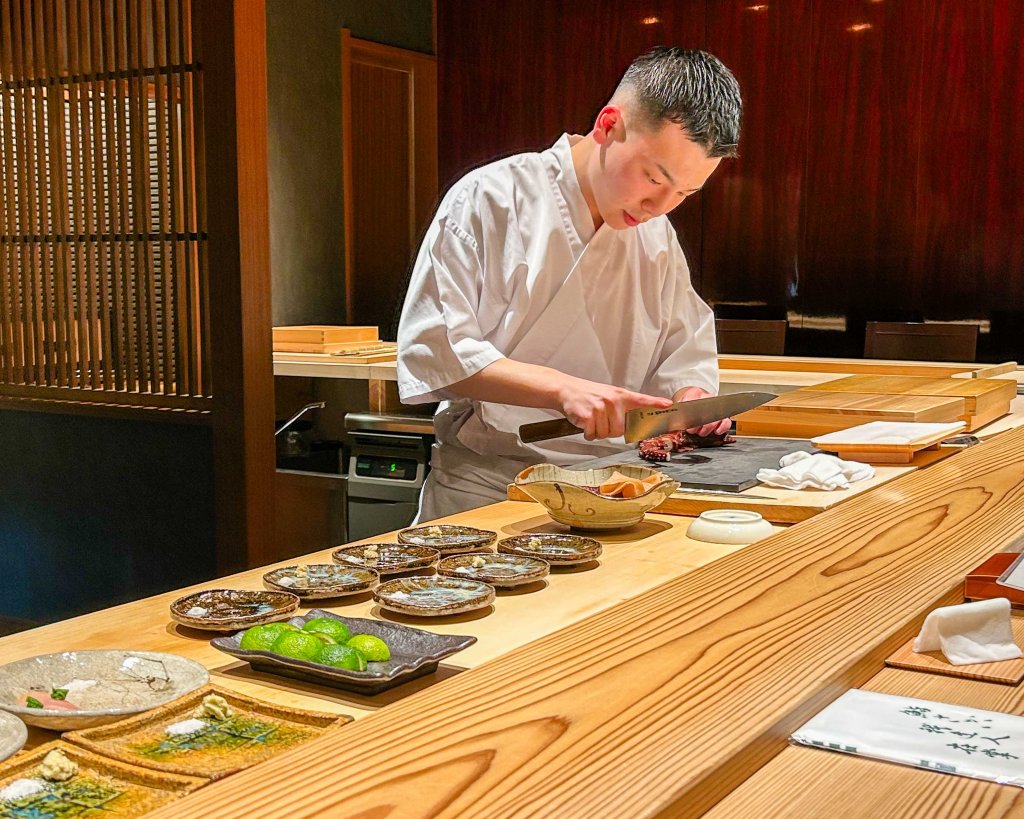
Speaking of food, Deborah managed to secure us a reservation to Zaisho, one of Fukuoka’s best omakase restaurants. Our hotel was an easy walk from the restaurant. The young chef wowed us with six seasonal delicacies and twelve (!) nigiri (bite-sized sushi comprised of fresh fish served over rice). Delicious!

Given our short time in Fukuoka, we took advantage of the efficient subway system (and the versatile IC cards that we would go on to use extensively during our trip) to visit Ohori Park, a large urban park with a scenic central pond.

I had a secondary motive to visit the park—it is the start and finish location for the historic Fukuoka International Marathon. Now, it would take me a whole article to properly explain the significance of this storied race. I have written about it before, in my tribute to Jerome Drayton.

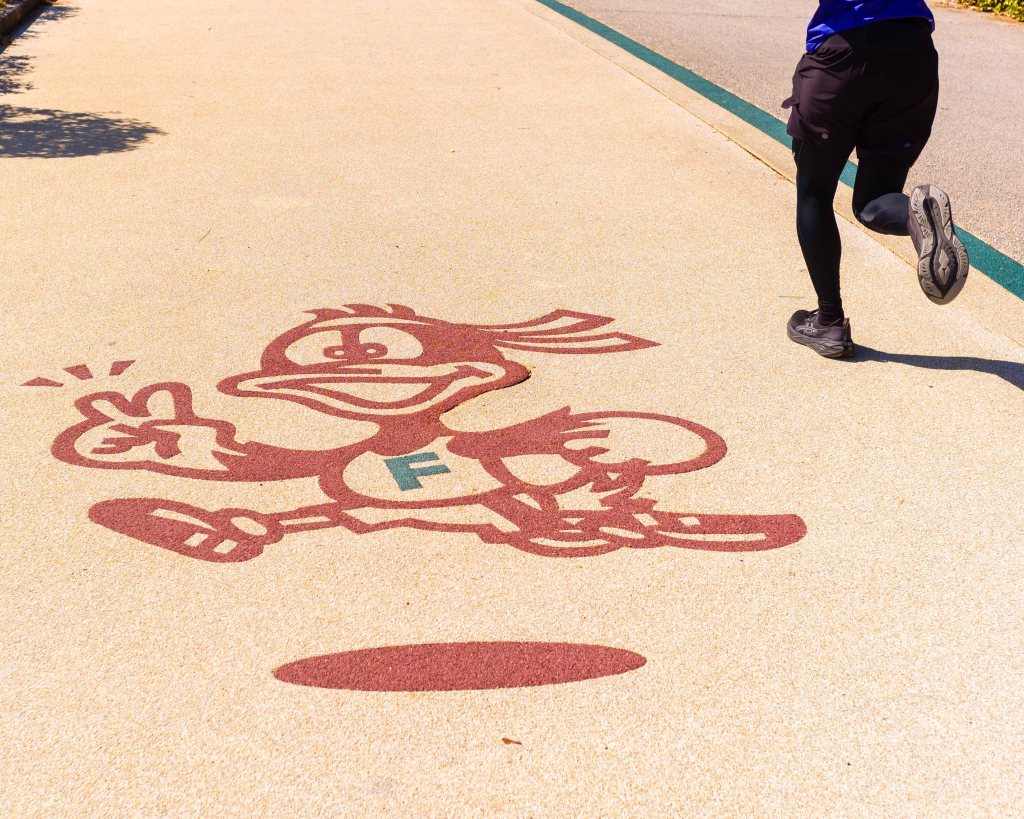
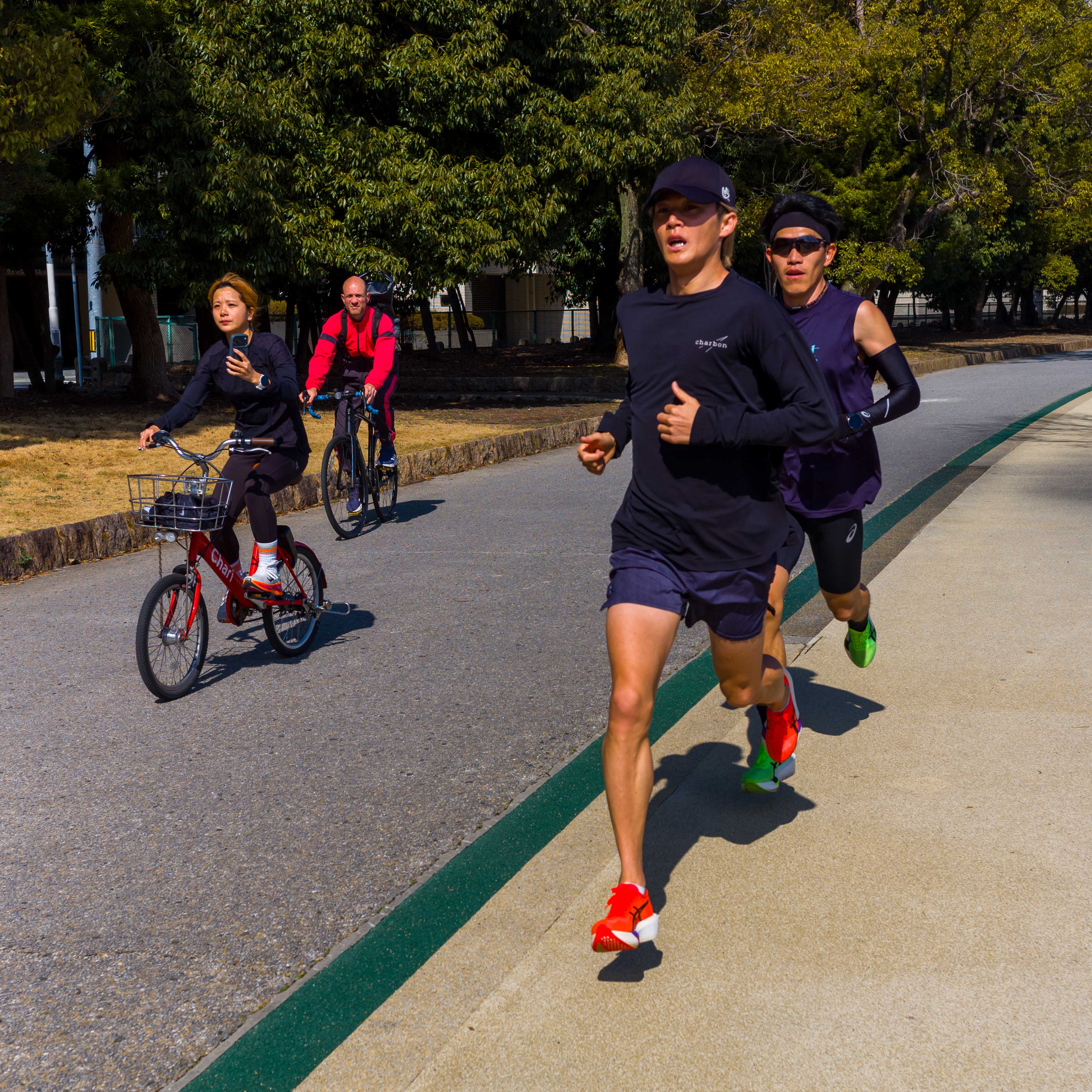
To be truthful, Fukuoka is now relegated from the upper tier of marathon racing. No matter. I was there, and I was determined to do a 4.22 km run—one-tenth of a marathon— by running two laps of the park’s perimeter path, in what I call the Fukuoka Commemorative Run. I changed at the convenient UNPLAN Hostel, and did my run on a beautiful morning.

As I revelled in the company of speedy young athletes, Deb walked and enjoyed the views. She even had an owl sighting, courtesy of an elderly birdwatcher. We enjoyed our first (but far from last) onigiri, delicious and ubiquitous stuffed rice snacks wrapped in seaweed. Then we strolled through the ruins of Fukuoka Castle, where we spotted the first seasonal plum blossoms. Not cherry blossoms—those come later! Already the crowds were growing in anticipation of this welcome sign of spring in Japan.

As we headed to Fukuoka Station for our first ride on the Shinkansen—Japan’s amazing bullet trains—it was already clear that our time in Japan was going to be memorable. Our next destination? Hiroshima!

Hiroshima: City of Peace

Naturally, our arrival at Hiroshima Station was right on time. Hiroshima has a population of 1.2 million, and our hotel (the CANDEO Hatchibori) was ideally located to explore the city.

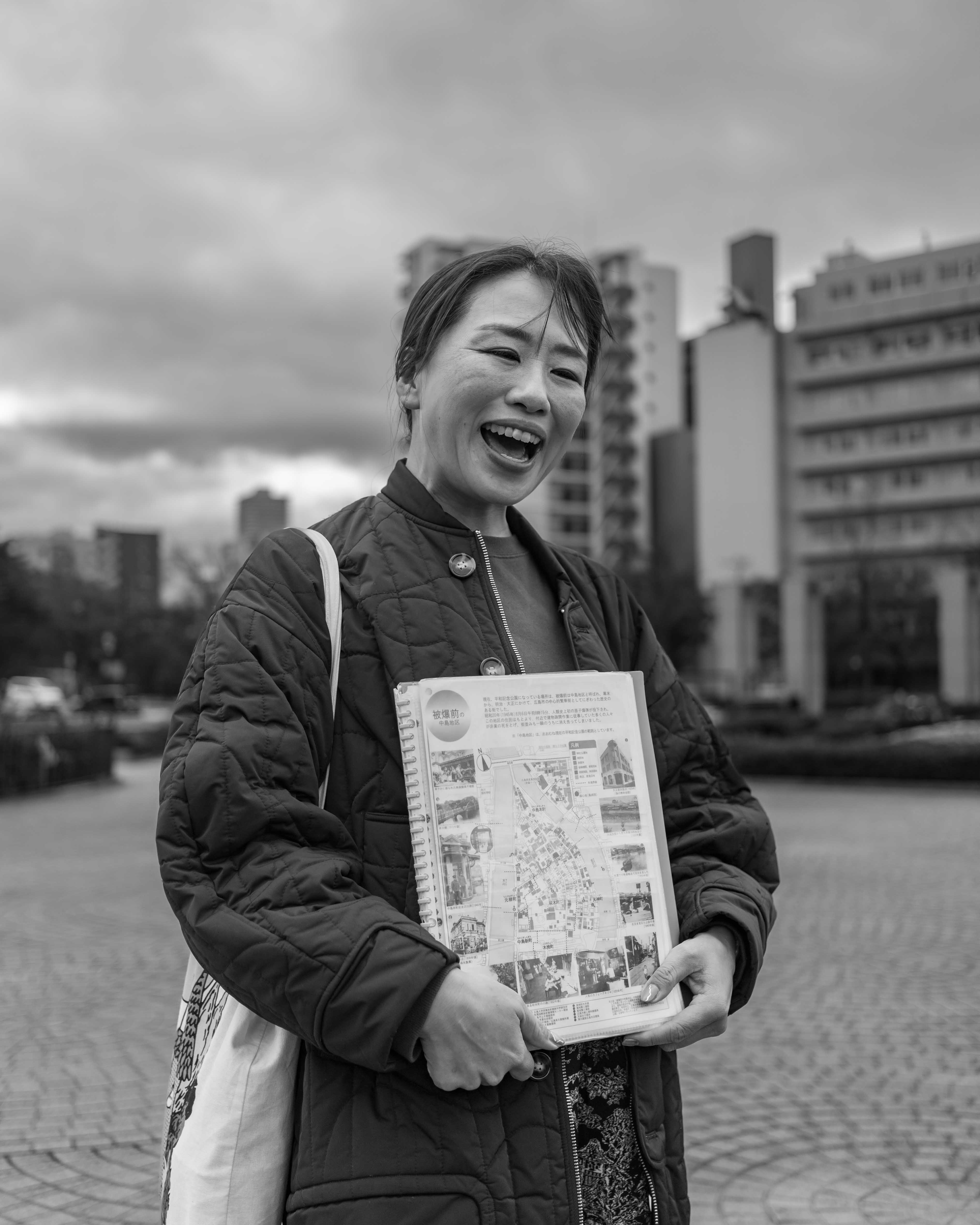
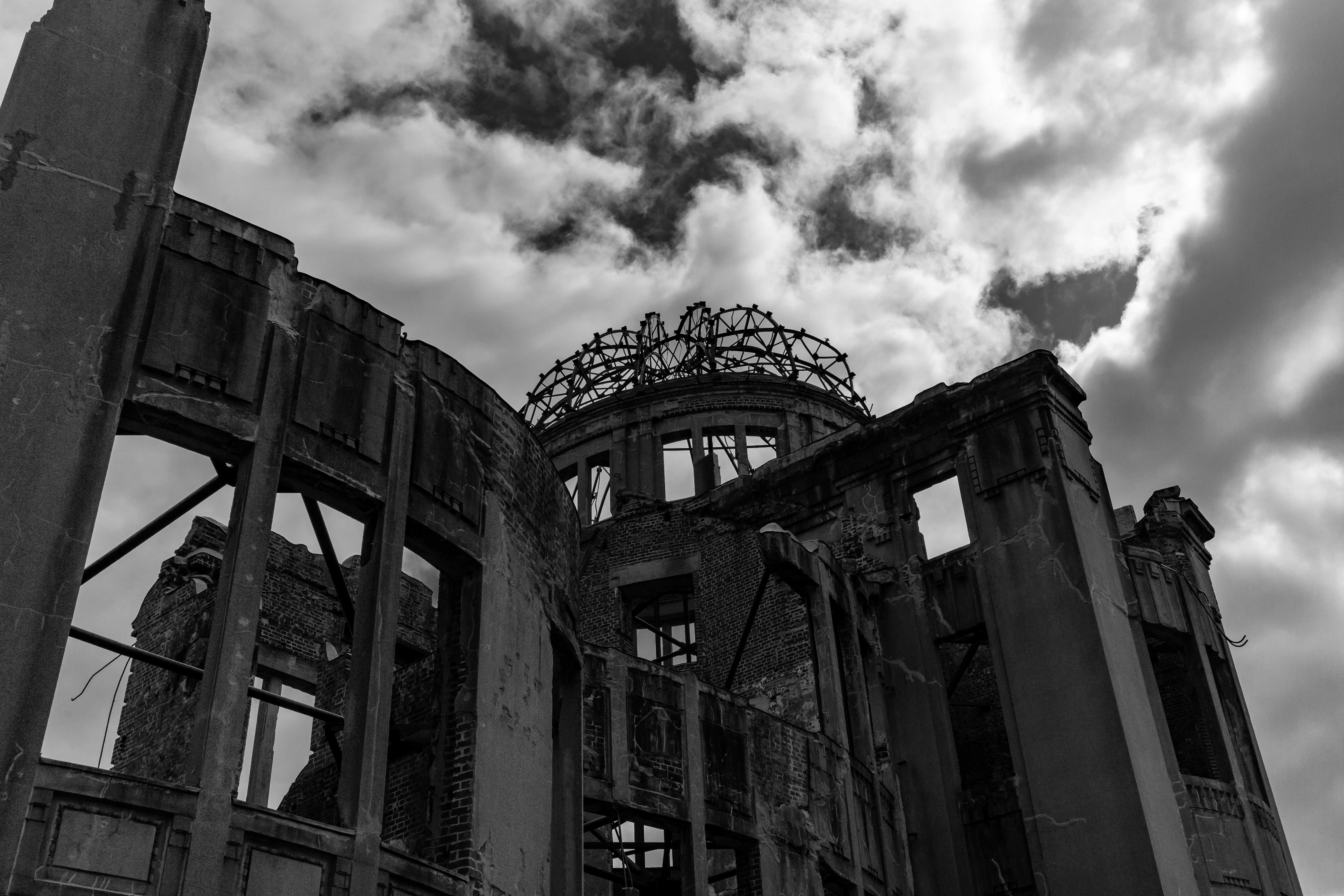
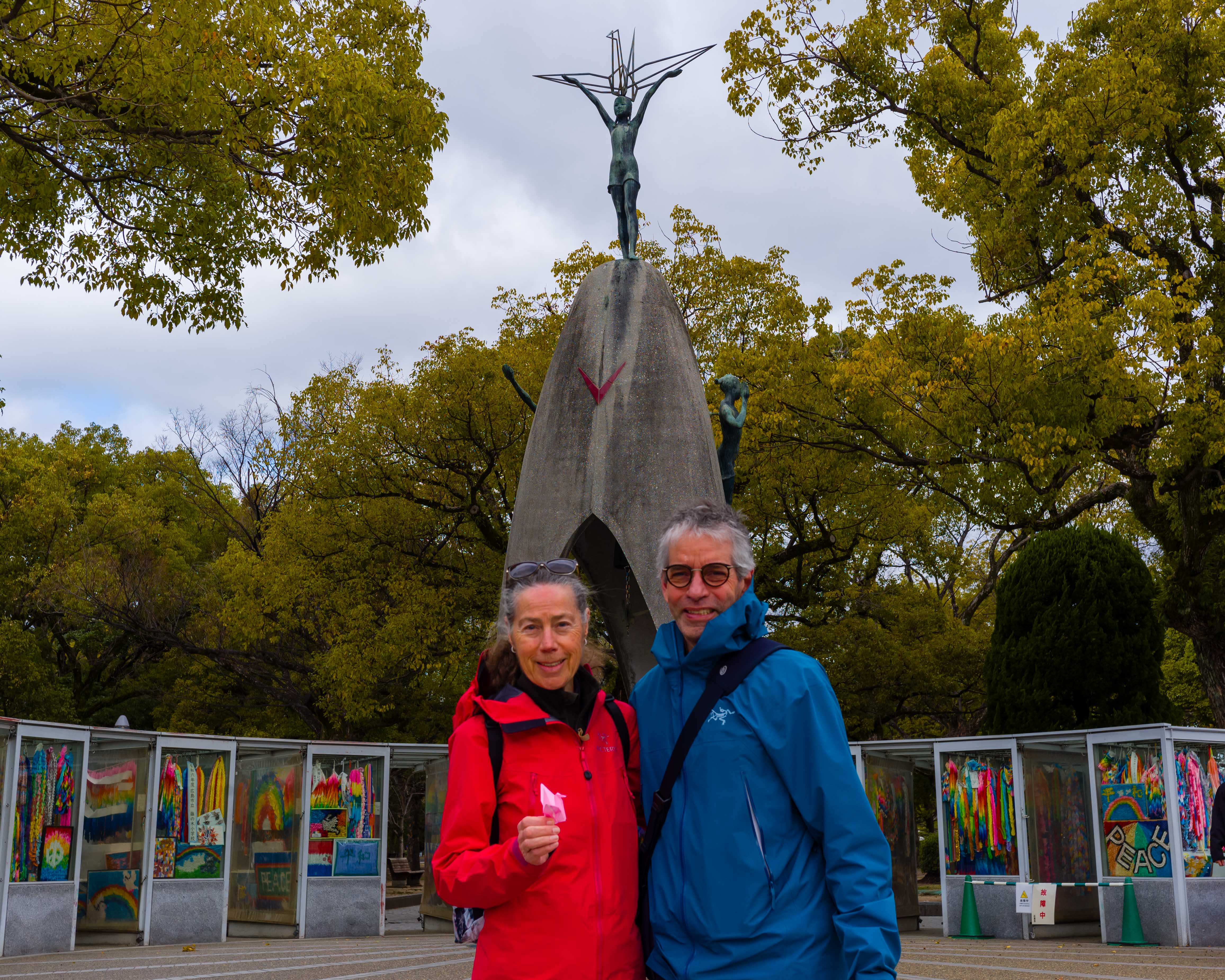
Hiroshima will always be known as the target of the first nuclear bombing, on August 6, 1945. I’ve been aware of this sad event my whole life, because August 6 happens to be my birthday. We signed up for a two-hour walking tour with Viator. Our guide Moe was very knowledgeable about the city’s history and the bombing. Her grandparents were survivors. She took our small group through Peace Memorial Park, and later in the day Deb and I visited the museum—a must see destination in Hiroshima. The emotional power of the exhibits was overwhelming.

There is much more to Hiroshima than its wartime history. After visiting the museum, we walked through Hiroshima Central Park to the grounds of Hiroshima Castle. We heard the roars of a football match at the nearby Edion Peace Wing Stadium, a bold new facility. In case you’re wondering, Hiroshima’s professional sports teams are the Sanfrecce Hiroshima (men’s and women’s football), the Toyo Carp (baseball)—cool name!—and the Dragonflies (basketball).

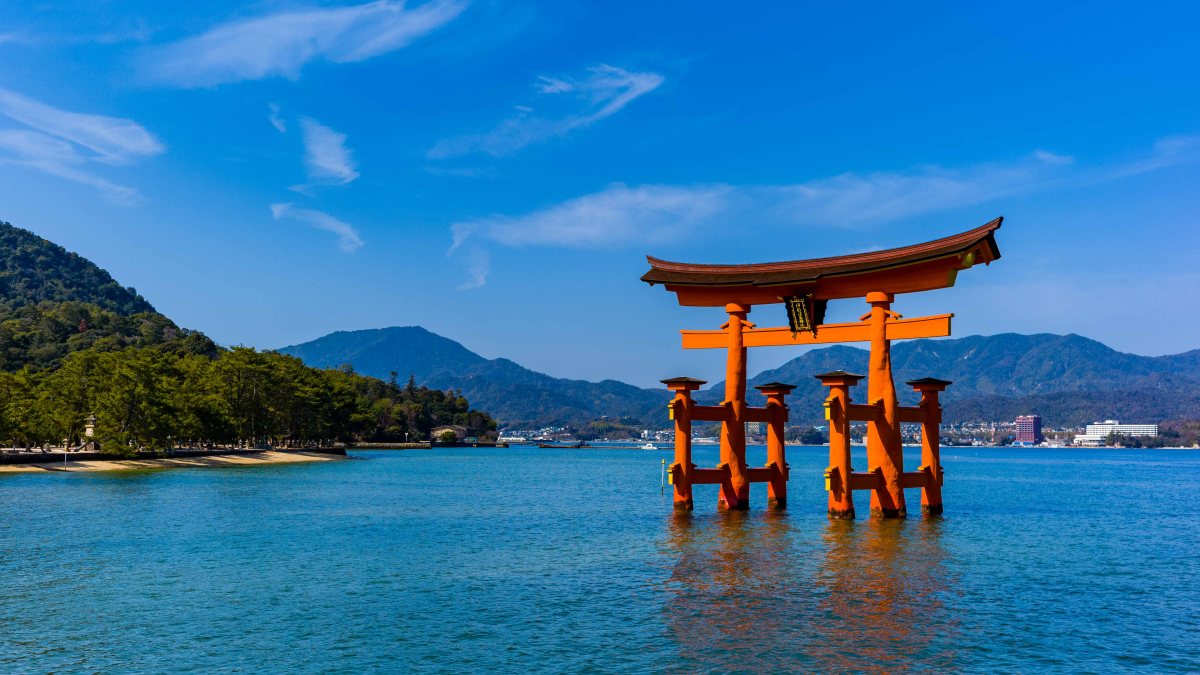
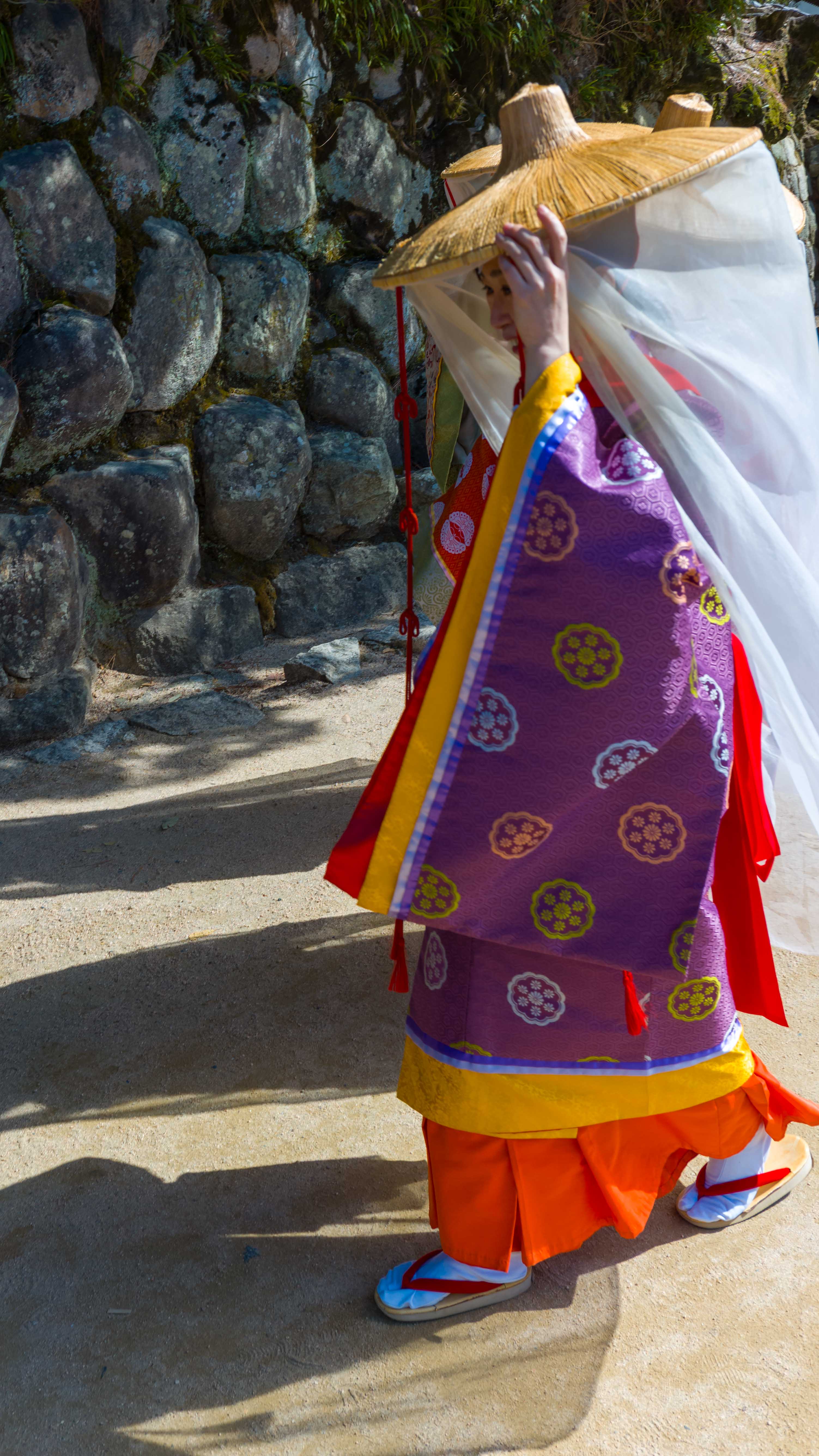
A popular day trip from Hiroshima is to the island of Miyajima. We navigated the city’s tram, train and ferry systems to reach the island, and enjoyed some sightseeing in and around the expansive Itsukushima Shrine. The tide was going out, exposing the “floating” Torii Gate for which the shrine is famous. We were captivated by local rituals, like goshuin, the tradition of having a book signed at shrines and temples. Fans of the hobby were lined up to collect unique, hand-drawn calligraphy and stamps as a record of their visit. Rounding out a perfect Sunday afternoon outing was a delicious coffee ice cream.

While in Hiroshima, we (well, maybe I) wanted to sample okonomiyaki—a savoury pancake made with layers of batter, cabbage, meat, and noodles. Okonomiyaki Mitchan Sohonten is a local restaurant, well known for its version of the dish, and it was two blocks from our hotel. We joined the locals in busy cafeteria style seating and ordered a single plate, which was large enough for both of us to enjoy, with a cold Asahi of course!

First Impressions

After only a few days, Japan was weaving a spell over us. It was all so new, and yet welcoming. The people were kind and respectful. The food was beautiful and delicious. We couldn’t wait for our next stop. As it happened, the Nozomi N700 Series train service whisked us there in excess of 250 kilometres per hour.

Until next time, “genkide, soshite hayaku”… I think that’s close to “be well, and BE FAST!”

Exploring North York

We’ve been spending time in North York lately, due to a family matter. For a Hamilton boy like me, the boroughs of Toronto have always been a mystery. Over the years, I have become familiar with a small area of North York, near the intersection of Keele Street and Lawrence Avenue. Our most recent visit yielded some memorable experiences, resulting in this piece.

A brief history of North York

What we now know as North York was the northern part of York Township—the city of Toronto (originally York) formed the southern part. In 1922, the mainly rural population voted to separate from Toronto. Apparently, there was resentment about the lack of services provided by the city in relation to the taxes being paid.

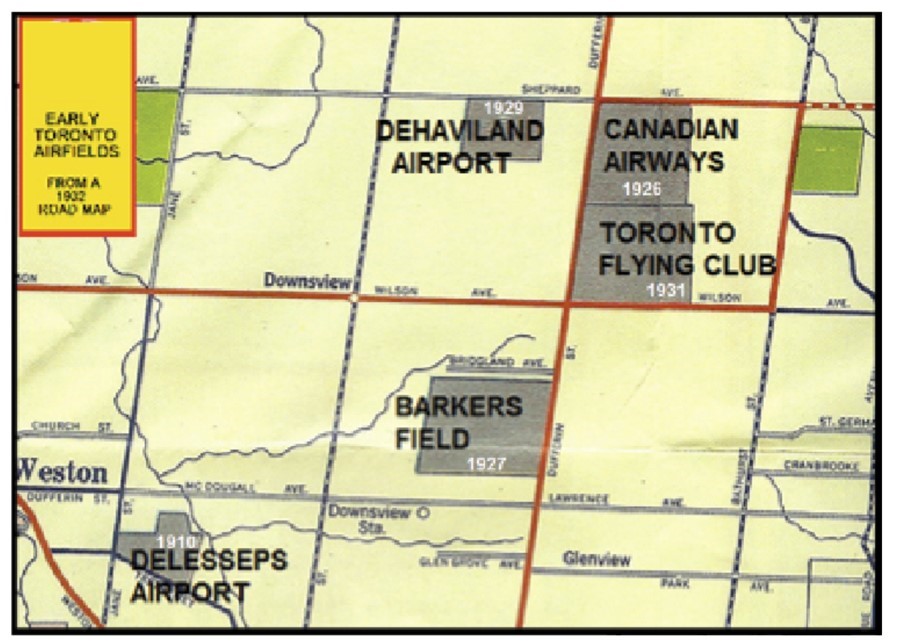
North York has had a long connection to Canada’s aviation industry. This made sense because Downsview was the highest point of land between the Don and Humber Rivers. The Downsview Airport opened as a general airfield in 1929. Early maps (like this one from The Downsview Advocate) show several airfields and aviation facilities.

Downsview was located next to a de Havilland Canada aircraft manufacturing plant, which used the airfield as a test site. It became a Royal Canadian Air Force station in the Second World War. In 1947, the Department of National Defence bought surrounding land to expand the airfield into a RCAF base. Then, in 1953, the RCAF established its storage and repair facilities for Eastern Canada at Downsview. The runways were lengthened to accommodate all types and sizes of aircraft.

Urban development in North York was minimal until after the war. A housing boom in the 1950s and 1960s brought residents into close contact with activities at Downsview. North York grew rapidly—it was incorporated as a borough in 1967, then as a city in 1979, and was amalgamated into Toronto in 1998.

Urban growth was the beginning of the end for the airport. When the Government of Canada announced the closure of Canadian Forces Base Toronto in 1995, the site transitioned into two distinct parcels: Downsview Park and Downsview Lands. Both parcels are overseen by the Canada Lands Company. Downsview Park is a large green space—more on that below.

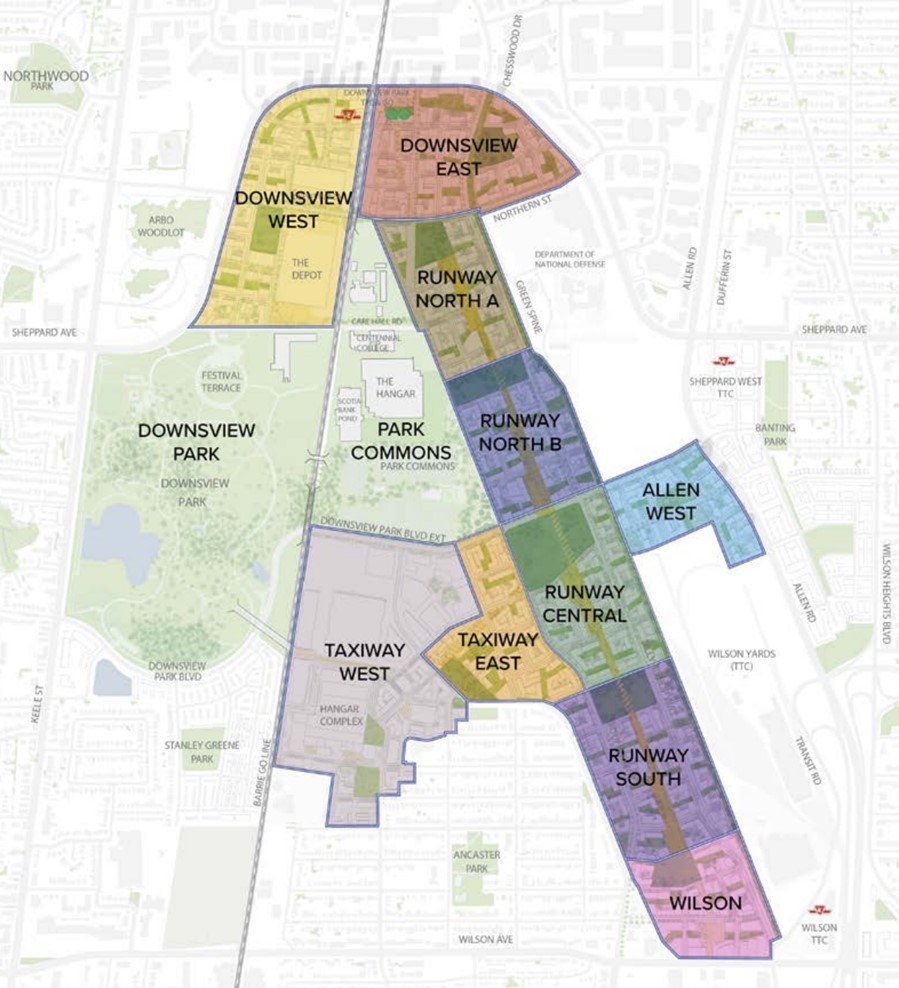
The airport sits on the Downsview Lands. It was closed in March 2024. Now, a major urban redevelopment project, “YZD”, is underway for the site. Valued at $22 billion, the project is unique in that it will repurpose facilities at the airfield (the hangars and the mile-long runway) into a new community for 55,000 residents. This project plan (the id8 Framework Plan) shows the park and the future residential areas.

Downsview parkrun, solo edition

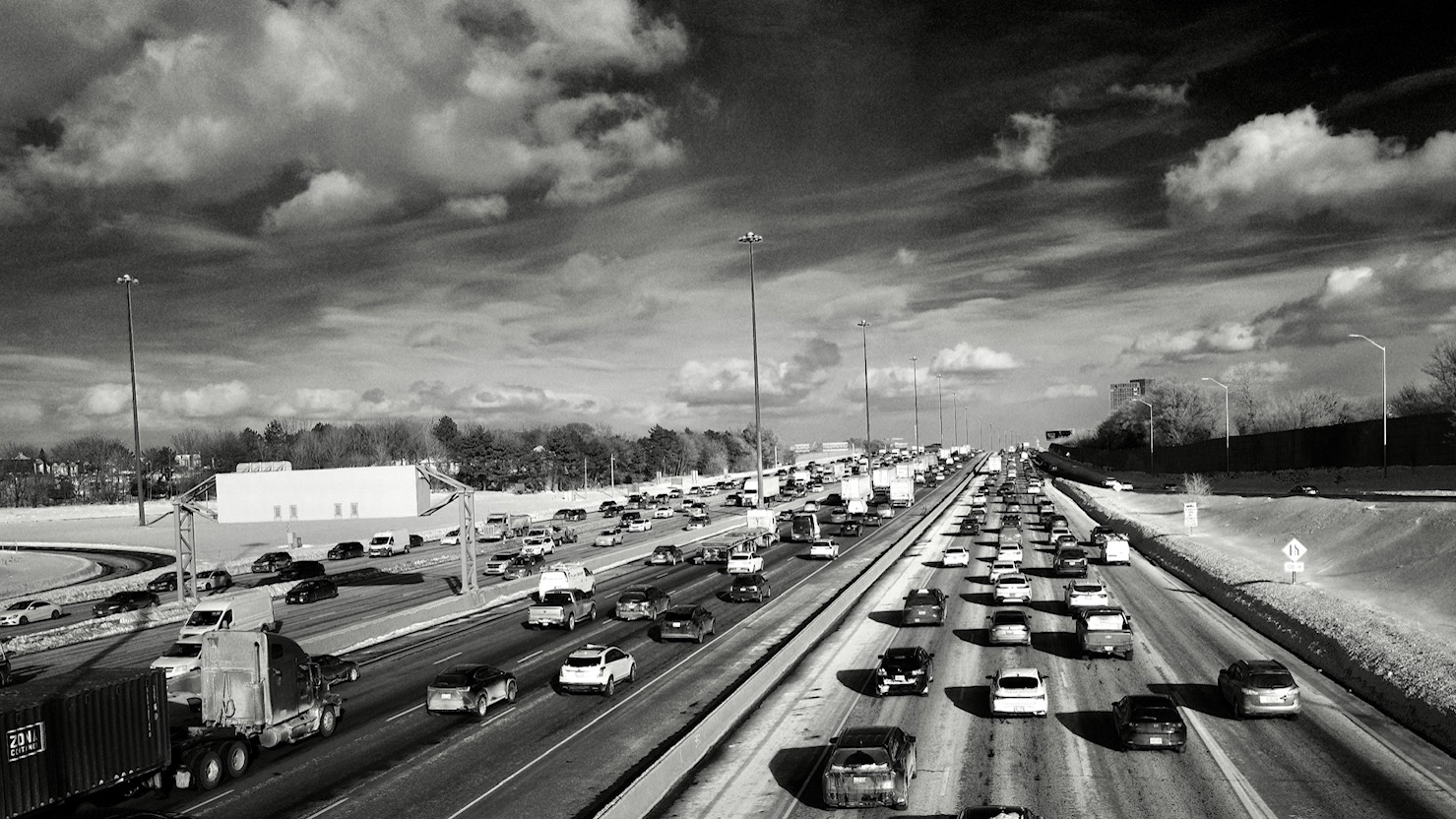
Our location was just south of the busy Highway 401. Downsview Park is about the same distance from the highway on the north side. That meant we were fairly close to the Downsview parkrun.

Like all parkruns, Downsview is a stress-free running event, held every Saturday morning. Well, almost every Saturday morning.

I pitched the idea of arranging our daily outing around the parkrun, and Deb was up for it. We figured we could take an Uber to the start, see the park, and then walk back to the house. Unfortunately, Mother Nature had other plans. Toronto was in the grip of a cold snap so severe that the organizers cancelled the run, out of concern for the volunteers.

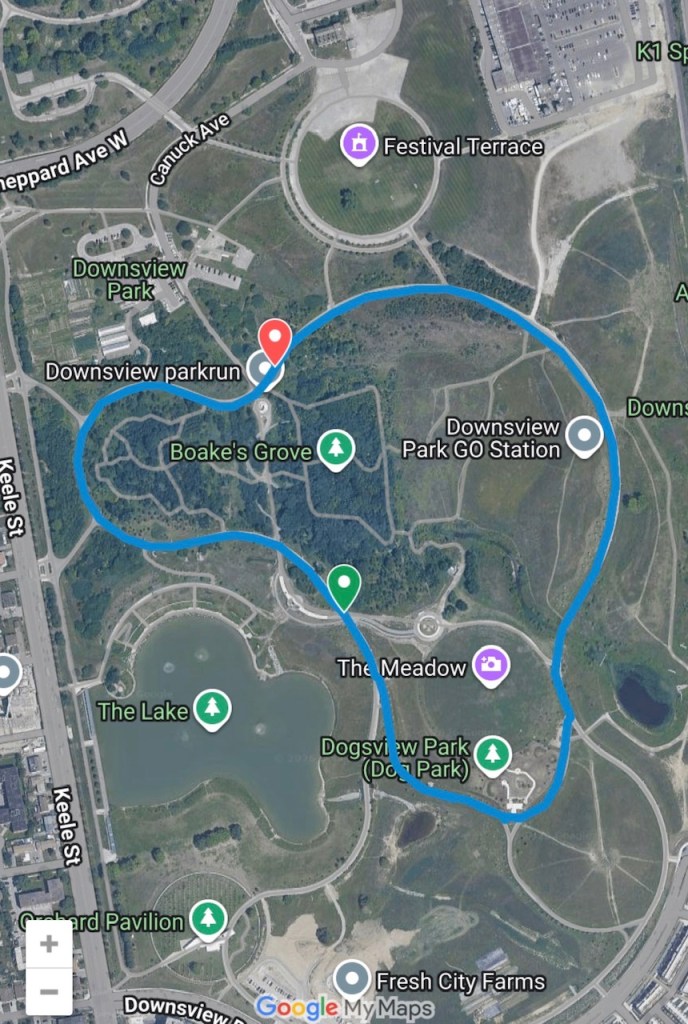
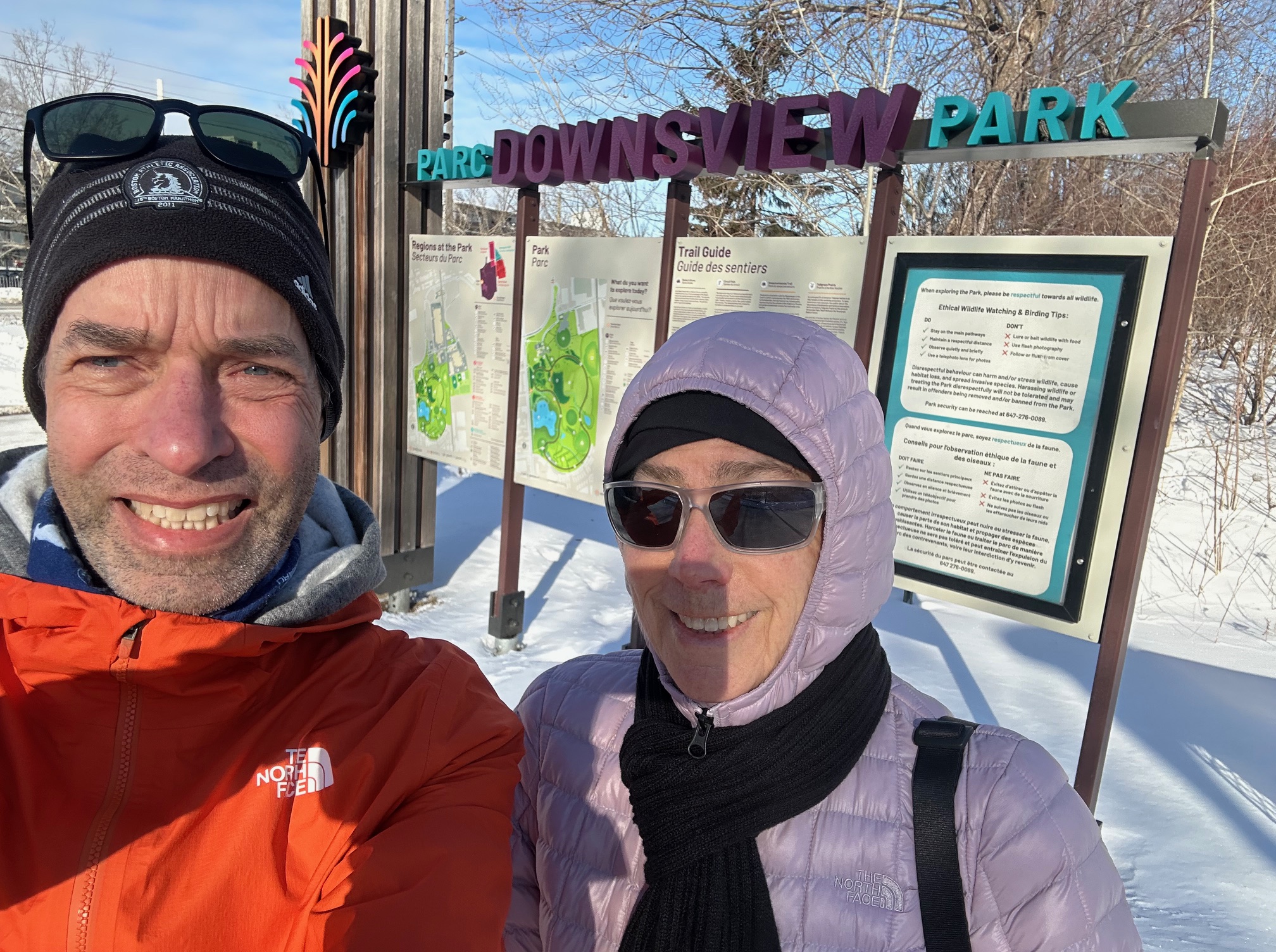
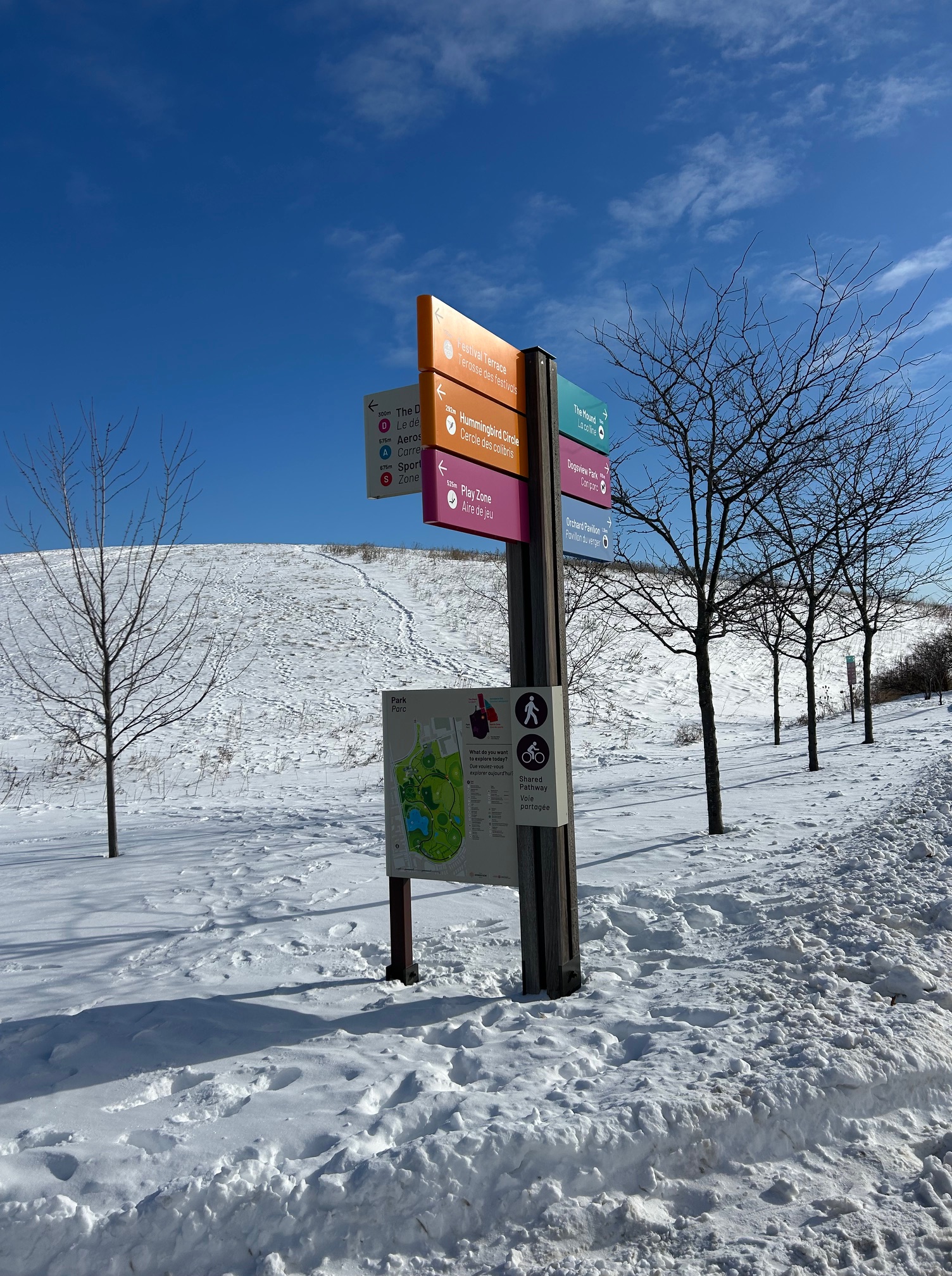
Our enthusiasm was only slightly dented by this news, because we had set our minds on seeing the park. So we went ahead with our plan. I did an easy jog, two laps of the park on the well-marked trail, while Deb walked. It was a beautiful, sunny morning. The park is a treasure. It was a good thing we had bundled up, because it was cold. A good excuse to keep moving.

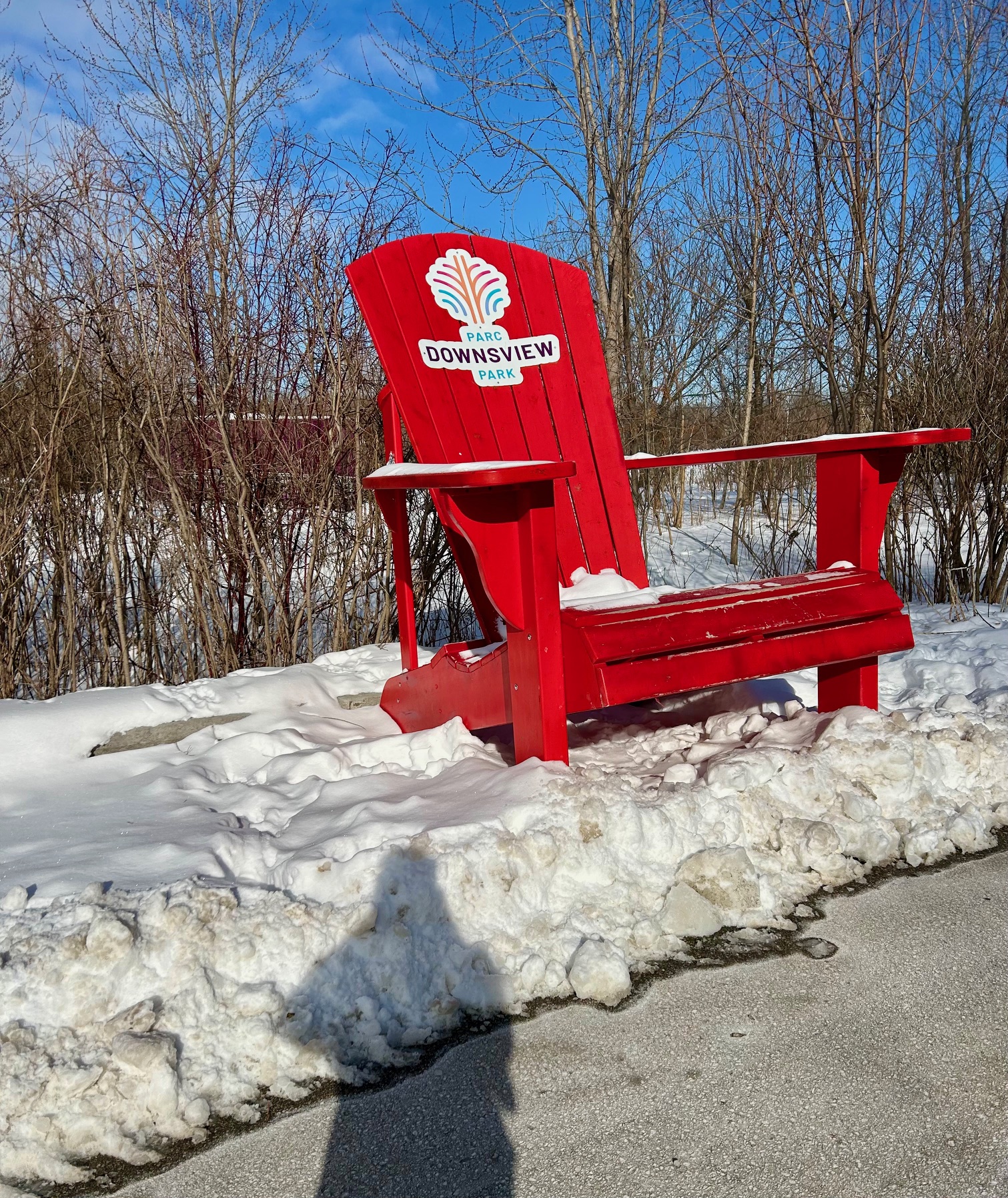
I took a few pictures with my iPhone 14, which is never quite as convenient as my Ricoh GR III—especially since I had to take my gloves off each time!

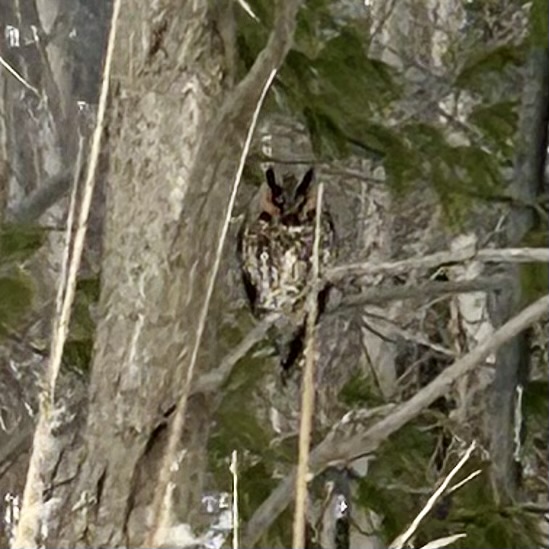
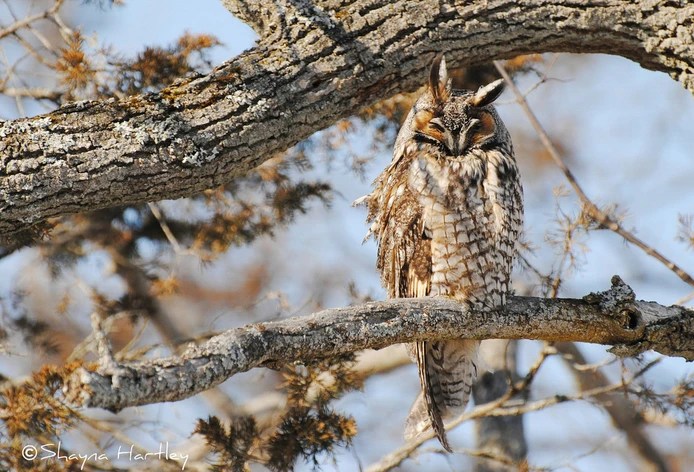
A highlight of my run was a meeting with a group of birdwatchers. I had to admire the dedication of these hardy folks. It’s one thing to be running at -20 Celsius and quite another to be standing knee-deep in snow. I was curious what they were looking at, so I stopped and said hello. They pointed out a long-eared owl, perched in a tree about 50 feet away. Once more, I took my gloves off and tried to snap a picture. It was not a resounding success. The shot on the left is mine. The one on the right, from the Audubon Society, shows what the bird actually looks like.

Record snowfalls—a personal history

The cold and wind that led to the cancellation of the parkrun were just a taste of what was to come. On Sunday, Toronto experienced the largest single-day snowfall in its history. The official figure was 46 cm of snow. We had work to do in the house, so I was content to stay inside while the storm raged. Deb was more adventurous, and she gamely did some shovelling around the house.

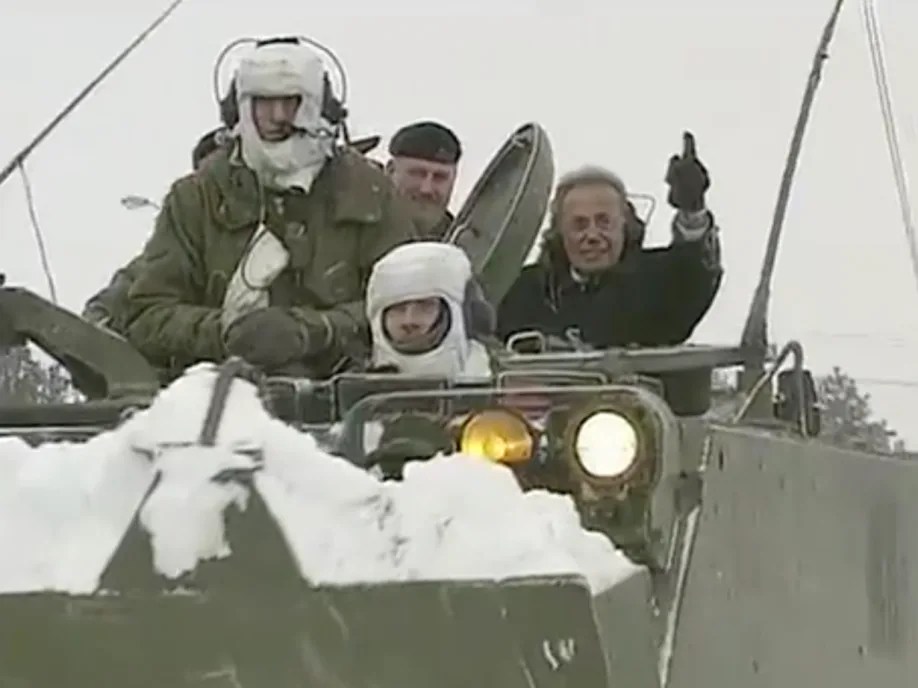
The talk about record snowfalls reminded me that, by coincidence, I had been in Toronto many years earlier for another historic winter event. There was some notoriety around that day in January 1999 when Toronto’s mayor, Mel Lastman, called in the military to help dig out the city. He was ridiculed because, you know, this is Canada. We can deal with snow. (Photo: The Weather Network)

My connection to the 1999 snowfall was professional in nature. I was in town for a business meeting, and I was staying at the luxurious Royal York Hotel. The city shut down, and I was trapped. Oh, the hardship! Mind you, the hotel’s kitchen and bars remained fully operational, so it wasn’t all bad. In fact, since the streets were abandoned, I got to my meeting 30 minutes early. 

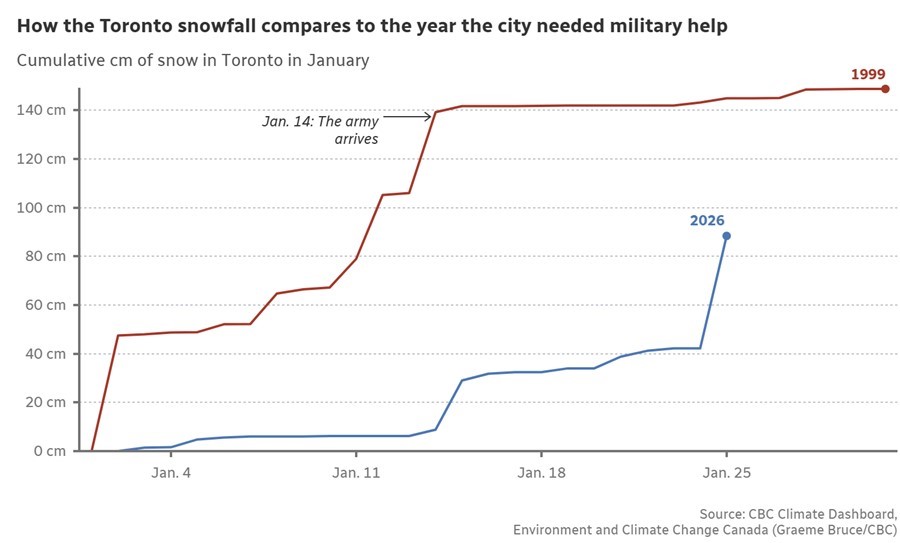
Apparently, I’m not the only one who was curious about how these two events (1999 and 2026) compare. Check out this chart from a CBC article. It turns out 1999 was worse than 2026, only because of the accumulation of snow that occurred in the days leading up to the big event. In retrospect, maybe we can cut Mayor Mel some slack after all! 

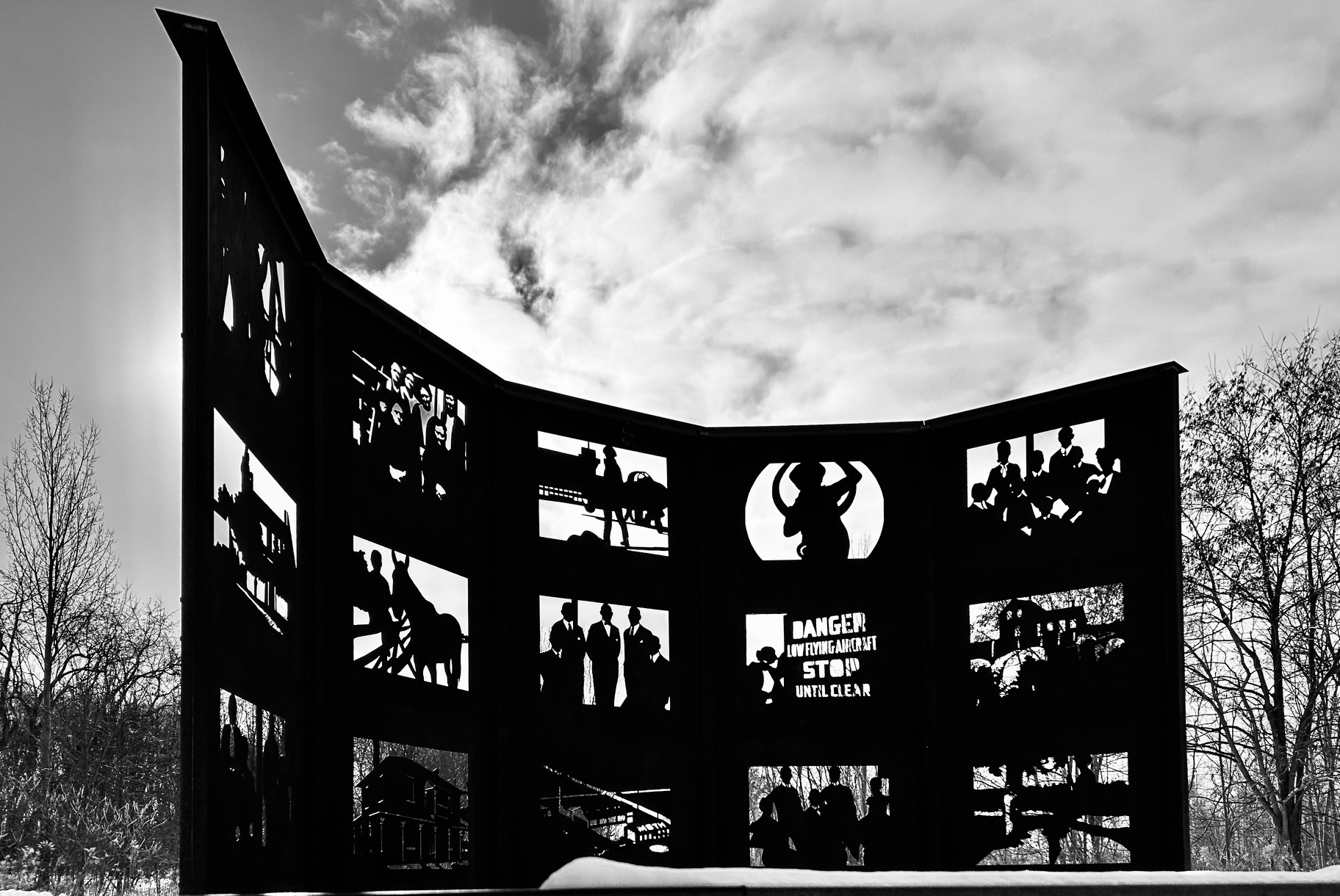
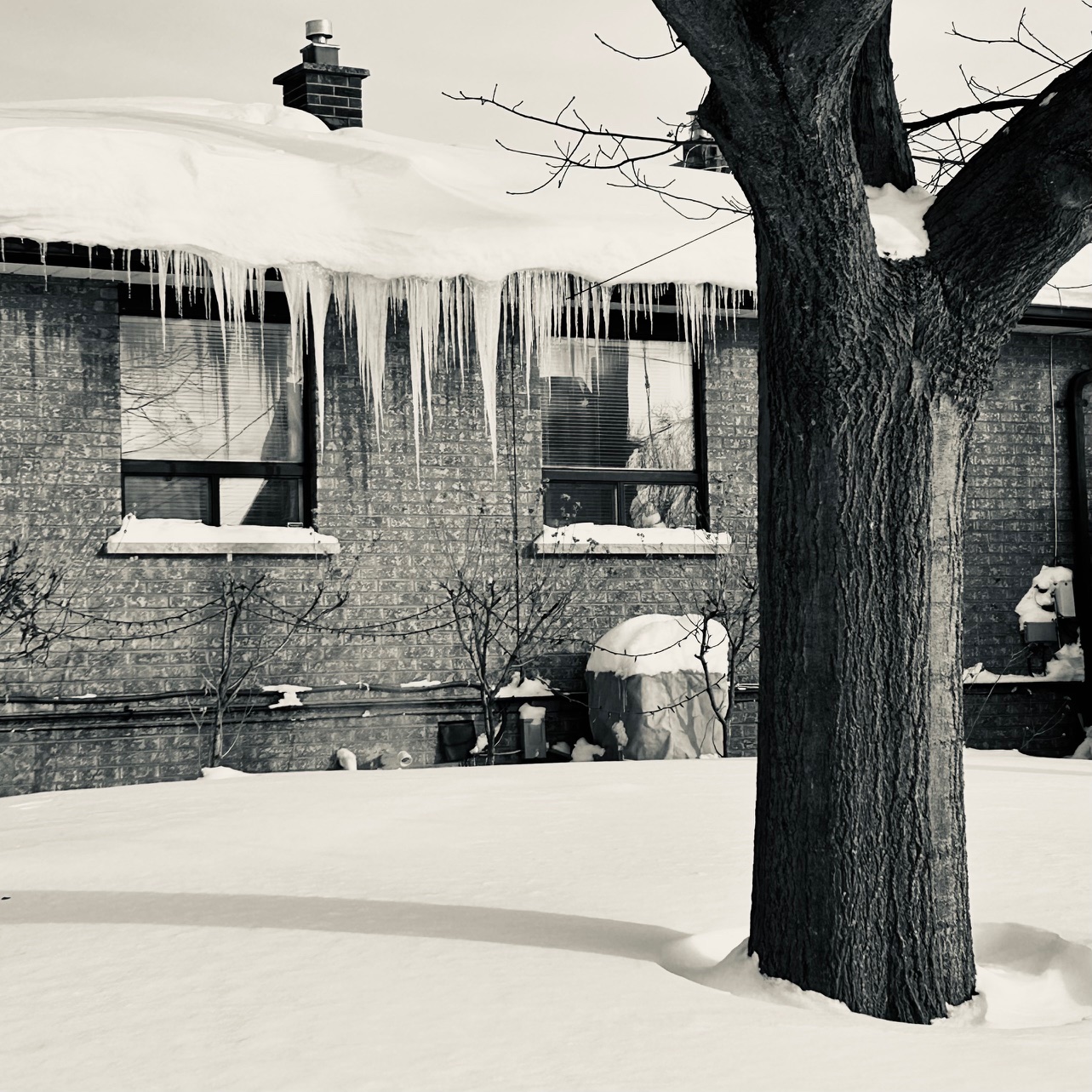
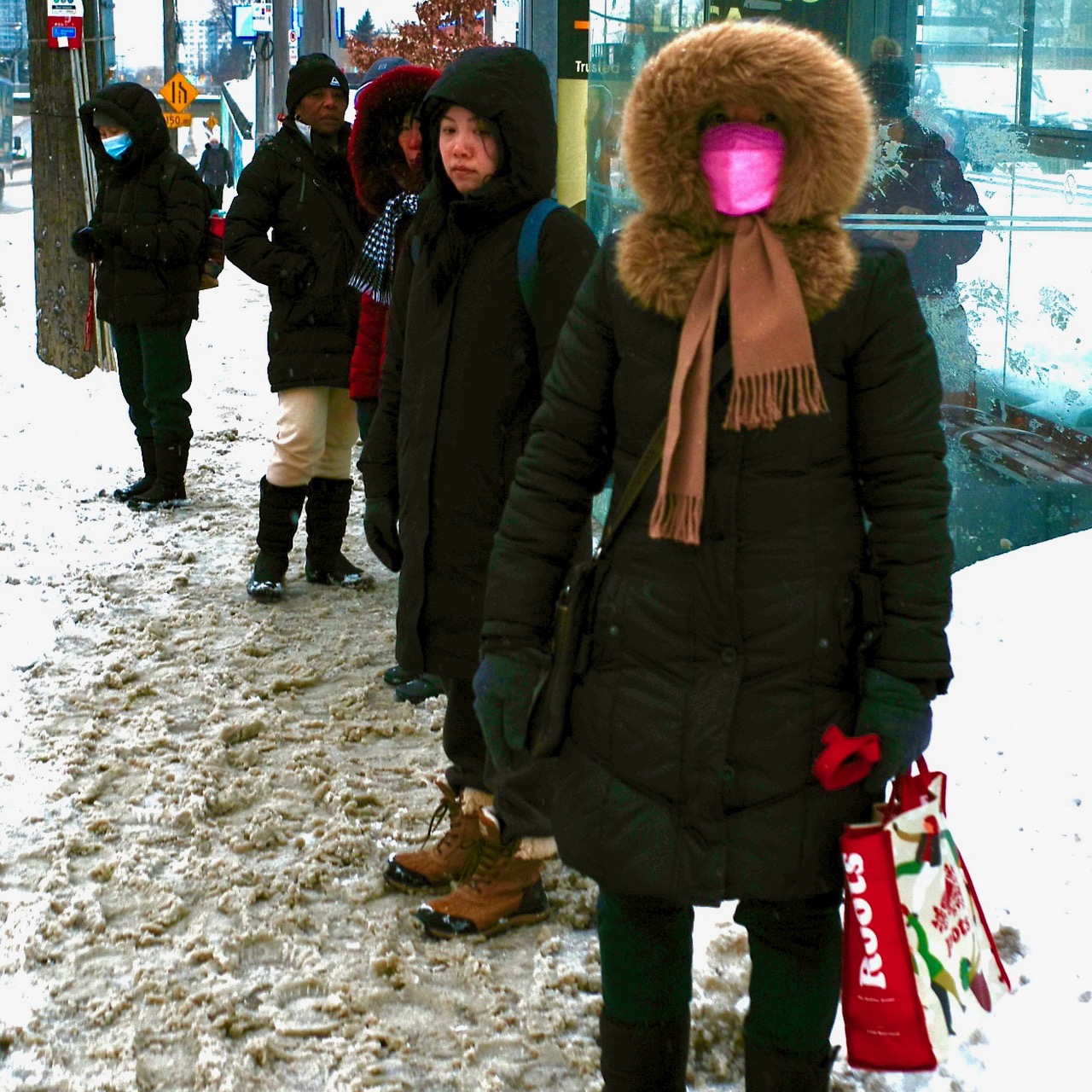
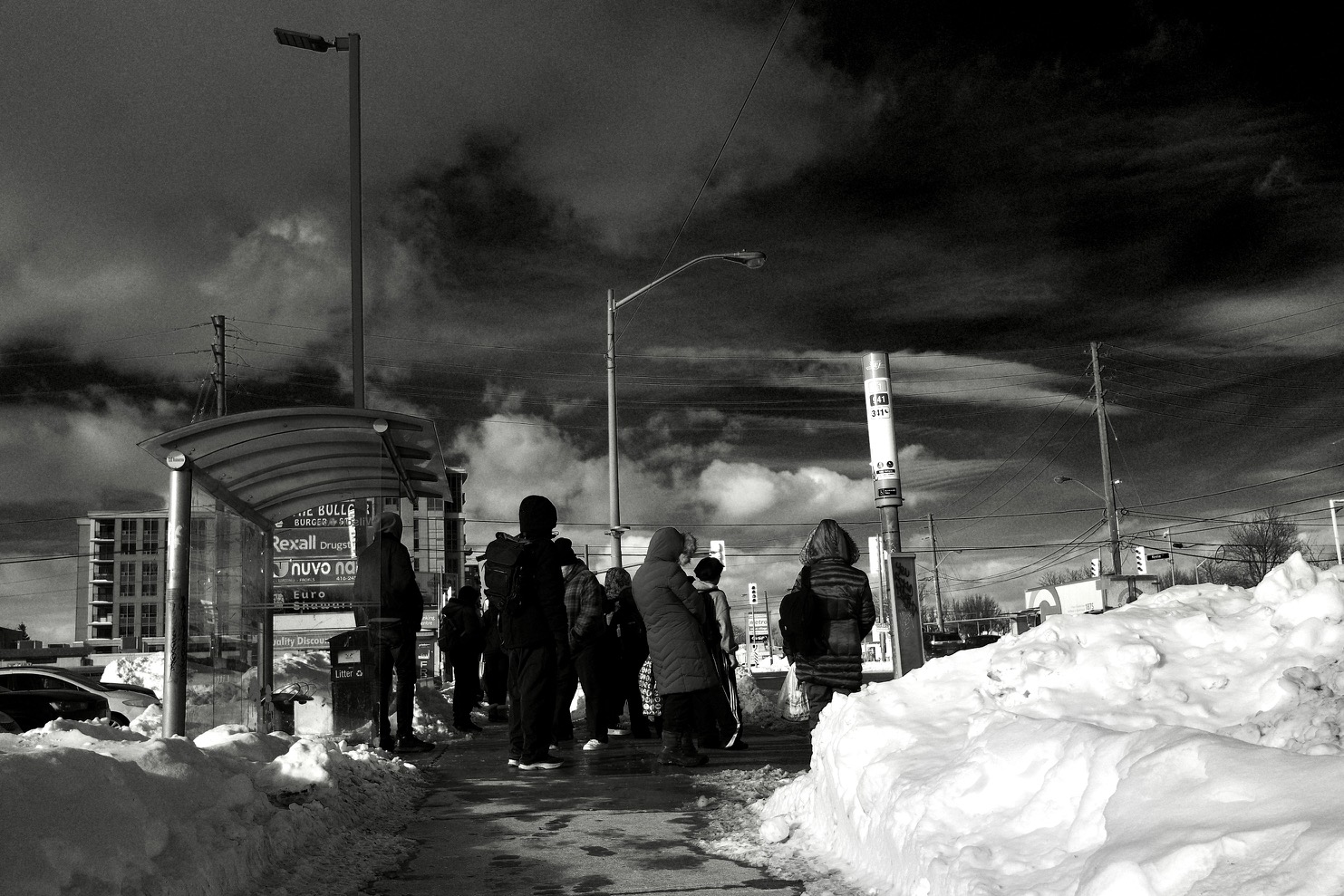
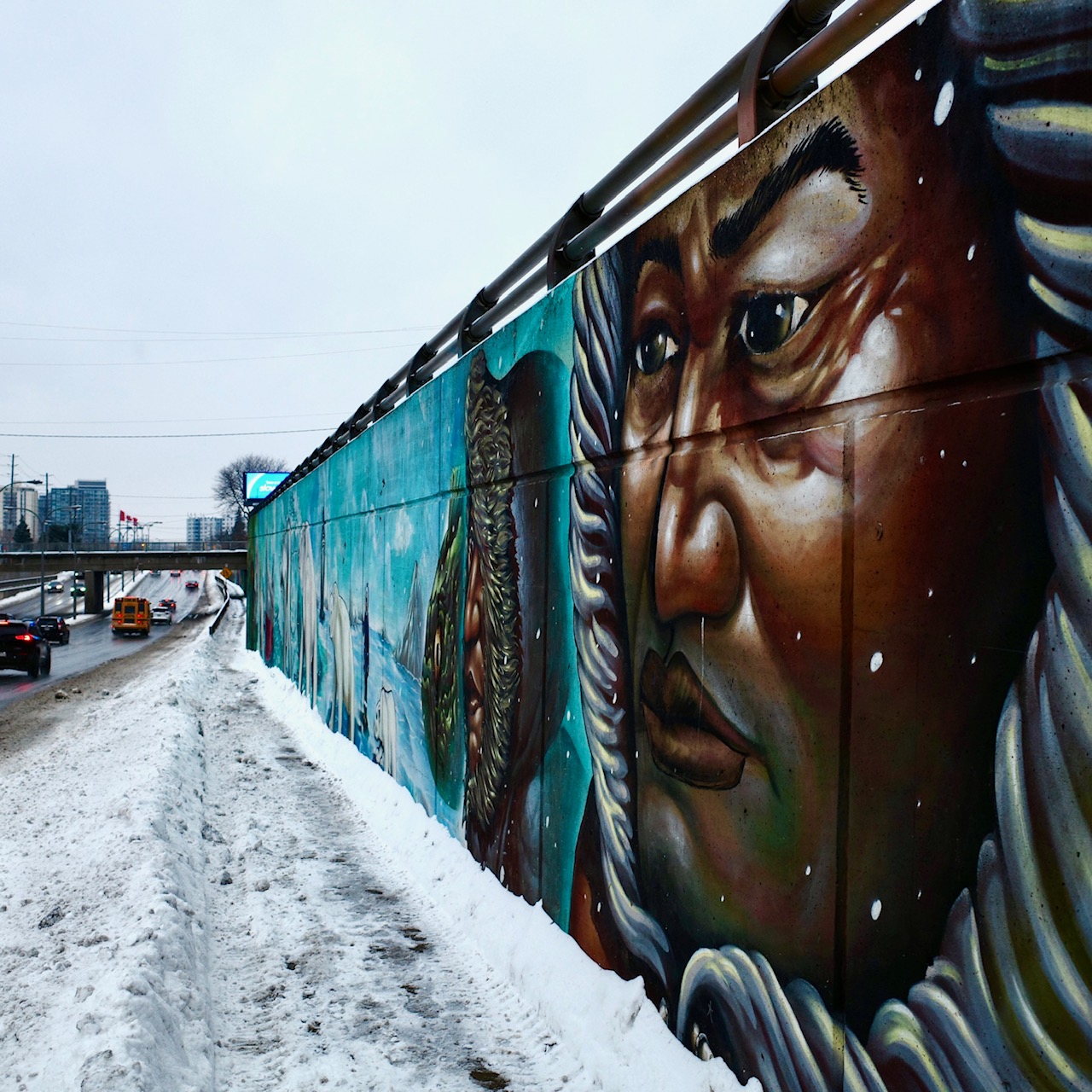
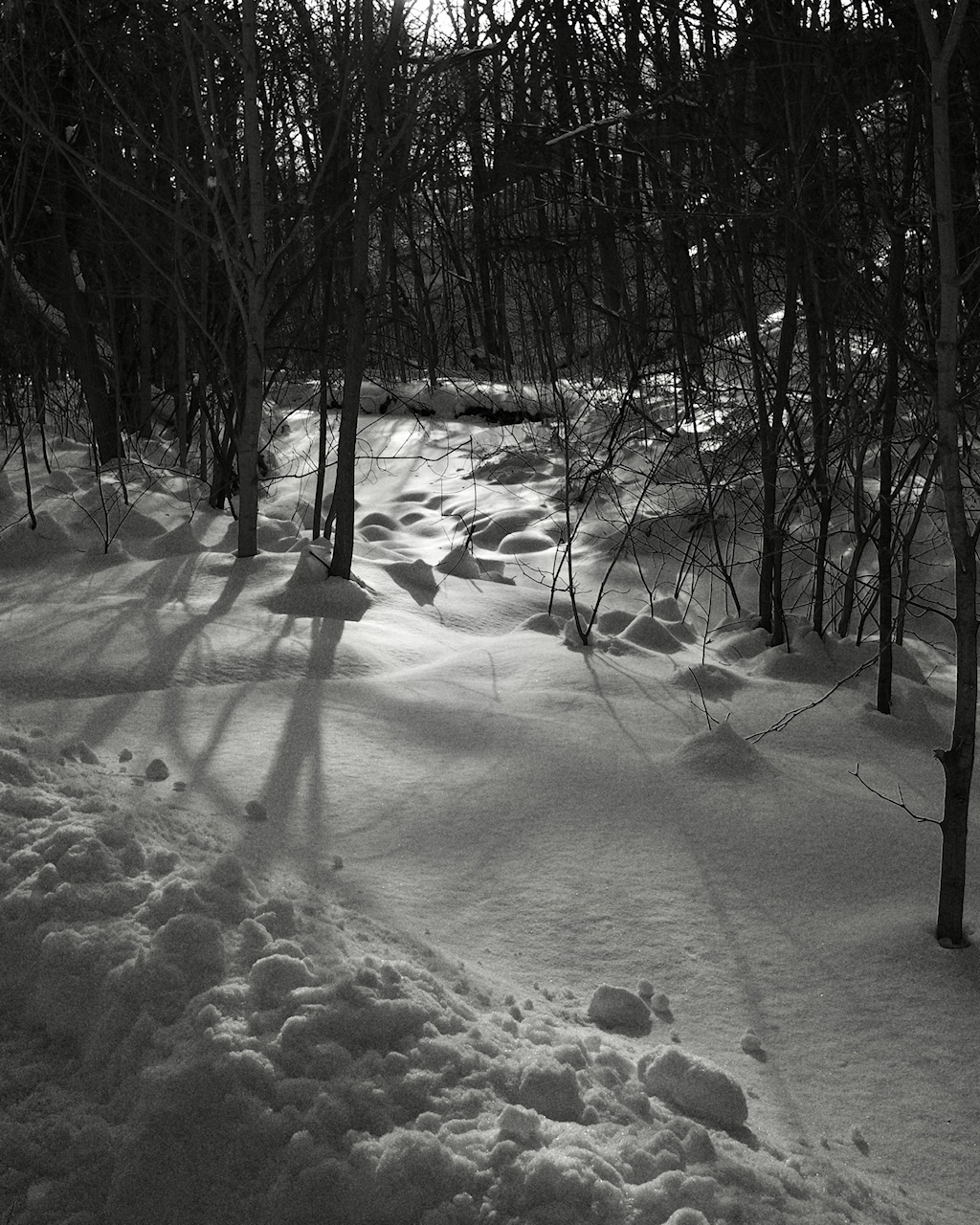
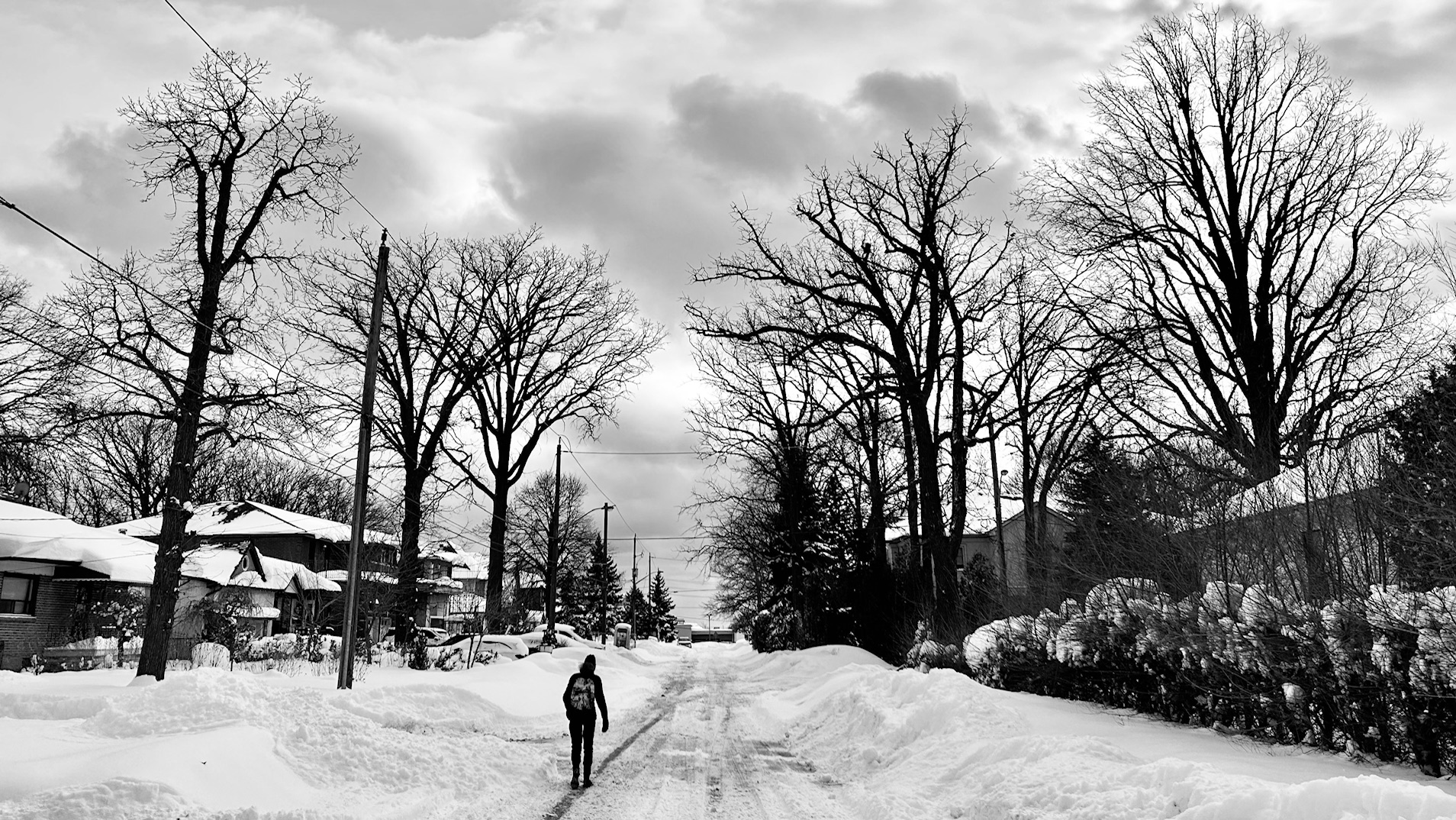
The days before and after Toronto’s record snowfall provided some good photo opportunities. It was a monochrome world as the city dug itself out. Here’s a sample. Copyright for all photos is mine.

Wrapping up

All told, it was an interesting week in Toronto (or North York, if you prefer). We experienced weather more reminiscent of Alberta than Ontario. I tried to add the Downsview parkrun to my resume, and even though that didn’t happen, Deb and I had an enjoyable outing. And then we weathered the storm. I expect to be back there in the spring—-hopefully it will be worthy of another post. 

Until next time, be well and BE FAST!
Milestone Reached—100 Blog Posts!

With a small, self-congratulatory pat on the back, I will advise my readers that this is the 100th post on My Second Running Life. It seems appropriate that I’m writing this as we turn the page to a new year, and also as I approach the third anniversary of this project. These are both events that lend themselves to introspection, so I will do a bit of that before looking forward to 2026.

State of the Blog

With a few exceptions, I write pieces on these topics: running, photography, and/or strokes. Here’s my rationale—running has been a constant presence in my life for fifty years; strokes threatened to end it all, and likely would have, had it not been for the previous point; and photography has increasingly been the medium where I express my thoughts and feelings as I go through life.

And what about this life—My Second Running Life? When I settled on the title for the blog, it was my way of reminding myself that fulfillment can come in different ways. I think the title still serves that purpose. I hope that my readers see it the same way.

I will add a thought for readers who may struggle to balance elements of their own life, especially if that includes trying to maintain a high standard of performance as an amateur athlete. For many years, I was there, too. Let me remind you that there will be no harsher judge of your success than you. Only you can decide what success looks like—don’t let anyone presume to tell you. And only you can give yourself permission to back away when that is the right thing to do, because of family or work commitments. It’s worth remembering that the word amateur refers to someone who participates in an activity for no reason other than the love of doing it.

I describe competitive distance running as a perfect proxy for life itself. There will inevitably be highs and lows. In a race, we may be having a rough stretch, only to find the next mile is better. If today’s effort falls short and the race doesn’t go to plan, we can console ourselves with the thought that there will be another chance soon.

In other words, we must never lose hope or stop believing in ourselves. That’s what this blog has always been about.

The Year in Review

Running

My days of preparing for and executing goal races are over, but I will never tire of being around runners. In 2025, I had plenty of opportunities to catch racing action in Alberta; cheer on friends and teammates; meet some very talented athletes; do some volunteering; and, of course, snap some memorable photographs. We also said goodbye to a dear friend. You can read about the major events on the calendar here, here, and here. Below is a small sample of my favourite running pictures from 2025:

Copyright for all photographs is mine.

Strokes

When I started on the path of self-publishing a book, I knew almost nothing about the process. However, I knew I wanted to share what I had learned about strokes, which are typically the fourth leading cause of death in Canada. And I wanted to give back in whatever ways I could, to support the essential work being done every day at the Foothills Stroke Unit and the University of Calgary.

I was fortunate last year to have had several opportunities to tell my story, as written in Stroke of Luck. It’s extremely gratifying to share my key messages: the importance of an active lifestyle, awareness of the full range of stroke symptoms, and recognition of (and support for) the world-class stroke care and research being done at Foothills.

Naming everyone who made these events possible would be difficult. I appreciate the help of the Calgary Health Foundation to ensure that funds raised go where they should. Let me share a few photographs from events in Canmore, Edmonton, and Calgary:

I close my posts with the acronym BE FAST, but it seems timely to remind my readers just what this small and powerful phrase means:

If you or someone you care about is experiencing any of the symptoms of stroke, don’t hesitate—call 9-1-1 right away! If you want to learn more, do check out some of these other posts on the blog: here, here, and here.

Other Photography

Photography has become my constant companion, on my runs and walks, in good times and bad. Believe me, the last couple of years have brought more than enough bad news. Fortunately, memories of family and friends that we’ve lost are a blessing that will sustain us.

I still prefer to carry a dedicated camera, although I find myself slowly giving in to the convenience of digital. I admit that I shot less film in 2025 than I have in previous years, and that’s a shame. In any case, here are some of my memorable shots from 2025 (all digital, as it happens):

Regardless of the format, my approach to photography is almost completely intuitive. Recently, a guest on my blog wrote that calling myself an observer may not be accurate. But that’s okay. I never know what pictures I’m looking for when I head out the door. What I’ve learned is that I should trust my instincts—if I see something that catches my attention, I should react to it. I plan to keep that going.

Goals for 2026

With a bit of luck and planning, I think 2026 will be a good year. The first good omen was the Sheep River Parkrun on New Year’s Day in lovely Okotoks. It was a perfect start to the year, as I was surrounded by good friends and my son Daniel.

This morning, chinook clouds south of Calgary seemed to be calling to me. I drove in that direction and found myself back in Okotoks, at the “big rock” which gives the town its name. As I admired and photographed this impressive glacial erratic, it occurred to me that the rock is a symbol of my life—it’s not on the path that was expected, and it sits in pieces. I take solace that, like the rock, I have survived. It’s a fitting picture for the top of this post.

As I quietly walked around the famous rock, I thought about topics for future articles. One idea I have is a series of photo runs in my favourite Southern Alberta towns, including more shots on film. I think it will be a wonderful way to explore the history and culture of our province, while (more or less) staying in shape. So look for that, as well as more of my favourite photographs from life, and of course, news on stroke research and prevention.

I hope you’ll check in often. As ever, be well and BE FAST!
Meet “The Flâneur”

Introduction

I’ve been writing this blog for nearly three years. Over that time, I’ve thought about whether the site is achieving what I intended when I wrote the first pieces. Indeed, it’s worth asking whether my initial objectives have changed—and if so, how.

My soul-searching is timely because my friend Phil Davies recently approached me with some thoughts on the blog and my other social media content. Phil has a keen eye and a strong artistic sensibility. He volunteered his opinion that my Instagram profile may not be totally accurate:

Phil questioned my use of the word observer. At first, I wasn’t sure what he meant, because he had always been complimentary about my photo runs. For those unfamiliar, photo runs are a cornerstone of My Second Running Life—they make this blog what it is. As an example, here’s a piece I wrote about my run in Longview a few weeks ago.

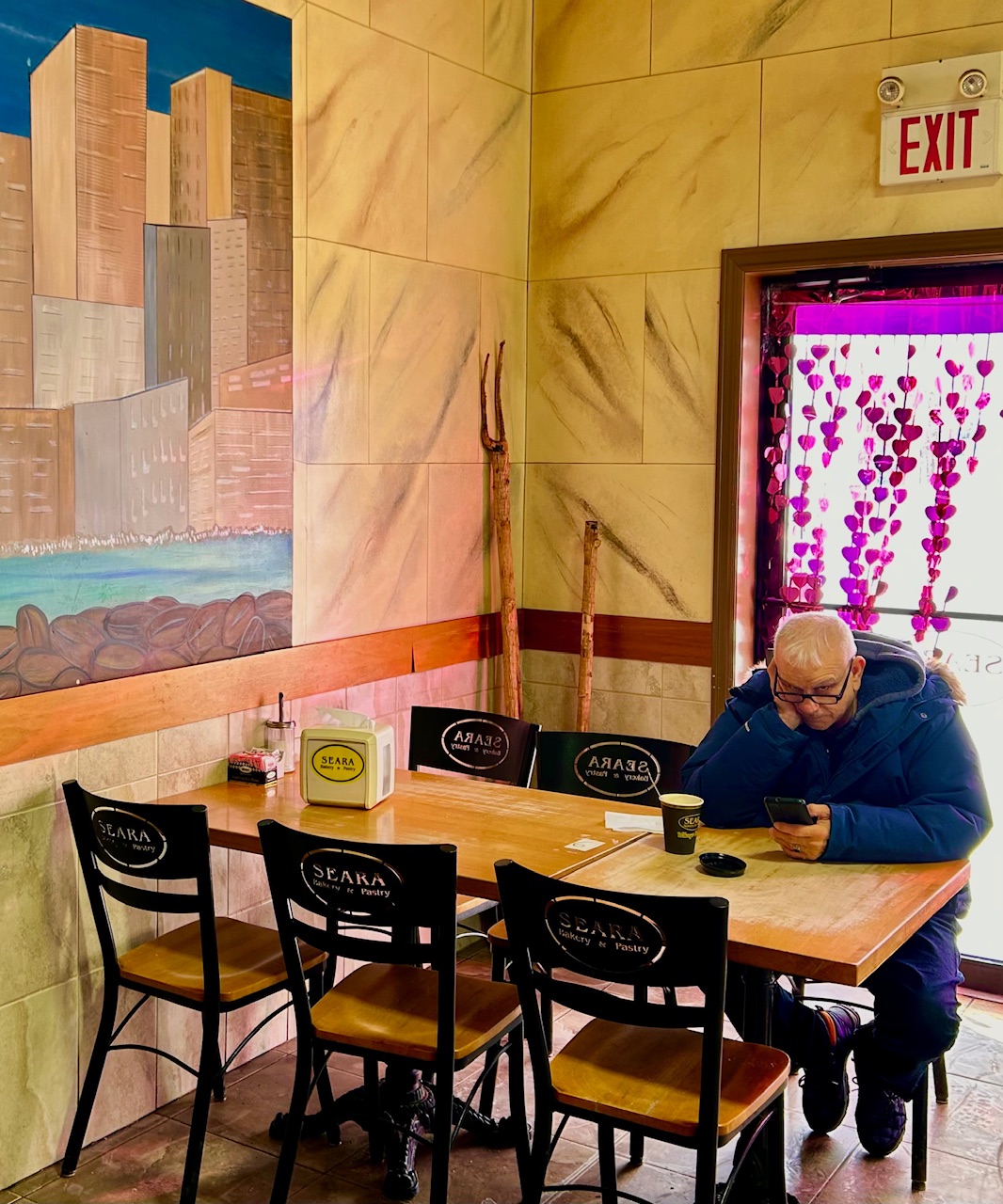
For me, there’s nothing better than going out for an easy run with no worries about time and pace, seeking only a memorable photograph. I look for different things—colour, pattern, contrast, human interaction, irony—and observer was the word I settled on to describe what I do on these runs.

Phil went on to explain that there might be more to this process than observation. He even jotted down some thoughts, which I present here as my first guest submission on the blog. The photographs are mine, but Phil selected the pictures he wanted to accompany his writing.


In nineteenth-century Paris, the flâneur was a stroller who transformed the act of walking into an art form; moving leisurely through the city, observing its ebb and flow with an artist’s eye and a philosopher’s curiosity. Armed with nothing more than time and attention, he understood the city itself to be a living canvas, constantly repainting itself.

Steve’s approach to running and photography is a modern embodiment of this classic figure—using movement through the city as a form of creative engagement rather than mere exercise or transit. His curiosity and his keen eye allow him to see the extraordinary within the ordinary.

The flâneur’s genius lies not in destination but in observation—he reads the city like a complex novel, deciphering the social codes written in architecture, fashion, and gesture. In the Parisian context, this meant lingering in the arcades, studying the interplay of commerce and desire, watching how different classes of people navigated the same spaces with entirely different purposes. The flâneur sees what others miss because he moves at human speed rather than the hurried pace of those bent on efficiency. 

Transported to Calgary among the gleaming downtown towers and the sprawling neighbourhoods stretching toward the Rockies, the flâneur’s eye discovers different rhythms and revelations. He might capture the interplay between the city’s frontier heritage and its contemporary energy—perhaps pausing to photograph how the morning light catches the glass of a modern office building while casting shadows on a historic sandstone church. My friend Steve embodies this Parisian tradition, combining the flâneur’s contemplative wandering with the practical purpose of his runs. His camera serves the same function as the flâneur’s notebook—a tool for capturing the moments that define urban life; transforming the ordinary act of moving through space into a form of creative observation.  In calling Steve a flâneur, I celebrate something valuable but increasingly rare in our hurried world—the importance of moving through our environment with alertness, engagement and appreciation.

– Phil Davies, December 2025


These boots were made for walkin’…! (Calgary, December 2022)
Concluding thoughts

Until my discussion with Phil, I would have said that I wasn’t doing anything different from any other street photographer, except that I’m moving faster than most of them. When I’m cruising the streets, I do so with thoughts of my photography idols in mind; people like Fred Herzog, Elliott Erwitt, and Saul Leiter. I wish I could be one-tenth the photographer that they were.

I also move through the streets with a clear purpose. I welcome the creative tension that comes with choosing a location and then watching for promising scenes to develop in front of me as I’m running. Many times and for many reasons, I’ve missed a shot that I wish I’d captured. But that’s alright, because sometimes I come home with a treasure. I can’t ever be too hard on myself about this, given the parameters I’ve set for myself.

In the end, it may not matter what label I use—flâneur, observer, or something else. Phil, you’ve helped me see that this process of roving exploration is well worth the effort.

The Longview Photo Run

The Black Friday Sale ends soon!

Time is running out for an unbeatable deal on a running story you don’t want to miss!

Stroke of Luck is available on Amazon at a marathon-inspired 26.2 % discount—but only until the end of November.

Get your copy today!

Longview: A Short History

For as long as I’ve been in Calgary, the Village of Longview has been my idea of what makes Alberta special. It’s a quiet village in an idyllic setting. The views of the foothills to the west are spectacular, and that’s because Longview sits just outside Kananaskis Country. Highway 22 (the Cowboy Trail) is the town’s main street. I’ve often told Deb that I want to move to a ranch in Longview, although I wouldn’t have a clue what to do once I actually got there. No matter.

I learned about Longview’s fascinating history when I did my research for this piece. The village is named for brothers Thomas and Oliver Long, who homesteaded in the area at the beginning of the 20th century. Given its location, Longview has a long connection with farming and ranching. When oil was discovered in nearby Turner Valley in the late 1930s, Longview boomed—so much so that it earned the nickname Little New York. Of course, booms tend to go bust, and that’s what happened a few years later. For most of the last 60 years, the village’s population has been around 300.  

One of Longview’s claims to fame is that the annual Kananaskis 100 Mile Relay starts there, early on a Saturday morning in late June, just after the Highwood Pass opens up. There are some fond memories there, I can tell you! I wrote about the race earlier this year—check it out here.

And if anyone needs another reason to visit Longview, here’s one: Flic Film is a business that caters to those of us who can’t quite give up film photography. I used to have a convenient option for film development near my house, until “my guy”—that was Paul Stack—wrapped up his business and retired to Nova Scotia. I’ve been wondering what to do with my film since then, so I was thrilled to learn about Flic Film. I met Dalton on my visit to Longview, and left him with my order.

Feeling slightly nostalgic, here’s a contact sheet, which (if you’ve never seen one) is a handy way to identify any “keepers” on a roll of film. There’s something real about flipping through a binder of negatives.

A Short Jog Through the Village

Since I knew I’d be back to pick up my negatives, I decided to add a short photo run through the village on my return visit. I already knew there would be a lot of interesting material along the main street (Morrison Street), like the iconic Twin Cities Hotel. When I’m faced with that situation on a photo run, I try to get a few kilometres under my belt so I’m not starting and stopping too much.

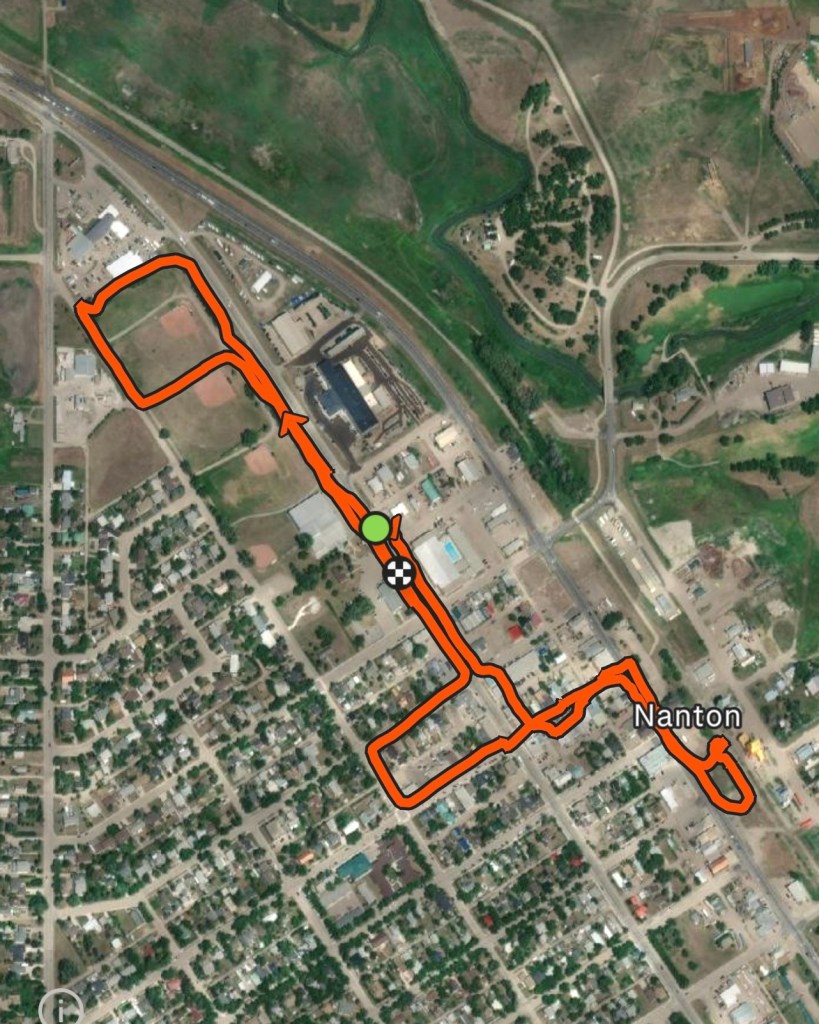
Here’s my running route, courtesy of Garmin:

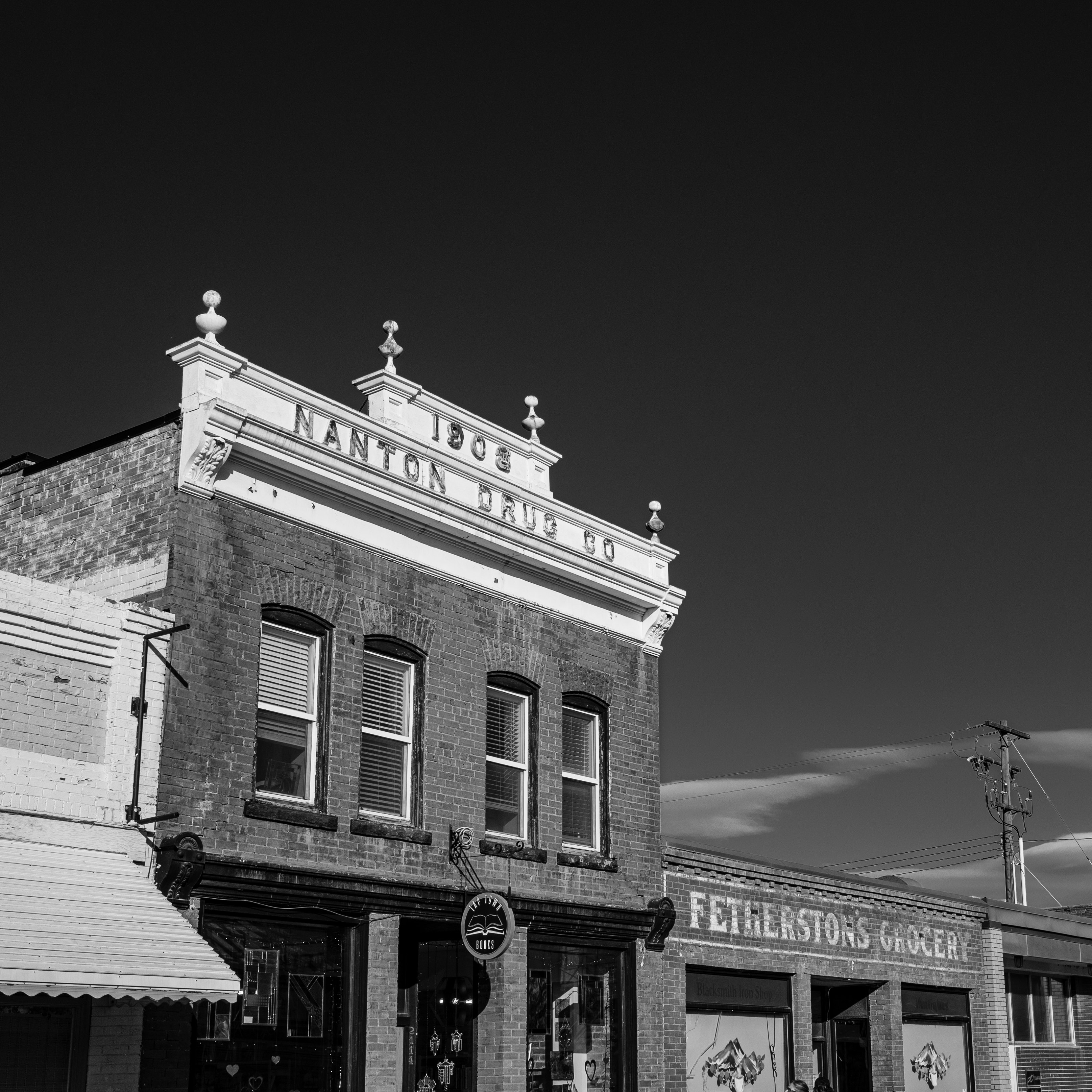
I did end up with a few worthwhile images, carrying the venerable (but now discontinued) Ricoh GR III. I learned a lesson, though. At this time of year, the sun sets quickly. If you see it, shoot it, because it might not be there a few minutes later!

Enjoy these images (copyright is mine):

After an out-and-back run to the Highwood River at the south end of the village, including a decent hill, I headed out on Highway 541 towards K-Country. I was thinking about some of my past adventures on the relay. Running the first couple of kilometres was great, and being able to turn around was even better. Here’s a selfie, where I did my best imitation of the pump jack in the background.

Heading for Home

After I got home and started putting this piece together, I read about a bit of Alberta history that I was completely unaware of. A few kilometres north of Longview is a historic site marker, which I have driven by and wondered about, since there doesn’t seem to actually be anything there.

Well, it turns out to be a commemorative plaque and display for Little Chicago. Apparently, the boom that fueled growth in Longview led to another town springing up, just up the road. That’s where the Twin Cities Hotel got its name. The name Little Chicago was changed to Royalties, as it caused confusion with, you know, that other Chicago. At the peak in the late 1930s, the population of the two towns was about 3,200. As things turned sour economically, all traces of Little Chicago disappeared, except for the plaque that tells the story. I’ll definitely stop for a look—and a photo—on my next film drop.

Until next time, be well and BE FAST!