Exploring North York

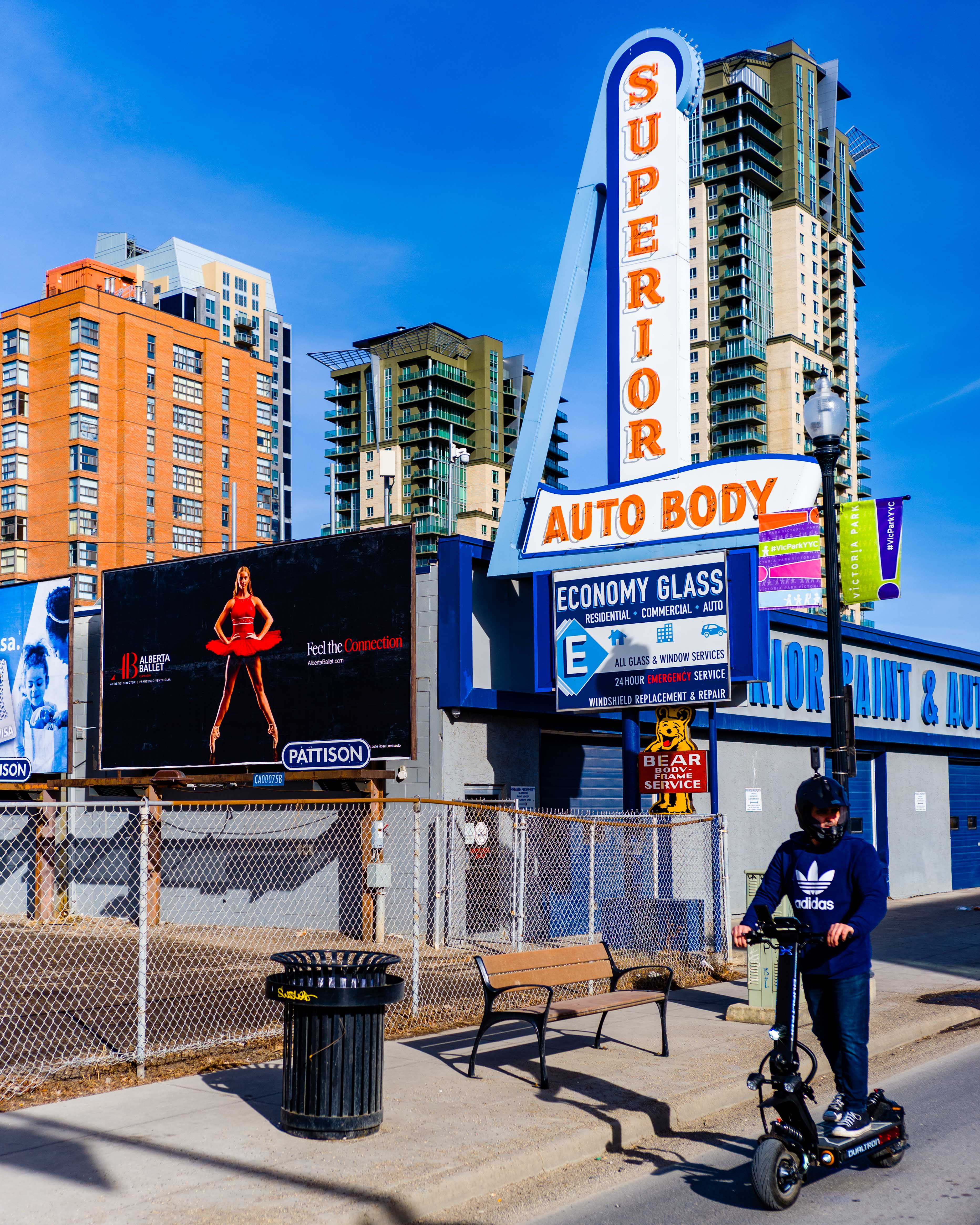
We’ve been spending time in North York lately, due to a family matter. For a Hamilton boy like me, the boroughs of Toronto have always been a mystery. Over the years, I have become familiar with a small area of North York, near the intersection of Keele Street and Lawrence Avenue. Our most recent visit delivered some memorable experiences, so I enjoyed writing this piece.

A brief history of North York

The area now known as North York was the northern part of York Township—the city of Toronto (originally York) formed the southern part. In 1922, the mainly rural population voted to separate from Toronto. Apparently, there was resentment about the lack of services provided by the city in relation to the taxes being paid.
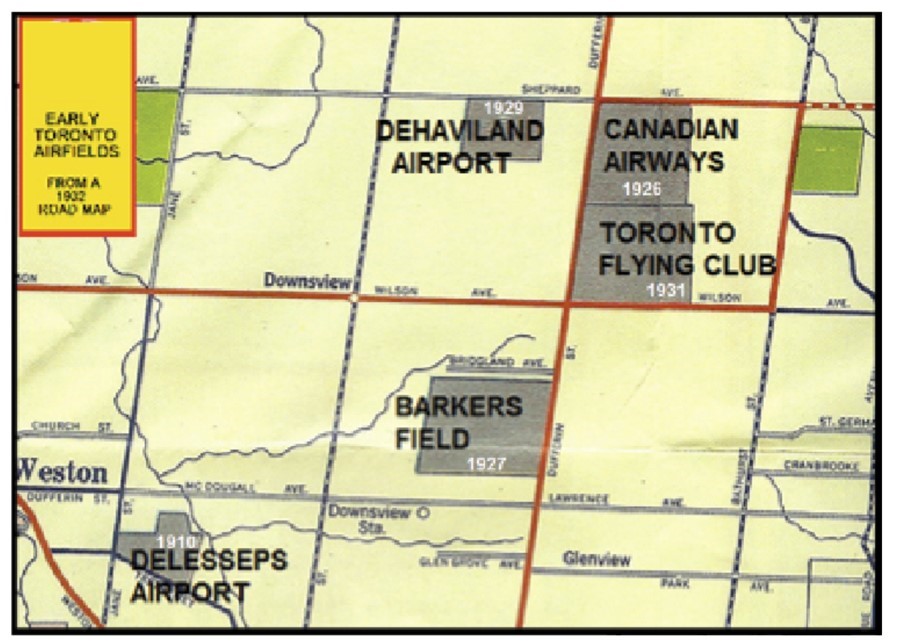
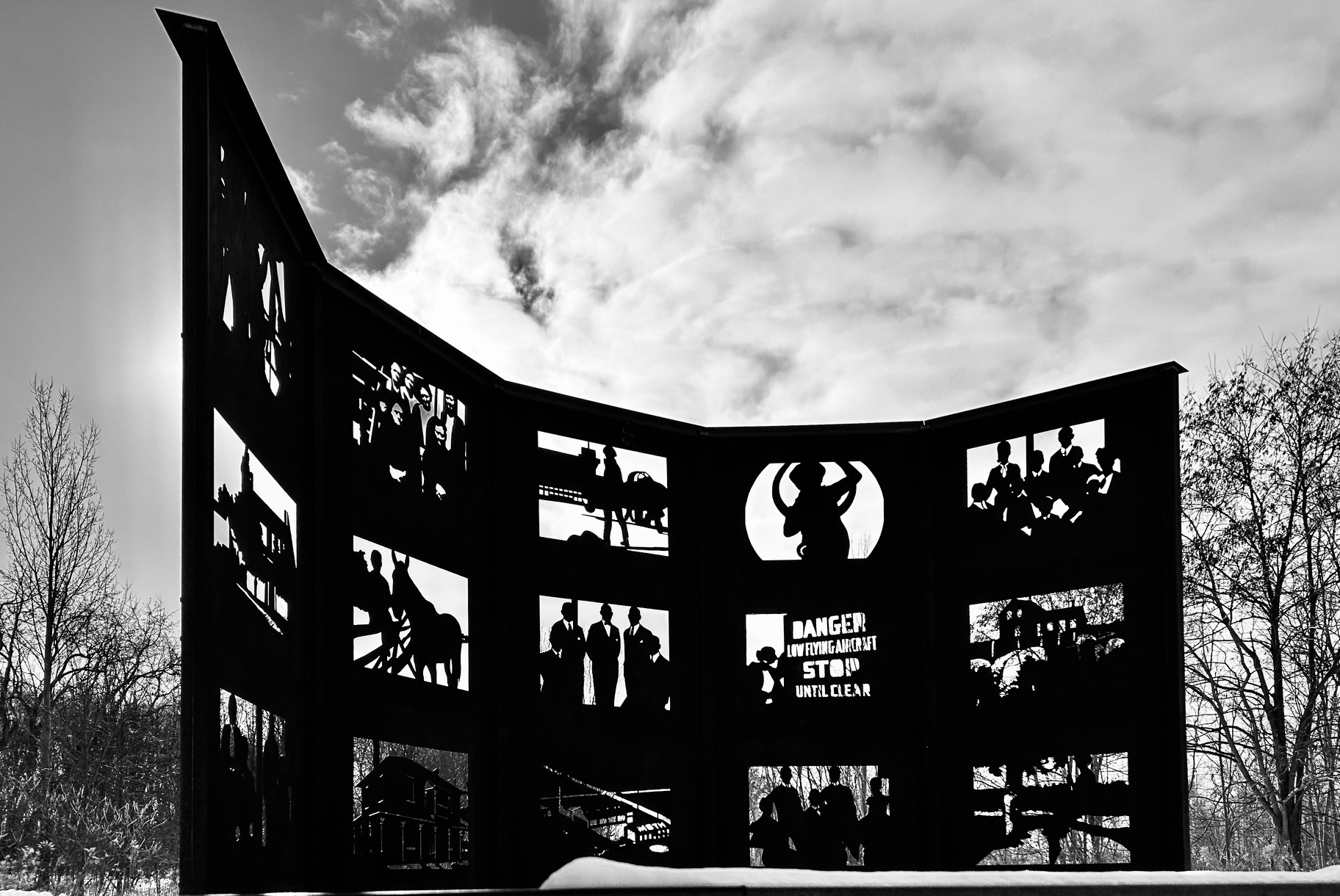
North York has had a long connection to Canada’s aviation industry. This made sense because Downsview was the highest point of land between the Don and Humber Rivers. The Downsview Airport opened as a general airfield in 1929. Early maps (like this one from The Downsview Advocate) show several airfields and aviation facilities.

Downsview was located next to a de Havilland Canada aircraft manufacturing plant, which used the airfield as a test site. It became a Royal Canadian Air Force station in the Second World War. In 1947, the Department of National Defence bought surrounding land to expand the airfield into a RCAF base. Then, in 1953, the RCAF established its storage and repair facilities for Eastern Canada at Downsview. The runways were lengthened to accommodate all types and sizes of aircraft.

Urban development in North York was minimal until after the war. A housing boom in the 1950s and 1960s brought residents into close contact with activities at Downsview. North York grew rapidly—it was incorporated as a borough in 1967, then as a city in 1979, and was amalgamated into Toronto in 1998.

Rapid urban growth was the beginning of the end for the airport. When the Government of Canada announced the closure of Canadian Forces Base Toronto in 1995, the site transitioned into two distinct parcels: Downsview Park and Downsview Lands. Both parcels are overseen by the Canada Lands Company. Downsview Park is a large green space—more on that below.

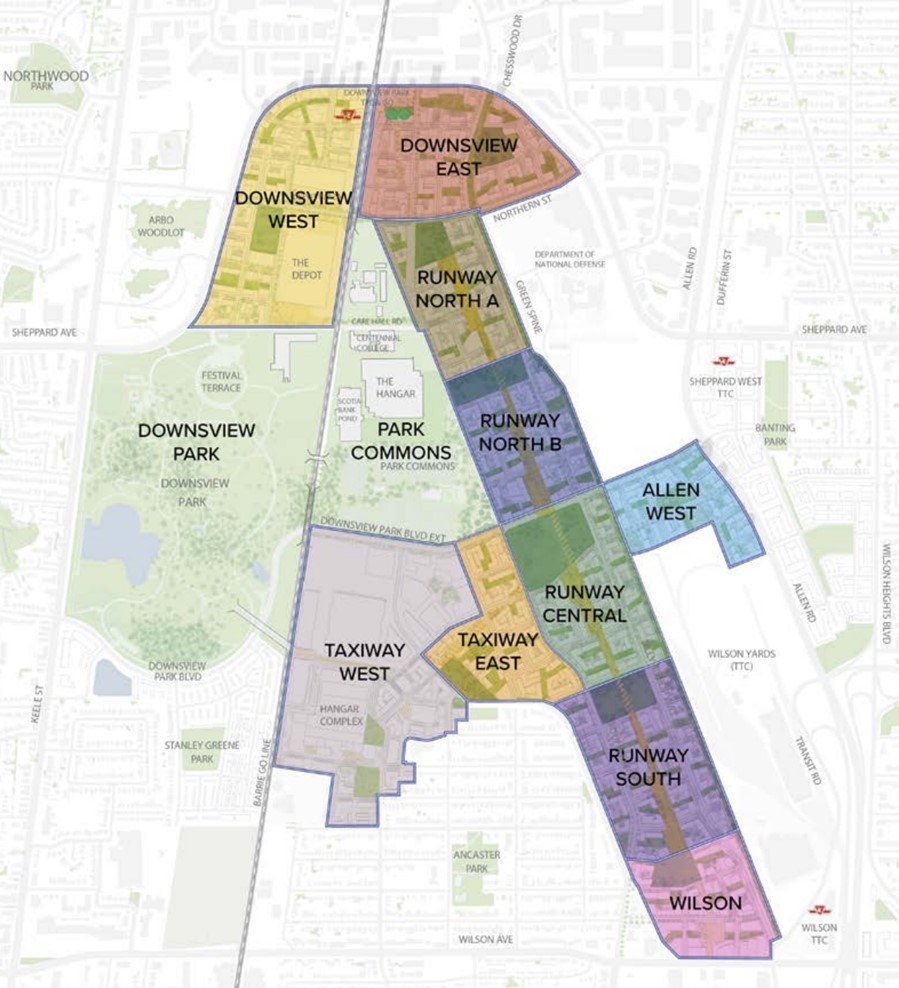
The airport sits on the Downsview Lands. It was closed in March 2024. Now, a major urban redevelopment project, “YZD”, is underway for the site. Valued at $22 billion, the project is unique in that it will repurpose facilities at the airfield (the hangars and the mile-long runway) into a new community for 55,000 residents. This project plan (the id8 Framework Plan) shows the park and the future residential areas.
Downsview parkrun, solo edition
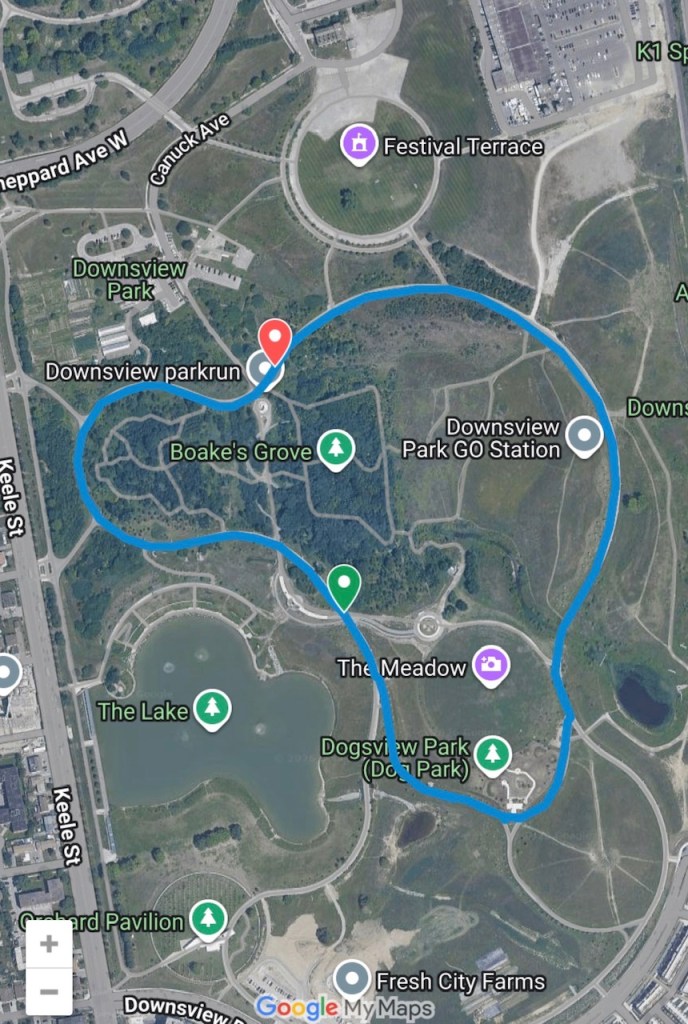
Our location was just south of the busy Highway 401. Downsview Park is about the same distance from the highway on the north side. That meant we were fairly close to the Downsview parkrun.

Like all parkruns, Downsview is a stress-free running event, held every Saturday morning. Well, almost every Saturday morning.

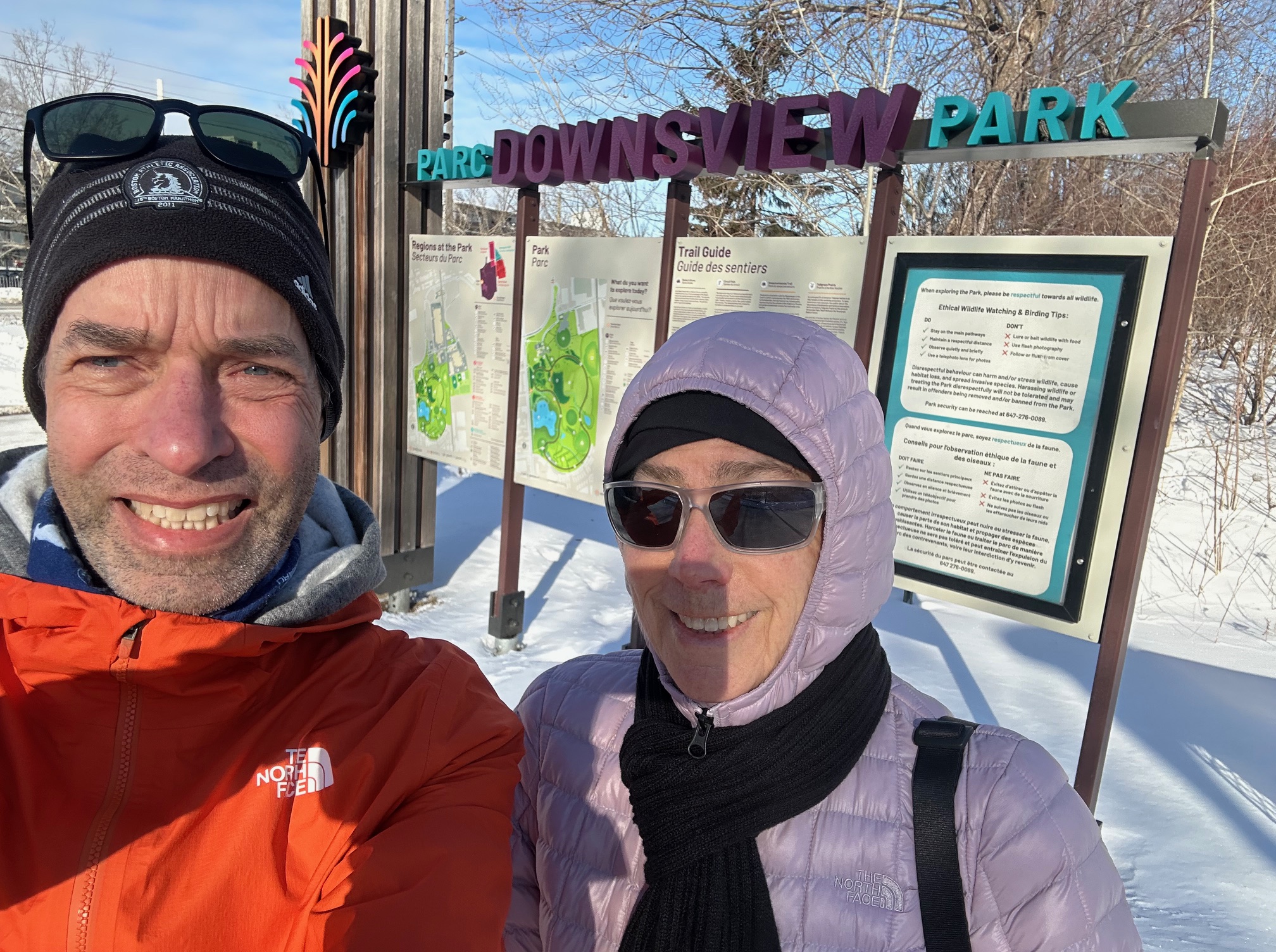
I pitched the idea of arranging our daily outing around the parkrun, and Deb was up for it. We figured we could take an Uber to the start, see the park, and then walk back to the house. Unfortunately, Mother Nature had other plans. Toronto was in the grip of a cold snap so severe that the organizers cancelled the run, out of concern for the volunteers.

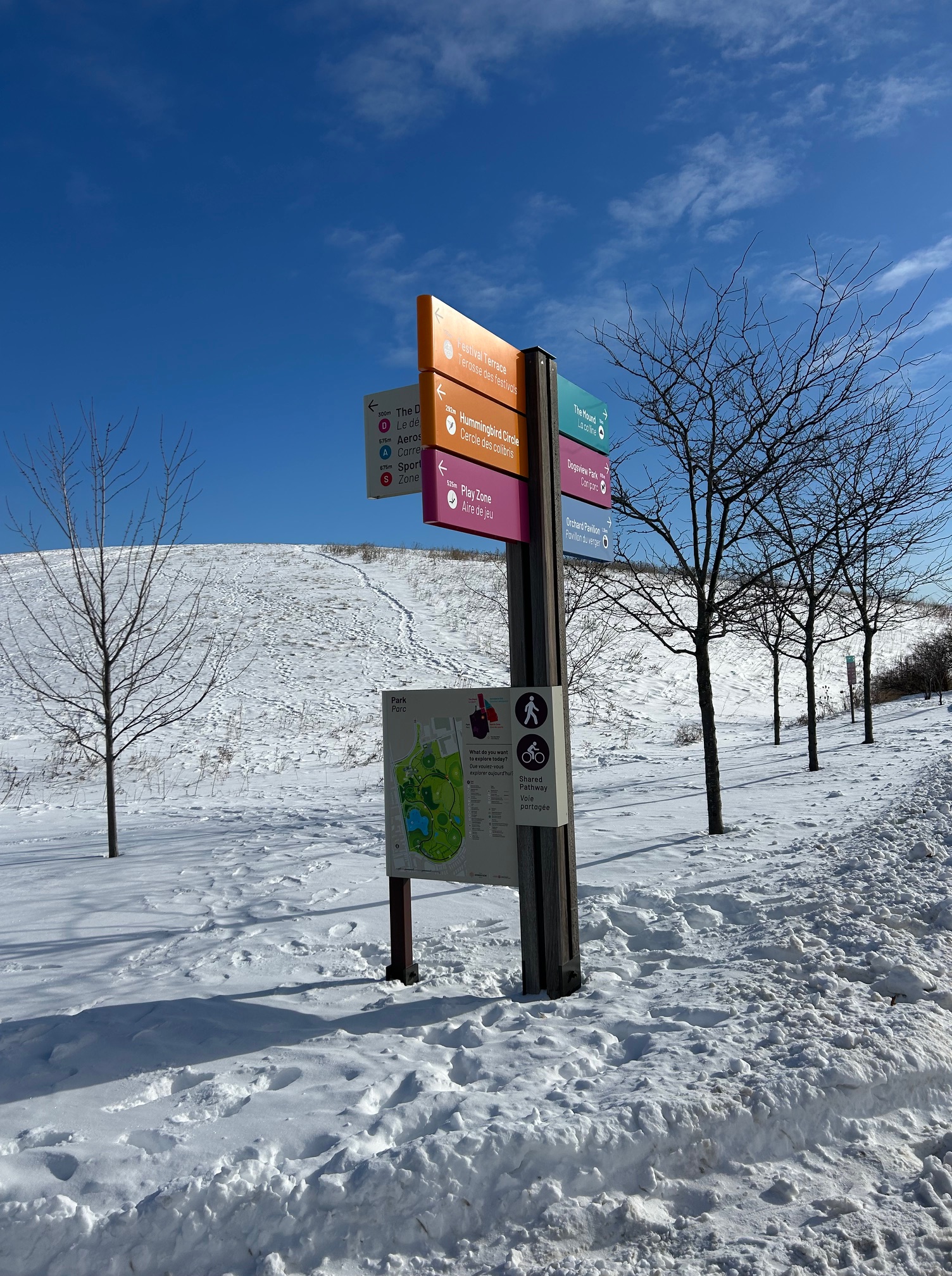
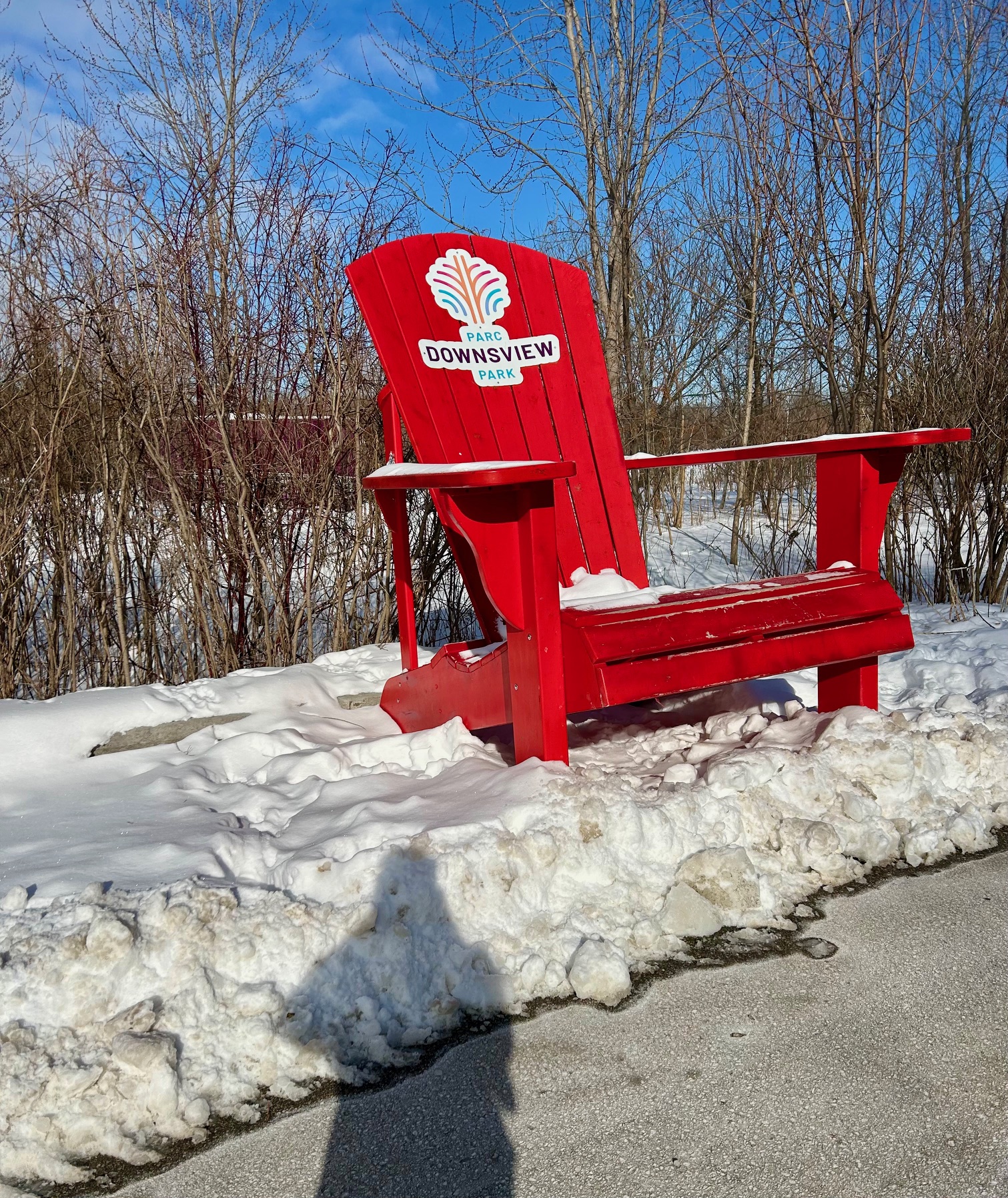
Our enthusiasm was only slightly dented by this news, because we had set our minds on seeing the park. So we went ahead with our plan. I did an easy jog, two laps of the park on the well-marked trail, while Deb walked. It was a beautiful, sunny morning. The park is a treasure. It was a good thing we had bundled up, because it was cold. A good excuse to keep moving.

I took a few pictures with my iPhone 14, which is never quite as convenient as my Ricoh GR III—especially since I had to take my gloves off each time!
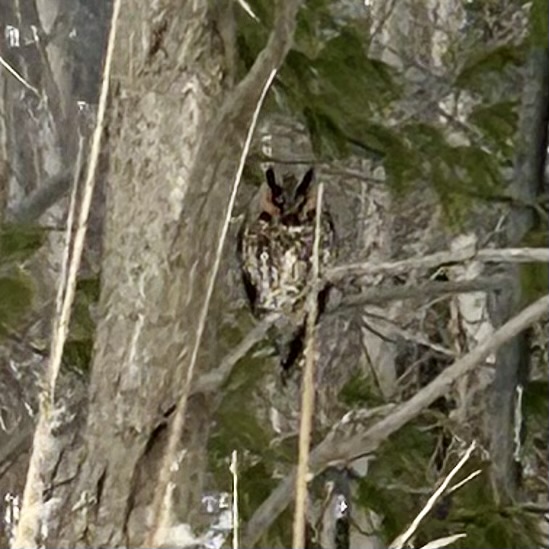
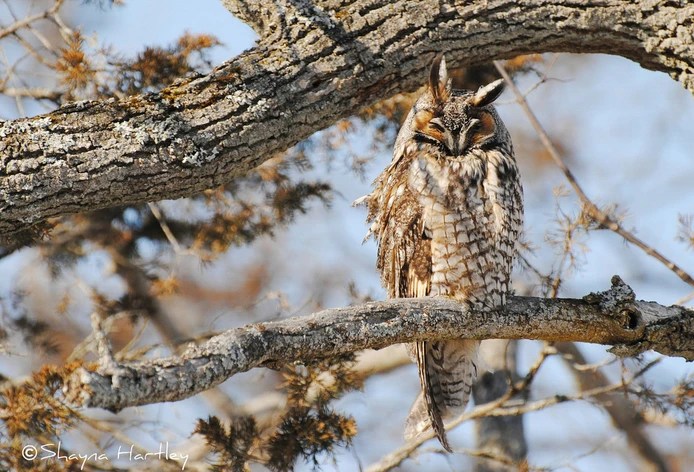
A highlight of my run was a meeting with a group of birdwatchers. I had to admire the dedication of these hardy folks. It’s one thing to be running at -20 Celsius and quite another to be standing knee-deep in snow. I was curious what they were looking at, so I stopped and said hello. They pointed out a long-eared owl, perched in a tree about 50 feet away. Once more, I took my gloves off and tried to snap a picture. It was not a resounding success. The shot on the left is mine. The one on the right, from the Audubon Society, shows what the bird actually looks like.
Record snowfalls—a personal history

The cold and wind that led to the cancellation of the parkrun were just a taste of what was to come. On Sunday, Toronto experienced the largest single-day snowfall in its history. The official figure was 46 cm of snow. We had work to do in the house, so I was content to stay inside while the storm raged. Deb was more adventurous, and she gamely did some shovelling around the house.
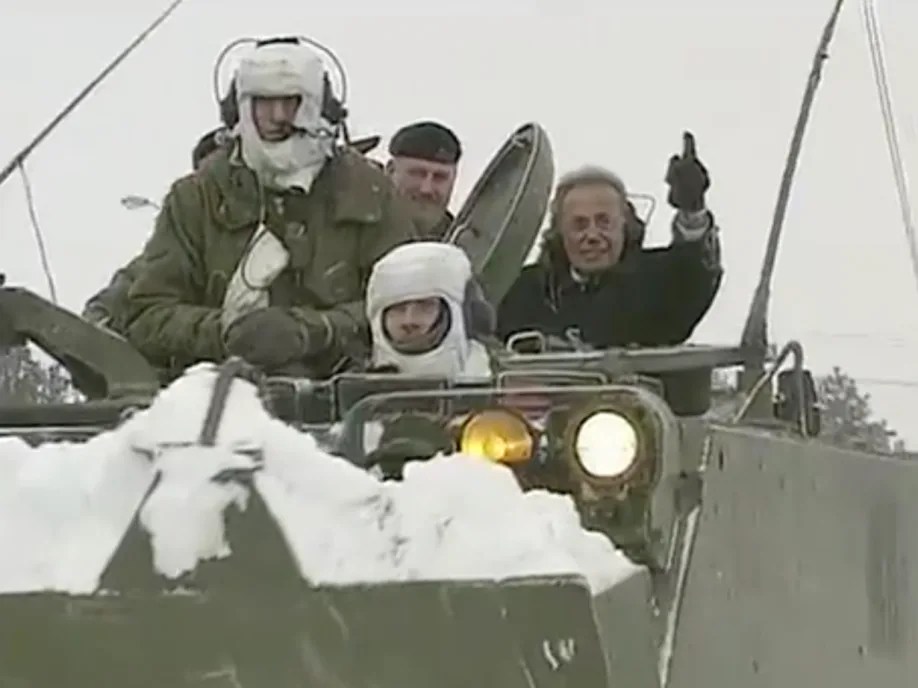
The talk about record snowfalls reminded me that, by coincidence, I had been in Toronto many years earlier for another historic winter event. There was some notoriety around that day in January 1999 when Toronto’s mayor, Mel Lastman, called in the military to help dig out the city. He was ridiculed because, you know, this is Canada. We can deal with snow. (Photo: The Weather Network)

My connection to the 1999 snowfall was of a professional nature. I was in town for a business meeting, and I was staying at the luxurious Royal York Hotel. The city was shut down, and I was trapped. Oh, the hardship! Mind you, the hotel’s kitchen and bars remained fully operational, so it wasn’t all bad. In fact, since the streets were abandoned, I made it to my meeting 30 minutes early. 

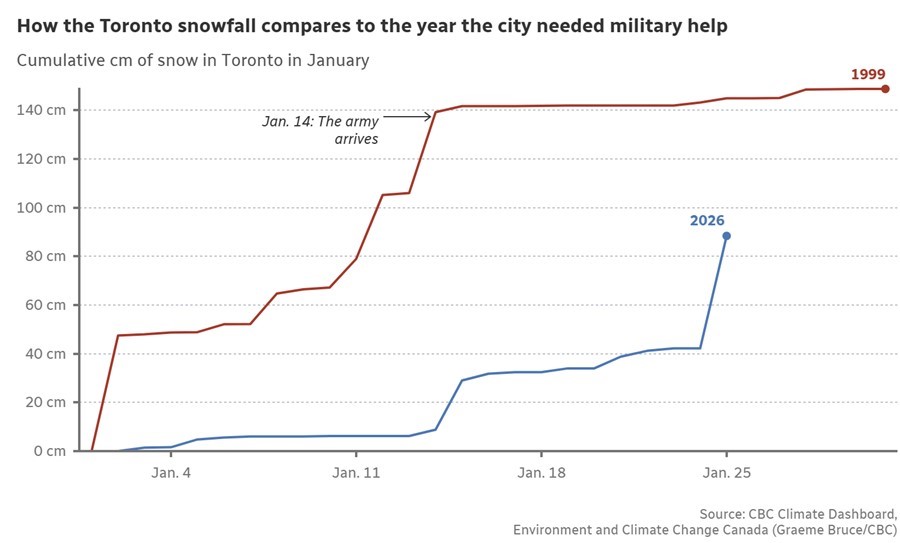
Apparently, I’m not the only one who was curious about how these two events (1999 and 2026) compare. Check out this chart from a CBC article. It turns out 1999 was worse than 2026, only because of the accumulation of snow that occurred in the days leading up to the big event. In retrospect, maybe we can cut Mayor Mel some slack after all! 
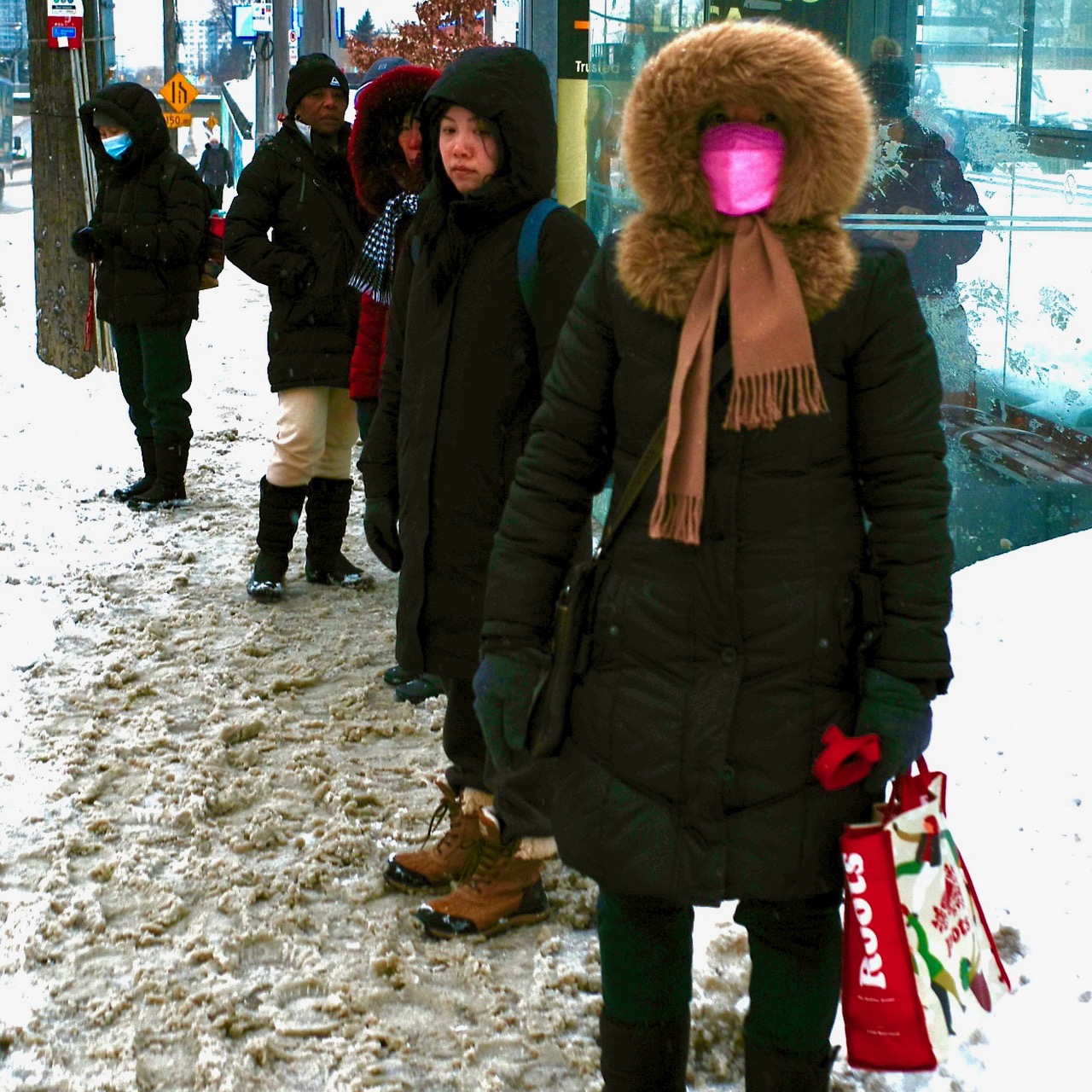
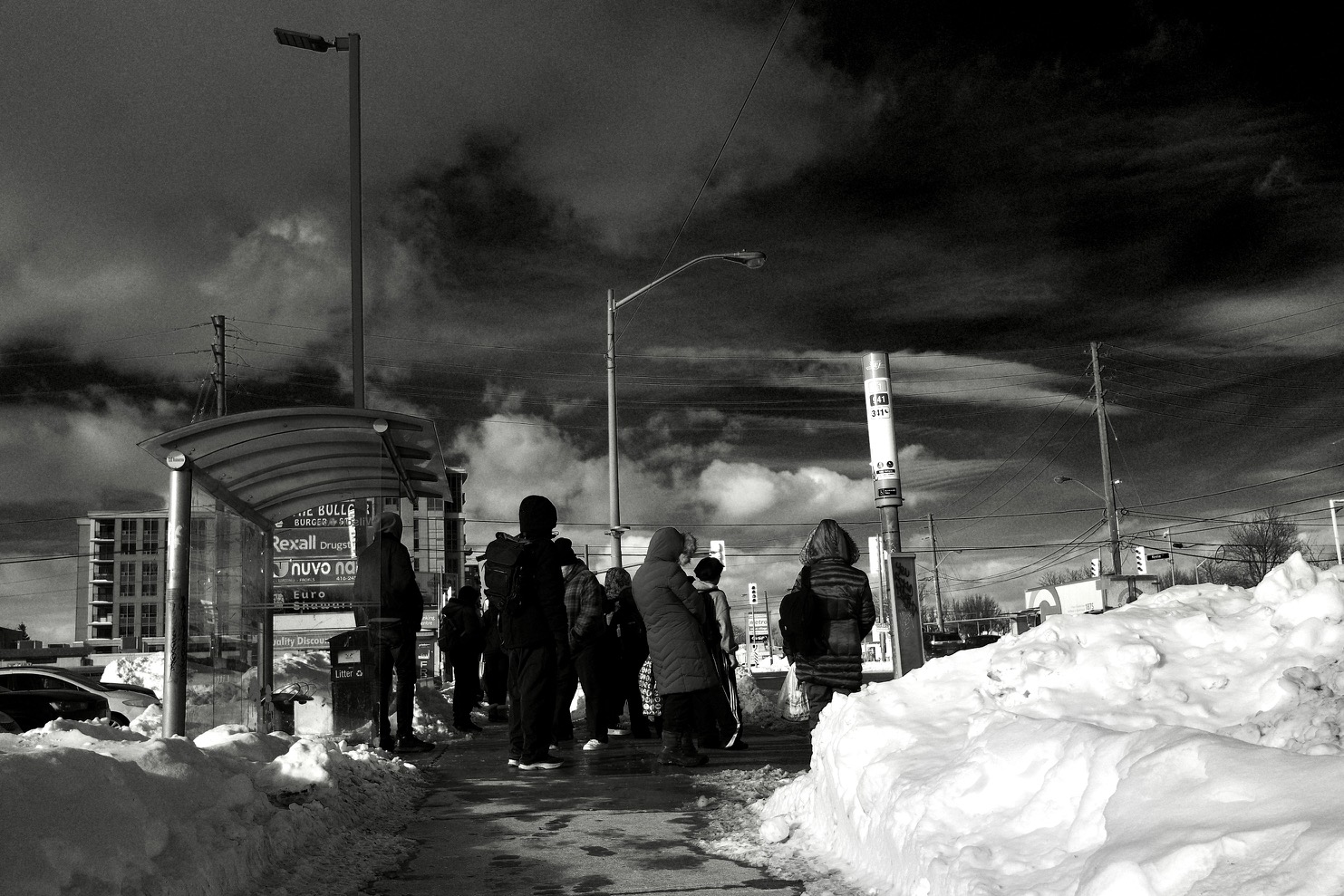
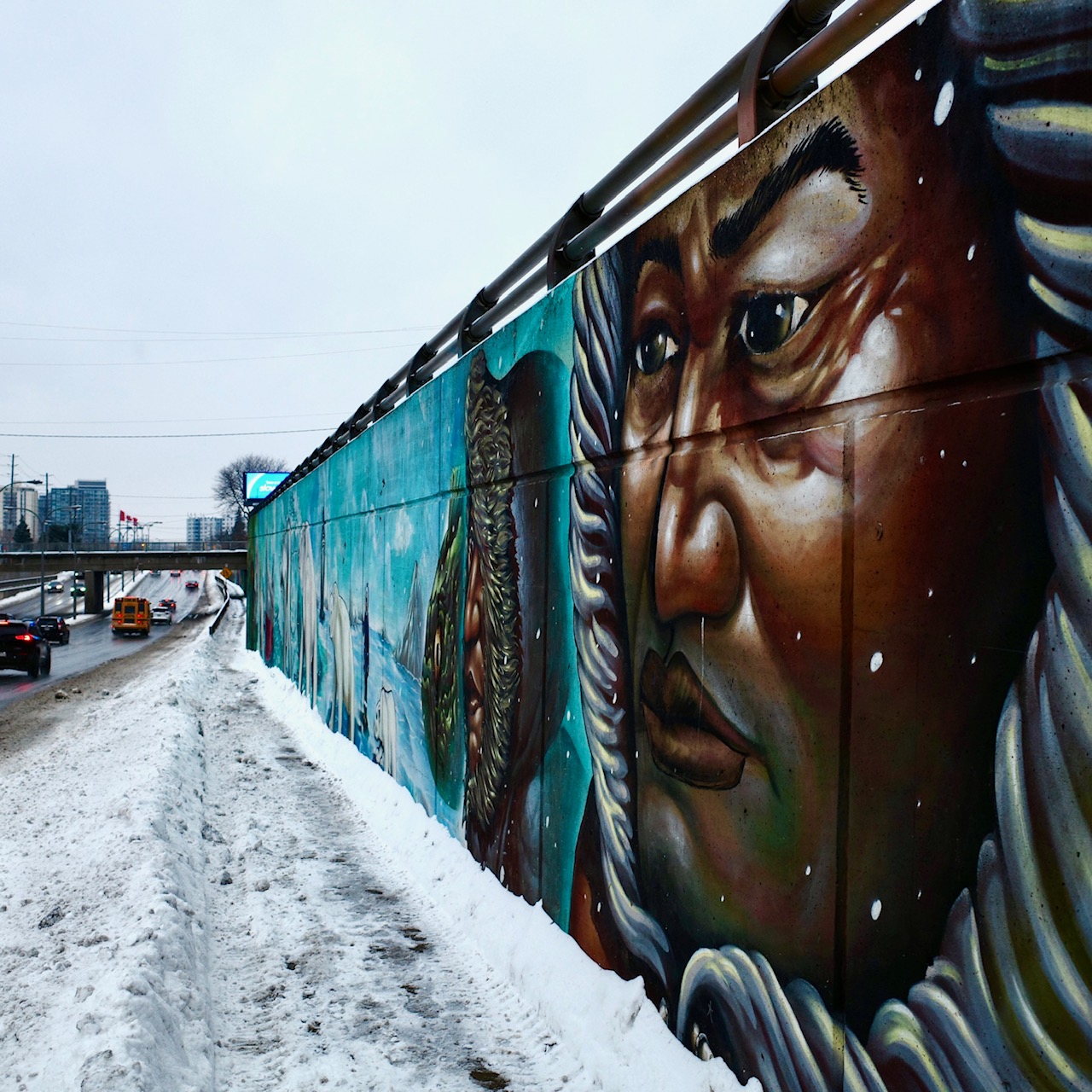
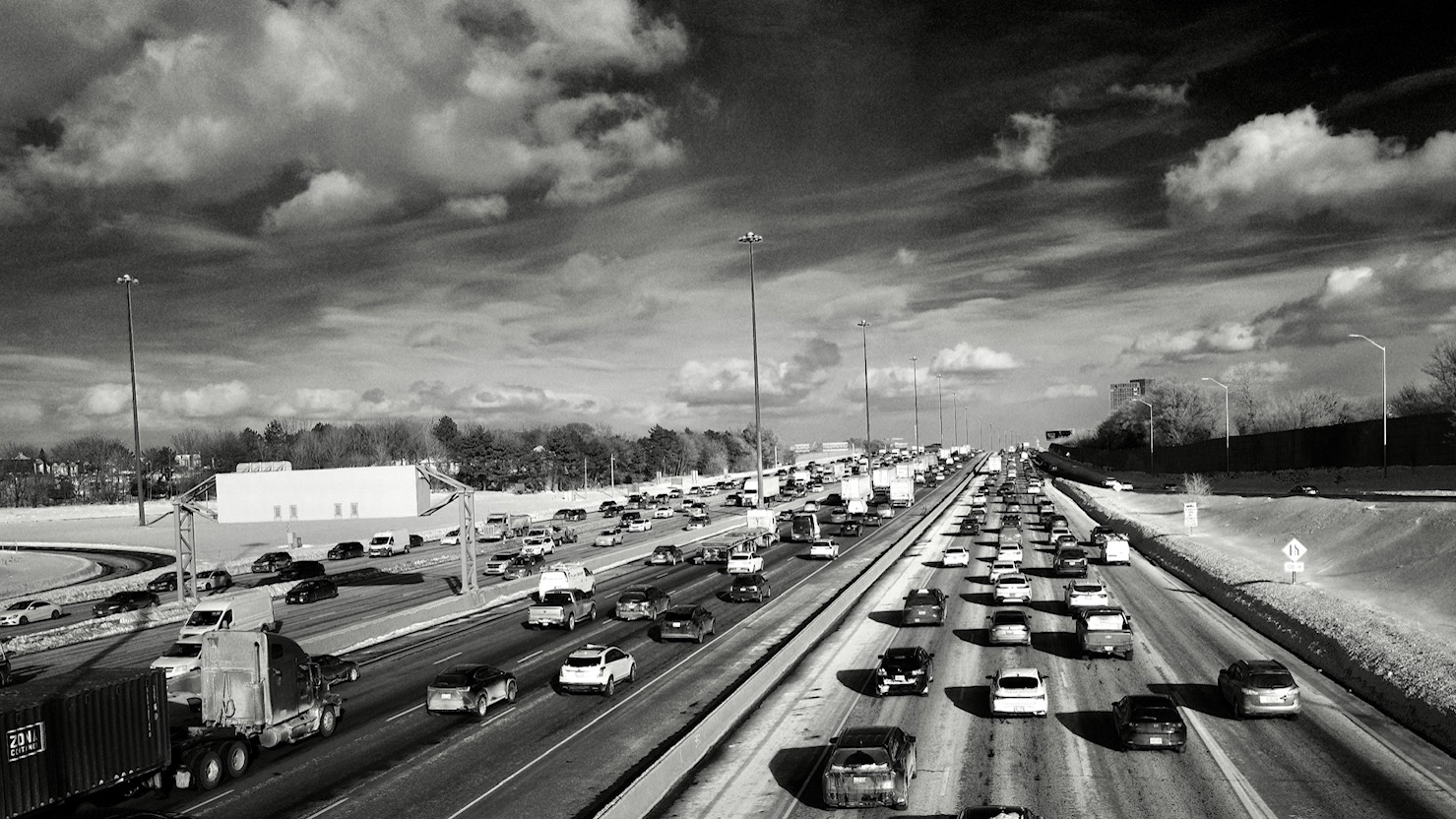
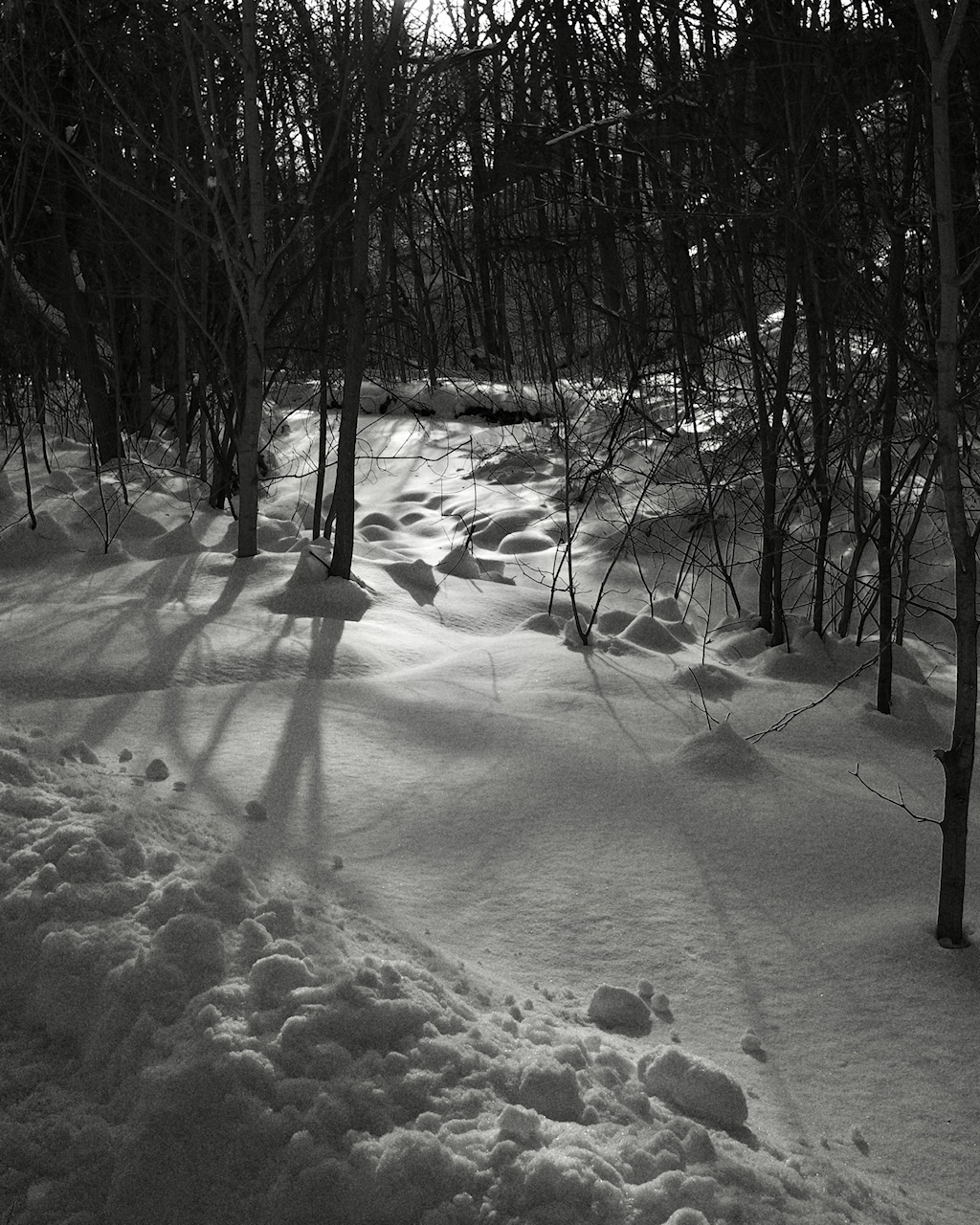
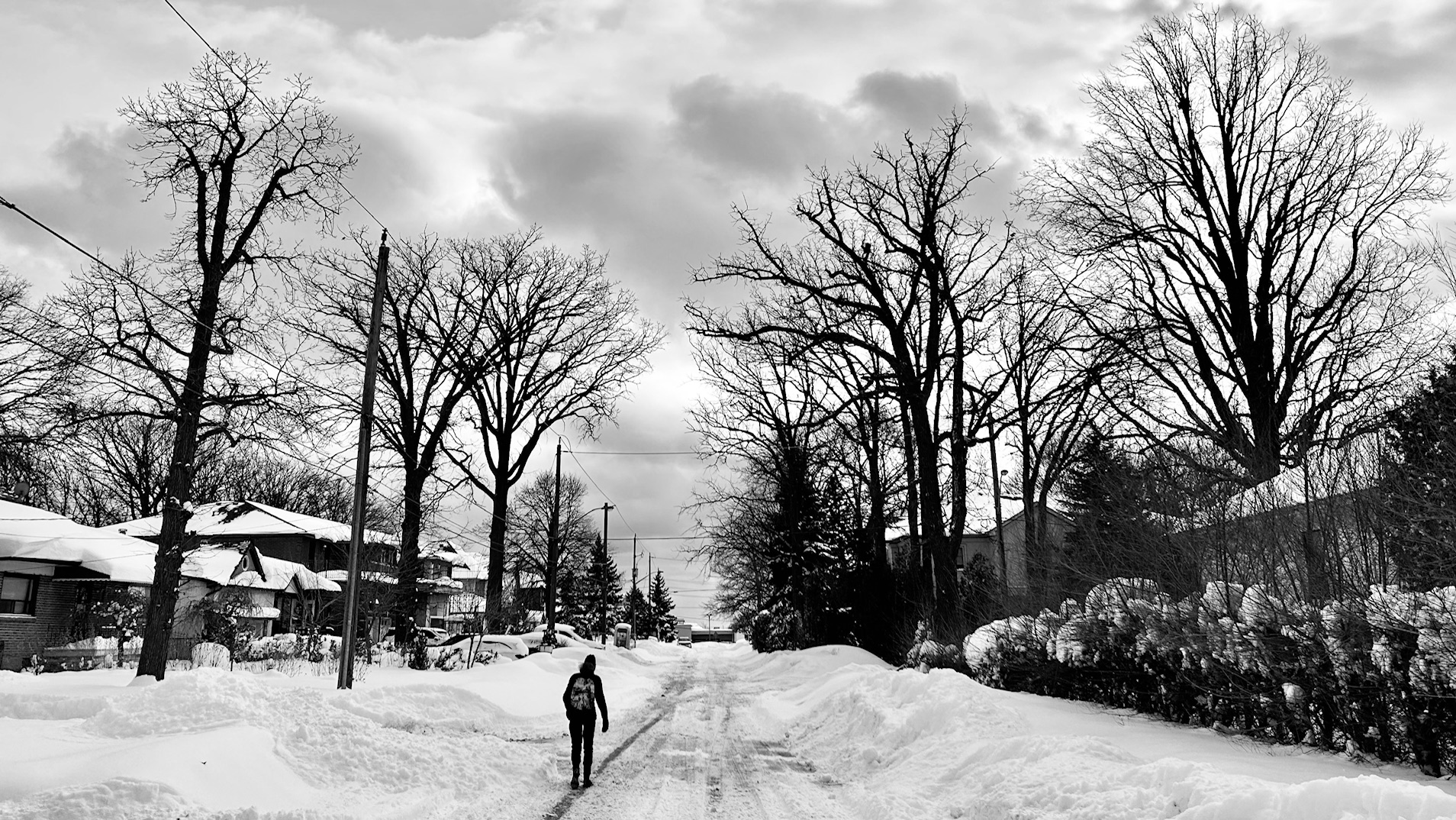
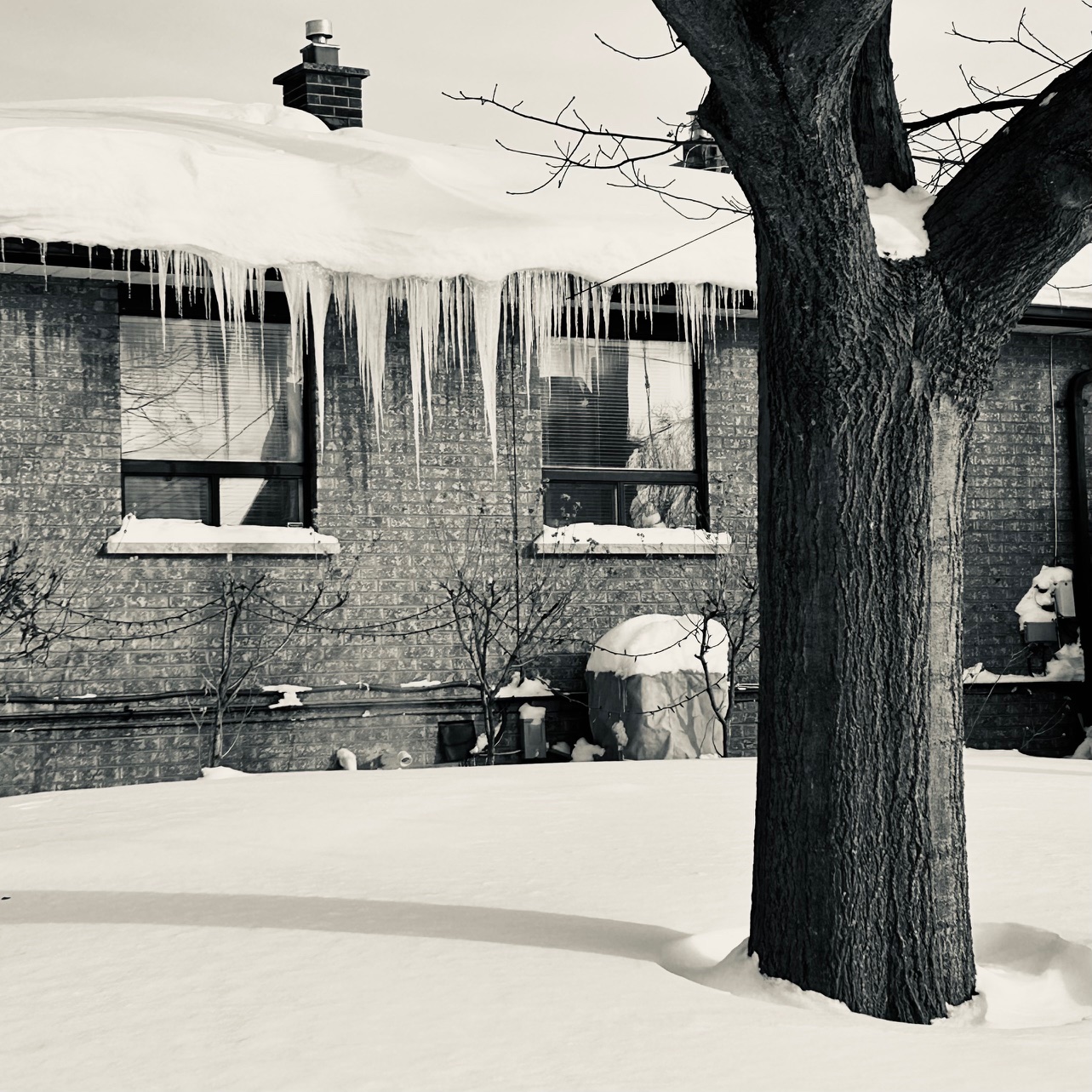
The days before and after Toronto’s record snowfall provided some good photo opportunities. It was a monochrome world as the city dug itself out. Here’s a sample. Copyright for all photos is mine.
Wrapping up

All told, it was an interesting week in Toronto (or North York, if you prefer). We experienced weather more reminiscent of Alberta than Ontario. I tried to add the Downsview parkrun to my resume, and even though that didn’t happen, Deb and I had an enjoyable outing. And then we weathered the storm. I expect to be back there in the spring—-hopefully it will be worthy of another post. 

Until next time, be well and BE FAST!

Milestone Reached—100 Blog Posts!

With a small, self-congratulatory pat on the back, I will advise my readers that this is the 100th post on My Second Running Life. It seems appropriate that I’m writing this as we turn the page to a new year, and also as I approach the third anniversary of this project. These are both events that lend themselves to introspection, so I will do a bit of that before looking forward to 2026.

State of the Blog

With a few exceptions, I write pieces that deal with these topics: running, photography, and/or strokes. Here’s my rationale—running has been a constant presence in my life for fifty years; strokes threatened to end it all, and likely would have, had it not been for the previous point; and photography has increasingly been the medium through which I express my thoughts and feelings as I go through life.

And what about this life—My Second Running Life? When I settled on the title for the blog, it was my way of reminding myself that fulfillment can come in different ways. I think the title still serves that purpose. I hope that my readers see it the same way.

I will add a thought for readers who may struggle to balance elements of their own life, especially if that includes trying to maintain a high standard of performance as an amateur athlete. For many years, I was there, too. Let me remind you that there will be no harsher judge of your success than you. Only you can decide what success looks like—don’t let anyone presume to tell you. And only you can give yourself permission to back away when that is the right thing to do, because of family or work commitments. It’s worthwhile remembering what the word amateur means—someone who participates in an activity for no reason other than the love of doing it.

I describe competitive distance running as a perfect proxy for life itself. There will inevitably be highs and lows. In a race, we may be having a rough stretch, only to find the next mile is better. If today’s effort falls short and the race doesn’t go to plan, we can console ourselves with the thought that there will be another chance soon.

In other words, we must never lose hope or stop believing in ourselves. That’s what this blog has always been about.

The Year in Review

Running

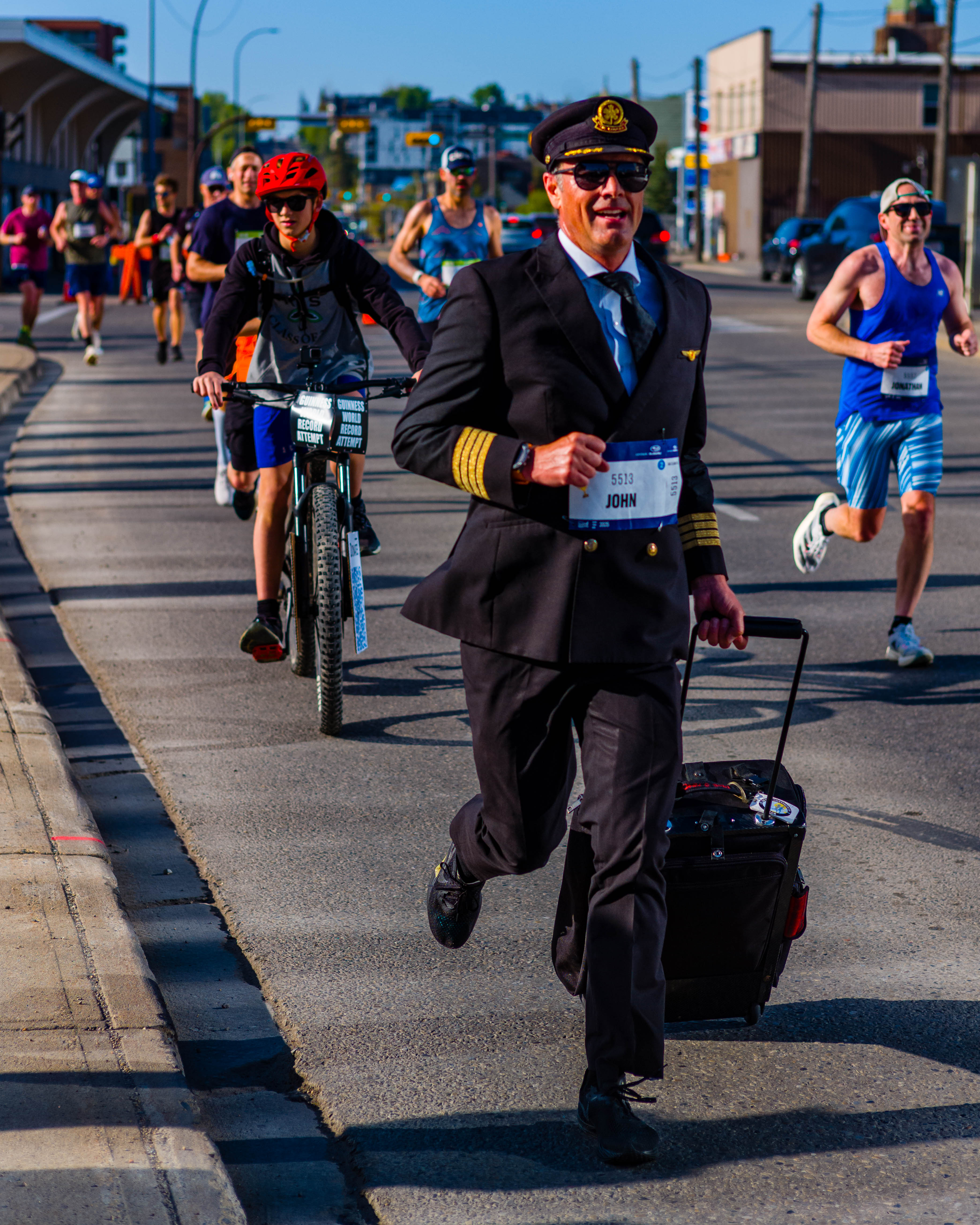
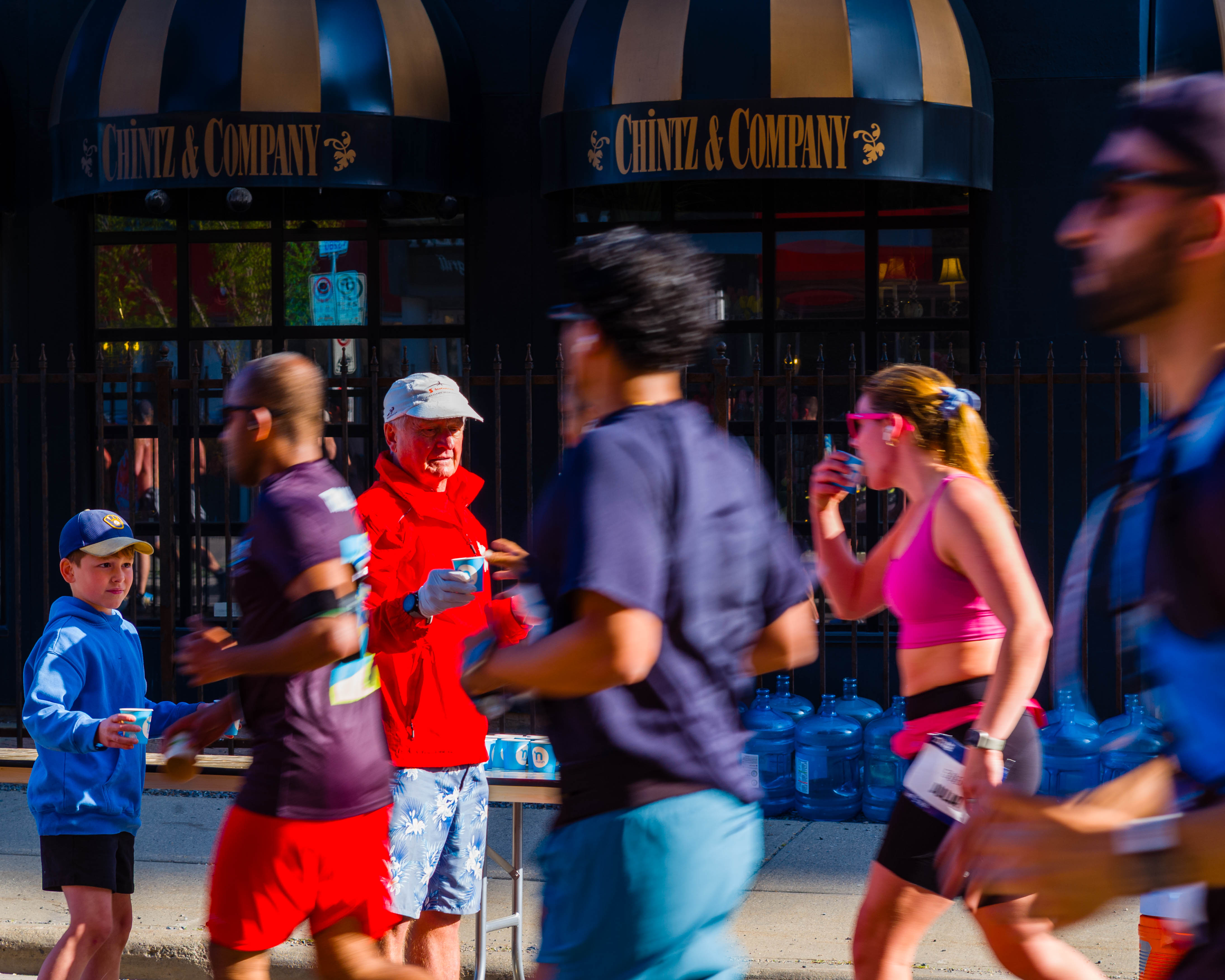
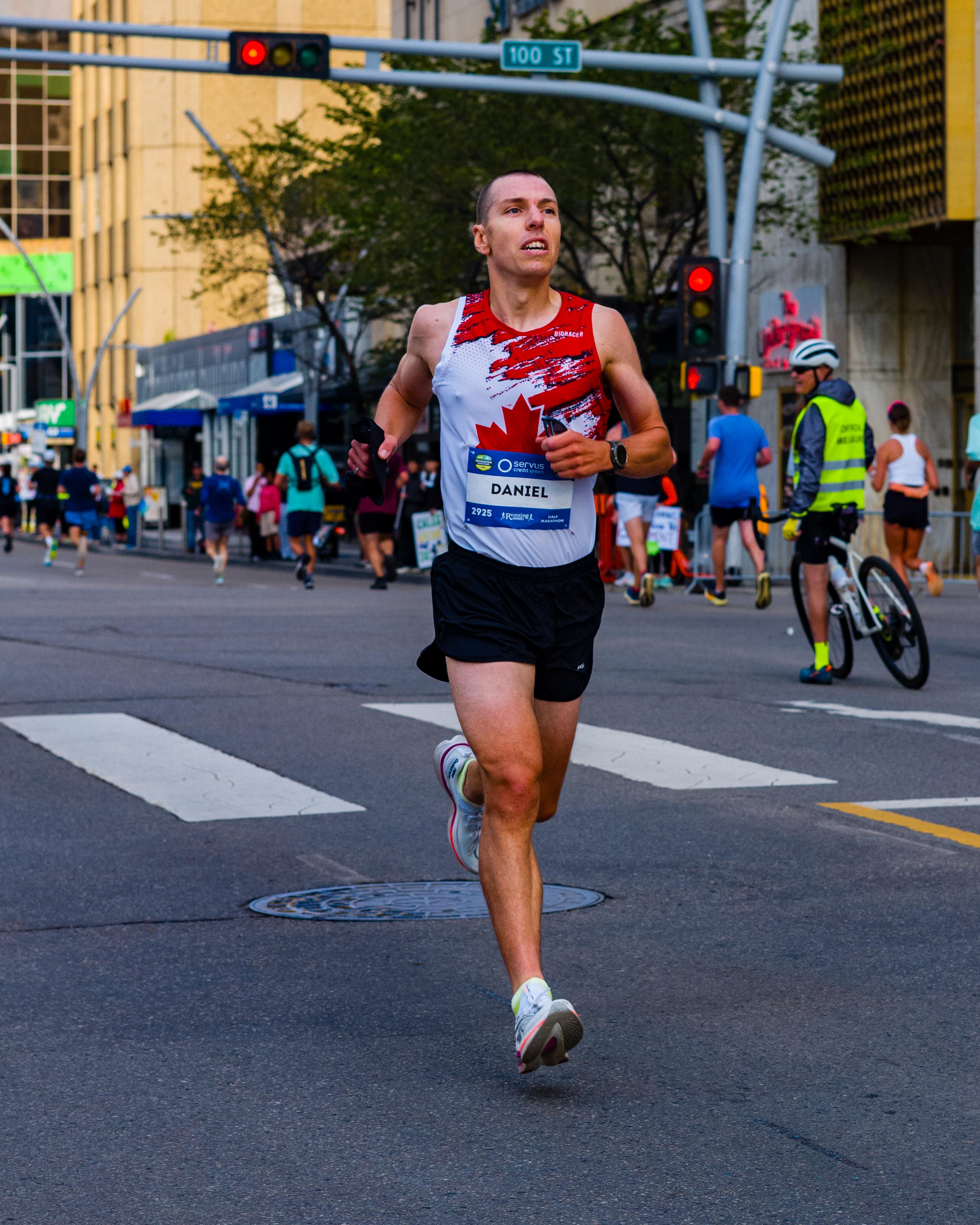
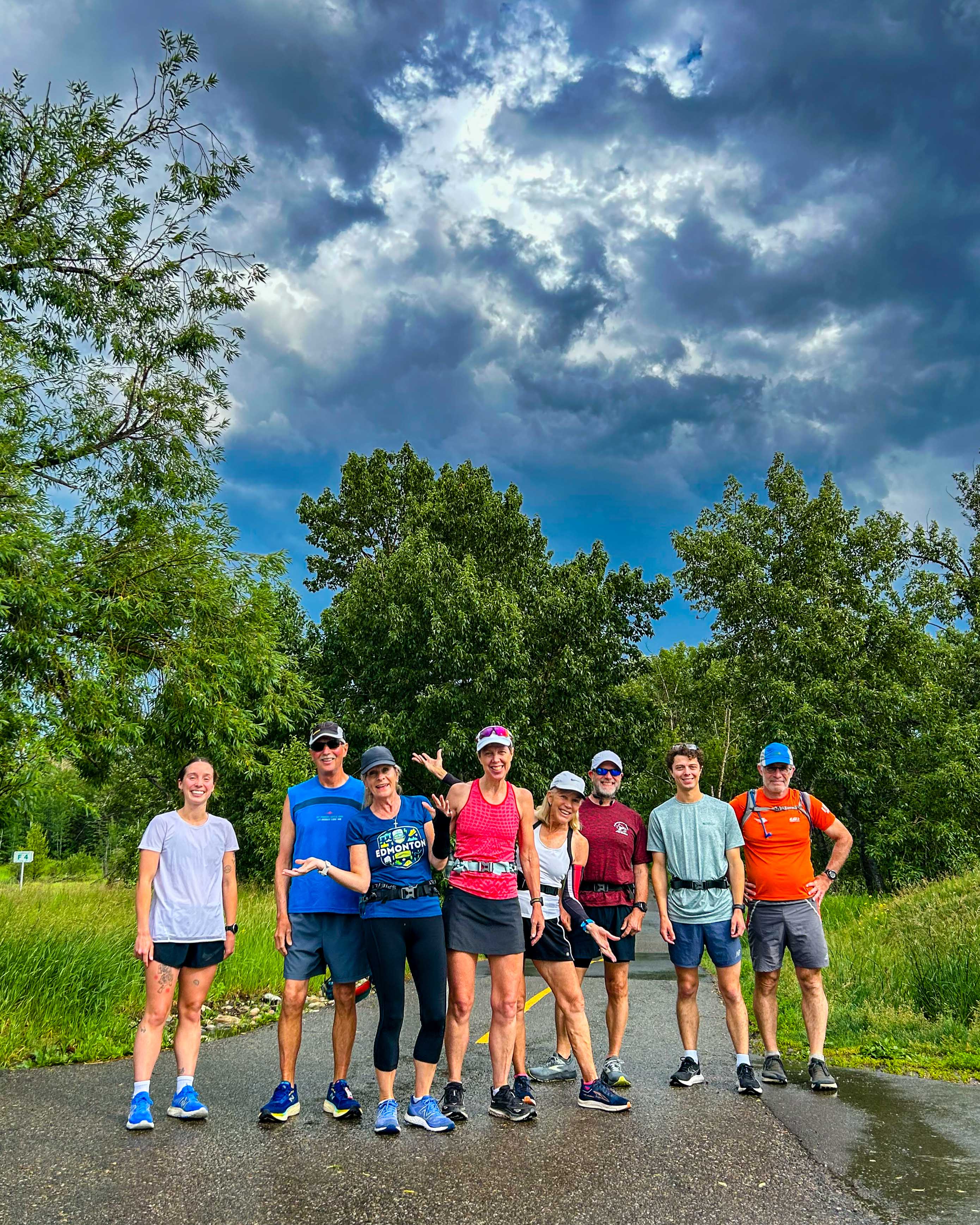
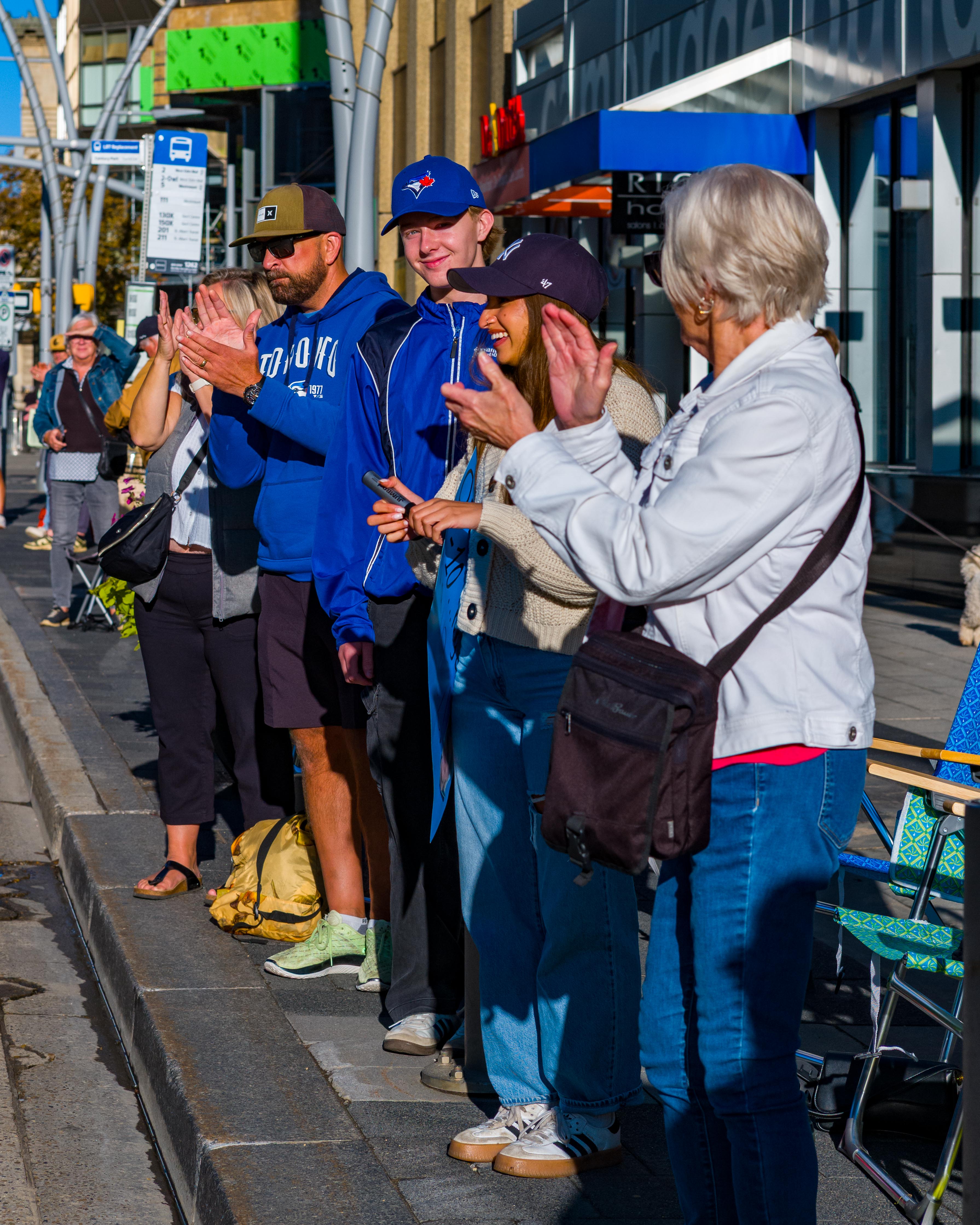
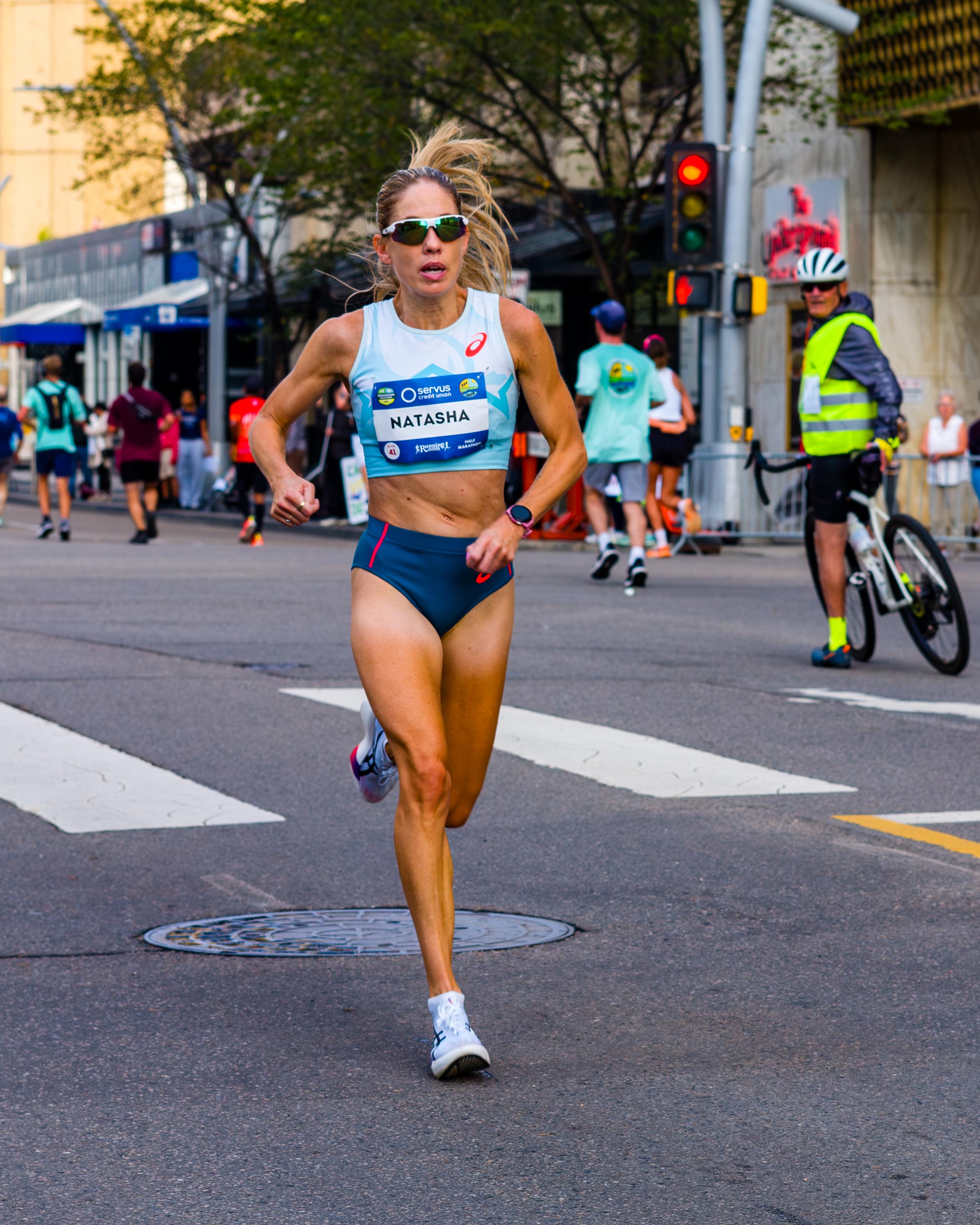
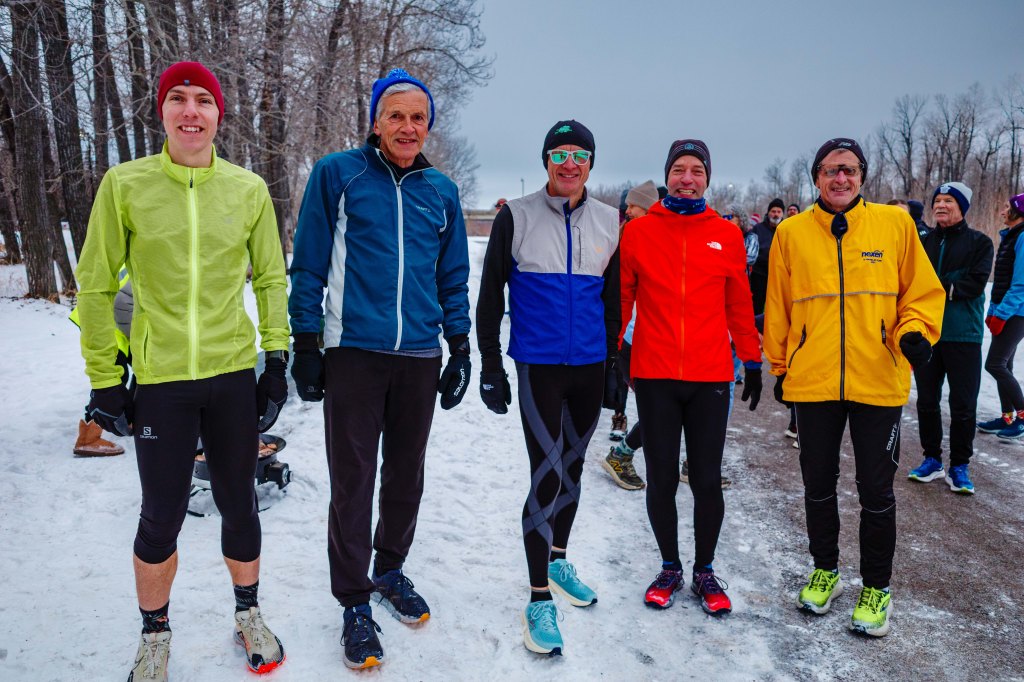
My days of preparing for and executing goal races may be over, but I will never tire of being around runners. In 2025, I had plenty of opportunities to catch racing action in Alberta; cheer on friends and teammates; meet some very talented athletes; do some volunteering; and, of course, snap some memorable roadside photographs. We also said goodbye to a dear friend. You can read about the major events on the calendar here, here, and here. Below is a small sample of my favourite running pictures from 2025:

Copyright for all photographs is mine.

Strokes

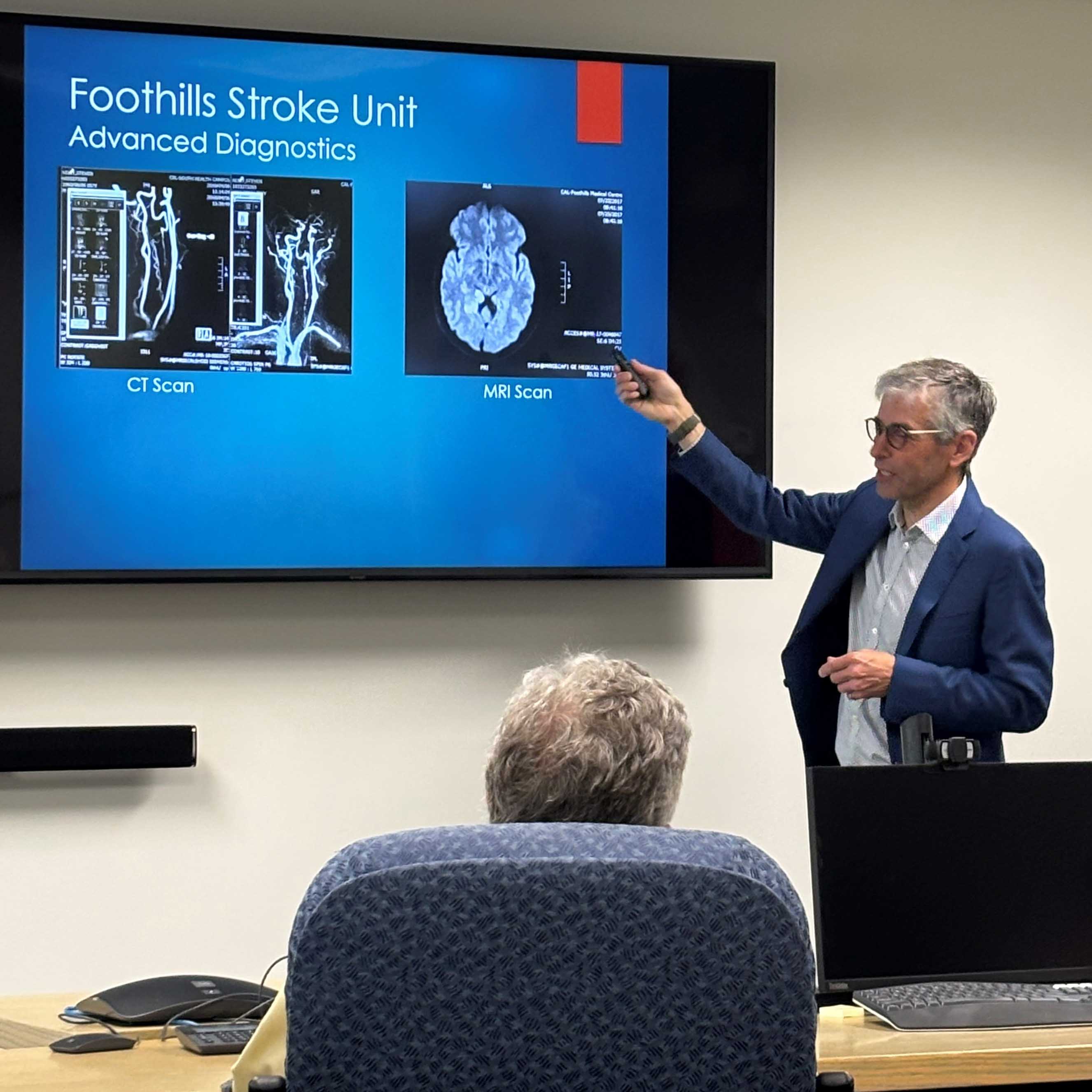
When I started on the path of self-publishing a book, I knew almost nothing about the process. However, I knew I wanted to share what I had learned about strokes, which are typically the fourth leading cause of death in Canada. And I wanted to give back in whatever ways I could, to support the essential work being done every day at the Foothills Stroke Unit and the University of Calgary.

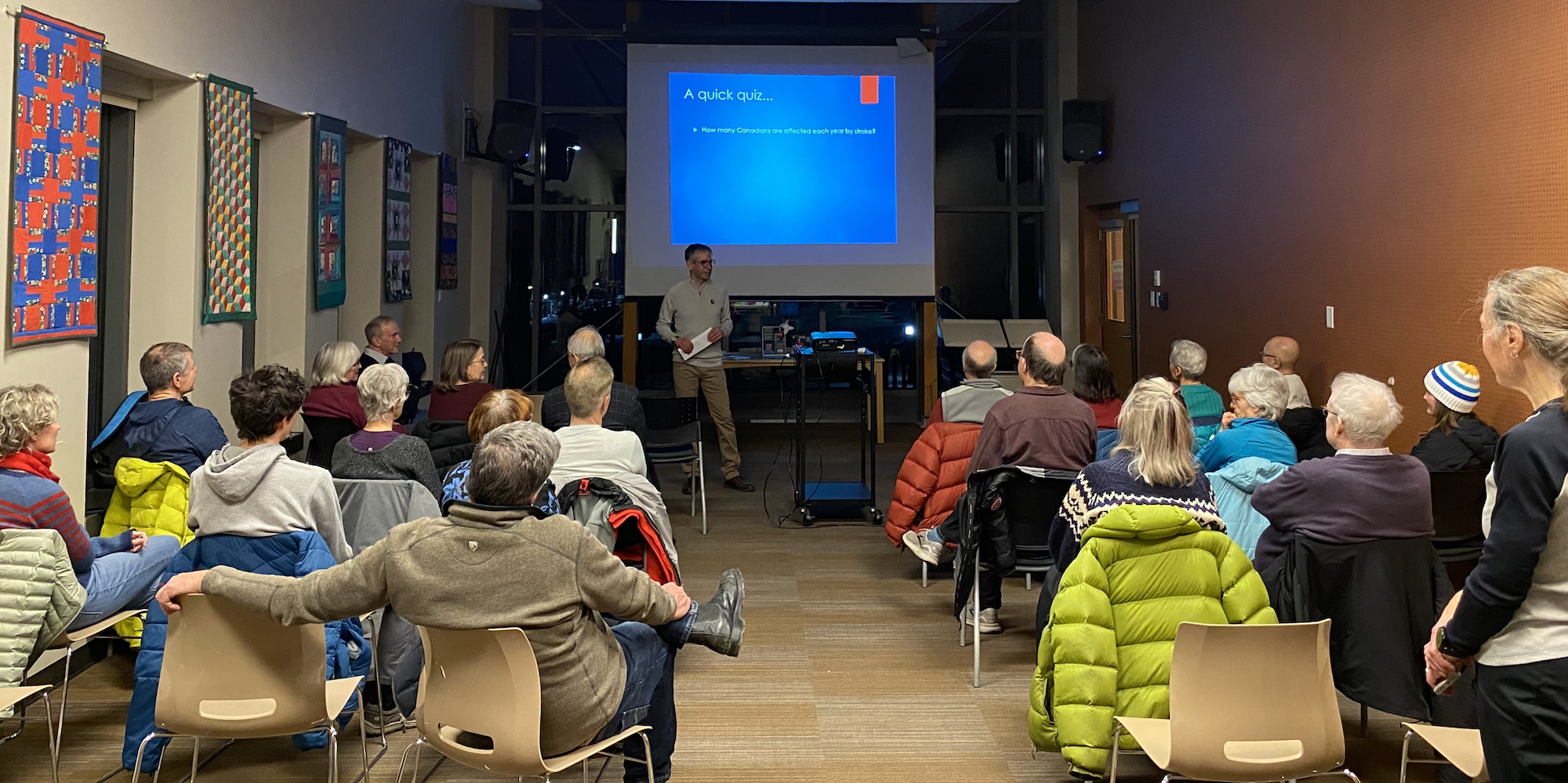
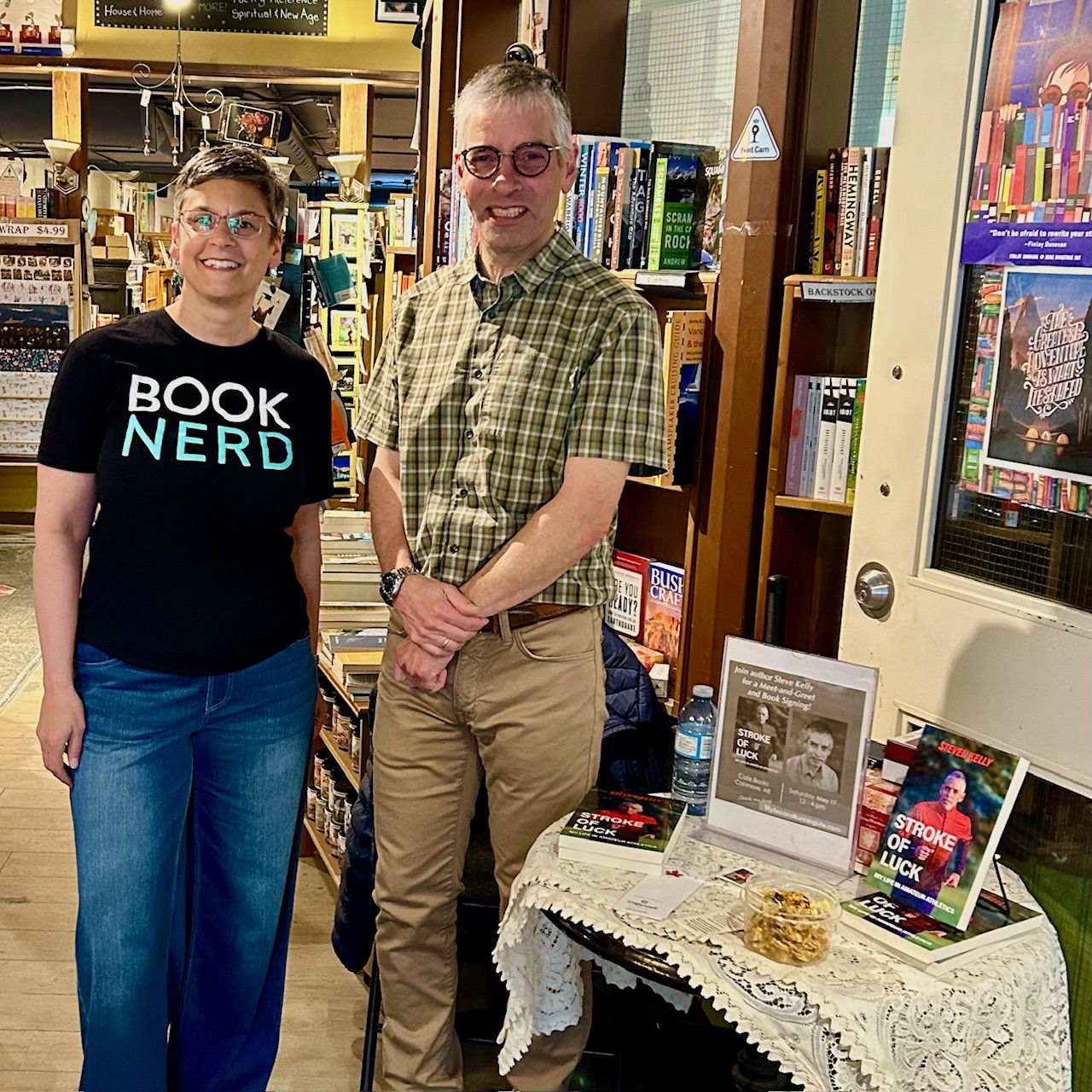
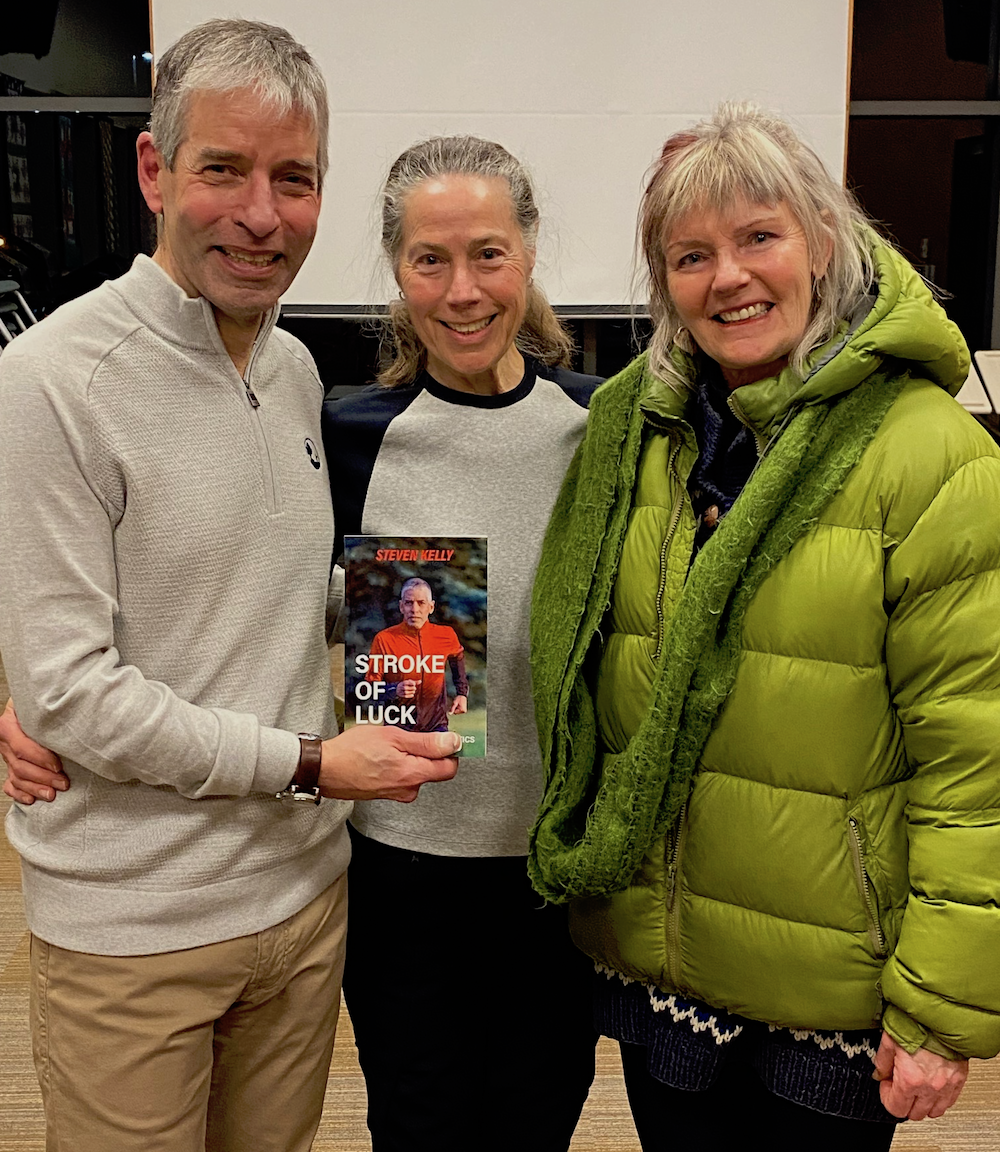
I was fortunate last year to have had several opportunities to tell my story, as written in Stroke of Luck. It’s extremely gratifying to share my key messages: the importance of an active lifestyle, awareness of the full range of stroke symptoms, and recognition of (and support for) the world-class stroke care and research being done at Foothills.

Naming everyone who made these events possible would be difficult. I appreciate the help of the Calgary Health Foundation to ensure that funds raised go where they should. Let me share a few photographs from events in Canmore, Edmonton, and Calgary:

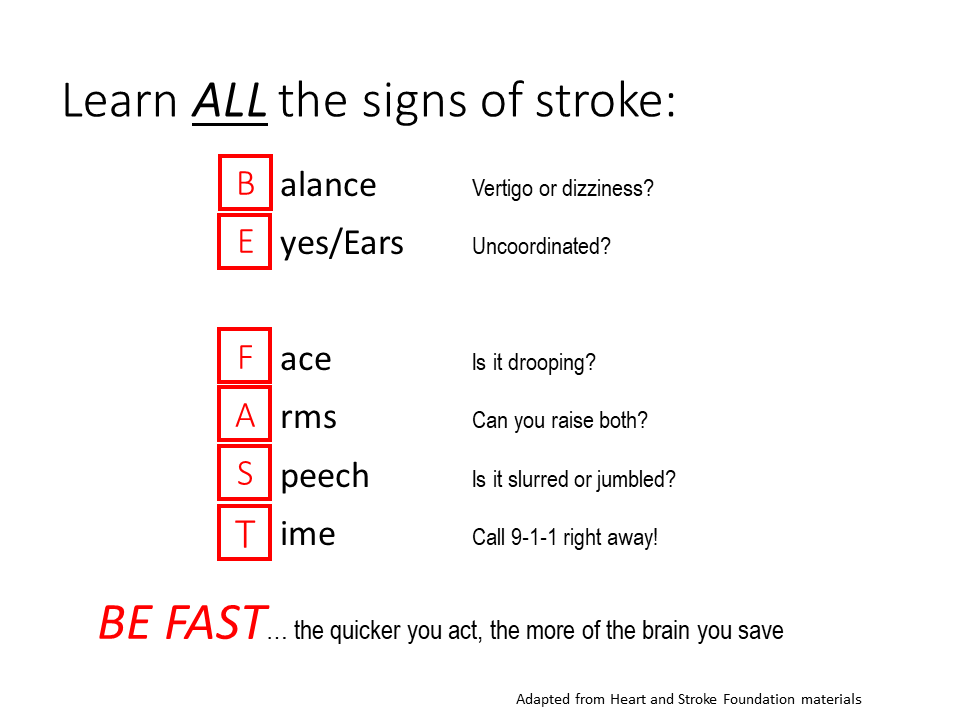
I close my posts with the acronym BE FAST, but it seems timely to remind my readers just what this small and powerful phrase means:

If you or someone you care about is experiencing any of the symptoms of stroke, don’t hesitate—call 9-1-1 right away! If you want to learn more, do check out some of these other posts on the blog: here, here, and here.

Other Photography

Photography has become my constant companion, on my runs and walks, in both good times and bad. Believe me, the last couple of years have brought more than enough bad news. Fortunately, memories of family and friends that we’ve lost are a blessing that will sustain us.

I still prefer to carry a dedicated camera, although I find myself slowly giving in to the convenience of digital. I admit that I shot less film in 2025 than I have in previous years, and that’s a shame. In any case, here are some of my memorable shots from 2025 (all digital, as it happens):

Regardless of the format, my approach to photography is almost completely intuitive. Recently, a guest on my blog wrote that calling myself an observer may not be accurate. But that’s okay. I never know what pictures I’m looking for when I head out the door. What I’ve learned is that I should trust my instincts—if I see something that catches my attention, I should react to it. I plan to keep that going.

Goals for 2026

With a bit of luck and planning, I think 2026 will be a good year. The first good omen was the Sheep River Parkrun on New Year’s Day in lovely Okotoks. It was a perfect start to the year, as I was surrounded by good friends and my son Daniel.

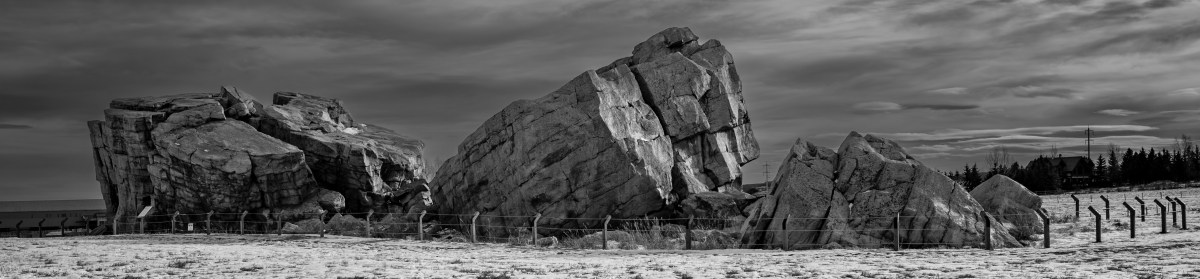
This morning, chinook clouds south of Calgary seemed to be calling to me. I drove in that direction and found myself back in Okotoks, at the “big rock” which gives the town its name. As I admired and photographed this impressive glacial erratic, it occurred to me that the rock is a symbol of my life—it’s not on the path that was expected, and it sits in pieces. I take solace that, like the rock, I have survived. It’s a fitting picture for the top of this post.

As I quietly walked around the famous rock, I thought about topics for future articles. One idea I have is a series of photo runs in my favourite Southern Alberta towns, including more shots on film. I think it will be a wonderful way to explore the history and culture of our province, while (more or less) staying in shape. So look for that, as well as more of my favourite photographs from life, and of course, news on stroke research and prevention.

I hope you’ll check in often. As ever, be well and BE FAST!
Return to Prairie Mountain!

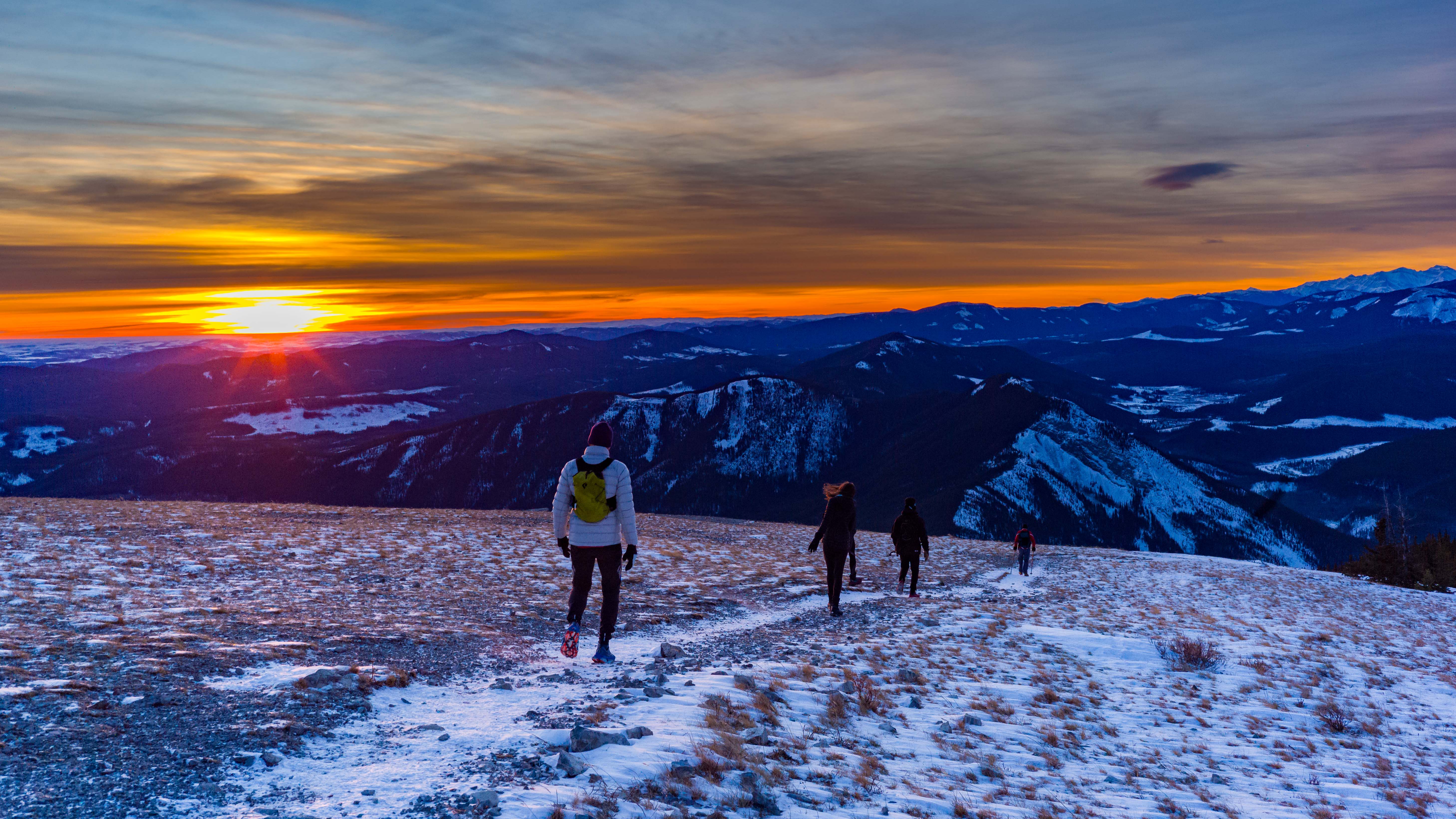
Just as Santa can be counted on for a visit in late December, we look to my friend Tim to reveal the details of the annual Prairie Mountain Winter Sunrise Hike. True to form, Tim set the date for the 2025 hike on December 29. Sunrise on that day would be, within a few seconds, the latest of the year.

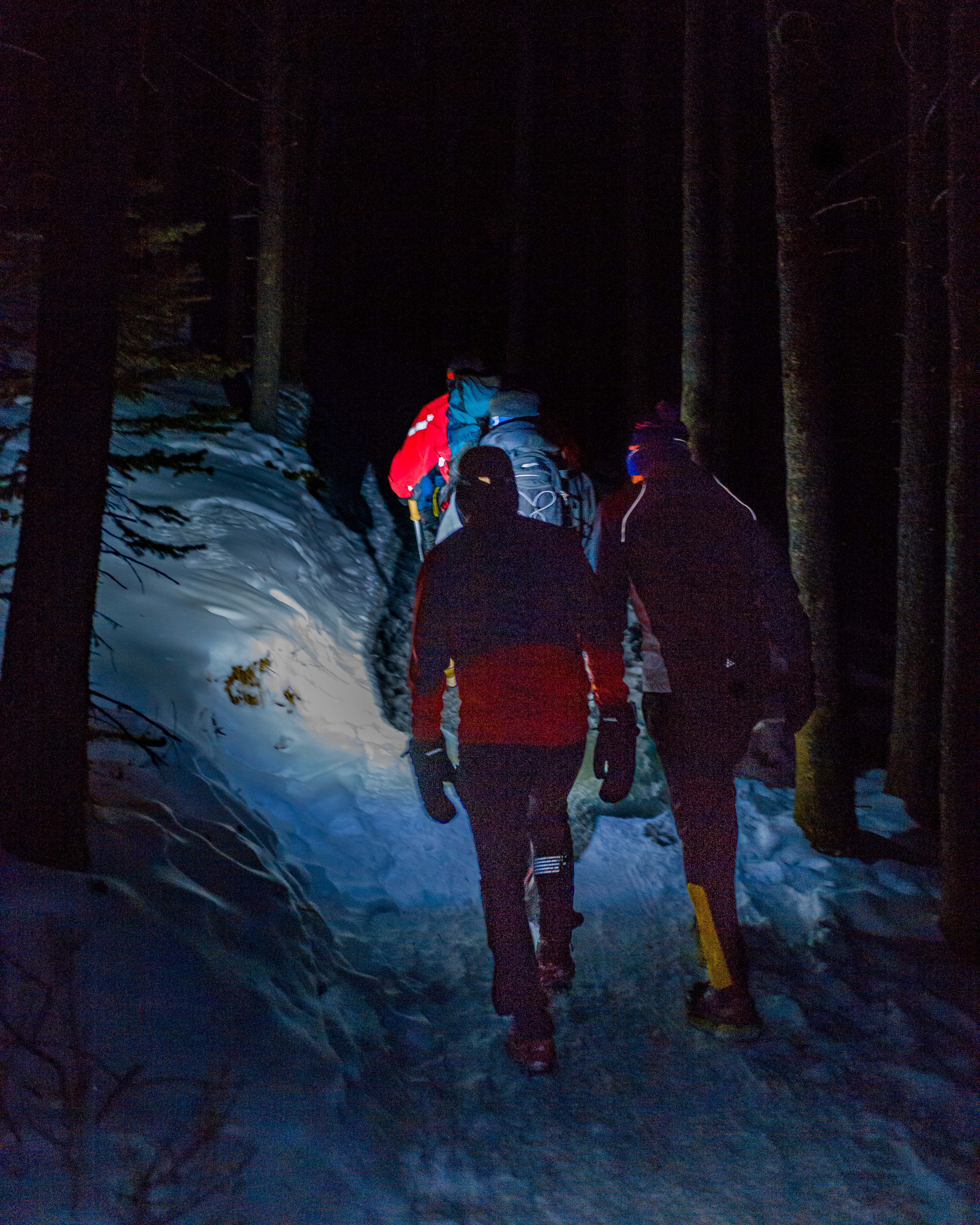
Working back from a target of 8:39:33 a.m., our convoy of eight hikers met up at the Tsuut’ina Subway on Buffalo Run Boulevard at 6:10 a.m. With practiced efficiency, we were geared up and on the trail by 7:00 a.m. We expected to have ample time to reach the summit.

I’ve posted on our previous PM hikes, and I’m pleased to say these pieces have been popular. In 2023, I shared photos of a beautiful sunrise in Part 1: The Hike and delved into the mysteries of the celestial world for Part 2: The Science. We were not deterred by last year’s cloudy conditions—you can read about that hike here. This year’s forecast suggested that the star attraction would likely make a return appearance.

For readers who are unfamiliar with Prairie Mountain, it is the most accessible mountain for Calgary hikers. Accessible doesn’t mean easy, though—this is a good workout at any time. Last year, I noted that the hike seemed to be tougher than what I remembered. This time out, I had the same feeling. I’m not sure I like that trend! One foot, then the other. Repeat.

The Hiking Bit

Given the snow-packed conditions on the trail, I was (again) very thankful for the new stone steps on the toughest sections. Even so, I welcomed a short pause at the first lookout, where we switched off our headlamps. I couldn’t help but notice the vibrant orange light to the east, which was already impressive as we approached the summit ridge. Were we too late?

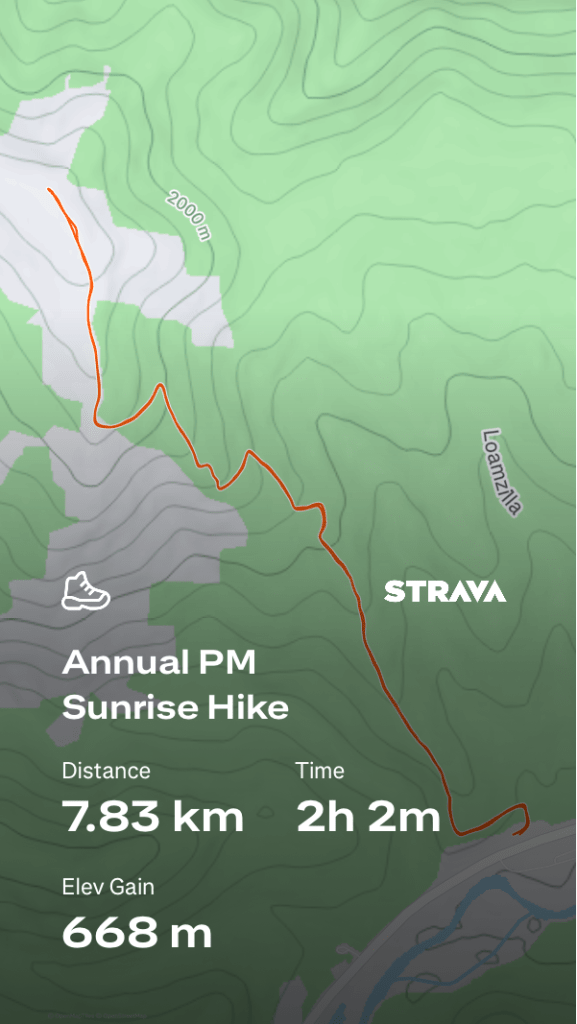
Because any PM summit is an impressive achievement, here’s my Strava activity summary.

A few words on equipment. I decided to bring my “good camera”, the totally manual Leica M10. It’s a wonderful camera, but when you are bringing up the rear in the dark, as I was, adjustments are challenging. That meant I came home with blurry shots of my hiking partners’ backsides and severely underexposed images. Overall, I think the Ricoh GR III is better suited to this task. As always, my Kahtoola Microspikes and ancient red Komperdell poles were a necessity.

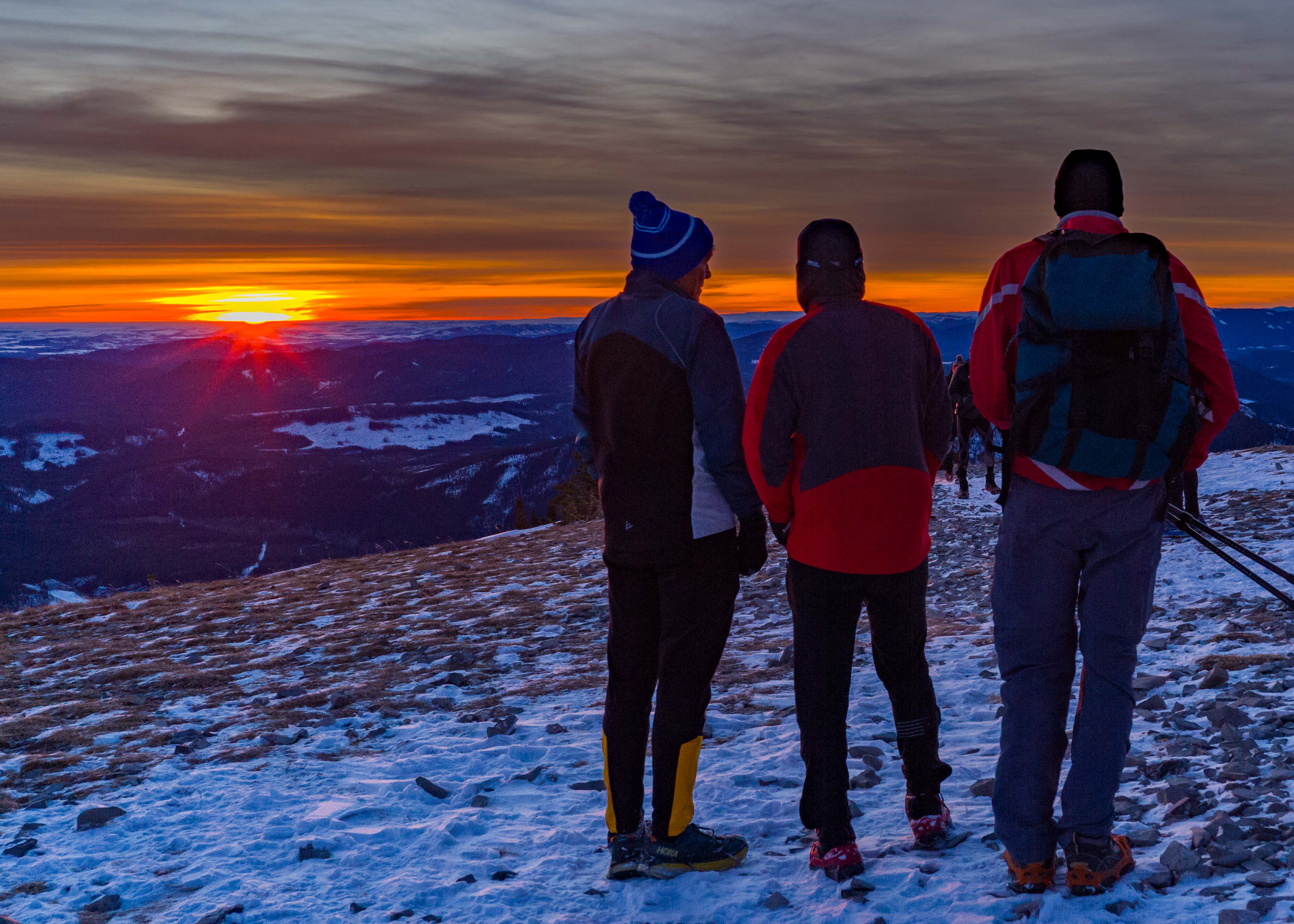
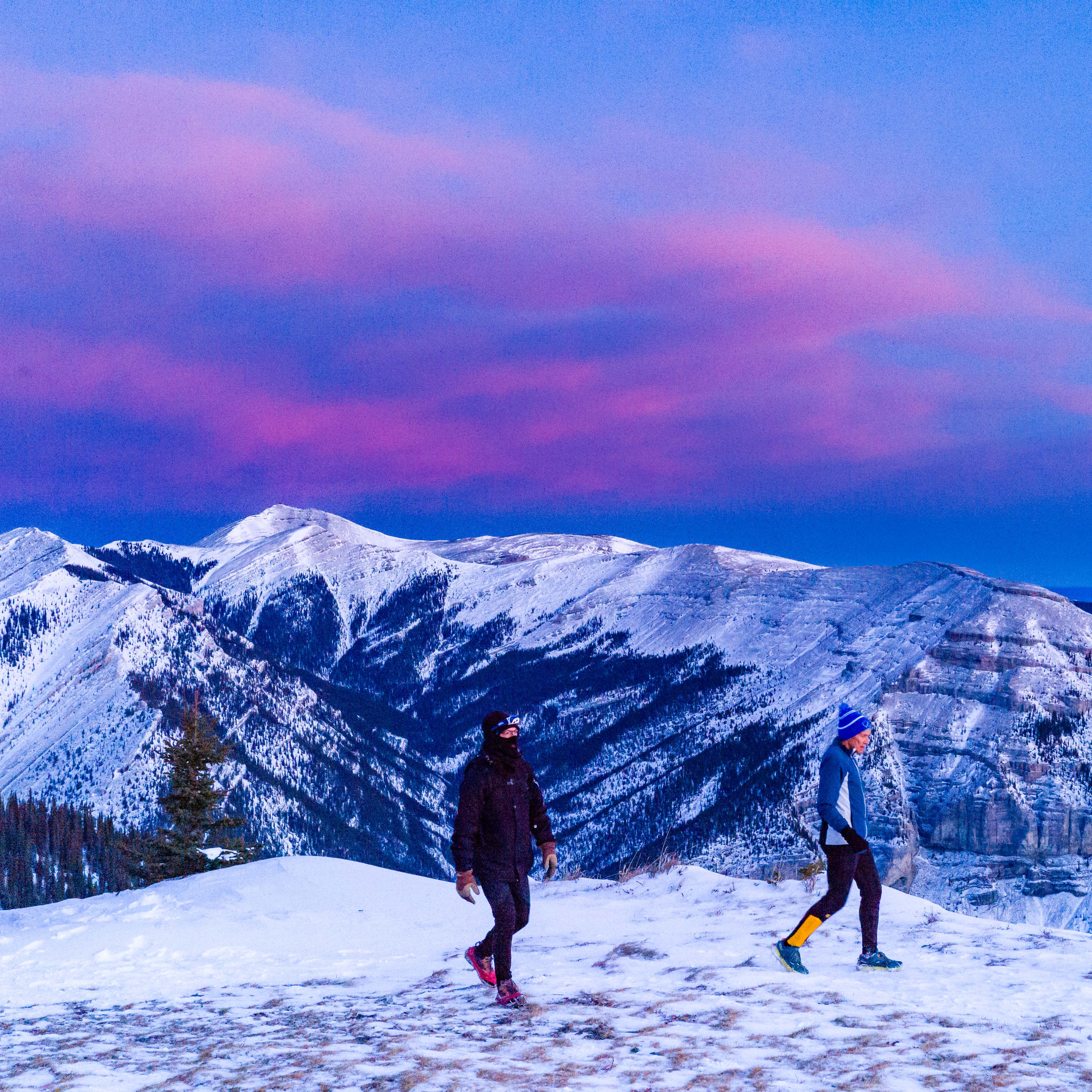
As usual, our group set a steady pace. (I hang around with some very healthy folks.) It’s hard to blame my comparatively slow pace on my photographic duties unless I present a few photos. So here’s the evidence!

Note: Copyright for all pictures is mine

We enjoyed the relatively mild temperature (-5C) and the shelter of the treeline for most of the hike. However, as soon as we reached the summit ridge, we were immersed in a strong westerly wind. We slogged the rest of the way up the ridge. The small Canadian flag on the summit cairn was no match for the stiff breeze. We headed for the shelter of a few scraggly trees below the summit to wait for the rest of our group. With fingers losing feeling, operating cameras and zippers became almost impossible. There was no loitering at the top on this day!

The Technical Bit

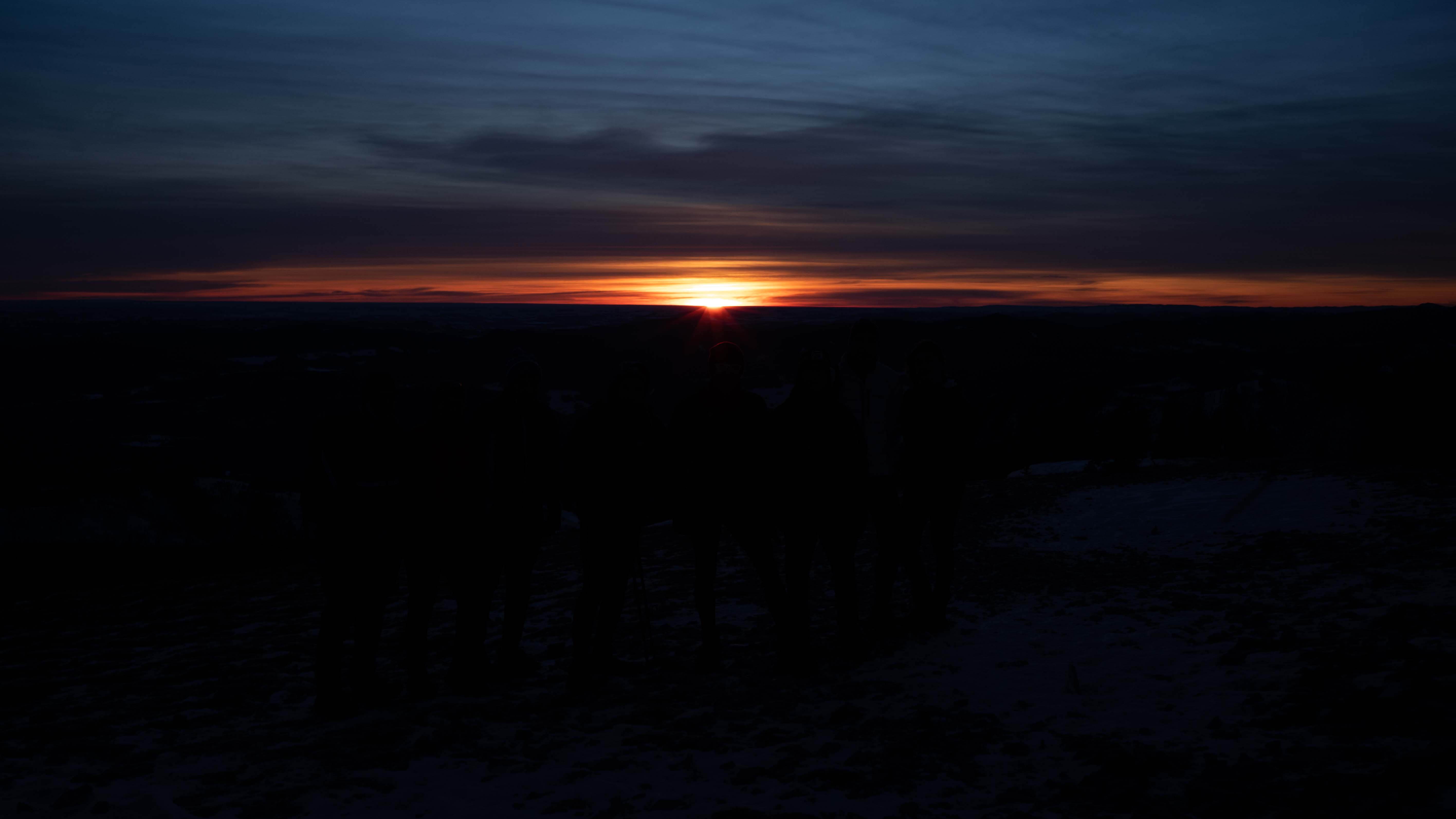
Given the challenges I mentioned with manual camera settings, I thought it might be interesting to present a comparison of my pre- and post-editing for one of this year’s key PM shots. I suppose this is called making lemonade out of lemons.

Of course, everyone hopes for a good group picture at the summit. This year, we imposed on a solo hiker who reached the summit just ahead of us to do the honours. Now, my comment that “the settings should be fine” must be tempered with the reality that I didn’t actually look at these before handing over the camera. Yes, I was freezing, the wind was howling, and for all I know, he had never touched a manual camera before. I’m fully to blame for any technical shortcomings. That said, my heart sank when I saw the images straight out of the camera. However, with some comprehensive (and slightly desperate) work in Lightroom Classic, I managed to extract a passable image. You can compare the before and after image here:

A hardy group celebrates another Prairie summit!

At the risk of losing some readers, I’ll summarize the edits I made to this image in my attempt to rescue it. First, I increased the overall exposure significantly—a whopping 3.5 stops. I think the meter was fooled by the sun in the centre of the image. Then I dropped the sky by a stop, and raised the foreground by almost another stop. I raised the white balance to warm the image up slightly. I dropped the highlights, mostly around the sun, and raised the shadows. Then I increased the saturation, clarity and dehaze. That left me with a noisy image, which I tried to fix using the latest AI tools in Lightroom. In the end, I gave up, as all this did was create artifacts that were, to my eye, worse than the noise.

So, as long as no one looks too closely, this is a fair reminder of what it felt like to stand on the summit that morning. My homework for next year is to be better prepared.

Wrapping Up

With the start of a new year, one is often moved to contemplate things that truly have value and be thankful for people who are important in life. I’m very fortunate to be surrounded by like-minded people who value fitness and friendship. And we are all blessed to have special places like Kananaskis just a short drive from home. Thanks, Tim, for getting us out there and up there again.

The annual winter solstice hike was a great experience and a perfect end to the year. Oh yes, the post-hike coffee and baked goods at the Handle-bar Cafe in Bragg Creek were delicious. And well earned.

Until next time, be well, BE FAST—and Happy New Year to all!