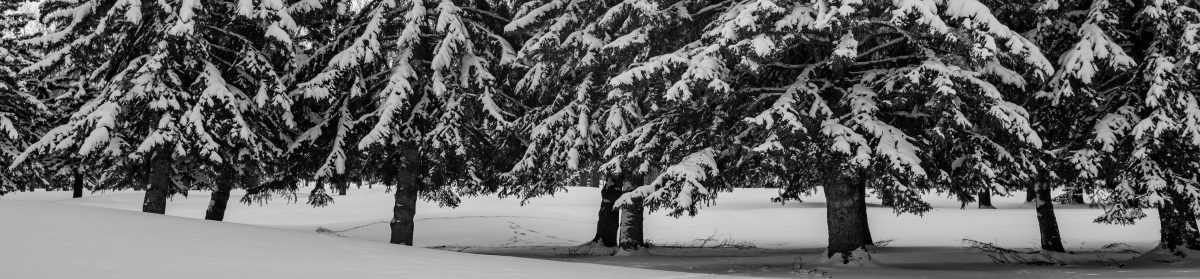
We’ve been spending time in North York lately, due to a family matter. For a Hamilton boy like me, the boroughs of Toronto have always been a mystery. Over the years, I have become familiar with a small area of North York, near the intersection of Keele Street and Lawrence Avenue. Our most recent visit yielded some memorable experiences, resulting in this piece.
A brief history of North York
What we now know as North York was the northern part of York Township—the city of Toronto (originally York) formed the southern part. In 1922, the mainly rural population voted to separate from Toronto. Apparently, there was resentment about the lack of services provided by the city in relation to the taxes being paid.
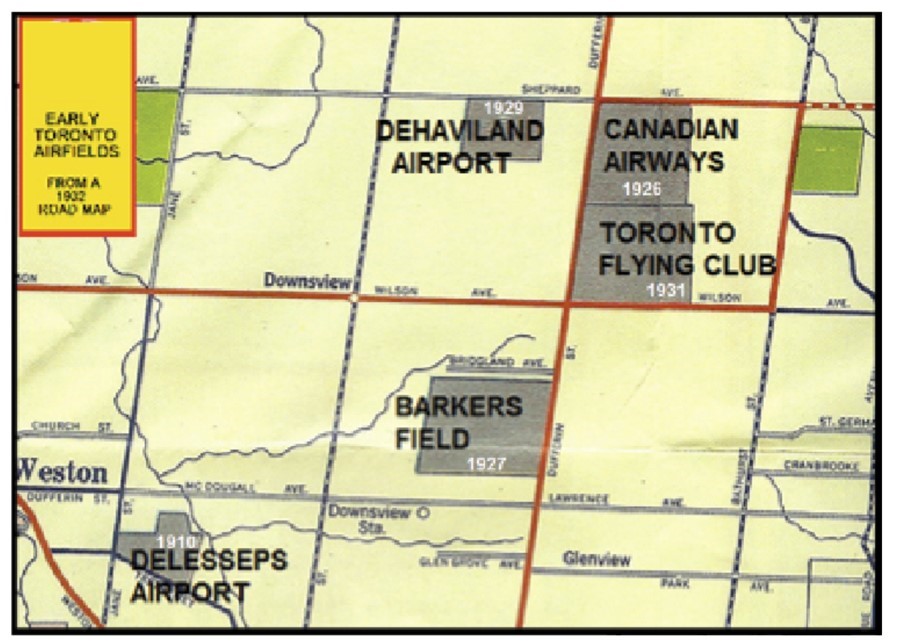
North York has had a long connection to Canada’s aviation industry. This made sense because Downsview was the highest point of land between the Don and Humber Rivers. The Downsview Airport opened as a general airfield in 1929. Early maps (like this one from The Downsview Advocate) show several airfields and aviation facilities.
Downsview was located next to a de Havilland Canada aircraft manufacturing plant, which used the airfield as a test site. It became a Royal Canadian Air Force station in the Second World War. In 1947, the Department of National Defence bought surrounding land to expand the airfield into a RCAF base. Then, in 1953, the RCAF established its storage and repair facilities for Eastern Canada at Downsview. The runways were lengthened to accommodate all types and sizes of aircraft.
Urban development in North York was minimal until after the war. A housing boom in the 1950s and 1960s brought residents into close contact with activities at Downsview. North York grew rapidly—it was incorporated as a borough in 1967, then as a city in 1979, and was amalgamated into Toronto in 1998.
Urban growth was the beginning of the end for the airport. When the Government of Canada announced the closure of Canadian Forces Base Toronto in 1995, the site transitioned into two distinct parcels: Downsview Park and Downsview Lands. Both parcels are overseen by the Canada Lands Company. Downsview Park is a large green space—more on that below.
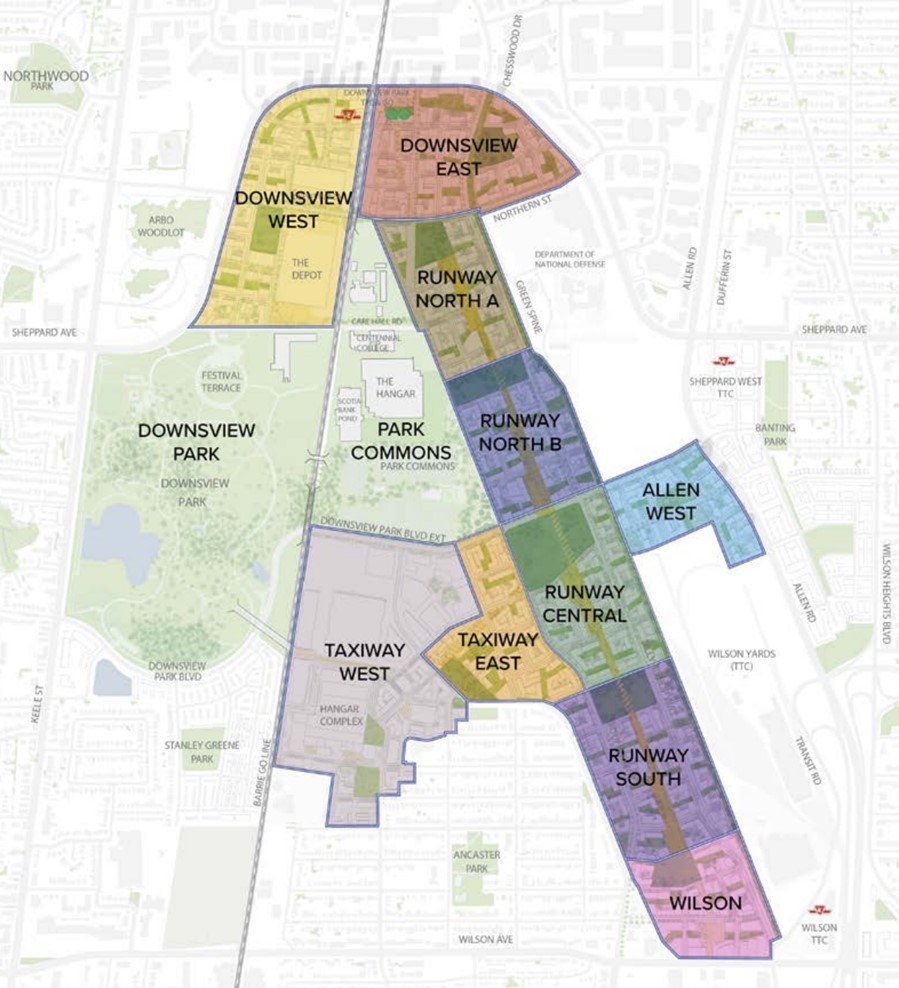
The airport sits on the Downsview Lands. It was closed in March 2024. Now, a major urban redevelopment project, “YZD”, is underway for the site. Valued at $22 billion, the project is unique in that it will repurpose facilities at the airfield (the hangars and the mile-long runway) into a new community for 55,000 residents. This project plan (the id8 Framework Plan) shows the park and the future residential areas.
Downsview parkrun, solo edition
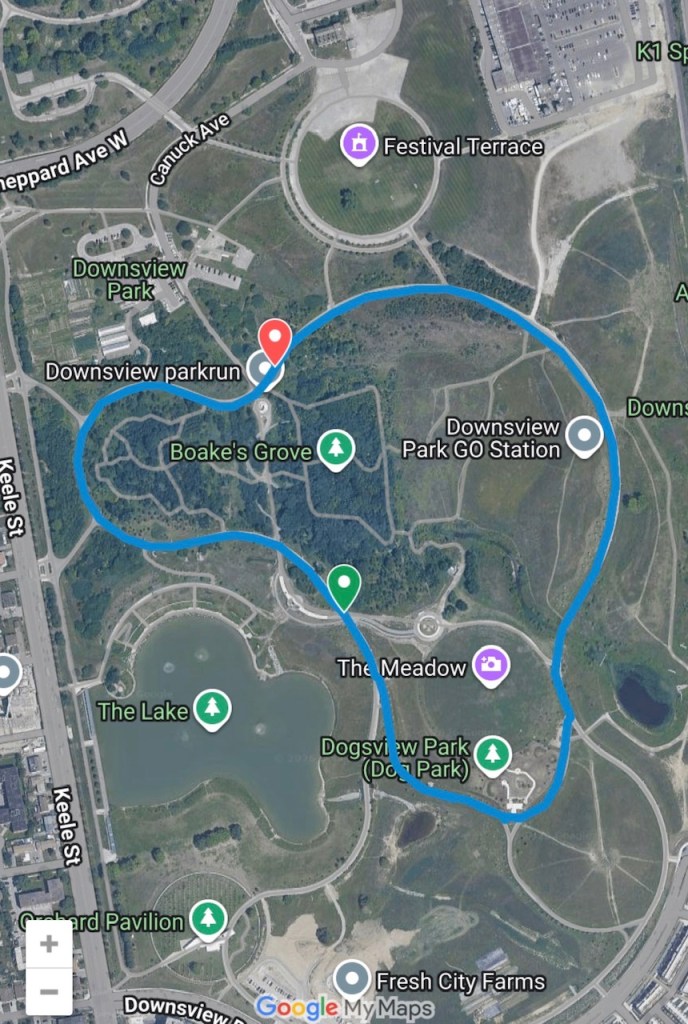
Our location was just south of the busy Highway 401. Downsview Park is about the same distance from the highway on the north side. That meant we were fairly close to the Downsview parkrun.
Like all parkruns, Downsview is a stress-free running event, held every Saturday morning. Well, almost every Saturday morning.
I pitched the idea of arranging our daily outing around the parkrun, and Deb was up for it. We figured we could take an Uber to the start, see the park, and then walk back to the house. Unfortunately, Mother Nature had other plans. Toronto was in the grip of a cold snap so severe that the organizers cancelled the run, out of concern for the volunteers.
Our enthusiasm was only slightly dented by this news, because we had set our minds on seeing the park. So we went ahead with our plan. I did an easy jog, two laps of the park on the well-marked trail, while Deb walked. It was a beautiful, sunny morning. The park is a treasure. It was a good thing we had bundled up, because it was cold. A good excuse to keep moving.
I took a few pictures with my iPhone 14, which is never quite as convenient as my Ricoh GR III—especially since I had to take my gloves off each time!
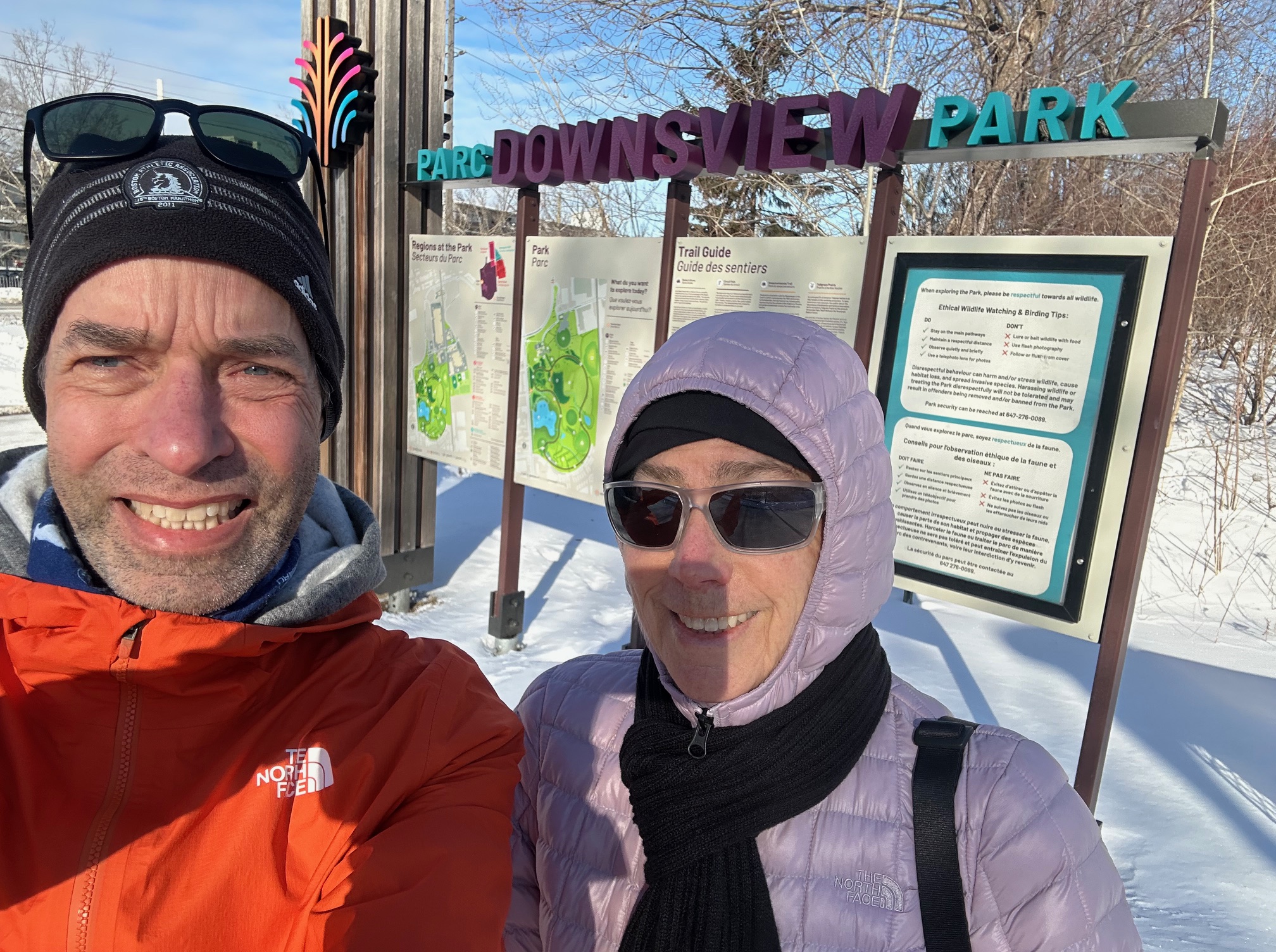
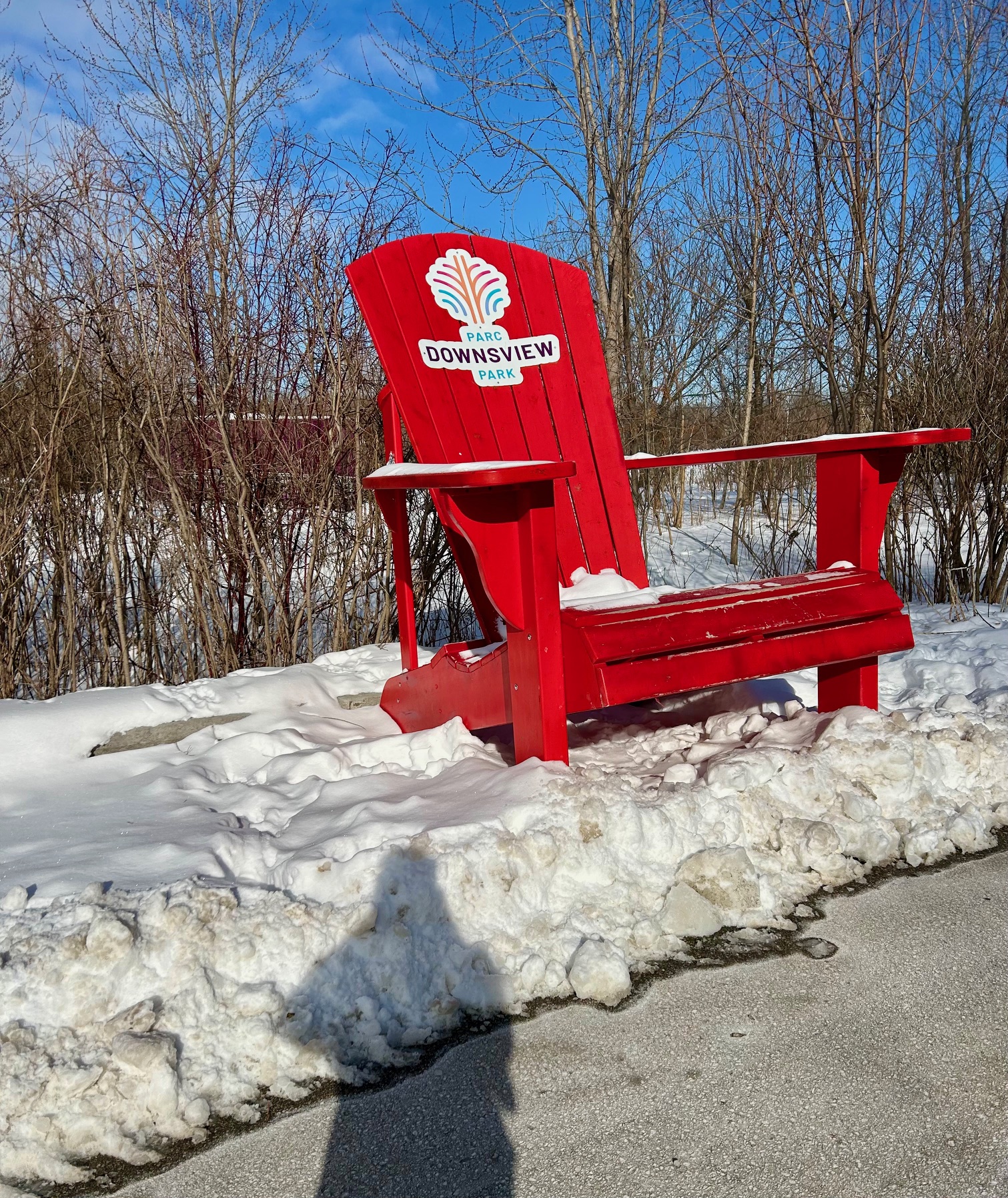
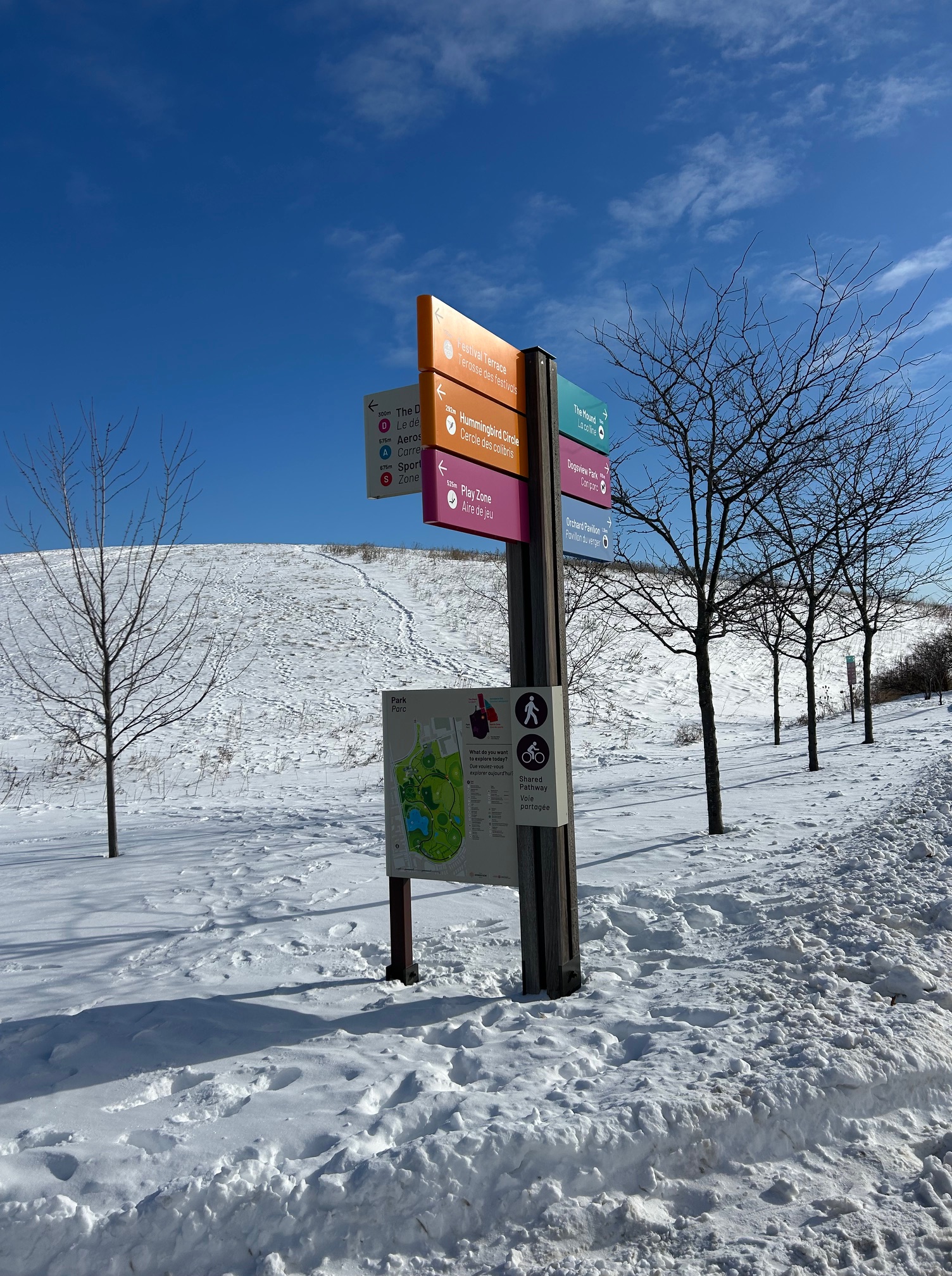
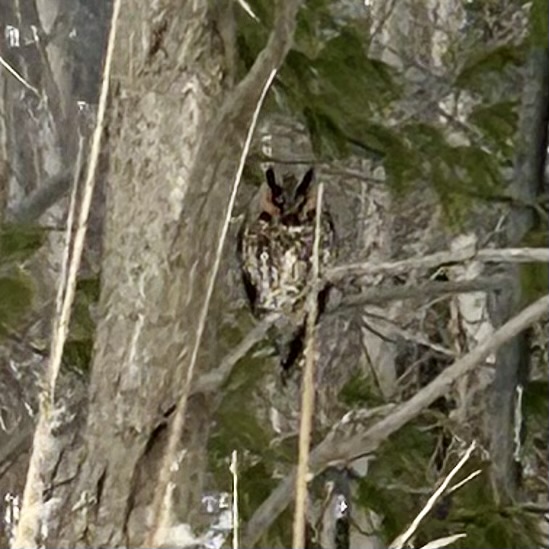
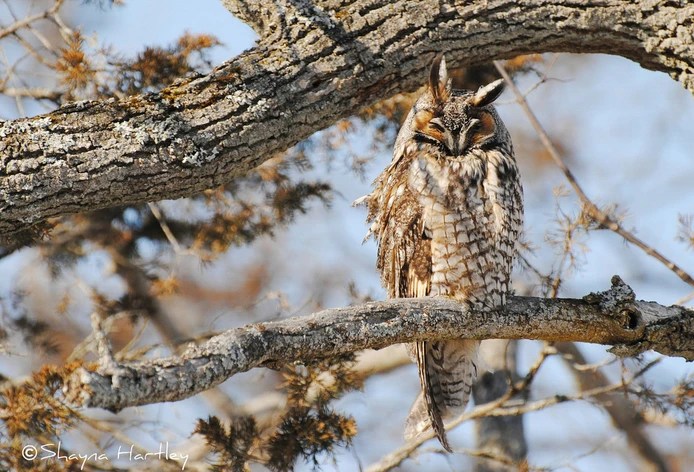
A highlight of my run was a meeting with a group of birdwatchers. I had to admire the dedication of these hardy folks. It’s one thing to be running at -20 Celsius and quite another to be standing knee-deep in snow. I was curious what they were looking at, so I stopped and said hello. They pointed out a long-eared owl, perched in a tree about 50 feet away. Once more, I took my gloves off and tried to snap a picture. It was not a resounding success. The shot on the left is mine. The one on the right, from the Audubon Society, shows what the bird actually looks like.
Record snowfalls—a personal history
The cold and wind that led to the cancellation of the parkrun were just a taste of what was to come. On Sunday, Toronto experienced the largest single-day snowfall in its history. The official figure was 46 cm of snow. We had work to do in the house, so I was content to stay inside while the storm raged. Deb was more adventurous, and she gamely did some shovelling around the house.
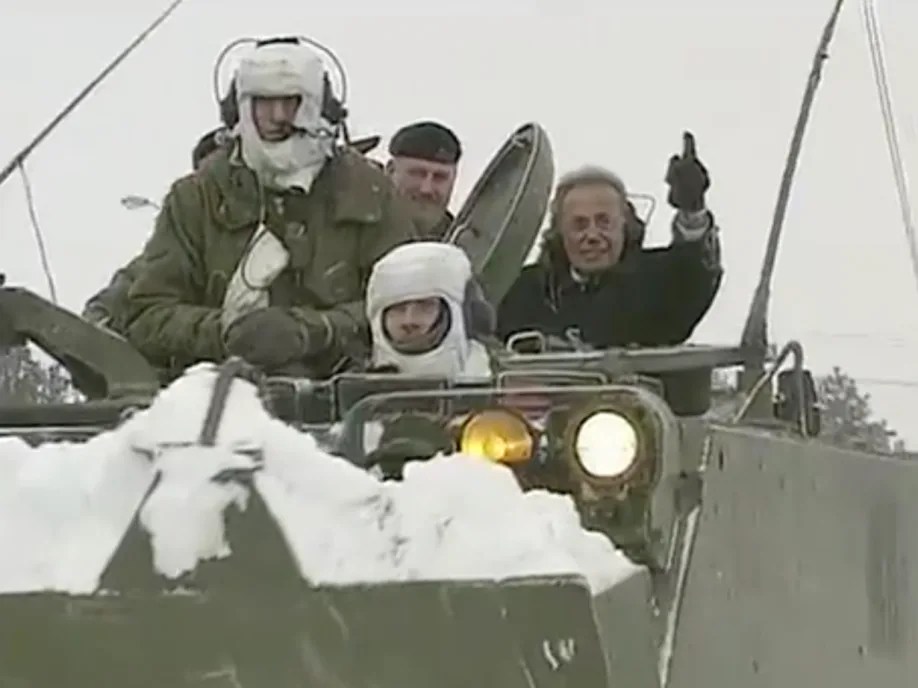
The talk about record snowfalls reminded me that, by coincidence, I had been in Toronto many years earlier for another historic winter event. There was some notoriety around that day in January 1999 when Toronto’s mayor, Mel Lastman, called in the military to help dig out the city. He was ridiculed because, you know, this is Canada. We can deal with snow. (Photo: The Weather Network)
My connection to the 1999 snowfall was professional in nature. I was in town for a business meeting, and I was staying at the luxurious Royal York Hotel. The city shut down, and I was trapped. Oh, the hardship! Mind you, the hotel’s kitchen and bars remained fully operational, so it wasn’t all bad. In fact, since the streets were abandoned, I got to my meeting 30 minutes early.
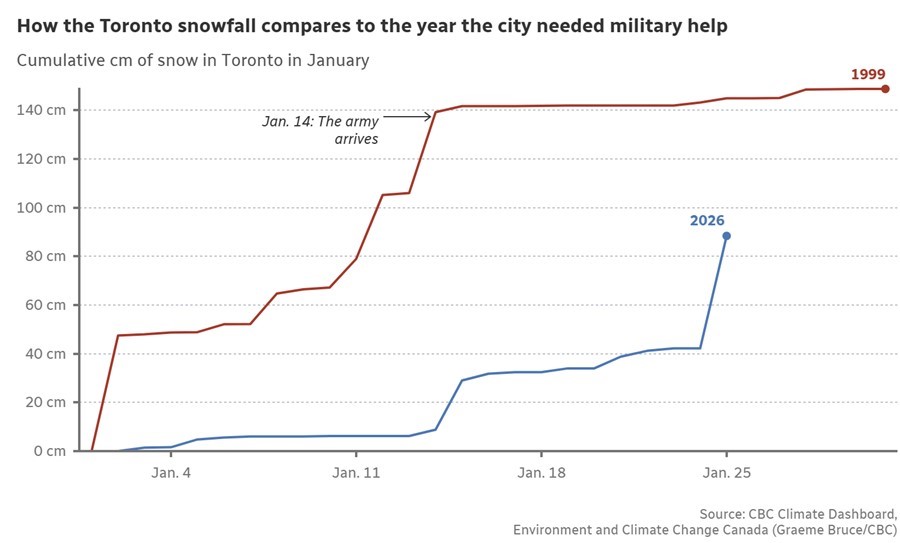
Apparently, I’m not the only one who was curious about how these two events (1999 and 2026) compare. Check out this chart from a CBC article. It turns out 1999 was worse than 2026, only because of the accumulation of snow that occurred in the days leading up to the big event. In retrospect, maybe we can cut Mayor Mel some slack after all!
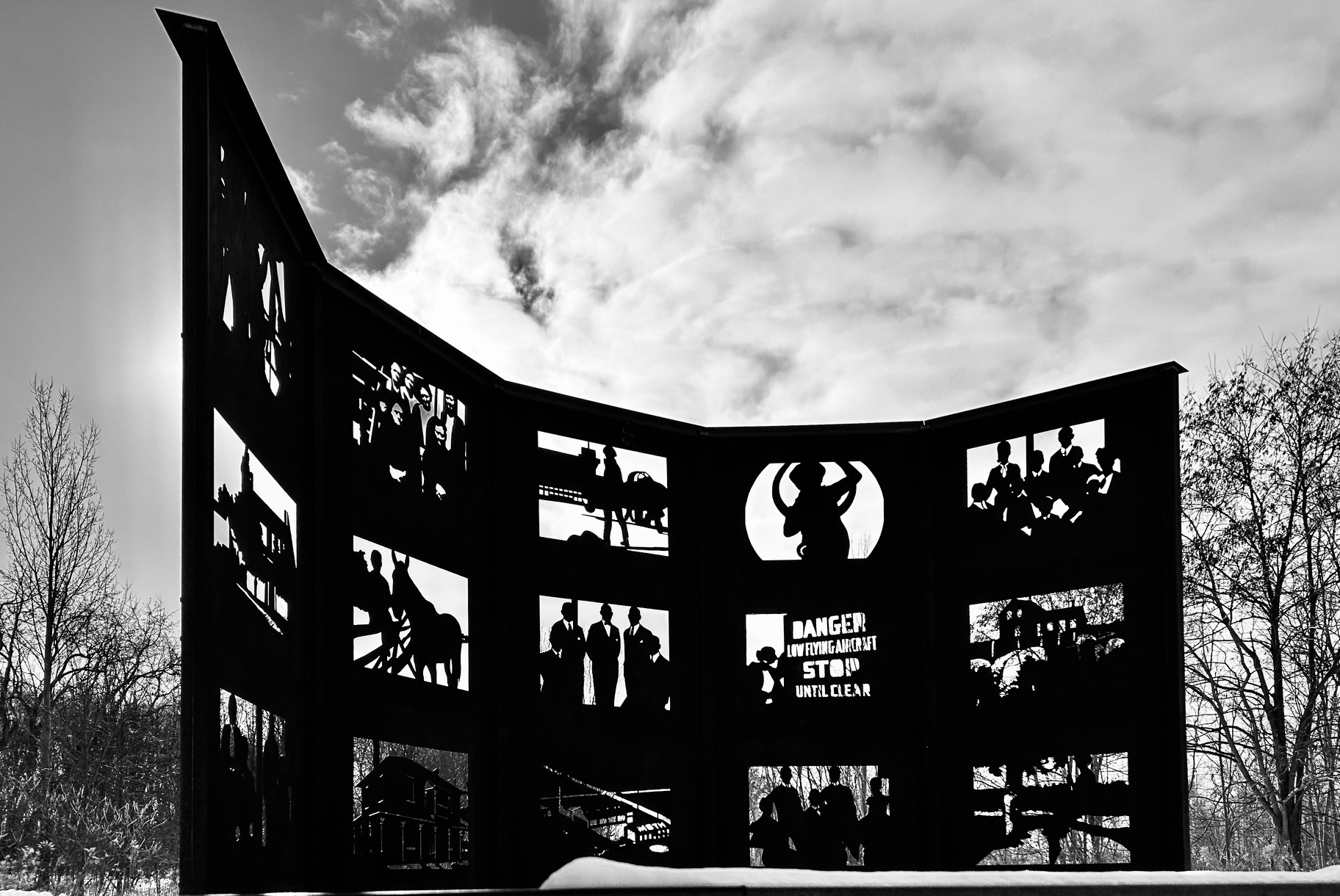
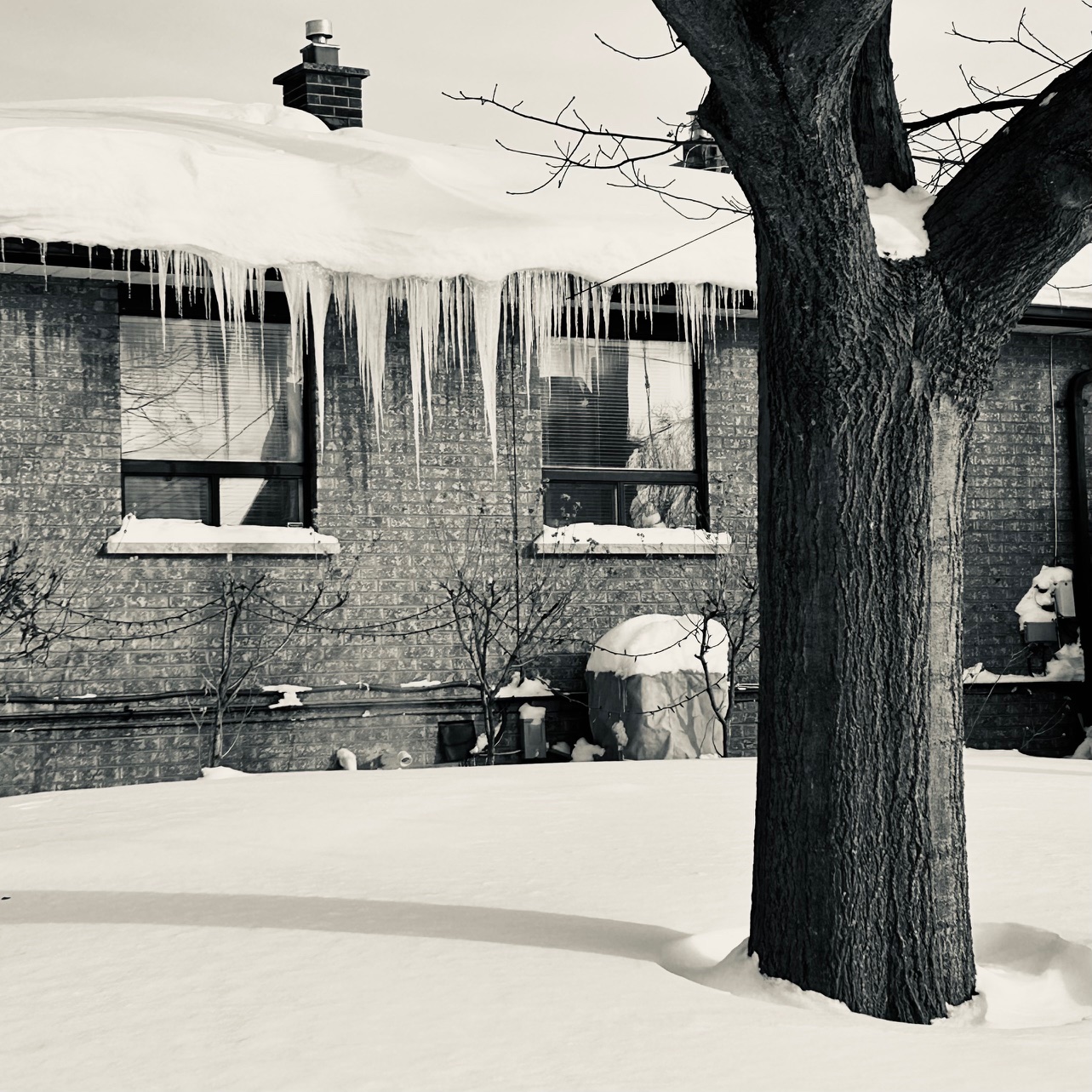
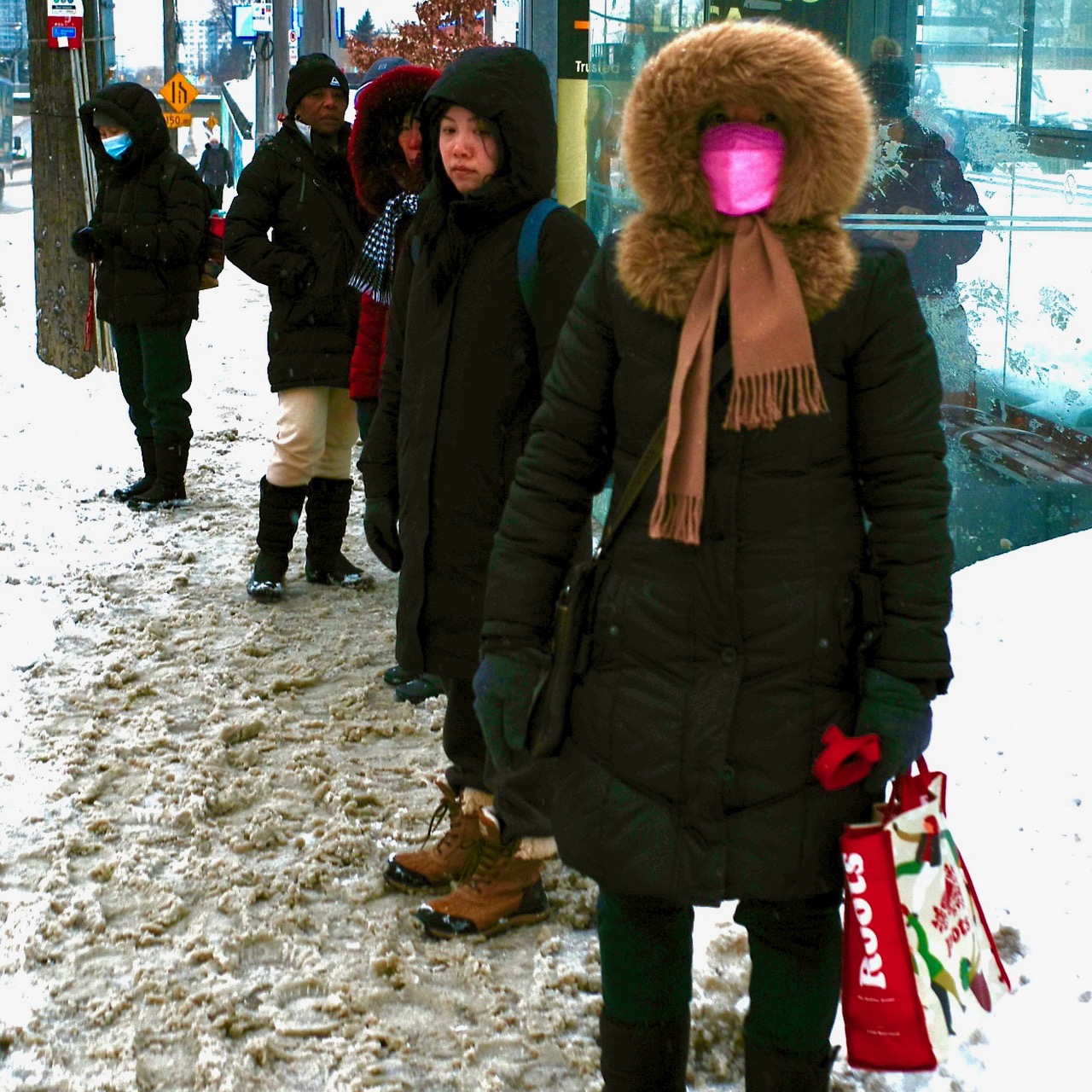
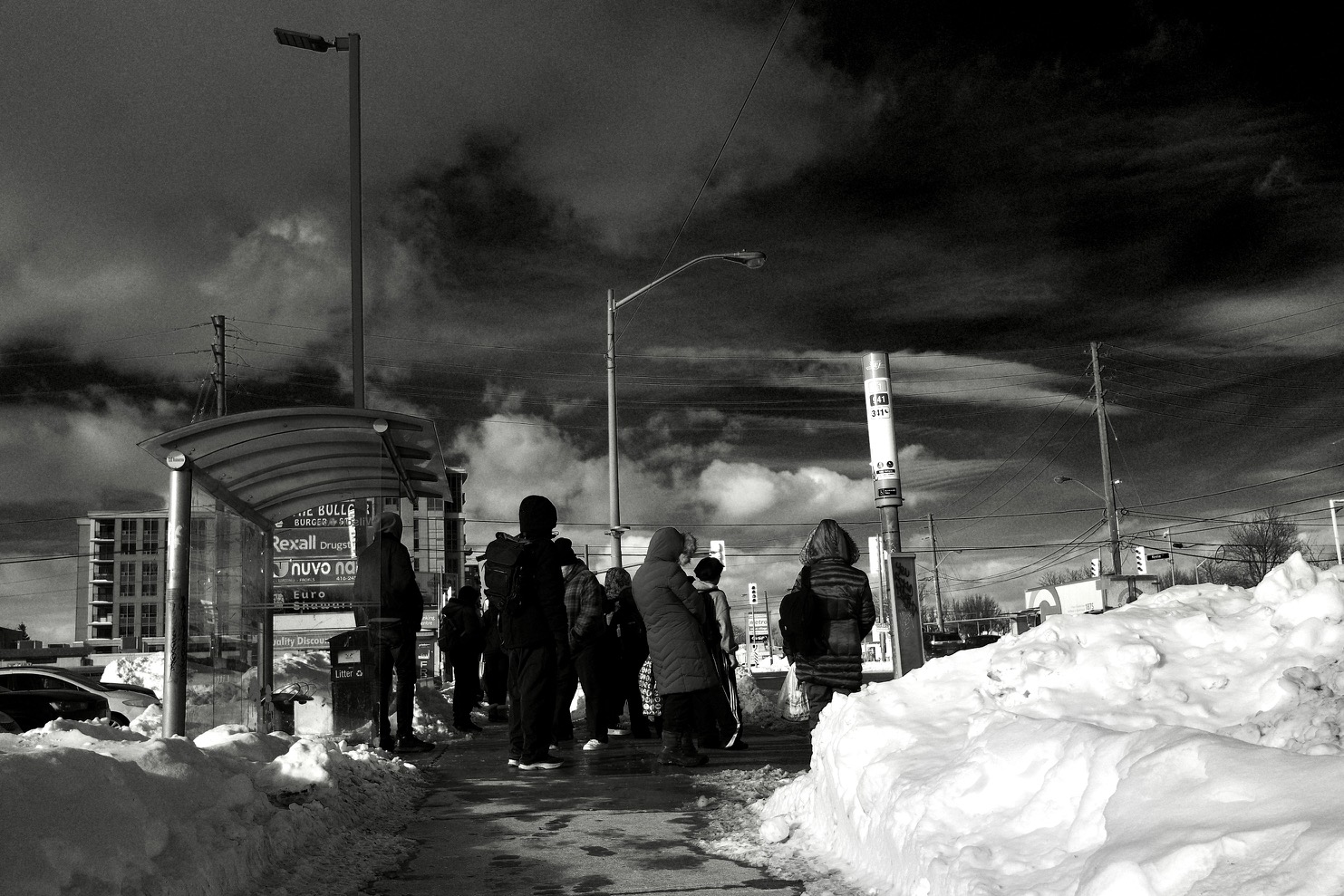
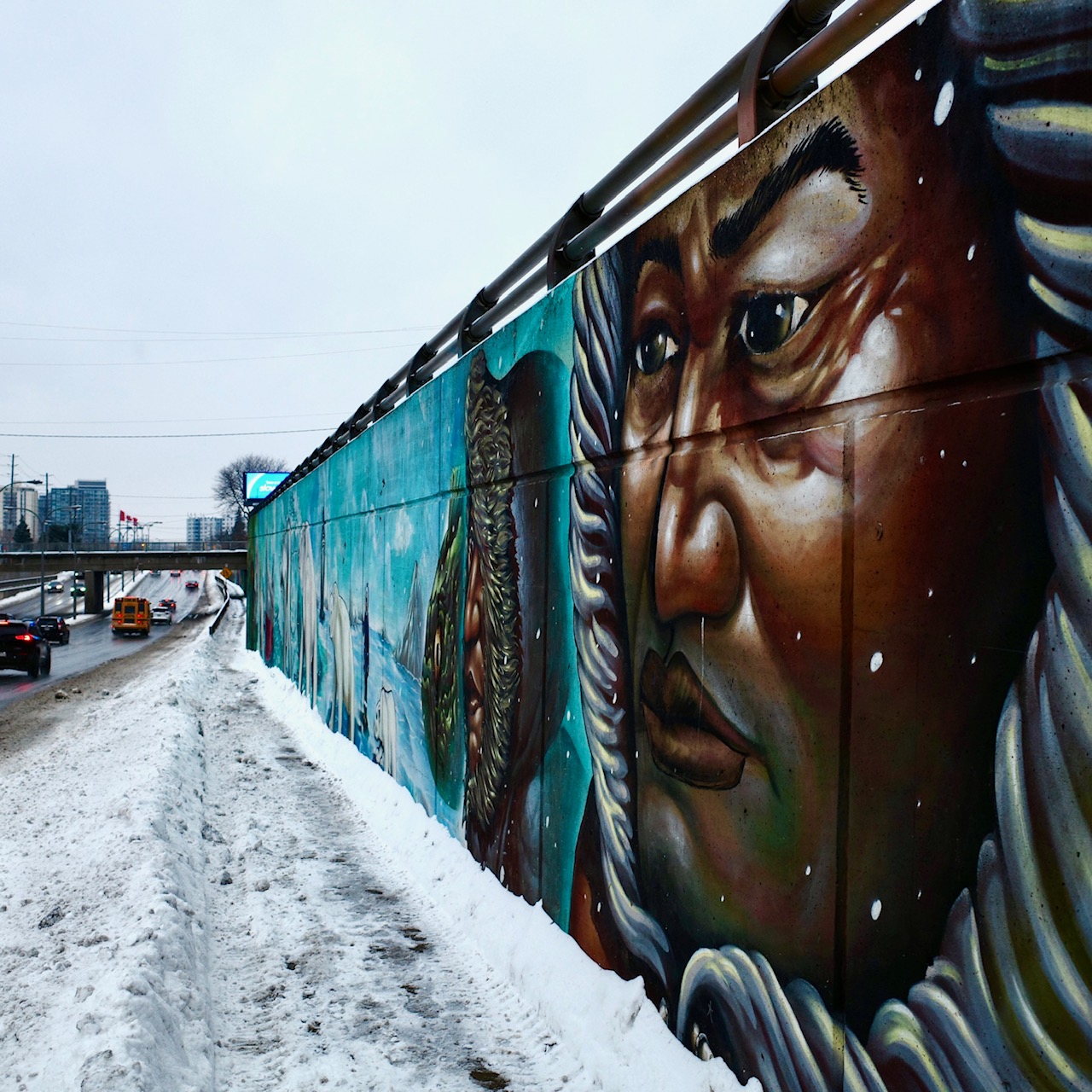
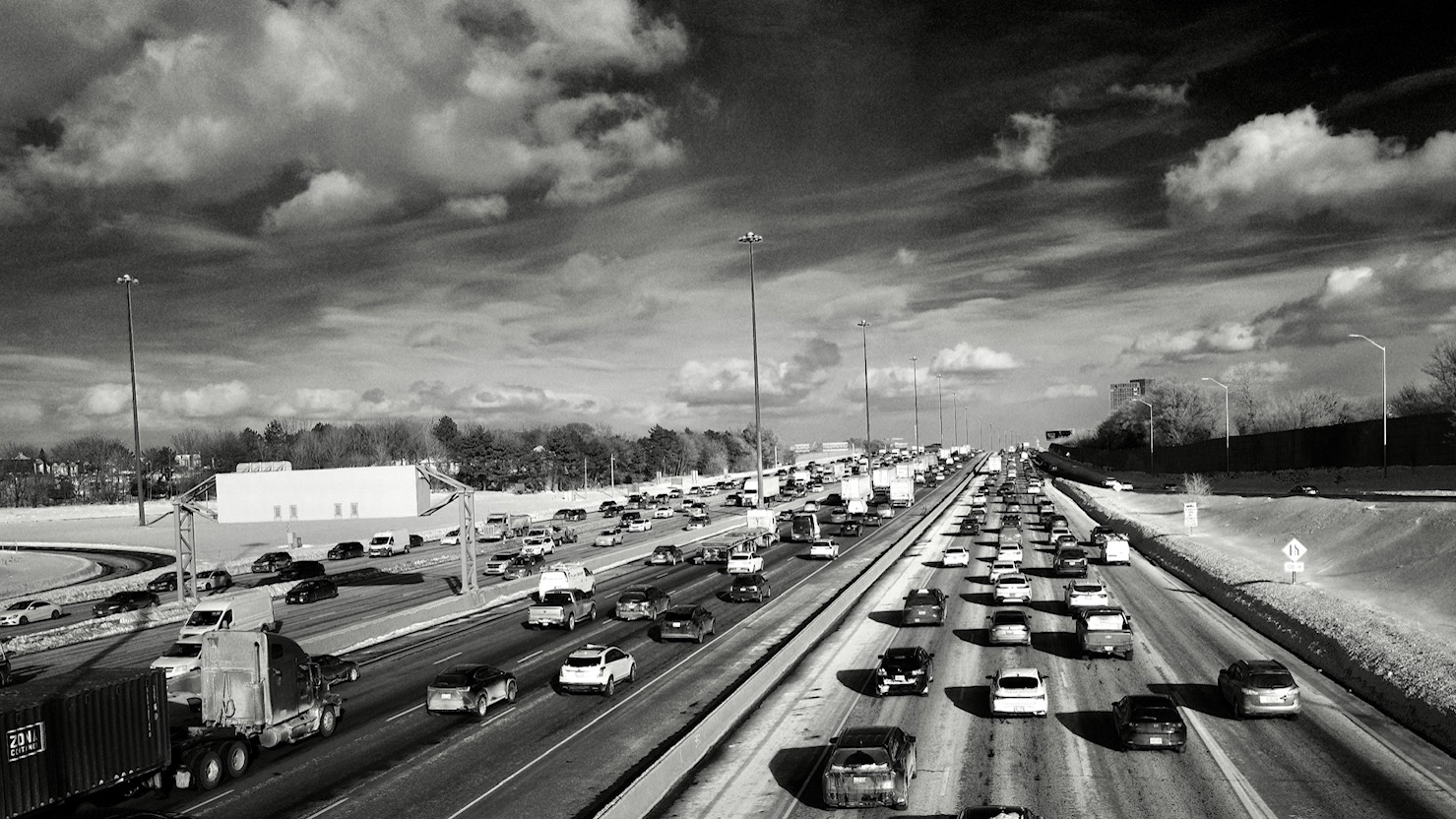
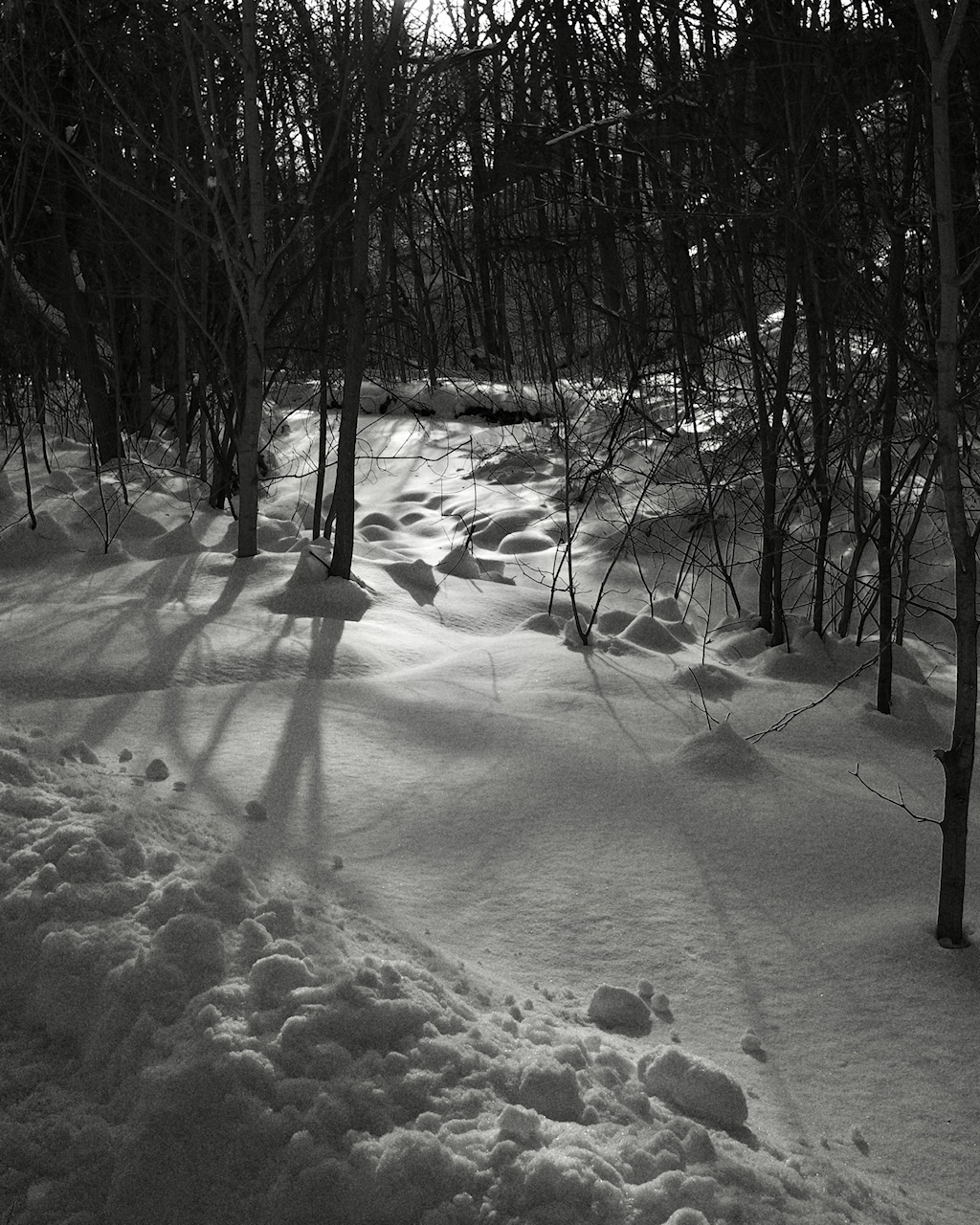
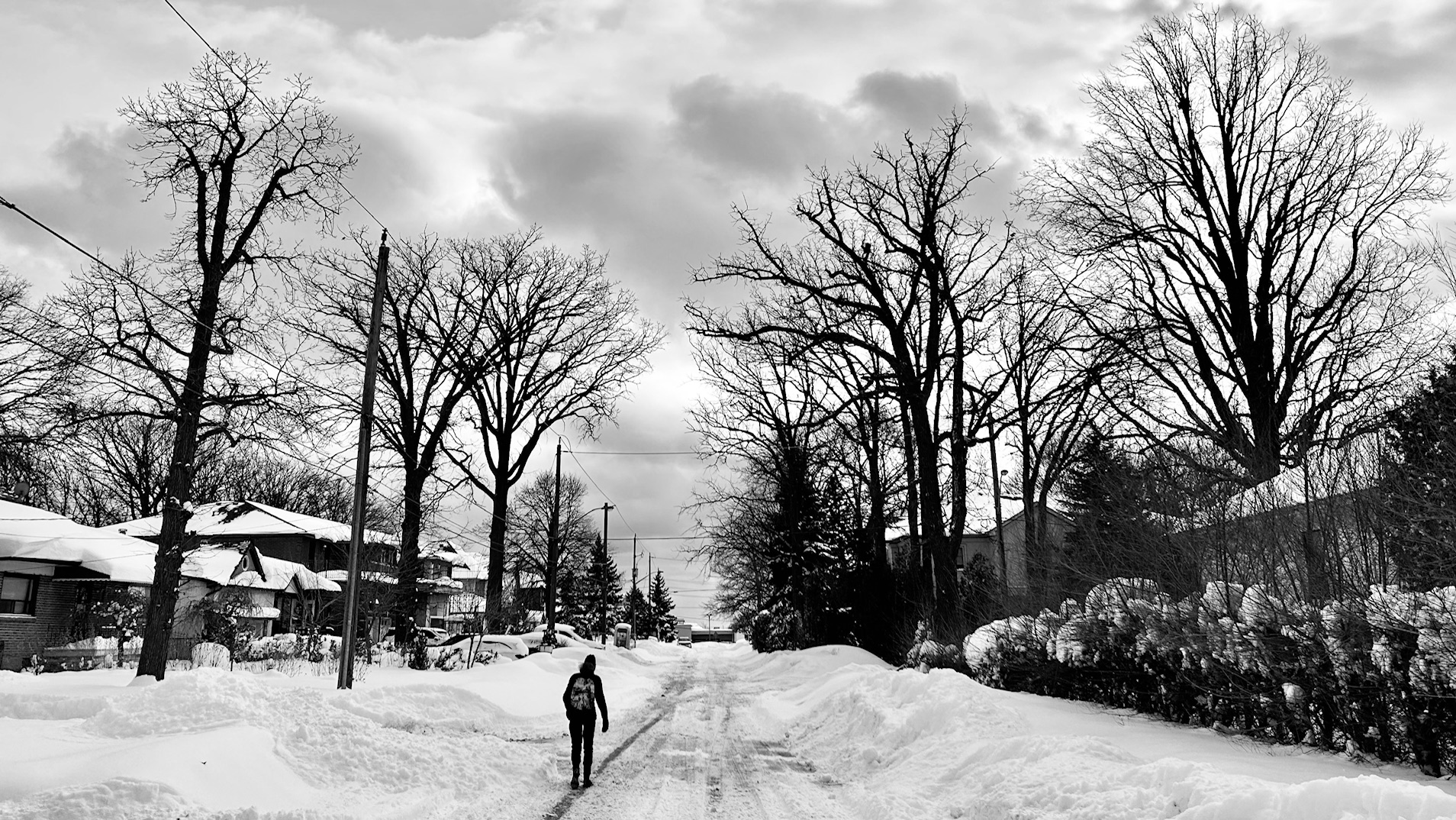
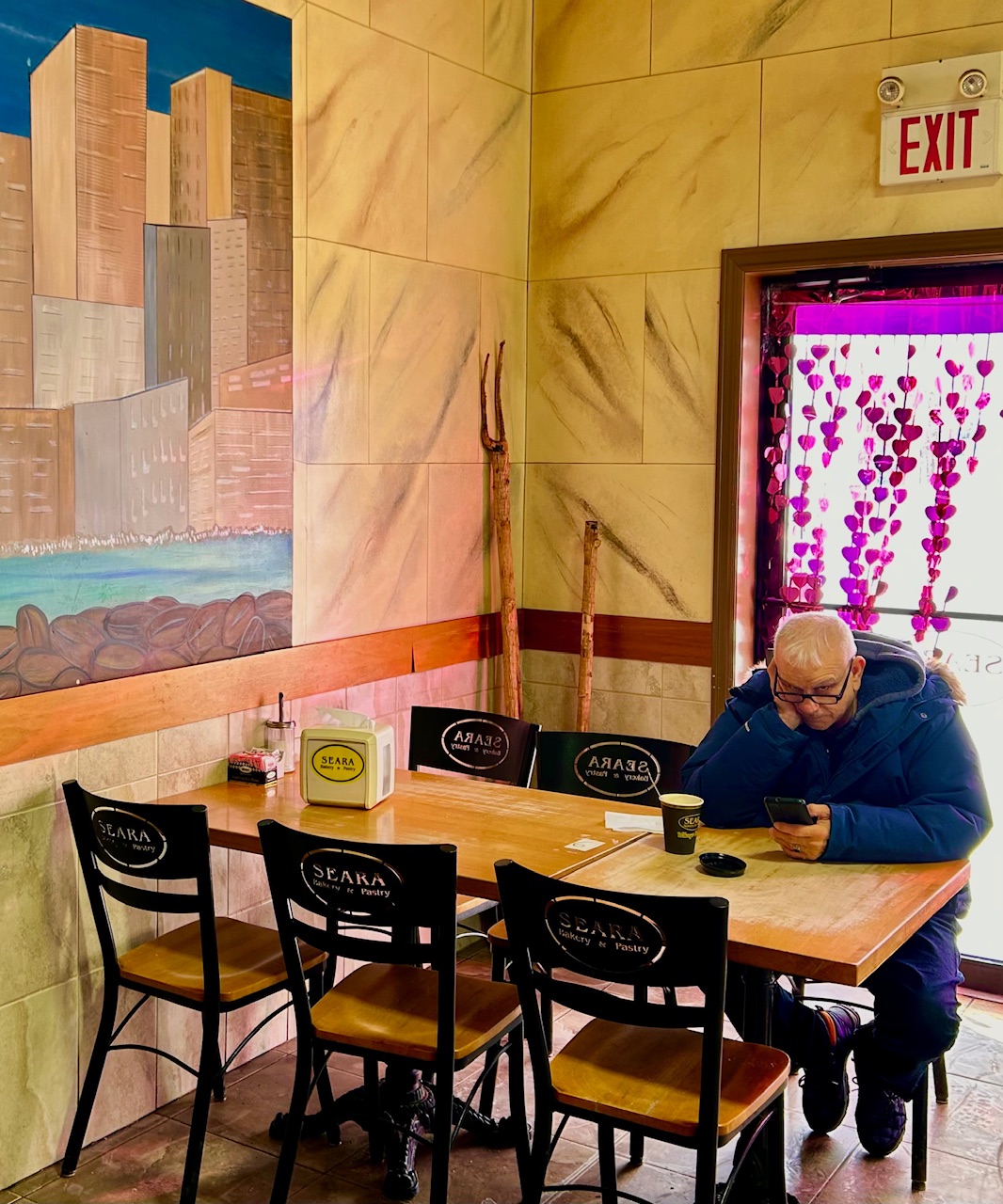
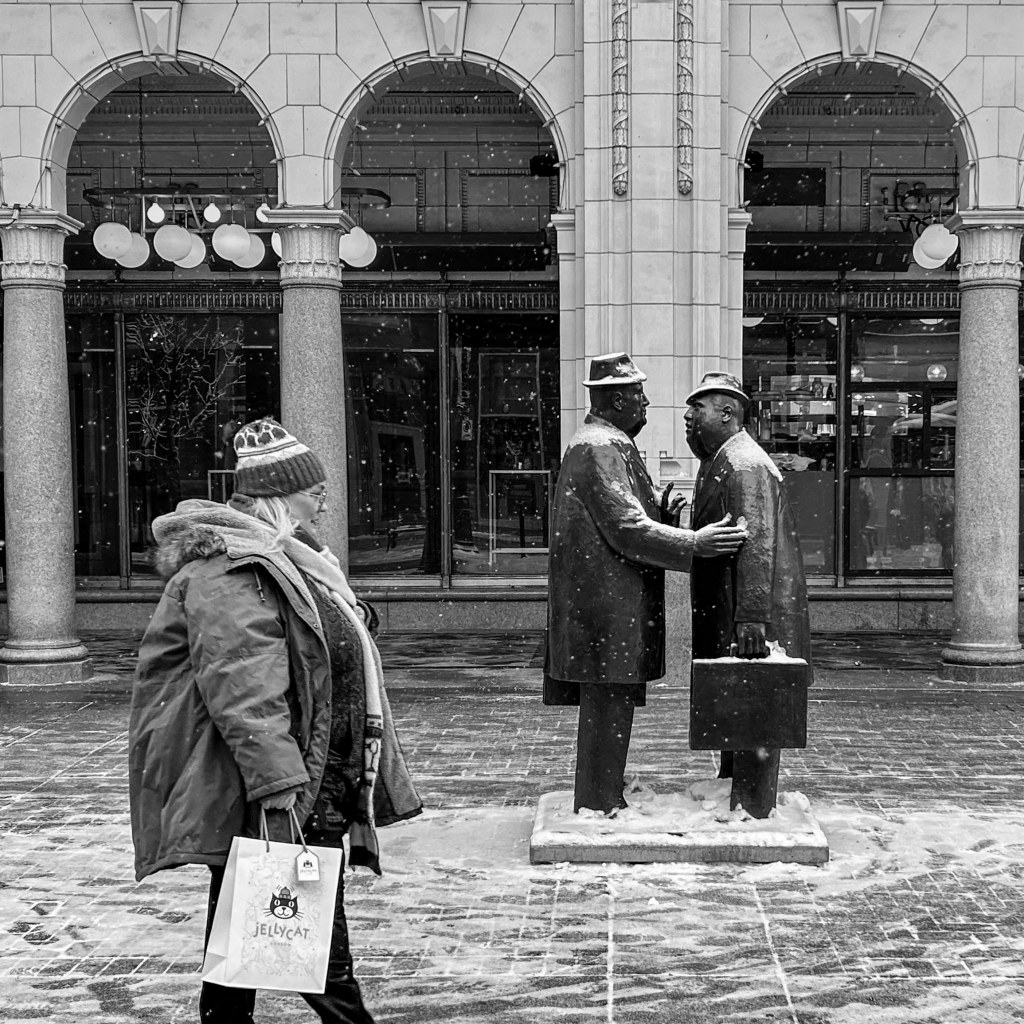
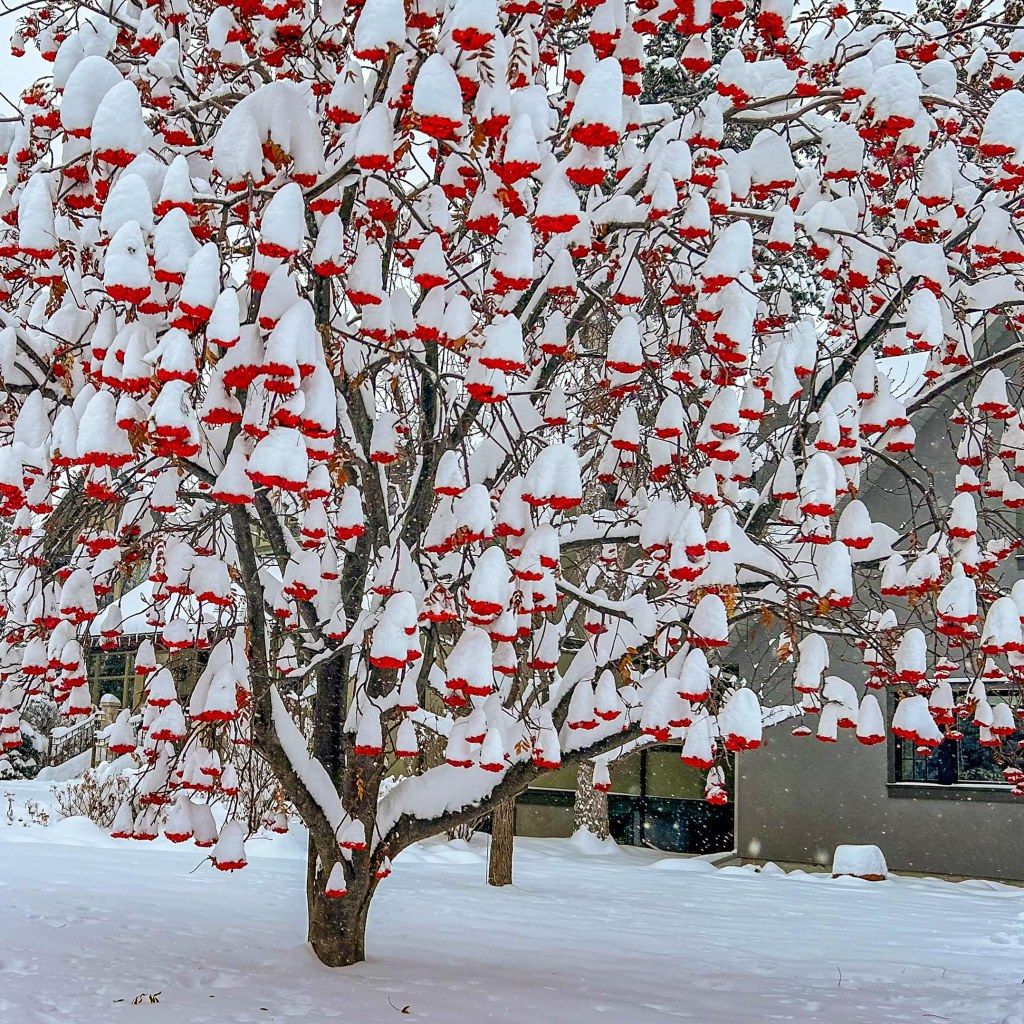
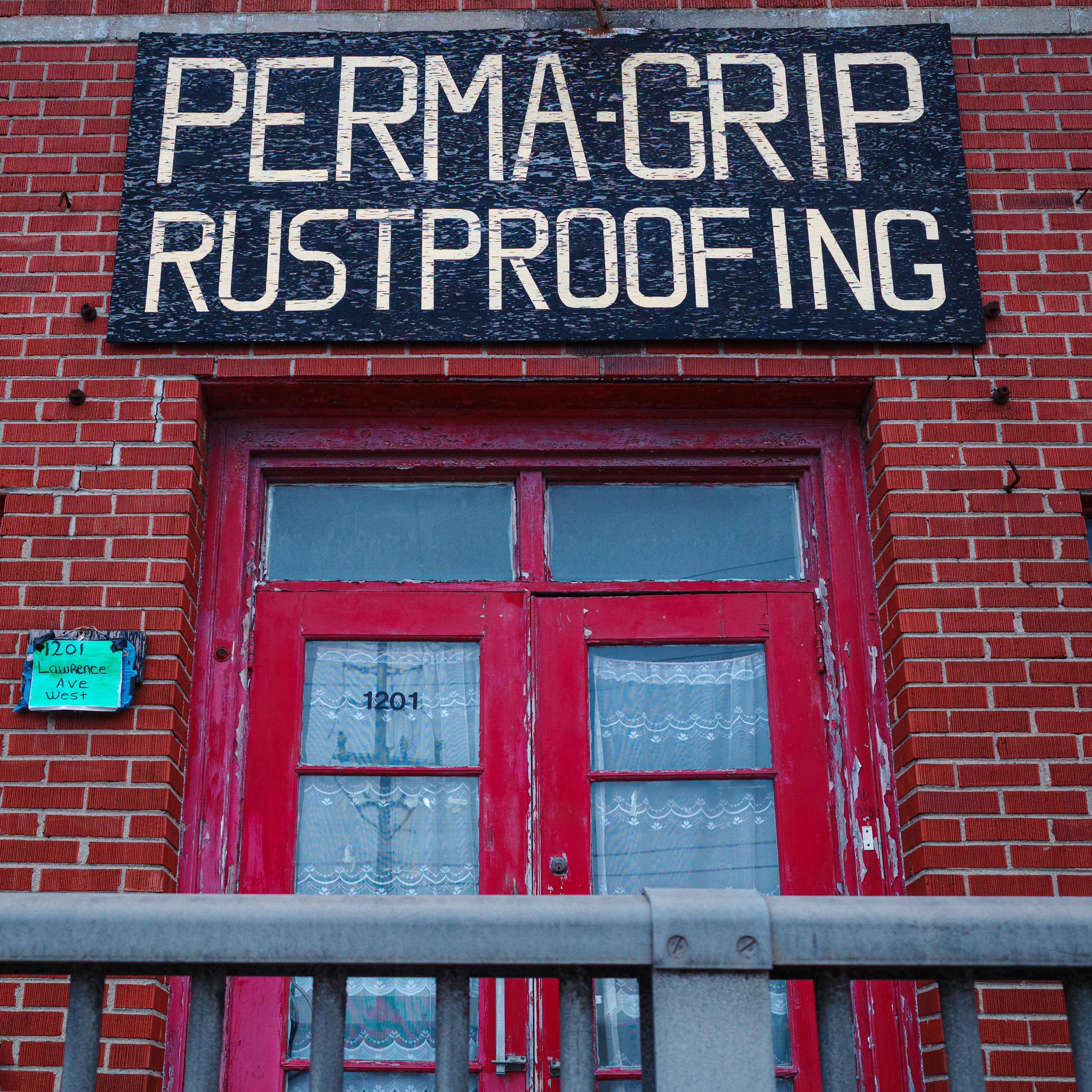
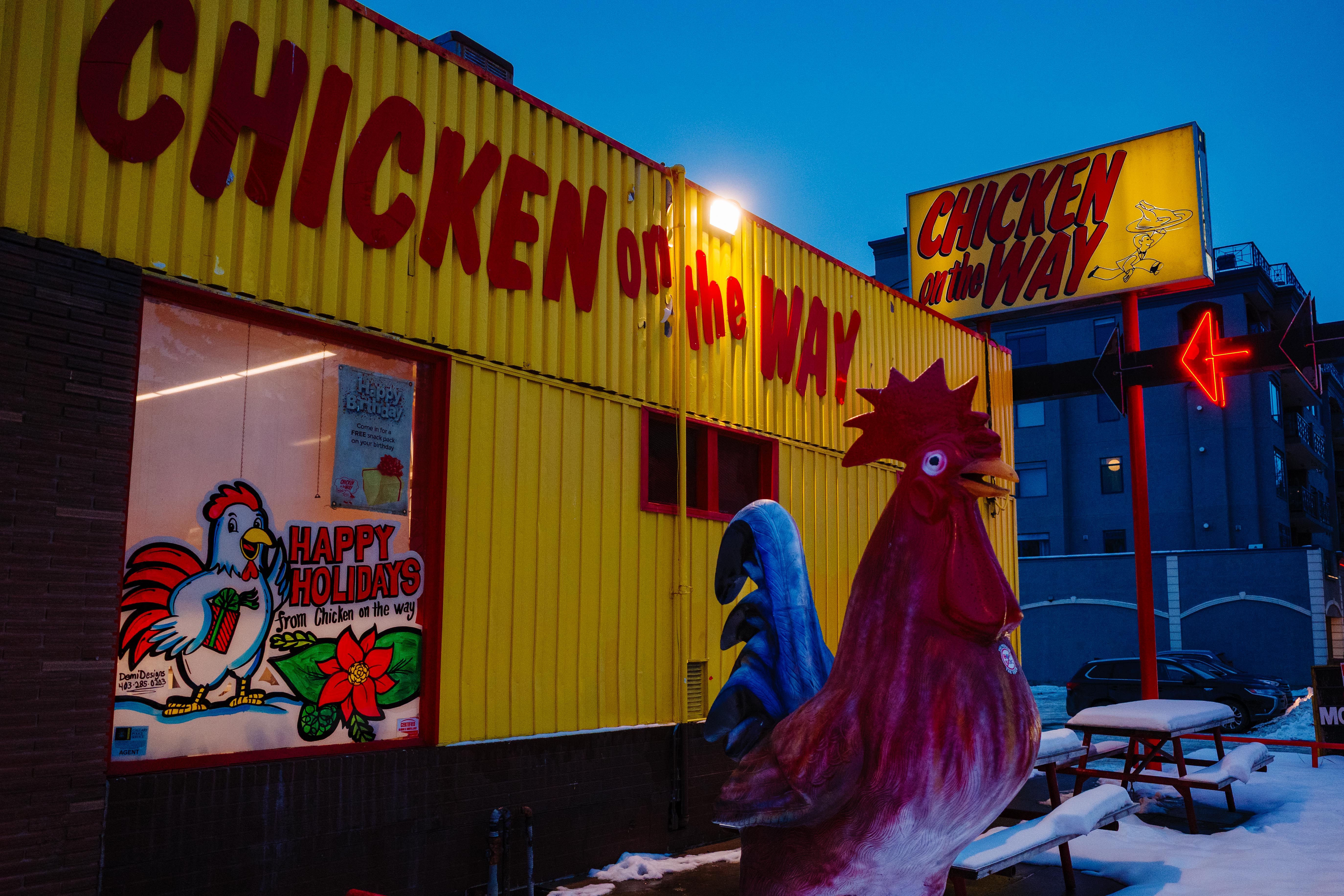
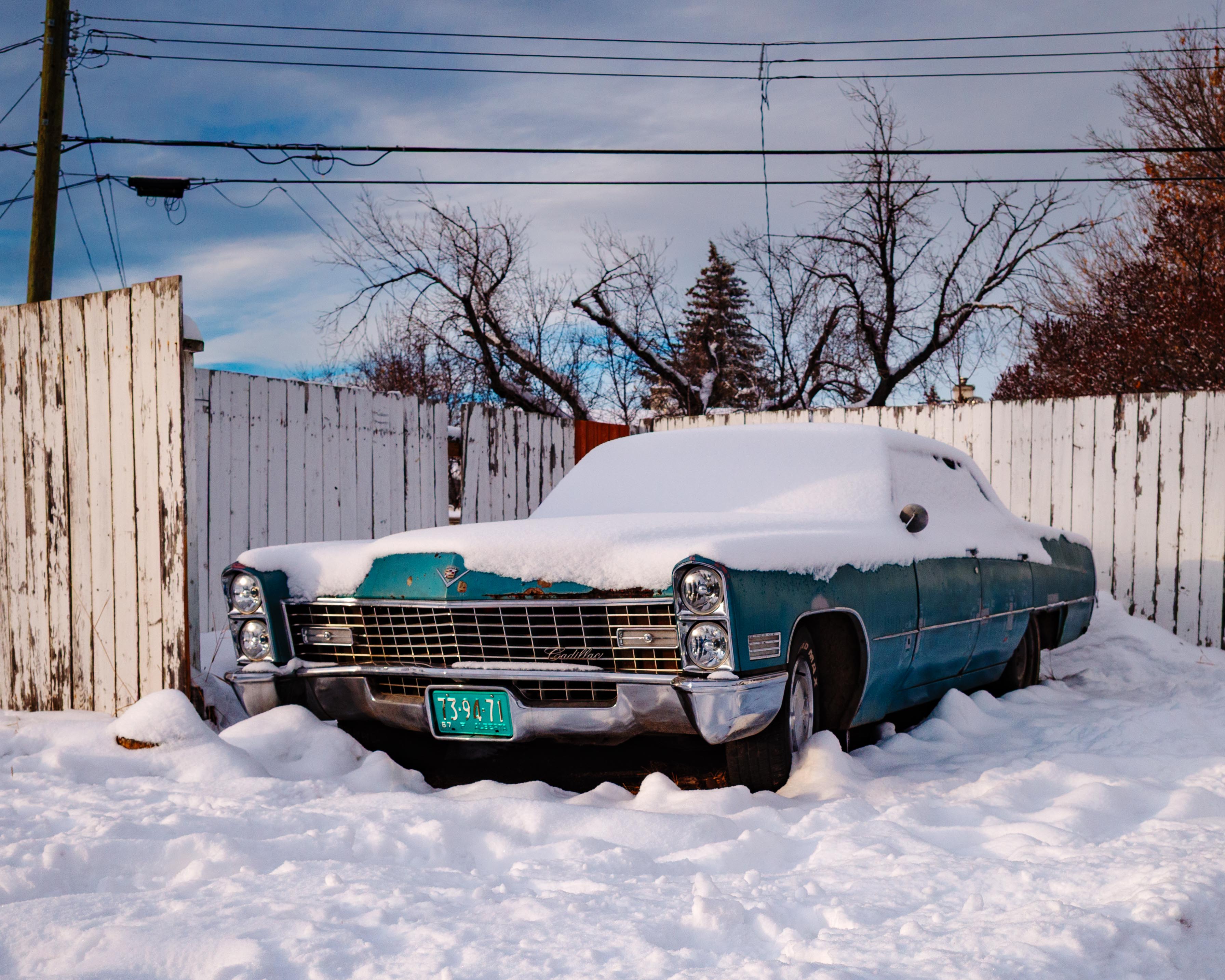
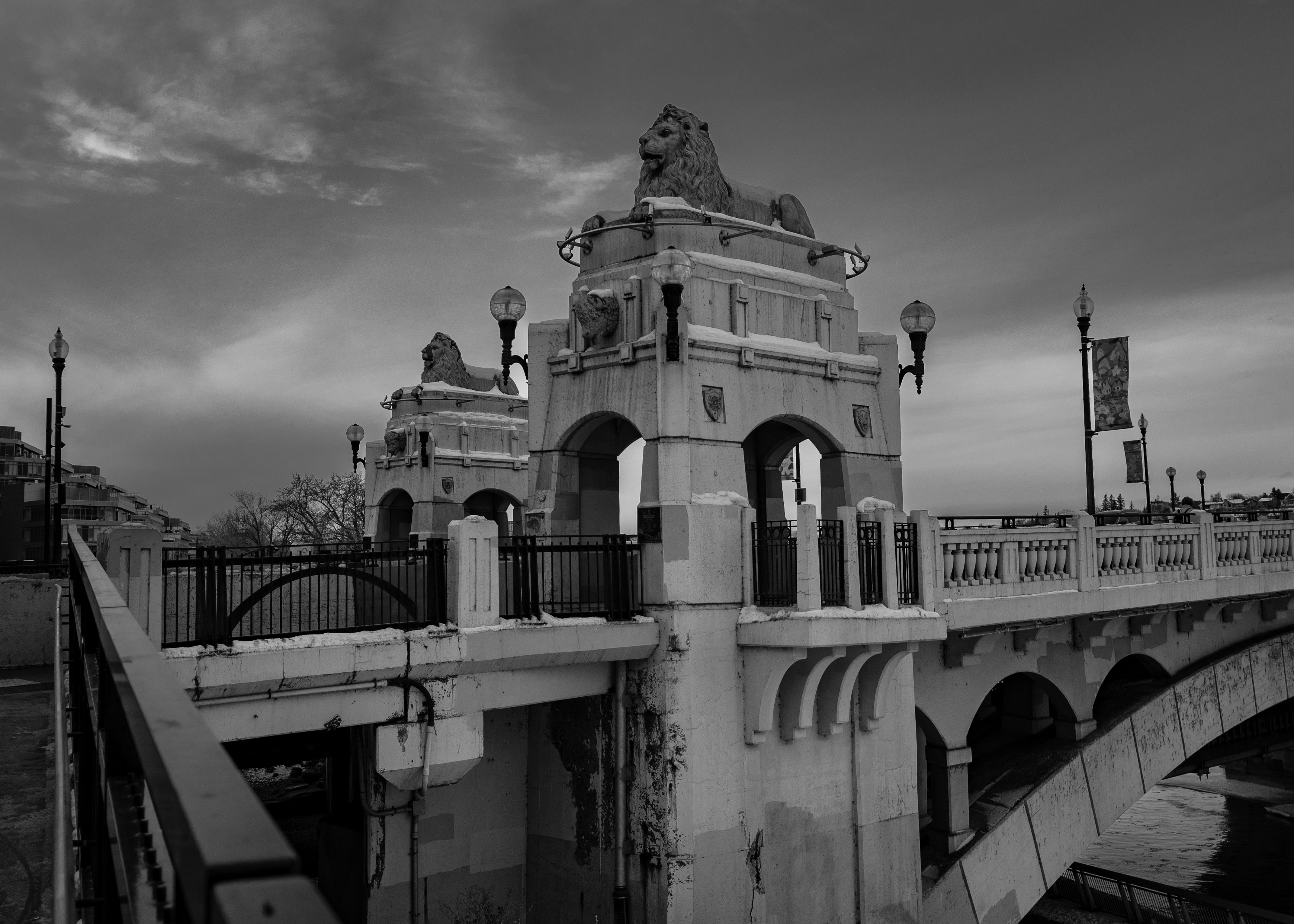
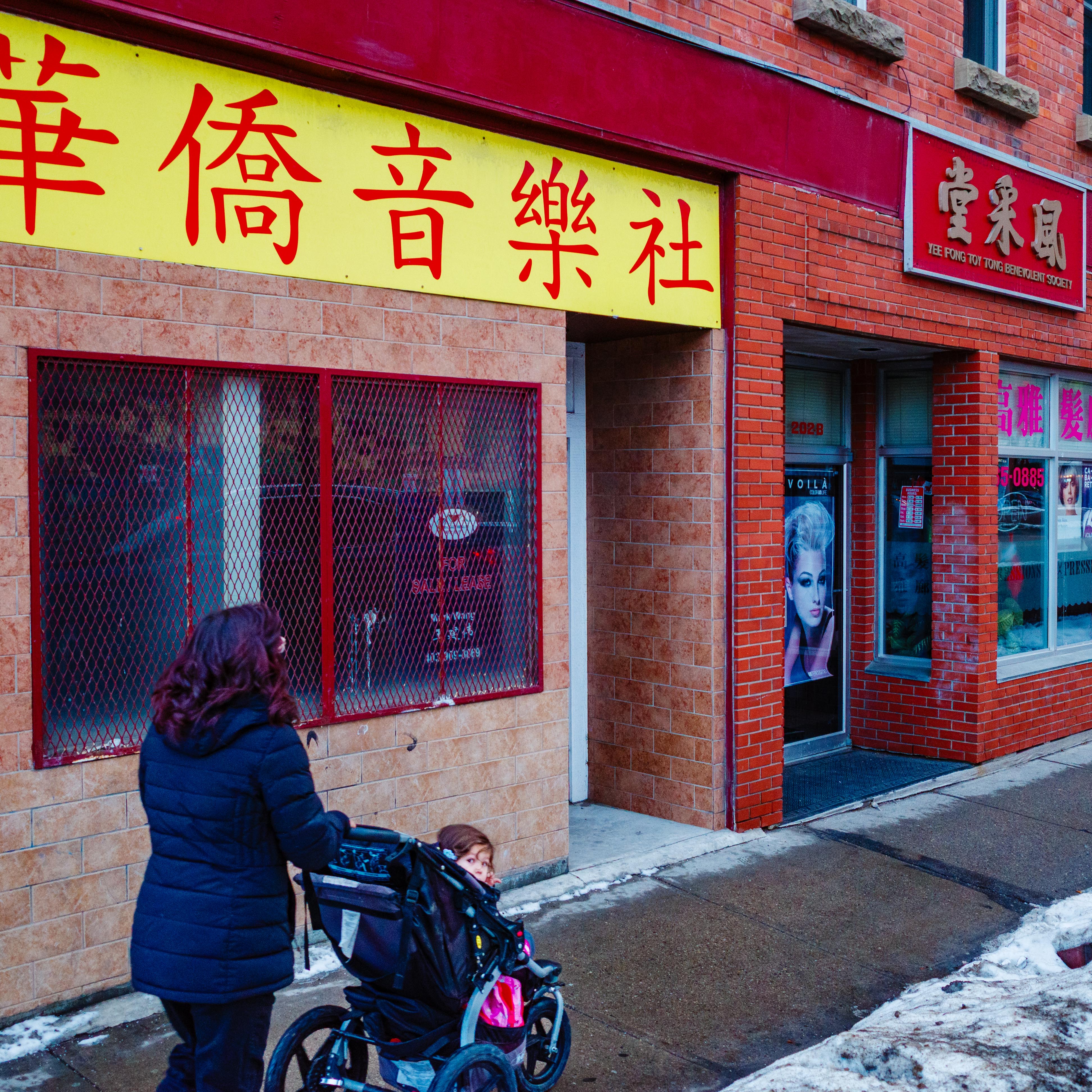
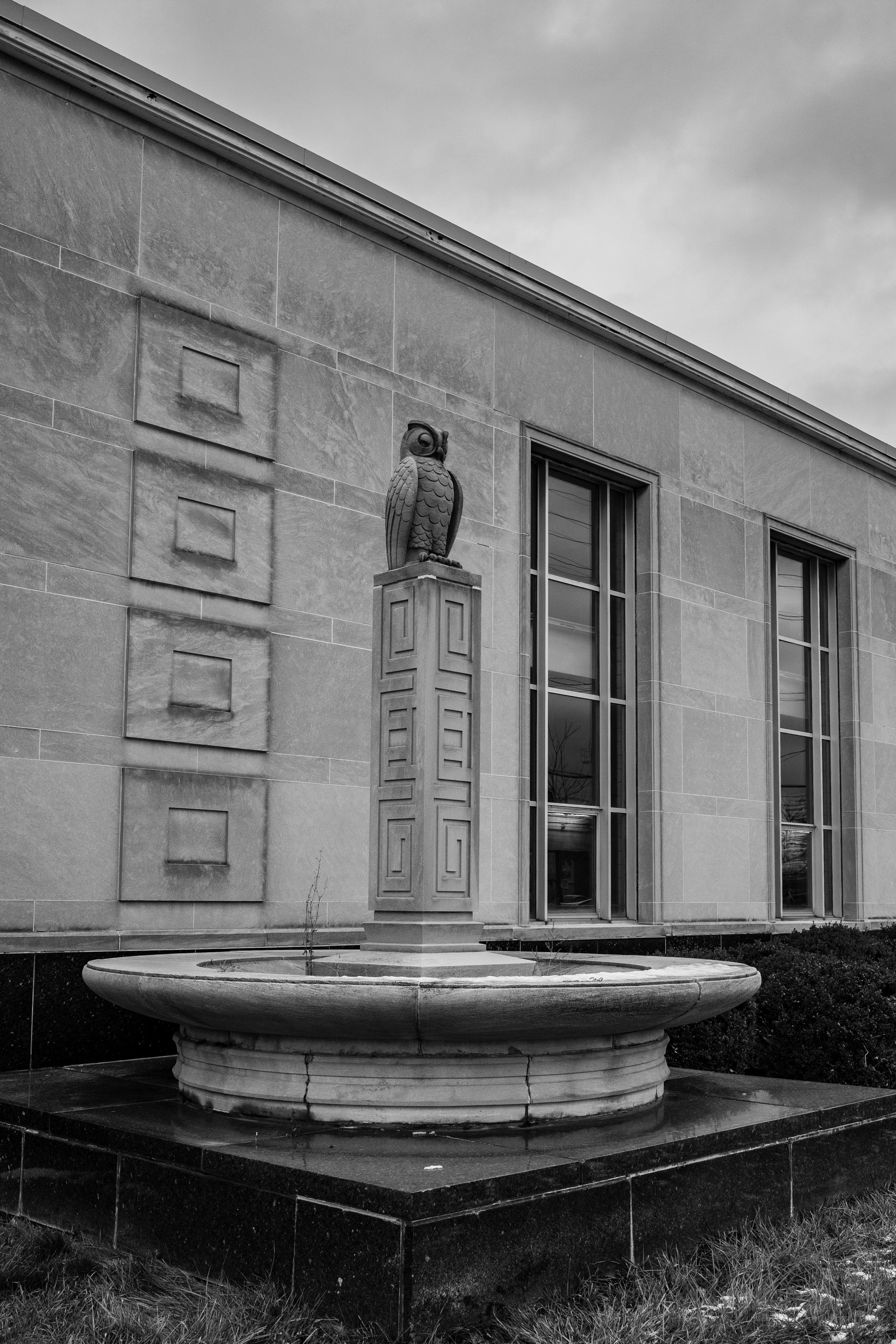
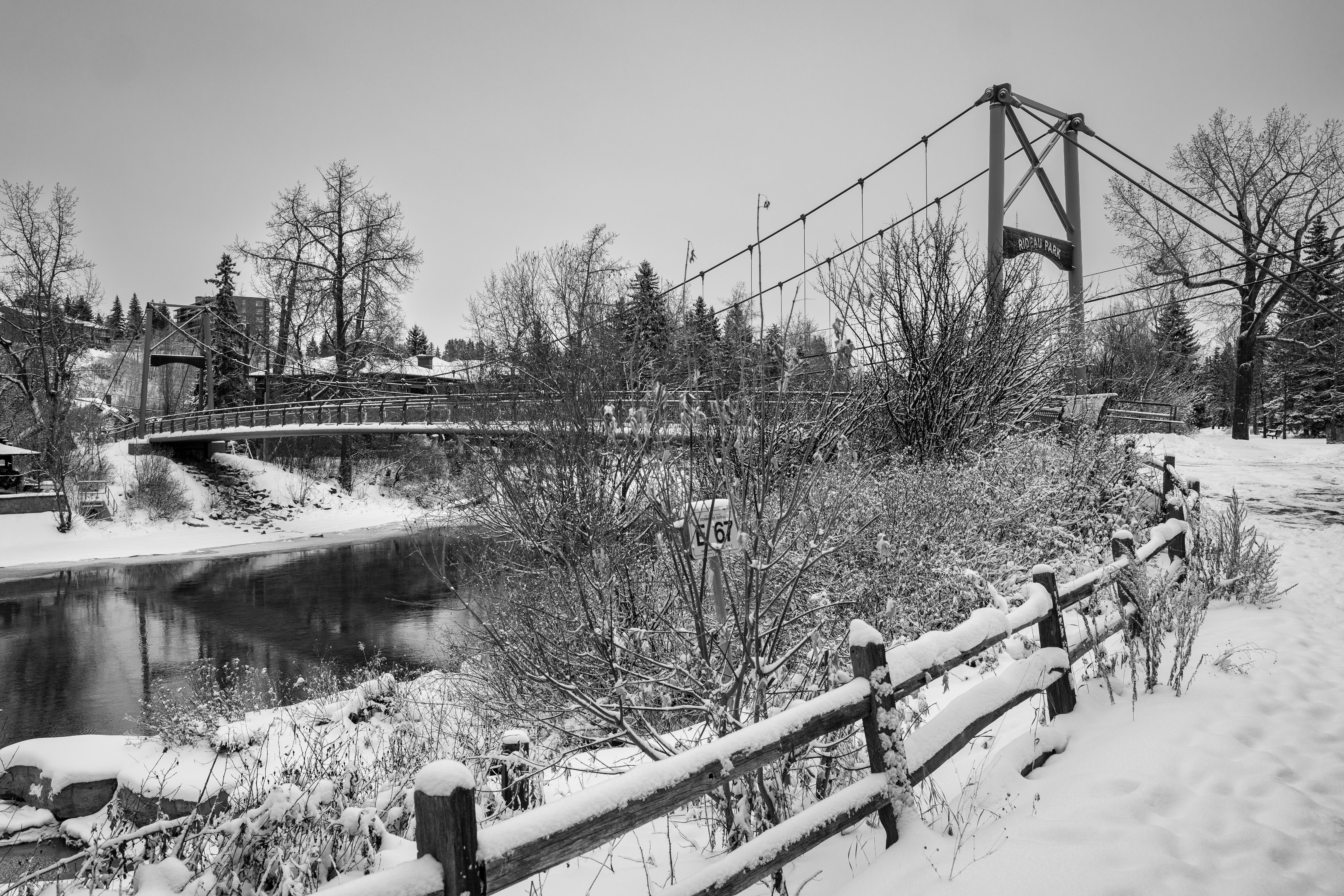
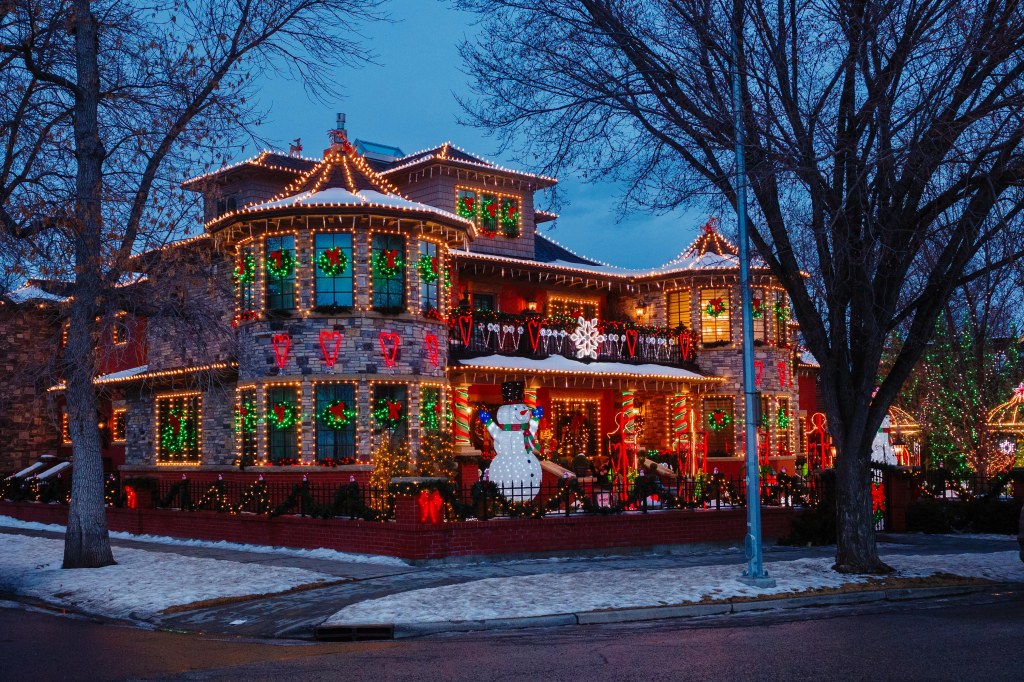
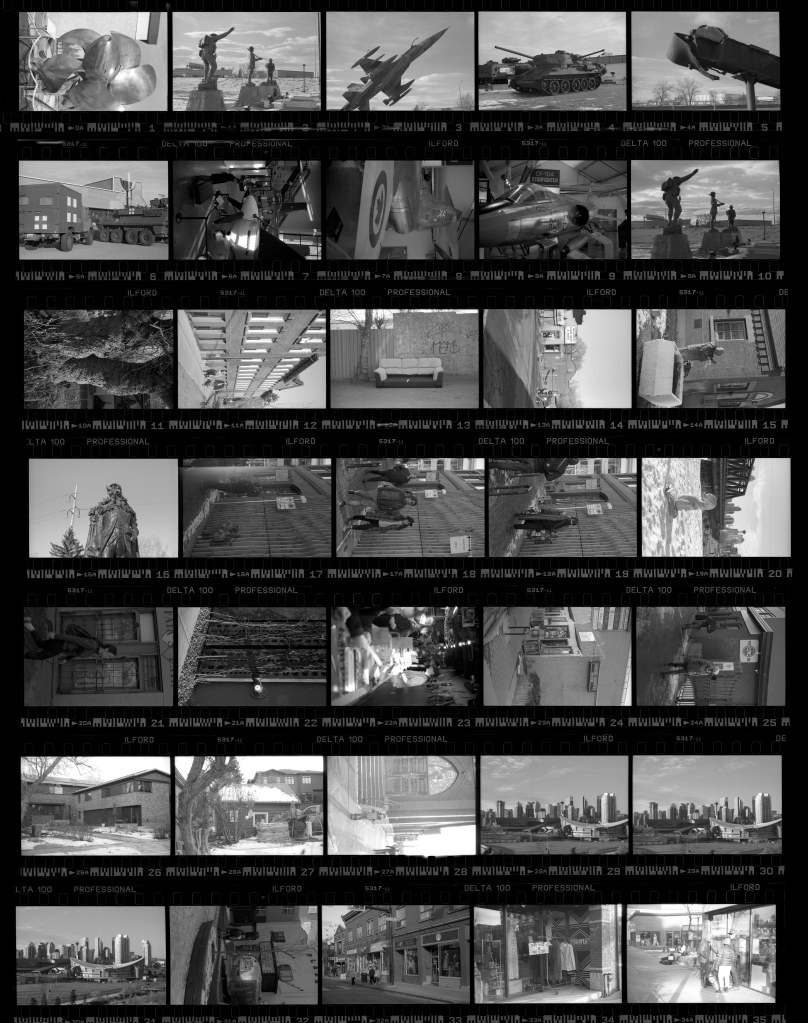
The days before and after Toronto’s record snowfall provided some good photo opportunities. It was a monochrome world as the city dug itself out. Here’s a sample. Copyright for all photos is mine.
Wrapping up
All told, it was an interesting week in Toronto (or North York, if you prefer). We experienced weather more reminiscent of Alberta than Ontario. I tried to add the Downsview parkrun to my resume, and even though that didn’t happen, Deb and I had an enjoyable outing. And then we weathered the storm. I expect to be back there in the spring—-hopefully it will be worthy of another post.
Until next time, be well and BE FAST!


























 My Second Running Life