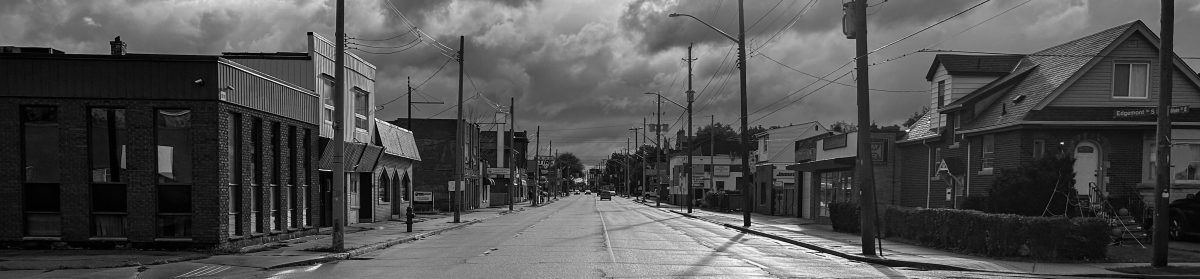
On Racing and Recovering

Yesterday’s long run turned into a bit of a slog. Deb woke up with a pinched nerve in her neck, and I was feeling, well, crappy. Fatigued. Lethargic. We started with a walk, thinking that might be enough. Once we were warmed up, we slowly added some pace, but our run ended up being well short of what we planned to do, both in distance and pace. It was one of those runs best forgotten.

There may be more to the story than bad luck. You see, Sunday was two weeks on from a half-marathon that we ran in Vancouver. (Incidentally, it was the fantastic and well-organized First Half Half. Highly recommended!)

Although two weeks should be an adequate recovery period for a half, it got me thinking about how much downtime is enough after a race. I’ve always subscribed to an easy-to-remember formula that I learned years ago. It goes like this: treat yourself to one easy day for each mile you race.

Spelling it out, for a 10k race that means (more or less) a week of easy running; for a half marathon, two weeks; and for a marathon, a month.

There is a tendency to want to shorten these recovery periods. After all, if we had a positive race experience, why wouldn’t we want to get back in the saddle as soon as possible?

For me, that has usually not been an option. Inevitably, racing has taken more out of me than I’m willing to admit. Even after the immediate post-race soreness had cleared, the residual fatigue was too much to overcome in a few days. My effort in interval workouts or long runs during the recovery period, if I could do them at all, had to be scaled back significantly.

Add in the effects of aging, and whatever issues come along with it, and the rule-of-thumb recovery periods should get even longer. It makes sense that we aren’t as quick to bounce back as we used to be.

So, whether or not our recent experience was tied to an inadequate recovery or just bad luck, it’s worth remembering that a race puts major stress on our bodies. In summary, we should always respect the need for a full recovery.

A Special Race

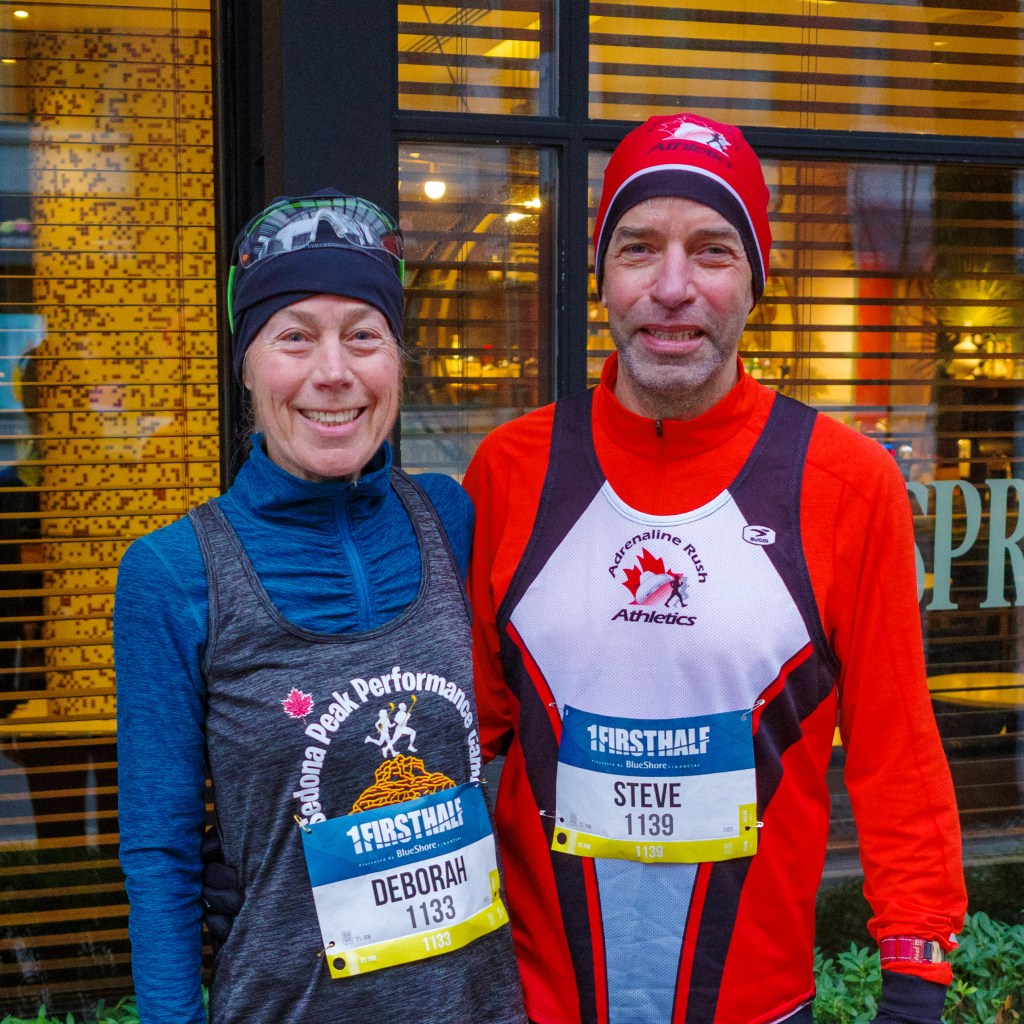
For the second consecutive year, Debbie and I were in beautiful Vancouver, to run in the “First Half” Half Marathon (sponsored by RunVan). It was a special weekend. For me, just to compete in the race felt like an achievement. To run with Deb made it even sweeter. We met our goals for the race, after a long winter of training in Calgary. Several of our teammates and training partners were there with us. Even better was to spend the weekend with our son Matt.

Race Day, 2023

As satisfying as the race was for us, it was also a bittersweet weekend. You can read my race report from the 2022 race to find out why. I’ve reproduced it below. You will see why the First Half is a race that has special memories for me.

2022 First Half Race Report

We each have races that hold special meaning. The First Half Half Marathon in Vancouver is one such race for me. In 2011, it was the first race I ran as a new member of my club, Adrenaline Rush. That winter was harsh, even by Alberta standards, but my teammates and I survived some truly epic long runs on the path to race day.

The First Half is hugely popular. It regularly sells out in a day, so I felt lucky to secure an entry in 2013. In 2016, in a steady rain, I put together a solid performance and finished third in my age group. It was one of my best race results ever. My fondness for the race grew.

In 2017, things went from strange to scary. My wife Debbie and I travelled to Vancouver on Valentine’s Day weekend, only to have a freak snowstorm shut the city down. The race was cancelled. Then in July, my life was turned upside down by a series of strokes. Running at all became an open question. It looked unlikely that I would ever run in the First Half again.

But life has continued. And even better, it includes running. My return to the sport has been cautious. It now includes the pleasant option of running often with Debbie. I have started doing solo runs. And in addition to watching my teammates from the sidelines as an assistant coach, I now benefit from our interval training sessions.

Debbie, too, has ramped up her training. The idea of running the 2022 First Half was mostly hers, and while I wasn’t opposed to it, I wasn’t sure I would even make it to the start line. Knowing her as well as I do, I had no doubt she would put in the necessary hard work.

Our confidence grew through another tough winter as our long runs stretched out. We got to that inevitable point where we couldn’t wait for the taper. The weather outlook was for perfect racing conditions.

Finally, race day arrived. My phone rang as we got ready. Our sister-in-law, who had been bravely battling cancer, had passed away a few hours earlier. We knew this day was coming, but it was still hard to hear the news. As we had already put on our race kit, and knowing that Shelley was a great supporter of my brother’s running, we knew we had to carry on.

We got through the unusual rolling start and settled into our target pace. Through 17k, when my watch blacked out, this was a case study in good race execution. We handled the many distractions with ease: turns, fuelling, and traffic. Deb was in great form and running well. I was feeling good too. As always, the scenery in Stanley Park was a welcome diversion.

We felt the pull of the finish line in the last few kilometres. I could tell that both of us were in the same place mentally. I had warned Debbie about a hill in the last kilometre. She overcame it like just one more interval repeat. Our cruise into the finish felt smooth and effortless.

It was amazing to be in Vancouver again for an actual race. Our performance leaves me optimistic about the season ahead. I’m proud of Debbie, who trained diligently and delivered perfectly on her race plan. And me? I was happy just to have another chance at this race that I enjoy so much. Even though I ran with very different goals this time, I can report that the satisfaction is the same. Finally, on a sad day, we had another reason to experience this unique event, buoyed by memories of our late sister-in-law.

Leicaphilia Loses its Creative Force

Tim Vanderweert passed away in early January. I need to say a few words about him, and the impact he had on me. In this digital world, it seems a stretch to say Tim was a friend because I never met him. I only knew him through his online presence and a bit of interaction we had through his blog, Leicaphilia. One thing is certain – I wasn’t the only person who was influenced by Tim.

It’s funny how things go sometimes. About five years ago, I was putting my life back together after a medical episode that left me wondering what my future would look like. Competitive running, which had been a constant presence in my life for more than four decades, looked like it might be taken away forever. I wasn’t sure I could cope with that prospect.

I had always had a passing interest in photography, but to be fair, it had never gone beyond a teenager’s early fascination with the gear and amateurish attempts to emulate the great landscape photographer, Ansel Adams. Boxes of family snapshots, as great as they are, attest to the fact that I focused more on quantity than quality. And that was fine, as I had limited time for hobbies, for all the usual reasons.

Fast forward to 2017. Adrift after a lengthy hospital stay and amid much uncertainty, I picked up my old Canon AT-1–that’s a totally manual film camera by the way–and started carrying it with me on my slow recovery walks around the neighbourhood. For years, I had cruised through the same streets at a faster pace – apparently fast enough that I hadn’t seen things that were right in front of my eyes.

My interest in photography was being rekindled but I was rusty. So rusty that I had missed the whole transition to digital photography, which had made film cameras obsolete. At least that was the conventional wisdom.

And then I discovered Leicaphilia, and its creative force, Tim vdW. Here was a guy, about my age, who had dedicated as much of his life and energy to photography – Leica-based film photography no less – as I had dedicated to competitive running. Different hobby, same passion. I liked him immediately.

The more I delved into Tim’s writing and creative output, the more our connection grew. I especially liked the fact that he steadfastly defended the turf of film photography against the onslaught of digital. Pixels didn’t matter an iota to him. It was more about the emotional impact, the art, than about the technical features of the latest camera. And on that point, Tim had the knowledge (and the courage) to state his views and share his thoughts. He wrote eloquently about the philosophical underpinnings of photography, about topics like aesthetics. His knowledge spanned centuries.

I had never read articles that tied the Greek philosophers to this hobby. But as a returning student, I was more than willing to learn. His lucid posts entertained me (and his other devotees) while they educated me, complete with photographs from his archives and his bike rides around North Carolina. He put together a book of his photographs taken from inside cars – it was called Car Sick – and I bought not one but two copies. (You see, he had made it abundantly clear to his readers that he had lost his shirt on the production of the book. I wanted him to keep going.)

When Tim announced to his readers that he had cancer, we all held our breaths. It looked bad. For a time, he stopped posting. Eventually, he informed us that he was in hospice care, with only a few days to live. Except he didn’t die. He got better, at least for a while.

In the last few months of his life, he gifted his anxious audience with constant posts, full of clear writing about his situation, and yes, some excellent photography. With a creative flourish, he turned his attention to developing the hundreds of rolls of film that had accumulated in his house. He even put together an exhibition of his life’s work.

And now he is gone. Tim showed us all how we might try to face the grim prospect of our own impending death, with grace and purpose, and good humour. As we go through the ups and downs of our own lives, we should all hope to have as much positive impact on those around us.

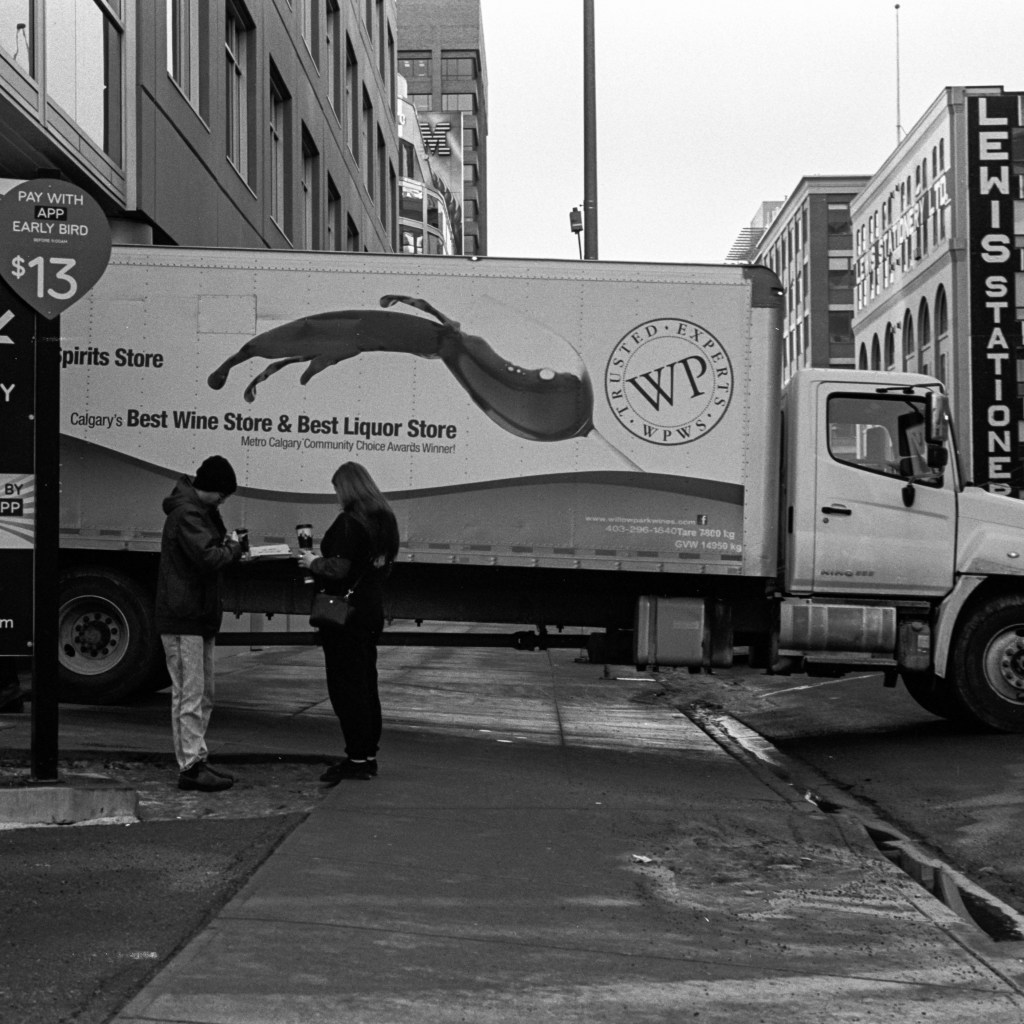
My first reaction to the news of his passing was to load a roll of his favourite film (Kodak Tri-X) into my Leica M6 and shoot some street photographs, hoping for his spirit to walk with me as my muse.

Tim will be missed.

“Look out below”, inspired by Tim vdW (Leica M6 and Kodak Tri-X, 2023)

The Amazing Ricoh GR III

Let me say at the outset that I approach camera equipment from a strictly amateur perspective. I’m an enthusiast, not a professional. I know what I’m doing when it comes to the gear, but I don’t chase pixels or specifications.

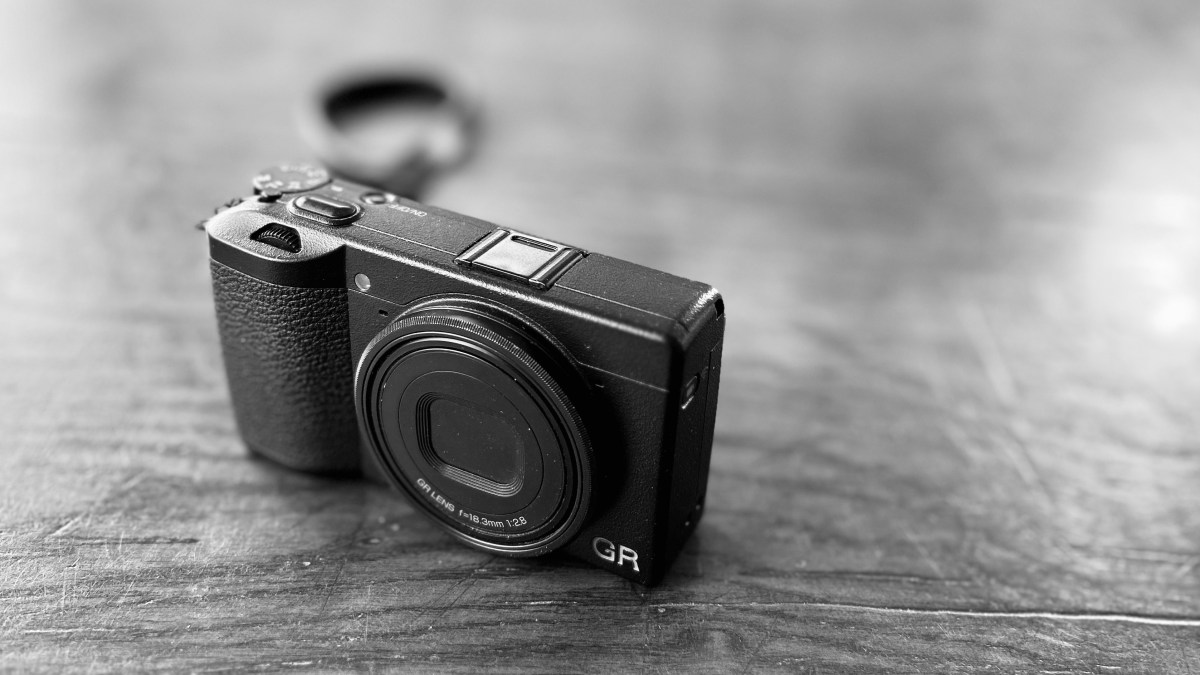
With that proviso, here is my review of a camera that I am very enthusiastic about: the Ricoh GR III.

I should explain that I predominantly use this camera for a different purpose than many other shooters. I bought the GR III to carry with me on what I call “photo runs”, easy runs of 5-15 kilometres. For that purpose, I needed a small, light, and fast-to-operate camera. Extra weight was a deal-breaker. Cameras with wide zoom ranges or fast lenses are generally bulky, so I eliminated those immediately.

I quickly got down to a shortlist, and a few features of the GR III won the day. At 257 grams, it met my weight criteria. Its f2.8 maximum aperture and 24MP resolution APS-C sensor are more than capable.

Where the GR III really shines is in the “fast and easy” category. It is faster to operate than most cameras, and easier to shoot than a cell phone. The camera’s form factor makes it easy to grip, and its snap focus feature makes it very quick to shoot. Since I carry the camera in a waistbelt (I use the excellent Salomon S-Lab belt, by the way) I can grab it with my right hand and be shooting one-handed in a matter of a second or so. That makes a difference when you are pulling over to get a shot, especially if you are out with your running mates. (Strangely, they don’t like to stop or even slow down to let me get back into the group.)

The GR III is ideal for the type of shooting I do on the run. Landscape shots are a good example, and a frequent subject if I’m running along Calgary’s picturesque river pathway system. I like being able to easily select different exposure settings with the top mode dial (most often a switch between Aperture Priority or Program mode).

Exposure compensation is a breeze with a quick sideways press of the ADJ lever. By pushing the same lever in, I can call up pre-set image control settings. The “high contrast monochrome” mode is one I often use for capturing afternoon clouds over the river or a piece of interesting architecture that I pass on my run. I’m also fond of the “positive film” mode for a Kodachrome look while running on the city streets.

I like being able to change a setting while I’m moving, and for that reason, I really appreciate the GR III’s accessible controls and the intuitive menu system. Because speed is my top priority, an even better solution was to program a couple of “run-friendly” shooting modes into the User programmable slots.

Another thing I really appreciate is the easy access to the multiple drive mode. It’s a simple toggle on the 4-way control dial, which is perfect if I decide to capture a sequence of my running partners in motion.

There’s one other thing that turns out to be essential for me. The Ricoh has proved that it can handle the worst of an Alberta winter. Consider this: I carried the GR III on my belt every day in December, while I participated in a running streak challenge organized by our local running store, Strides. That meant it was outside, sometimes exposed to a -30C wind chill, for up to 90 minutes. As long as I put a fully charged battery into it before leaving the house, it went on shooting for as long as I needed it. I should say, for as long as I could stand taking off my outer mitt to actually shoot it. Some of those runs were, in a word, brutal. And this camera kept up. Amazing!

As for things I don’t like, it’s a short list. Given its small form factor, I do find the GR III controls a bit finicky, especially with frozen hands. And the fixed 28mm focal length can sometimes be a constraint.

I’m willing to accept these limitations given all the positives that this camera delivers. What else would I expect but small controls on a camera of this size? And I find the standard JPG files out of the camera give me more than enough resolution if I need to crop and quickly edit a shot for posting on Strava or sharing with my partners after our run. Most of these shots aren’t fine art.

That said, if I do get a shot worthy of more attention, the in-camera stabilization helps me capture sharp images, which leaves me the latitude to work with the ample 24MP RAW file and crop it later in post-processing. It’s a nice option and one I’ve used many times.

Incidentally, that’s why the GR III has filled more voids than I ever expected it to. It is often the camera I reach for if I’m out walking around, as it is an excellent street shooter… unobtrusive to the subject and highly intuitive for the photographer. In fact, I carry it even if I’m bringing another camera with a 50mm or longer lens, in case I decide the 28mm viewpoint is more to my liking.

Overall, the Ricoh GR III has proven itself worthy of being a constant companion on my runs. It has exceeded my expectations, and that’s why I’m putting so many miles on it.