In Praise of Japanese SLR Cameras

This is a totally useless piece.

Useless, that is, if you carry a camera around with you at all times, one that is instantly available in your cell phone. Or if the link between your camera and your social media accounts is as short and quick as pressing a button. 

Some of us have a broader definition of a camera, or think of photographs for something more than their transient value.  

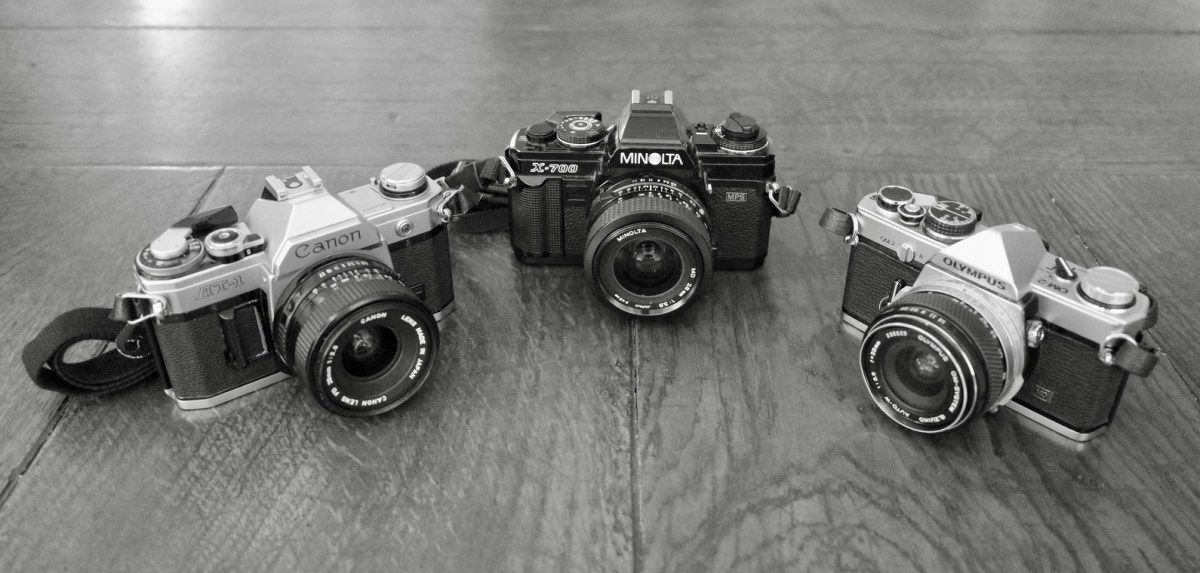
My collection from the heyday of Japanese single-lens reflex (SLR) film cameras is a small treasure. It’s unbelievable these cameras work so well after 40 or 50 years. They are flawless machines. Sure, there are foam seals I should replace. And some of the batteries are getting hard to find. But overall, they’re doing better than I am after all that time! 

Canon AT-1
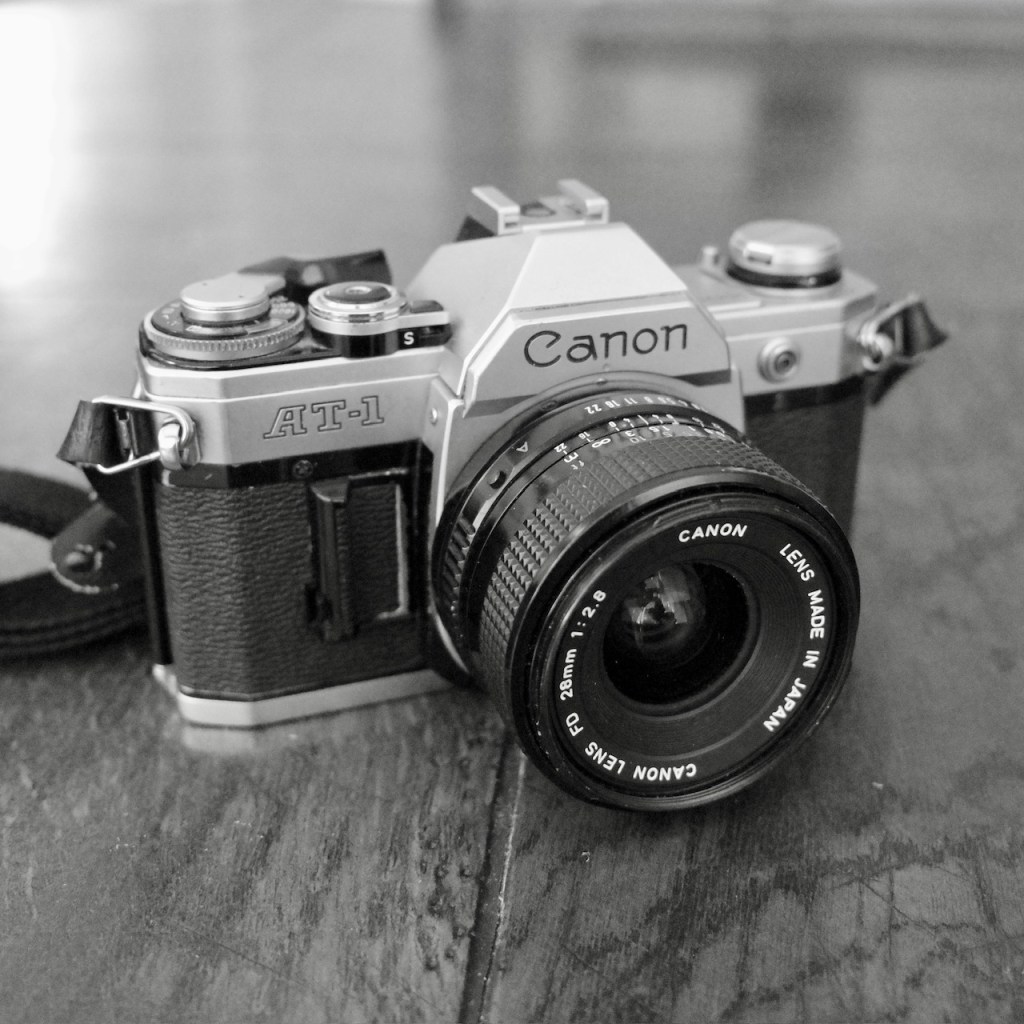
The Canon AT-1 invokes many fond memories for me. I bought mine in 1978 with savings from my first job. My aunt Connie worked at the Sears store in the Centre Mall in Hamilton, and she made the purchase so I could benefit from her employee discount. I remember paying $265. It’s odd to think that Sears used to have a photography department… but I digress.  

When I bought the AT-1, I didn’t know anything about cameras or photography. I learned the basics of shooting film—metering exposure AND focusing in a completely manual camera. (The AT-1 was never as popular as the automatic variant, the AE-1, but I was on a budget.) Once you’re used to it, manual metering is simple. It’s a bit like target practice: move the exposure needle by changing aperture and/or shutter speed until it lines up with another needle indicating the measured light. Like learning to drive a car with a manual transmission, this is a good skill to have!

Manual focusing brought its own challenges, especially if you were keen on shooting sports, as I was. Sure, I missed plenty of shots, but I also felt the thrill of getting many more.  

The AT-1 feels solid, and its viewfinder is big and bright. Canon FD lenses mount to the camera with a secure metal ring. Because it was my first camera, I’m biased towards its controls, which are accessible and well laid out. I will admit, it now feels slightly bulky compared to the other cameras in this review. 

For years after I bought the camera, I pored through photography books and magazines. When I could afford it, I added lenses to the f1.8/50mm that came standard with the camera. For a short time, when we lived in Edmonton, I even set up a darkroom in my basement. I give this humble camera a lot of credit for instilling in me a lifelong interest in photography.  
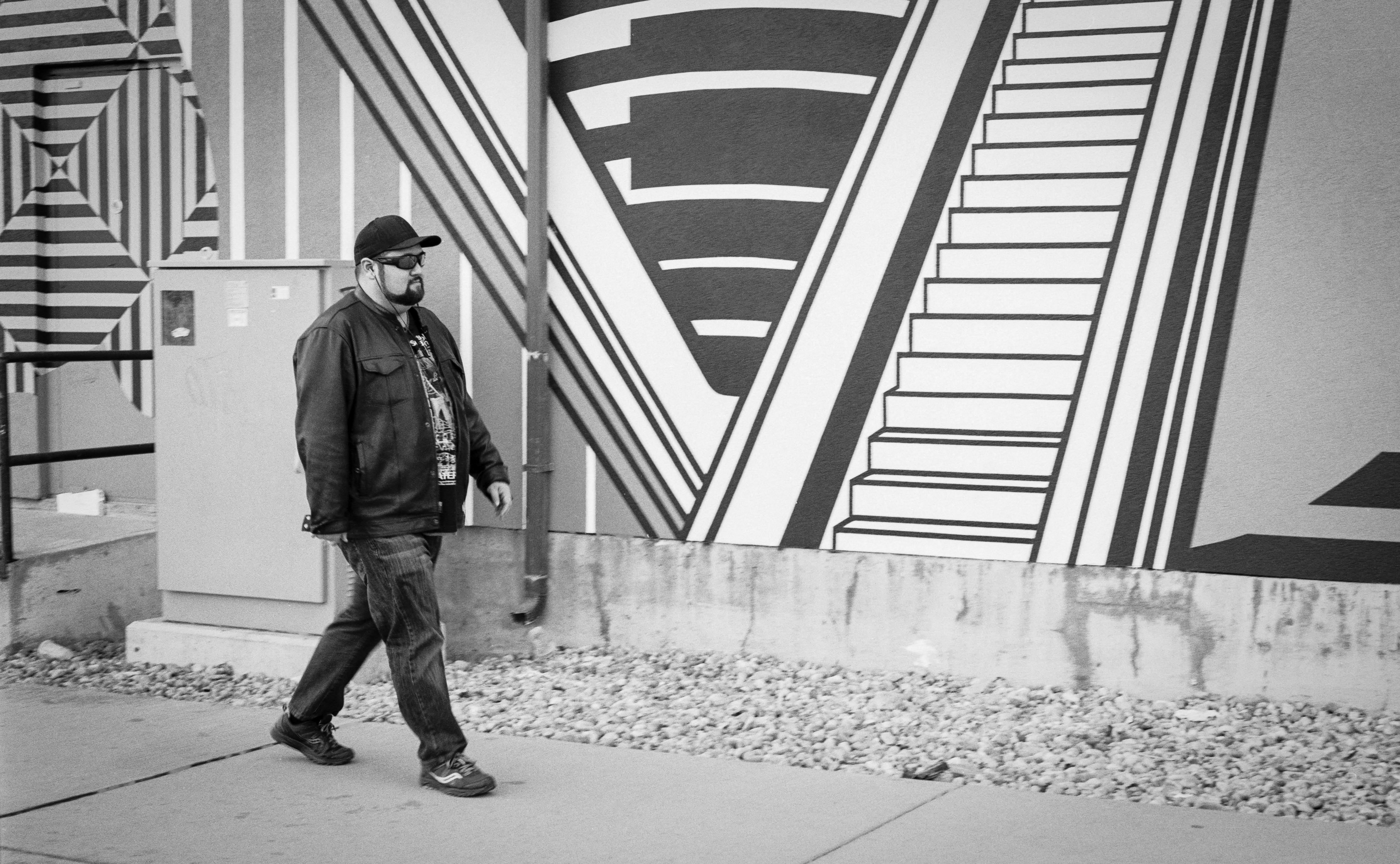
Olympus OM-2
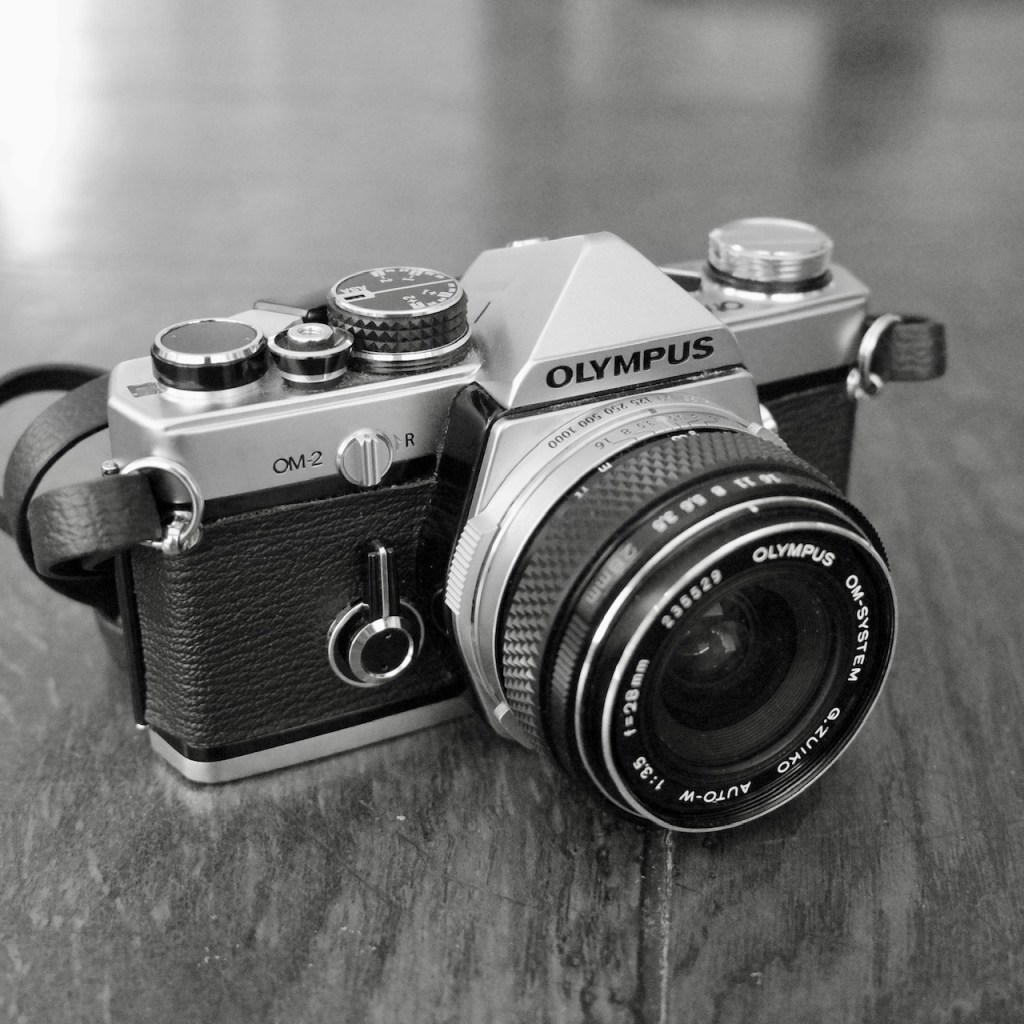
I ended up with a parallel camera kit to my own after my father-in-law Kurt’s passing. Where I was invested in Canon, he was an Olympus guy. His outfit was built around the Olympus OM-2, a highly regarded automatic camera manufactured between 1975 and 1988. I also inherited several lenses. 

Kurt and I shared our experiences; mine with Canon and his with Olympus. He used the OM-2 a lot. He was a stickler for getting composition and lighting just so. Naturally, I think of him every time I pick up the camera.

The first and most impressive feature about the OM-2 is its small size. It’s light but doesn’t feel cheap. The OM cameras were designed by Yoshihisa Maitani, something of a legend in photographic circles. The OM-2 is noticeably smaller than the AT-1. I can see there were some compromises to make the camera and lenses so compact. For example, the aperture has only full steps rather than half steps. While I like the way the camera feels in my hands, I do find the controls slightly cramped.

From my experience, the OM-2 is close to perfect. It has a bright viewfinder and some novel features. It can be operated in Aperture Priority mode or manual mode. Did I mention I like shooting in manual mode? (I admit it’s great to have the option of setting the aperture and letting the camera do the hard work.) 

My only quibble with the OM-2 layout is that the shutter speed dial is next to the lens barrel, rather than on top of the body. I find that illogical. Or maybe it’s just different than the setup on the AT-1 (or most other SLRs). 

The OM-2 is very accurate when metering a shot. I mainly shoot B&W film with it, and I am always impressed by how well the lenses render urban scenes and street shots.

The Olympus name has mostly disappeared—it was absorbed into the “OM System” brand five years ago. Let’s call it a casualty of the cellphone camera trend. Even so, the OM-2 has earned a special place in my collection. I hope it keeps working as long as I do. 
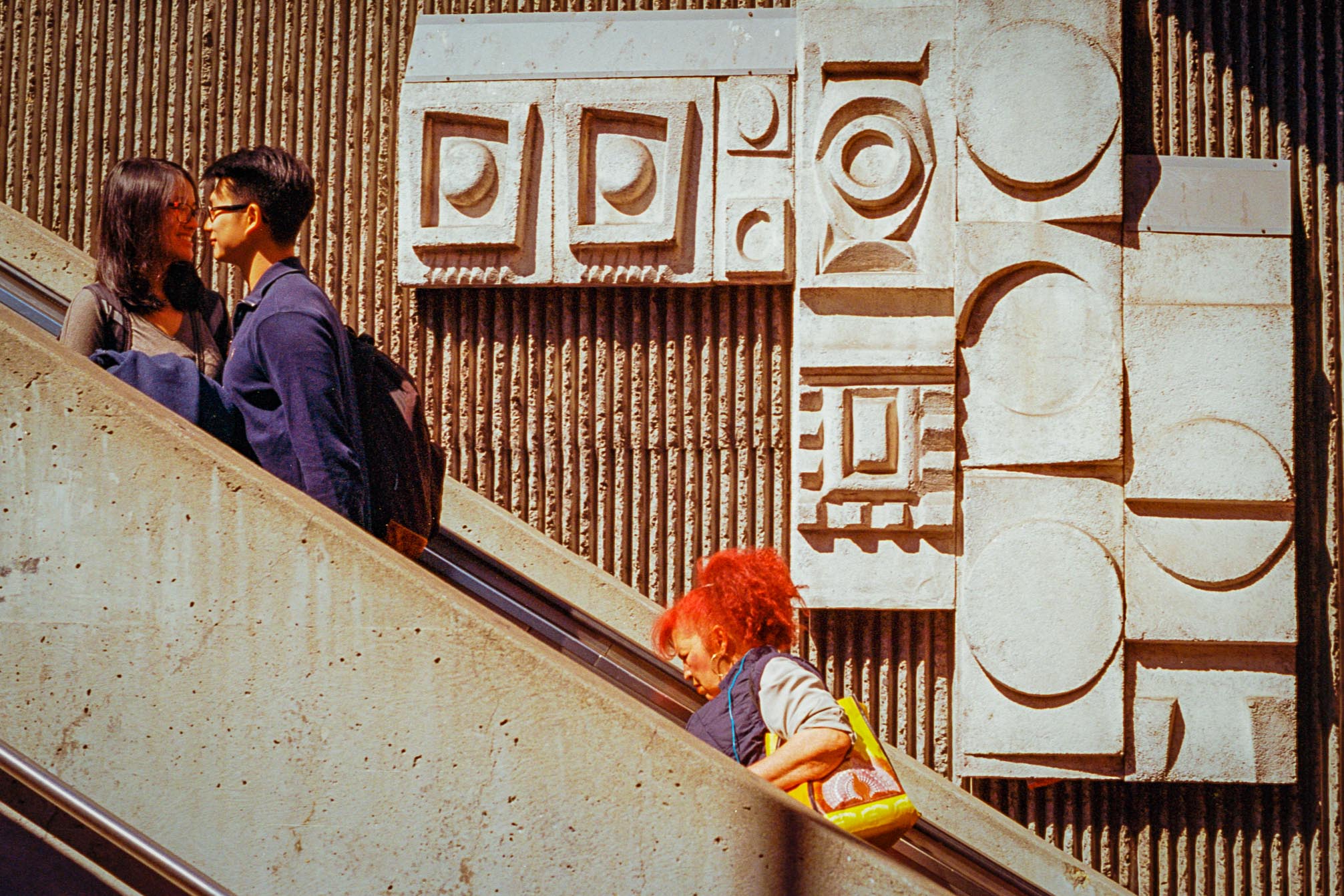
Minolta X-700
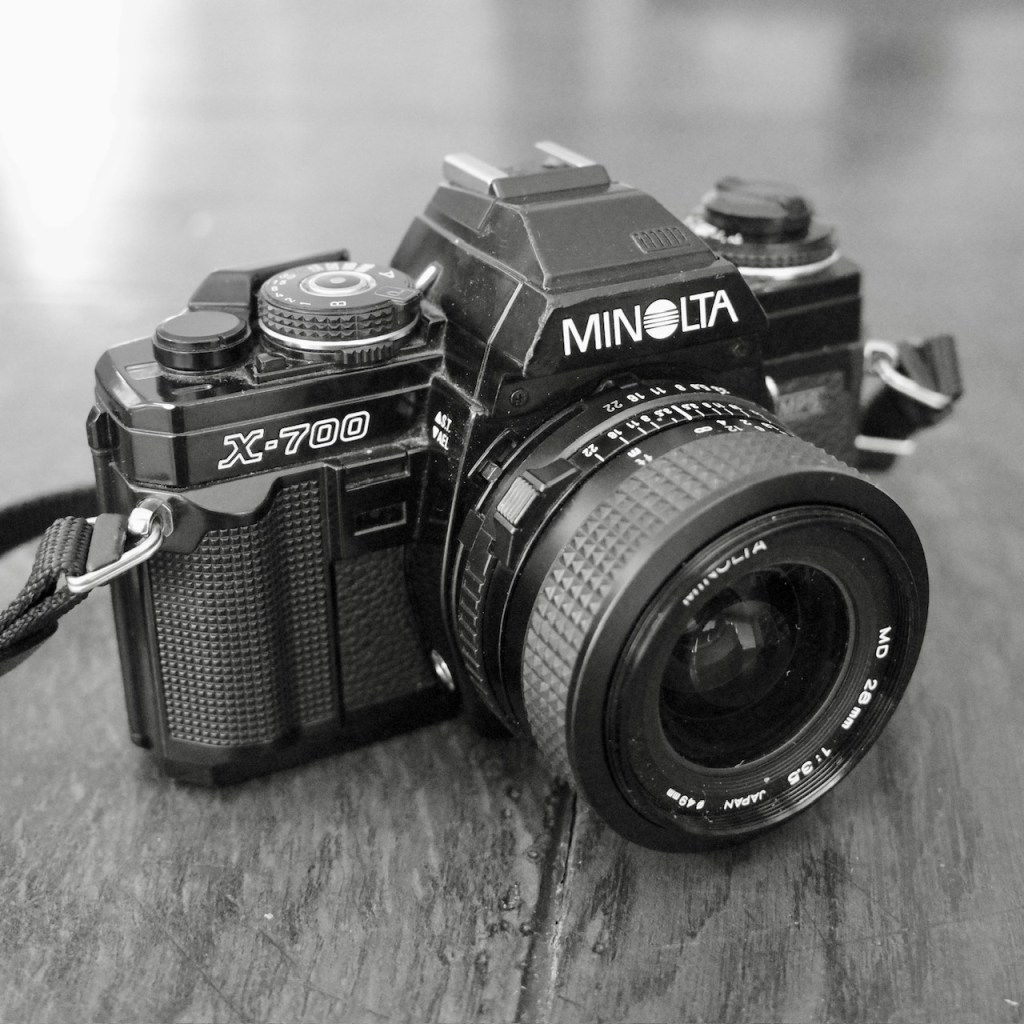
The Minolta X-700 is another small miracle. This particular one belongs to Deb. She got it from her parents as a Christmas gift. She used it for a few years, then it was relegated to a closet. Dan dusted it off for a school photography course when we lived in England. I remember buying him a 28mm lens to go with the original 50mm lens. 

The X-700 was the pinnacle of Minolta’s manual focus SLR line, and it was very popular. It was manufactured between 1981 and 1999, which is a long production run. The features of the X-700 are impressive. In addition to manual mode, it has Aperture Priority mode and a Program mode that integrates with Minolta MD lenses. It’s got a compact shape and it’s very light. The LEDs in the viewfinder are genius (with one downside). 

In my research for this piece, I learned that Minolta used plastic for some components of the camera. That goes some way to explaining its weight, and also why the camera feels less substantial than the other two in this piece. It’s also noisy when the shutter is activated. It’s worth remembering that by the mid-1980s, the SLR market was crowded, if not saturated, and autofocus cameras were starting to hit the market. No doubt that would have detracted Minolta’s attention away from their manual focus line. 

To this day, the X-700 remains a great camera. I like the feel of it in my hand, and that isn’t a coincidence. Size-wise, it fits in between the Canon and the Olympus. 

My main beef comes when using the X-700 in manual mode, where the user gets shutter speed information in the viewfinder. Why is that a problem? Well, the same LEDs I mentioned force the user to look away from the subject to see and adjust the shutter speed. It’s fine for landscapes or other static subjects, and fortunately, one can always switch into Aperture Priority mode and fire away. 
By the numbers

For what it’s worth, I did a few measurements… here are the bare facts:

Canon AT-1Olympus OM-2Minolta X-700
Weight, grams
(w/28mm lens)
780715690
Size, cm
(W x D x H)
14.5 x 10.0 x 9.013.7 x 8.3 x 8.314.0 x 9.5 x 9.0

Wrapping up

So, the obvious question… which of these cameras/systems do I like the best? That’s a tough question. If I had to choose one, it would be the OM-2. I’m a fan of small and light cameras, and this one definitely delivers. That said, I like each of the cameras for different reasons. You can tell I have emotional, physical and intellectual attachments to these marvelous machines. That’s why I make it a point to include all of them in my rotation. For me, there’s no better feeling than loading a manual SLR with a favourite film (or a new one) and heading out for a photo walk. As long as they keep working—and they are so well made, there’s no reason to expect them not to do so for a while yet—I’ll happily reach for one.

Until next time, be well and BE FAST!

Book Review: “Today We Die A Little”

Today We Die a Little: Emil Zatopek, Olympic Legend to Cold War Hero, by British journalist and author Richard Askwith, tells the fascinating story of the great Czech runner, Emil Zatopek.

Zatopek was an enigma. His life paralleled his country’s history and is intertwined with the Second World War and the rise and fall of the Soviet Union. Askwith did a thorough job of researching his subject.

The Czech Locomotive

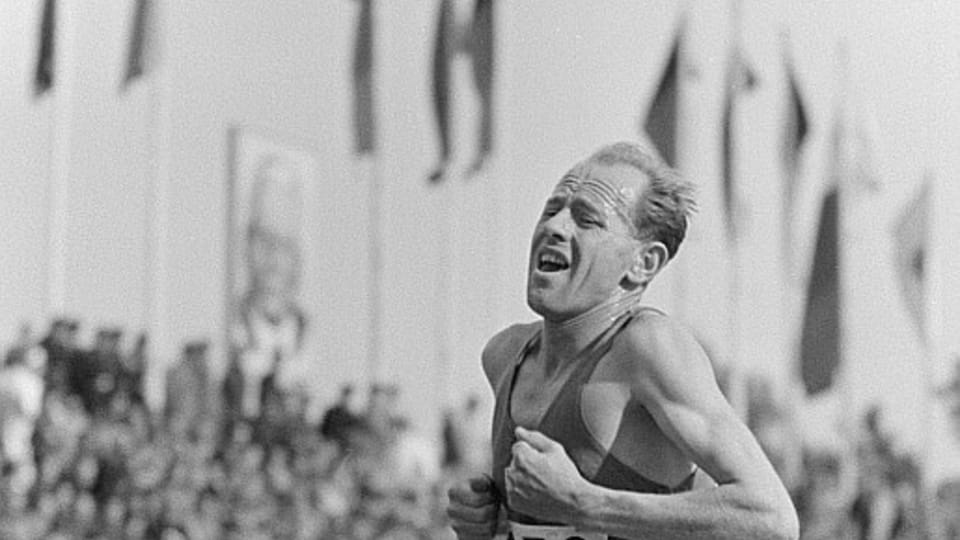
Today, if people know anything about Zatopek, it’s likely because of his ungainly running style. Videos of his great performances are easily found, and worth a look. But his rolling head, flailing arms and gnashing teeth may be the least interesting part of his story.

Emil was a true sportsman. His nickname comes from a front-running style that left his competitors strung out behind him. He befriended those same runners and maintained contact with them well into old age. His training techniques were unorthodox. For instance, he was known to train in army boots, or in deep snow. Any of us who have done interval workouts can thank Zatopek—he may have invented 400m repeats. The difference? He did 60, 80, even 100 of them—every day.

Emil Zatopek, giving it his all (Photo: Roger Rössing, Deutsche Fotothek)

There are so many anecdotes about Zatopek that it’s nearly impossible to separate fact from fiction. I give Askwith credit for trying. Some things aren’t in dispute though. Emil taught himself 8 or 9 languages by reading dictionaries. He and his wife, Dana, won 4 gold medals at the 1952 Helsinki Olympics—a count that was second only to the US. Emil won the 5000m, 10000m and marathon, a record likely never to be repeated. Dana won the women’s javelin competition.

Socialist icon or misunderstood hero?

Zatopek may have been the most famous athlete in the world in the late 1940s and early 1950s. Few could match his talent and charisma—he was the Muhammad Ali of his generation. Even after his competitors copied his tactics and started surpassing him, he remained a national hero. It seemed everyone wanted to meet him and feel the warmth of his personality. 

The story that best demonstrates Zatopek’s generosity has him handing a small package to Australian runner Ron Clarke after Clarke visited Emil in Prague in 1966. Clarke had competed at a high level internationally but had come away empty-handed. Zatopek had been the perfect host, readily sharing his training advice. Clarke assumed Zatopek had given him something he wanted smuggled out of the Iron Curtain. In fact, it was one of Zatopek’s 1952 Olympic gold medals. “Because you deserve it,” read the simple inscription. 

Despite the constraints imposed by the Czech regime, Zatopek travelled the world. In fact, he became a sort of role model for socialist ideals. And it’s here where his story gets a bit hazy. Depending on who one believes, Zatopek was either a naive pawn of the regime or a committed agent. He was an officer in the Czech army, so it’s hard to totally accept the former view. However, he had managed to tread a fine line for a long time, apparently avoiding any suspicion of his commitment just by being his gregarious self. Or perhaps by mouthing the words that were expected of him.

Some things may never be known about Zatopek, but it is clear he believed in the concept of socialism. After all, it was how he had tried to live. When Soviet tanks moved in to crush the Prague Spring in 1968, he spoke up for compromise, possibly hoping his celebrity would save him from retribution. Soon after, he was expelled from the army, stripped of his status as a sporting hero, and exiled to years of manual labour in remote work camps. Through it all, he maintained a positive attitude. He was a broken man when he was finally allowed to return to his modest home. Then he suffered several strokes and was all but forgotten when he died in 2000.

Lessons far beyond the track

Askwith is sympathetic to Zatopek, and I found that his enthusiasm for the man clouded his judgment at times. If Askwith is to be faulted, it is for trying too hard. I came to accept Askwith’s case—that there is reason to doubt the worst accusations against Zatopek—and I found it unnecessary that he keep making it.

As for Zatopek, there is no reason to fault him for his eccentricities. He was an intelligent, independent and humble man. I found myself wondering how any of us would have managed in his situation; if our homeland had been first taken by the Nazis, then by the Communists. Zatopek lived and competed bravely, and left us lessons that go well beyond the realm of amateur competition. 

The “Czech Locomotive” was a complex figure, a great athlete, and a gentleman. Askwith’s book is an homage to Zatopek, and there is much to commend it—not least so the reader can decide for themselves how they view the man. I started the book and put it aside for a while. When I persevered, I was rewarded with a complete picture of an astonishing athlete. I’m glad I did.

By the way, the title of the book comes from the comment Zatopek made to his fellow competitors on the start line of the 1956 Olympic Marathon in Melbourne. By then, Zatopek was well past his best form. The day was brutally hot, and he made his remark just as the runners set off for what they all knew would be an extreme physical test. It was a noble gesture. Anyone who has set a challenging goal for themselves and worked hard to achieve it will relate to the sentiment.

Until next time, be well and BE FAST!

On the Street with Hektor

This is a review of a camera lens that nobody uses. It might make sense to add up front that I’m not a reviewer of camera equipment. So, if there are no readers of this piece, the only loss will be the time I spent writing it. That said, I hope to introduce an unusual piece of equipment in an approachable way, even for non-photographers. 

So, what’s the story?

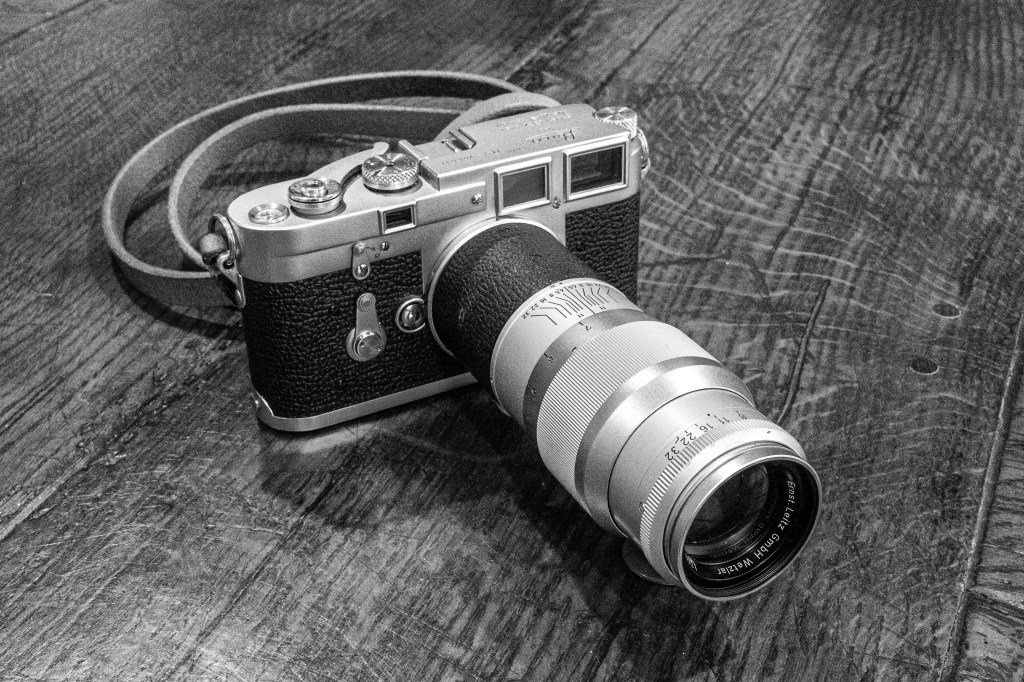
I have what might be described as a diverse collection of cameras and lenses. I don’t chase the latest equipment, and I don’t change my gear often. A lot of my gear is, well, old. The oldest and probably the oddest lens I own is a 70-year-old telephoto, made by Leica. It’s a lens that can be used on any M-series Leica camera made in the last seven decades. That’s quite remarkable when you think about it. It speaks to a solid legacy of product design.

For those who don’t fuss over cameras, Leica equipment is held in high regard… it’s considered to be an elite brand. In Leica’s rangefinder cameras (their “M” range), the products have a reputation for being practical, solidly built and efficient.

Except maybe for Hektor.

The Hektor is a medium telephoto lens, with maximum aperture of f/4 and focal length of 135mm. (That is the extent of the technical lingo in this review.)

The 1954 Leica Hektor 135mm f4

First off, 135mm happens to be a difficult… some would say unusable… focal length on Leica M rangefinders. Given my intention to keep this piece readable, I won’t explain why that is. But it is a serious knock against the lens. 

I’m going to lump a few other points together because they collectively contribute to the look of the lens. And how would I describe its looks? In a word, it’s unattractive. Okay, ugly. (That reminds me of the story that the Hektor is named after Leica lens designer Max Berek‘s dog. I wonder what that says about the dog.)

Anyway, the lens design, meaning the arrangement of glass elements inside the tube that forms the lens, is simple. In photographic terms, the f/4 aperture makes this a “slow” lens. This combination of design decisions means that the lens itself is long and skinny. I don’t really like the look (or the feel) of the lens when I’m walking around with it over my shoulder. 

As a further negative point, the Hektor is awkward to use. It is well-made and solid. After all, it IS a Leica lens. Still, when taking a photo, it’s hard to focus because it requires a lot of rotation of the lens barrel. This isn’t a lens for action photography.

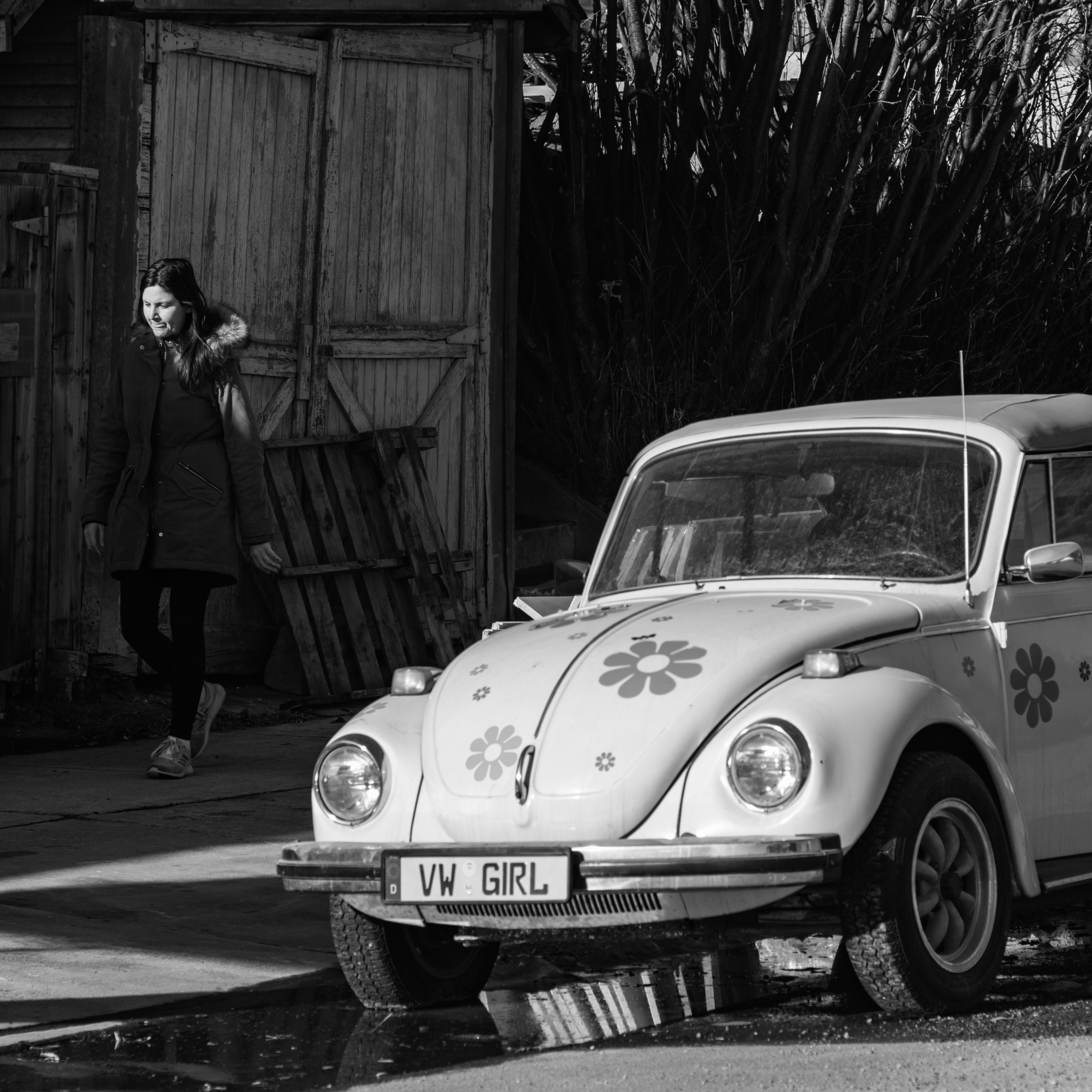
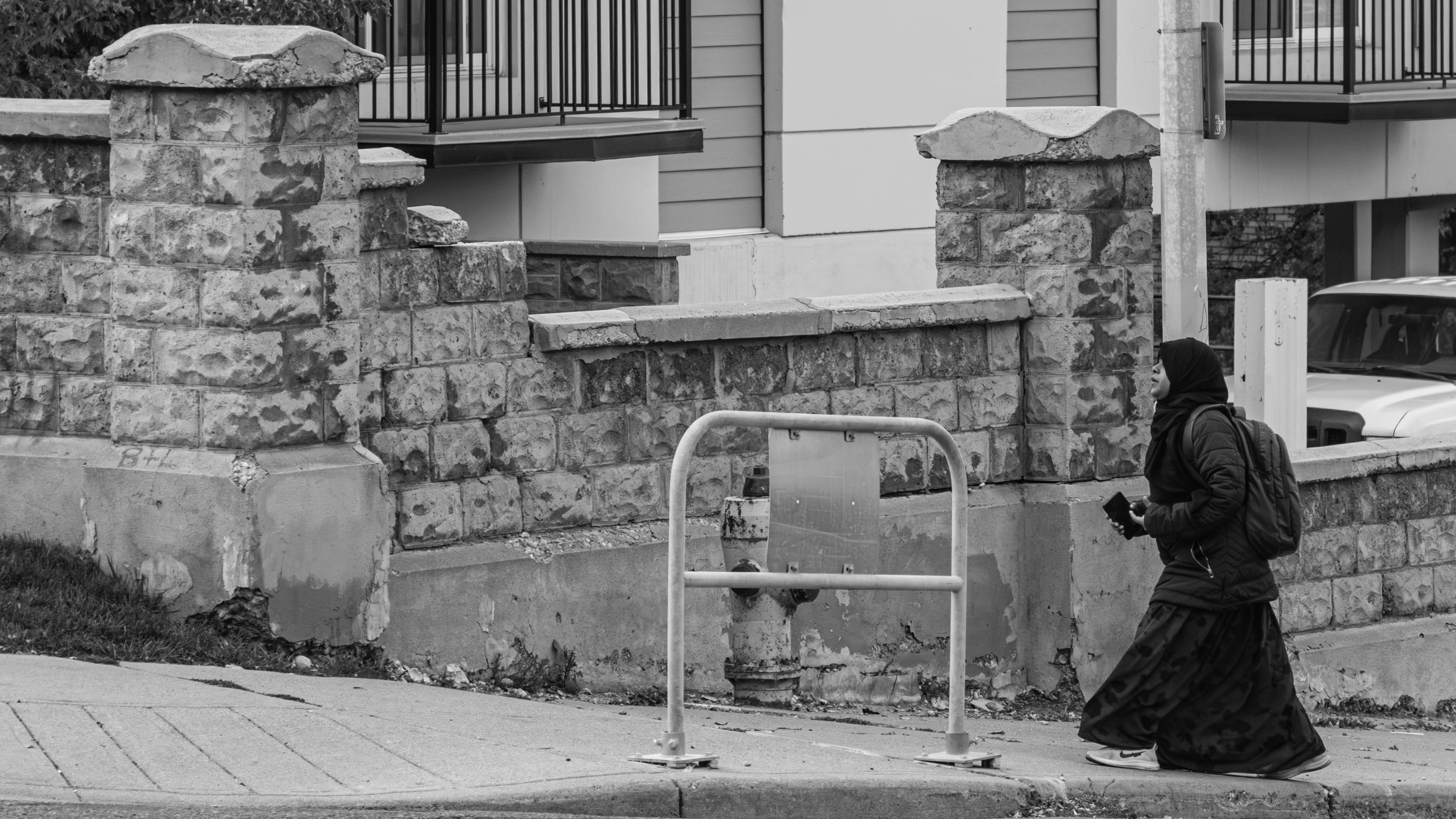
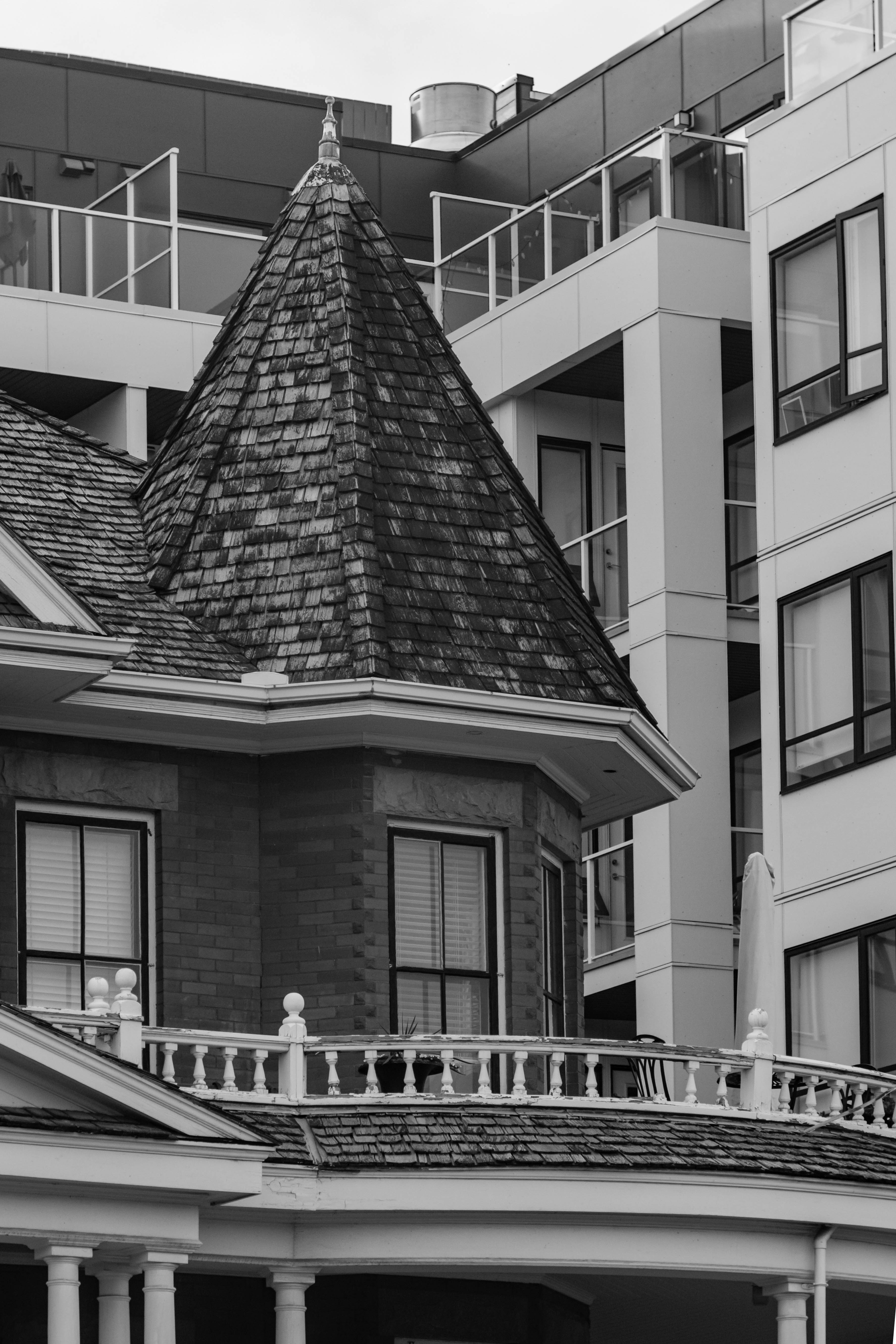
With all those flaws, I might be advised to end my review here. But here’s the problem. I think it actually takes good pictures. Check out these examples:

These pictures all came out of the camera with soft contrast, kind of a “mid-century” look. Could that be the result of whatever combination of optics and coatings was put into the lens in 1954? Maybe. It isn’t necessarily a bad look. In fact, it may be exactly what one is looking for, especially for portraits. After some editing, the results look fine, at least to me. (I should add that the Hektor’s colour rendition isn’t good, so I usually use it for B&W shooting.)

I’ve used the lens for street photography, and it’s best for distant subjects… shots across a street, like “VW Girl”, above. Shooting with Hektor brings all the shortcomings I mentioned earlier into play. For that reason, if I’m using this lens I have to get my settings ready and wait for subjects to enter the scene.

The lens is quite sharp across the aperture range, even shooting wide open. Again, it should work well in portraiture. Given how slow it is, maybe outdoor portraiture would be the best bet.

I’ve read a few other reviews of this lens. Most bash it quite harshly. One review by a well-known online source is very negative. However, when one reads the full review, the reviewer concedes the many strong points the lens has going for it when taking pictures. And isn’t that what matters?

Wrapping up, the Hektor is a lens I rarely reach for. There are good reasons for that. But every so often, when I feel like giving myself a photographic challenge, I put it on a Leica M camera and take it out for a spin. I marvel at the fact that I can do that at all, with such an ancient piece of equipment. And if I’m patient, I usually come home with a shot or two that convince me to keep this oddball in my kit. 

Two Recommended Short Novels

I read two short but impactful novels with similar themes over the weekend. It helped that our weather was more suited to reading than outdoor pursuits. I’d been looking for something quick to read, and the books I chose were the thinnest ones on my shelf. (I know, not the best way to choose a book.) By coincidence, my selections turned out to be profoundly complementary. 

The Old Man and the Sea

First up was The Old Man and the Sea, Ernest Hemingway’s Nobel Prize-winning 1952 novel. I read this book in high school, but that was long enough ago that it seemed timely to read it again. I’m glad I did.

The book tells the compelling story of Santiago, an old Cuban fisherman who has had a long stretch of bad luck. He and his young apprentice, a boy named Manolin, share a tender friendship, even though the boy’s family has forbidden him from working with Santiago due to his lack of success.

Santiago’s luck changes all at once, alone and far out at sea. He hooks a huge marlin, the biggest one he has ever seen. He spends more than two days landing the fish, against all odds. It is so large it has to be lashed to the side of his skiff. His triumph soon turns to despair as sharks consume the fish, leaving him with only a carcass by the time he reaches his home port. 

The story resonated with me, for several reasons. Santiago’s optimism never wavers. His lifetime of experience equips him with the confidence to face his many challenges as they arise. Even the loss of his prize fish does not defeat him; his lifelong dedication to his craft allows him to transcend this tragic event. For me, the lesson is clear: we must never give up.

Here’s a passage I thought summed up the whole story:

“I wish I had a stone for the knife,” the old man said after he had checked the lashing on the oar butt. “I should have brought a stone.” You should have brought many things, he thought. But you did not bring them, old man. Now is the time to think of what you do have. Think of what you can do with what there is.

Ernest Hemingway, The Old Man and the Sea

In my own memoir, Stroke of Luck, I use the phrase “be curious, be diligent, be humble” to describe my approach to life. It was gratifying to read that Santiago relied on these same traits to get through his ordeal. Existence is fleeting, and we must never lose sight of what we have in the here and now.

Train Dreams

My second book of the weekend was Denis Johnson’s novella, Train Dreams. In just 116 pages, Johnson takes readers on a broad sweep of American history, across the rugged frontier of the Pacific Northwest. The main character, Robert Grainier, is a labourer and woodsman who works on some defining projects in the region.

Grainier suffers the unbearable loss of his wife and infant daughter in a catastrophic forest fire, and lives the rest of his long life in the woods as a solitary figure. He struggles with the guilt of surviving, and only through his dreams does he come to accept his loss.

As readers, we experience the loss of the frontier that is rapidly being transformed… consumed… to feed an expanding American economy. Grainier himself becomes the symbol of a disappearing way of life.  

I found some striking similarities in these two books. Hemingway is well known for his clear and direct writing. Johnson’s prose is sparse and powerful too. He conveys horrific and sometimes funny scenes with an economic writing style. Here’s a particularly evocative passage:

All his life Robert Grainier would remember vividly the burned valley at sundown, the most dreamlike business he’d ever witnessed waking- the brilliant pastels of the last light overhead, some clouds high and white, catching daylight from beyond the valley, others ribbed gray and pink… and beneath this wondrous sky the black valley, utterly still, the train moving through it making a great noise but unable to wake this dead world.

Denis Johnson, Train Dreams

The protagonists of these novels, Santiago and Grainier, are both strong and solitary figures, who face hardship with dignity and ultimately find a way to carry on. 

The men in these stories are engaged in very different struggles against nature, on opposite sides of the continent. It occurred to me that in the current zeal for “cancelling” books on topics deemed to be incompatible with contemporary values, these two could well be targets. I hope that doesn’t happen, as the books reinforce several key messages: having strength of character is a good thing; hard work and aspiration for success are to be celebrated; and accepting personal responsibility for one’s actions is a sign of maturity.

I highly recommend both of these books!

Recommended Reads

I recently read two well-known books in the running genre, one after the other. Once a Runner and Marathon Woman couldn’t be more different, so this piece shouldn’t be taken as a straight-up comparison. Still, it was useful to contrast (on one hand) a niche novel from a bygone era and (on the other) a personal memoir of one of the most compelling characters from that same era. 

I’ll start with Parker’s book. 

I had a copy of Once a Runner on my reader long before I read it. The idea of a fictional story set in the milieu of a university track and field team interested me, but less than, say, a memoir of one of the great runners from history. True stories just resonate more with me, I guess. 

When I did finally dive in, the book was fine. Three out of five stars. Parker is a competent writer, but I found his characters to be thinly developed. I never really warmed up to the protagonist, Quenton Cassidy, a talented and driven miler. Cassidy’s mentor is the mysterious Bruce Denton. He isn’t the best role model, if I judge solely on how much he made me feel like going out for a run myself. And the female characters in the book don’t ever rise above the status of bit players or afterthoughts. There was quite a lot of 1970s-era stereotyping here too. 

I found the plot totally predictable. But that flaw didn’t bother me too much, as I had minimal expectations for the story anyway. 

What I liked in the book were Parker’s nuanced and detailed descriptions of distance training and racing. (This is no surprise, as the author was a talented runner who trained with the great Frank Shorter in Florida.) Sure, my days as an amateur track runner are well in the past, but I could fully relate to everything that Cassidy experiences as he prepares for and runs the climactic race—against a tough Kiwi, based with absolutely no disguise on the real-life John Walker—that closes the book. Anyone who has built up to a goal race would benefit from reading that part of the story. 

Overall, Once a Runner will appeal most to dedicated students of the sport and hardcore enthusiasts. Even so, if you’re like me, you’ll probably have many other choices on your reading list. When you find yourself with a gap, you might give it a try. 

The connection between my highlighted books may rest in the zone of those same societal stereotypes. In fact, Marathon Woman by Kathrine Switzer is the story of a dedicated young woman’s fight to break down those barriers. 

I knew a little about Switzer, mostly from her infamous on-course encounter with Jock Semple when she ran as the first legitimate female entrant in the 1967 Boston Marathon. 

Once I started into her book, I had trouble putting it down. Switzer writes in a comfortable style. While I wouldn’t say her book is aimed at a female audience—I really hope men read it—I did learn more about things like panty girdles than I ever thought I would. 

That said, it’s the essence of her story that is so impactful—her long, solitary battle to gain recognition for women in distance running. The next time you stand on the starting grid for a race, look around at the women who have embraced running as a key part of their lifestyle. That’s what we all can thank Switzer for. She does a great job in the book of explaining the hurdles she had to overcome to make that possible. 

Beyond her dedication as an advocate for change in women’s athletics, I had no idea how passionately Switzer pursued opportunities for women in other sports. Thanks to her diligent and courageous efforts, which are admittedly still a work in progress, women now compete on a more or less equal footing with men in many sports. I look at the Women’s World Cup which just started as an example. What a legacy Switzer has earned. 

I think you can tell which of these two books I would recommend to my friends. 

My Top 5 Books About Runners

Marathon Man, Bill Rodgers & Matthew Shepatin

Bill Rodgers was an unlikely sporting hero. His reputation as a flighty drifter stands in contrast to his intensely competitive racing personality. As we learn more about the man, we can understand this contrast and see how Rodgers progressed to the peak of the marathoning world.

I found his mile-by-mile account of the 1975 Boston Marathon—Rodgers’ breakout race and the first of his four Boston victories—to be worth the price of the book.

Marathon Man is full of motivation for amateur runners, and I highly recommend it.

In Search of Al Howie, Jared Beasley

Al Howie was an enigma. He was a troubled loner, who thought nothing of running thousands of kilometres just to compete in a race, only to turn around and run home. His 1991 record for the fastest run across Canada (72 days) stood for decades until it was broken in 2022 by local legend, Dave Proctor.

While Beasley’s book sheds some light on what drove Howie, we are in many ways left to come to our own conclusions about the man. And that’s fine.

I found the book helped me to sort out what running really means to me, and that’s why I recommend you read In Search of Al Howie for yourself.

The Perfect Mile, Neal Bascomb

All of us who enjoy running owe a debt to the three talented men who chased the four-minute mile in the early 1950s. Roger Bannister, a Brit, finally broke the barrier in 1954. And like us, he was a pure amateur. He juggled athletics training with medical studies and did groundbreaking research into the science behind aerobic exercise.

In my opinion, he paved the way for us to enjoy the sport as we do today.

What you may not know is that there was worldwide interest in the rivalry between Bannister, the Australian John Landy, and the American Wes Santee. Bascomb’s superb book, The Perfect Mile, brings this important piece of running history to life. Highly recommended!

Born to Run, Chris McDougall

This book caused quite a stir when it came out in 2010. It uncovered a whole new world of distance running, in the remote part of Mexico that is home to the fascinating Tarahumara people. Reading about their unbelievable feats of endurance left me in awe.

I was also intrigued by the mysterious American loner, Caballo Blanco, who lived and ran in the same mountain region.

The author’s own experience in a fifty-mile trail race leads him to investigate why human physiology makes us ideally suited to distance running.

These threads are woven together to make Born to Run a memorable read. See if you agree.

Duel in the Sun, John Brant

This is the story of one of the great rivalries in distance running, and possibly the most exciting Boston Marathon finish of all time.

The clash between Alberto Salazar and Dick Beardsley in 1982 has all the elements of a thriller: the brash young star and the workmanlike veteran, battling each other to the finish on a scorching day in Boston. Neither runner was ever the same again.

Their compelling personal stories are told in real-time as they run from Hopkinton to Boylston Street. Duel in the Sun is a must-read for anyone who has run that famous stretch of road. Or aspires to.  

The Amazing Ricoh GR III

Let me say at the outset that I approach camera equipment from a strictly amateur perspective. I’m an enthusiast, not a professional. I know what I’m doing when it comes to the gear, but I don’t chase pixels or specifications.

With that proviso, here is my review of a camera that I am very enthusiastic about: the Ricoh GR III.

I should explain that I predominantly use this camera for a different purpose than many other shooters. I bought the GR III to carry with me on what I call “photo runs”, easy runs of 5-15 kilometres. For that purpose, I needed a small, light, and fast-to-operate camera. Extra weight was a deal-breaker. Cameras with wide zoom ranges or fast lenses are generally bulky, so I eliminated those immediately.

I quickly got down to a shortlist, and a few features of the GR III won the day. At 257 grams, it met my weight criteria. Its f2.8 maximum aperture and 24MP resolution APS-C sensor are more than capable.

Where the GR III really shines is in the “fast and easy” category. It is faster to operate than most cameras, and easier to shoot than a cell phone. The camera’s form factor makes it easy to grip, and its snap focus feature makes it very quick to shoot. Since I carry the camera in a waistbelt (I use the excellent Salomon S-Lab belt, by the way) I can grab it with my right hand and be shooting one-handed in a matter of a second or so. That makes a difference when you are pulling over to get a shot, especially if you are out with your running mates. (Strangely, they don’t like to stop or even slow down to let me get back into the group.)

The GR III is ideal for the type of shooting I do on the run. Landscape shots are a good example, and a frequent subject if I’m running along Calgary’s picturesque river pathway system. I like being able to easily select different exposure settings with the top mode dial (most often a switch between Aperture Priority or Program mode).

Exposure compensation is a breeze with a quick sideways press of the ADJ lever. By pushing the same lever in, I can call up pre-set image control settings. The “high contrast monochrome” mode is one I often use for capturing afternoon clouds over the river or a piece of interesting architecture that I pass on my run. I’m also fond of the “positive film” mode for a Kodachrome look while running on the city streets.

I like being able to change a setting while I’m moving, and for that reason, I really appreciate the GR III’s accessible controls and the intuitive menu system. Because speed is my top priority, an even better solution was to program a couple of “run-friendly” shooting modes into the User programmable slots.

Another thing I really appreciate is the easy access to the multiple drive mode. It’s a simple toggle on the 4-way control dial, which is perfect if I decide to capture a sequence of my running partners in motion.

There’s one other thing that turns out to be essential for me. The Ricoh has proved that it can handle the worst of an Alberta winter. Consider this: I carried the GR III on my belt every day in December, while I participated in a running streak challenge organized by our local running store, Strides. That meant it was outside, sometimes exposed to a -30C wind chill, for up to 90 minutes. As long as I put a fully charged battery into it before leaving the house, it went on shooting for as long as I needed it. I should say, for as long as I could stand taking off my outer mitt to actually shoot it. Some of those runs were, in a word, brutal. And this camera kept up. Amazing!

As for things I don’t like, it’s a short list. Given its small form factor, I do find the GR III controls a bit finicky, especially with frozen hands. And the fixed 28mm focal length can sometimes be a constraint.

I’m willing to accept these limitations given all the positives that this camera delivers. What else would I expect but small controls on a camera of this size? And I find the standard JPG files out of the camera give me more than enough resolution if I need to crop and quickly edit a shot for posting on Strava or sharing with my partners after our run. Most of these shots aren’t fine art.

That said, if I do get a shot worthy of more attention, the in-camera stabilization helps me capture sharp images, which leaves me the latitude to work with the ample 24MP RAW file and crop it later in post-processing. It’s a nice option and one I’ve used many times.

Incidentally, that’s why the GR III has filled more voids than I ever expected it to. It is often the camera I reach for if I’m out walking around, as it is an excellent street shooter… unobtrusive to the subject and highly intuitive for the photographer. In fact, I carry it even if I’m bringing another camera with a 50mm or longer lens, in case I decide the 28mm viewpoint is more to my liking.

Overall, the Ricoh GR III has proven itself worthy of being a constant companion on my runs. It has exceeded my expectations, and that’s why I’m putting so many miles on it.