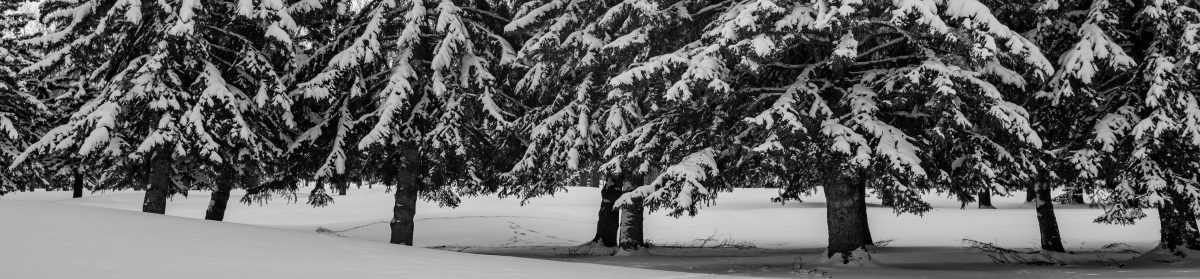
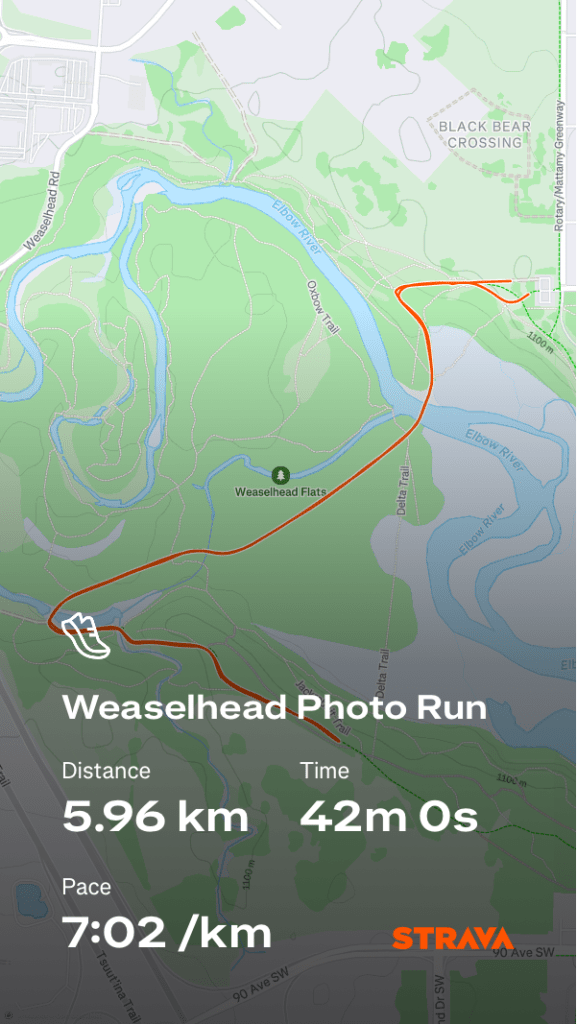
Knowing that Weaselhead Park would be in its full autumn splendour this week, I decided to do a short photo run starting in North Glenmore Park.
Here’s the Strava record of my out-and-back route through the Weaselhead Flats. It’s a beautiful place to run at any time, but especially at this time of year.
I recently had an idea for a new series, highlighting my favourite photographers. As I trudged up the hill at the far corner of Weaselhead, where the path heads into a pleasant birch forest, I realized I had my first subject: Ansel Adams. Adams is a good choice, given that he was the first photographer who came to my attention after I purchased a film camera as a teenager. I’ve admired his photographs for years. And when I saw the white trunks of the birch trees, two specific images popped into my head.
But first, let me introduce Adams.
Ansel Adams: Photography Legend
Ansel Adams (1902-1984) was an American photographer and environmentalist. As a young man, he showed talent as a pianist. However, he decided to pursue his early interest in photography, even though at the time that was hardly a sure career path.
Adams is best known for dramatic black and white landscape images, many of which were shot on large glass plate negatives. He also developed innovative and disciplined approaches to capturing and printing images. He formalized the use of the Zone System, which allows the photographer to realize what they saw in the scene, based on analysis of the tonal ranges in the image.
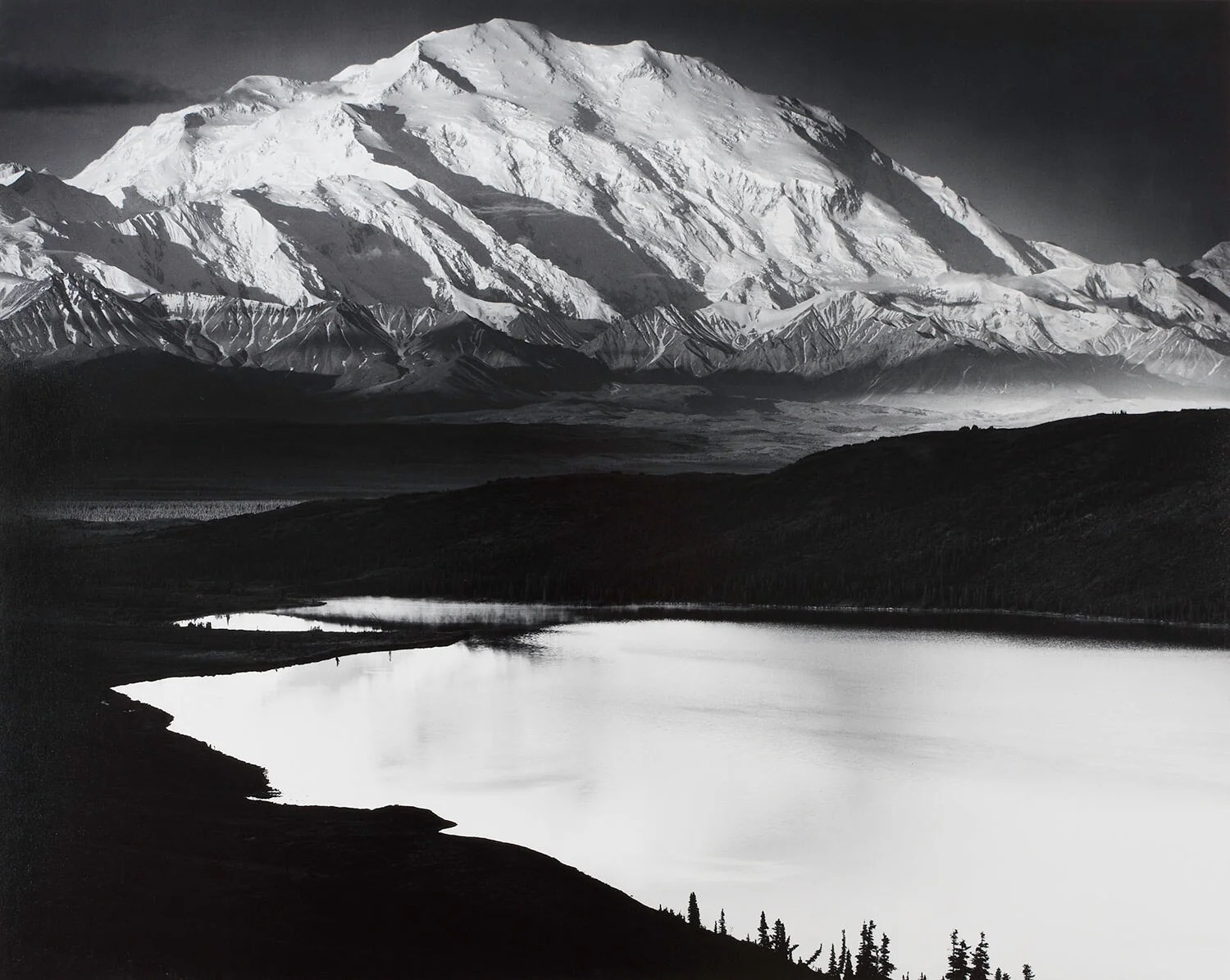
Given the sheer number of Adams’ iconic images, it would be difficult to settle on my personal favourite. I’ve always admired his Clearing Winter Storm (1944) and Monolith, The Face of Half Dome (1927). His photograph of Denali—Mount McKinley and Wonder Lake (1944)—is brilliant. These images matter because they illustrate Adams’ deep commitment to preserving some of the great natural places in the U.S.
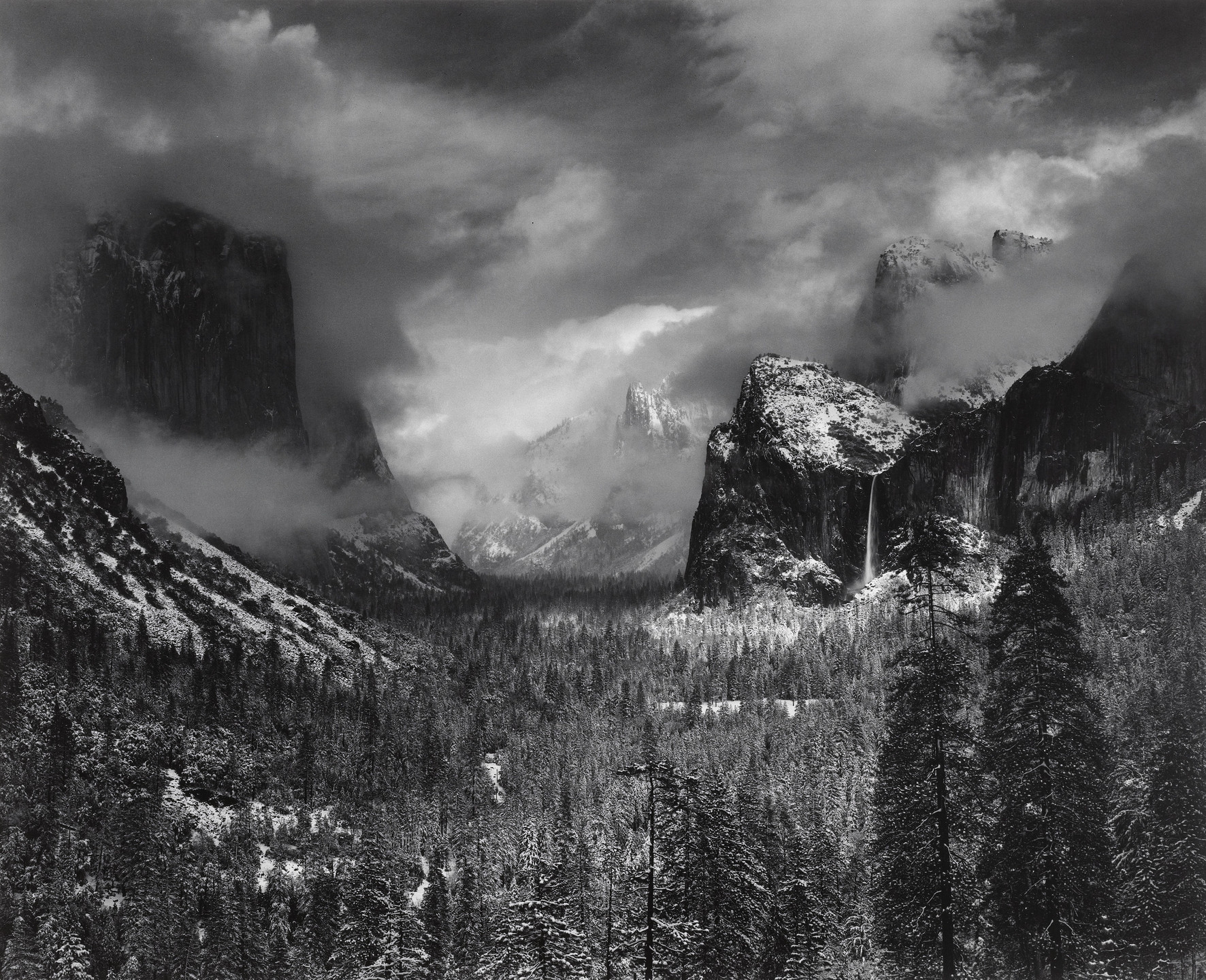
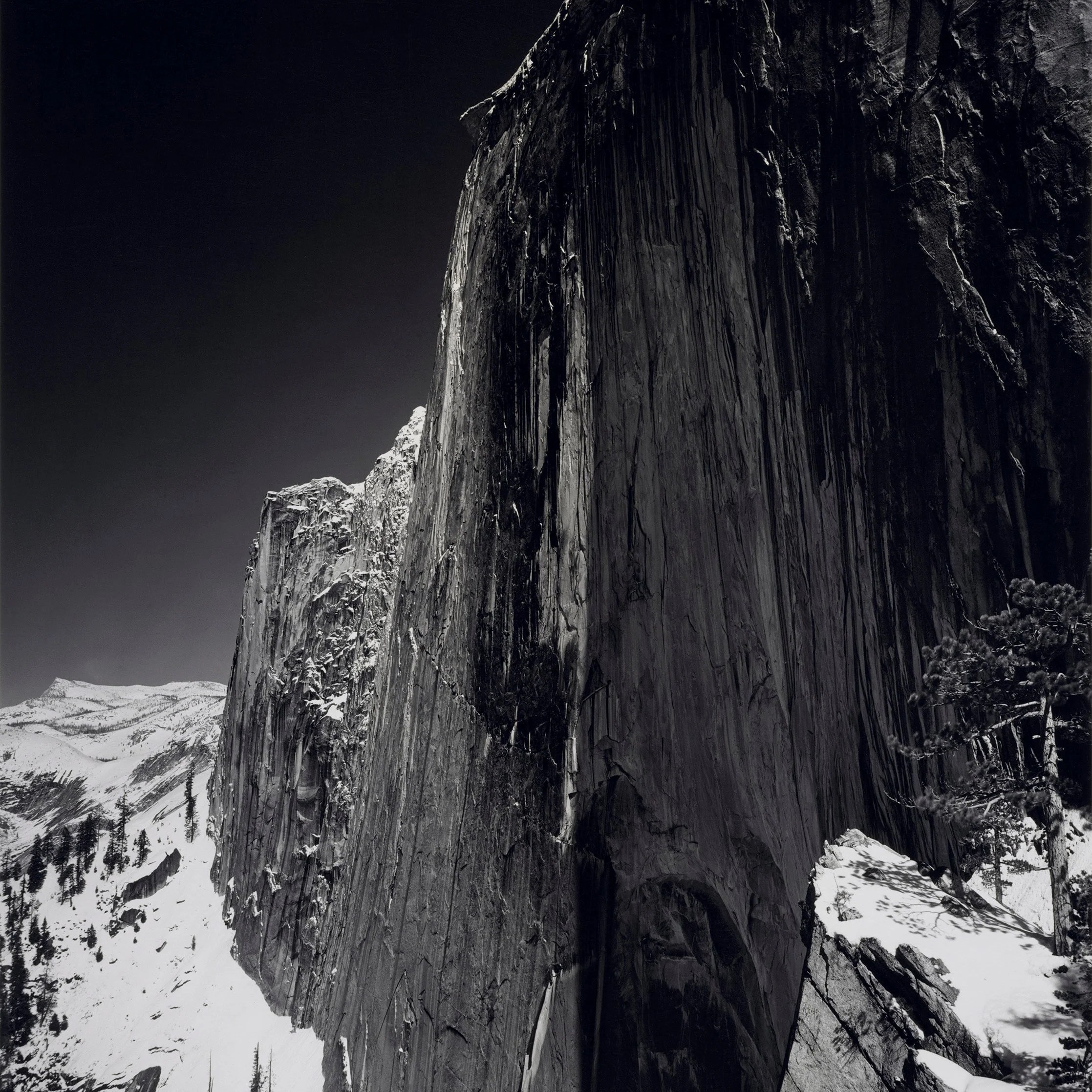
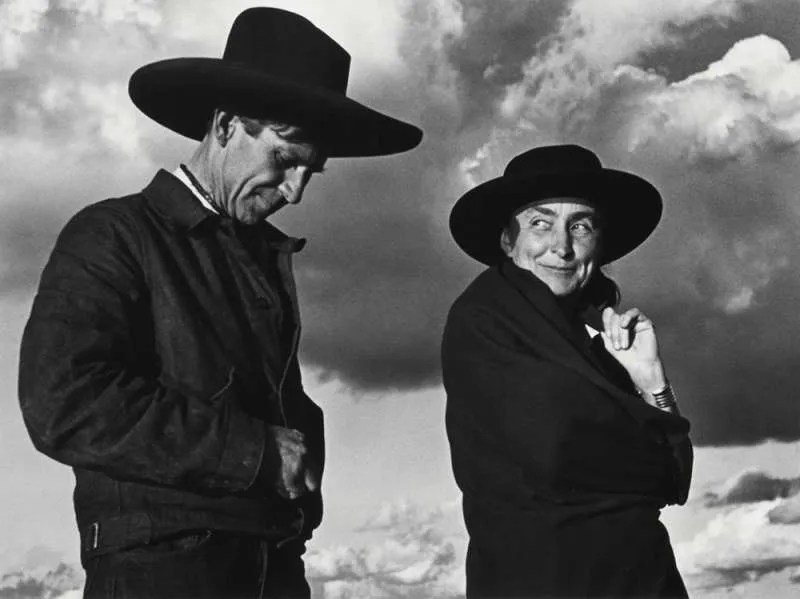
Even though they aren’t what he is best remembered for, Adams’ portraits are remarkable, too. His candid shot of Georgia O’Keeffe and Orville Cox (1937)—shot with a 35mm camera—may be my favourite of all his images. So, regardless of which image we look at, it’s easy to see why Adams is regarded as one of the greatest American photographers.
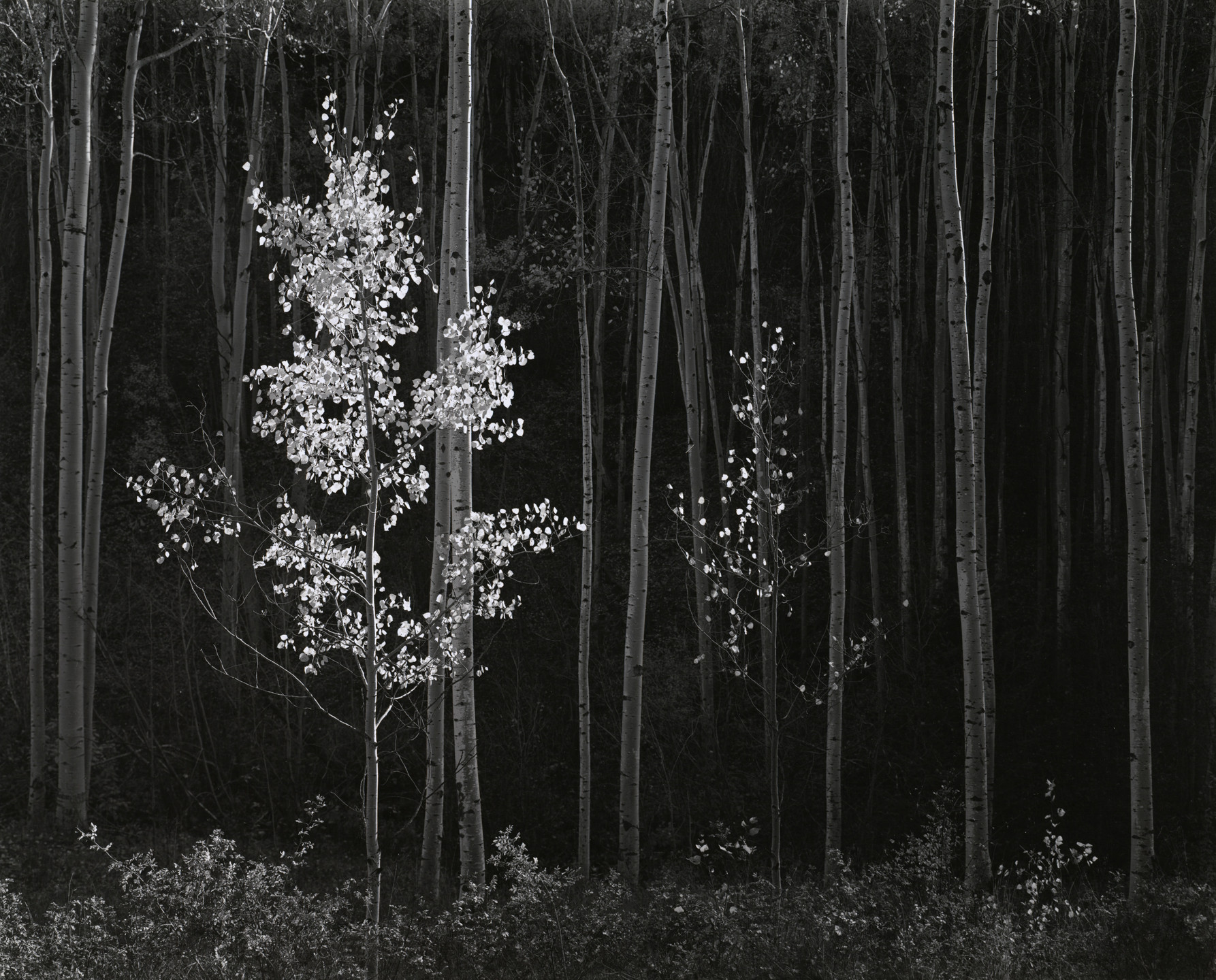
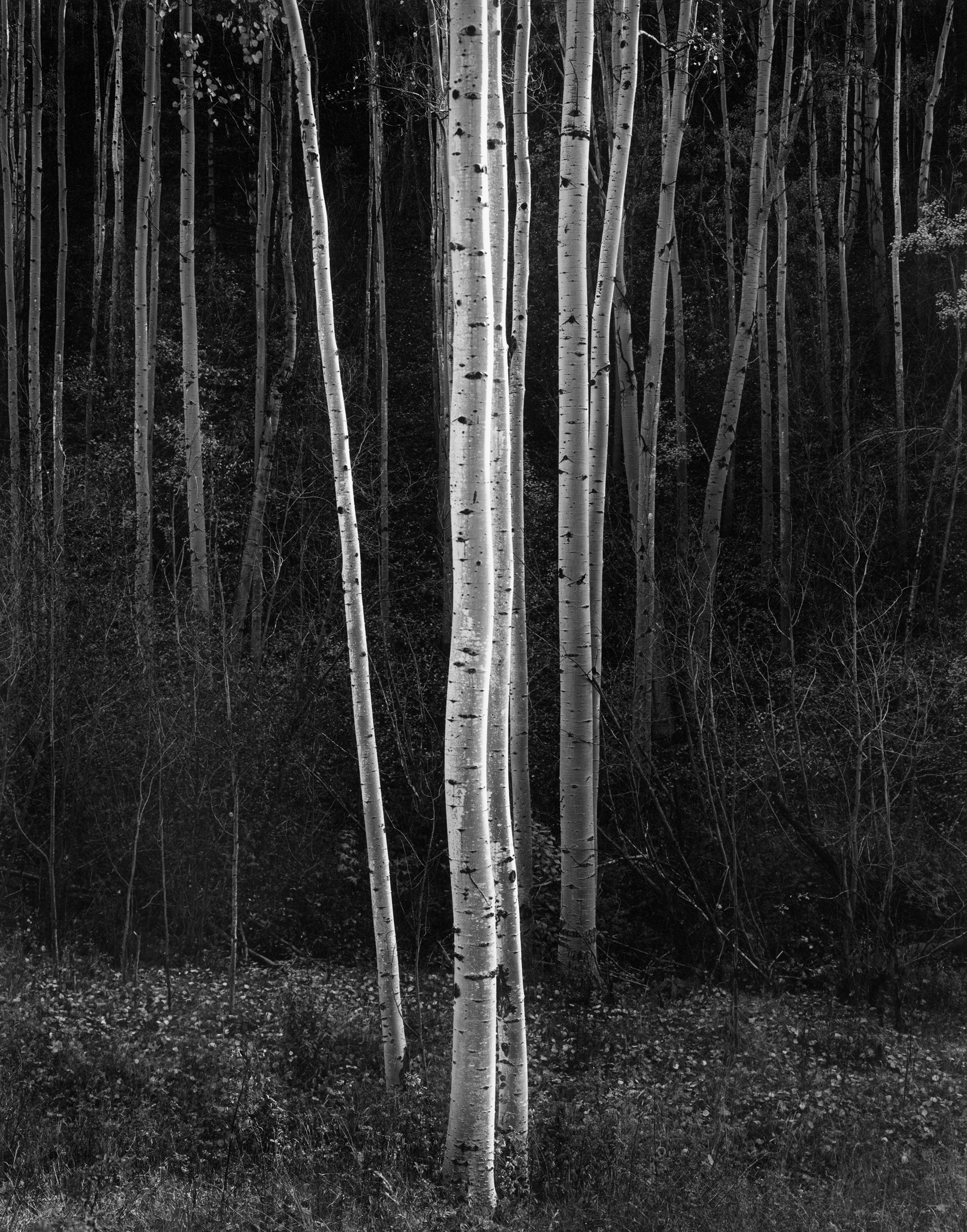
Aspens, Northern New Mexico (1958)
There’s a book by Adams that I’ve turned to dozens of times for inspiration. It’s called Examples: The Making of 40 Photographs. Adams takes the reader on journeys that culminate in the images in his book. He sets the scene, explains the equipment he used, and the process of creating the final print. It’s far more than a how-to manual. What I appreciate most about the book is Adams’ honesty. Many times, he admits to making errors in his camera settings or finds he’s created challenges for himself in achieving the result he wants. These are refreshing admissions by a person we may think of as being infallible.
Two images in Examples are relevant to this piece. Aspens, Northern New Mexico (1958) is a pair of complementary photographs, one vertical and the other horizontal. Adams shot them with an 8″x10” camera using a yellow filter, which would have lightened its own colour (yellow) and darkened its opposite colour (blue). He typically printed the images in very large format, up to 30″x40″. Adams describes these as “quite satisfying statements”, “cool and aloof and rather stately”. I’ll say! He also writes that they are good expressions of his philosophical approach to photography, in that he was able to express what he saw and felt in the scene.
And so, today in Weaselhead
At the risk of embarrassing myself—-we can agree that Adams is a tough act to follow—-let me turn to my own attempt to capture what I saw and felt on today’s Weaselhead photo run. It was a similar day to what Adams described for his Aspens: a crisp autumn day. The birch forest was in full fall colours. Even better, the sun was trying to make an appearance after a short rain shower. There was no wind. In other words, the prospects were good. As usual, I had my Ricoh GR III in hand—no 8″x10” cameras here.
I could see what Adams had to deal with, given all the colours of autumn: reds, yellows, purples, greens. A colour photograph would certainly have impact, but my worry was that it would end up being an incoherent riot of colour. Because digital photography gives us some huge advantages over Ansel and his glass negatives, I’m able to let my readers decide for themselves.
I’ll start with a vertical shot. I did some masking in Lightroom to bring out the trees at the front of the image and give some separation against the busy background. Using Lightroom’s simulated filters, I boosted the yellow channel to brighten the leaves. As is often the case, I prefer the black and white version.
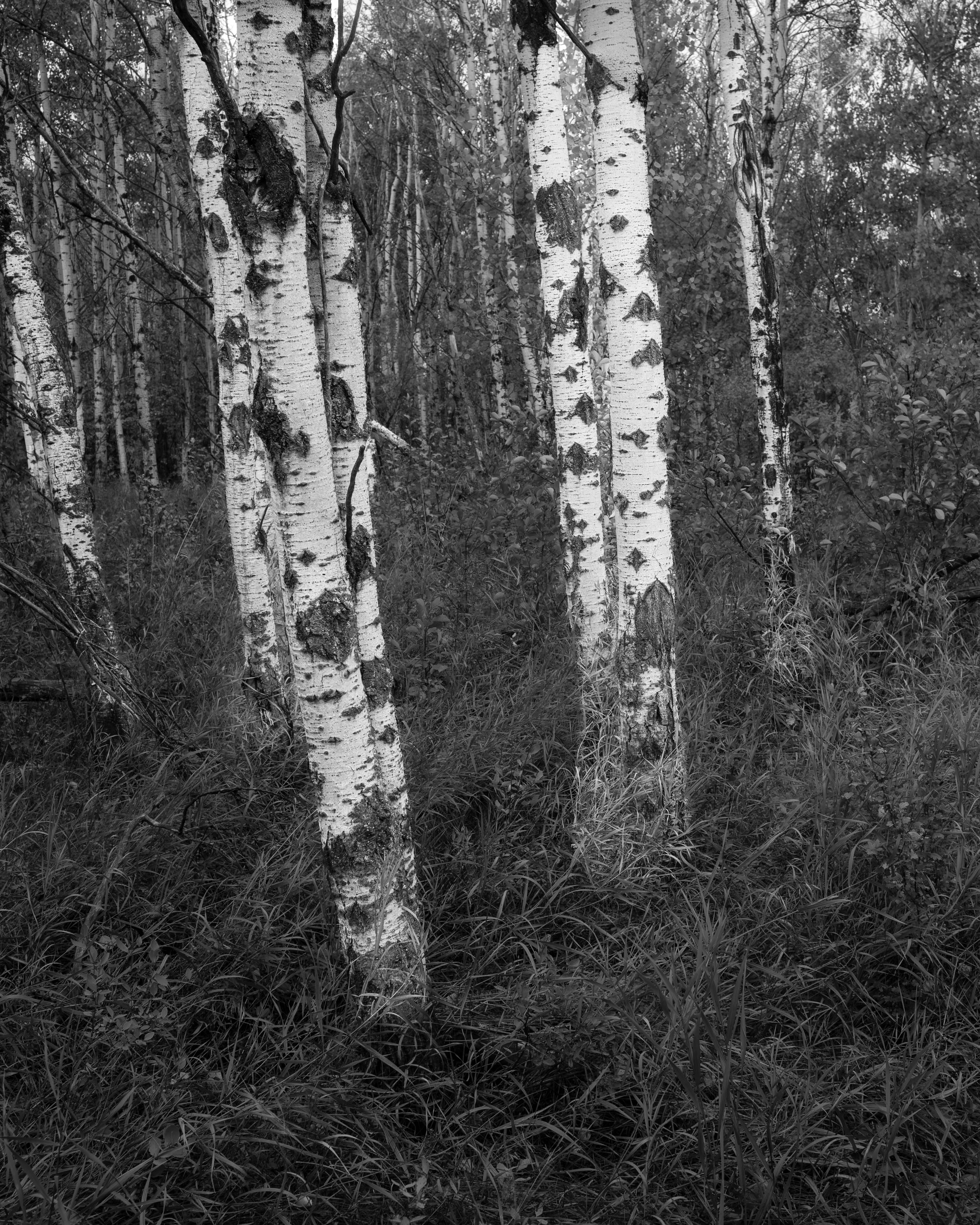
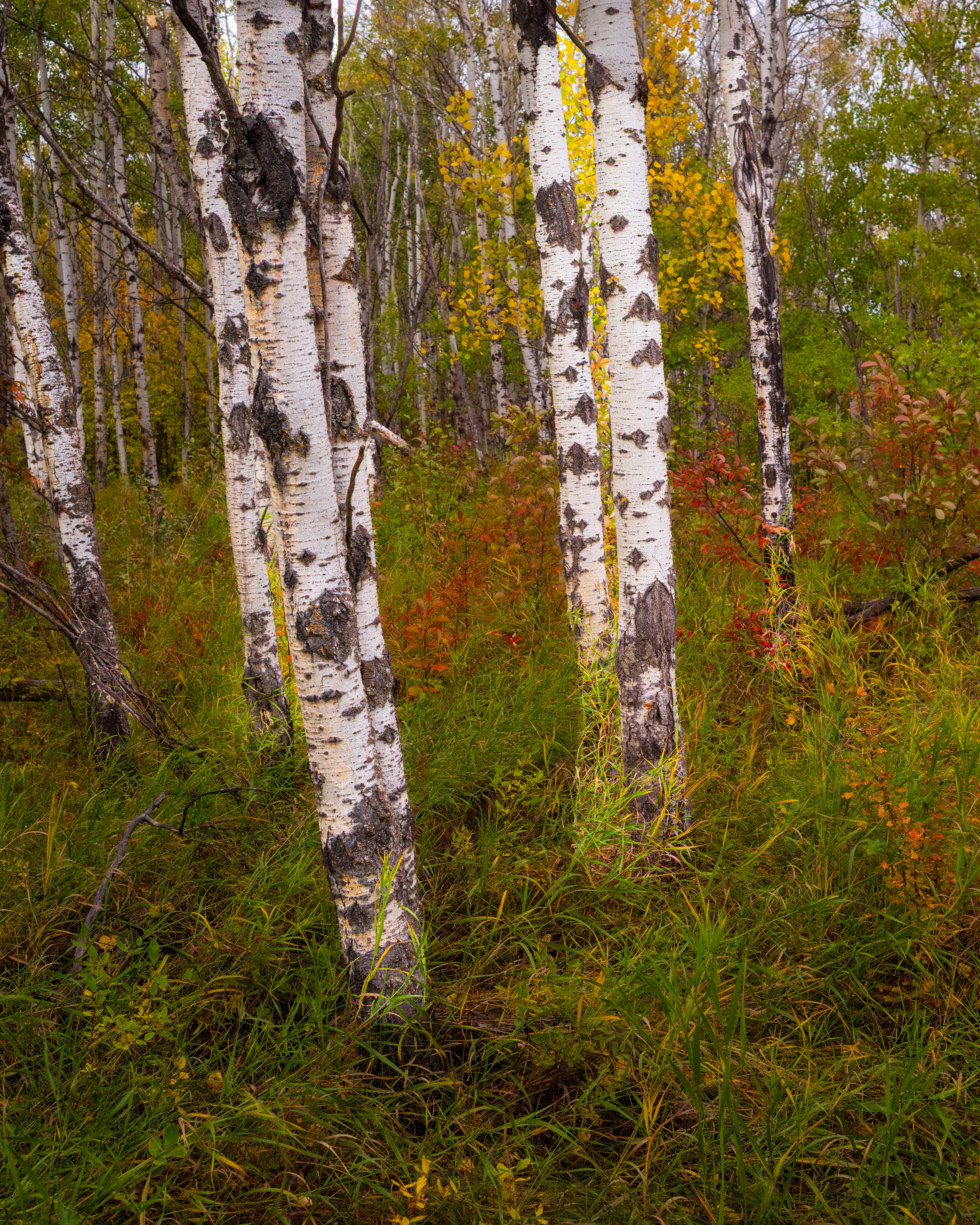
Moving on, I looked for a scene that might work in horizontal format. My idea was to have some prominent leaves in the picture, as on the left side of Adams’ image. I found a grove with a dense grouping of trees and a splash of green on the left of the frame. I don’t think this was the perfect example, but you know, I was in the middle of my run. I snapped my shot and carried on. Later, I darkened the left edge and the foreground to accentuate the trees that were in sunlight. Again, I prefer the monochrome version, but I’d like to hear from any readers who have an opinion.
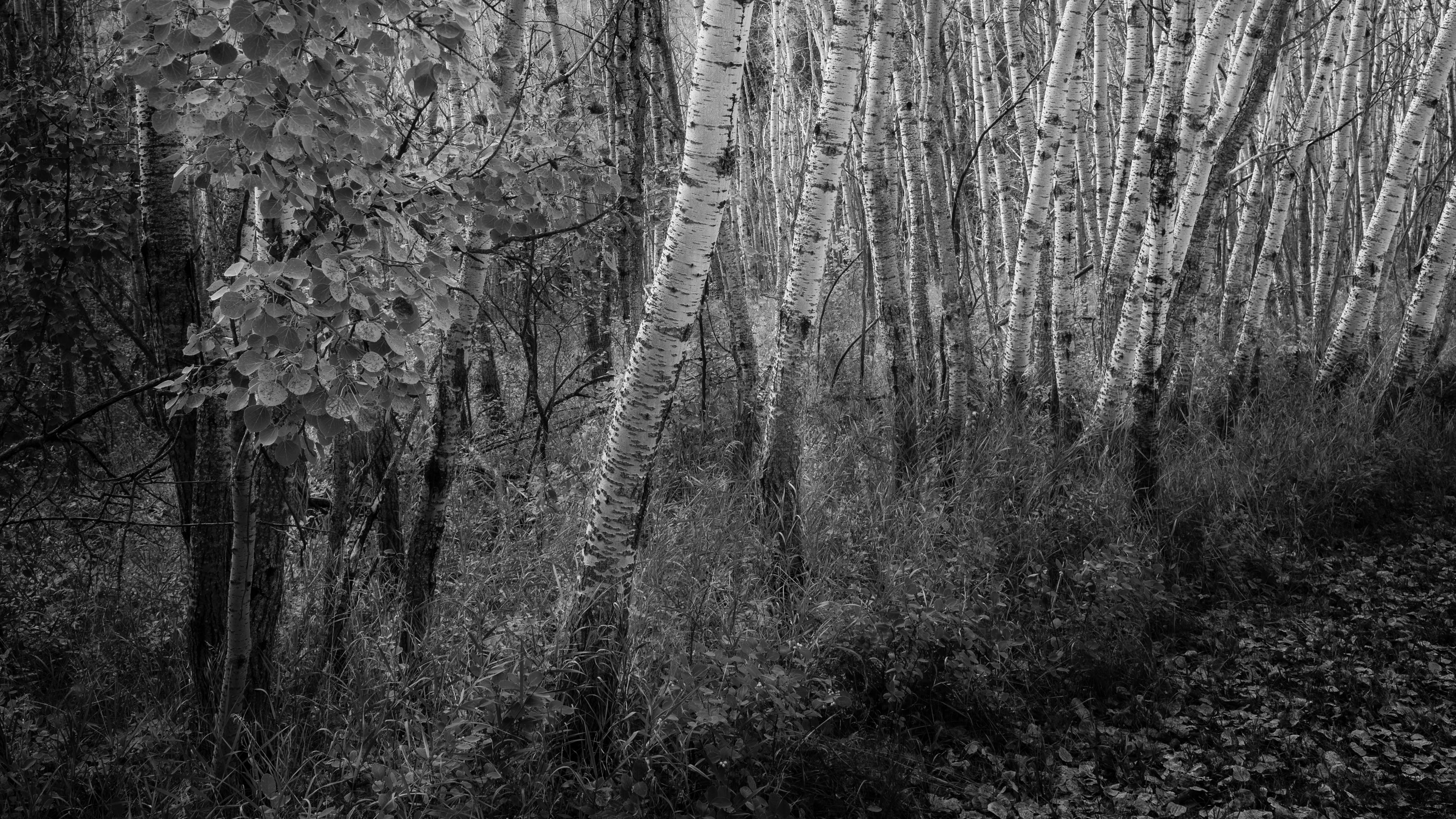
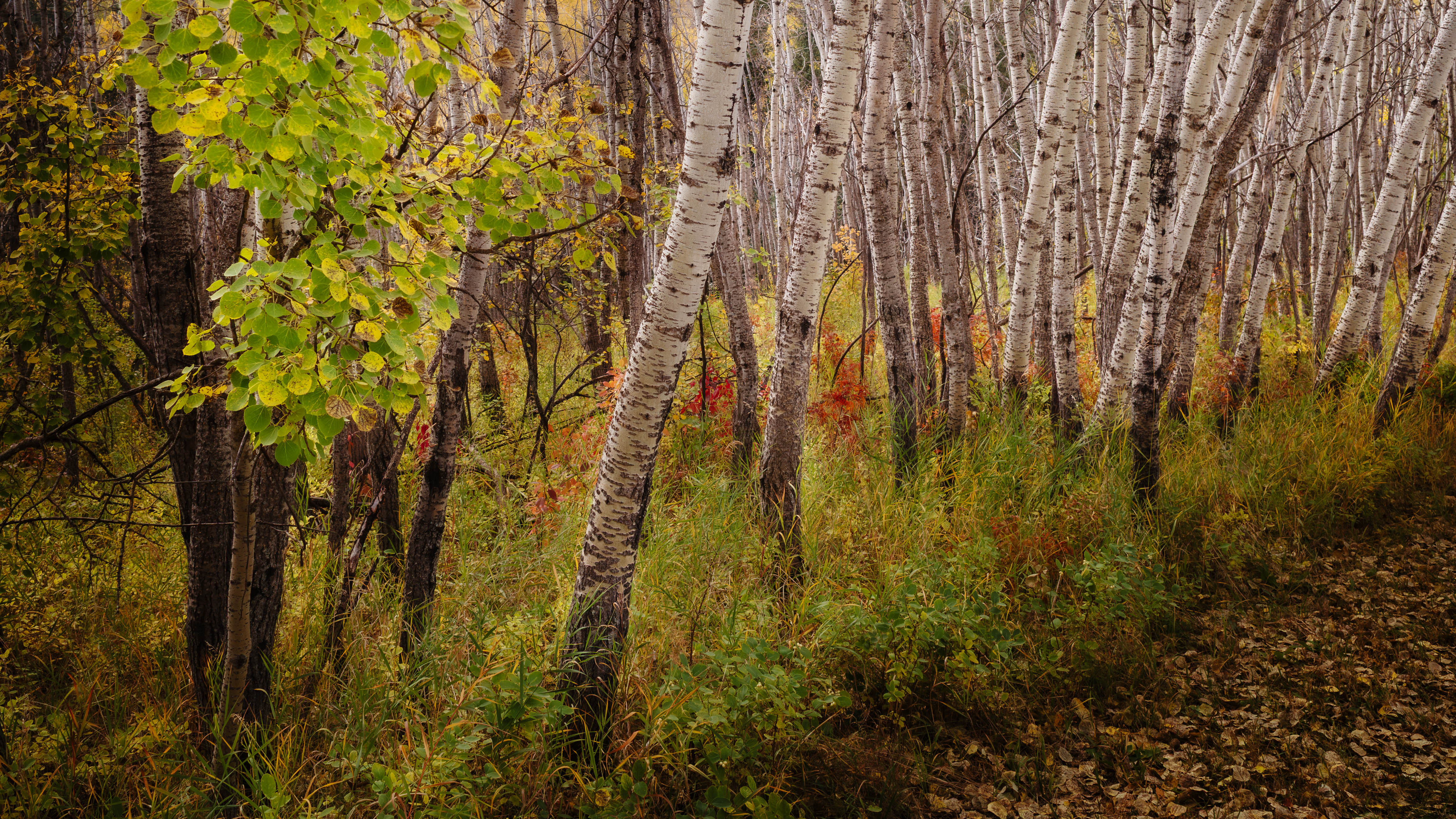
Wrapping Up
My photo run was short but productive. I headed to this spot because I hadn’t been there for a while, and I wanted to see the fall colours. Once I got to the birch forest on the south side of the reservoir, Ansel Adams’ iconic images popped into my head. It encouraged me to slow my pace and look around. And what I found was well worth the effort. I may even try to get back there with a film camera and tripod—and without my running shoes!
Until next time, be well and BE FAST!


Wonderful post, I loved your comparison of the two photos and the context about Ansel Adams.
LikeLike
Thank you! Perhaps a risky move to invite comparison with one of my heroes. It was a fun piece to write.
LikeLike