This post is my third from our recent Japan trip. I’ve dealt with the logistics of our travels in Part 1 and Part 2 of the series, and I have a lot to cover, so I’m going to jump right in.
Historic Kyoto
Kyoto is a must-see destination in Japan. It’s the capital city of Kyoto Prefecture in the Kansai region, and it has a population of 1.5 million. Interesting facts, but totally irrelevant, because Kyoto’s rich history makes it so much more than a compilation of facts and figures. Kyoto was the seat of imperial power in Japan for eleven centuries, from 794 to 1869.
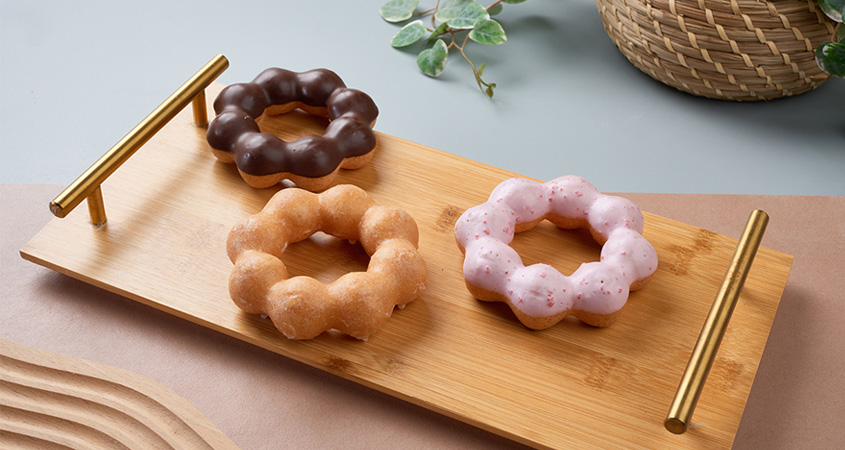
Our time in Kyoto was short, and we made a false start just getting out of Kyoto Station—an impressive but rather intimidating building. We regrouped at a Mister Donut, where we shared a Pon de Ring, their signature mochi donut. (Their photo too.) I’ll admit this was a stop I’d wanted to make for nearly two weeks. It was worth the wait. Delicious!
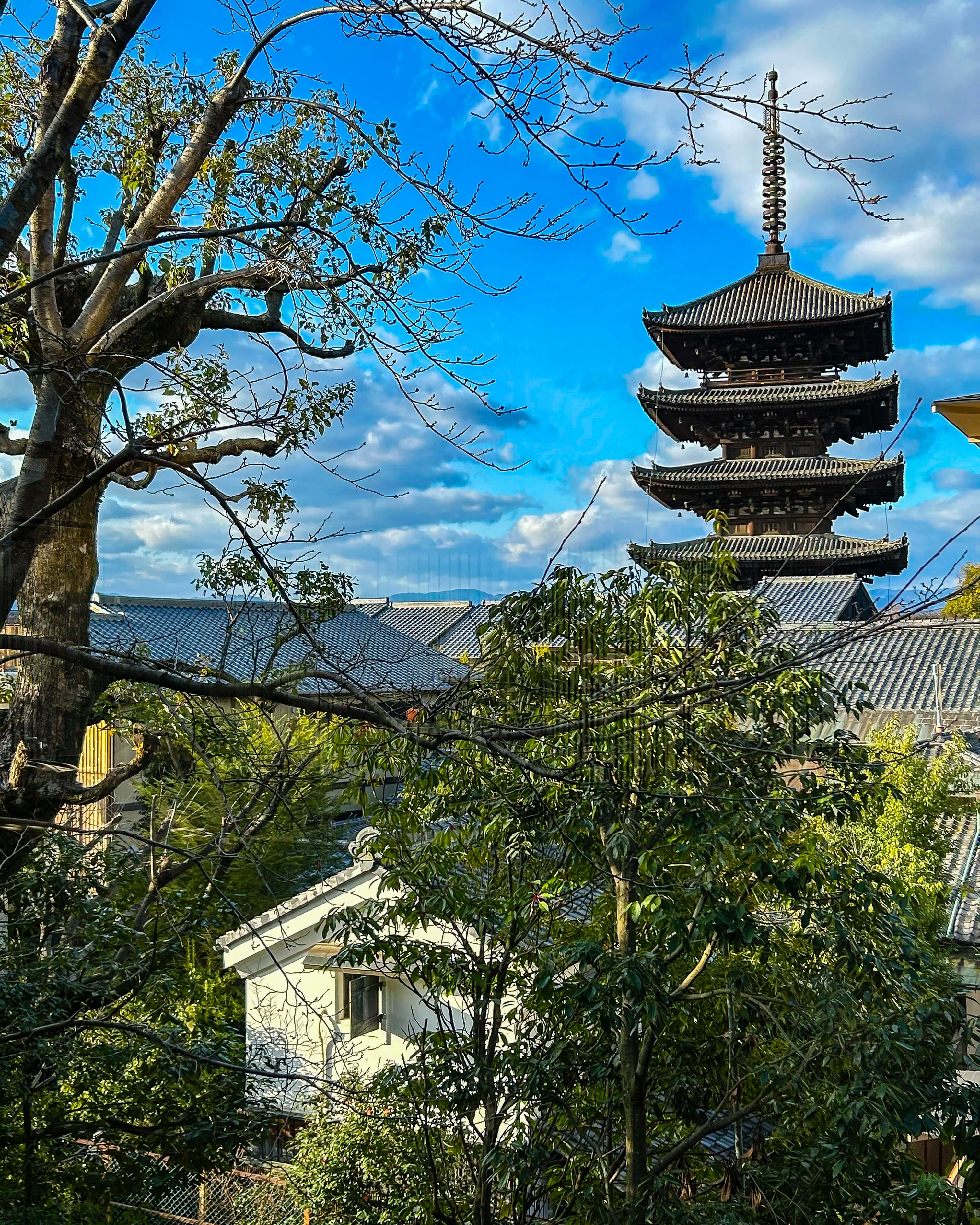
With our courage restored, we successfully hailed a cab and headed for the Hotel Seiryu Kyoto Kiyomizu. The hotel, set in the preserved walls of a former school, had us speechless. It was spectacular. Trendy yet refined, with world-class amenities and impeccably attentive staff. The lounge offered postcard views of the nearby Yasaka Pagoda, a majestic five-storey landmark.
We could have spent our whole time in the hotel, but there was much exploring to do. As we had been doing for the whole trip, we followed Matthew’s advice. We ventured out into the Kiyomizu-dera area. When we visited the site of the eponymous temple, it was clear why it is such a popular attraction—a beautiful site, with great views of the city below.
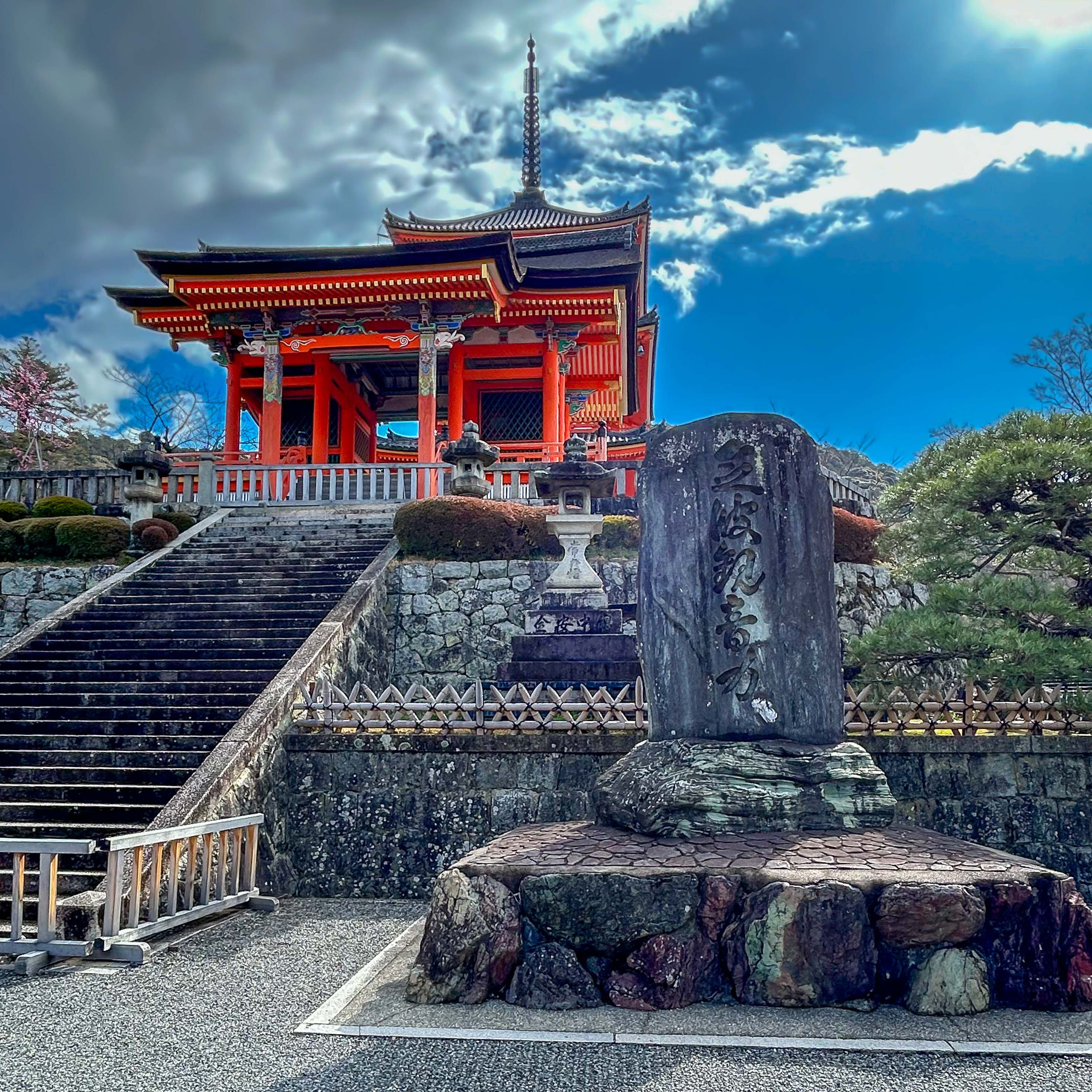
On our first full day, we rode the historic Randen (Keifuku) Arashiyama tram to the end of the line and got a cab to the Otagi Nenbutsuji Shrine. The shrine is (almost) off the tourist track. It holds a hidden treasure, in the form of carved Buddhist statues (rakan). These whimsical statues tell a remarkable story of resilience, for a temple that has moved several times over its long history. The sculptures look ancient, but they actually aren’t. Several decades ago, the head priest initiated a program to share his skill as a sculptor with the community. Given that there are 1,200 statues around the shrine, his efforts were successful!
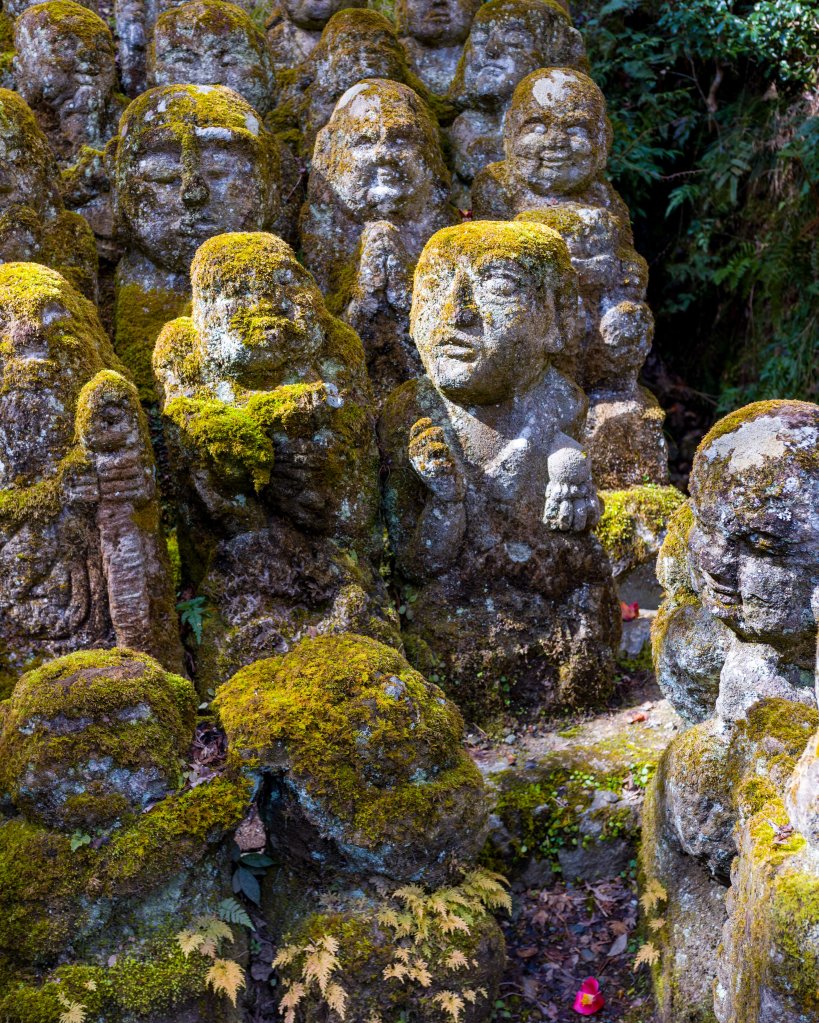
From the temple, it was a easy walk back into the city. On the way, we visited the intimate Gio-ji Shrine, site of one of the finest moss gardens in Japan. Then we walked through the famed Arashiyama bamboo grove, where we encountered the full impact of Kyoto’s popularity with tourists.
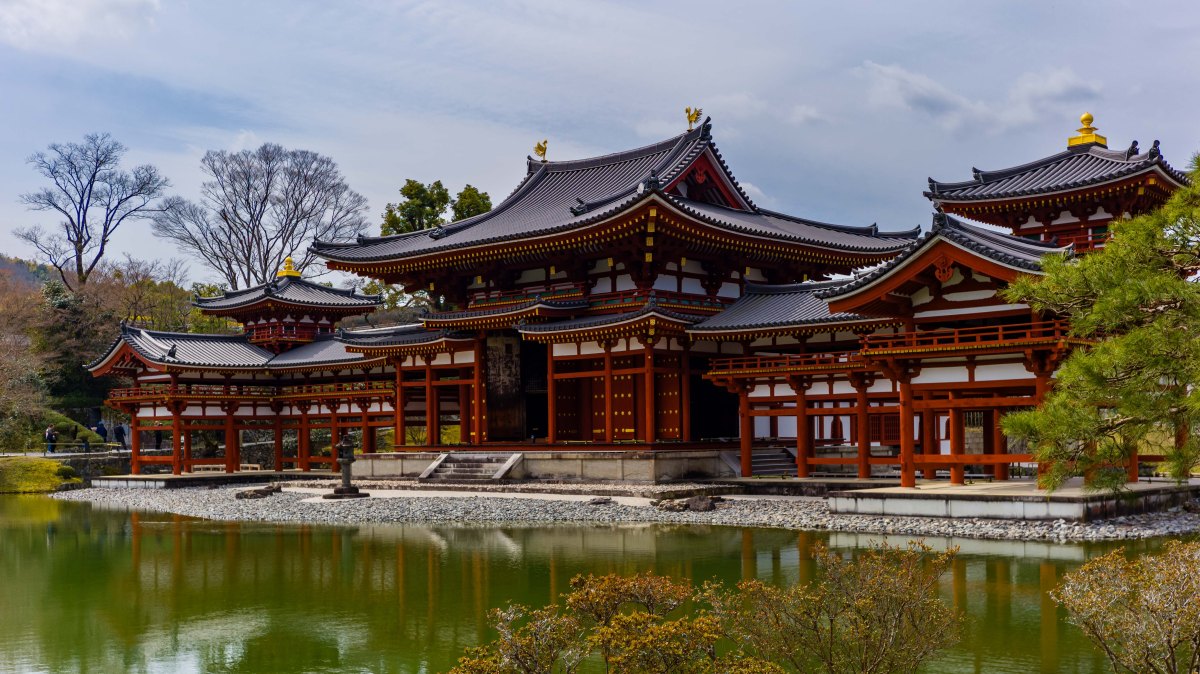
Next day, we made the short trip to Uji, south of Kyoto. We decided to skip Nara, and its resident deer population, in favour of a longer visit to the Byodoin Temple. We found Phoenix Hall (the featured photo, above) and its adjacent museum fascinating, and the streets of Uji—renowned for matcha tea—well worth a bit of sightseeing.
On our return to Kyoto, the train conveniently stopped at Inari, steps from Fushimi Inari Taisha, one of Japan’s most popular sites. There, a long procession of torii gates guides visitors all the way to the top of Mount Inari. We didn’t make it that far, but we were suitably impressed by the spectacle of 10,000 vermillion gates. What dedication!
Here is a small album of photos from our time in Kyoto:
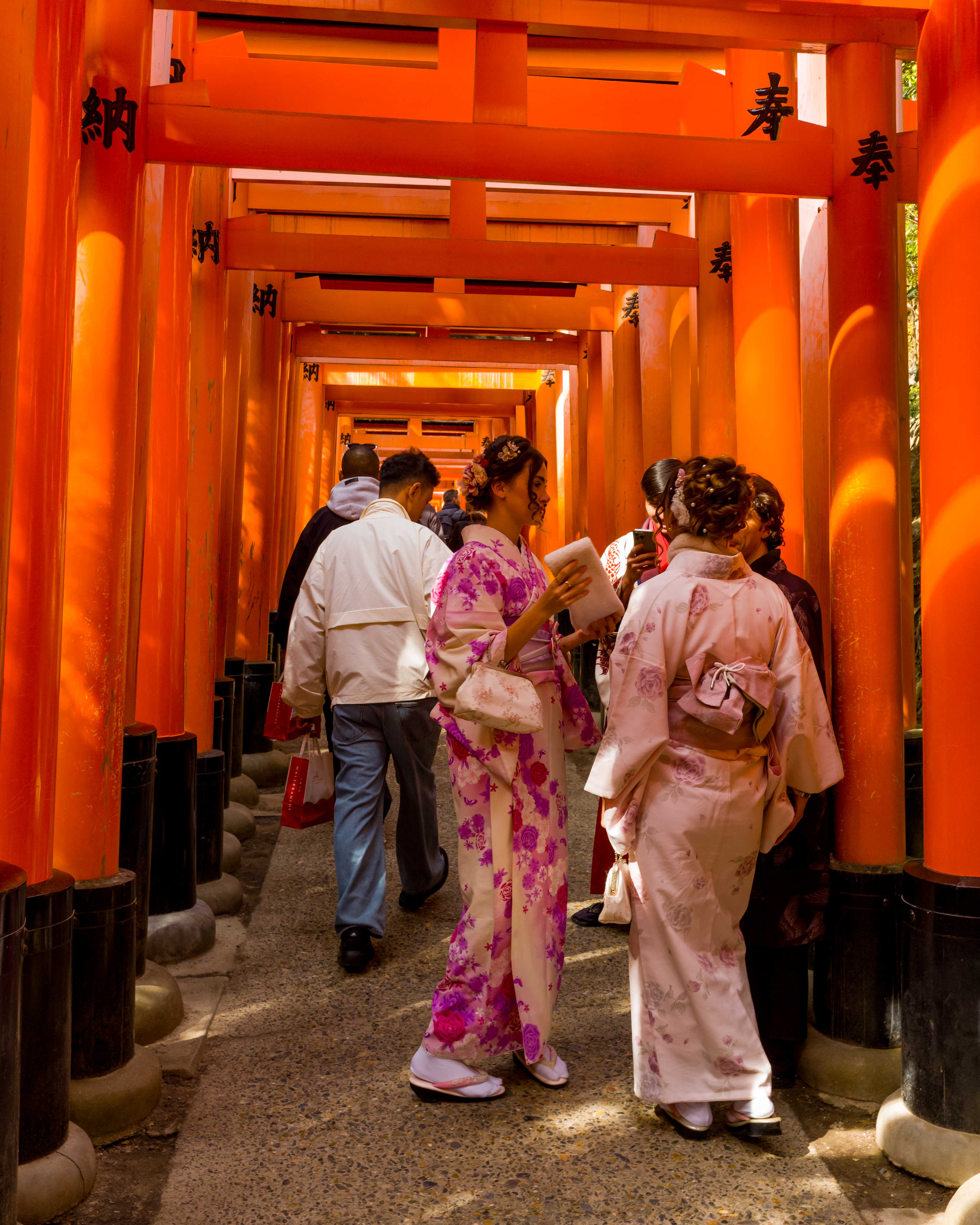
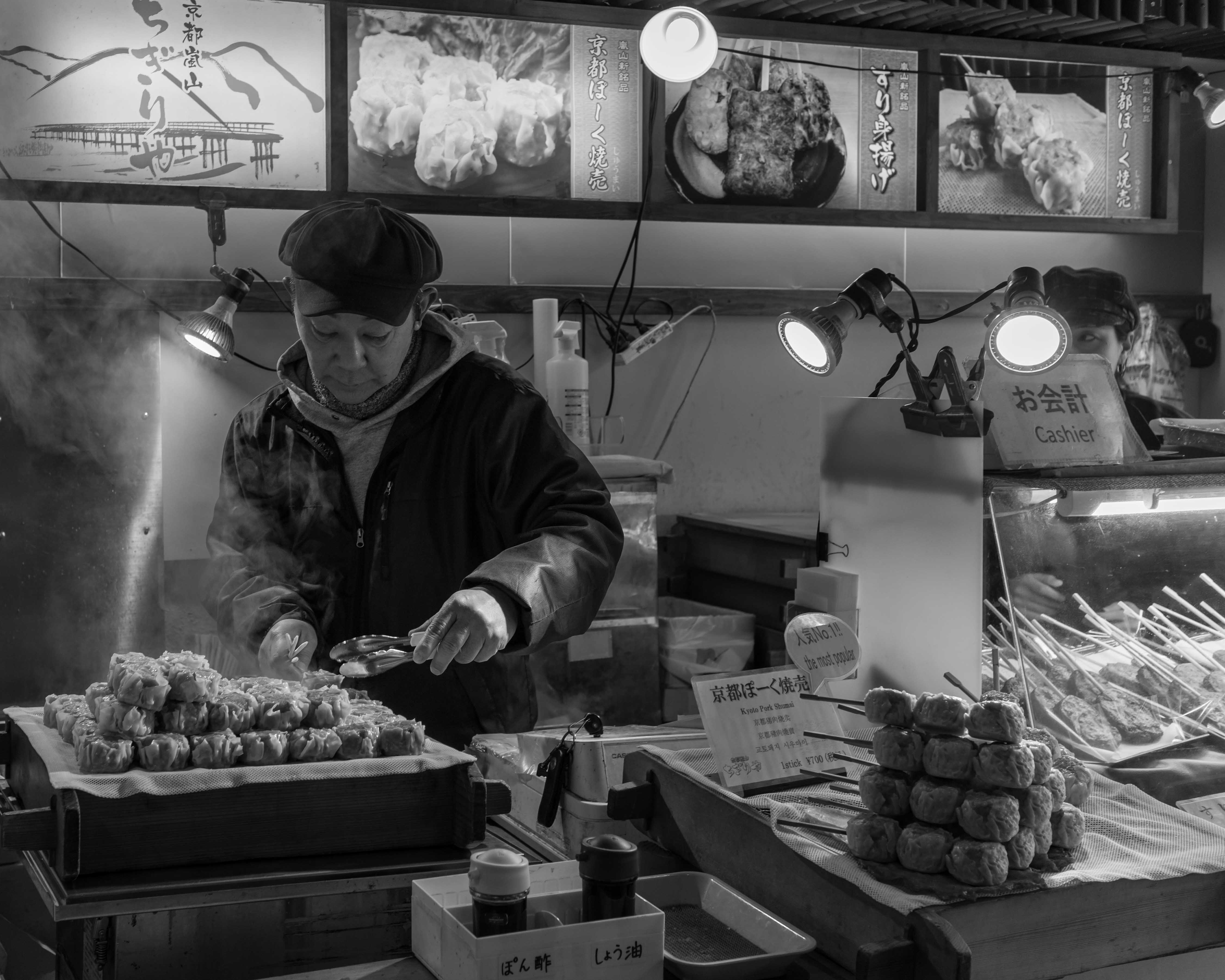
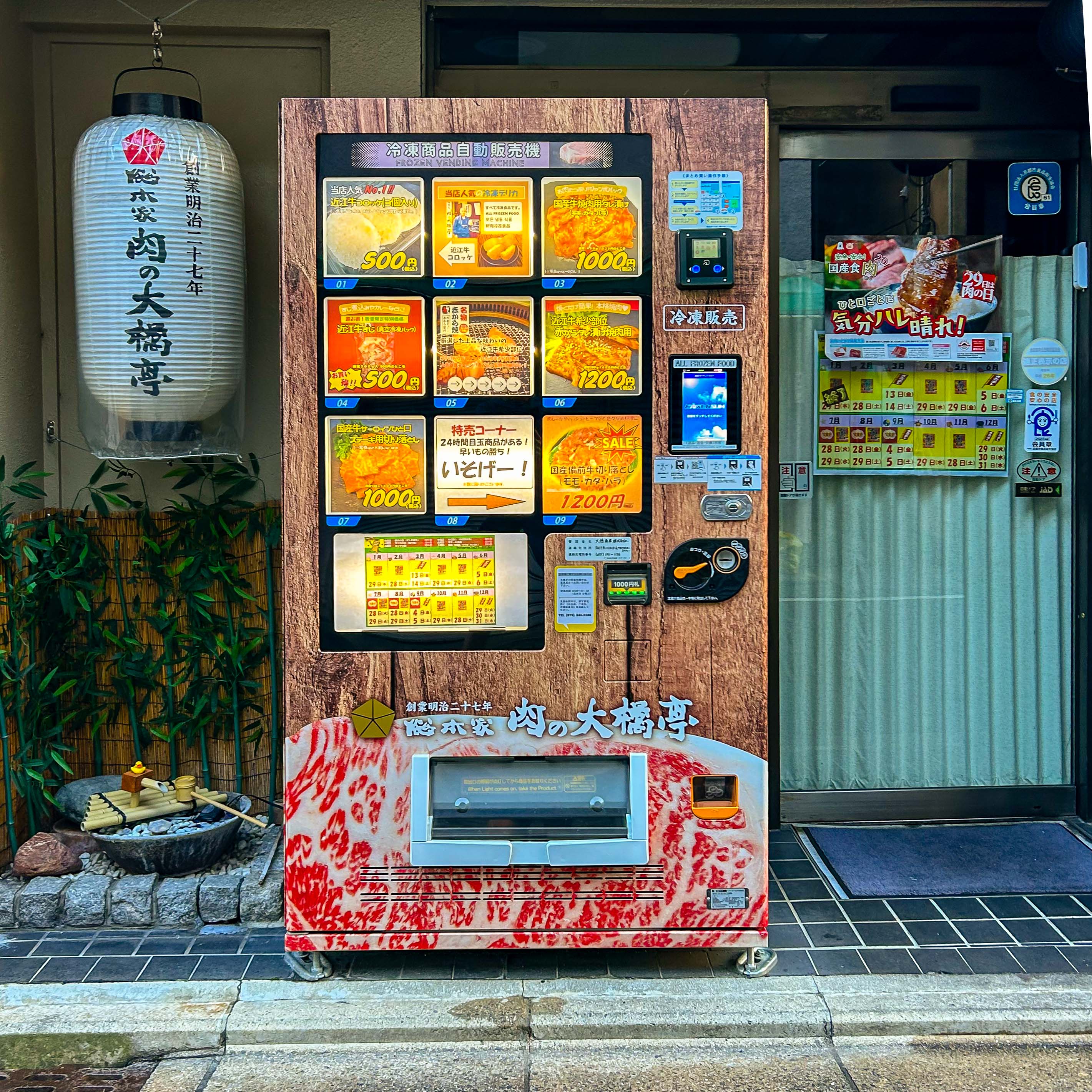
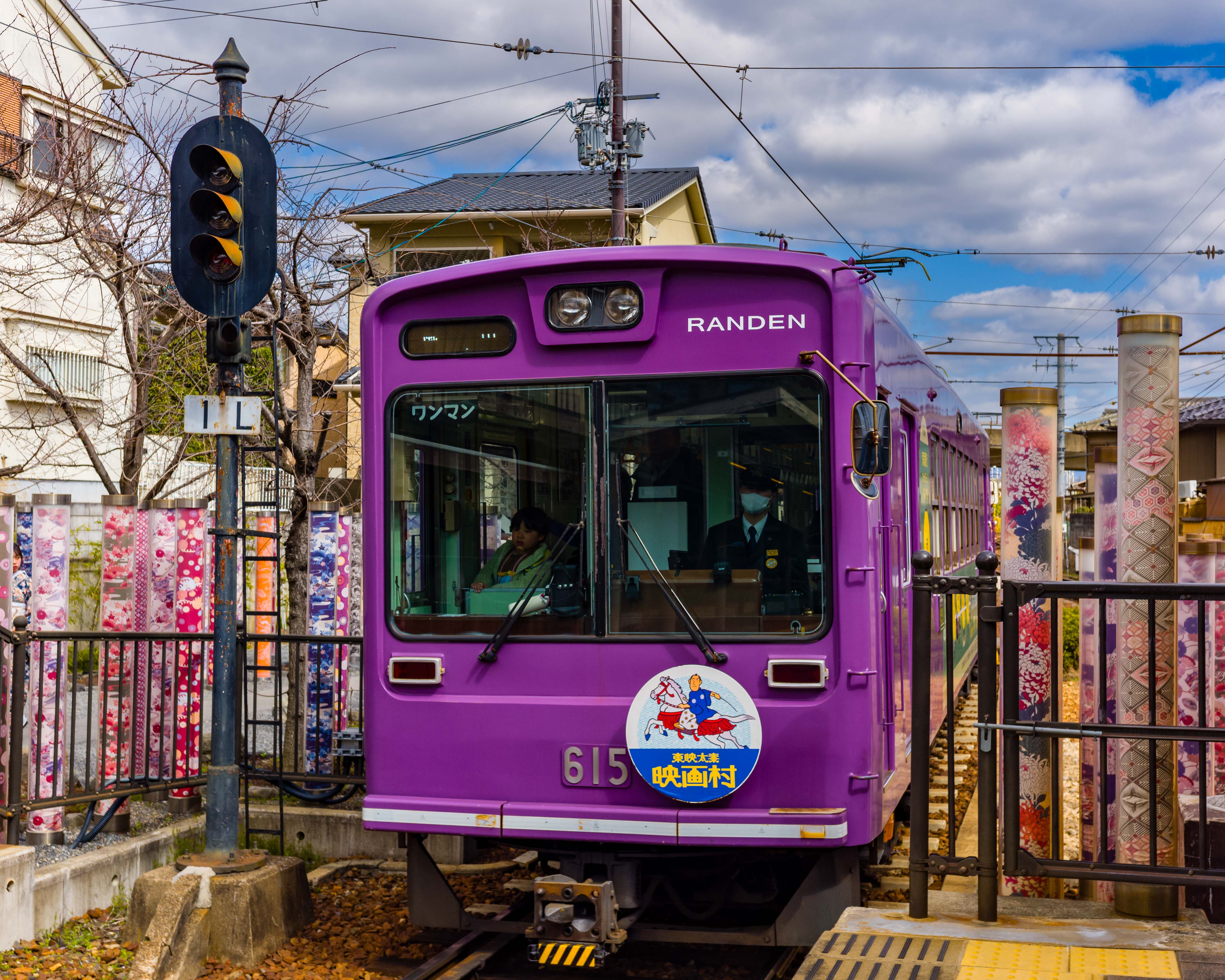
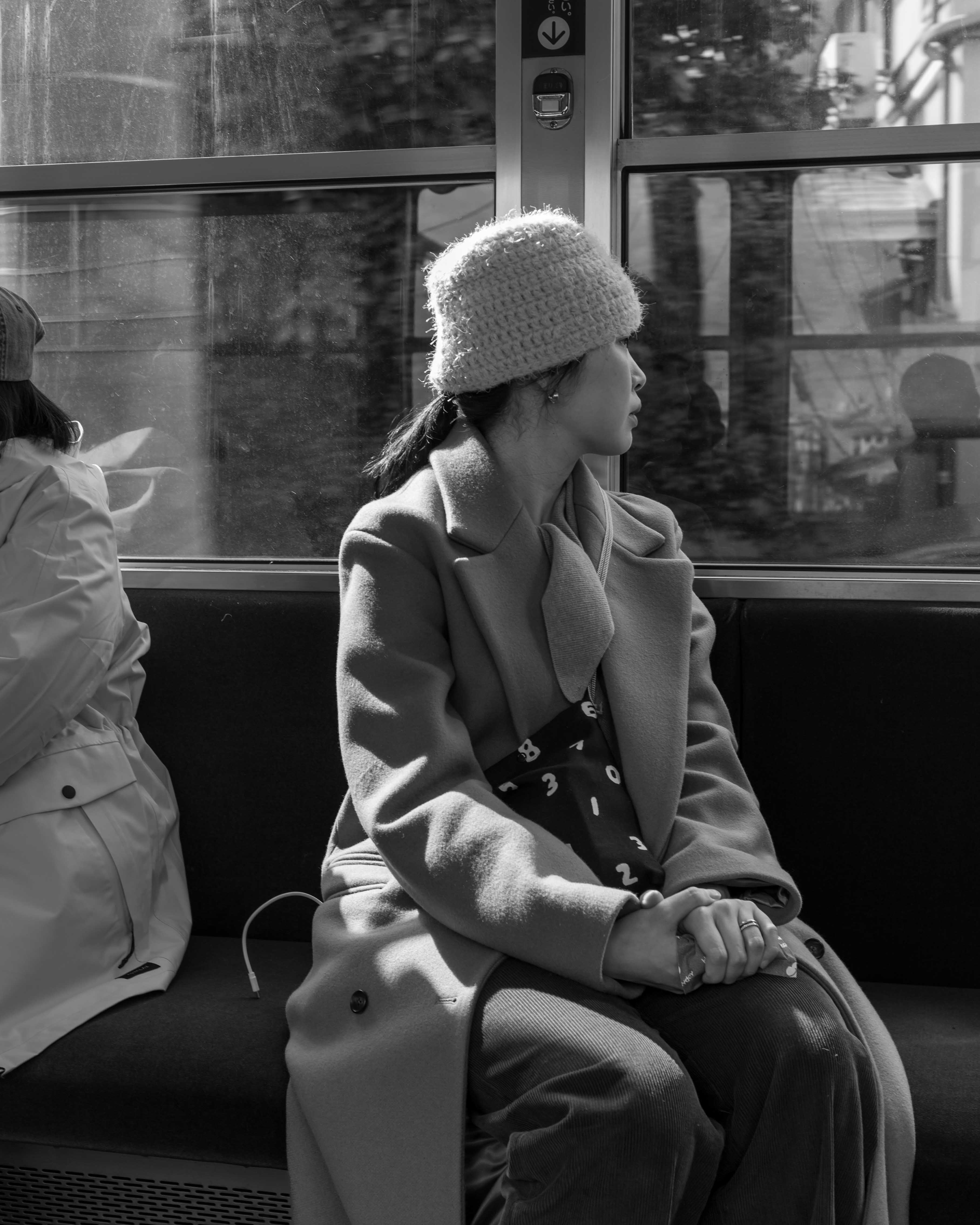
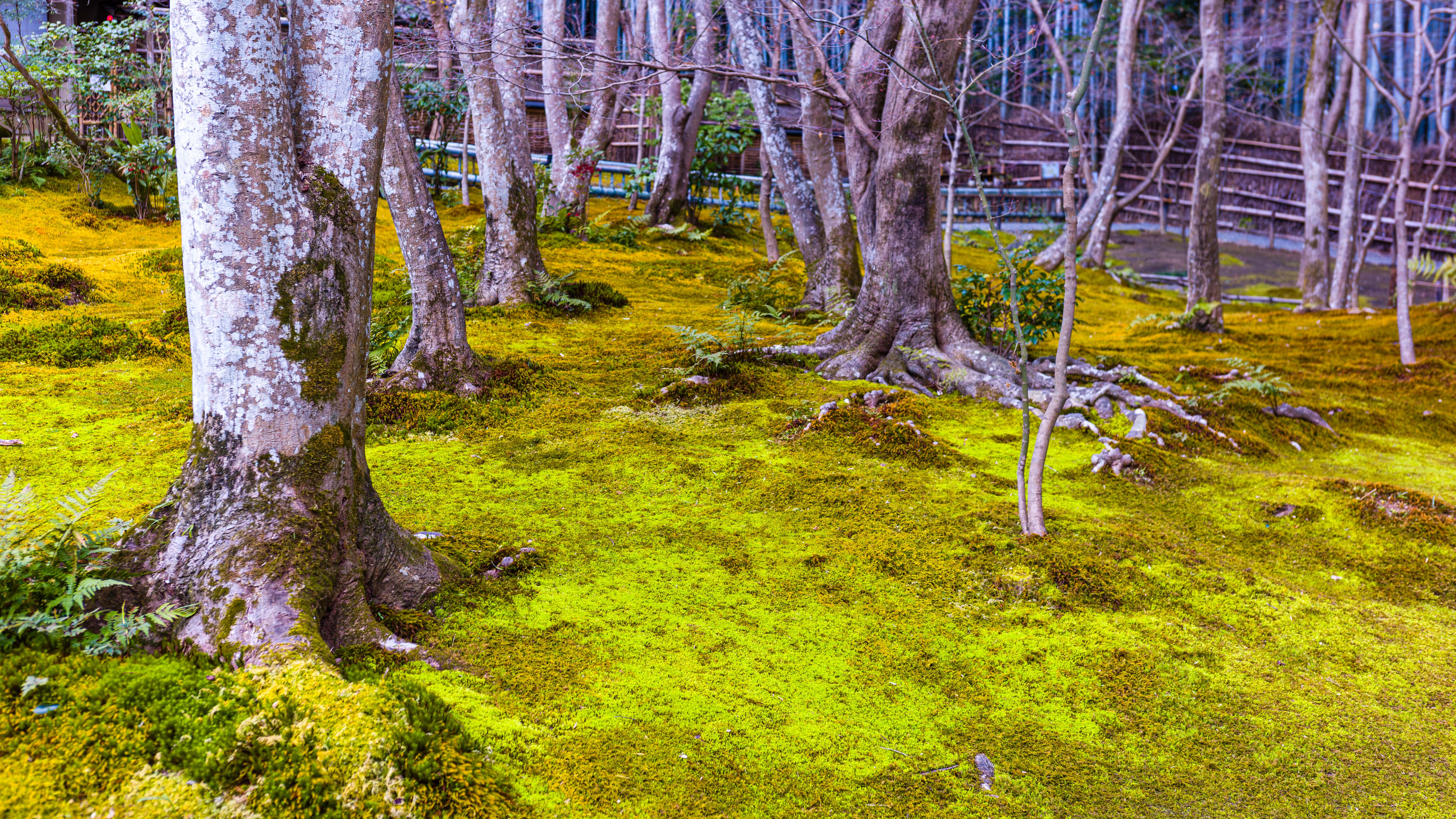
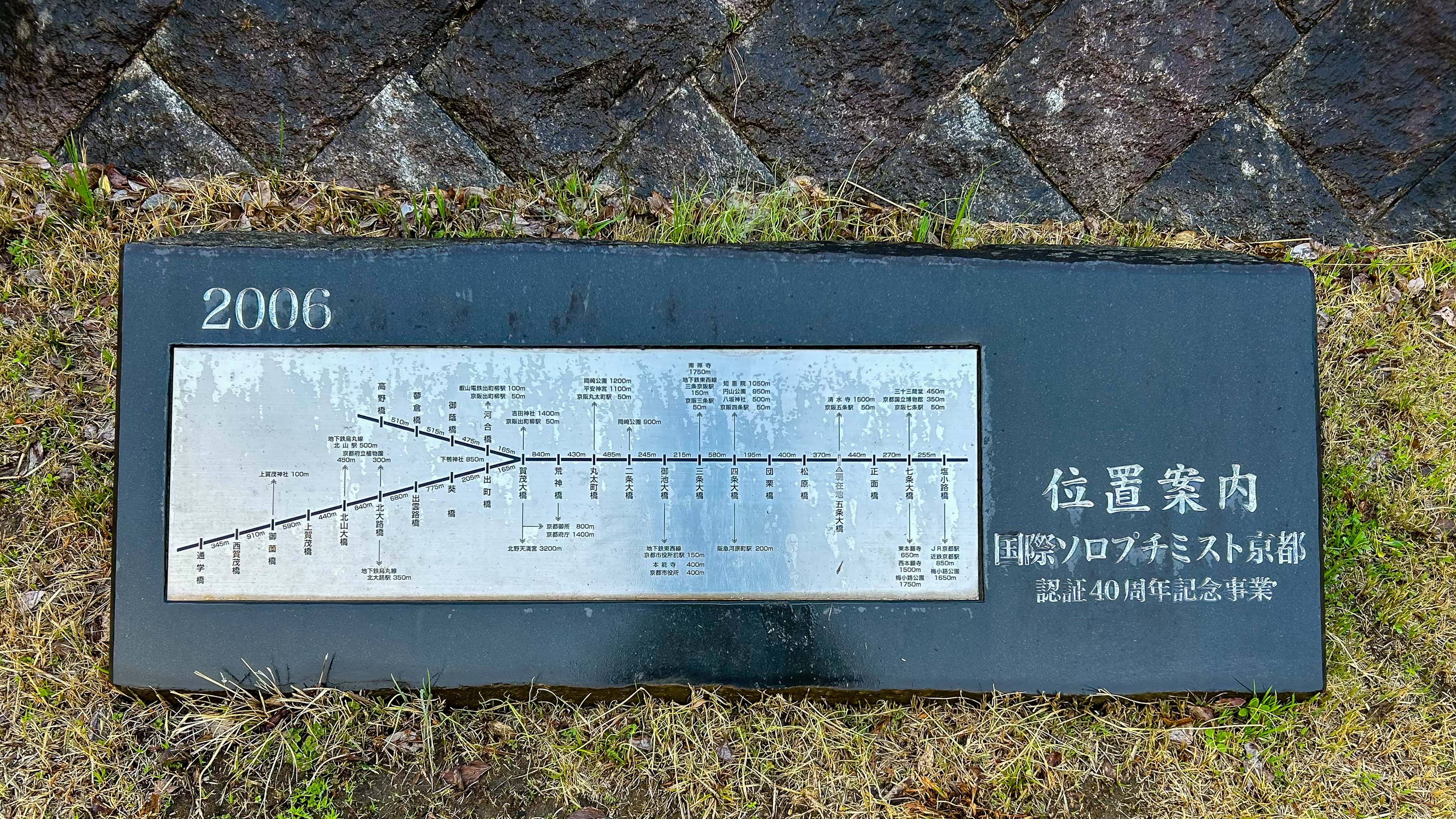
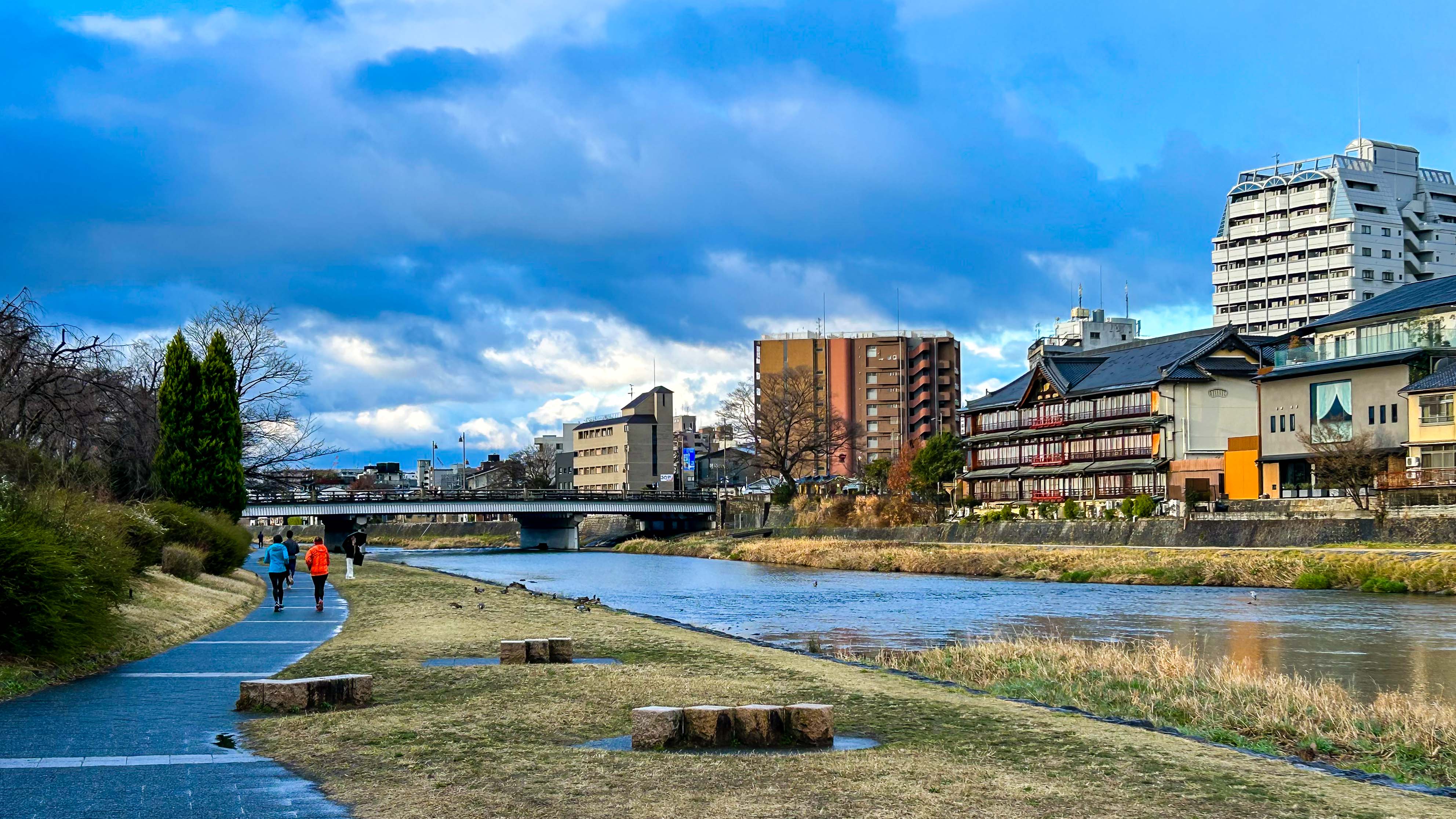
On our last morning, I snuck out early for a run along the Kamo River (Kamo-gawa). The light rain didn’t dampen my enthusiasm. The pathway was quiet—I saw only a few other runners and cyclists. My easy out-and-back jog was just what I needed. It reminded me of the Bow River pathway in Calgary, half a world away. I really liked the pathway signs, with their absolutely precise distance measurements. It was a nice final memory of a wonderful city.
And finally, it’s dynamic Tokyo!
For the final time, we boarded a Shinkansen, this time bound for Tokyo Station. If you like numbers, Tokyo’s are impressive. The Greater Tokyo area is the largest metropolitan region in the world, with a population of 37 to 41 million people. To put that in perspective, it’s the population of Canada—in one city!
Four days may not be enough.
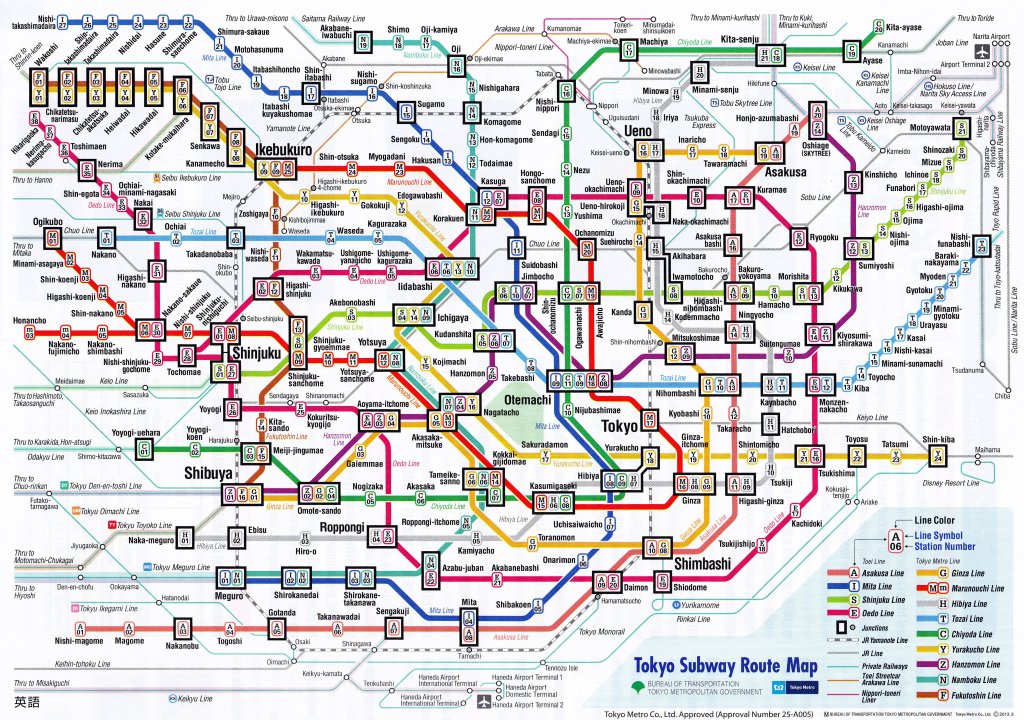
I’ve left myself a big task—to summarize our visit to the capital city of Japan in just a few paragraphs. I can start with an admission that might help—I’m a subway junkie. Anytime we visit a city that has one, I like to study the “Beck Map”, a highly schematic map based on an iconic design created by Henry Beck in 1933 for the London Underground. Even in this simplified format, the Tokyo Metro system is mind-boggling…
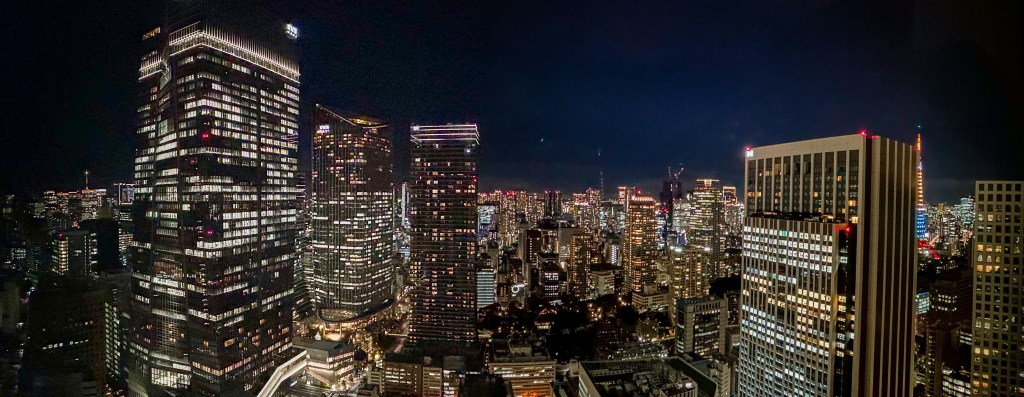
Our hotel in Tokyo was another treasure. After much deliberation, Deborah chose The Okura Tokyo in the Toranomon area. It was a great choice, as the Okura combines mid-century tradition with modern sophistication. We immediately felt at home—a personal welcome from the hotel manager does have that effect! The view to the east from our 34th floor window wasn’t bad either. It spanned the distant Tokyo Skytree to the (much closer) Tokyo Tower.
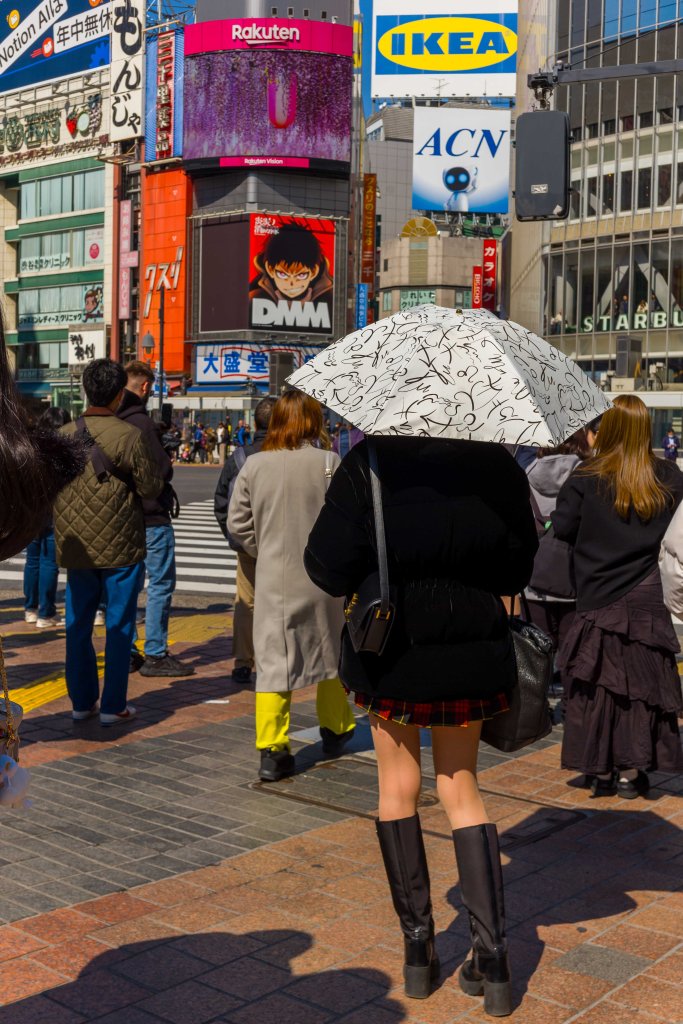
Orienting ourselves, we figured out there were three subway stations near the hotel, giving us flexibility to get anywhere we wanted to go. We ventured out, with our trusty IC cards in hand. Well aware it was a touristy area, we headed for Shibuya—an easy ride on the Ginza Line, Station G07 to G01—and its chaotic Scramble crossing. We saw it, we crossed it, we snapped a couple of pictures. It was interesting, but we soon moved on, feeling this was a so-so introduction to Tokyo.
We headed north to get away from the crowds, and found pleasant Yoyogi Park, where we saw a few early cherry blossoms. Then we walked through the grounds of Meiji Jingu, an important Shinto shrine. The serene forest setting is actually manmade—100,000 trees were planted in 1920 to commemorate Emperor Meiji and Empress Shoken.
We did some shopping, including a visit to a couple of Tokyo’s famous camera shops in Shinjuku (for me) and a walk through Minato-ku and the high-end shops of Ginza (for Deborah). Closer to our hotel, we found Shiba Park at the base of the Tokyo Tower. That connected us to the Roppongi Hills area and the Azabudai Hills development, a chic cultural and dining hub. Each time out, we expanded our knowledge of the Metro system, with only a couple of missteps along the way…
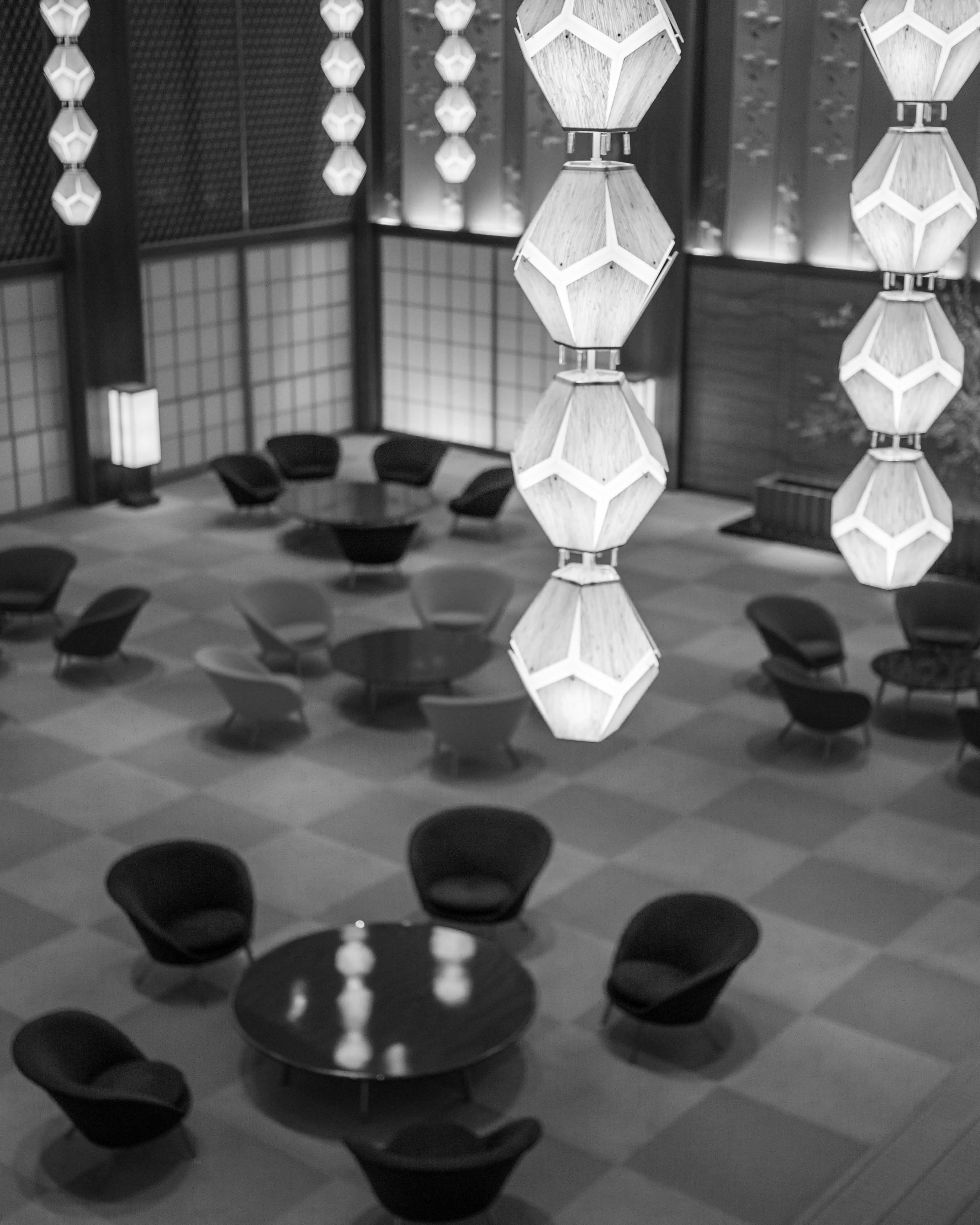
There was history and art in and around the hotel. The original lobby was designed by Yoshiro Taniguchi for the 1962 opening. Then, in 2014, when a rebuilding project was undertaken, it was Yoshiro’s son Yoshio who preserved the look and feel of the original lobby. The Okura Museum of Art—the oldest existing private museum in Japan—was across the plaza. Having seen a tea ceremony in Kinosaki, which seemed a long time ago but was only a week, we enjoyed the exhibit of ancient tea utensils. And we checked out a Jaume Plensa sculpture that we could see from our hotel window—it was similar to one in Montreal that I wrote about here.
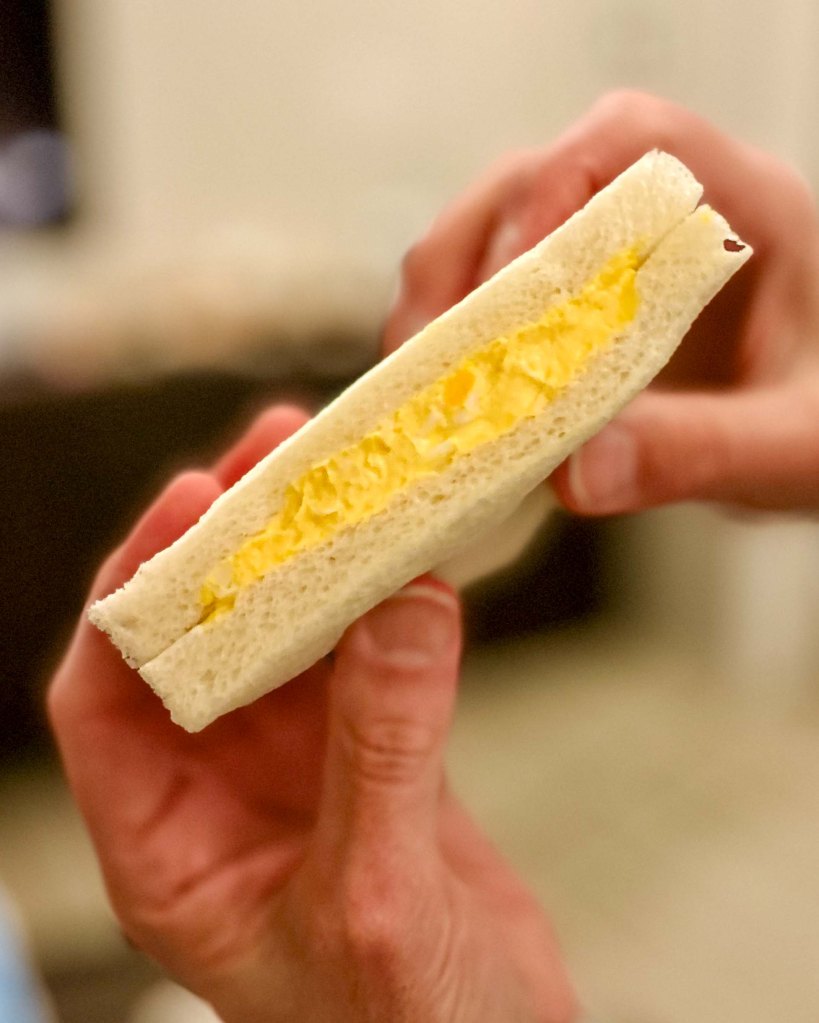
Food? Oh yes! We took full advantage of the amazing breakfast buffet at the hotel, to get us through most of the day. For dinner, we found restaurants with great tonkatsu curry and soba noodles. And there were always onigiri for a snack. One evening, we did a convenience store (konbini) dinner, to see what all the fuss was about over egg salad sandwiches and chicken cutlets. Life changing? No, but they’re not bad.
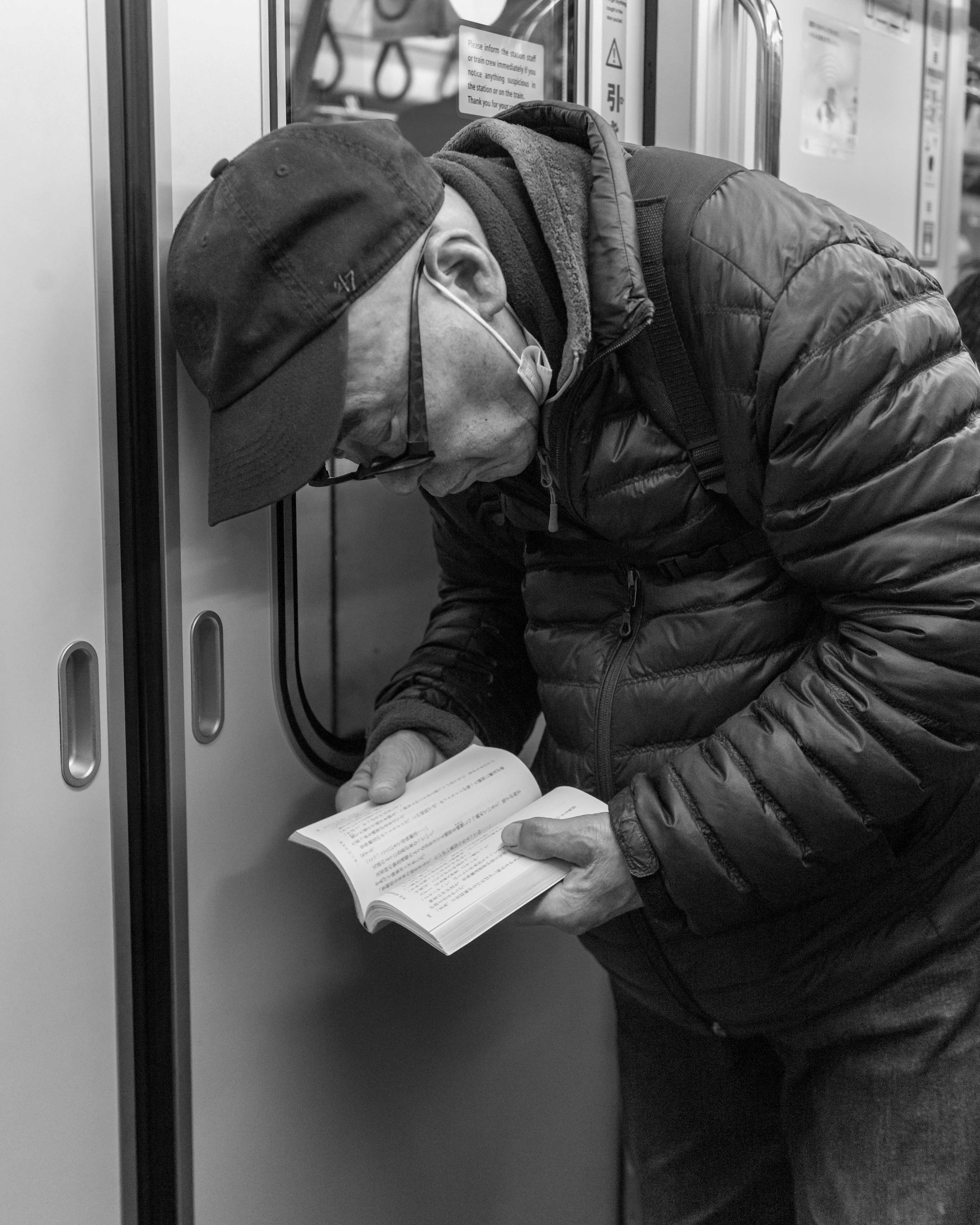
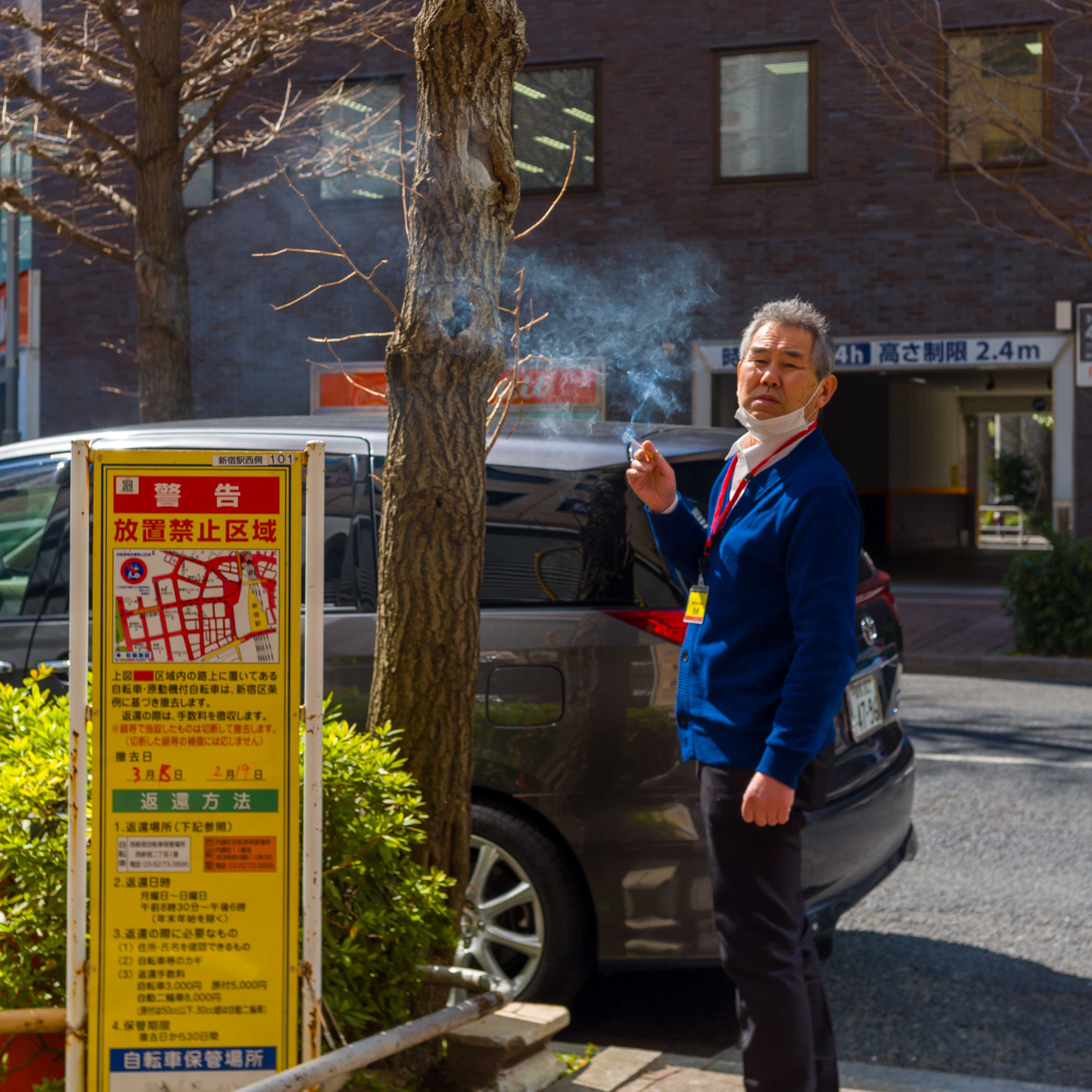
Here’s an album of pictures from Tokyo…
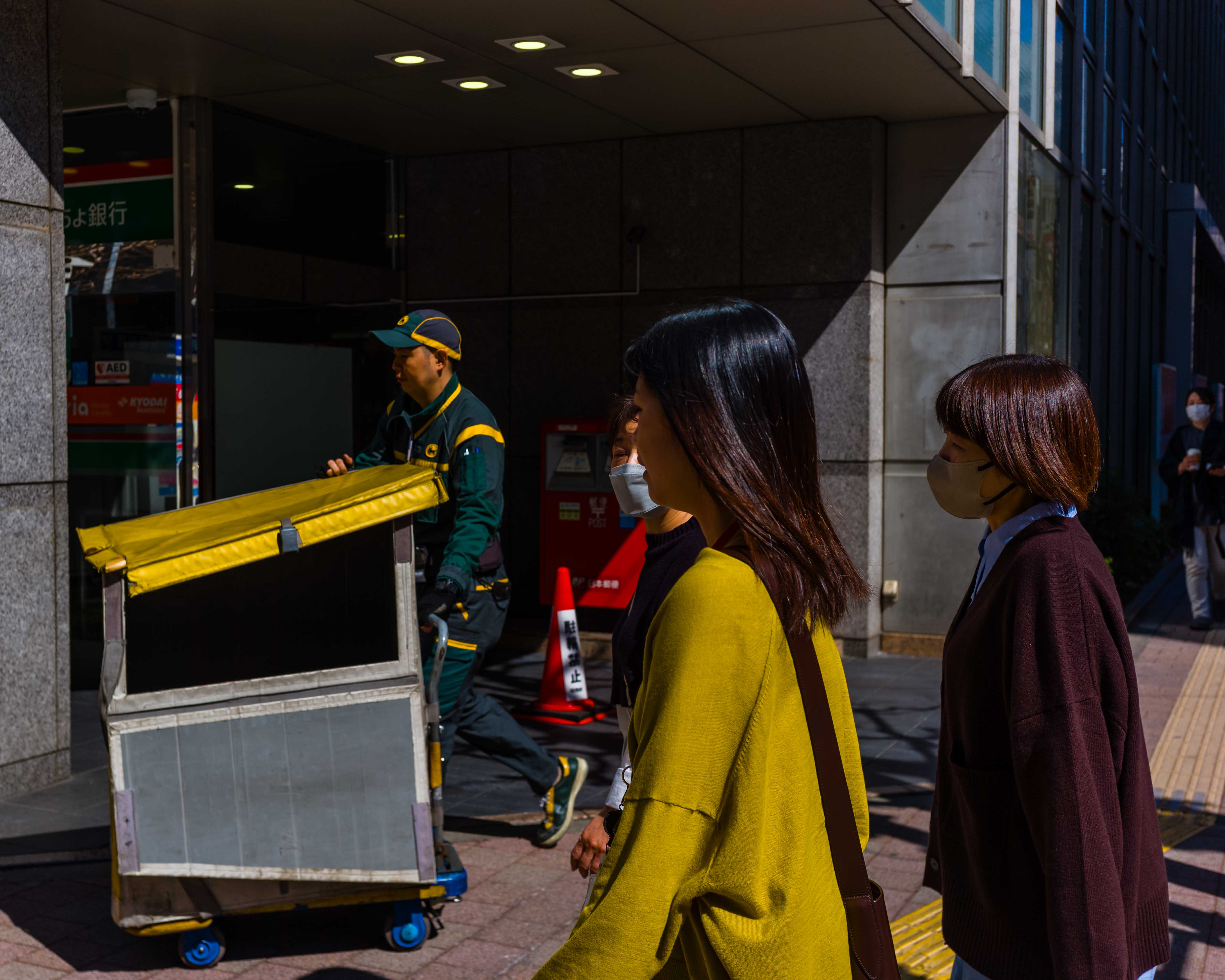
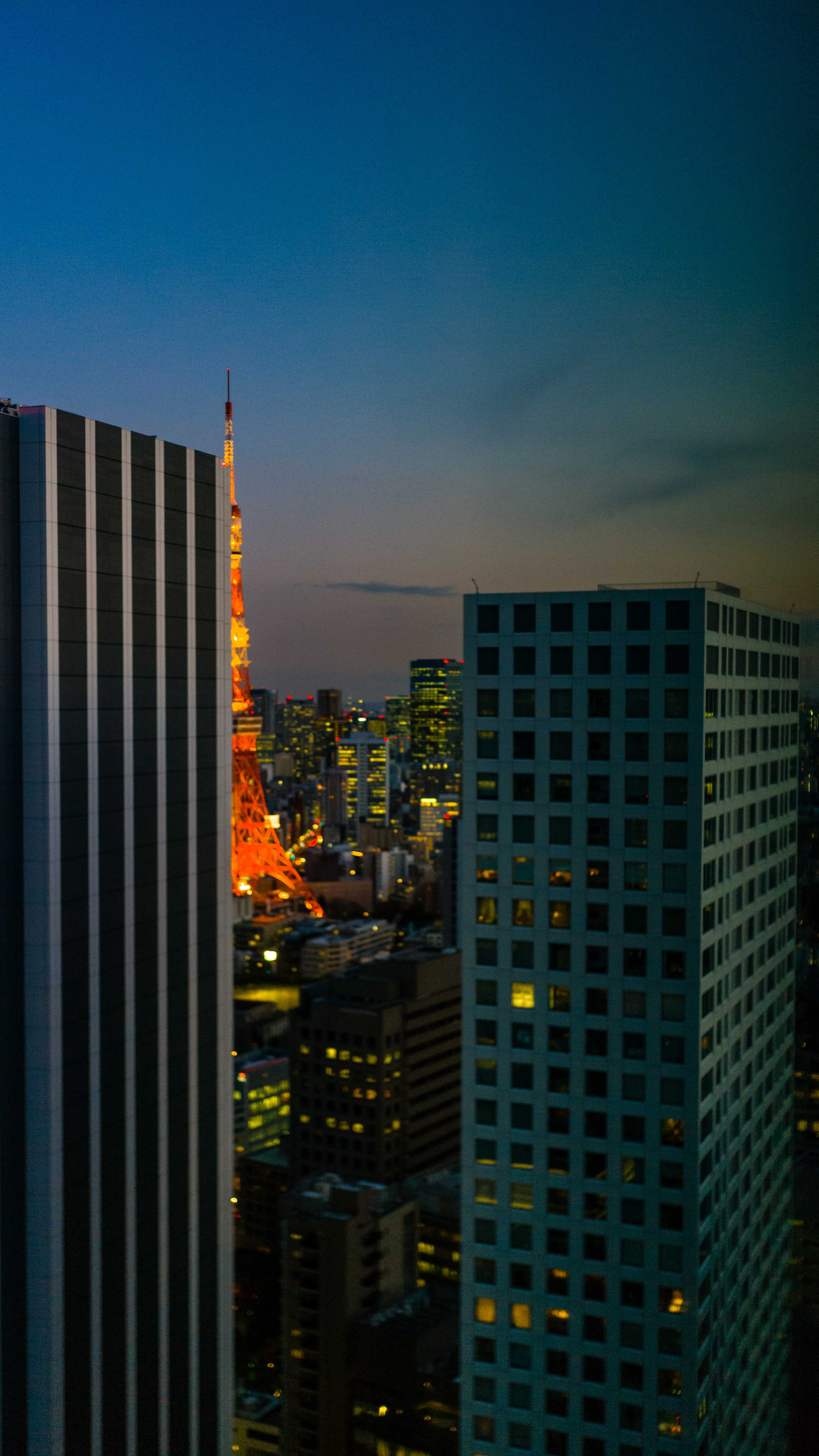
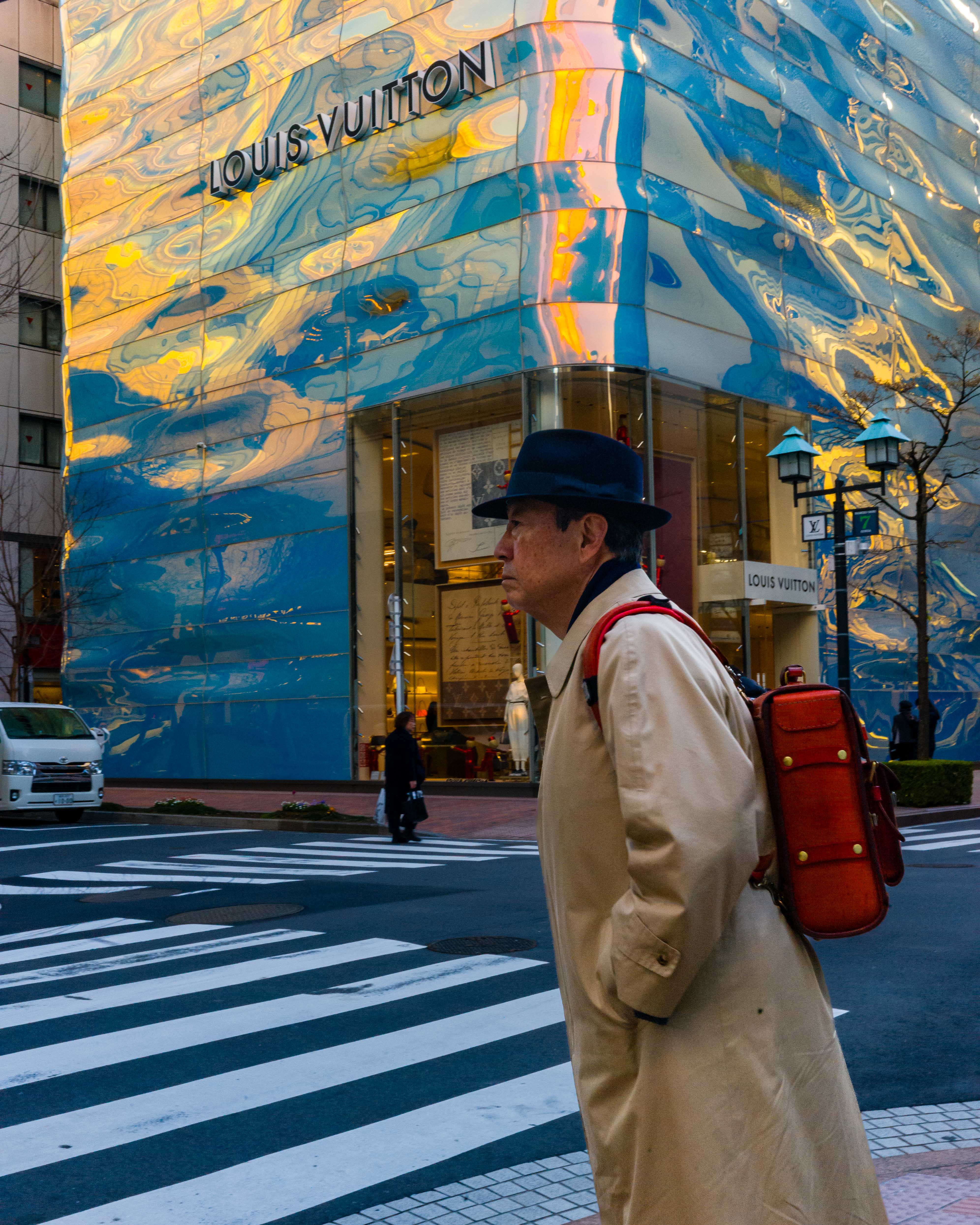
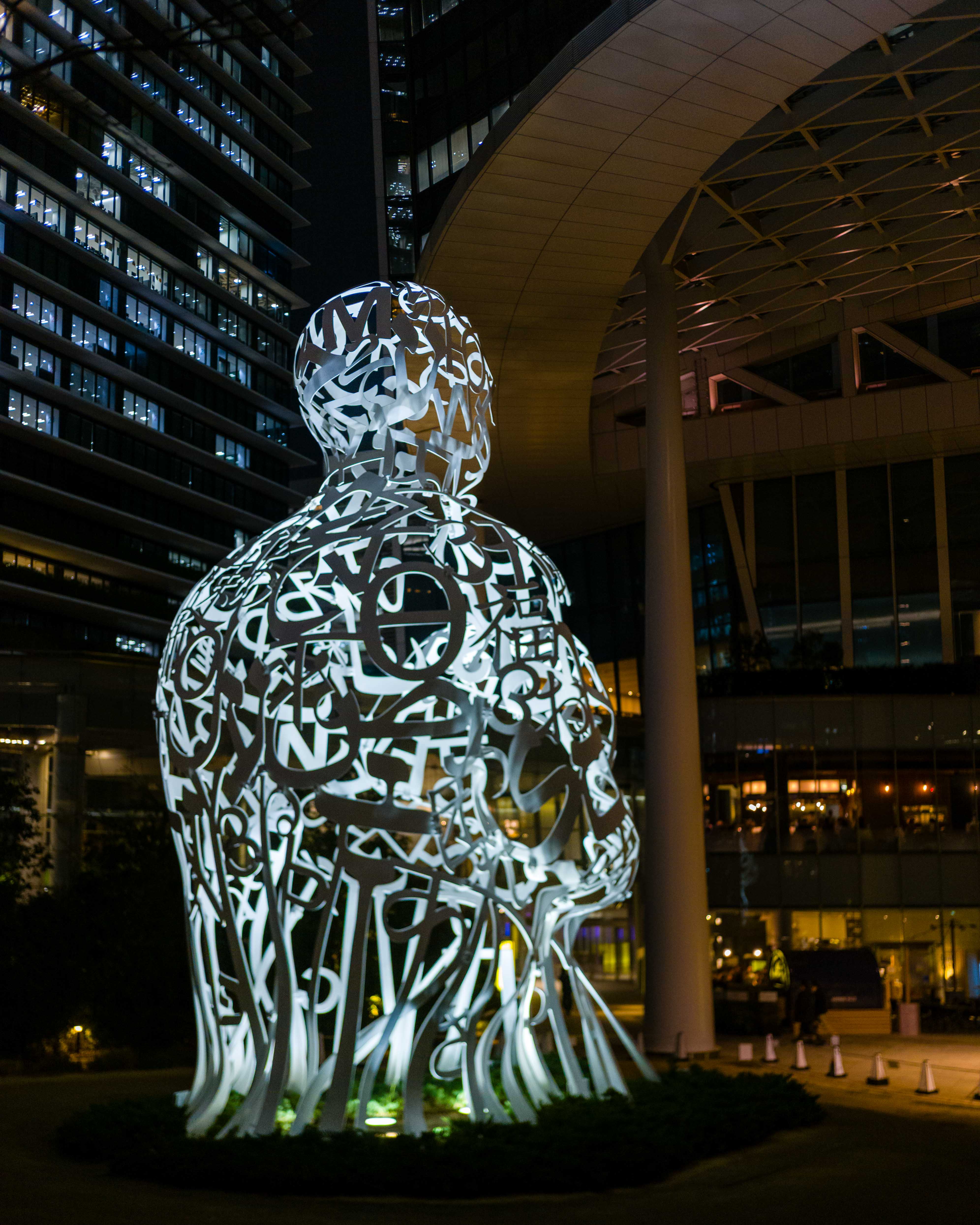
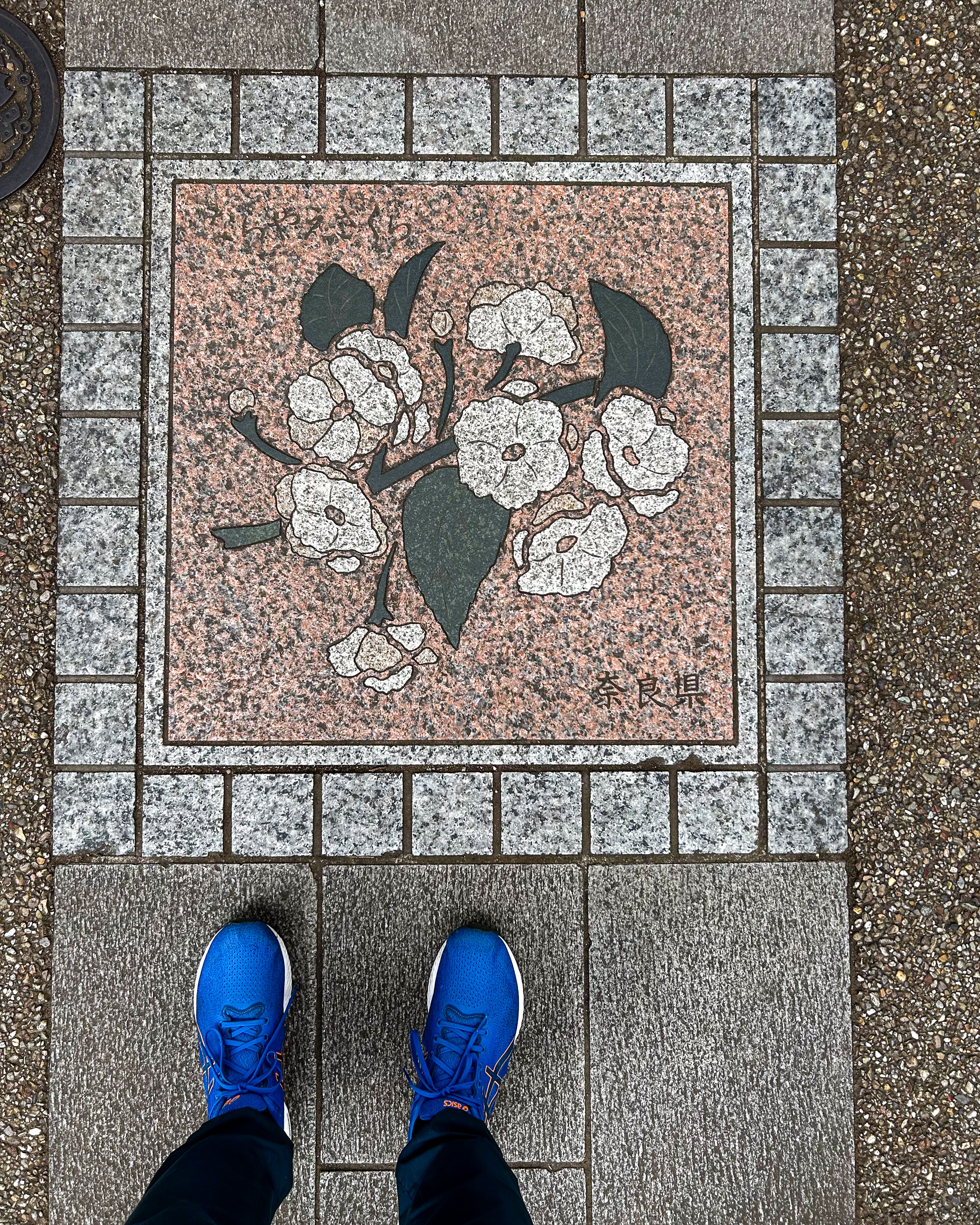
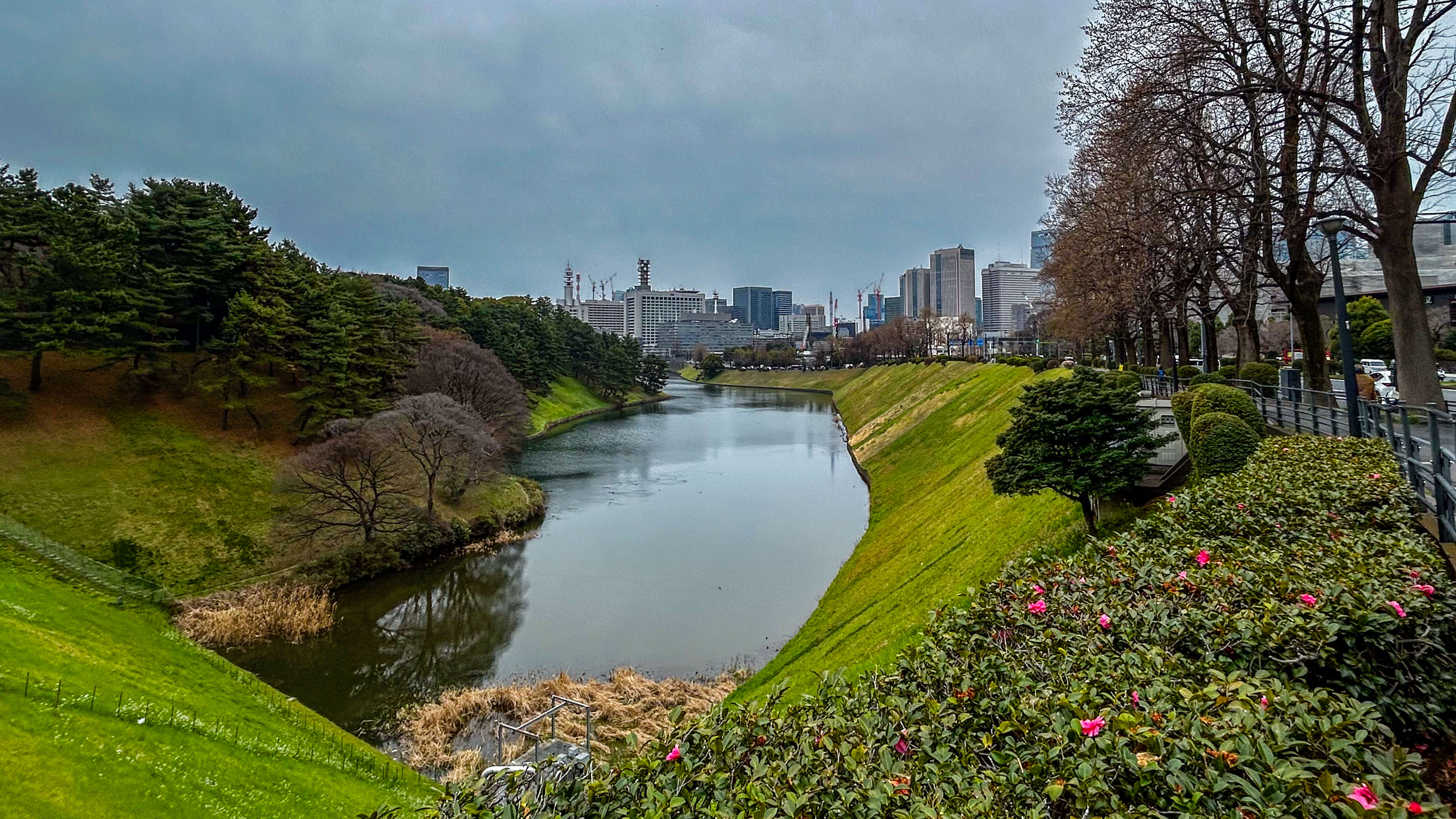
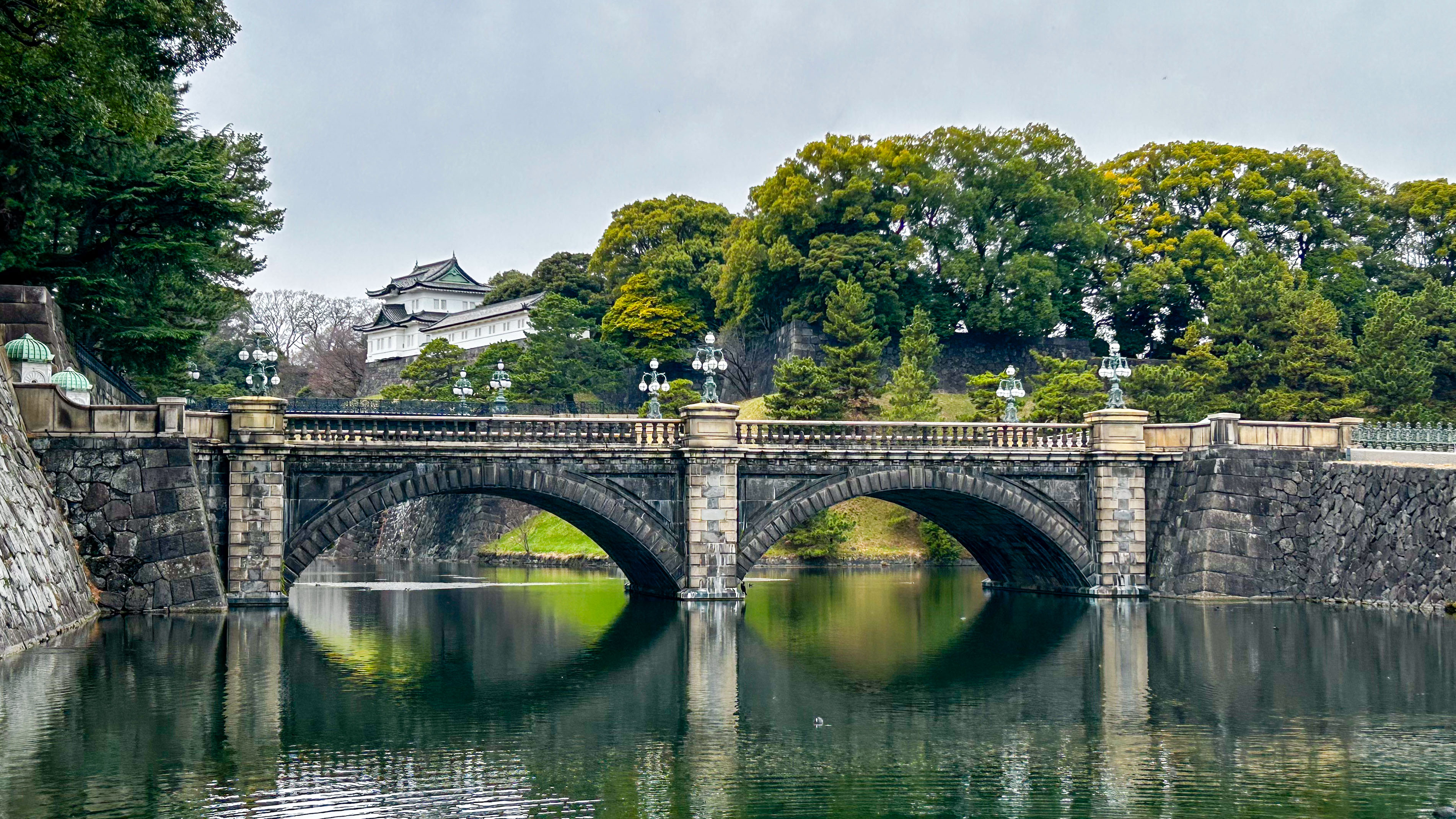
My final run in Japan was a lap around the Imperial Palace. Not surprisingly, it is a popular location in central Tokyo. The grounds are beautiful, with sculptural trees and a huge moat. I noticed a nice touch on the path—the distance markers feature flowers for each prefecture in Japan. I ran and Deb walked, which meant we both earned an ice cream.
The Final Word
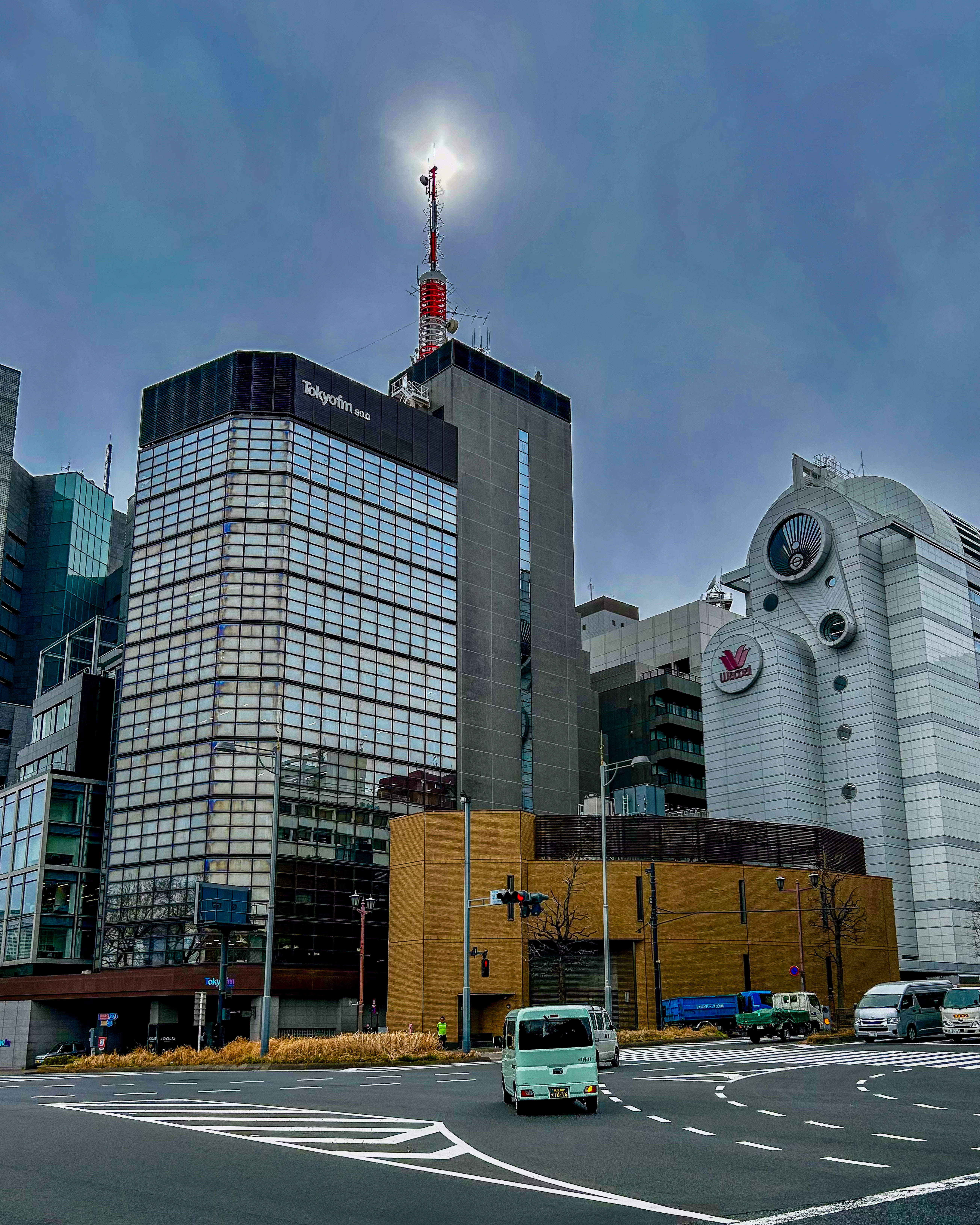
Although we’d allowed more time in Kyoto and Tokyo than in other locations, we left both cities feeling there was too much unseen and undone. We were captivated by Kyoto. While it took us a little time to warm up to Tokyo, we left knowing we needed to come back. In the end, we think we were simply overwhelmed, and maybe a bit tired after three weeks. The key takeaway is that we will return to this wonderful country. We’re already planning our next trip, and Matthew has given us a list of Tokyo neighbourhoods we must visit! Who knows, there may even need to be another blog piece, to wrap up some loose ends from this visit.
Sayonara! And until next time, be well and BE FAST!

 My Second Running Life