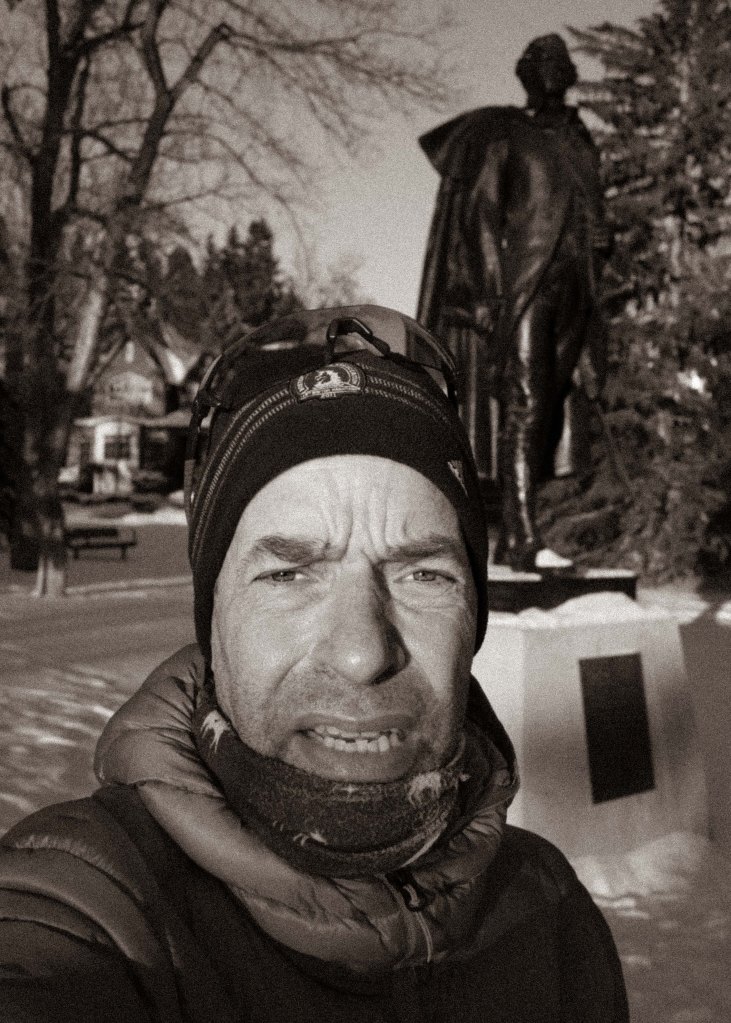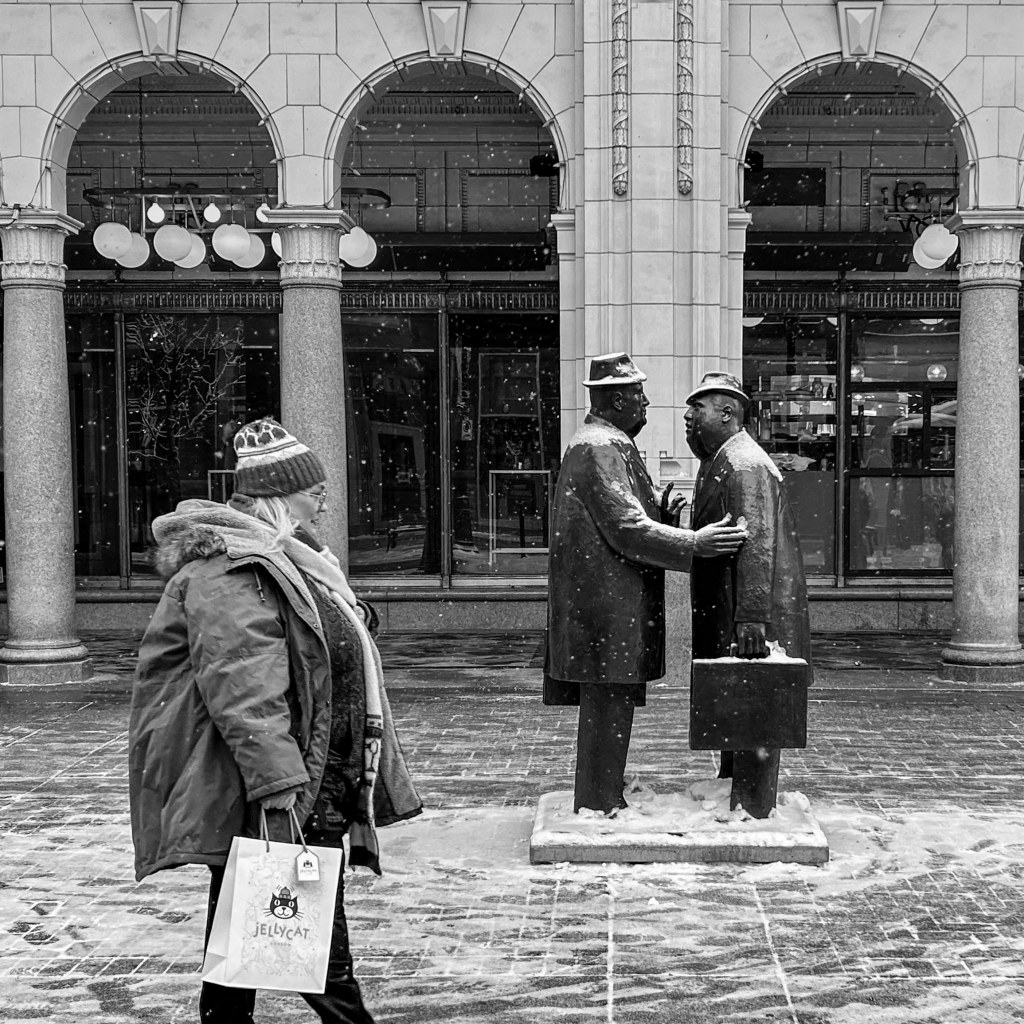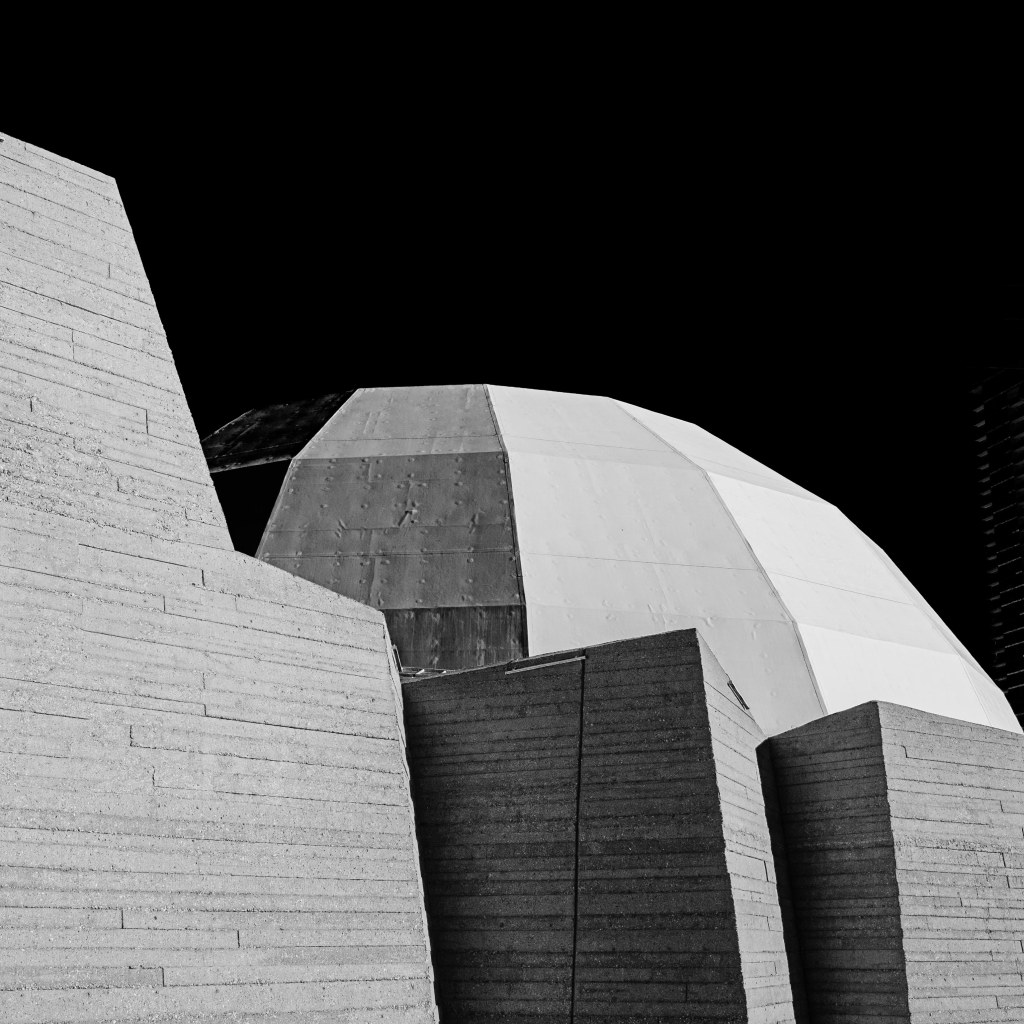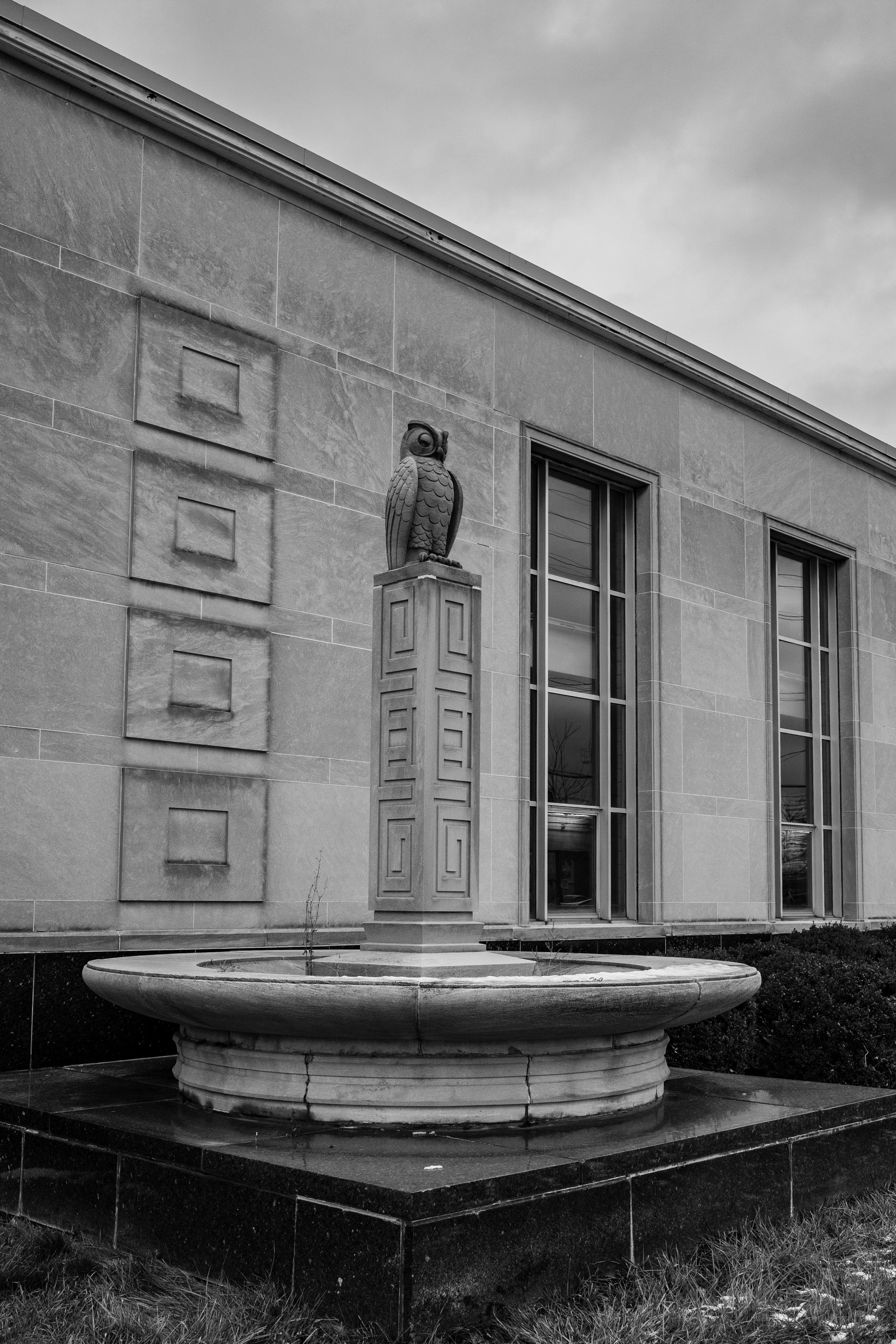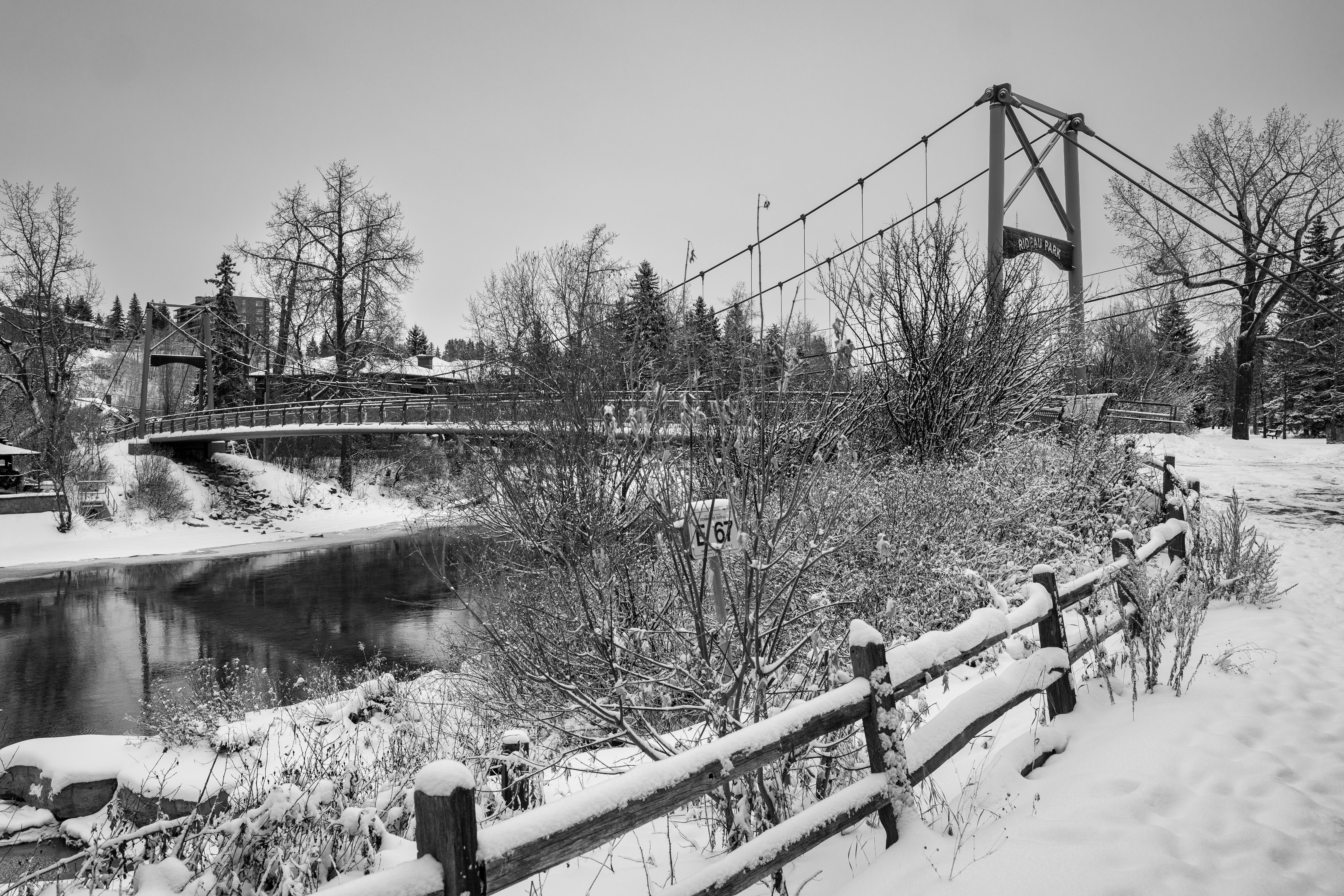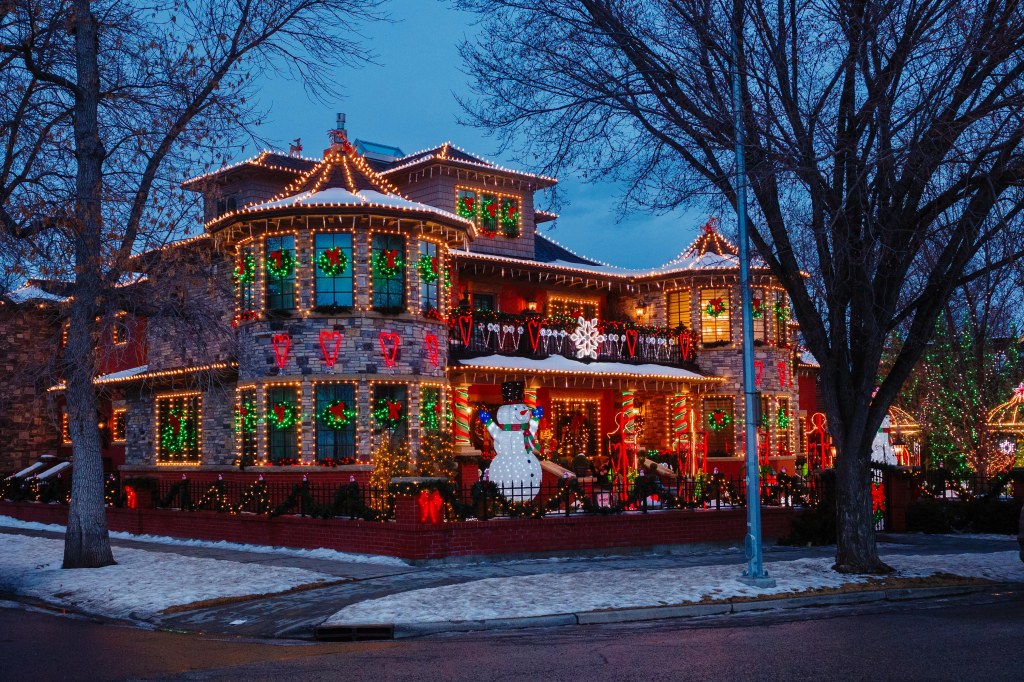
Meet “The Flâneur”

Introduction

I’ve been writing this blog for nearly three years. Over that time, I’ve thought about whether the site is achieving what I intended when I wrote the first pieces. Indeed, it’s worth asking whether my initial objectives have changed—and if so, how.

My soul-searching is timely because my friend Phil Davies recently approached me with some thoughts on the blog and my other social media content. Phil has a keen eye and a strong artistic sensibility. He volunteered his opinion that my Instagram profile may not be totally accurate:

Phil questioned my use of the word observer. At first, I wasn’t sure what he meant, because he had always been complimentary about my photo runs. For those unfamiliar, photo runs are a cornerstone of My Second Running Life—they make this blog what it is. As an example, here’s a piece I wrote about my run in Longview a few weeks ago.

For me, there’s nothing better than going out for an easy run with no worries about time and pace, seeking only a memorable photograph. I look for different things—colour, pattern, contrast, human interaction, irony—and observer was the word I settled on to describe what I do on these runs.

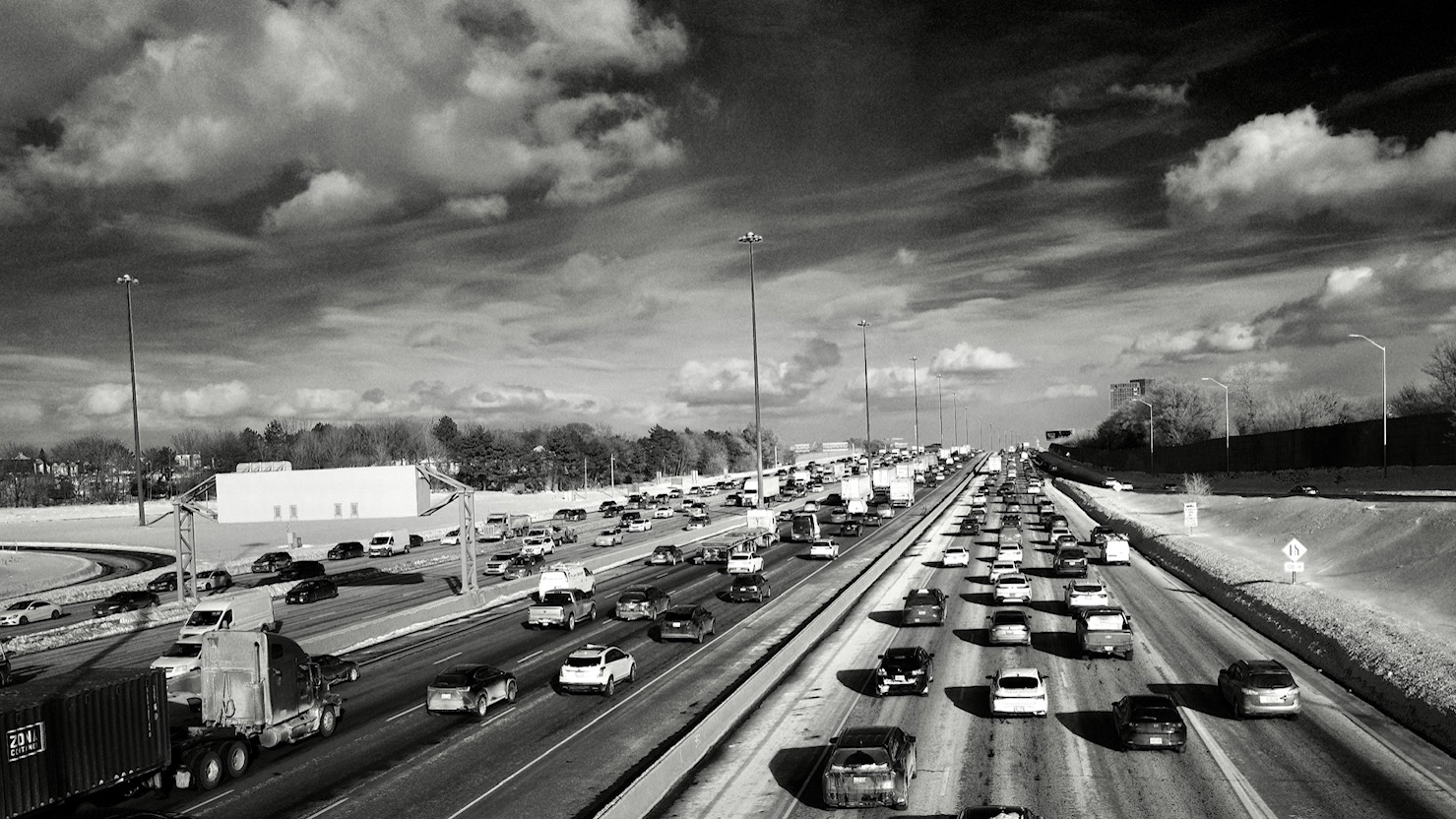
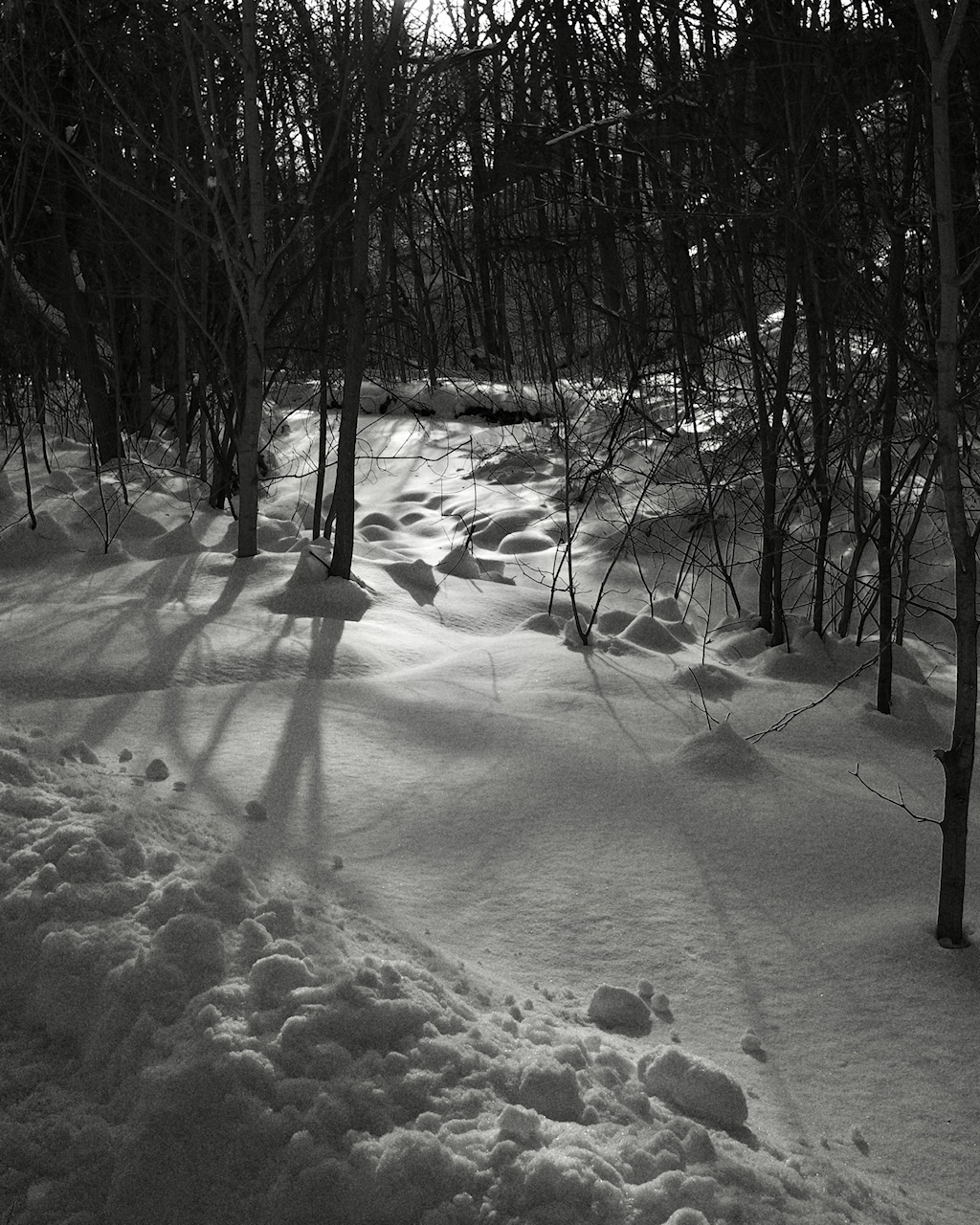
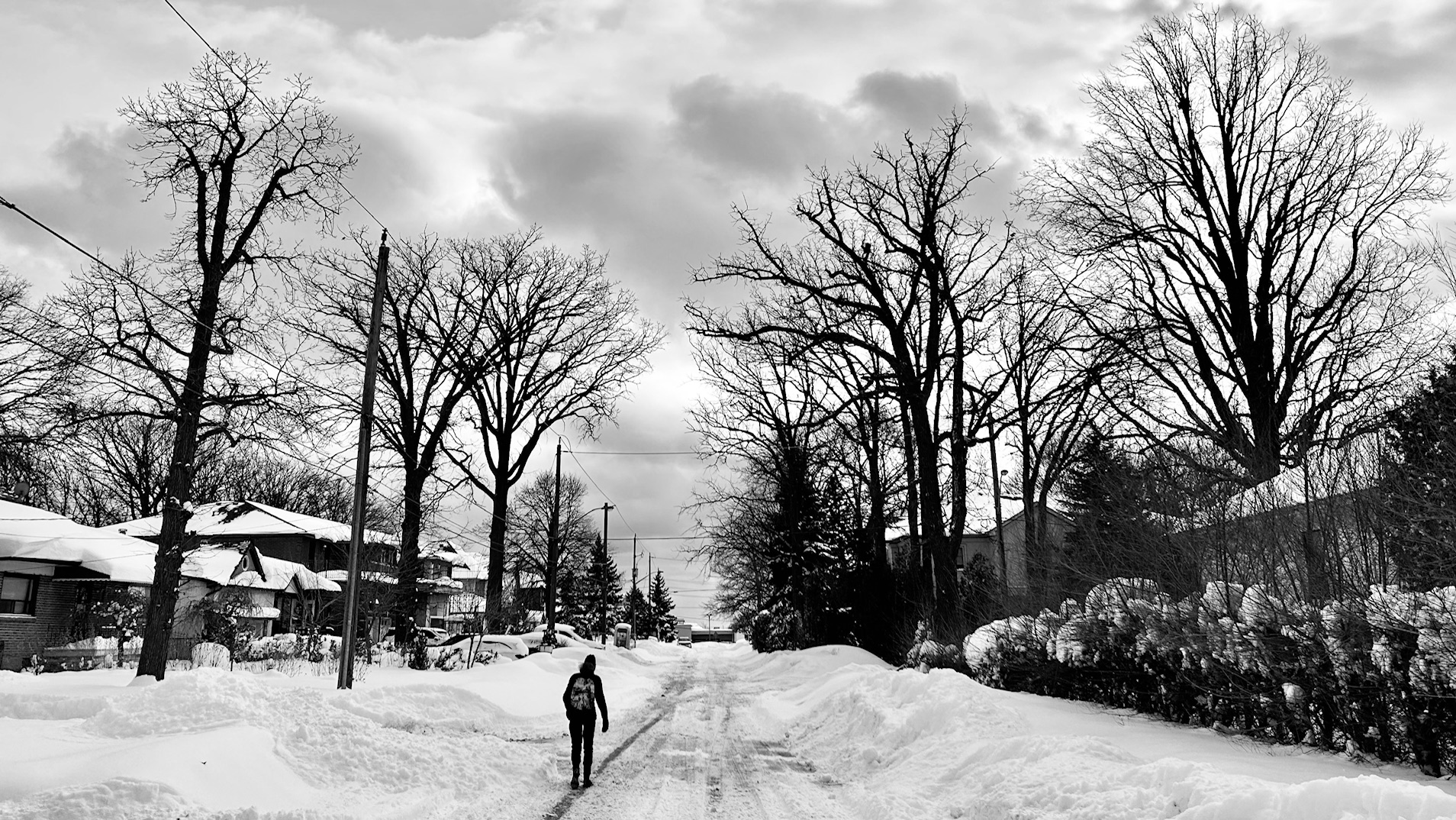
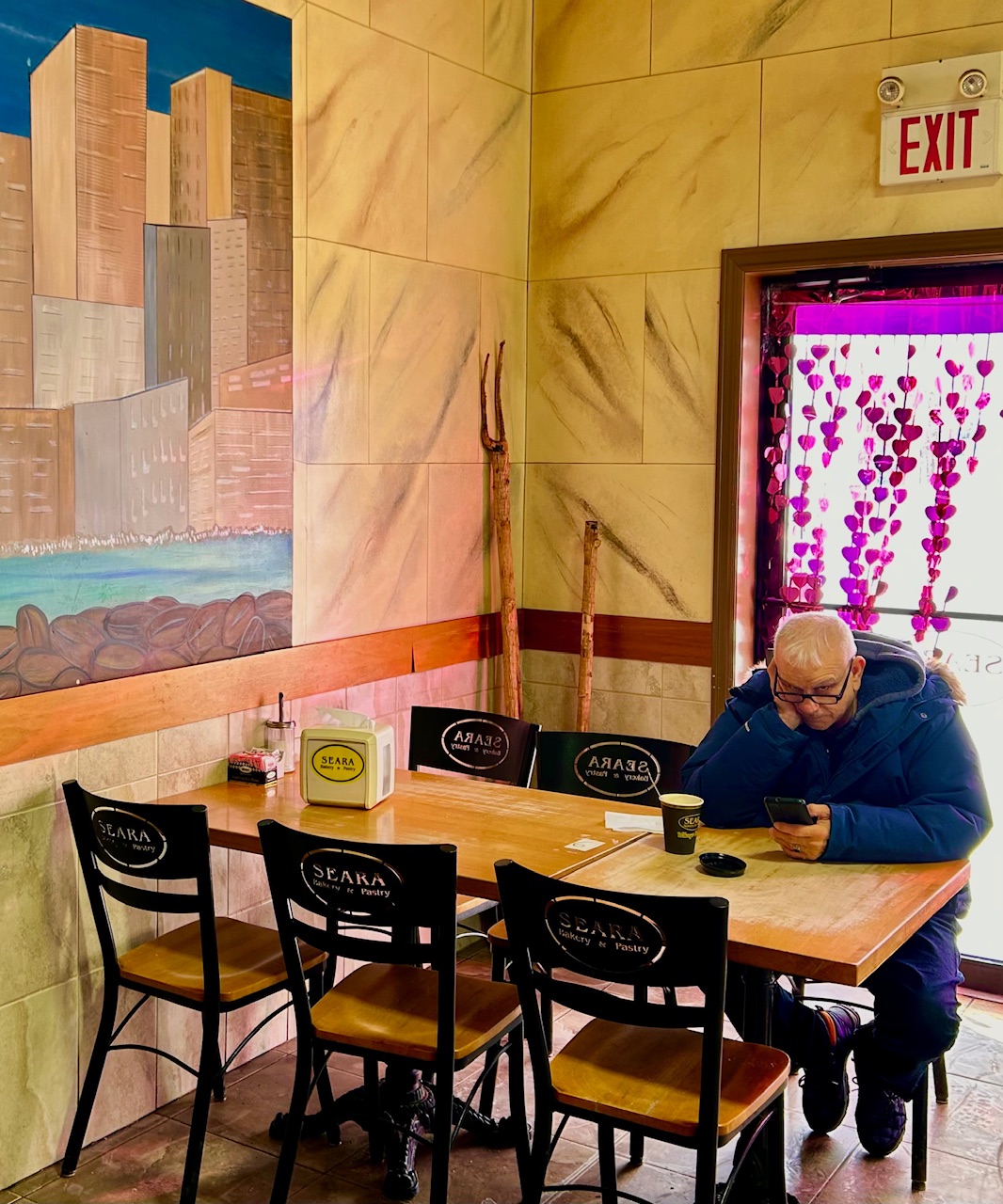
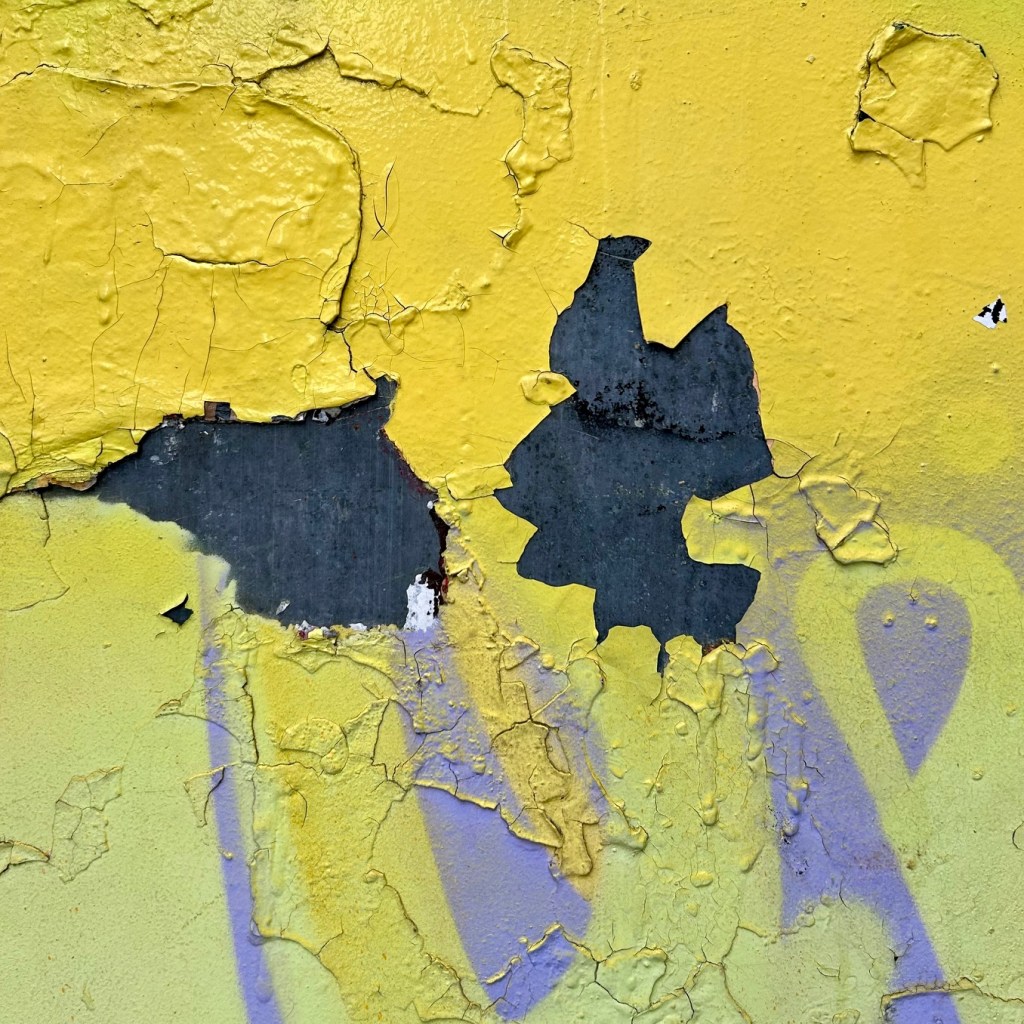
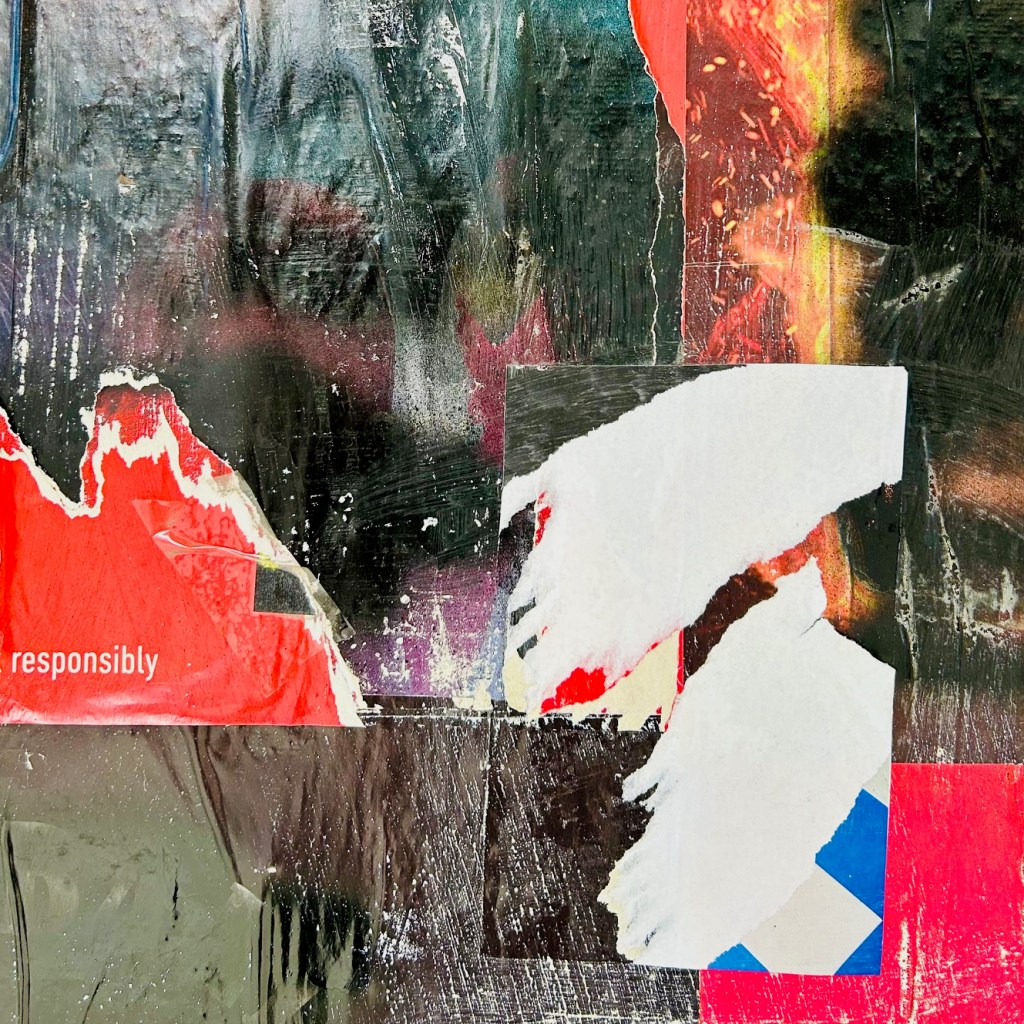
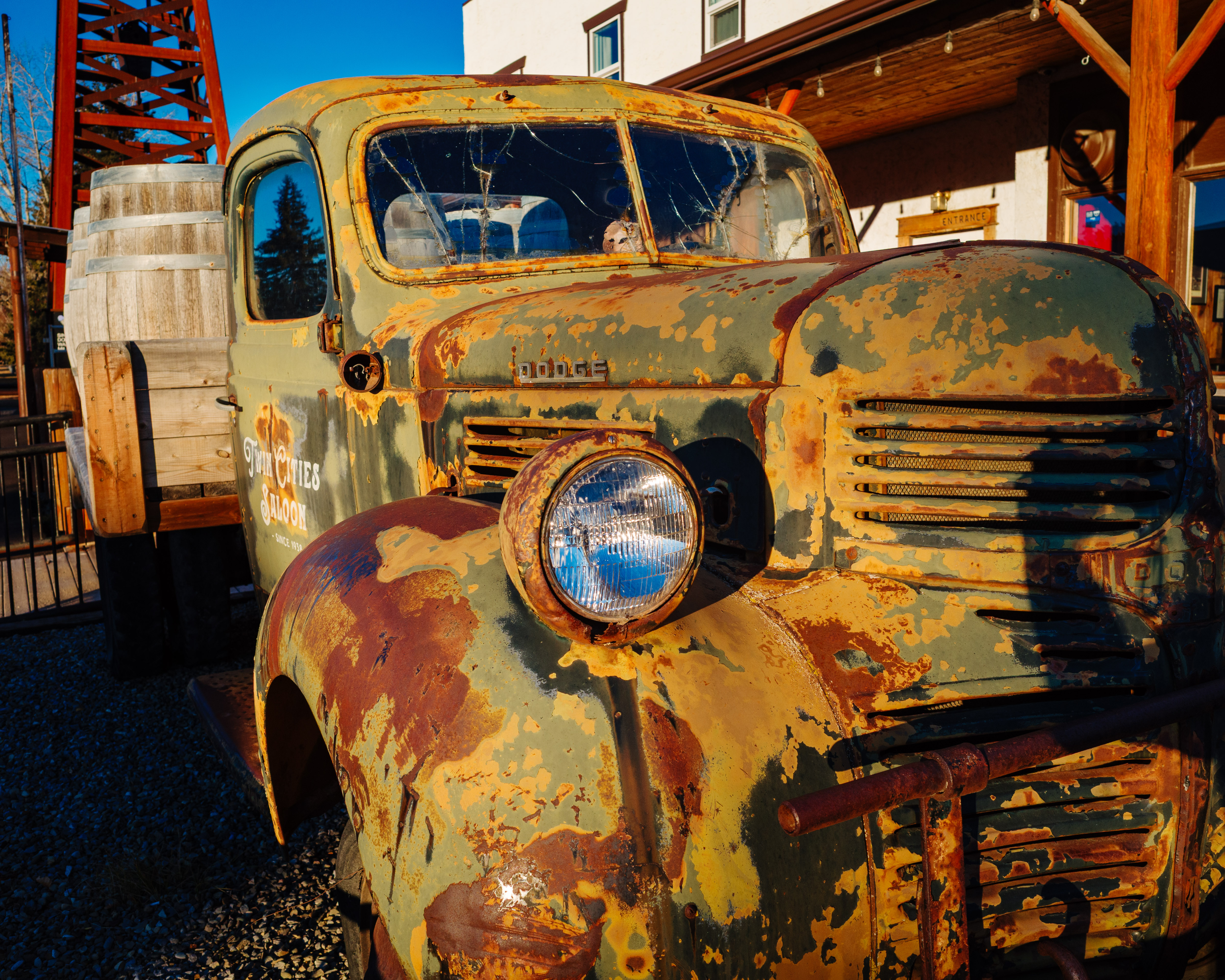
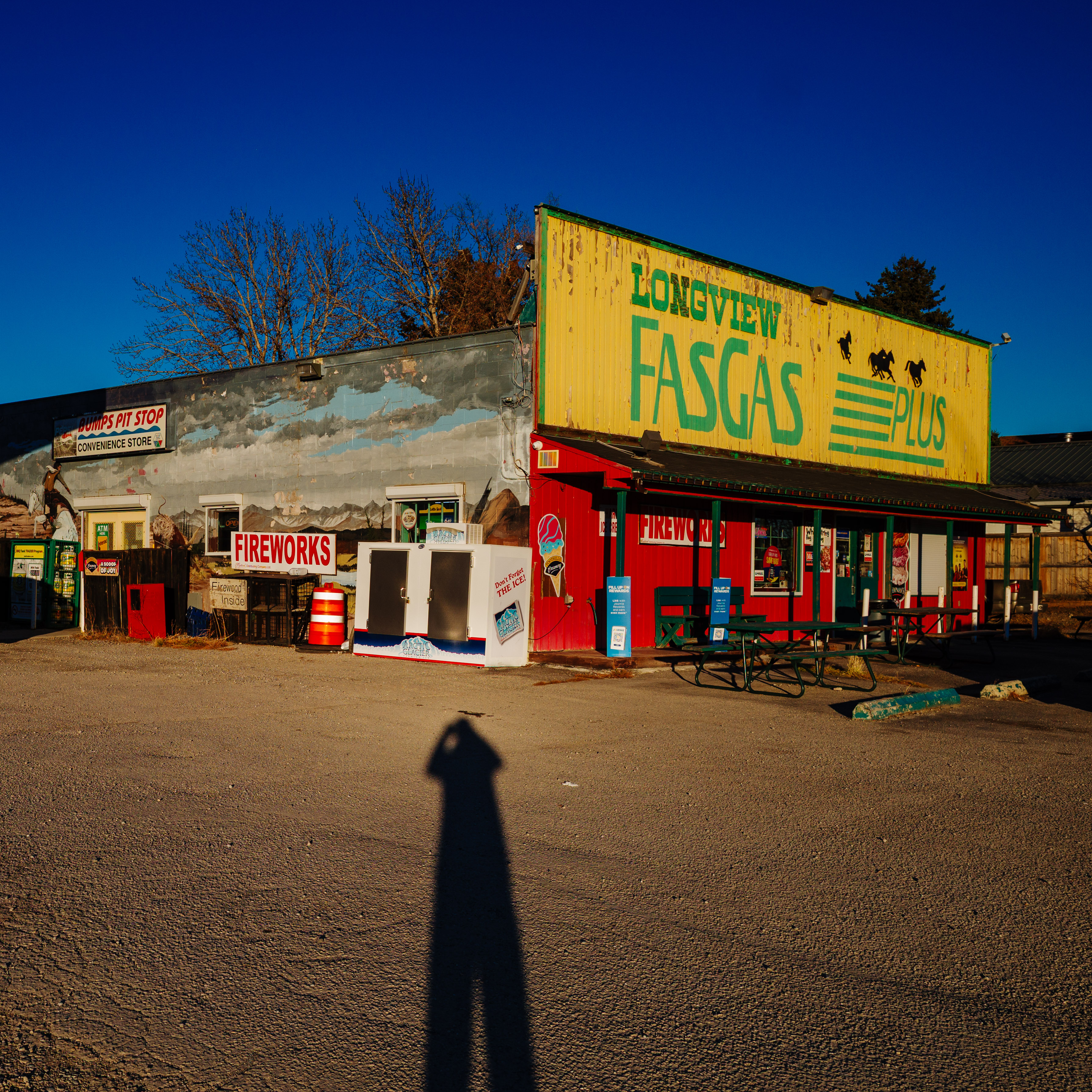
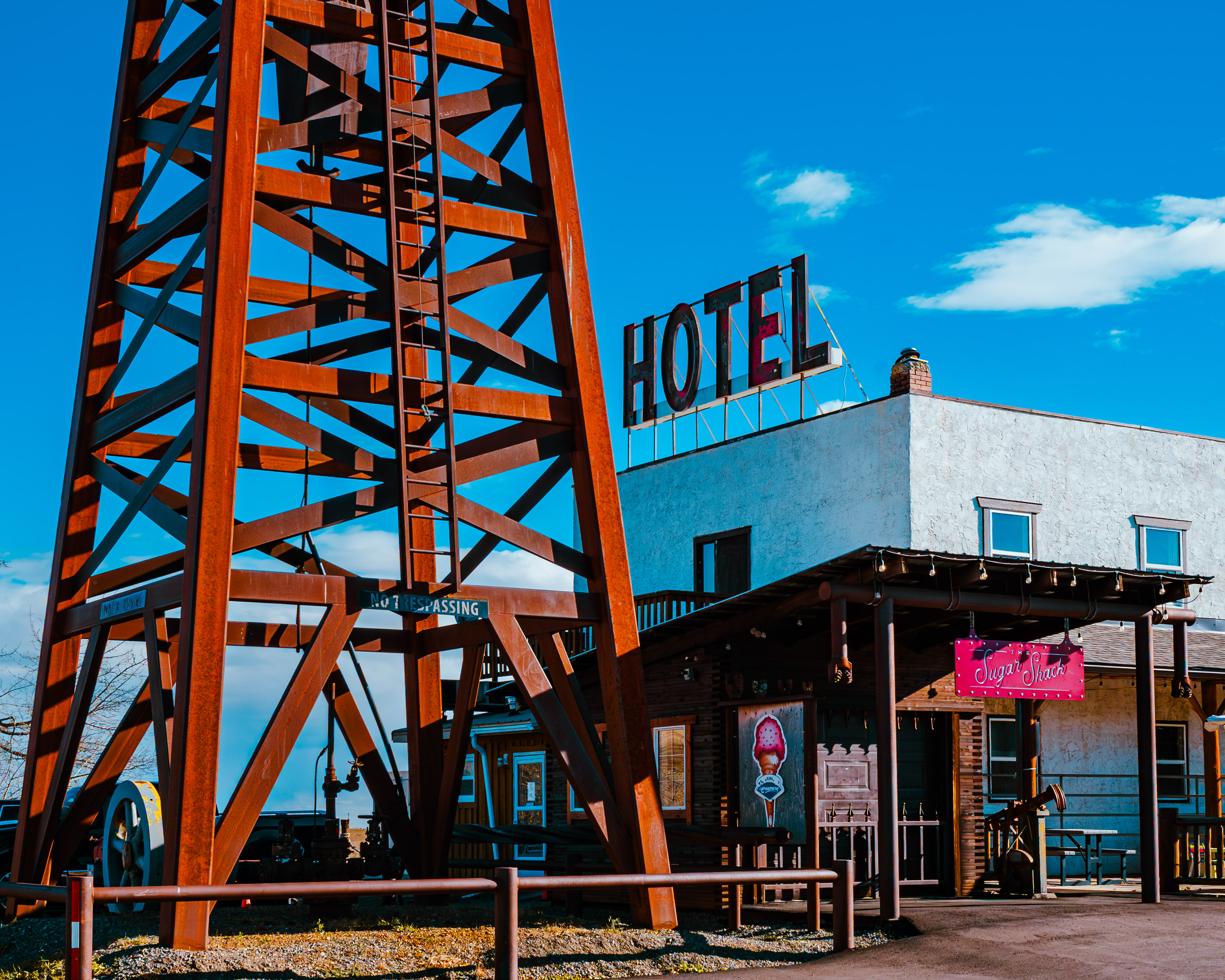
Phil went on to explain that there might be more to this process than observation. He even jotted down some thoughts, which I present here as my first guest submission on the blog. The photographs are mine, but Phil selected the pictures he wanted to accompany his writing.


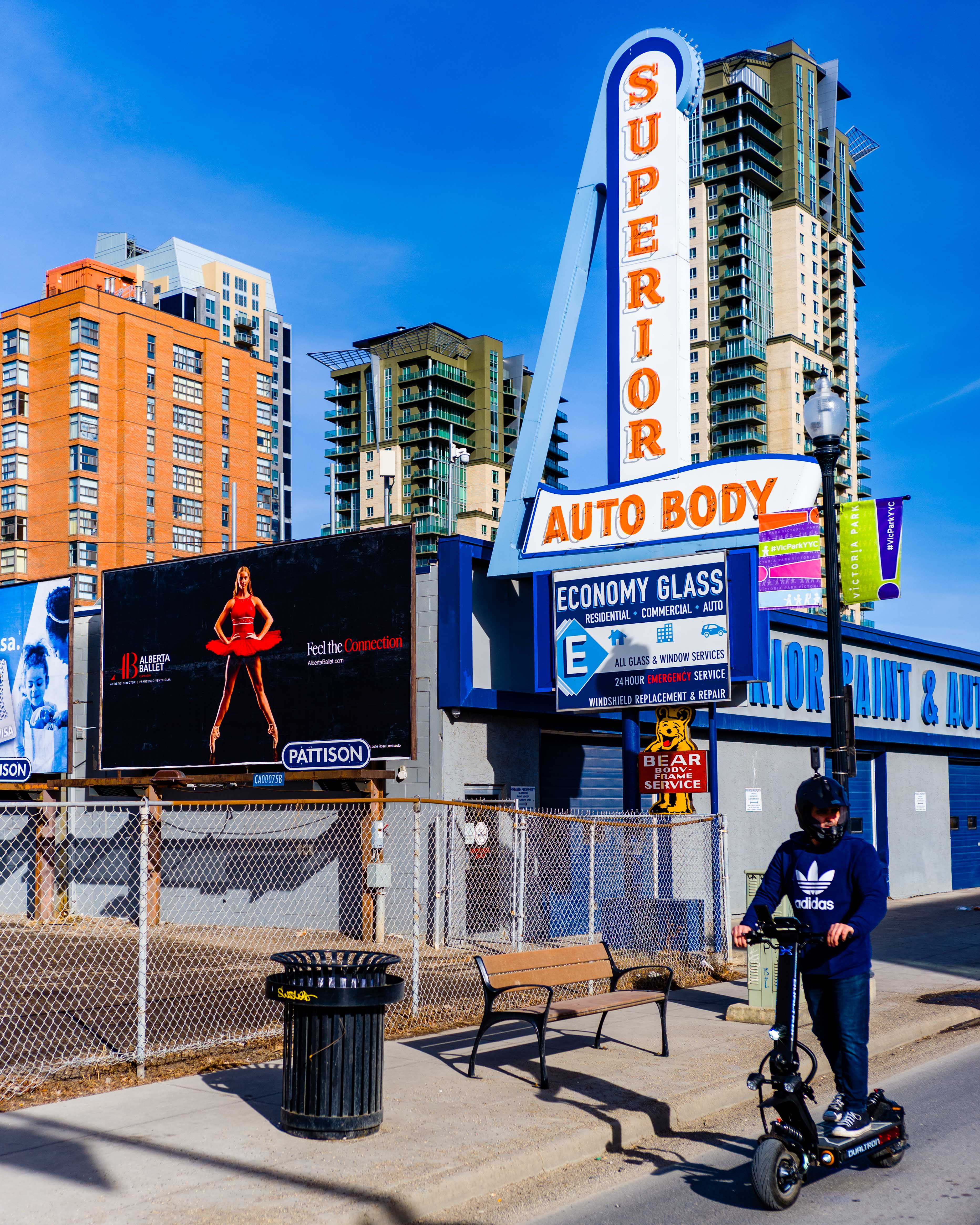
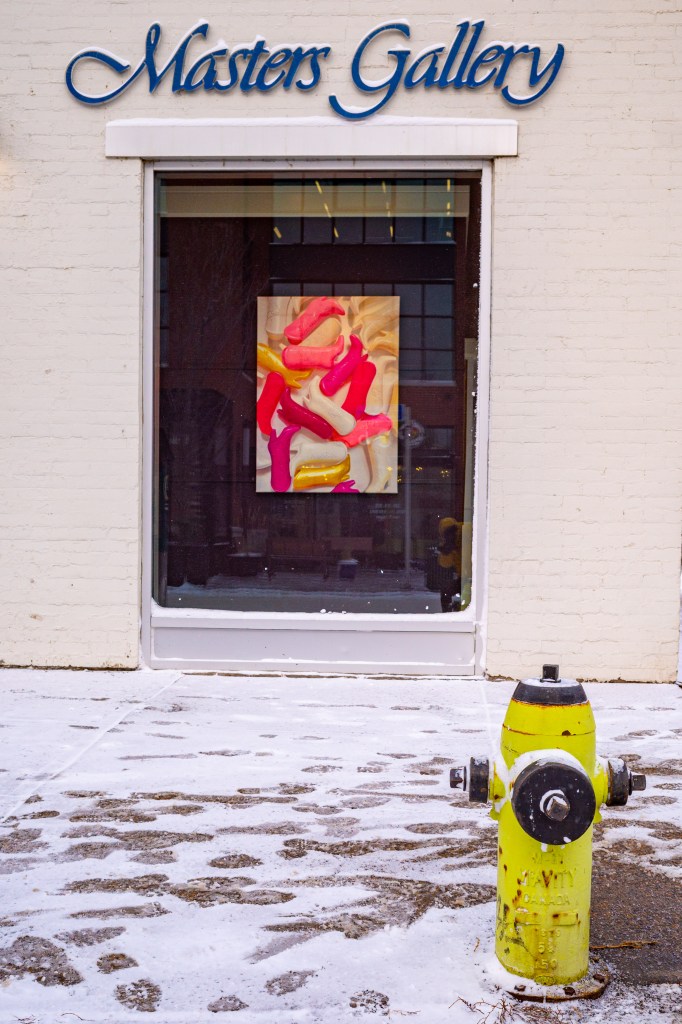
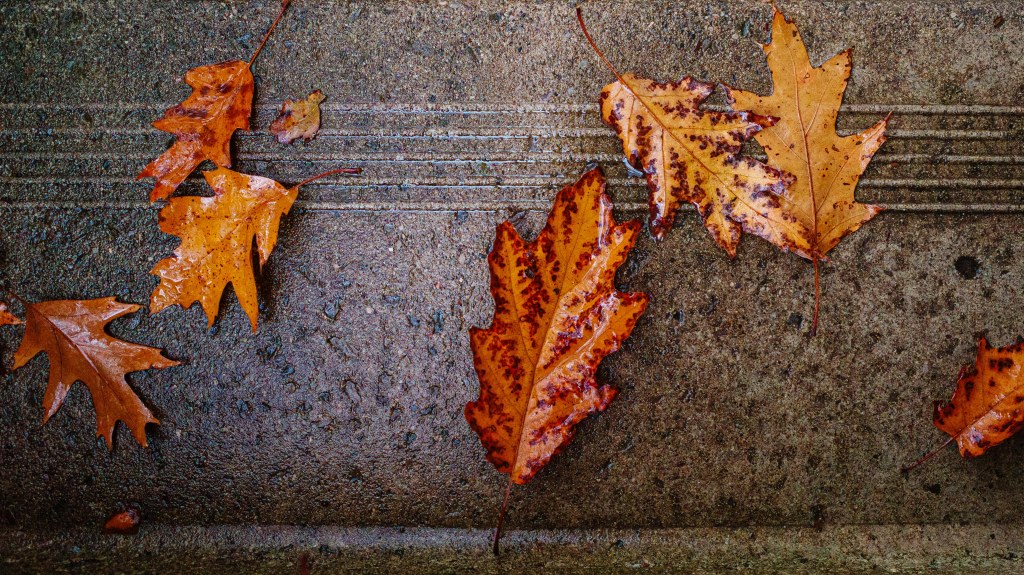
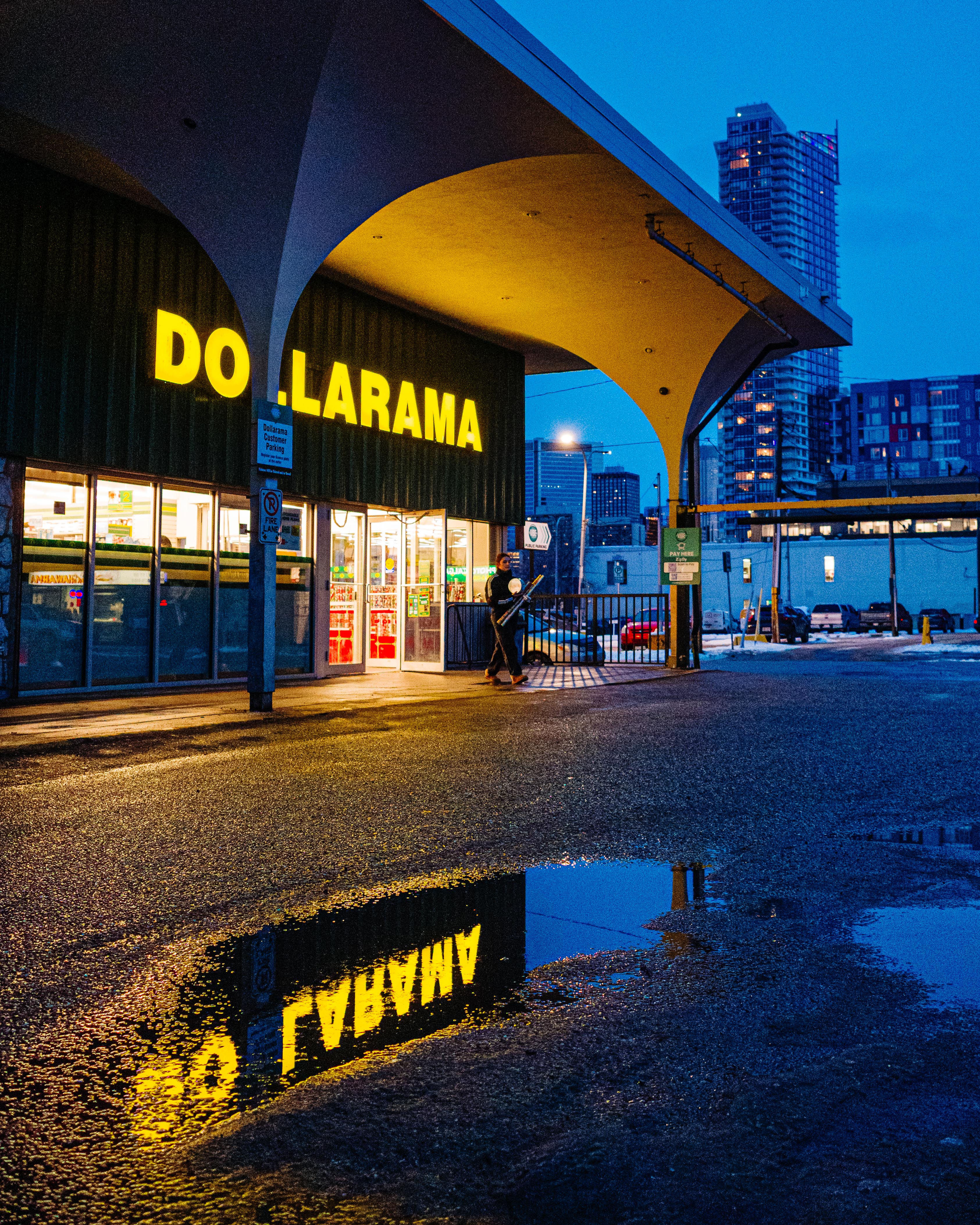
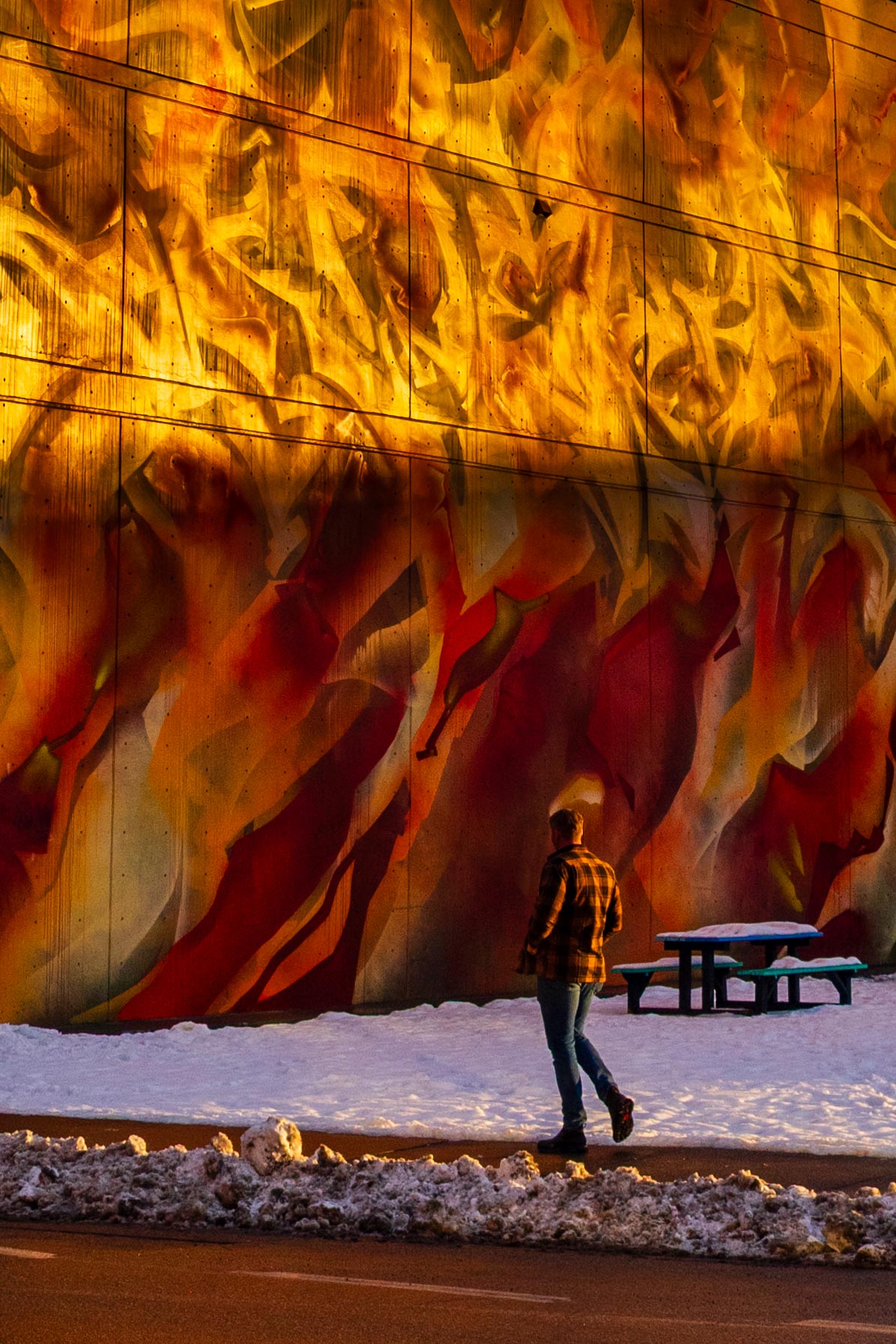
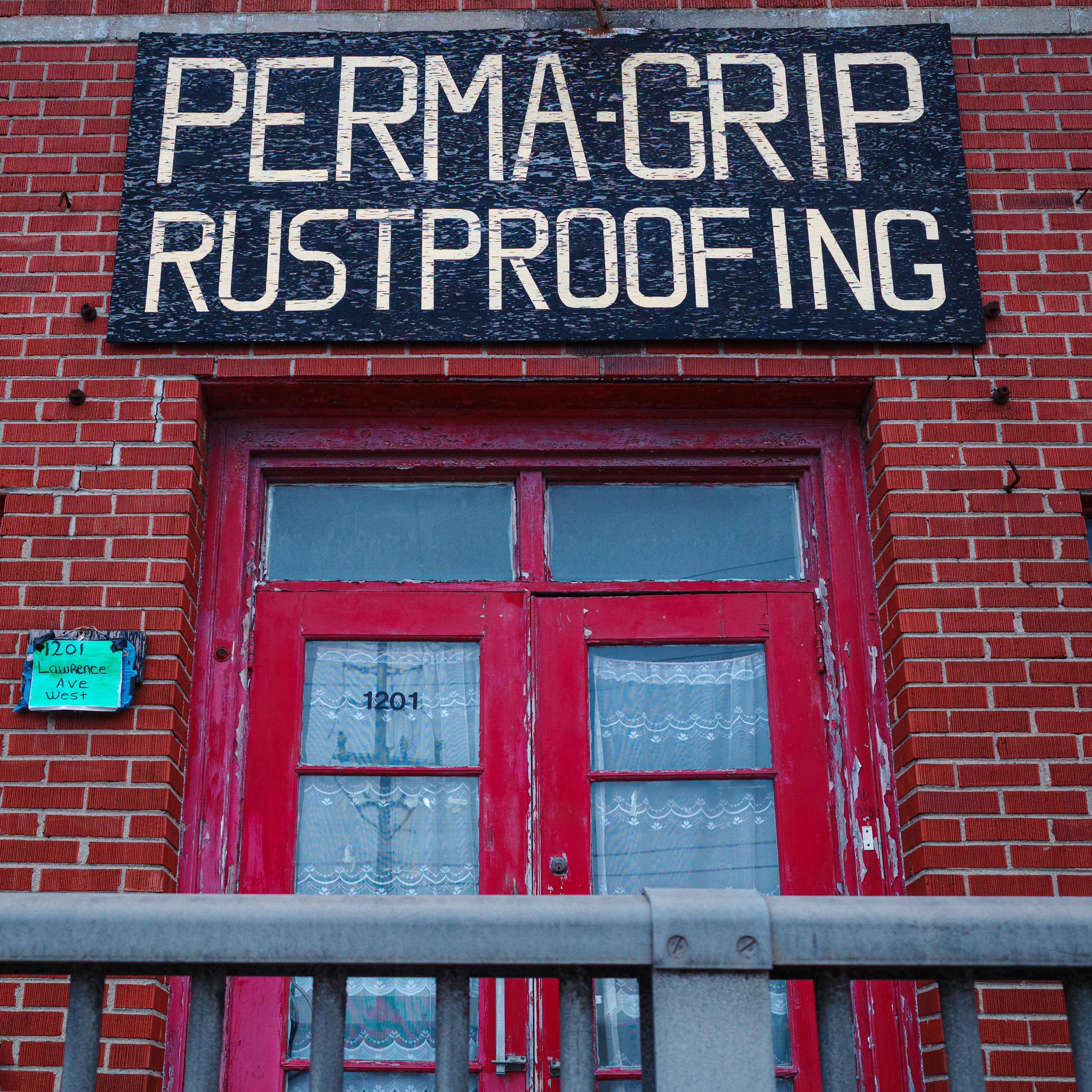
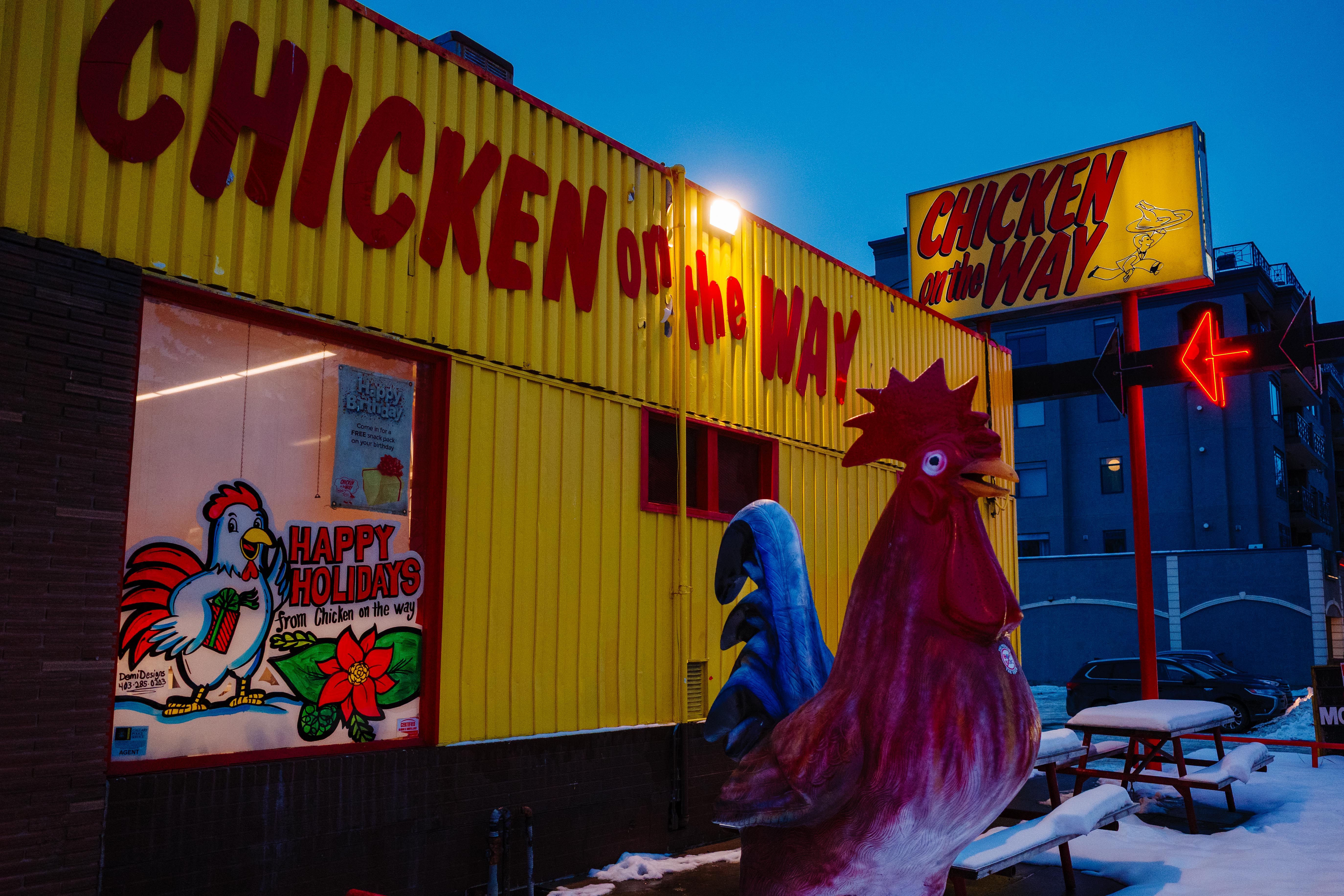
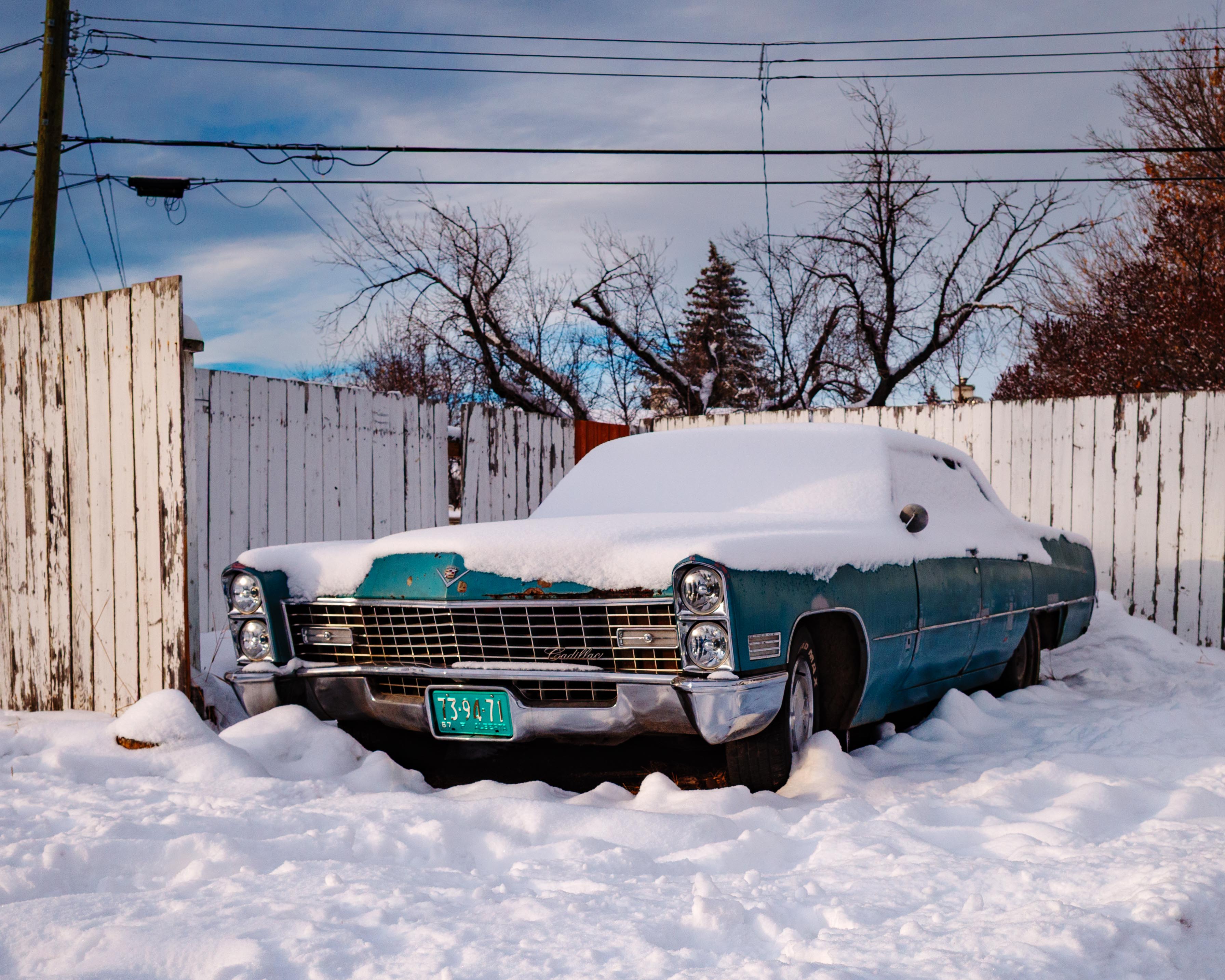
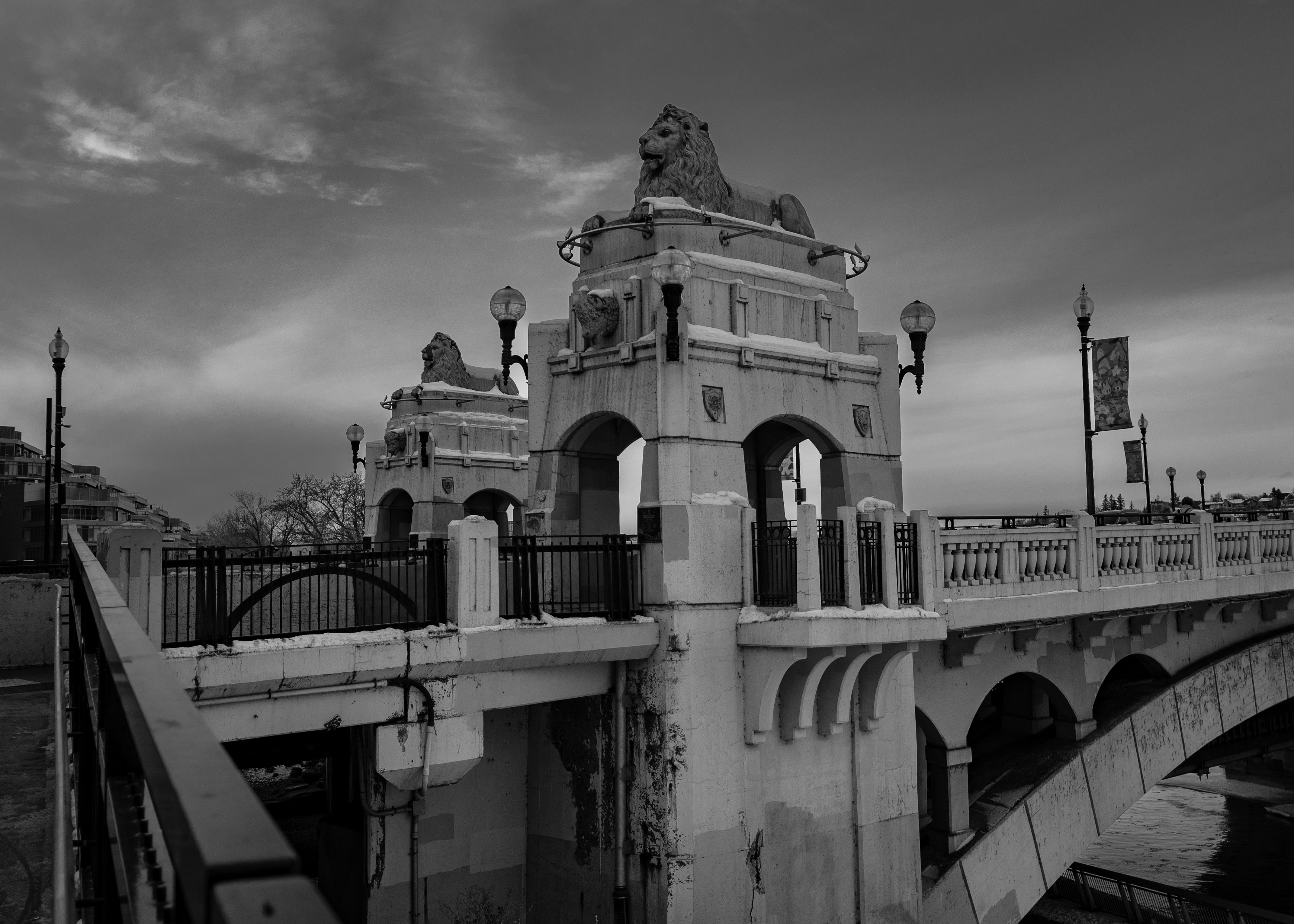
In nineteenth-century Paris, the flâneur was a stroller who transformed the act of walking into an art form; moving leisurely through the city, observing its ebb and flow with an artist’s eye and a philosopher’s curiosity. Armed with nothing more than time and attention, he understood the city itself to be a living canvas, constantly repainting itself.

Steve’s approach to running and photography is a modern embodiment of this classic figure—using movement through the city as a form of creative engagement rather than mere exercise or transit. His curiosity and his keen eye allow him to see the extraordinary within the ordinary.

The flâneur’s genius lies not in destination but in observation—he reads the city like a complex novel, deciphering the social codes written in architecture, fashion, and gesture. In the Parisian context, this meant lingering in the arcades, studying the interplay of commerce and desire, watching how different classes of people navigated the same spaces with entirely different purposes. The flâneur sees what others miss because he moves at human speed rather than the hurried pace of those bent on efficiency. 

Transported to Calgary among the gleaming downtown towers and the sprawling neighbourhoods stretching toward the Rockies, the flâneur’s eye discovers different rhythms and revelations. He might capture the interplay between the city’s frontier heritage and its contemporary energy—perhaps pausing to photograph how the morning light catches the glass of a modern office building while casting shadows on a historic sandstone church. My friend Steve embodies this Parisian tradition, combining the flâneur’s contemplative wandering with the practical purpose of his runs. His camera serves the same function as the flâneur’s notebook—a tool for capturing the moments that define urban life; transforming the ordinary act of moving through space into a form of creative observation.  In calling Steve a flâneur, I celebrate something valuable but increasingly rare in our hurried world—the importance of moving through our environment with alertness, engagement and appreciation.

– Phil Davies, December 2025


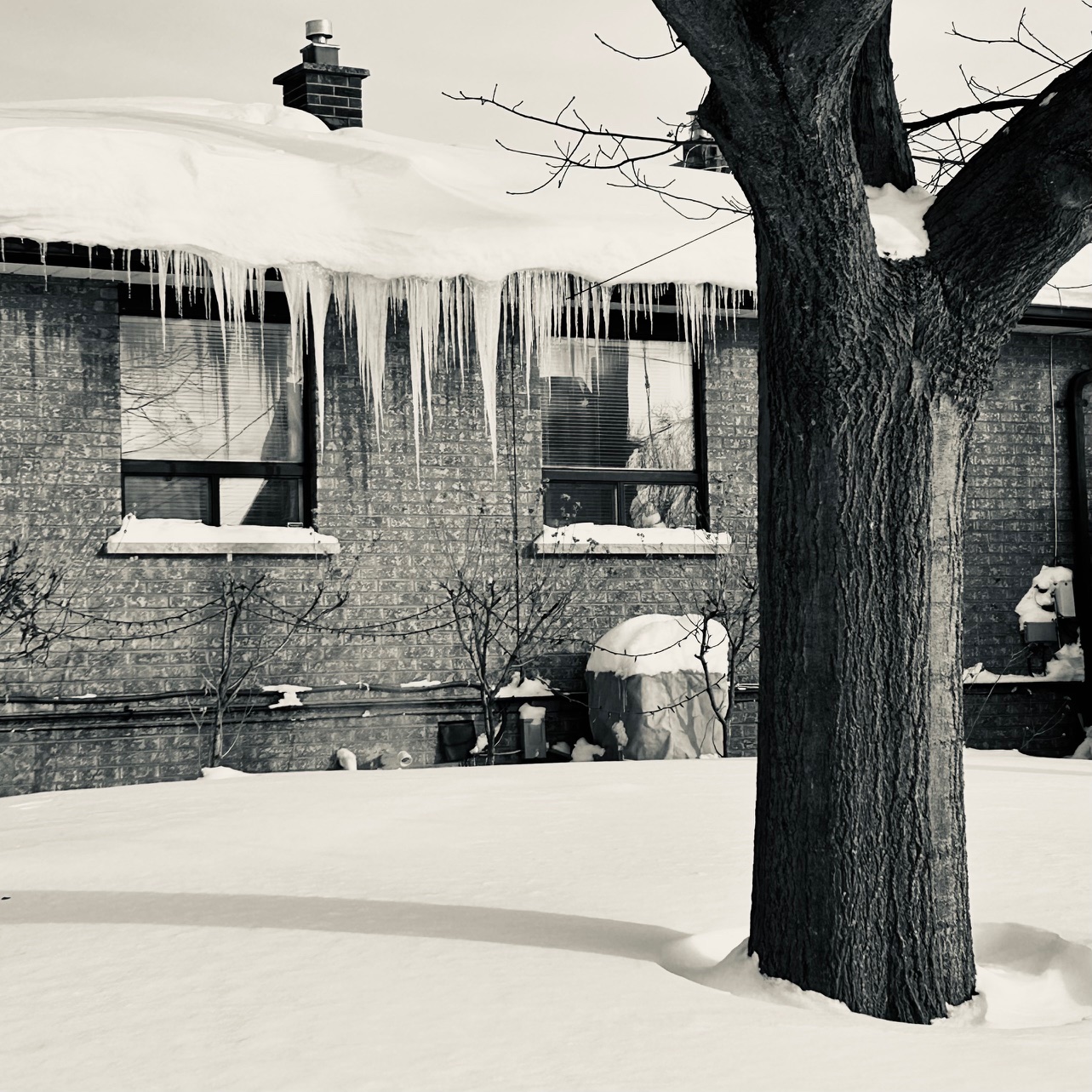
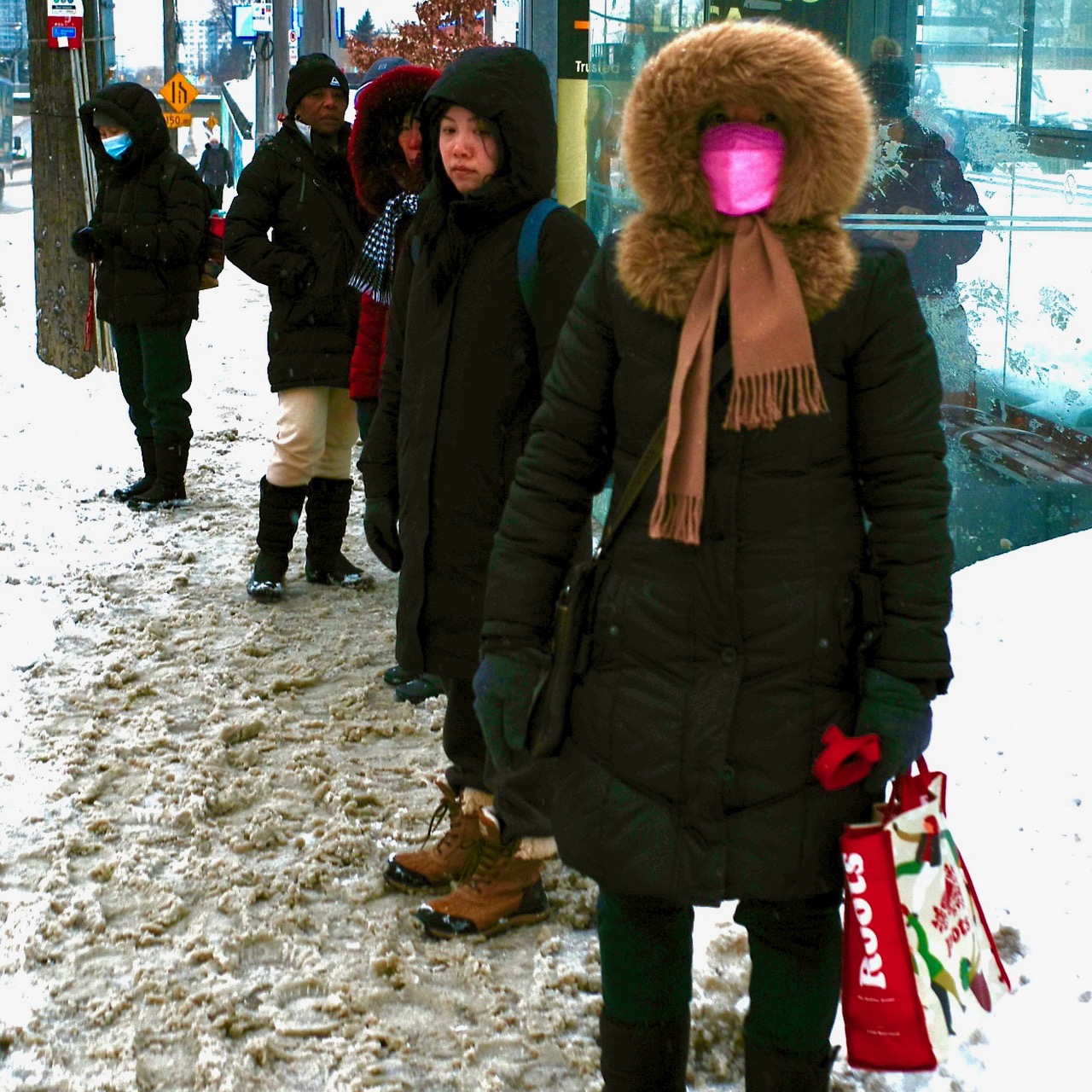
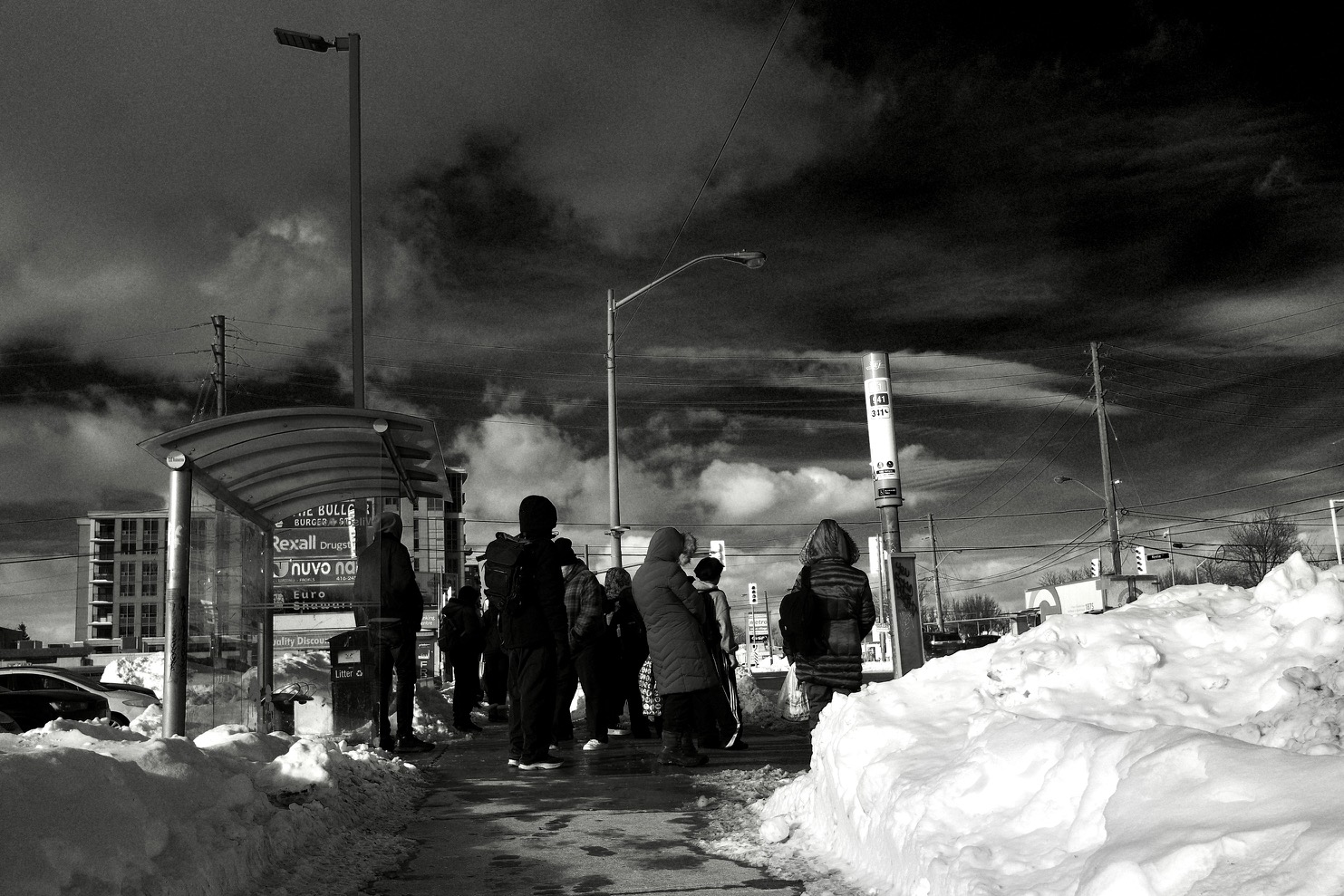
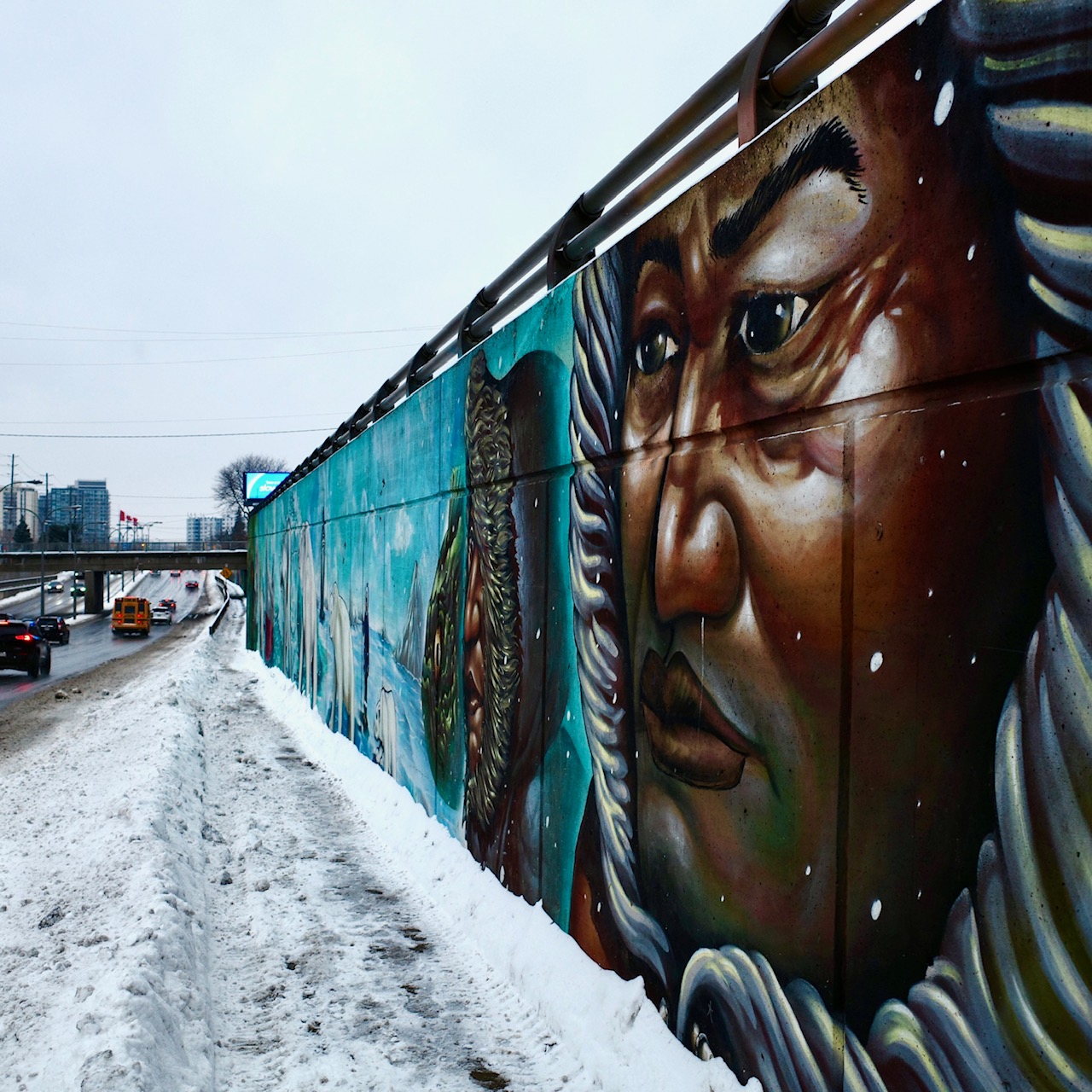
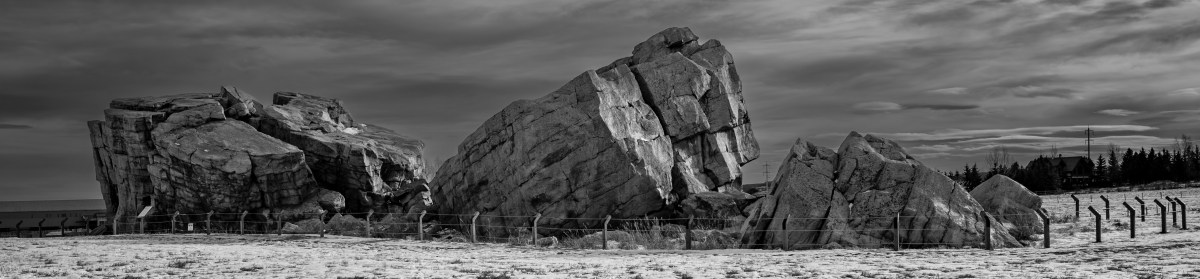
These boots were made for walkin’…! (Calgary, December 2022)

Concluding thoughts

Until my discussion with Phil, I would have said that I wasn’t doing anything different from any other street photographer, except that I’m moving faster than most of them. When I’m cruising the streets, I do so with thoughts of my photography idols in mind; people like Fred Herzog, Elliott Erwitt, and Saul Leiter. I wish I could be one-tenth the photographer that they were.

I also move through the streets with a clear purpose. I welcome the creative tension that comes with choosing a location and then watching for promising scenes to develop in front of me as I’m running. Many times and for many reasons, I’ve missed a shot that I wish I’d captured. But that’s alright, because sometimes I come home with a treasure. I can’t ever be too hard on myself about this, given the parameters I’ve set for myself.

In the end, it may not matter what label I use—flâneur, observer, or something else. Phil, you’ve helped me see that this process of roving exploration is well worth the effort.

On Running Streaks

A running streak is pretty much what it sounds like—run every day until you can’t. And while it’s up to each runner to set their own parameters, the Streak Runners International, Inc. and the United States Running Streak Association, Inc. (yes, there is a governing body for this activity) have set out some helpful guidelines. Here’s a quote from the SRI/USRSA website:

The official definition of a running streak, as adopted by the Streak Runners International, Inc., and United States Running Streak Association, Inc., is to run at least one mile (1.61 kilometers) within each calendar day. Running may occur on either the roads, a track, over hill and dale, or on a treadmill.

-SRI/USRSA website

So that’s it. Sounds simple enough, right? The longest active run streak, as reported recently in Canadian Running, belongs to Jim Pearson of Marysville, WA. As of September 24, 2025, he has run for 20,310 consecutive days. Over that time—more than 55 years—Pearson has run 305,000 kilometres. Now that’s impressive!

Is a running streak a good idea?

As I wrote in my memoir, Stroke of Luck, I’ve never bought into the idea that runners, even highly competitive runners, need to run every day. Of course, regular exercise is hugely beneficial, and running streaks are as consistent as you can get. So, the routine of getting out the door every day will pay dividends in overall health and cardiovascular fitness. From my own experience, regular running seems to increase resistance to seasonal bugs. It may reduce susceptibility to injuries (or it may not). And perhaps most important—streaking instills a feeling of mental toughness, given all the challenges that must be overcome to keep one going.

But there are downsides. The most obvious is that sometimes, when we are injured or feeling under the weather, the best thing we should do is rest. Forcing ourselves out the door, just to check a box and continue a streak, may be making a bad situation worse.

Although streaks aren’t really my thing, I will admit to a certain fascination with runners who can and do carry on long streaks. My brother Paul completed a decades-long streak, as did my old running partner in Calgary, Rick Webb. Rick used to regale me with stories about how he kept his streak alive. One of my heroes is the late Ron Hill, a fascinating man, a legendary runner, and a running streaker. I wrote this in Stroke of Luck:

“… I appreciate what it takes to carry on a running streak. I have known a number of streakers through the years. This evolutionary branch of the running population is an eccentric lot. Most serious runners of the last few decades would have heard of Ron Hill, the great British marathoner and Olympian, whose 52-year streak—which ended in 2017—is legendary. To running streakers, Ron Hill is a patron saint, a person who is universally admired and spoken of with great reverence. He died in 2021.”

Strides Run Streak, 2025 edition

With that background, there should be no surprise that I’ve once again taken on the challenge of the annual Strides Run Streak (SRS). The challenge is simple: run at least one mile every day in December. Kudos to Jeremy and his team at Strides for giving us a manageable goal, one that will help keep us motivated over the holidays.

I’ve been a regular participant in the SRS. In fact, there is a connection between the SRS and my stroke story, which goes all the way back to 2012. I explained in Stroke of Luck how I extended the 2012 streak from a month-long event into one that lasted more than four years. This became my longest personal running streak, even though it paled in comparison to Hill or Pearson. I joked in the book that I might be able to make a case to the RSI/USRSA for the most interesting END to a running streak.

I’ll leave my story there, but if you’d like to know how things turned out, why not get a copy of my book? In doing so, you’ll be supporting a great cause—the stroke unit at the Foothills Medical Centre in Calgary. The book would be a great gift for the runner on your Christmas list!

Now, as some of my followers on Strava will know, I give myself the added challenge of finding a worthy photo while I’m completing my daily run. Sometimes that is a bigger test than the running part, particularly with the days getting shorter and winter setting in. There aren’t many great photos taken on a treadmill!

So far in 2025, my commitment is strong, and the weather has been agreeable. There are a few hurdles, mostly a nagging soreness in my right Achilles tendon. Fortunately, that seems to loosen up after a couple of kilometres. Worse for me is that my training partner is still sidelined with a sore hip. That means my running is mostly solo.

Enough words. Here are some images from the 2025 SRS, which started while we were in Toronto. It’s obviously a work in progress, and I hope to send out another batch of pictures by month-end:

Copyright for all images is mine.

While it’s always nice to capture the festive spirit, I don’t consider it essential. As I’ve said before, my goal is to find images that transport me back to that time and place. I like visiting different neighbourhoods during the month. For me, a good photo run is thrilling; a way of adding meaning to my runs. It doesn’t replace the excitement of competition in a road race, but it’s sure better than nothing. And while there are no governing bodies for photo runs, I can recommend the Ricoh GR III—portable, capable, and durable. It’s been a constant companion on my outings.

Merry, Merry!

Wrapping Up

I hope you’re finding your own source of motivation at this time of year. While it’s easy to avoid going outside, especially when the temperature is -18c, as it is in Calgary today, I always feel better for having made the effort. So, whether it’s a month-long run streak, a walk with your dog, or a jog on a treadmill, I highly recommend a daily dose of activity. Having a camera with me is a reminder to keep things informal, and if I’m lucky, I’ll come home with a memento of the day.

Happy Holidays! And until next time, be well and BE FAST…

The Longview Photo Run

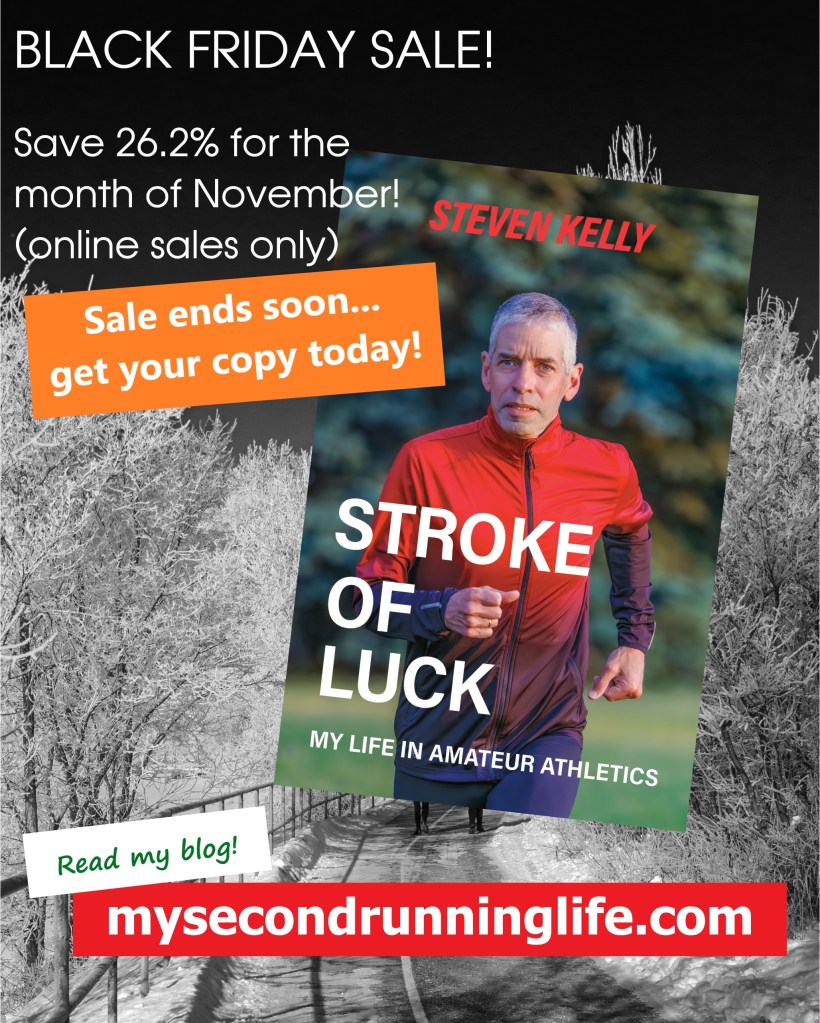
The Black Friday Sale ends soon!

Time is running out for an unbeatable deal on a running story you don’t want to miss!

Stroke of Luck is available on Amazon at a marathon-inspired 26.2 % discount—but only until the end of November.

Get your copy today!

Longview: A Short History

For as long as I’ve been in Calgary, the Village of Longview has been my idea of what makes Alberta special. It’s a quiet village in an idyllic setting. The views of the foothills to the west are spectacular, and that’s because Longview sits just outside Kananaskis Country. Highway 22 (the Cowboy Trail) is the town’s main street. I’ve often told Deb that I want to move to a ranch in Longview, although I wouldn’t have a clue what to do once I actually got there. No matter.

I learned about Longview’s fascinating history when I did my research for this piece. The village is named for brothers Thomas and Oliver Long, who homesteaded in the area at the beginning of the 20th century. Given its location, Longview has a long connection with farming and ranching. When oil was discovered in nearby Turner Valley in the late 1930s, Longview boomed—so much so that it earned the nickname Little New York. Of course, booms tend to go bust, and that’s what happened a few years later. For most of the last 60 years, the village’s population has been around 300.  

One of Longview’s claims to fame is that the annual Kananaskis 100 Mile Relay starts there, early on a Saturday morning in late June, just after the Highwood Pass opens up. There are some fond memories there, I can tell you! I wrote about the race earlier this year—check it out here.

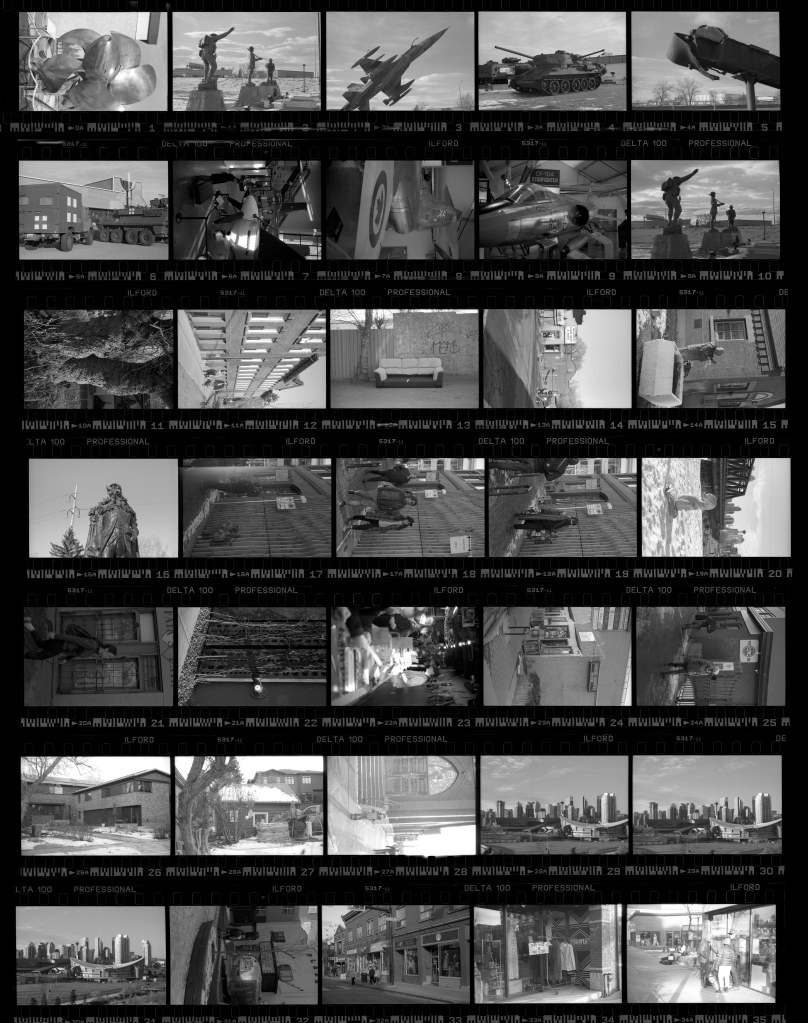
And if anyone needs another reason to visit Longview, here’s one: Flic Film is a business that caters to those of us who can’t quite give up film photography. I used to have a convenient option for film development near my house, until “my guy”—that was Paul Stack—wrapped up his business and retired to Nova Scotia. I’ve been wondering what to do with my film since then, so I was thrilled to learn about Flic Film. I met Dalton on my visit to Longview, and left him with my order.

Feeling slightly nostalgic, here’s a contact sheet, which (if you’ve never seen one) is a handy way to identify any “keepers” on a roll of film. There’s something real about flipping through a binder of negatives.

A Short Jog Through the Village

Since I knew I’d be back to pick up my negatives, I decided to add a short photo run through the village on my return visit. I already knew there would be a lot of interesting material along the main street (Morrison Street), like the iconic Twin Cities Hotel. When I’m faced with that situation on a photo run, I try to get a few kilometres under my belt so I’m not starting and stopping too much.

Here’s my running route, courtesy of Garmin:

I did end up with a few worthwhile images, carrying the venerable (but now discontinued) Ricoh GR III. I learned a lesson, though. At this time of year, the sun sets quickly. If you see it, shoot it, because it might not be there a few minutes later!

Enjoy these images (copyright is mine):

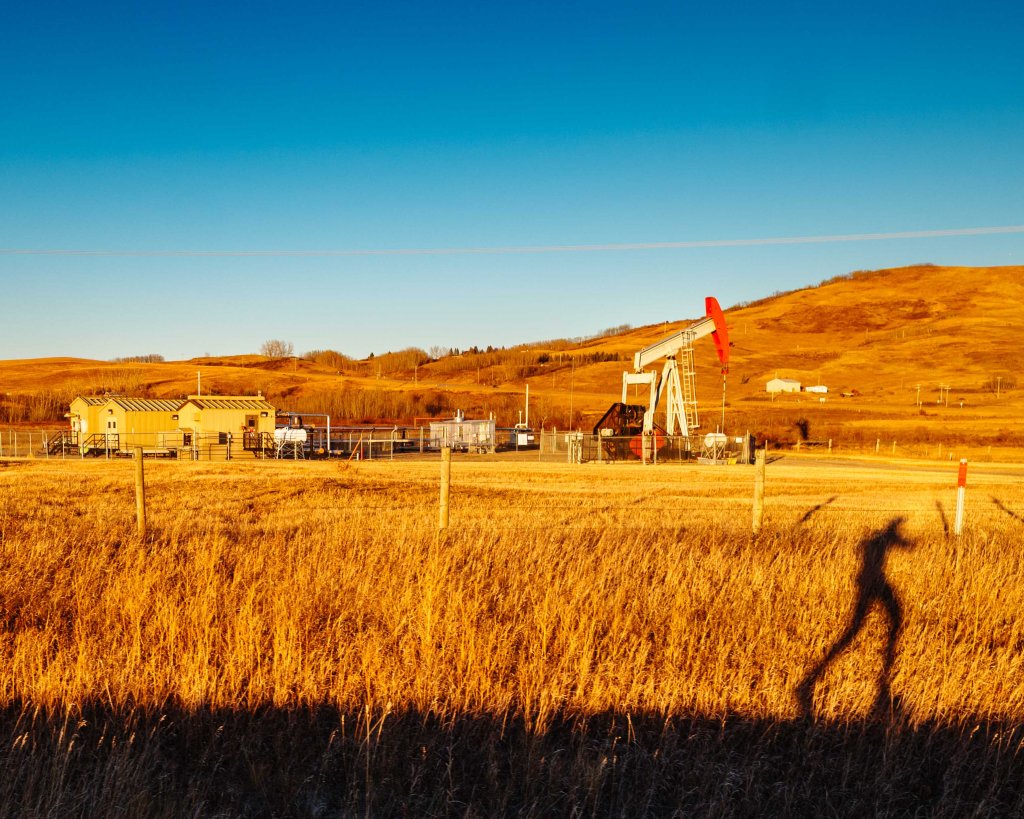
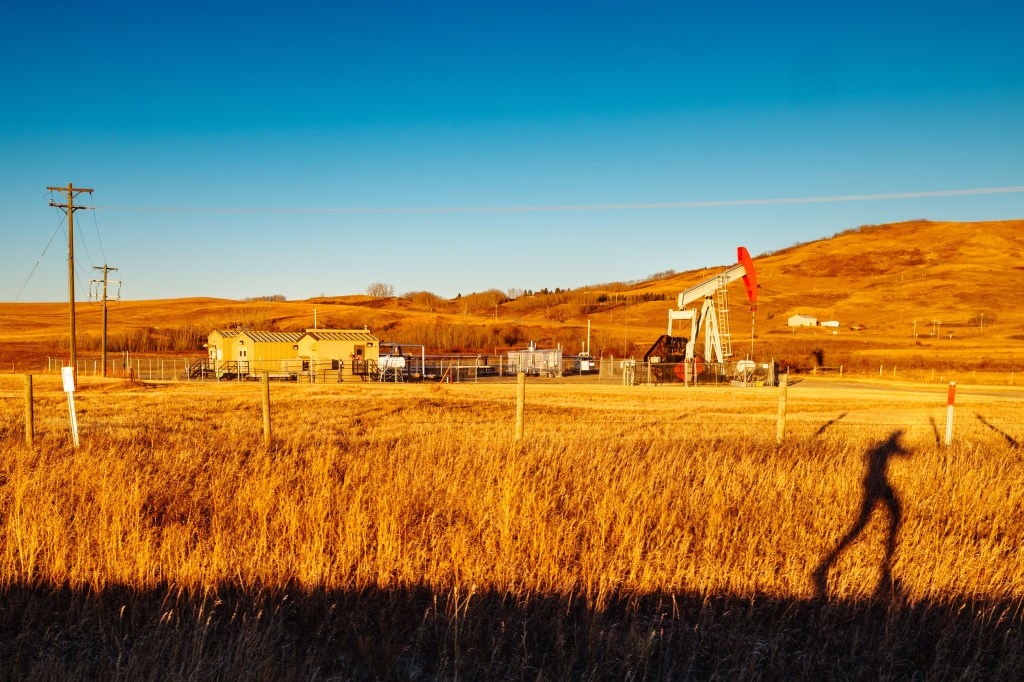
After an out-and-back run to the Highwood River at the south end of the village, including a decent hill, I headed out on Highway 541 towards K-Country. I was thinking about some of my past adventures on the relay. Running the first couple of kilometres was great, and being able to turn around was even better. Here’s a selfie, where I did my best imitation of the pump jack in the background.

Heading for Home

After I got home and started putting this piece together, I read about a bit of Alberta history that I was completely unaware of. A few kilometres north of Longview is a historic site marker, which I have driven by and wondered about, since there doesn’t seem to actually be anything there.

Well, it turns out to be a commemorative plaque and display for Little Chicago. Apparently, the boom that fueled growth in Longview led to another town springing up, just up the road. That’s where the Twin Cities Hotel got its name. The name Little Chicago was changed to Royalties, as it caused confusion with, you know, that other Chicago. At the peak in the late 1930s, the population of the two towns was about 3,200. As things turned sour economically, all traces of Little Chicago disappeared, except for the plaque that tells the story. I’ll definitely stop for a look—and a photo—on my next film drop.

Until next time, be well and BE FAST!

An Ansel Adams Inspired Photo Run

Knowing that Weaselhead Park would be in its full autumn splendour this week, I decided to do a short photo run starting in North Glenmore Park.

Here’s the Strava record of my out-and-back route through the Weaselhead Flats. It’s a beautiful place to run at any time, but especially at this time of year.

I recently had an idea for a new series, highlighting my favourite photographers. As I trudged up the hill at the far corner of Weaselhead, where the path heads into a pleasant birch forest, I realized I had my first subject: Ansel Adams. Adams is a good choice, given that he was the first photographer who came to my attention after I purchased a film camera as a teenager. I’ve admired his photographs for years. And when I saw the white trunks of the birch trees, two specific images popped into my head.

But first, let me introduce Adams.

Ansel Adams: Photography Legend

Ansel Adams (1902-1984) was an American photographer and environmentalist. As a young man, he showed talent as a pianist. However, he decided to pursue his early interest in photography, even though at the time that was hardly a sure career path.

Adams is best known for dramatic black and white landscape images, many of which were shot on large glass plate negatives. He also developed innovative and disciplined approaches to capturing and printing images. He formalized the use of the Zone System, which allows the photographer to realize what they saw in the scene, based on analysis of the tonal ranges in the image. 

Given the sheer number of Adams’ iconic images, it would be difficult to settle on my personal favourite. I’ve always admired his Clearing Winter Storm (1944) and Monolith, The Face of Half Dome (1927). His photograph of Denali—Mount McKinley and Wonder Lake (1944)—is brilliant. These images matter because they illustrate Adams’ deep commitment to preserving some of the great natural places in the U.S.

Even though they aren’t what he is best remembered for, Adams’ portraits are remarkable, too. His candid shot of Georgia O’Keeffe and Orville Cox (1937)—shot with a 35mm camera—may be my favourite of all his images. So, regardless of which image we look at, it’s easy to see why Adams is regarded as one of the greatest American photographers. 

Georgia O’Keeffe and Orville Cox (1937)

Aspens, Northern New Mexico (1958)

There’s a book by Adams that I’ve turned to dozens of times for inspiration. It’s called Examples: The Making of 40 Photographs. Adams takes the reader on journeys that culminate in the images in his book. He sets the scene, explains the equipment he used, and the process of creating the final print. It’s far more than a how-to manual. What I appreciate most about the book is Adams’ honesty. Many times, he admits to making errors in his camera settings or finds he’s created challenges for himself in achieving the result he wants. These are refreshing admissions by a person we may think of as being infallible. 

Two images in Examples are relevant to this piece. Aspens, Northern New Mexico (1958) is a pair of complementary photographs, one vertical and the other horizontal. Adams shot them with an 8″x10” camera using a yellow filter, which would have lightened its own colour (yellow) and darkened its opposite colour (blue). He typically printed the images in very large format, up to 30″x40″. Adams describes these as “quite satisfying statements”, “cool and aloof and rather stately”. I’ll say! He also writes that they are good expressions of his philosophical approach to photography, in that he was able to express what he saw and felt in the scene. 

And so, today in Weaselhead

At the risk of embarrassing myself—-we can agree that Adams is a tough act to follow—-let me turn to my own attempt to capture what I saw and felt on today’s Weaselhead photo run. It was a similar day to what Adams described for his Aspens: a crisp autumn day. The birch forest was in full fall colours. Even better, the sun was trying to make an appearance after a short rain shower. There was no wind. In other words, the prospects were good. As usual, I had my Ricoh GR III in hand—no 8″x10” cameras here. 

I could see what Adams had to deal with, given all the colours of autumn: reds, yellows, purples, greens. A colour photograph would certainly have impact, but my worry was that it would end up being an incoherent riot of colour. Because digital photography gives us some huge advantages over Ansel and his glass negatives, I’m able to let my readers decide for themselves.

I’ll start with a vertical shot. I did some masking in Lightroom to bring out the trees at the front of the image and give some separation against the busy background. Using Lightroom’s simulated filters, I boosted the yellow channel to brighten the leaves. As is often the case, I prefer the black and white version.

Weaselhead Birch Forest – Vertical (Sept 30, 2025) (Copyright: Steven Kelly)

Moving on, I looked for a scene that might work in horizontal format. My idea was to have some prominent leaves in the picture, as on the left side of Adams’ image. I found a grove with a dense grouping of trees and a splash of green on the left of the frame. I don’t think this was the perfect example, but you know, I was in the middle of my run. I snapped my shot and carried on. Later, I darkened the left edge and the foreground to accentuate the trees that were in sunlight. Again, I prefer the monochrome version, but I’d like to hear from any readers who have an opinion.

Weaselhead Birch Forest – Horizontal (Sept 30, 2025) (Copyright: Steven Kelly)

Wrapping Up

My photo run was short but productive. I headed to this spot because I hadn’t been there for a while, and I wanted to see the fall colours. Once I got to the birch forest on the south side of the reservoir, Ansel Adams’ iconic images popped into my head. It encouraged me to slow my pace and look around. And what I found was well worth the effort. I may even try to get back there with a film camera and tripod—and without my running shoes!

Until next time, be well and BE FAST!

Off Track: A Eulogy of Sorts for GAP 1.0

So that’s it. The end of an era. The south end of the original Glenmore Athletic Park (GAP) track—I call it GAP 1.0—is gone. Torn up. 

I know the guys in the excavators are just doing their job, but it was hard to watch them pulling up the tattered red surface. The sign posted on the fence helpfully explains that the work is for the installation of a natural gas line to serve the new Glenmore Twin Arena that is being constructed nearby. According to the City website, the south end of the track will become a parking lot. Of course, another parking lot.

I have countless memories of the old circuit. It’s been the site of race finishes (like the Stampede Road Race), club events like handicap races, and innumerable workouts. GAP has hosted hundreds of track meets over the last six decades, including one in May 2011, where my mates and I set a Canadian M35 age group record for the 4x800m relay. (Our record didn’t stand for long, so don’t bother searching for it.)

I wrote about the old GAP track in Stroke of Luck, about how just seeing the red surface puts me in a comfortable place. I also did a blog piece—Homage to GAP 1.0—to mark the seventieth anniversary of Roger Bannister’s historic four-minute mile and the sixtieth (or so) of the GAP track itself. That was more than a year ago.

Sure, with a new, modern facility (some have started calling that one Smurf Turf, but I prefer Big Blue) being built a stone’s throw away, the writing was on the wall. I dared to hope that the City would keep the old place open. And if that wasn’t going to happen, I was sure they would leave it in service until the new track was ready. Well, now we have our answers: no and no.

Here is the main issue I have with the City’s decision: there’s no convenient alternative for running clubs that train in Calgary’s Southwest. As rough as the surface was, the track was in constant use by individual runners and clubs. To demonstrate their commitment, athletes regularly organized themselves into shovelling crews to keep a couple of lanes open through the winter. Speaking of the winter, progress on the new facility seems rather slow, so we’ll have to wait until sometime in the new year. 

I pointed out all of these things when I called 311 today, but it won’t change where we are. 

I don’t need to repeat what I wrote in my previous piece. Instead, with a distinct feeling of nostalgia, the best thing for me to do is add a few more memories, to convey what the old track meant to me. 

Here’s a photo from a one-mile senior’s challenge race, which took place in May 2010. It was all smiles on the start line, except for competitor 15 (me). For the record, I never smiled in the final few minutes before the gun. That’s okay, though, as I doubt anyone was smiling ten minutes later. I have no record of the results, so that might mean I didn’t do very well. Even so, it’s a cool memory.

This is the current state of the spotting booth on the back straight. Although the plywood mural that covers the scoreboard is deteriorating and falling off in chunks, I can report that the pigeons that have taken up residence in the booth are doing well. I like the juxtaposition of these two half-images.

And here’s a photo I took during a recent workout. My friend Doreen and I ran intervals on a beautiful, warm August morning. Little did we know it would be our last spin around the track. This photo of Doreen, smiling as she heads into the back straight, seems to be a fitting one to close with. 

I don’t know if there is such a thing as a memorial service for a facility, but I feel like the Calgary running community could do with one in this situation. For now, I tore off a chunk of the synthetic rubber surface as a keepsake. Deb was grossed out, but I don’t care—I’ll keep it in the garage. 

Maybe I should deal with this the way I usually do—go for a jog and come to terms with this disappointing news. 

Until next time, be well and BE FAST!

Edmonton Marathon Report

In what has already been a memorable year for racing, the 2025 edition of the Servus Edmonton Marathon may have delivered the most excitement. And I haven’t even been racing!

Deborah and I decided to make a quick weekend trip to Alberta’s capital city for a couple of reasons, the main one being a chance to see Dan race in the Half Marathon. For a short time, I entertained the idea of signing up for the 5k—that was until my dodgy Achilles decided the matter for me.

It was a thrilling weekend. We enjoyed soaking up the atmosphere around race headquarters at the Edmonton Convention Centre. It was also a busy weekend, with various festivals going on around the city, in addition to the race. We had forgotten how lush and green the Edmonton river valley is.

To the action

All the distances at this year’s 34th edition of the event were popular. Across all the races, more than 8,000 runners signed up. On a perfect day, sunny but not too warm, 1,200 runners started in the main event, the Servus Marathon. The Healthcare Solutions Half Marathon was the biggest event by far, with over 3,000 runners toeing the line for the 7:45 a.m. start. By the way, the HM served as the Canadian championship race, so the field was big and the elite field was very deep. The Army 10k took place later in the morning, with a field of 1,800 runners, and the Family 5k Fun Run rounded out the day.

Dan competed in the HM with the Canadian Armed Forces CISM Elite Running Team. For those unfamiliar with CISM, it’s the Conseil International du Sport Militaire, or the International Military Sports Council. Founded in 1948, CISM is one of the largest multidisciplinary organizations in the world. CISM organizes various sporting events for the armed forces of its 142 member countries.

Canada’s armed forces are active in many sports through CISM, and each year the athletics team is one of the largest. In Edmonton, 13 CISM runners competed in the HM and 10k, and they all turned in excellent performances.

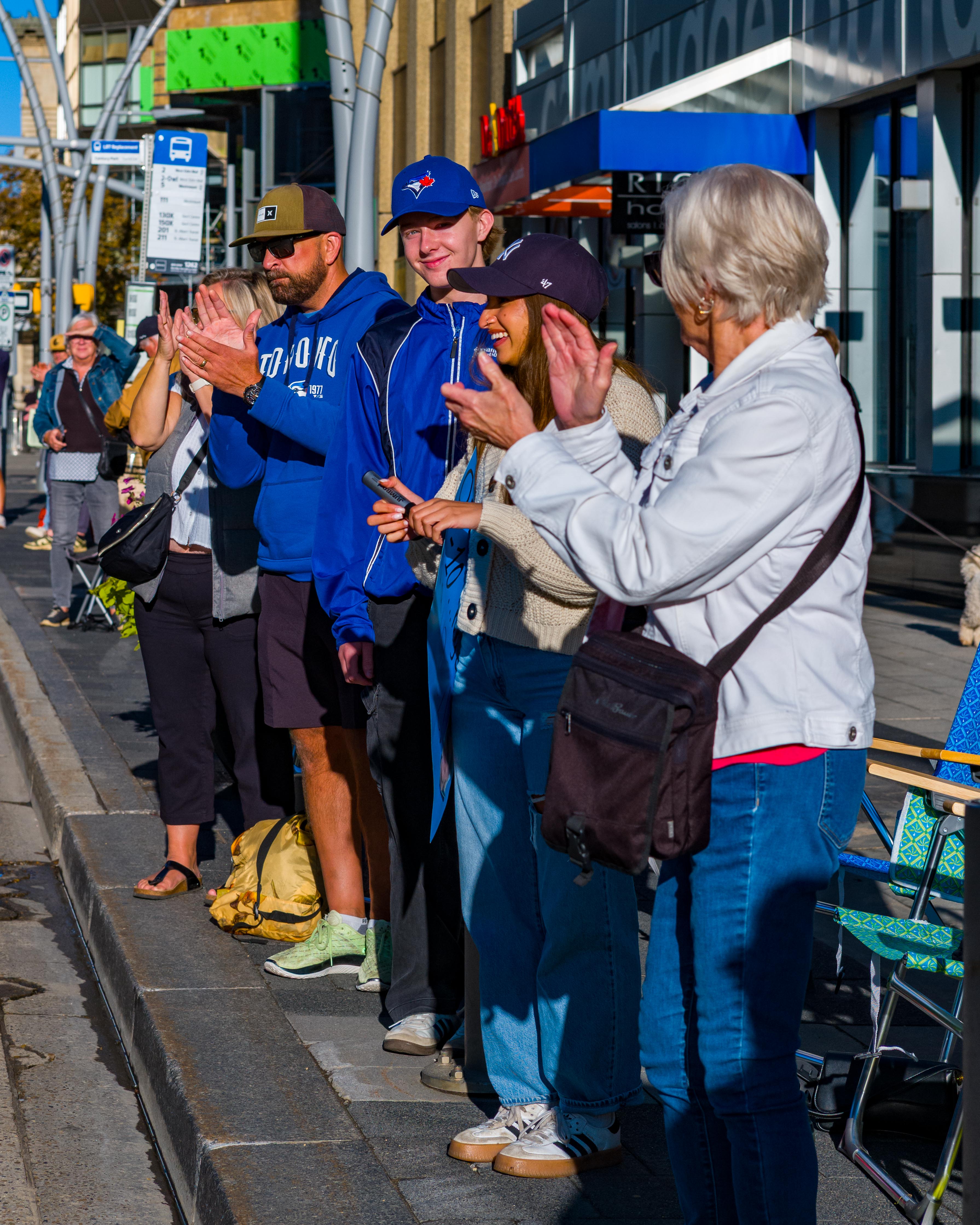
My vantage point on Jasper Avenue was ideal for photographing the action on the fast out-and-back course. The bright sunshine created both opportunities and challenges behind the lens, but I did manage to capture quite a few worthy shots. The finish in the men’s race was as close as you can get, with Rory Linkletter nipping Cam Levins at the wire, in just under 63 minutes. Lauren McNeil of Great Britain took the women’s race in 1:11:25. My Adrenaline Rush Athletics teammate, Jen MacPherson, won the F55-59 age group, in a very speedy 1:38:35, as she builds to a fall marathon. Well done, Jen!

Here’s a sample of photos from the Half Marathon:

The men’s Marathon was won by Alberta running legend, Kip Kangogo. On the women’s side, Kristen Spady was the winner. The 10k didn’t disappoint, with lots of fast times and great competition. The winners were Courtney Hufsmith in the women’s race and Yahye Mohmaed Jama for the men. Another Adrenaline Rush athlete, Gord MacPherson, ran his goal time of 54:58 while balancing his training with his other summer passion, golf!

A few more snaps from the 10k and marathon:

The CISM Team rocks!

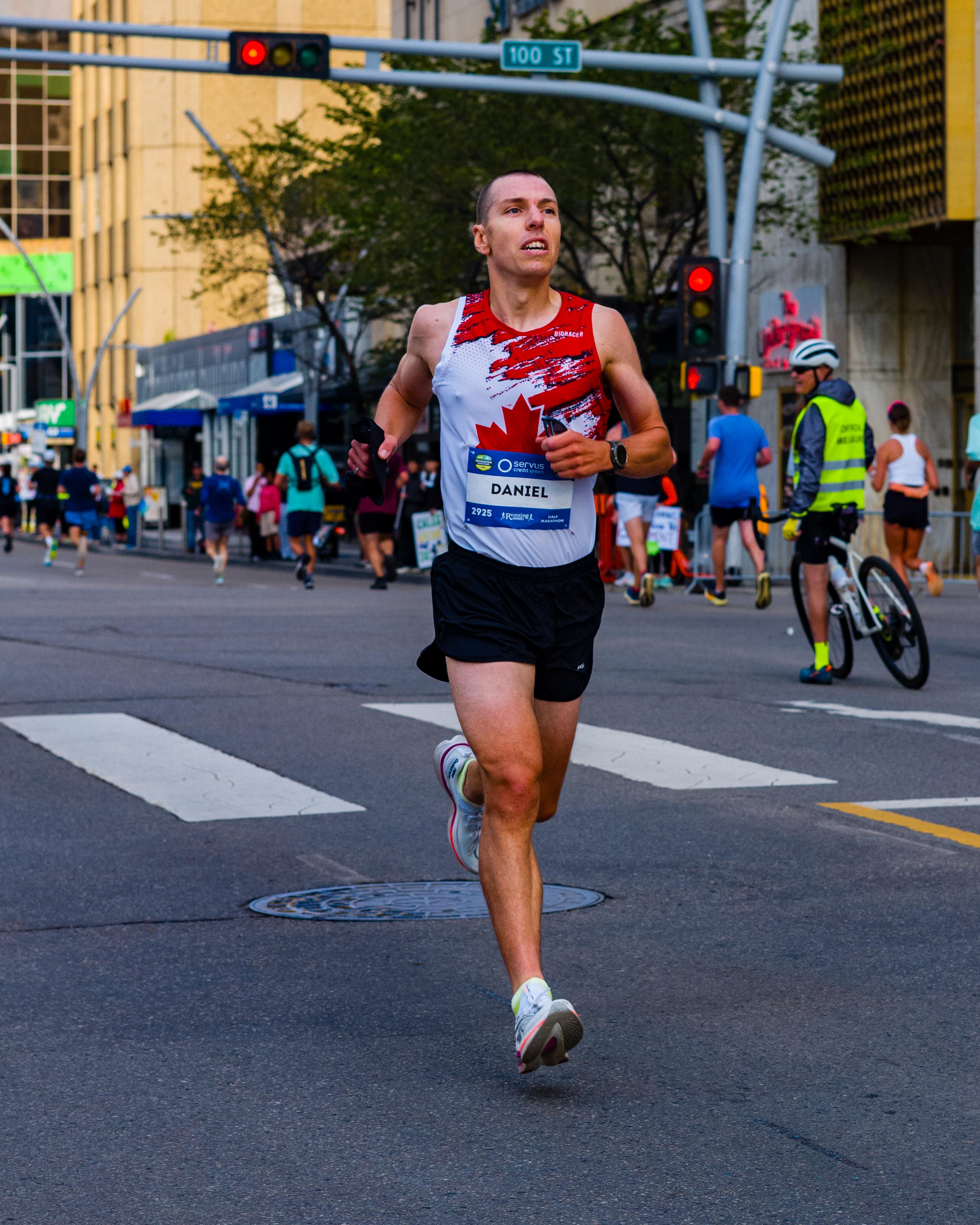
Having Daniel and his teammates involved added a whole new dimension to our spectating. Fortunately, there was also plenty to cheer about. Our task was made easier because we could pick out the distinctive red and white singlets from a long way off. Here’s a small sample from the many impressive performances recorded by CISM racers on Sunday.

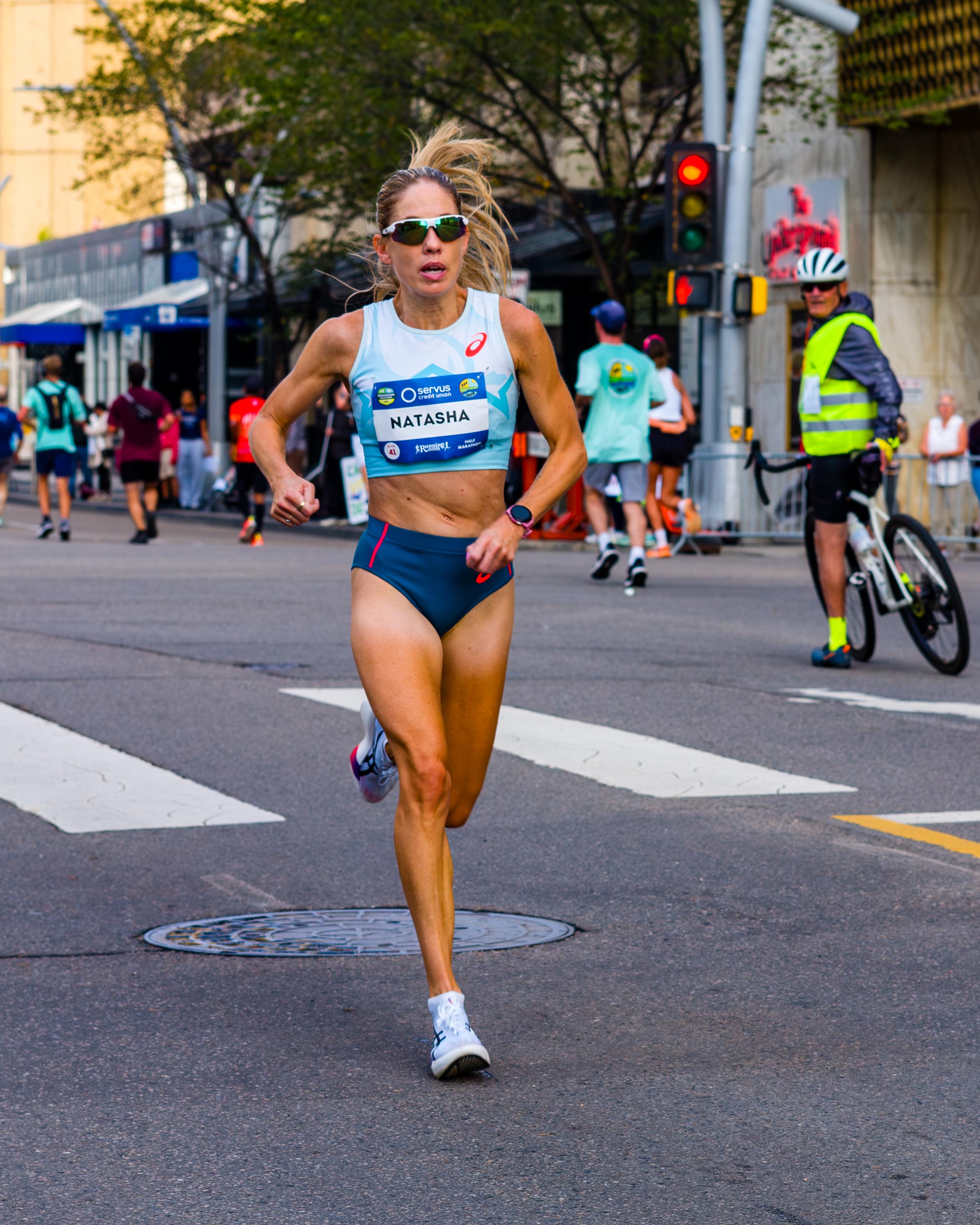
Now, I can’t move on to my final subject before mentioning one story that came out of the Half Marathon. To set the scene, Daniel (@stridesandsummits) started strong for the first third of the race, but felt he had more to prove. As it happened, he met up and teamed up with Canadian marathon record holder, Natasha Wodak. For the rest of the race, they worked together to crush their respective goals: Natasha took home the Canadian Half Marathon title (1:11:40), and Dan notched a solid PB of 1:11:35. Way to go, Daniel and Natasha!

Natasha Wodak powers to the Canadian title!

Yes, there is a personal connection!

It seems I have a connection to a lot of races, and that includes the Edmonton Marathon. Deb and I moved to Edmonton in the dark, cold days of December 1984. By the summer of 1986, I was confident enough to sign up for what was then called the Northlands Klondike Marathon. I recall it being a short-lived effort to get a marathon going in the city.

This was my third attempt at the distance. My previous efforts had been less than successful, based on how dissatisfied I was with my performances. Things did turn out a little better for me on this warm July day. I finished 19th out of 139 finishers, running for the Edmonton Roadrunners—check out the vintage singlet. My time of 3:01:27 was tantalizingly close to the magical 3-hour barrier. Looking back, I figure the heavy New Balance 990s I wore must have cost me about 5 minutes—not exactly supershoes!

So there you have it. Another eventful day at the races. For those of you who ran, congratulations! For anyone thinking about it, the Edmonton races are now a solid fixture on the Alberta race calendar. See you there in 2026?

Until next time, be well, and BE FAST!

Moose Jaw Delivers!

Are there certain places you’ve heard about your whole life? Places you’ve wondered what it might be like to visit? Over the weekend, we made a visit to one such mysterious and notable place: Moose Jaw, Saskatchewan. This is a place that everyone seems to have heard about. After all, it’s a name you remember.

For Deborah and me, there have been tenuous connections to Moose Jaw over the years: family, friends, work colleagues who hail from there. More recently, and more directly, our son Daniel has been stationed in Moose Jaw as an RCAF pilot trainee.

As for initial impressions, Moose Jaw seems to have the whole range covered. You see, the city’s former motto was The Friendly City, but that has been changed to Canada’s Most Notorious City. Hmmm. This was clearly another reason to visit. So we did. And we are very glad we did!

First, that name

This city of 33,000—the fourth largest in Saskatchewan—is located at the confluence of the Moose Jaw River and Thunder Creek, about an hour west of Regina.

The name Moose Jaw is said to come from a phrase in the Cree language, which translates to “warm place by the river”. This phrase likely refers to the sheltered valley where the city is located. Alternatively, the name may have come from the resemblance of the river’s shape to a moose’s jawbone. Whatever the origin, the name is anything but ordinary.

Moose Jaw was a historically important location for the economic development of western Canada, as it was a key railroad hub for the Canadian Pacific Railway. With its wide downtown streets and early 20th-century architecture, it gives the impression of a city that enjoyed some influence.

What we liked

In short, almost everything!

We stayed in the stately Grant Hall Hotel, right on Main Street. In no time, we discovered lovely Crescent Park, a few steps from the hotel. We crossed the street to the bustling Himawari Sushi restaurant, where we enjoyed an excellent dinner. It was delicious, maybe more so because it was so unexpected.

After dinner, we walked a few blocks down Main Street in persistent rain. We noticed the many architectural gems—City Hall, the Capitol Theatre, the CPR train station. This is a city with a rich history. We retired to the hotel and crossed our fingers for a break in the weather, as we had a busy schedule for the next day.

We lucked out in the weather department, although Saturday morning brought a smoky sky due to nearby wildfires. Fortunately, it wasn’t bad enough to put a crimp in our plans. We met with Dan and got a tour of the 15 Wing Air Base. That meant a chance to take in some aviation action up close. We walked through the CT-156 Harvard II hangar and watched a few planes taking off and doing maneuvers. We also peeked in at the simulators and the training rooms. Very cool!

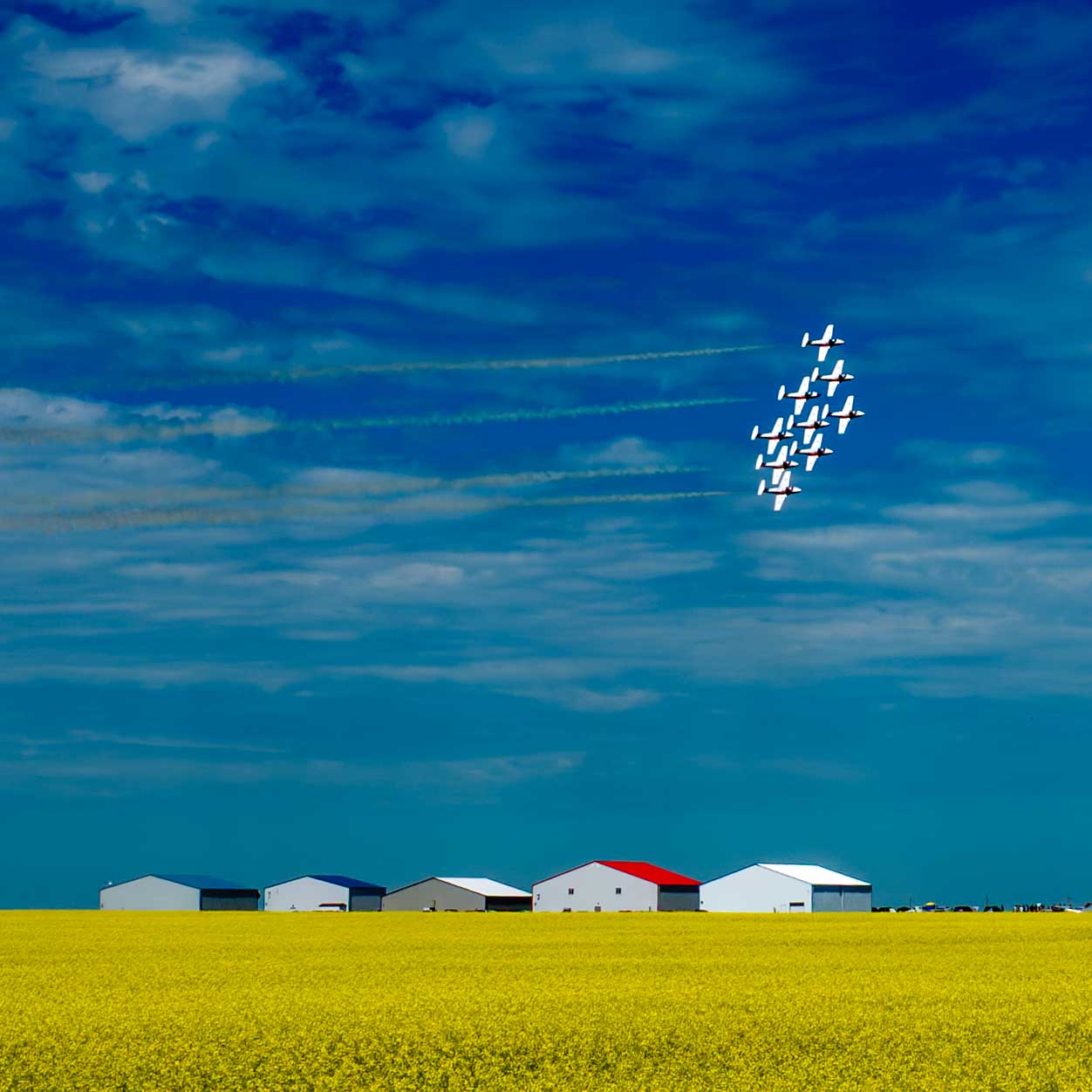
One of the highlights of our visit was an aerobatic display by Canada’s Snowbirds, the famous flight team of the Royal Canadian Air Force. Officially, they’re known as the 431 Air Demonstration Squadron, and Moose Jaw is their home base. We enjoyed 20 minutes of thrilling formation flying from the perfect viewing location that Dan had scouted out for us. It was breathtaking!

There was more—more great meals, more sightseeing, more history. We did touristy things, like the Tunnels of Moose Jaw Chicago Connection guided tour. (The city’s possible connection to the gangster Al Capone is where its “notorious” reputation comes from, by the way.) The tour was good fun.

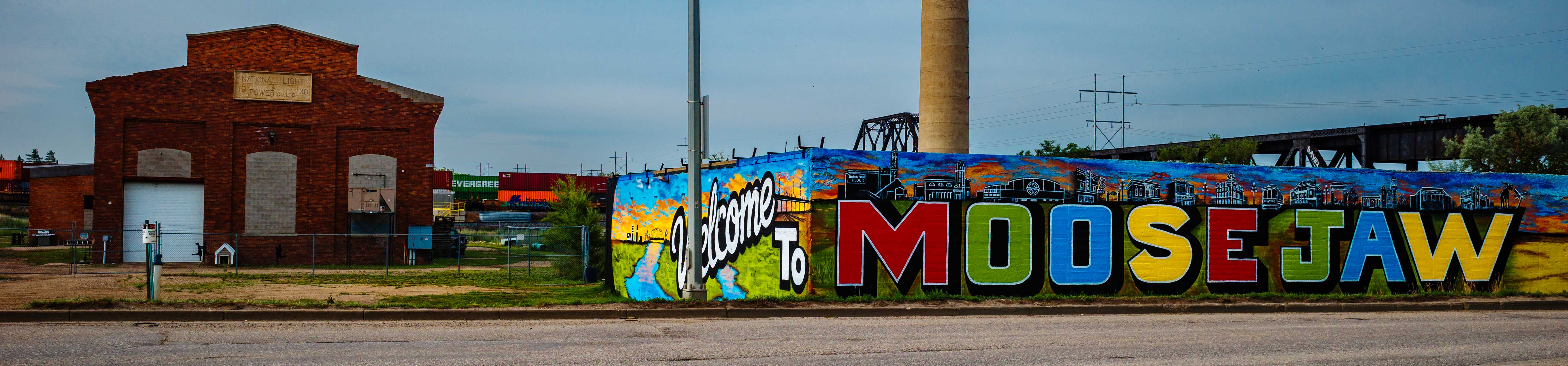
We did artsy things, like the impressive Moose Jaw Museum and Art Gallery. Then, as the sun was setting, we found a couple of beautiful locations for photos, like these taken under the Thunderbird Viaduct (also known as the 4th Avenue Bridge).

Even a Photo Run!

I came prepared for a short photo run while I was in town. So, with the prospect of a warm day ahead, I got up early and jogged some of the downtown streets. What I found was more pleasant surprises.

I ran by the historic 1932 Natatorium in Crescent Park—today we would call it a pool. I found some murals in the downtown area. And I checked out the imposing Parrish & Heimbecker grain elevator, adjacent to the rail line just off High Street. All before breakfast!

Here are a few more photos, taken in and around downtown Moose Jaw. There was no shortage of photo opportunities!

Wrapping up

We couldn’t help but feel that we should have visited Moose Jaw years before. As we grudgingly headed west for home, it was with a feeling that we had found a real treasure on the prairies. We would welcome the chance for another visit, if we should be so lucky.

Before we left town, we had to visit Mac the Moose, the city’s mascot. Even here, we found a story. You see, in 2019, Mac lost his title of “world’s tallest moose” to Storelgen, a steel moose sculpture in Stor-Elvdal, Norway. Not to be outdone, the citizens of Moose Jaw rallied and constructed a new set of antlers for Mac, to ensure he could once again proudly guard the eastern entrance to the city. (To be fair, Mac’s initial pair was pretty wimpy. And to avoid an international incident, I will keep my comments about the relative merits of each sculpture to myself…) But I will say, congratulations to Mac and the whole city!

Until next time, be well and BE FAST!

It’s Relay Season!

June 20 Update

I wrote this piece to celebrate the relay races we enjoy here in the mountain parks. We’ve had a reminder in the last few days of the awesome power of Mother Nature. Heavy precipitation and strong winds are expected over southern Alberta this weekend, and that has led to the cancellation of the 2025 Kananaskis 100 Mile Relay. A tough call, but the right one by Cheryl and her team at Be There Races. It’s a shame that we’ll be deprived of this classic race this year… see you in 2026!


Time is short to get your copy of Stroke of Luck for a discounted price. Order on Amazon and save! Sale ends on June 30.

Help me raise funds for the essential work of the doctors and staff at Foothills Stroke Unit!


While we tend to think of running as a solitary activity, some of my fondest memories are from races where I competed as part of a relay team. I’m not referring to just any relays though. We are fortunate to have some world-class multi-stage relay races in Canada. And some of the best races take place in the Rocky Mountains—perhaps not surprising given the majestic scenery available here. 

With our variable weather, June is the unofficial start of road relay season. Here’s a short personal history of my connection to the best mountain relays. I’ve also mentioned a couple of other major road relays in Canada and the US.

History of Multi-stage Relay Races

The Japanese have a long tradition of races based on the ekiden, which is an age-old method of staged courier transmission across long distances. “Eki” translates to “station” and “den” means “to communicate, to convey”. For more than 100 years, ekiden has been a popular sport in Japan, and this may have been the origin of similar races in Canada. The popularity of multistage road races has grown, and there are now events around the world. Of course, relays can be on roads or trails, although my focus is on road races.   

Jasper Banff (later Banff Jasper) Relay

I’m not a historian, just an amateur athlete with a long resume and a keen interest in the sport. I think of the Jasper Banff Relay (JBR) as the grand-daddy of Canadian distance relays. Much of the race course follows the Icefields Parkway (Highway 93), so it certainly offers the most magnificent scenery.

The original race (contested from 1980 to 2000) started at noon in Jasper on the first Saturday in June. It ran continuously towards Banff, over 258 km and 17 stages of varying length and difficulty. Needless to say, there were some tough stages, like the climbs up to the Columbia Icefields and the high point at Bow Summit (2,088 m).

My research suggests that this is the oldest multistage race in Canada. I might be wrong—I don’t know of any others with such longevity. The race had a hiatus from 2000 to 2005 before it was relaunched in a new format. 

My first experience of multistage relay races goes back nearly 40 years, to the 1988 JBR. I wrote about this specific race in Stroke of Luck, because that weekend in the national parks made an indelible impression on me. The JBR was a huge event in its heyday—just the sight of 120 teams of 17 runners converging on the small mountain town of Jasper was awesome.

I ran stage 13 in 1988. Bad luck? Well, yes. I coped with a bear warning and a drenching nighttime thunderstorm while running 20 km in pitch darkness. It was daunting, but also one of the most memorable running experiences of my life. Our team of 12 men and 5 women battled hard for 19 hours and 10 minutes to a 2nd-place finish in the mixed category and 15th overall.

I went on to run the JBR twice more, in 1990 and 1991. Then, in 2008, I was asked to run in Stage N14 of the revamped Banff Jasper Relay. (The race now consists of simultaneous South (S1-S6) and North (N7-N15) races to avoid overnight running.) We placed well that year, but I was NOT in race fitness. While these were all thrilling and exhausting races, none could match the 1988 race for sheer excitement.

Kananaskis 100 Mile Relay

The success of the JBR spawned competitors, and the most prominent of these is the Kananaskis 100 Mile Relay (known to all as the “K-100”). The K-100 has run annually since 1987. It starts in the foothills, in the small town of Longview, Alberta early on a Saturday in late June, and follows Highway 40 to the Nakiska ski lodge. The race covers (surprise!) 100 miles in 10 stages, including one trail stage. There was an individual 50-mile ultra on the same route for a few years.  

My records are a little sketchy when it comes to the K-100. I think I’ve participated eight times. I’ve run on club teams and corporate teams, going back to the late 1980s: first the Fort Saskatchewan Kilomilers, then a couple of Shell Canada teams, and more recently for Adrenaline Rush Athletics. I last raced in 2017, a couple of weeks before my hospitalization for strokes (and that is definitely a story for another time!) 

At its peak in the early 2000s, the race was limited to 180 teams. Now, the race is capped at 80 teams. There were 40 finishers in 2024. I remember the corporate and open divisions being intensely competitive. I will venture a guess that the decline in race numbers is due to the fortunes of the Calgary business community, and limitations imposed by Alberta Parks.  

Over the years, I’ve run stages 2, 4, 8 and 9 of the K-100. I like stage 8 best. It’s kind of a Goldilocks stage—not too long or too short, not too flat or hilly. I’ve had many good memories and a good track record at the K-100, coming home with a podium placing several times. I like the race a lot, not least because it wraps up in one long day. There’s lots of variety and challenge over the 100 miles, including a summit of the Highwood Pass. Here are a few pictures:

Other Road Relays

There are other multi-stage road relays. Some have come and gone, and new ones are popping up. The following races have endured:

Concluding Thoughts

I’ve had many great adventures and some success as part of road relay teams. If you haven’t tried one, I would highly recommend that you do. There is something special about sharing a race experience with a group of friends, adding a team dynamic and plenty of unknowns to your ordinary running. Long, unbelievably beautiful and sometimes lonely stages (think time trials), and daunting course profiles intensify the experience. You can feel the anticipation (and exhaustion) build as the race carries on. It can be especially exciting if you are locked in a tight competitive battle. In short, it’s a lot of fun!

Until next time, be well and BE FAST!

Calgary Marathon Action!

Did you know that June is Stroke Awareness Month in Canada?

To raise awareness of the prevalence of stroke, I’m once again offering my memoir—Stroke of Luck: My Life in Amateur Athletics—for a special price in June. Order your copy on Amazon and save 20%.

Help me raise funds for the essential work of the doctors and staff at Foothills Stroke Unit!

Calgary Marathon Weekend

It was a great weekend for racing, and this year a record number of runners laced up for the 61st edition of the Calgary Marathon. Across several races, more than 17,000 runners turned out. Race distances were from 1k (toddlers only I’m told) right up to the marathon.

The Calgary Marathon is the oldest in Canada. It’s only a few years younger than me. Speaking of being younger, I dug into my archives to share with readers my own history with this storied race. Then, I’ll share some highlights from the 2025 races, where I was strictly a spectator!

1987 – A milestone is reached!

It’s hard to believe, but I first ran the Calgary Marathon in 1987—I had to check my math to verify that it was 38 years ago. At the time, Deborah and I were living in Edmonton, which means we made the trek to Calgary in an underpowered Honda Civic.

The race route is shown below, copied from my well-preserved race entry.

The race entry fee, for those who are used to paying over $100 now, was $12. And that included a cotton singlet, which has curiously not survived—I don’t even remember it. The NB 990 shoes I wore are also long gone. However, I was a proud member of the Edmonton Roadrunners in those days, and my club singlet is still around, buried in a drawer somewhere.

The 1987 Calgary race was my fourth marathon, and it turns out that race bib 13 was not unlucky. In fact, it was a notable race, because I managed to go under 3 hours for the first time—2:58:30 to be precise.

You can see my relief in this finish-line picture. I finished 42nd overall, and 7th in the (yikes!) 18-29 age group. And yes, that last bit makes me feel old!

1992 – Another milestone

I’ve had a long love-hate relationship with the marathon. As evidence, it was five years before I would tackle the distance again. In July 1992, I came into the race—called the Calgary Miracle Marathon that year—in what may have been the best shape of my life. We had moved to Calgary in 1991, so I felt I had a home-field advantage. What’s more, in the two months before the race, I had set PB’s in the half marathon and 10k, so I was full of confidence.

In Stroke of Luck, I wrote about how my careful race preparations were almost upset by unplanned events on race morning. Here’s an excerpt:

“I went through my final planning for race day. Then everything just about fell apart. Our son Daniel, who was by then nearly a year old, had been a sound sleeper most of the time. However, on this night, he had some unknown issue that kept him up until the early hours. I was reduced to lying in bed with my eyes open, thinking about what this would do to my marathon in a few hours. … Finally, Daniel quieted down, and I fell asleep. Too soundly, as it turned out. In addition to my other troubles, I had set my alarm incorrectly and it didn’t wake me up when I had planned. The only thing that saved me was my decision to take a cab to the race. The sound of the driver honking his horn was my alarm. At first, the sound was part of a dream, but as the cobwebs slowly cleared it dawned on me what had happened. I leapt out of bed, totally skipped my normal race day breakfast, and jumped into the car for the short ride downtown. Still half asleep, I stowed my bag and headed to the start line, believing that my day was ruined.”

It turns out I need not have worried. While I did run well, setting a PB by 7 minutes, I remember being disappointed at the finish. Over time, that disappointment has softened, to the point where I’m now quite content with my 2:51:39 result. I finished 20th overall, and fourth in the 30-39 age group.

Unfortunately, no photographic evidence or T-shirts have survived from that momentous 1992 race, and there were no finisher’s medals. But that’s okay, as I’ll never forget that day. I can still relive the entire race in my mind.

One thing I did keep is the scrap of paper where I scribbled all my race splits. Like me, my friend John has a few more gray hairs now than he did in 1992.

And yes, my last mile (7:53) was extremely slow!

To show how much things have changed in the last 30+ years, here’s a scan from the Calgary Herald article on the 1992 race. My friends and training partners—Dave Purcell (4th) and Rick Webb (6th)—had a very good race.

2001/2010 – Nothing to see here

I ran the 2001 and 2010 marathons. Neither was my best outing. We can move on…

2025 – Strictly spectating

As has become my custom, I like to find a convenient spot on the race route to watch the action and take pictures of the runners. This year was no different, other than the fact that the races are now split between Saturday (5k and 10k) and Sunday (half and full marathon). So, yes, it means getting up early both days on the weekend, but I wouldn’t want to miss the fun.

I was watching for teammates and friends and I had to be alert. I find it particularly hard to spot familiar faces AND take their picture, which is too bad, as that is the whole point!

Anyway, here is a collage of photos from the races. I ended up with a lot of good pictures, so it looks like I’ll be sifting through them for a while. Starting with the 10k, where I set up at the 7k mark, just as the runners came off the Centre Street Bridge:

And here’s an album from the half/full marathon. For this route, I set up on 14th Street, just around the 14k mark. This year, the morning light was amazing, even though it meant the conditions were a bit warm for the runners:

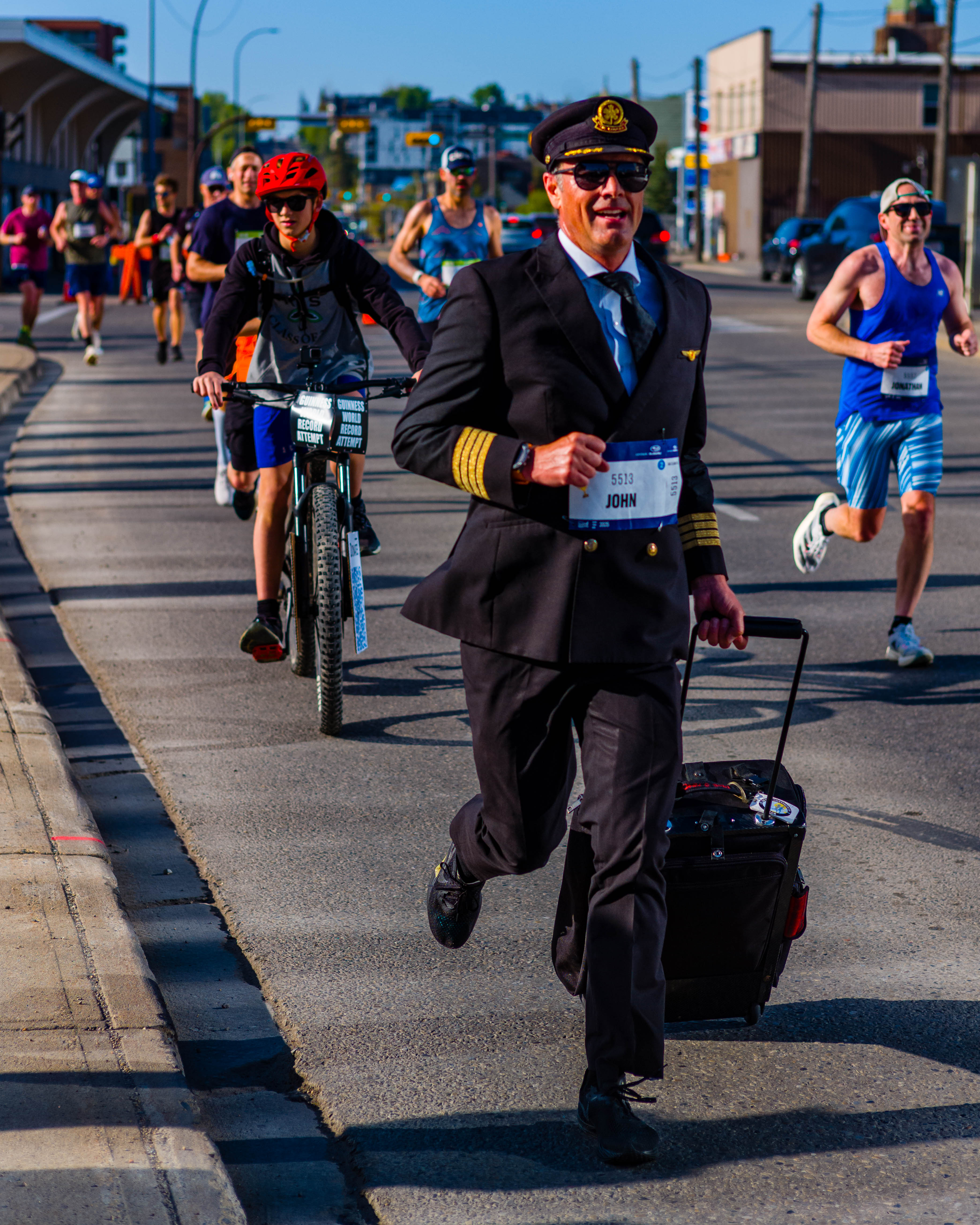
I have to make special mention of John Bird, who ran the half marathon in his pilot uniform while pulling a roller suitcase. John set a Guinness World Record for the fastest half marathon in this outfit, and he is raising money for Dreams Take Flight, a very worthy cause. Congratulations John!

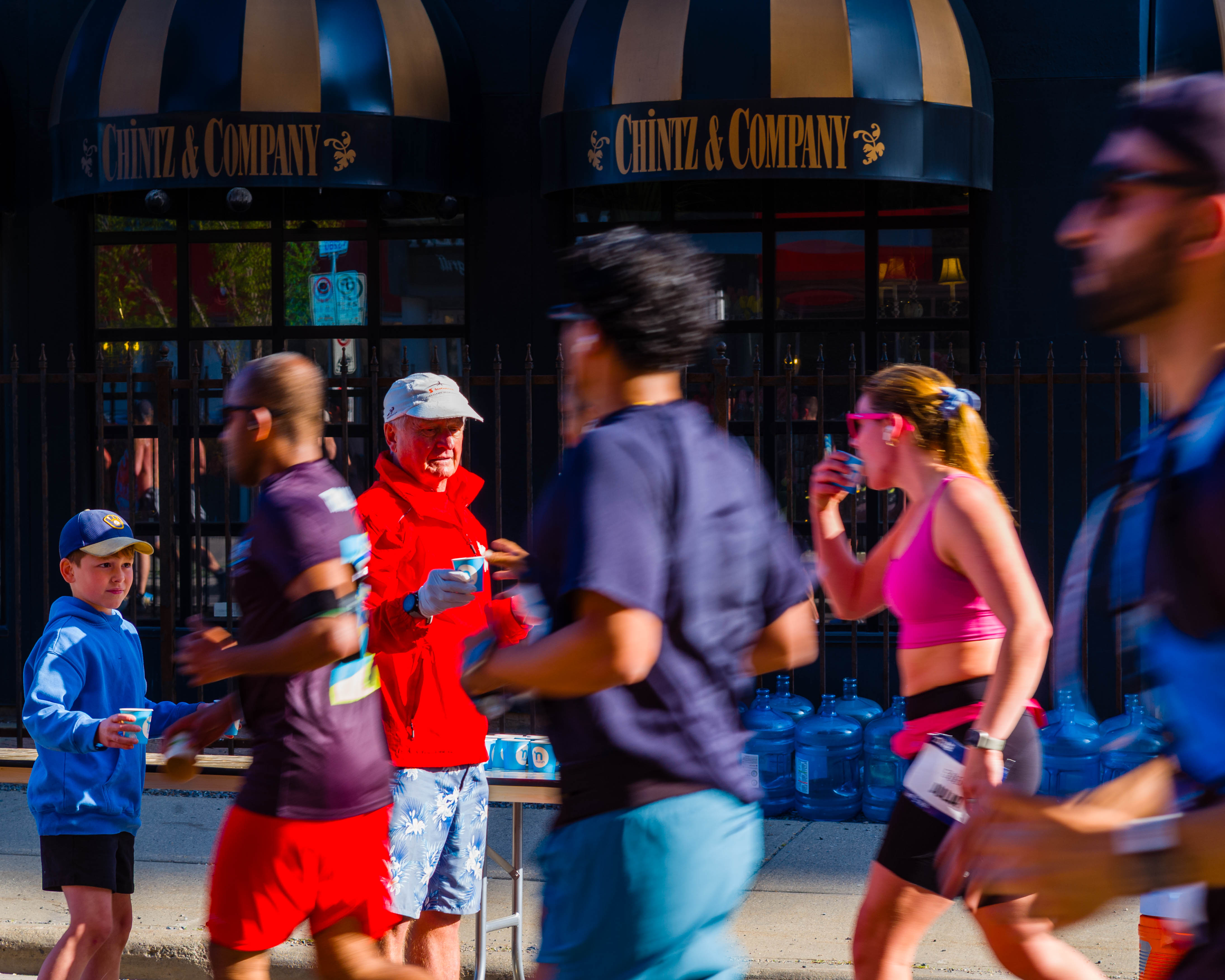
Finally, there were some cool non-running scenes, for example at the 11th Avenue water station. It was a bit chaotic, but that’s what makes it fun.

As always, if you want to use/distribute any of these photos, please give me a photo credit.

Until next time, be well and BE FAST!

Book Review: “Today We Die A Little”

Today We Die a Little: Emil Zatopek, Olympic Legend to Cold War Hero, by British journalist and author Richard Askwith, tells the fascinating story of the great Czech runner, Emil Zatopek.

Zatopek was an enigma. His life paralleled his country’s history and is intertwined with the Second World War and the rise and fall of the Soviet Union. Askwith did a thorough job of researching his subject.

The Czech Locomotive

Today, if people know anything about Zatopek, it’s likely because of his ungainly running style. Videos of his great performances are easily found, and worth a look. But his rolling head, flailing arms and gnashing teeth may be the least interesting part of his story.

Emil was a true sportsman. His nickname comes from a front-running style that left his competitors strung out behind him. He befriended those same runners and maintained contact with them well into old age. His training techniques were unorthodox. For instance, he was known to train in army boots, or in deep snow. Any of us who have done interval workouts can thank Zatopek—he may have invented 400m repeats. The difference? He did 60, 80, even 100 of them—every day.

Emil Zatopek, giving it his all (Photo: Roger Rössing, Deutsche Fotothek)

There are so many anecdotes about Zatopek that it’s nearly impossible to separate fact from fiction. I give Askwith credit for trying. Some things aren’t in dispute though. Emil taught himself 8 or 9 languages by reading dictionaries. He and his wife, Dana, won 4 gold medals at the 1952 Helsinki Olympics—a count that was second only to the US. Emil won the 5000m, 10000m and marathon, a record likely never to be repeated. Dana won the women’s javelin competition.

Socialist icon or misunderstood hero?

Zatopek may have been the most famous athlete in the world in the late 1940s and early 1950s. Few could match his talent and charisma—he was the Muhammad Ali of his generation. Even after his competitors copied his tactics and started surpassing him, he remained a national hero. It seemed everyone wanted to meet him and feel the warmth of his personality. 

The story that best demonstrates Zatopek’s generosity has him handing a small package to Australian runner Ron Clarke after Clarke visited Emil in Prague in 1966. Clarke had competed at a high level internationally but had come away empty-handed. Zatopek had been the perfect host, readily sharing his training advice. Clarke assumed Zatopek had given him something he wanted smuggled out of the Iron Curtain. In fact, it was one of Zatopek’s 1952 Olympic gold medals. “Because you deserve it,” read the simple inscription. 

Despite the constraints imposed by the Czech regime, Zatopek travelled the world. In fact, he became a sort of role model for socialist ideals. And it’s here where his story gets a bit hazy. Depending on who one believes, Zatopek was either a naive pawn of the regime or a committed agent. He was an officer in the Czech army, so it’s hard to totally accept the former view. However, he had managed to tread a fine line for a long time, apparently avoiding any suspicion of his commitment just by being his gregarious self. Or perhaps by mouthing the words that were expected of him.

Some things may never be known about Zatopek, but it is clear he believed in the concept of socialism. After all, it was how he had tried to live. When Soviet tanks moved in to crush the Prague Spring in 1968, he spoke up for compromise, possibly hoping his celebrity would save him from retribution. Soon after, he was expelled from the army, stripped of his status as a sporting hero, and exiled to years of manual labour in remote work camps. Through it all, he maintained a positive attitude. He was a broken man when he was finally allowed to return to his modest home. Then he suffered several strokes and was all but forgotten when he died in 2000.

Lessons far beyond the track

Askwith is sympathetic to Zatopek, and I found that his enthusiasm for the man clouded his judgment at times. If Askwith is to be faulted, it is for trying too hard. I came to accept Askwith’s case—that there is reason to doubt the worst accusations against Zatopek—and I found it unnecessary that he keep making it.

As for Zatopek, there is no reason to fault him for his eccentricities. He was an intelligent, independent and humble man. I found myself wondering how any of us would have managed in his situation; if our homeland had been first taken by the Nazis, then by the Communists. Zatopek lived and competed bravely, and left us lessons that go well beyond the realm of amateur competition. 

The “Czech Locomotive” was a complex figure, a great athlete, and a gentleman. Askwith’s book is an homage to Zatopek, and there is much to commend it—not least so the reader can decide for themselves how they view the man. I started the book and put it aside for a while. When I persevered, I was rewarded with a complete picture of an astonishing athlete. I’m glad I did.

By the way, the title of the book comes from the comment Zatopek made to his fellow competitors on the start line of the 1956 Olympic Marathon in Melbourne. By then, Zatopek was well past his best form. The day was brutally hot, and he made his remark just as the runners set off for what they all knew would be an extreme physical test. It was a noble gesture. Anyone who has set a challenging goal for themselves and worked hard to achieve it will relate to the sentiment.

Until next time, be well and BE FAST!