Seeing Double?

Yesterday’s run along the Bow River was nice, but for the ice. And the wind. Otherwise, it was perfect! Good company, bright sunshine, and lots of runners out. Thanks, Deb and Sherrey for getting me to 13k, which was more than I expected to do.  

Given the conditions, we decided to head east from Eau Claire. Better to warm up a bit before facing the breeze. We reached the 12th St bridge in Inglewood before turning around, 3k into our run. Even after so many years, passing the confluence of the Bow and Elbow Rivers always feels special to me.

Our crossing point happens to be the location of a unique statue. Or maybe not so unique. But more on that shortly. 

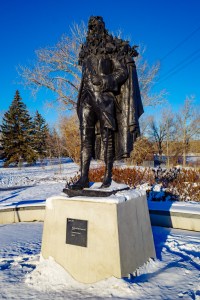
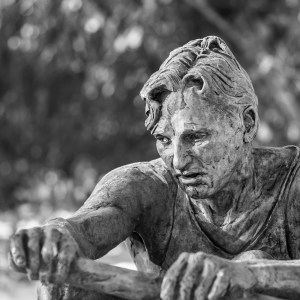
The statue I’m referring to is called Wolfe and the Sparrows. It was sculpted in bronze by Brandon Vickerd in 2019. Vickerd is a Hamilton-based artist and professor at York University.

Wolfe and the Sparrows (Vickerd, 2019)

General Wolfe was the commander of the British forces at the Battle of the Plains of Abraham. He led the British to a rather important victory there in 1759. 

As I stepped carefully around the statue… that ice!… I stopped to admire it for a few seconds. I wondered what Vickerd had in mind when he replaced Wolfe’s upper body with a flock of sparrows.

Later, I read the city’s description of the statue, which states that the community wanted something  “critical, challenging and funny”. I think Vickerd succeeded with this piece.

According to his bio, Vickerd seeks to “provoke the viewer into questioning the dominate myth of progress ingrained in Western world views.” His Wolfe statue touches on themes of indigenous reconciliation, so maybe he hit the mark there too.

Why? Apparently, in many cultures and religions, sparrows represent good fortune, happiness, and resilience. They are non-native birds in North America, which makes them a good choice for a piece meant to convey the importance of reconciliation. 

I like Vickerd’s statue a lot. I decided that whatever he intended, it works as a thought-provoking piece of public art. 

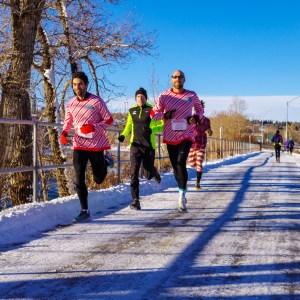
Back to our run. Continuing west along the river past 14 St, we saw many familiar faces, including some quick runners in RunCalgary‘s 12k’s of Christmas. Well done, Reinier and Mel, Matt and Jeremy!

It was a quick pace at the front of the pack

Now, what about my comment about the uniqueness of the Wolfe statue?

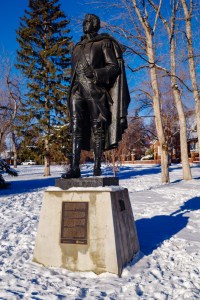
On the drive home, I asked Deb to make a slight detour so we could stop at Calgary’s “other” Wolfe statue. Appropriately, this one sits in Wolfe Park in Mount Royal.

This bronze statue by Scottish sculptor John Massey Rhind was completed in 1898. It was originally located in New York City and was sold to Calgary philanthropist Eric Harvie in 1966. The statue was donated as a public art piece in 2009. 

Wolfe, with no sparrows (Rhind, 1898)

You’d have to call this version of Wolfe a traditional rendering. It shows the general looking off into the distance as if contemplating the battle to come. (By the way, Wolfe didn’t survive it.) 

I like this statue too, and I’ve photographed it often. It certainly is a worthy addition to the neighbourhood. I try capturing it in different lighting conditions, as it seems to change the expression on Wolfe’s face. 

From chest level down, these two statues are identical. Vickerd chose to do this. Was it homage to Rhind’s statue? Maybe. We are left to wonder what message he was sending by adding the swallows. For me, while the original statue is handsome, it can’t match Vickerd’s version as a provocative piece of art.

In closing, we’re fortunate to have two very different Wolfe statues in Calgary. Both are impressive pieces, in their own way. 

Dealing with Low Motivation

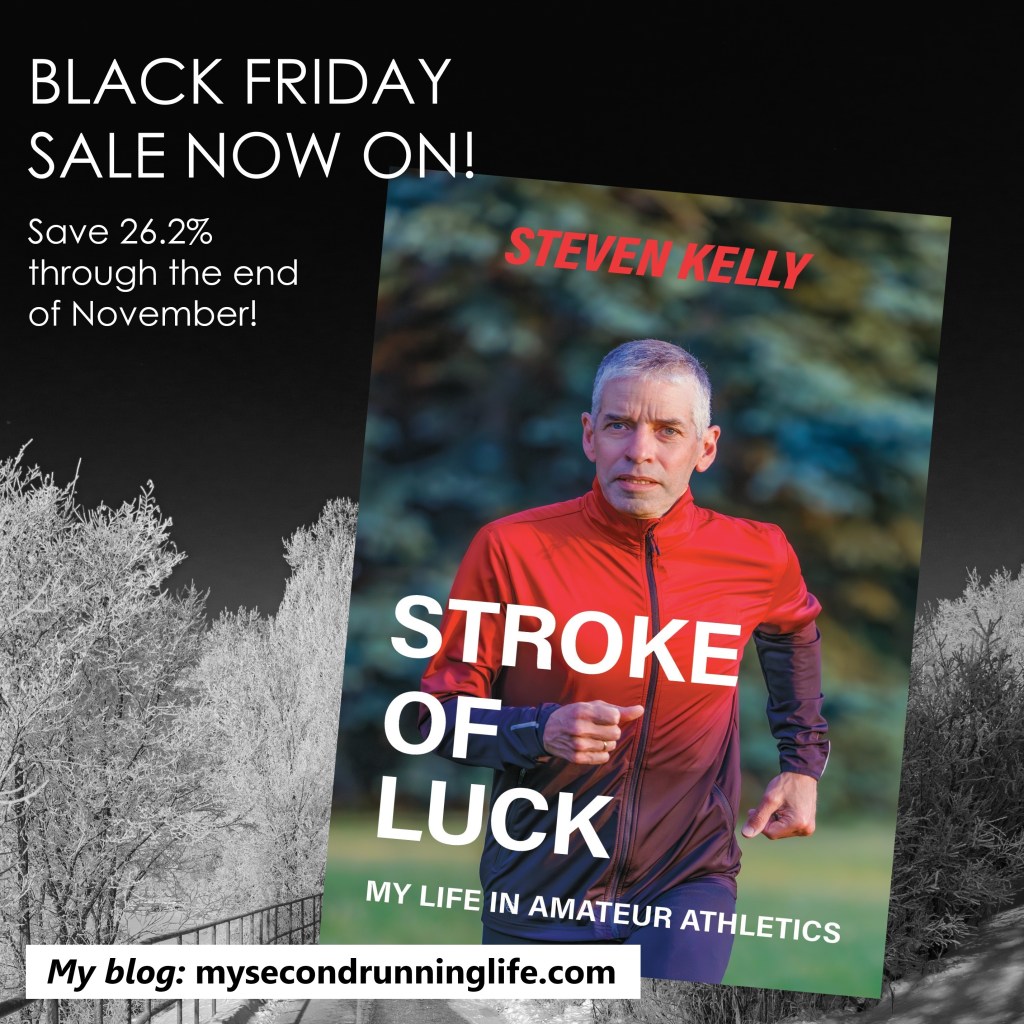
A great last-minute gift idea for the athlete (or non-athlete) on your list. Get it on Amazon or at your favourite independent bookstore!

Do you ever feel that you’ve lost your motivation to run?

It happens to all of us. Maybe you’ve recently finished a major goal race, or you’re just not sure what your goals are. You feel like you’re going through the motions. 

Whatever the reason, you should know that you’re not alone in feeling low on motivation from time to time. 

Getting through these inevitable low stretches can be a challenge. When this happens to me, I trust my instincts. I remind myself that running is an essential part of who I am. I know I won’t feel this way forever. 

Here are a few thoughts on managing feelings of low motivation. 

(1) If you need a break, take it

Could your lack of motivation be a signal that you’re physically burned out? If so, take a break from running. It doesn’t have to be a long break, or even a predetermined timeframe, unless of course you’re injured or you’ve just run a goal race of anything more than 10k. In that case, you should make sure you take your full, well-earned recovery.

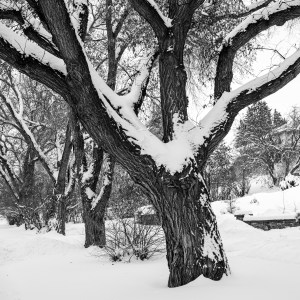
Burned out? (Elbow Drive, Calgary, 2020)

If your body is telling you that you’ve overdone it, there’s no downside to taking a hiatus. Think about it as some fun time away from running. During your break, you should fill your running time with something else: ride a bike, or swim. Maybe take up the guitar. You’ll almost certainly miss running and want to get back to it before too long. And when you do, you’ll probably find you are fully motivated.

(2) Forget structured training

When we’ve finished a race buildup, especially if we nailed our goal time, the last thing we want to contemplate is backing away from that structured environment. After all, we lived in a world of tightly managed, regimented training for months. But give it a try. Your low motivation could be as simple as being emotionally spent from too much structure… too much focus. It’s almost as if you’re trapped.

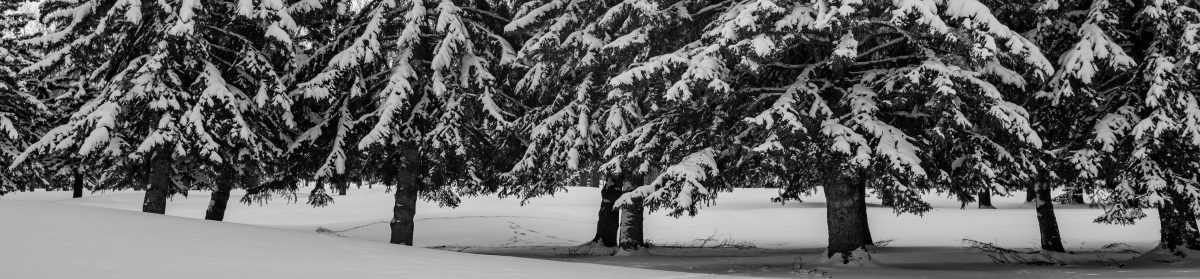
Trapped? (Glenmore Dam, 2022)

If you think this might be the issue, run to perceived effort for a while, not a target pace. Give yourself permission to back away from weekly mileage totals and hard workouts, which you should be doing anyway if you’re recovering from a goal race. I’d recommend forgetting about structured training for at least that long. The hardest part might be getting over the feeling that you’ll lose fitness. In the long run, you’ll be better off if you come back emotionally charged for the next build-up.

(3) Try a new running challenge

One of the tricks that has worked for me when I feel unmotivated is to commit myself to a different running challenge than I might normally pursue.

For me, the local Strides Run Streak is an ideal way to end the running year. I like it because in addition to the totally achievable (one mile per day) running goal, I incorporate a photographic element into my daily runs. I’m giving myself goals that have nothing to do with pace or distance. To me, it’s like a series of small tests that I know I can pass, even if the running is easy and most (but not all) of the pictures aren’t keepers.

Taken on the run (December 2023)

Find your own challenge: maybe you could sign up for a winter cross-country race series like the one the Calgary Roadrunners put on every year. Do an urban orienteering event. Or try a month of weekly parkruns. My advice is to look for something that isn’t high stakes.

(4) Remind yourself why you run

The final thought I will leave you with if you’re feeling unmotivated is that we sometimes get too caught up in the process of training and racing. I call it the “what” of running. Sure, there’s nothing to match the feeling of achieving a goal. By doing so, we get instant validation and tangible evidence of our progress as amateur athletes.

I think the problem comes when we set up an endless cycle of goal setting, which can get in the way of the pure joy that comes from just running.

Missing the “why”? (Sedona Rainbow, 2021)

My advice is to remember the “why” for our running. I suggest you do a bit of reflection on this question. Write down three things that you get from running, things that have nothing to do with goals or target races. 

Before you know it, you’ll be back with a renewed commitment to the sport we love.

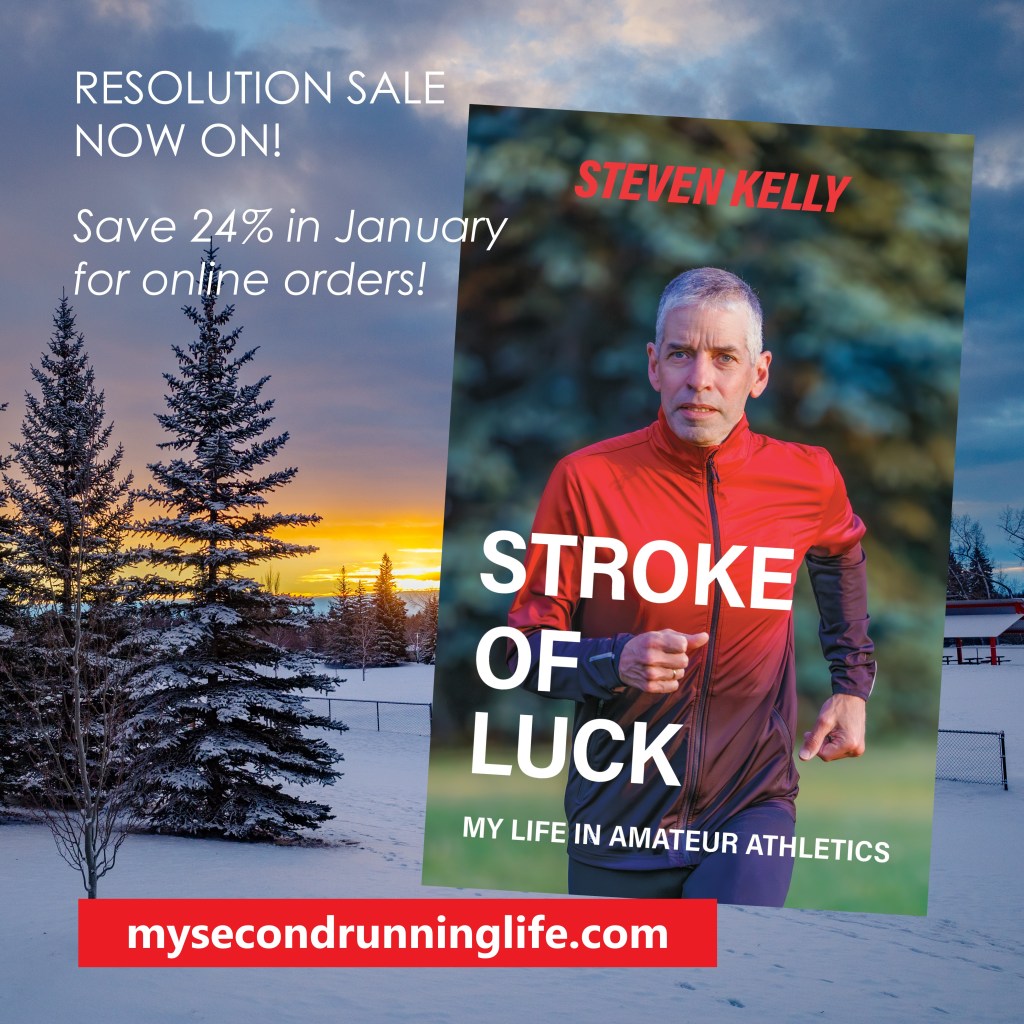
Stroke of Luck – Now Available!

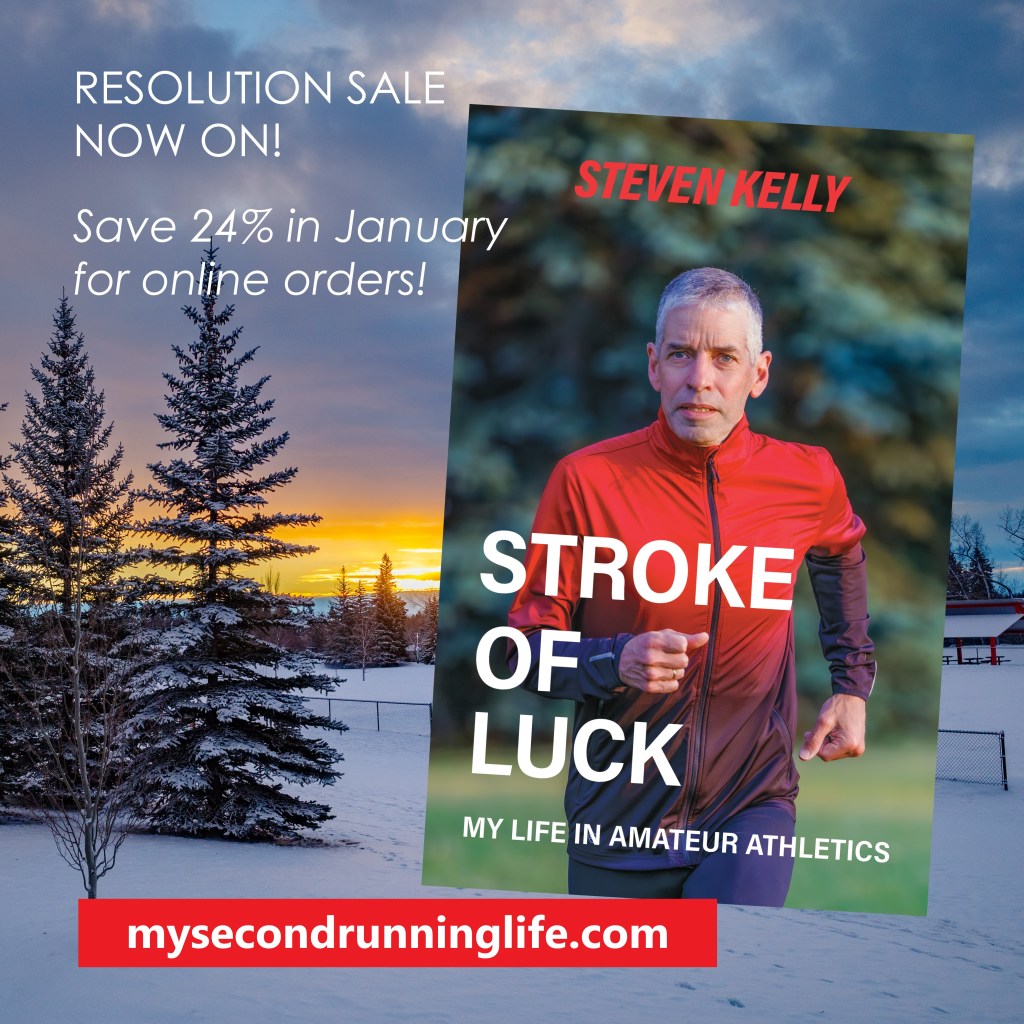
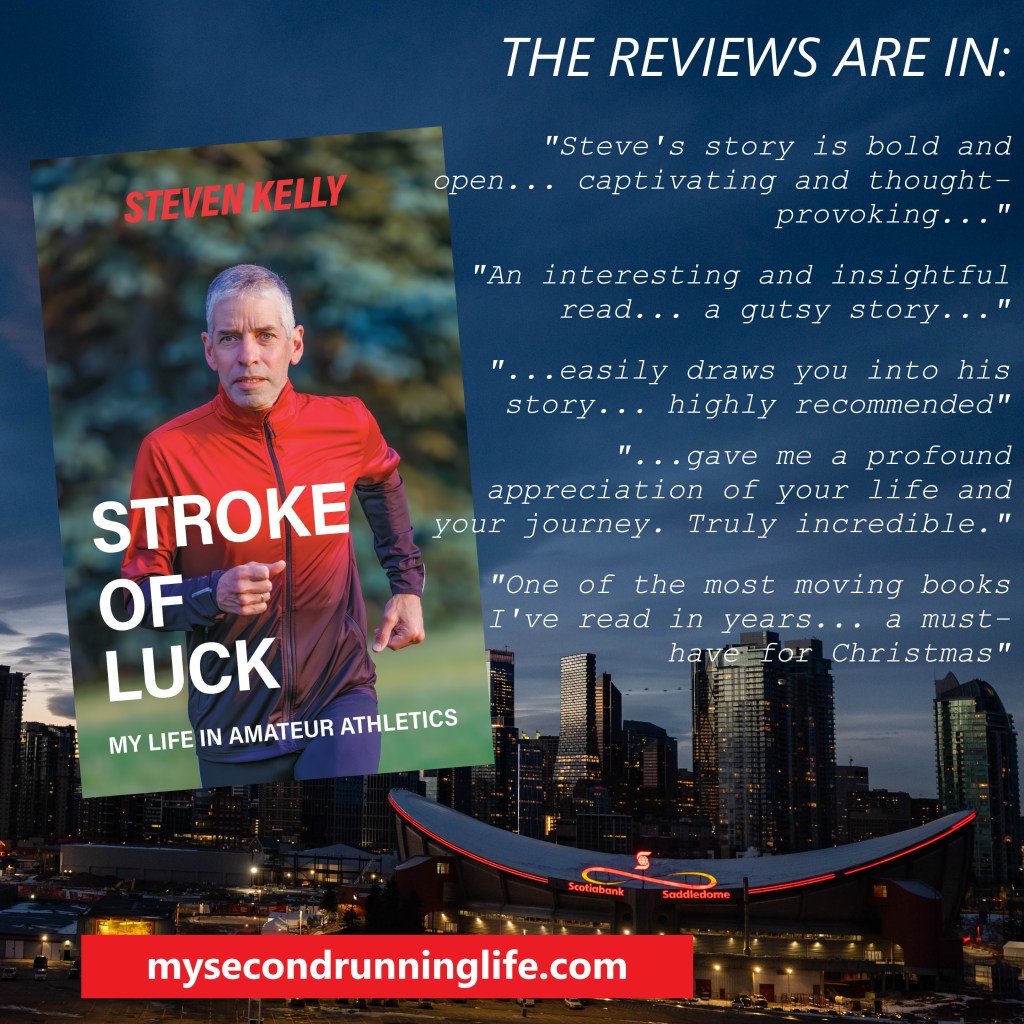
I’m pleased to announce that my memoir, Stroke of Luck: My Life in Amateur Athletics, was recently published. The book is available now on Amazon (in either print or e-book format) or through independent bookstores. For those in Calgary, you can reach out to me directly for a copy. You’ll find details about the book on the dedicated page on this site. Click here.

Writing and publishing the book has been a personal journey of discovery. I hope you will enjoy reading about my lifelong connection with distance running, and the process of recovering from a number of strokes in 2017.

To my readers, and to those of you following me on the blog or on Instagram, I appreciate your interest and support. I look forward to sharing more stories and photographs with you.

Steve

Stroke of Luck: My Life in Amateur Athletics – order your copy today!