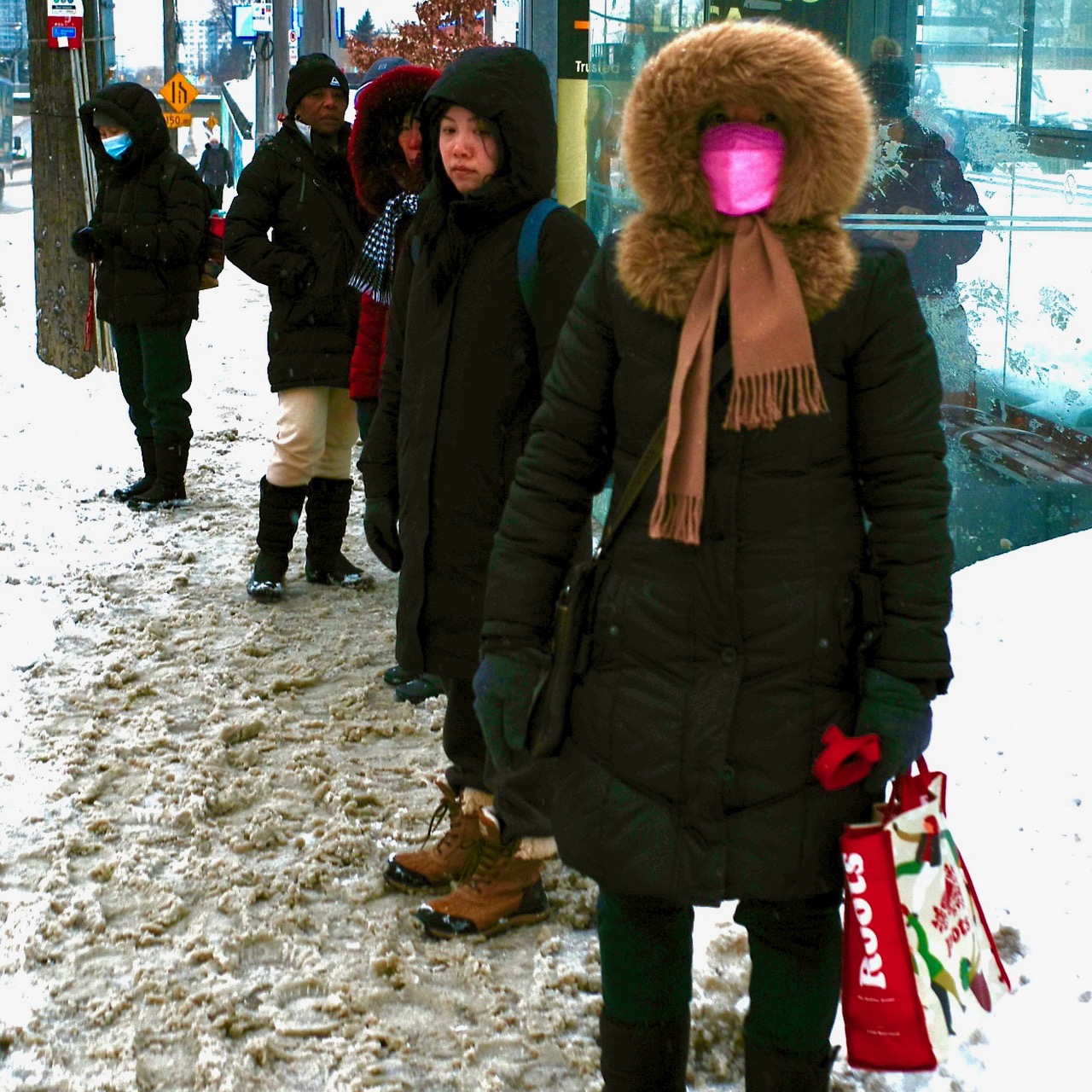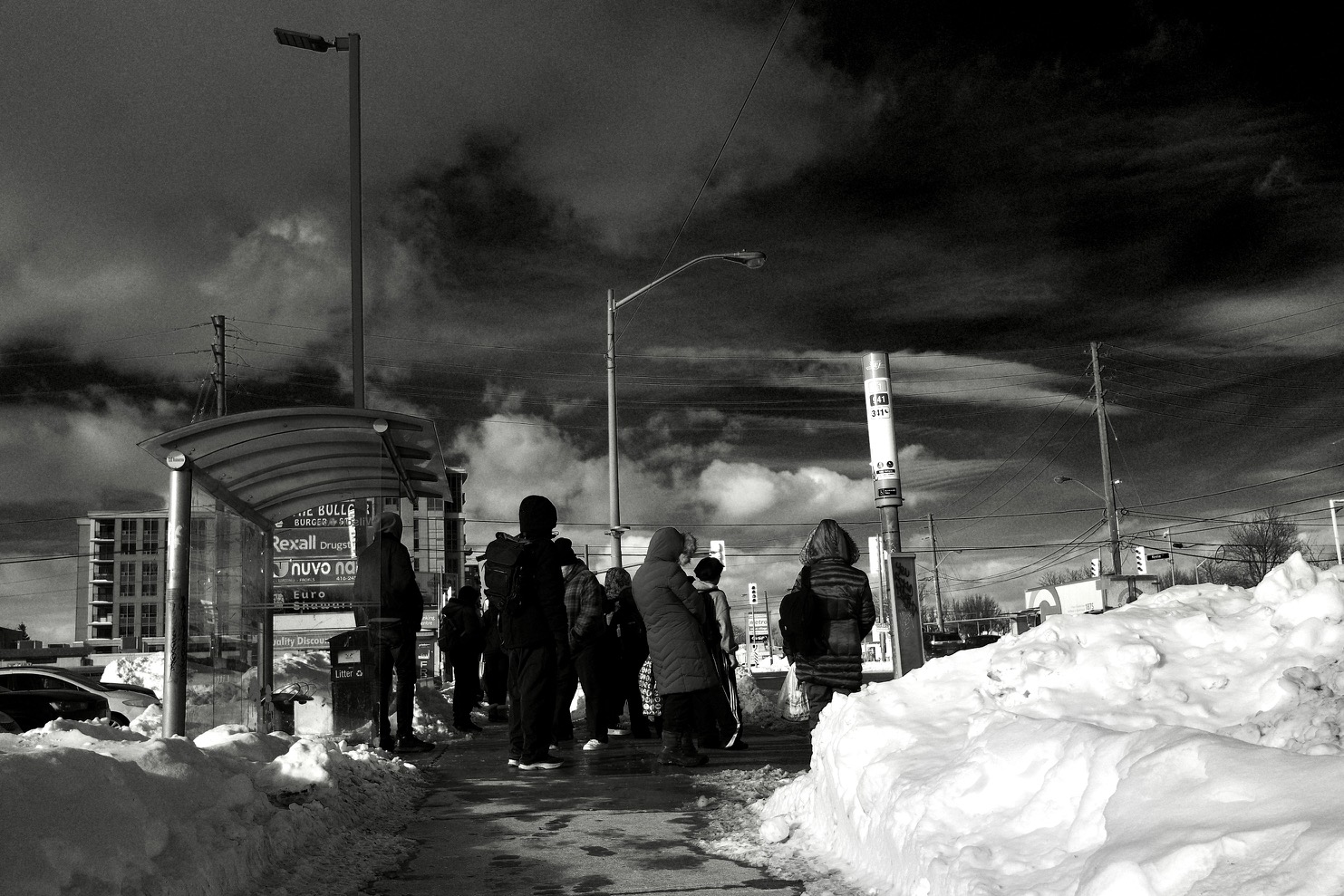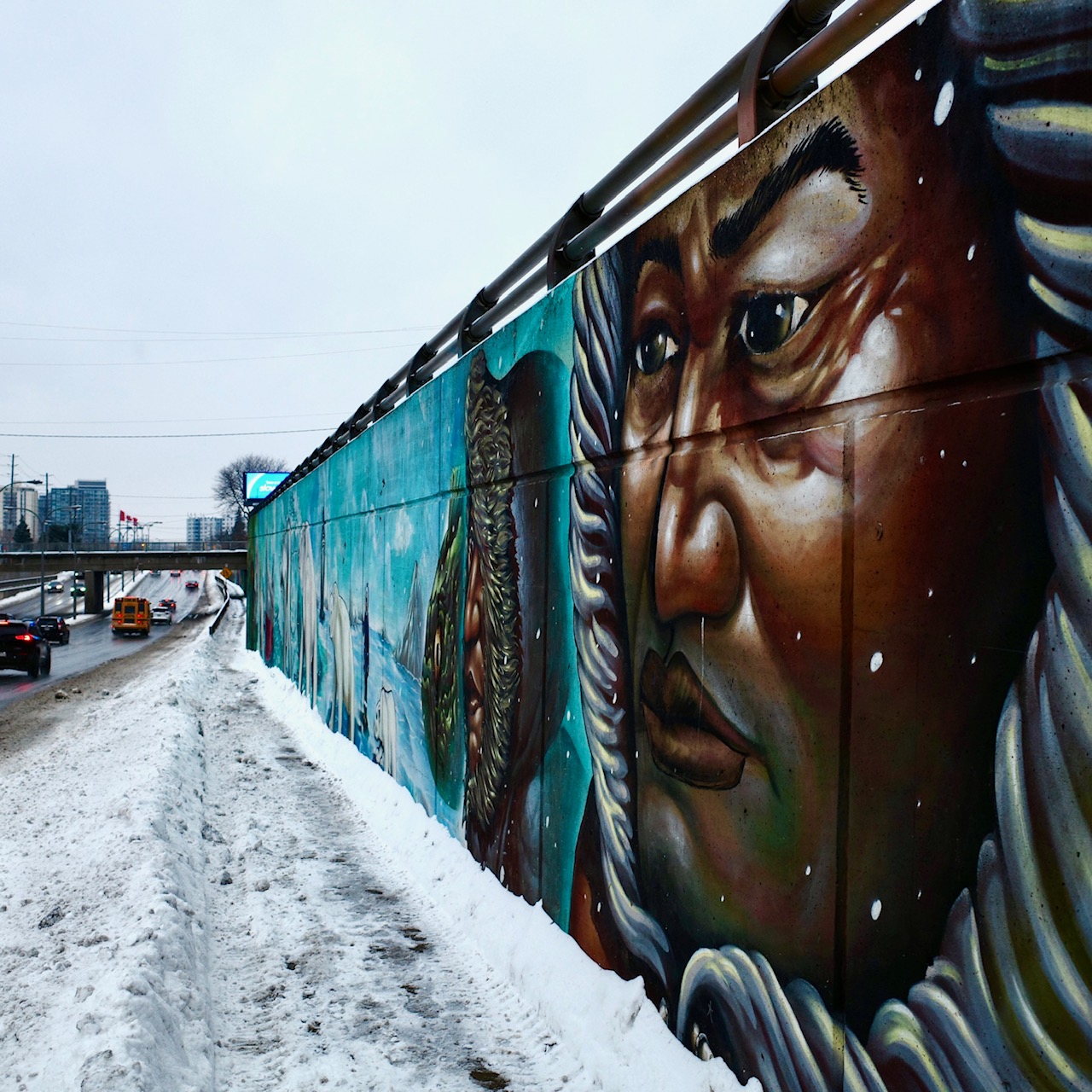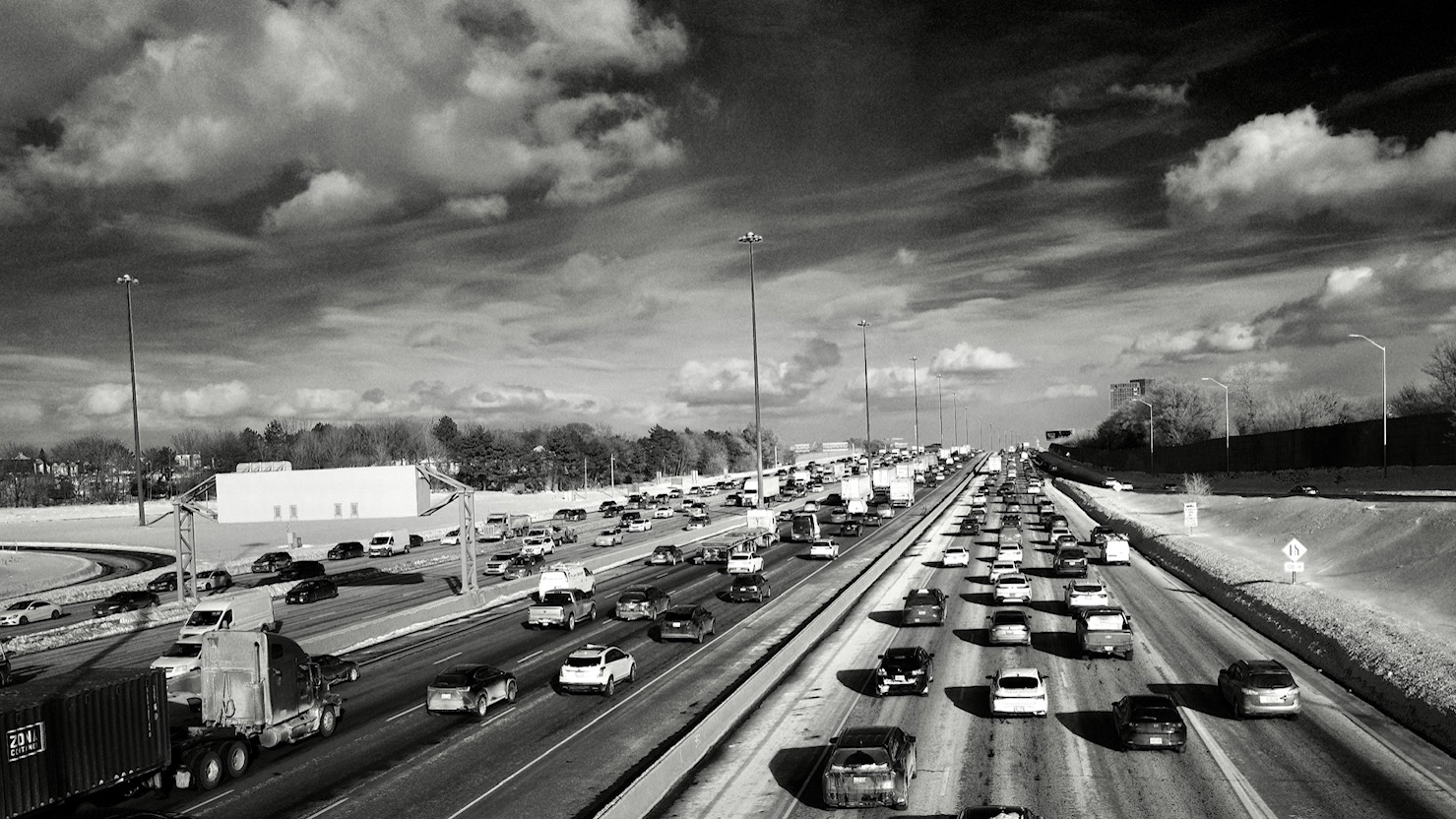
Meet “The Flâneur”

Introduction

I’ve been writing this blog for nearly three years. Over that time, I’ve thought about whether the site is achieving what I intended when I wrote the first pieces. Indeed, it’s worth asking whether my initial objectives have changed—and if so, how.

My soul-searching is timely because my friend Phil Davies recently approached me with some thoughts on the blog and my other social media content. Phil has a keen eye and a strong artistic sensibility. He volunteered his opinion that my Instagram profile may not be totally accurate:

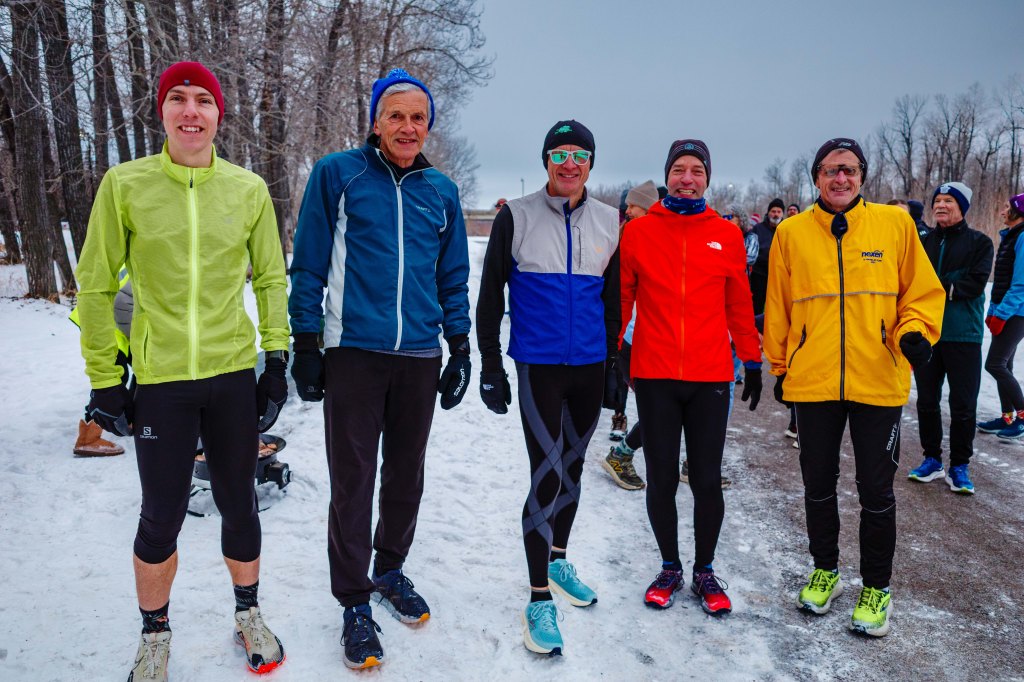
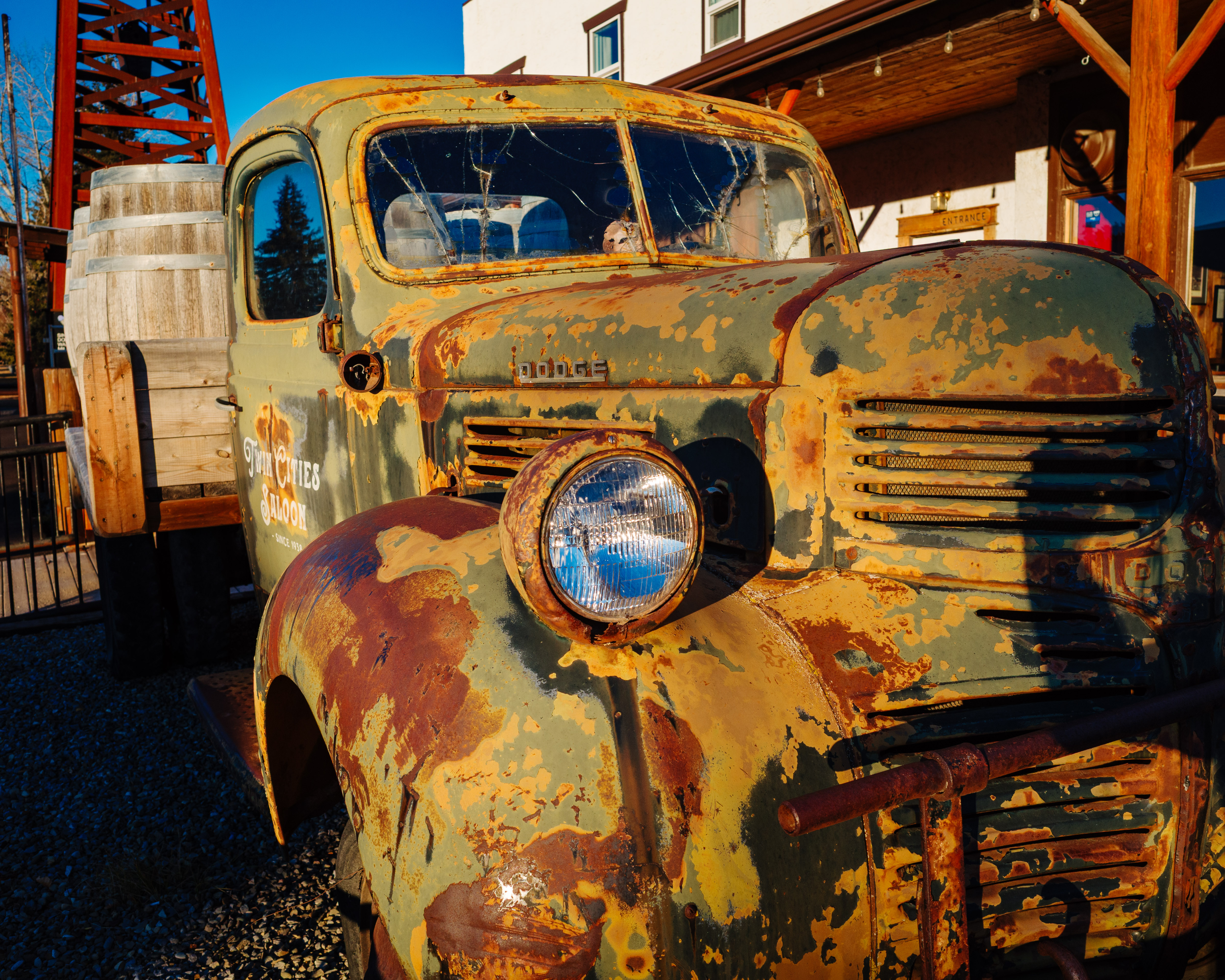
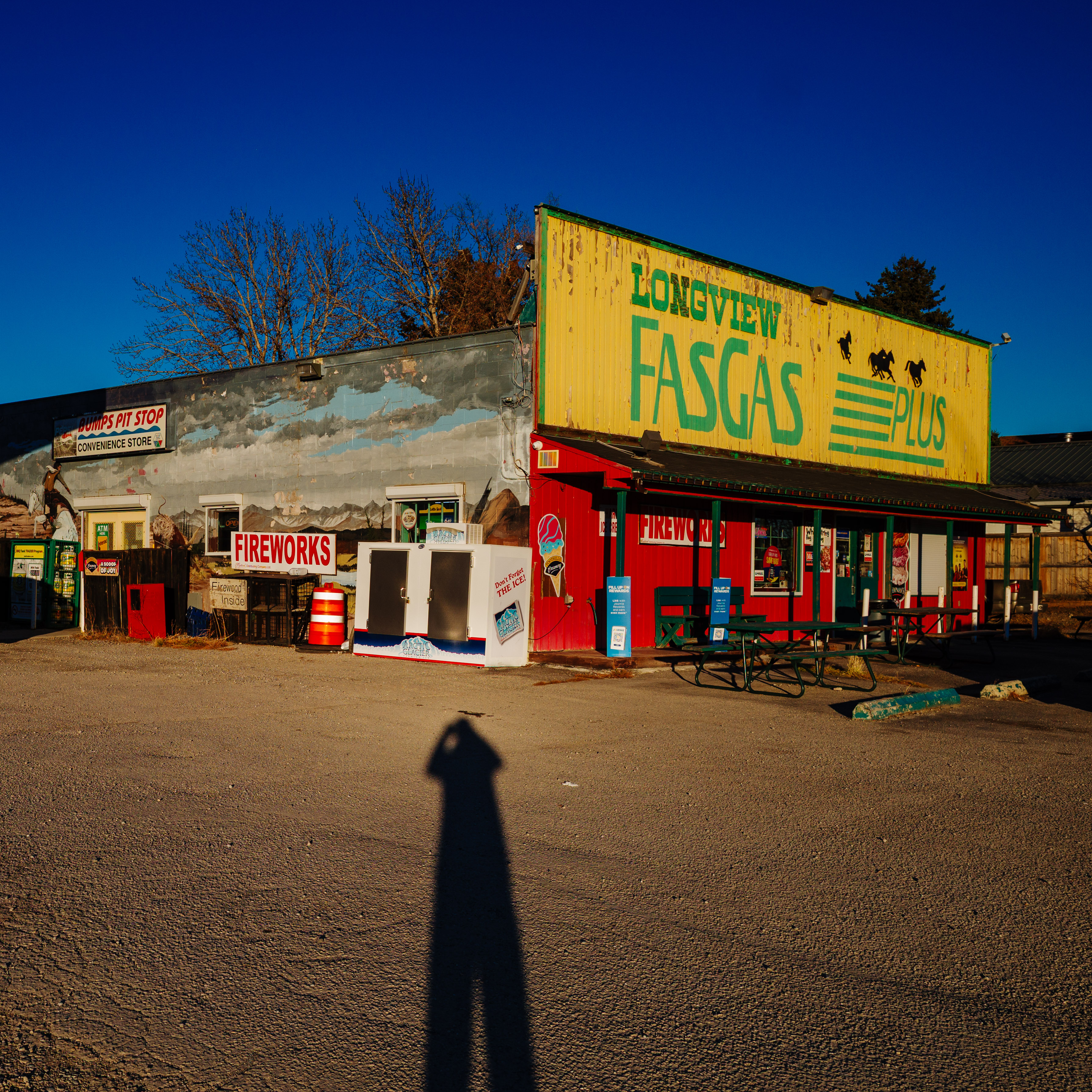
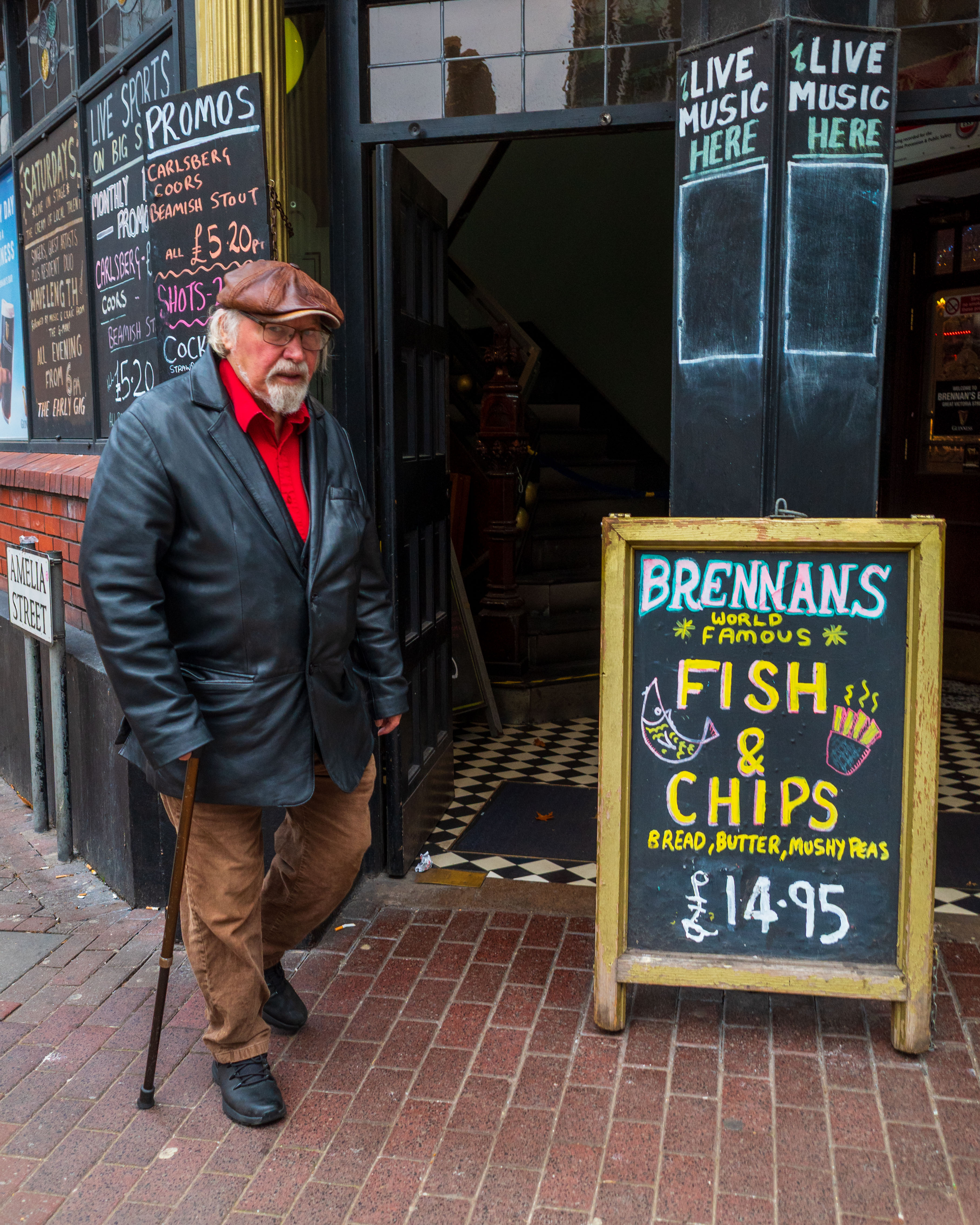
Phil questioned my use of the word observer. At first, I wasn’t sure what he meant, because he had always been complimentary about my photo runs. For those unfamiliar, photo runs are a cornerstone of My Second Running Life—they make this blog what it is. As an example, here’s a piece I wrote about my run in Longview a few weeks ago.

For me, there’s nothing better than going out for an easy run with no worries about time and pace, seeking only a memorable photograph. I look for different things—colour, pattern, contrast, human interaction, irony—and observer was the word I settled on to describe what I do on these runs.

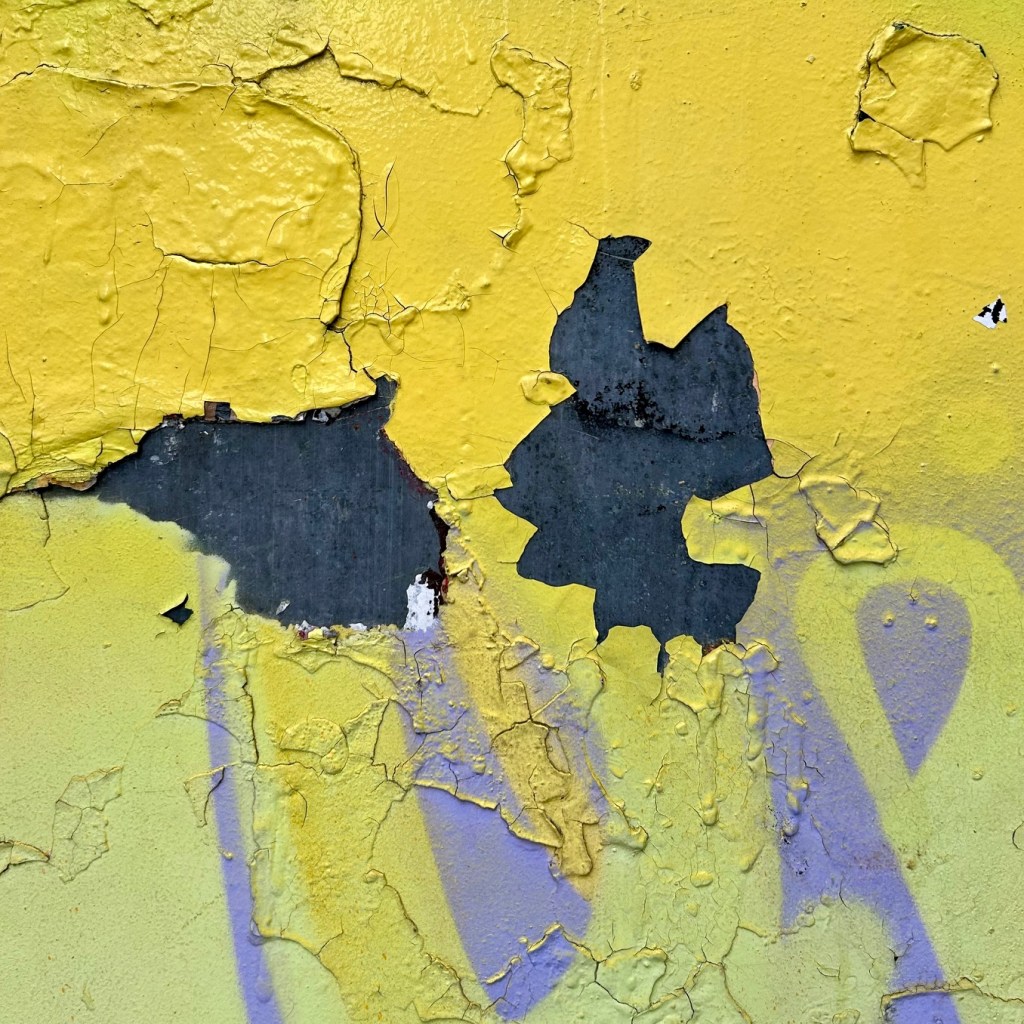
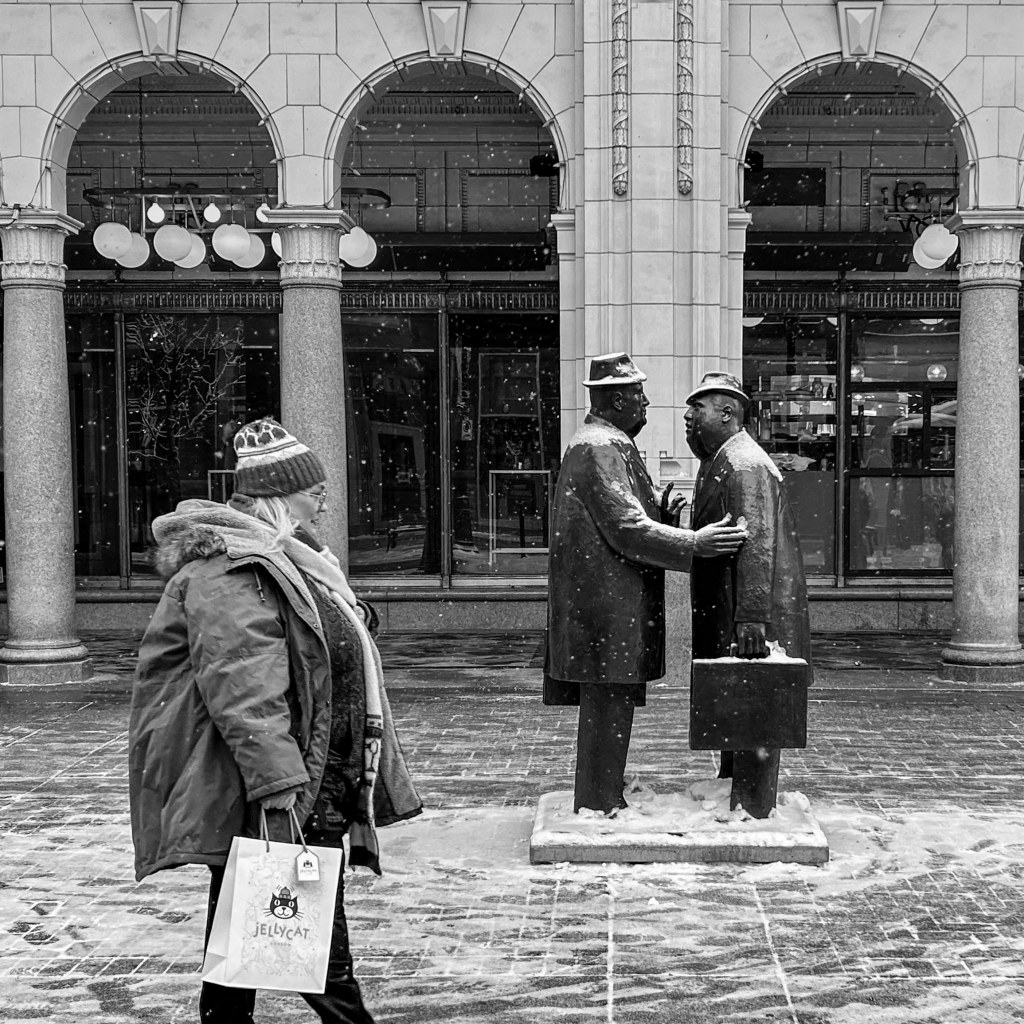
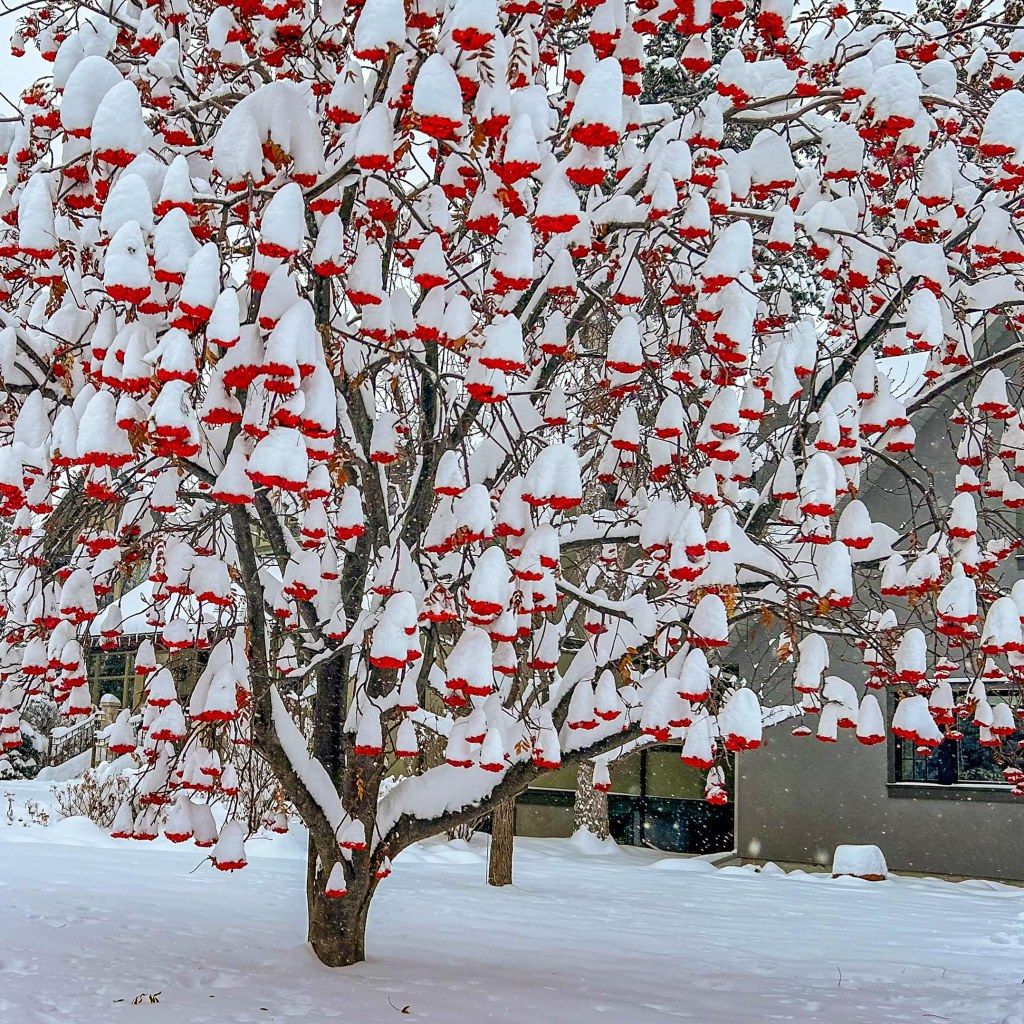
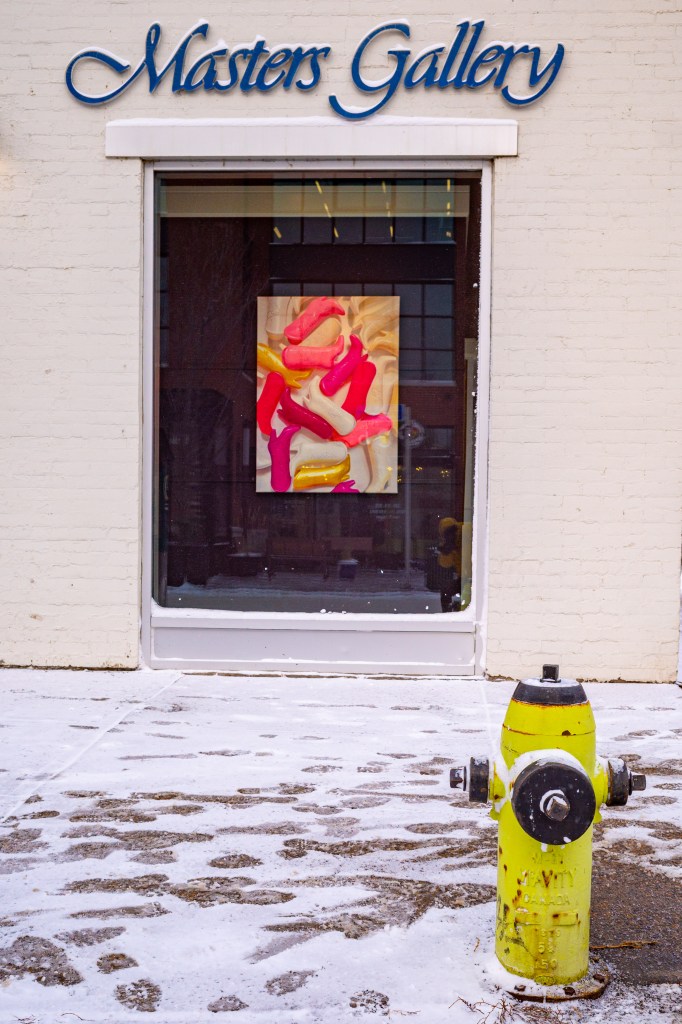
Phil went on to explain that there might be more to this process than observation. He even jotted down some thoughts, which I present here as my first guest submission on the blog. The photographs are mine, but Phil selected the pictures he wanted to accompany his writing.


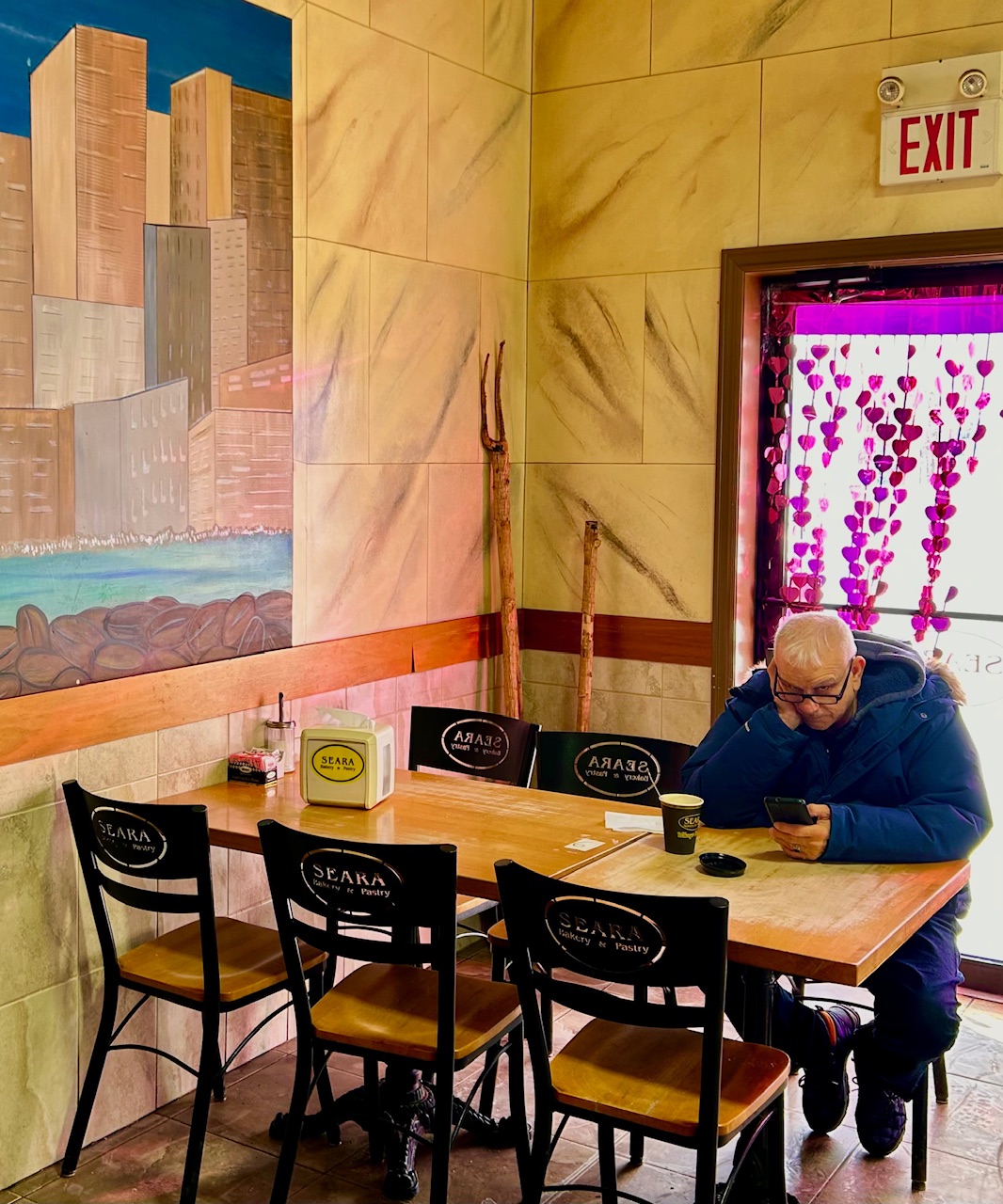
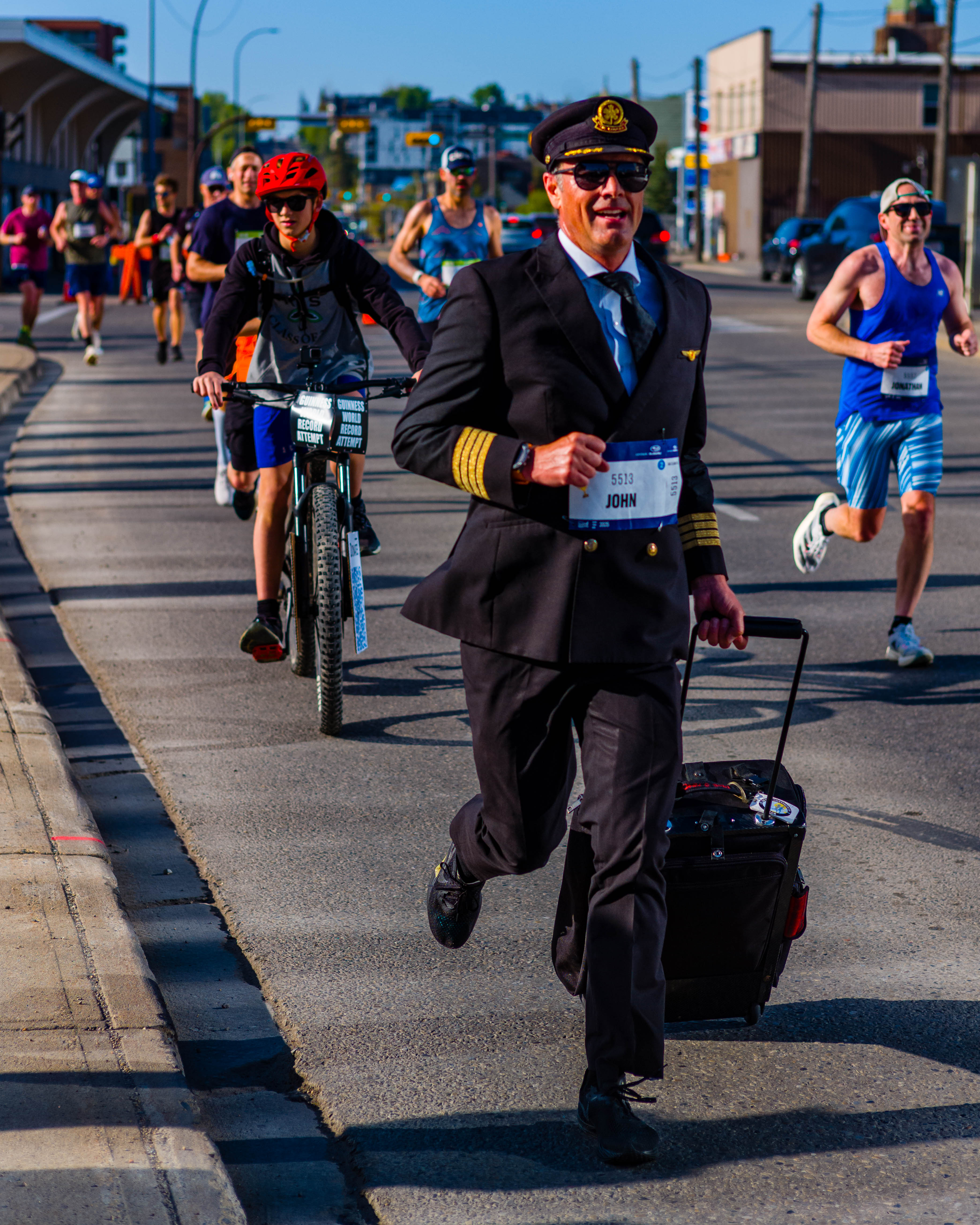
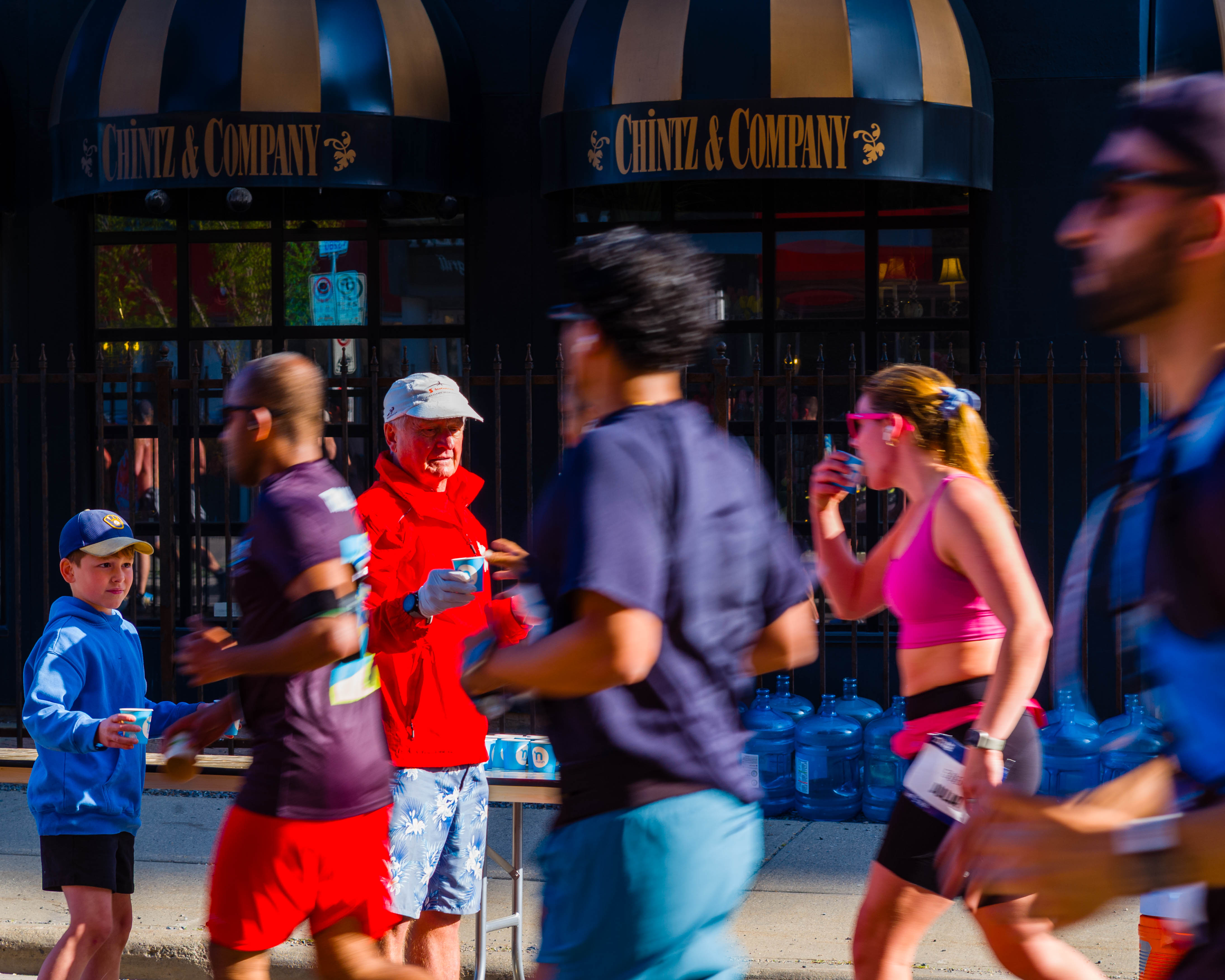
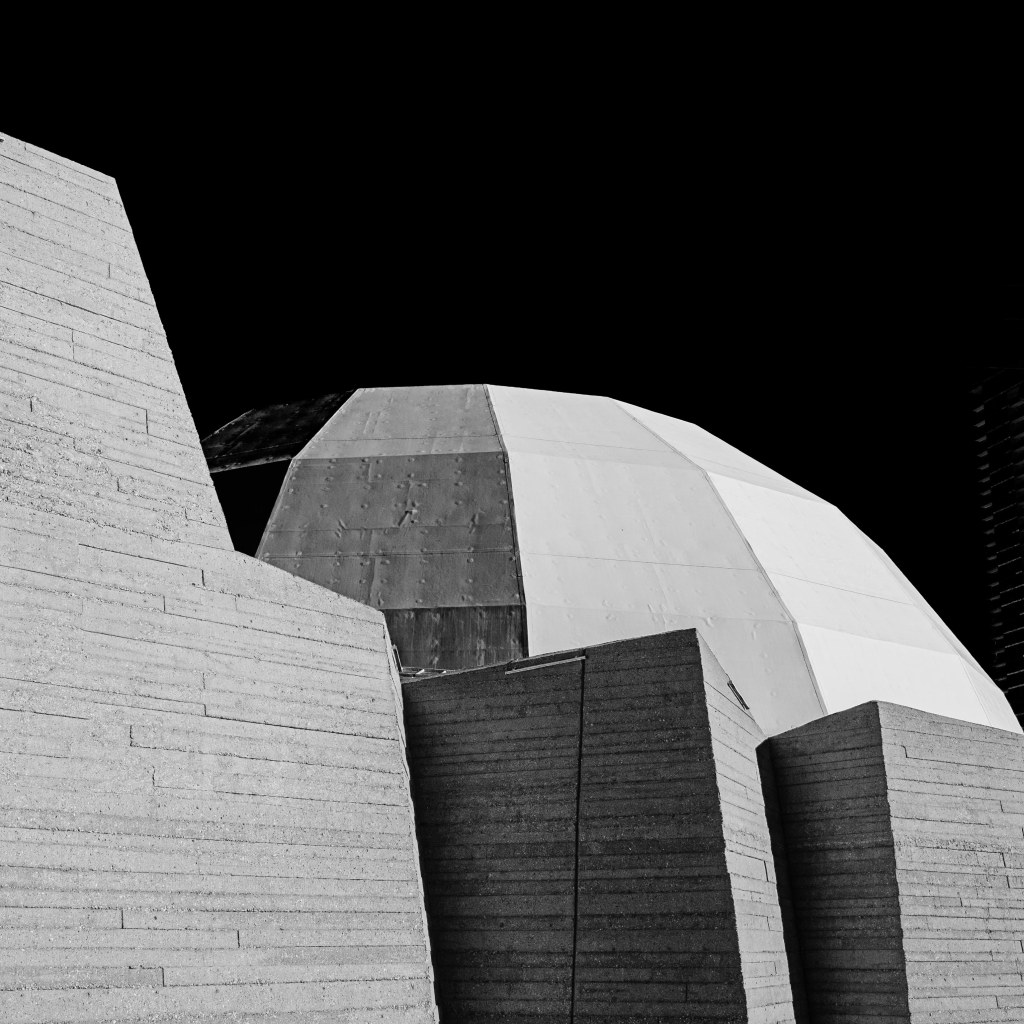
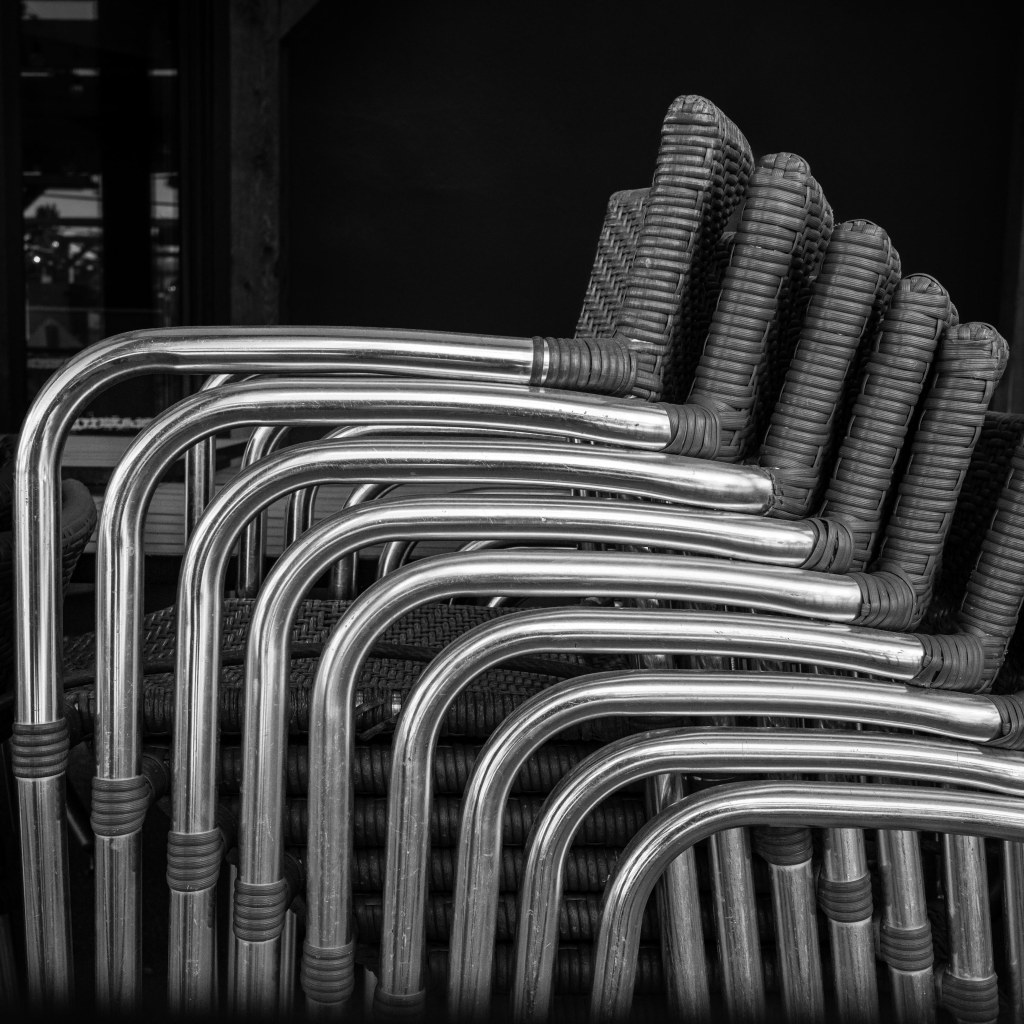
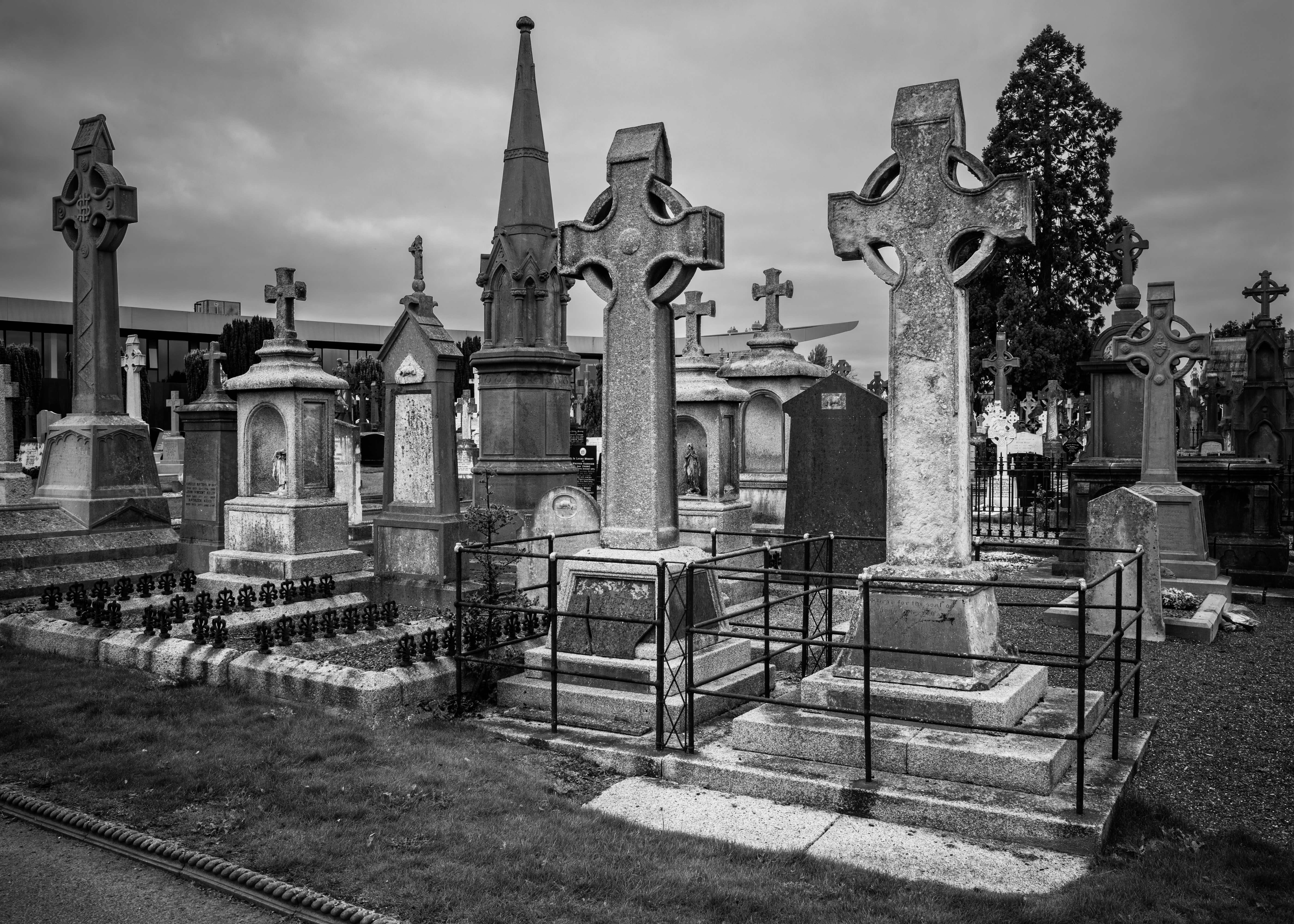
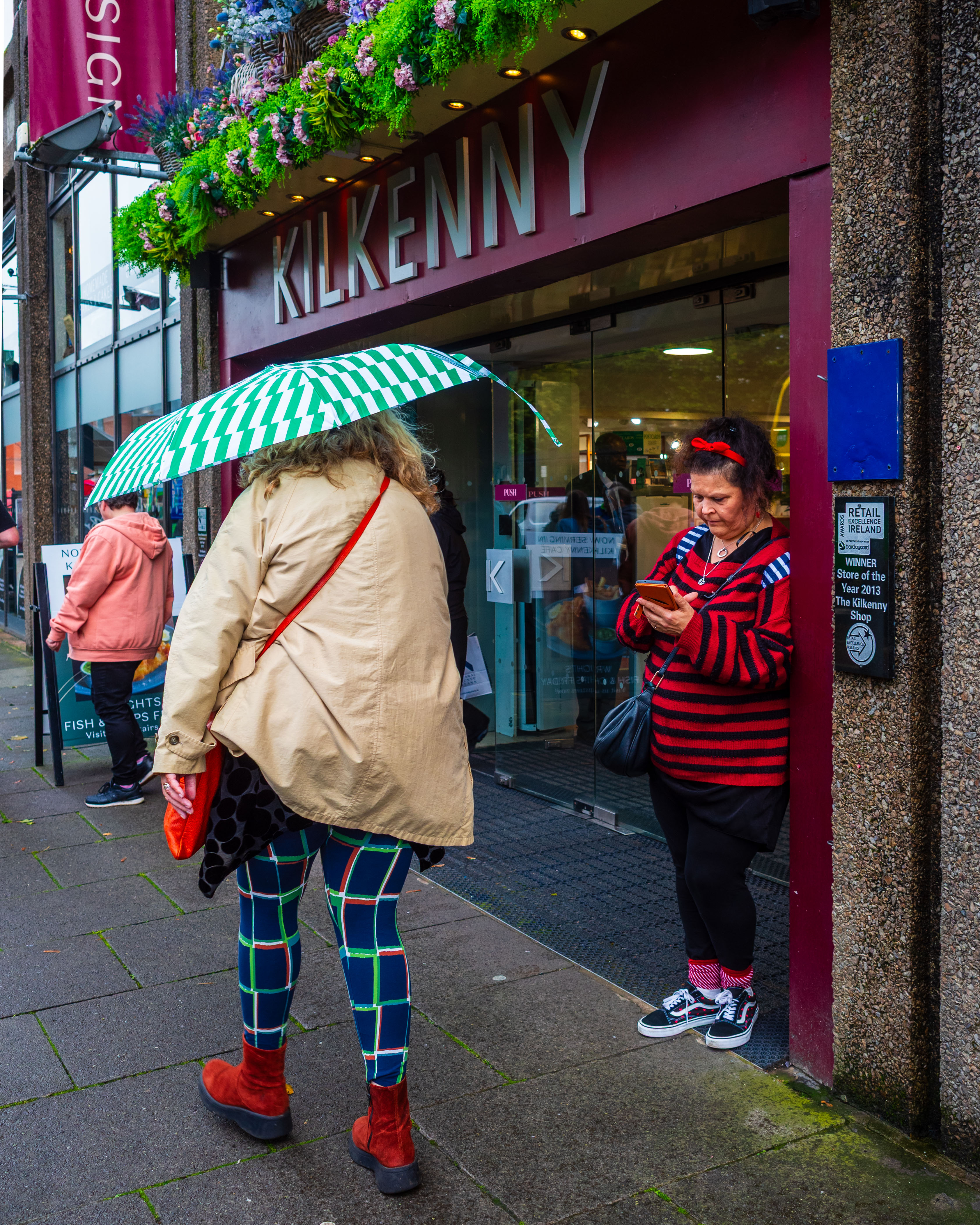
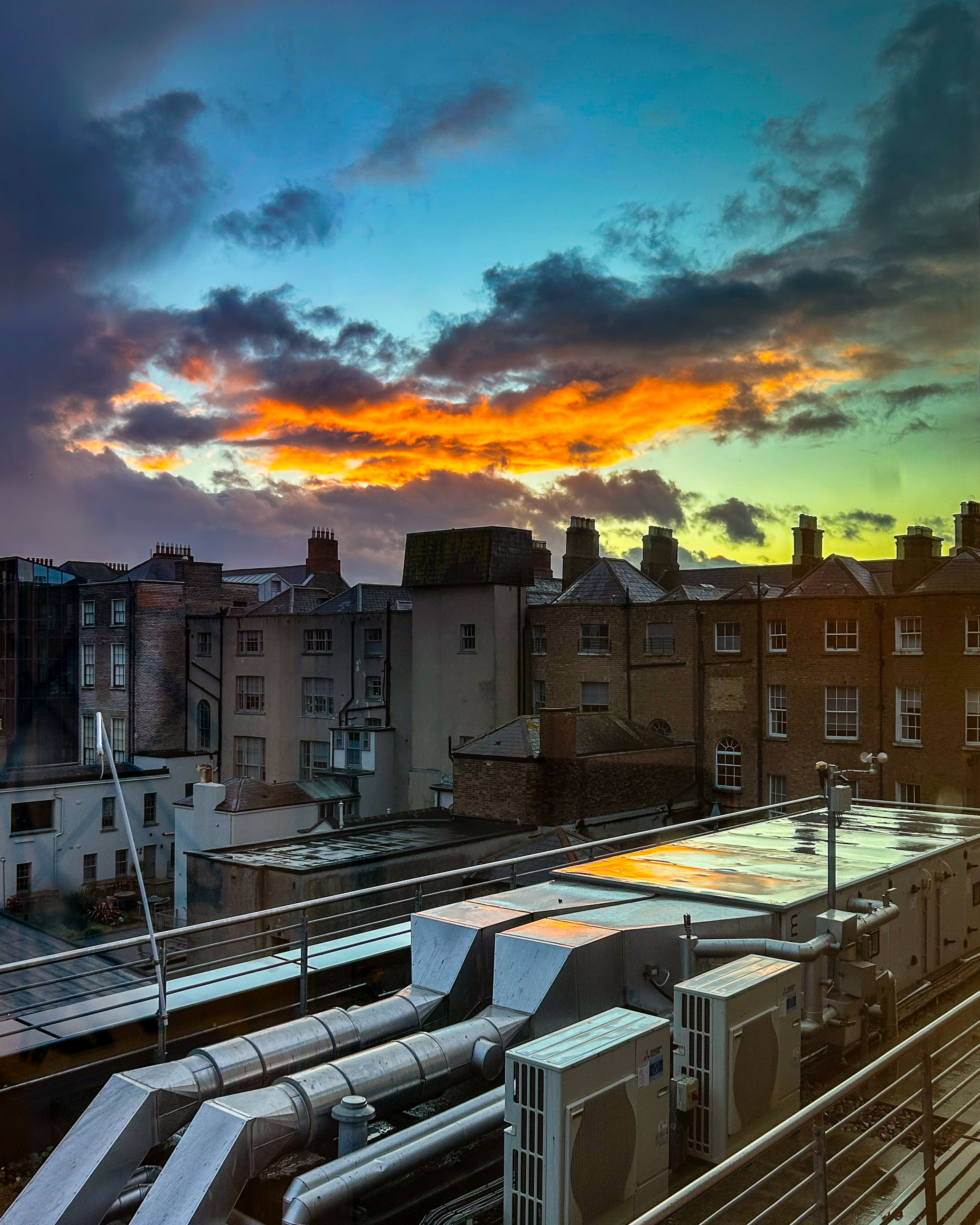
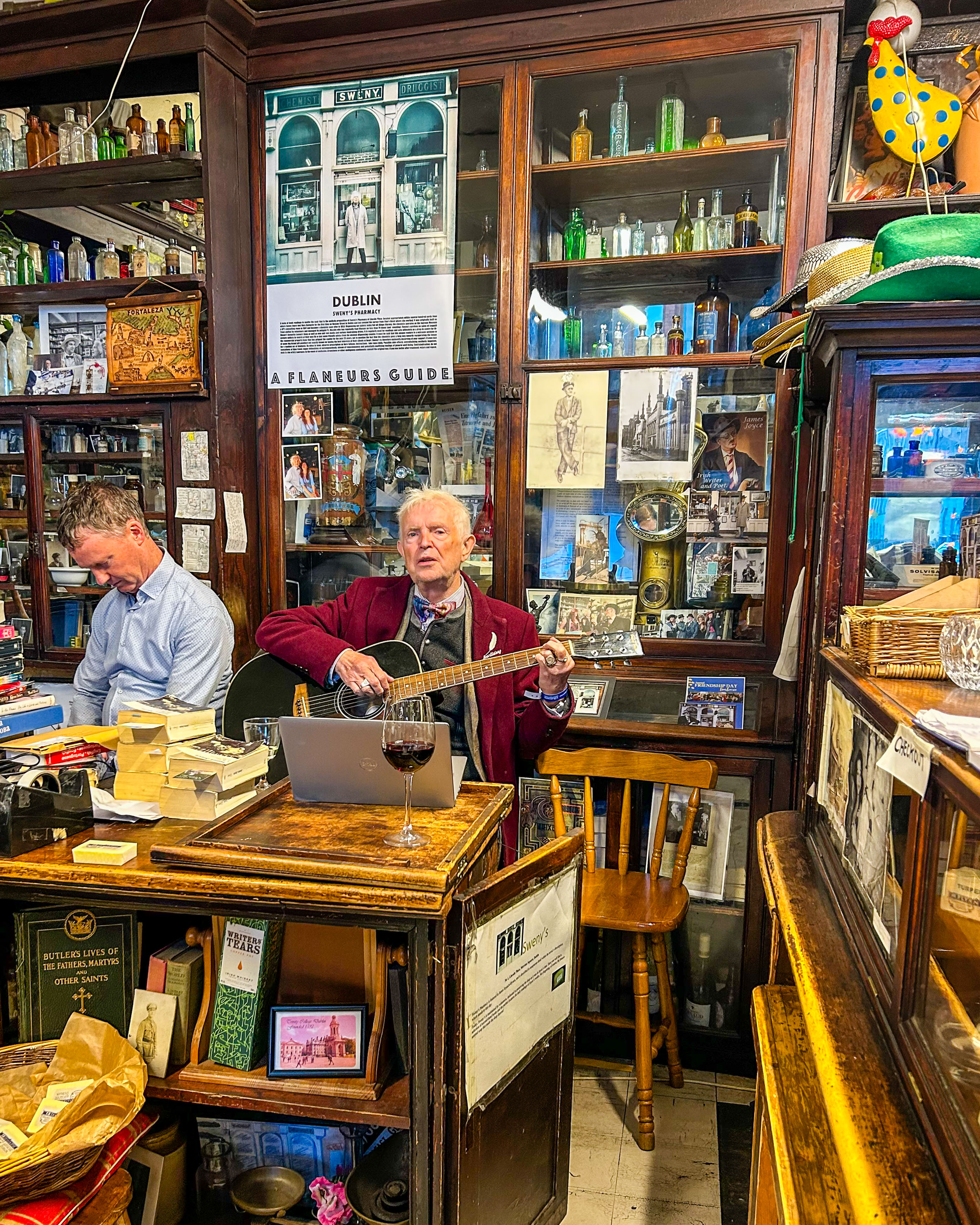
In nineteenth-century Paris, the flâneur was a stroller who transformed the act of walking into an art form; moving leisurely through the city, observing its ebb and flow with an artist’s eye and a philosopher’s curiosity. Armed with nothing more than time and attention, he understood the city itself to be a living canvas, constantly repainting itself.

Steve’s approach to running and photography is a modern embodiment of this classic figure—using movement through the city as a form of creative engagement rather than mere exercise or transit. His curiosity and his keen eye allow him to see the extraordinary within the ordinary.

The flâneur’s genius lies not in destination but in observation—he reads the city like a complex novel, deciphering the social codes written in architecture, fashion, and gesture. In the Parisian context, this meant lingering in the arcades, studying the interplay of commerce and desire, watching how different classes of people navigated the same spaces with entirely different purposes. The flâneur sees what others miss because he moves at human speed rather than the hurried pace of those bent on efficiency. 

Transported to Calgary among the gleaming downtown towers and the sprawling neighbourhoods stretching toward the Rockies, the flâneur’s eye discovers different rhythms and revelations. He might capture the interplay between the city’s frontier heritage and its contemporary energy—perhaps pausing to photograph how the morning light catches the glass of a modern office building while casting shadows on a historic sandstone church. My friend Steve embodies this Parisian tradition, combining the flâneur’s contemplative wandering with the practical purpose of his runs. His camera serves the same function as the flâneur’s notebook—a tool for capturing the moments that define urban life; transforming the ordinary act of moving through space into a form of creative observation.  In calling Steve a flâneur, I celebrate something valuable but increasingly rare in our hurried world—the importance of moving through our environment with alertness, engagement and appreciation.

– Phil Davies, December 2025


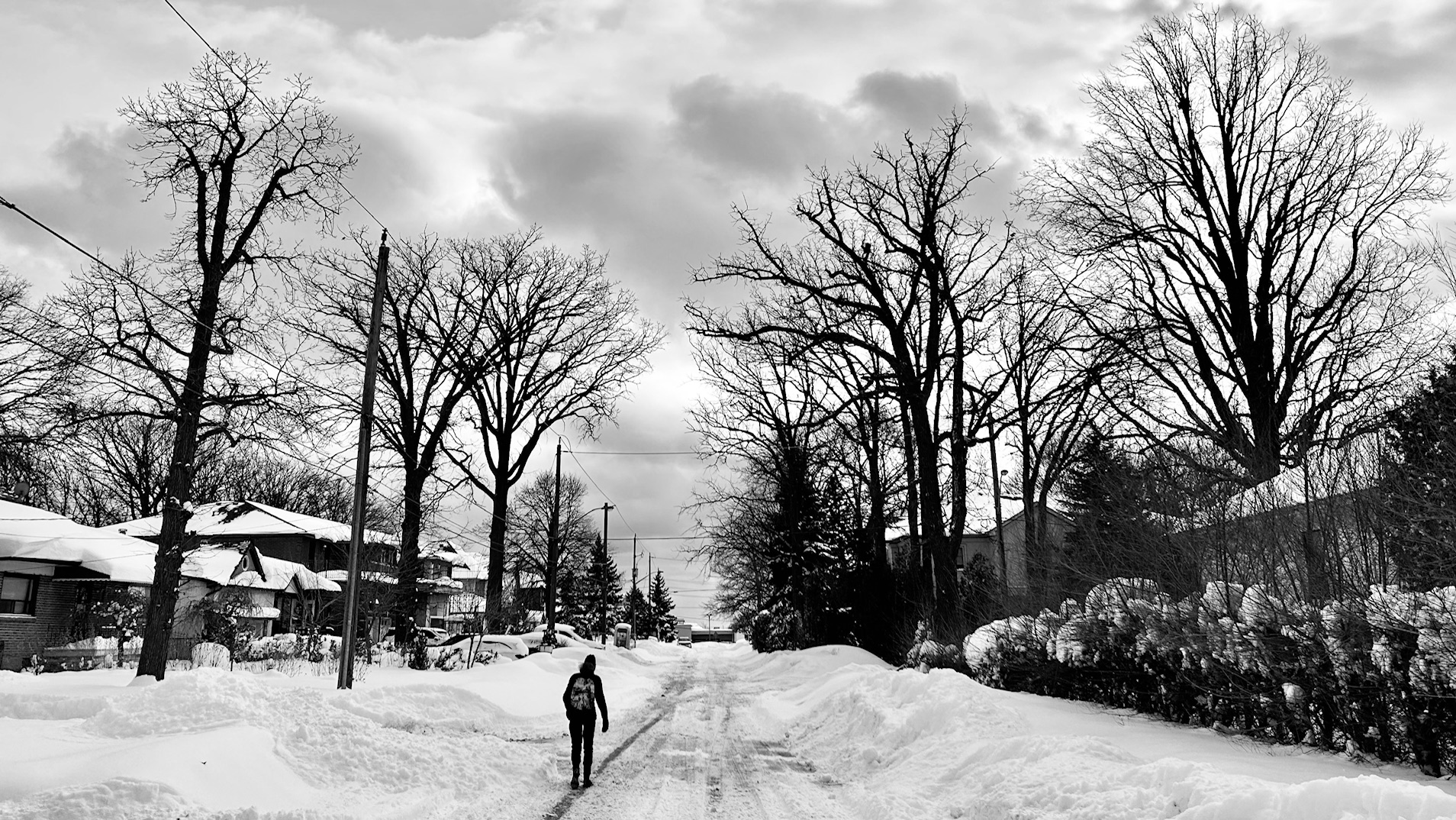
These boots were made for walkin’…! (Calgary, December 2022)

Concluding thoughts

Until my discussion with Phil, I would have said that I wasn’t doing anything different from any other street photographer, except that I’m moving faster than most of them. When I’m cruising the streets, I do so with thoughts of my photography idols in mind; people like Fred Herzog, Elliott Erwitt, and Saul Leiter. I wish I could be one-tenth the photographer that they were.

I also move through the streets with a clear purpose. I welcome the creative tension that comes with choosing a location and then watching for promising scenes to develop in front of me as I’m running. Many times and for many reasons, I’ve missed a shot that I wish I’d captured. But that’s alright, because sometimes I come home with a treasure. I can’t ever be too hard on myself about this, given the parameters I’ve set for myself.

In the end, it may not matter what label I use—flâneur, observer, or something else. Phil, you’ve helped me see that this process of roving exploration is well worth the effort.

The Longview Photo Run

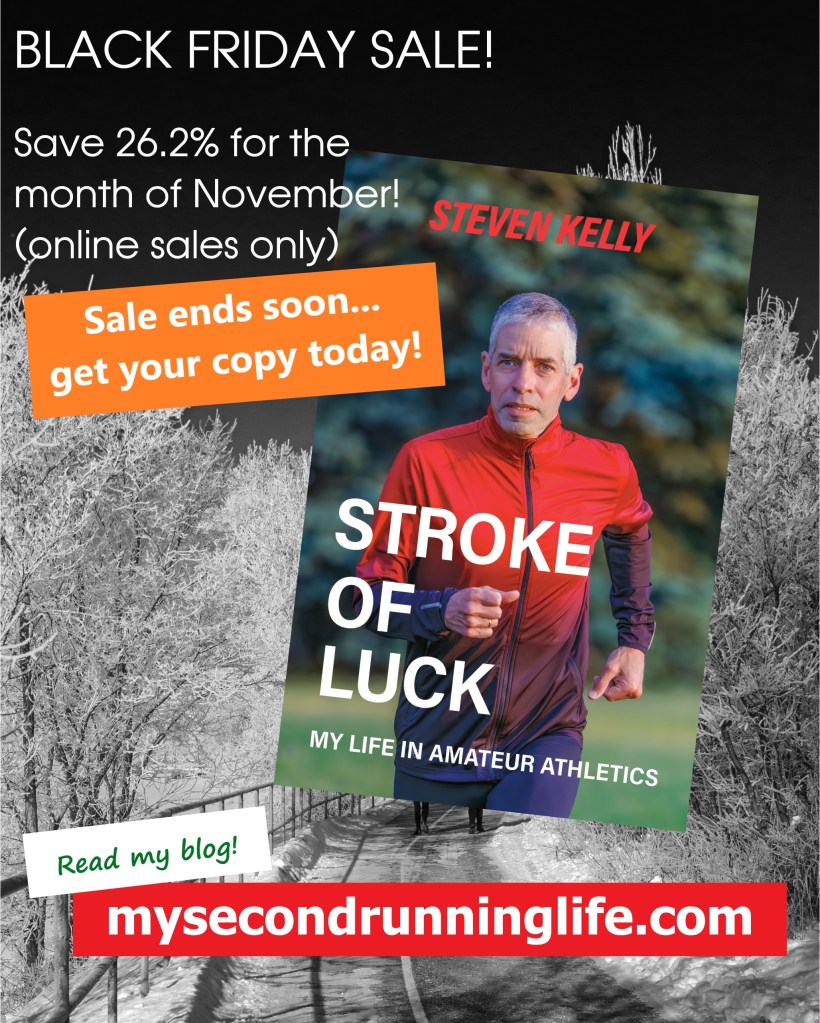
The Black Friday Sale ends soon!

Time is running out for an unbeatable deal on a running story you don’t want to miss!

Stroke of Luck is available on Amazon at a marathon-inspired 26.2 % discount—but only until the end of November.

Get your copy today!

Longview: A Short History

For as long as I’ve been in Calgary, the Village of Longview has been my idea of what makes Alberta special. It’s a quiet village in an idyllic setting. The views of the foothills to the west are spectacular, and that’s because Longview sits just outside Kananaskis Country. Highway 22 (the Cowboy Trail) is the town’s main street. I’ve often told Deb that I want to move to a ranch in Longview, although I wouldn’t have a clue what to do once I actually got there. No matter.

I learned about Longview’s fascinating history when I did my research for this piece. The village is named for brothers Thomas and Oliver Long, who homesteaded in the area at the beginning of the 20th century. Given its location, Longview has a long connection with farming and ranching. When oil was discovered in nearby Turner Valley in the late 1930s, Longview boomed—so much so that it earned the nickname Little New York. Of course, booms tend to go bust, and that’s what happened a few years later. For most of the last 60 years, the village’s population has been around 300.  

One of Longview’s claims to fame is that the annual Kananaskis 100 Mile Relay starts there, early on a Saturday morning in late June, just after the Highwood Pass opens up. There are some fond memories there, I can tell you! I wrote about the race earlier this year—check it out here.

And if anyone needs another reason to visit Longview, here’s one: Flic Film is a business that caters to those of us who can’t quite give up film photography. I used to have a convenient option for film development near my house, until “my guy”—that was Paul Stack—wrapped up his business and retired to Nova Scotia. I’ve been wondering what to do with my film since then, so I was thrilled to learn about Flic Film. I met Dalton on my visit to Longview, and left him with my order.

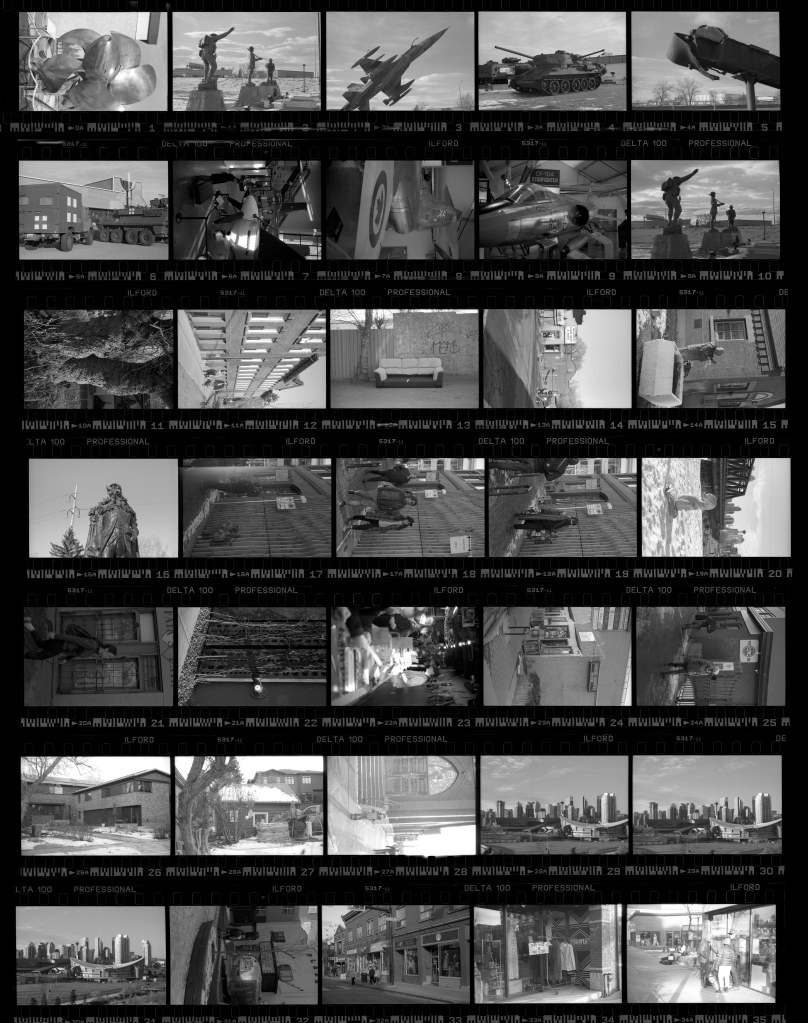
Feeling slightly nostalgic, here’s a contact sheet, which (if you’ve never seen one) is a handy way to identify any “keepers” on a roll of film. There’s something real about flipping through a binder of negatives.

A Short Jog Through the Village

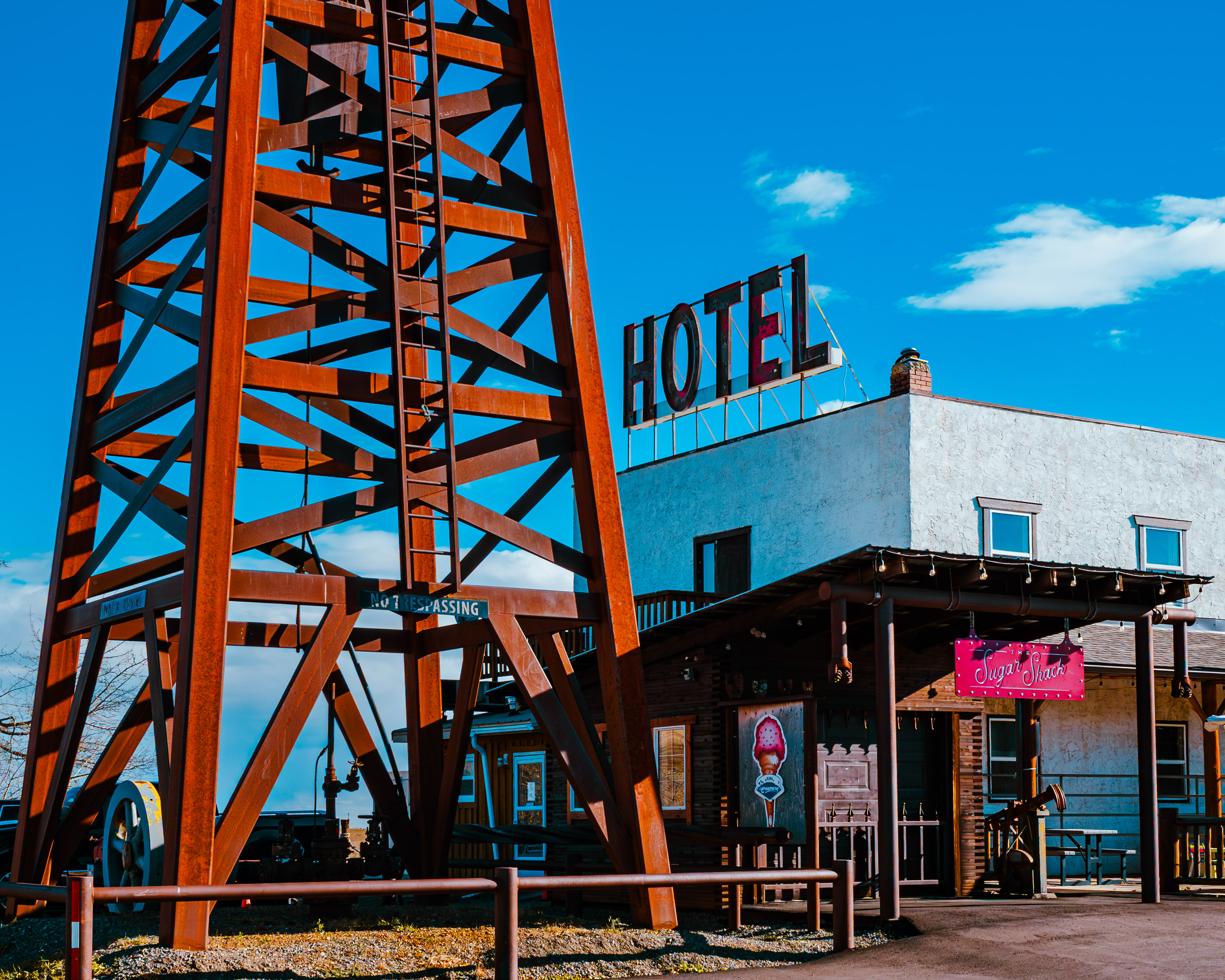
Since I knew I’d be back to pick up my negatives, I decided to add a short photo run through the village on my return visit. I already knew there would be a lot of interesting material along the main street (Morrison Street), like the iconic Twin Cities Hotel. When I’m faced with that situation on a photo run, I try to get a few kilometres under my belt so I’m not starting and stopping too much.

Here’s my running route, courtesy of Garmin:

I did end up with a few worthwhile images, carrying the venerable (but now discontinued) Ricoh GR III. I learned a lesson, though. At this time of year, the sun sets quickly. If you see it, shoot it, because it might not be there a few minutes later!

Enjoy these images (copyright is mine):

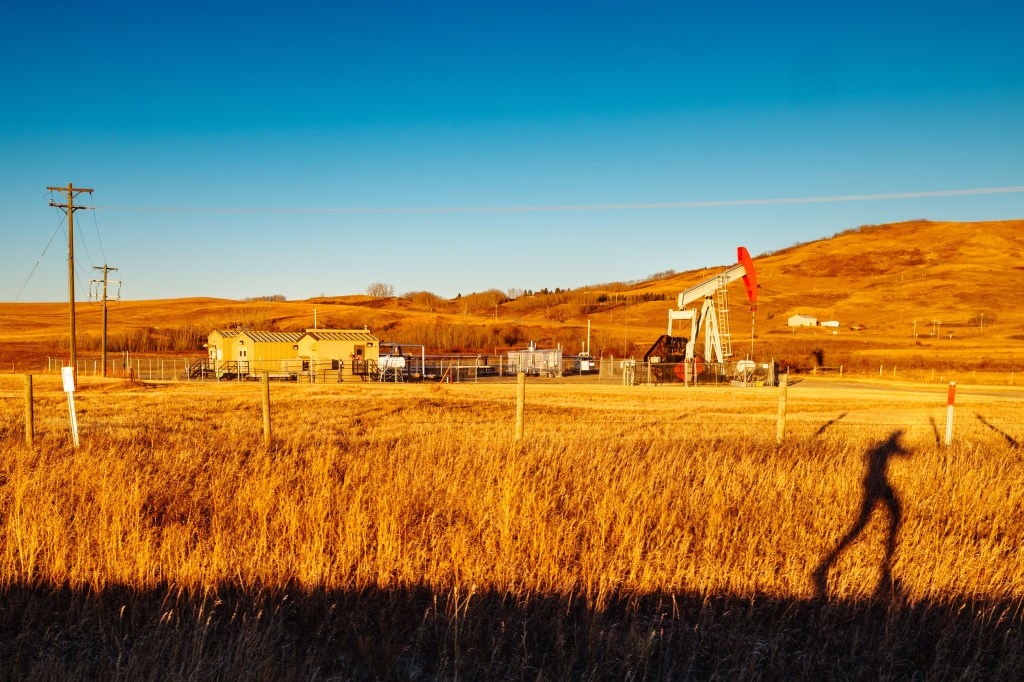
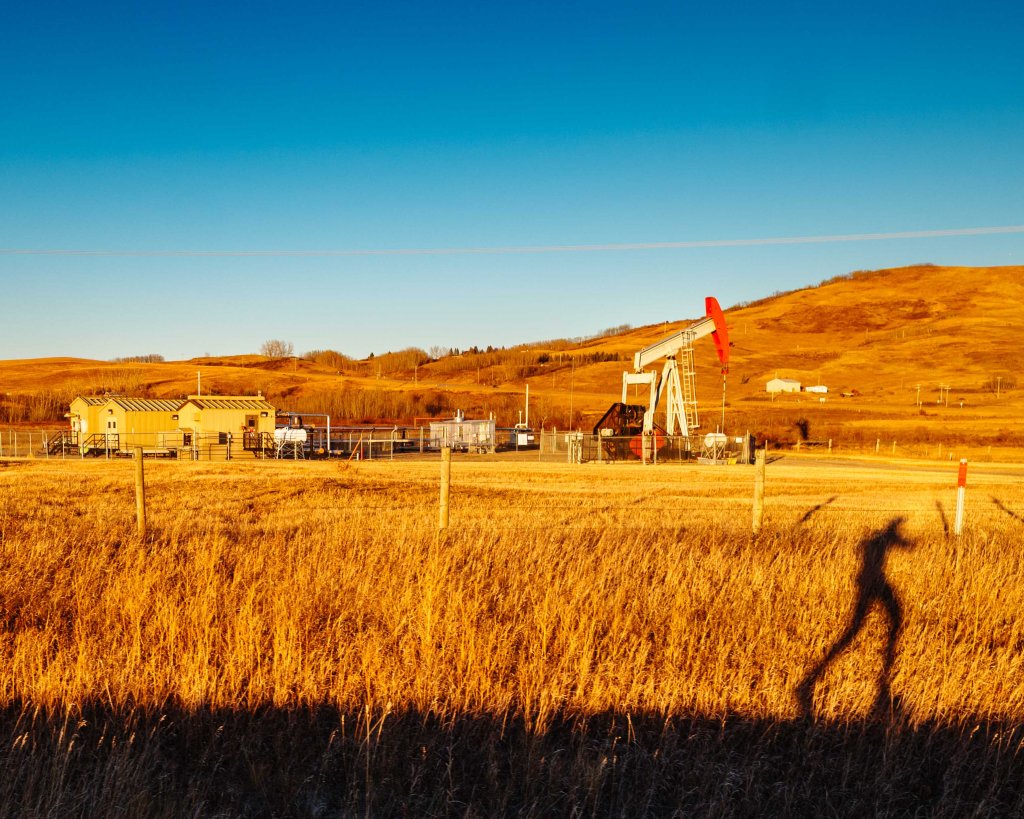
After an out-and-back run to the Highwood River at the south end of the village, including a decent hill, I headed out on Highway 541 towards K-Country. I was thinking about some of my past adventures on the relay. Running the first couple of kilometres was great, and being able to turn around was even better. Here’s a selfie, where I did my best imitation of the pump jack in the background.

Heading for Home

After I got home and started putting this piece together, I read about a bit of Alberta history that I was completely unaware of. A few kilometres north of Longview is a historic site marker, which I have driven by and wondered about, since there doesn’t seem to actually be anything there.

Well, it turns out to be a commemorative plaque and display for Little Chicago. Apparently, the boom that fueled growth in Longview led to another town springing up, just up the road. That’s where the Twin Cities Hotel got its name. The name Little Chicago was changed to Royalties, as it caused confusion with, you know, that other Chicago. At the peak in the late 1930s, the population of the two towns was about 3,200. As things turned sour economically, all traces of Little Chicago disappeared, except for the plaque that tells the story. I’ll definitely stop for a look—and a photo—on my next film drop.

Until next time, be well and BE FAST!

Luck of the (Nearly) Irish

When a window of opportunity opened for us in early October, Deborah proposed and then arranged a short trip to Ireland. We had been to the Emerald Isle once before, about 20 years ago, for a driving tour of the Ring of Kerry. This time, our plan was to stay mainly in Dublin and take a short side trip to Belfast. It was an enjoyable week. 

The Sights of Dublin

With hotel spaces in high demand, we grabbed a same-day reservation at the Leinster Hotel. It’s a comfortable, new boutique hotel in Merrion Square, and a great location for exploring the city on foot. That’s what we did, as Dublin is a very walkable city. 

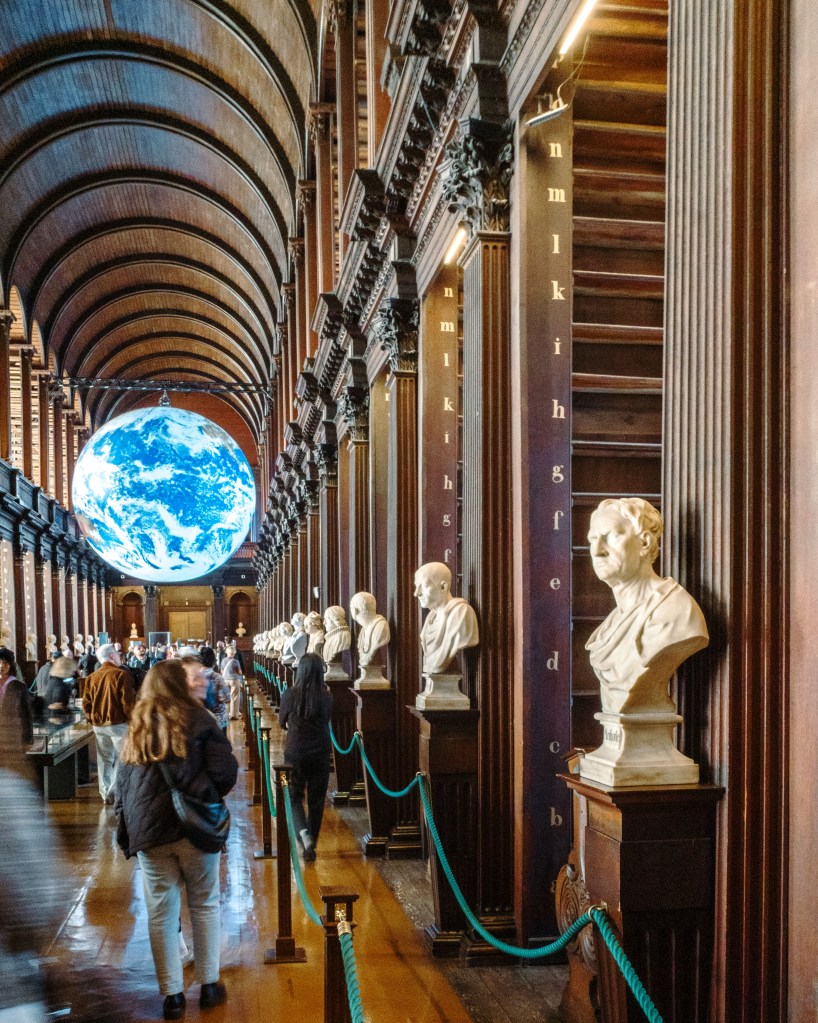
A highlight of our previous trip was a visit to Trinity College to see the Book of Kells and the library at the Long Room. We made sure to visit again, as the college was only a kilometre from the hotel. The library is being extensively renovated, but even with most of the books removed, it’s an impressive building. Watching a video about the project, I wondered how often these ancient books are actually touched by human hands. 

This being Ireland, there was some rain to contend with. In fact, we got caught twice on the same day, and each time we were treated to Irish hospitality. Ducking into a shop for shelter, we found ourselves in a most unusual place. It was Sweny’s Pharmacy, a shop dedicated to local legend James Joyce, and his masterpiece, Ulysses. The proprietor (PJ Murphy) treated us to a Gaelic song, offered us a glass of wine, and invited us to that evening’s reading from the novel—in French! He added that he has personally read the book in at least eight languages. We noticed that the rain was letting up, so we made our excuses and moved on. I was reminded that I have yet to finish my longstanding project of getting through Ulysses for the first time, and only in English. I made a note to give it another try once I was back home.  

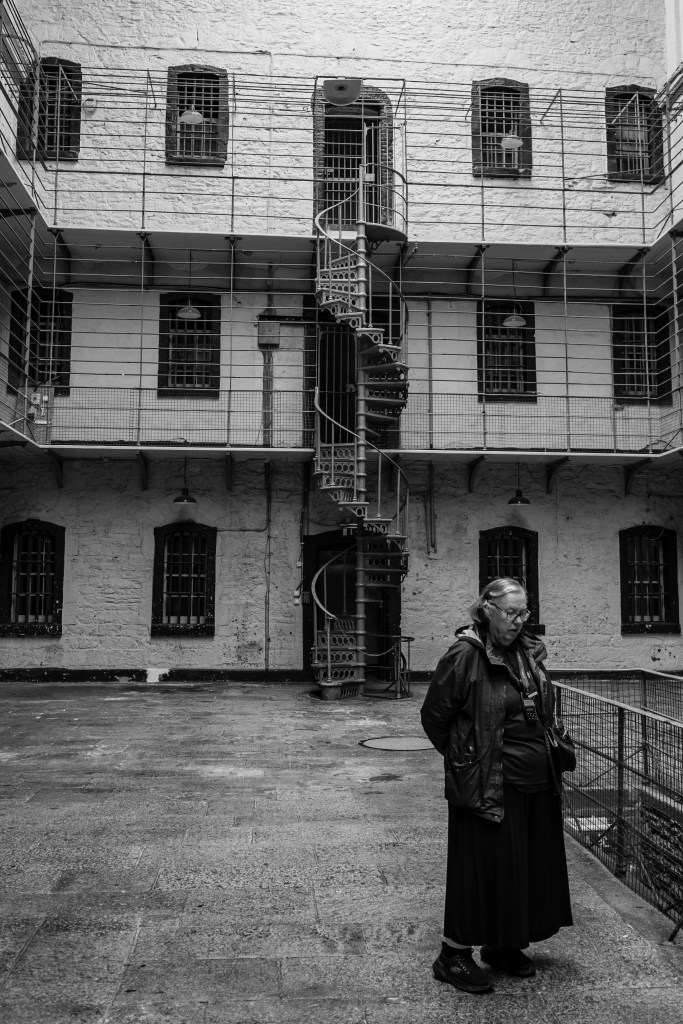
It’s likely not the first thing visitors to Dublin would consider, but we made a trek by city bus to an important place in the history of Ireland, the Kilmainham Gaol Museum. The jail, which opened in 1796, has held thousands of common criminals, as well as political prisoners involved in the struggle for Ireland’s independence. Fourteen leaders of the 1916 Easter Rising were executed by firing squad in the prison yard.

Although the day’s tours were all booked, we took our chances and scored a pair of free tickets—luck of the Irish, perhaps.

The tour was informative, and our guide was passionate about both the jail and Irish history more generally. 

While we waited for our tour, we had a pleasant lunch and chat at the nearby Old Royal Oak pub.

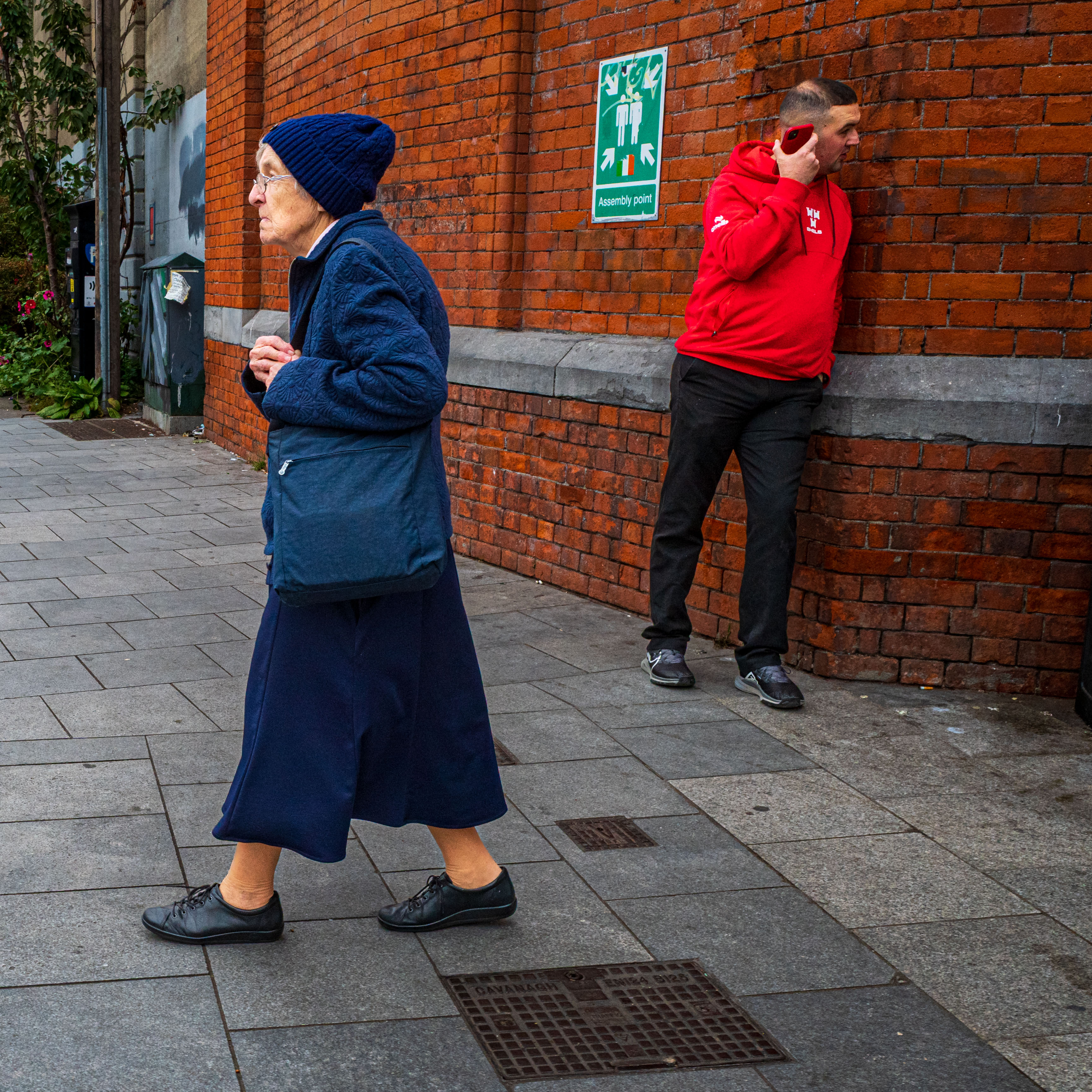
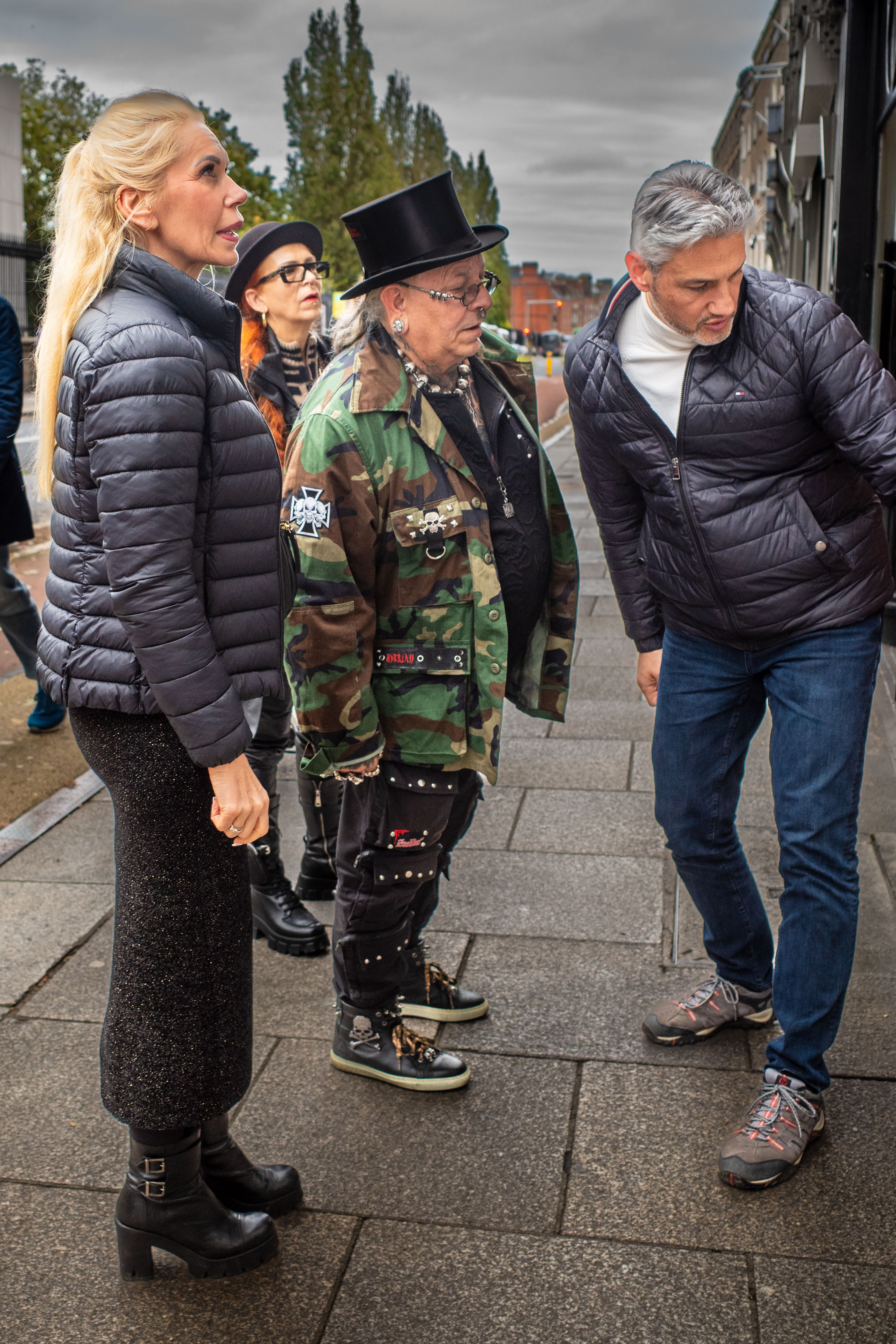
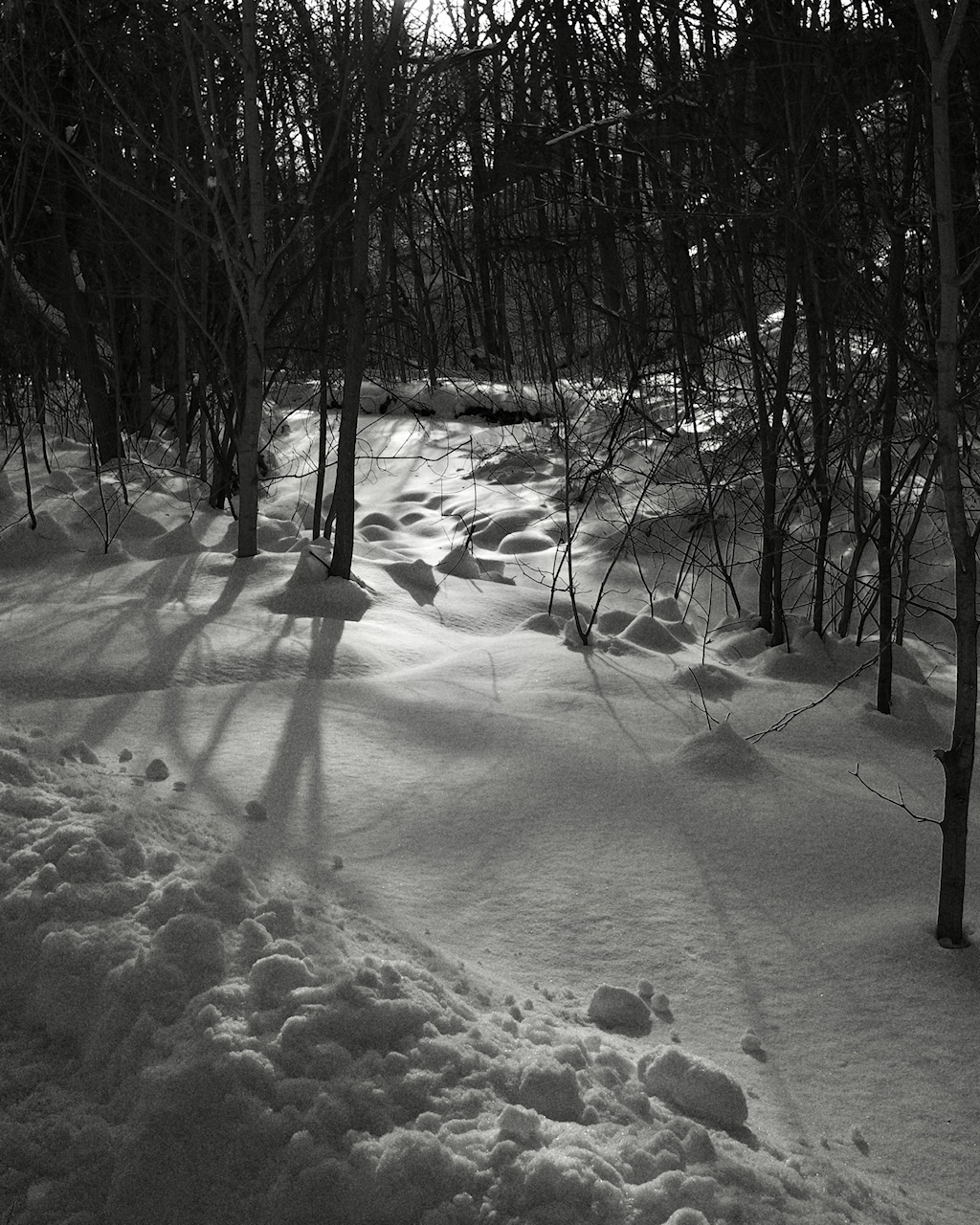
Dublin is an amazing place for street photography, and I did my best to capture some scenes. My muse may have also been on vacation, as I seemed to struggle to find worthy photos on this trip. Well, we do what we can! Copyright for all photos is mine.
We decided not to do the popular Guinness Storehouse brewery tour, because we took the tour on our first visit to Dublin. Besides, we had just finished watching the excellent Netflix series, House of Guinness. I settled for drinking my share of the black stuff while in town—just enough to confirm that it really does taste better in its home city than anywhere else.

Other highlights of our time in Dublin were a visit to the Glasnevin Cemetery, some window shopping in Grafton Street, a visit to the impressive National Gallery, and a stroll through bucolic St. Stephen’s Green. On our last day, I fit in a short photo run through pretty Santry Park.

Overall, it was a fine stay in Ireland’s capital city. Sláinte!

North to Belfast

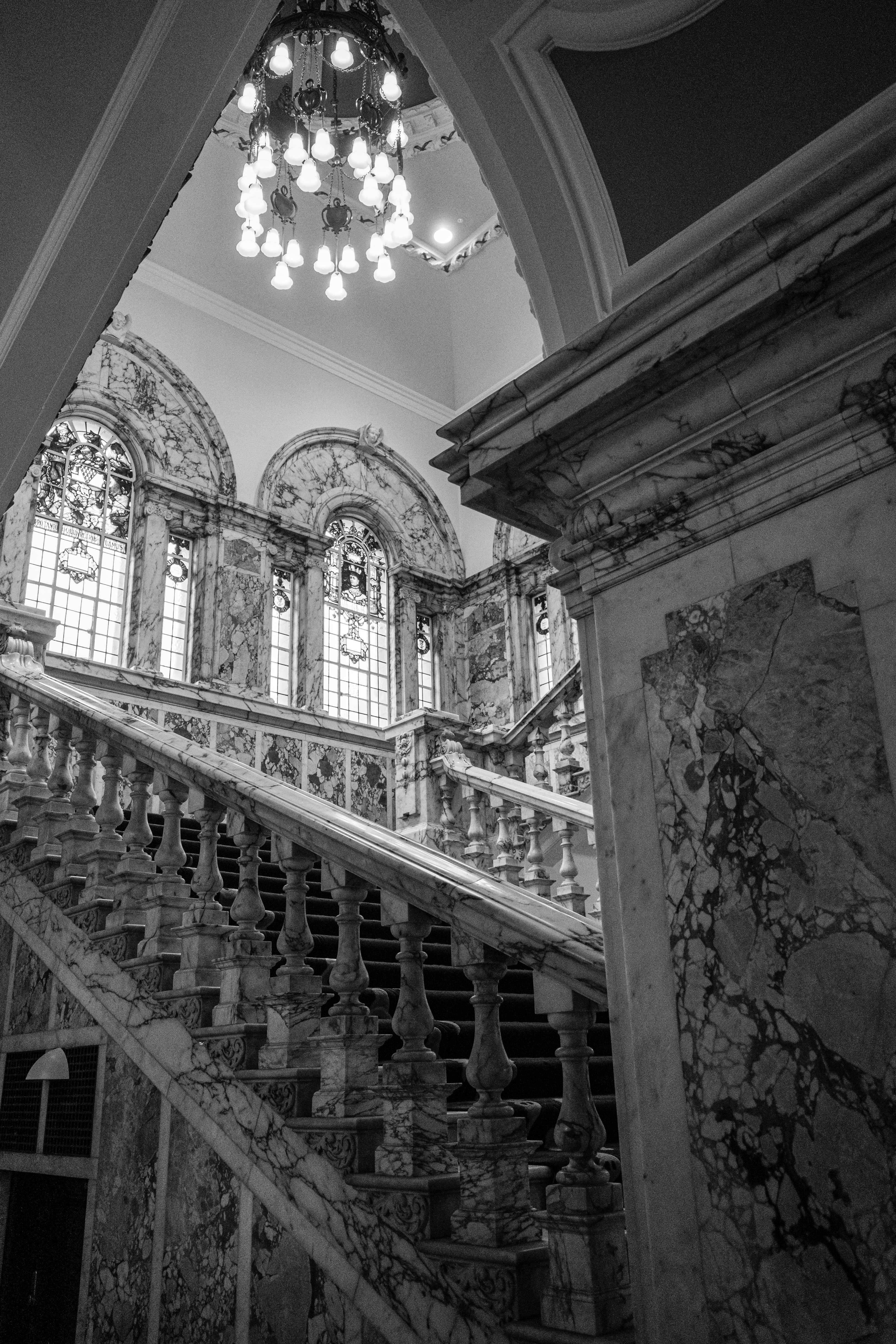
We took advantage of convenient train connections to make a short dash up to Belfast, the capital city of Northern Ireland. The city centre has a very different character to Dublin, not surprising given its historical connection to the United Kingdom. Like Dublin, getting around on foot is the best way to see the city. We stayed two blocks from City Hall, an imposing Victorian building.

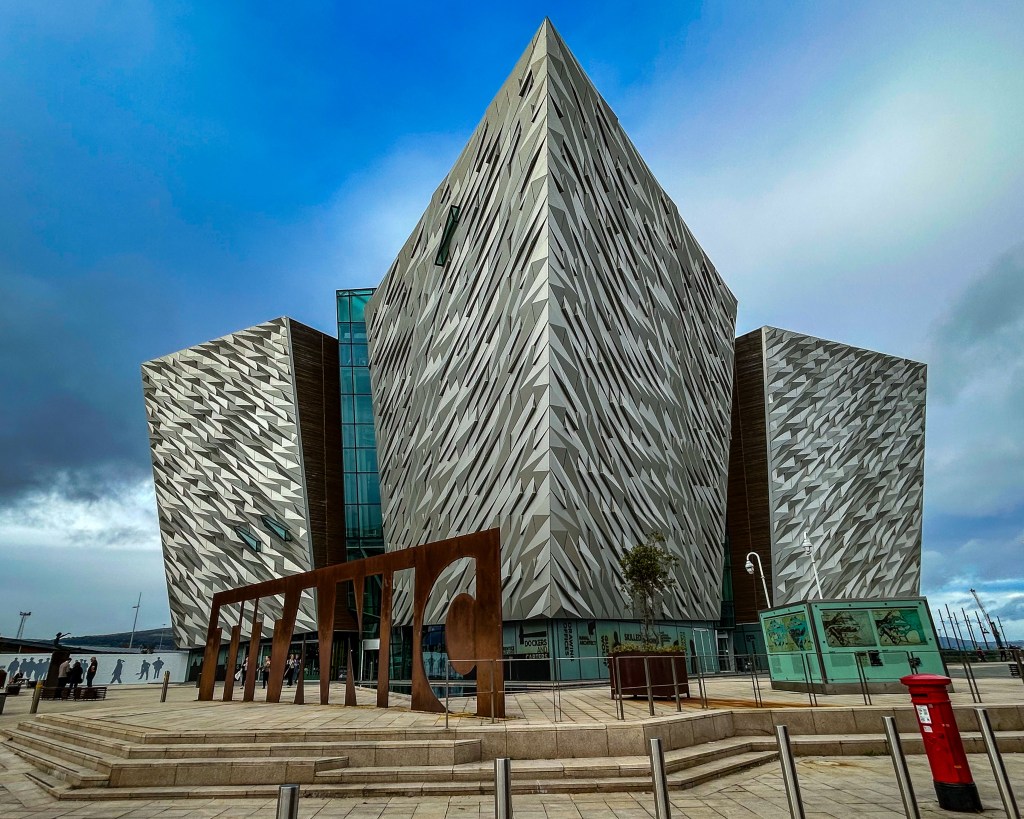
We only began to appreciate the historical significance of Belfast when we took in The Titanic Experience. Part museum and part theme park, we thoroughly enjoyed the two hours it took to work our way through the exhibits. We learned about the socioeconomic impact of shipbuilding on the city: a linen industry which accounted for 75,000 jobs in the early 20th century; and shipyards that employed 15,000 men in all aspects of design and construction of the largest ocean liners that had ever been constructed.

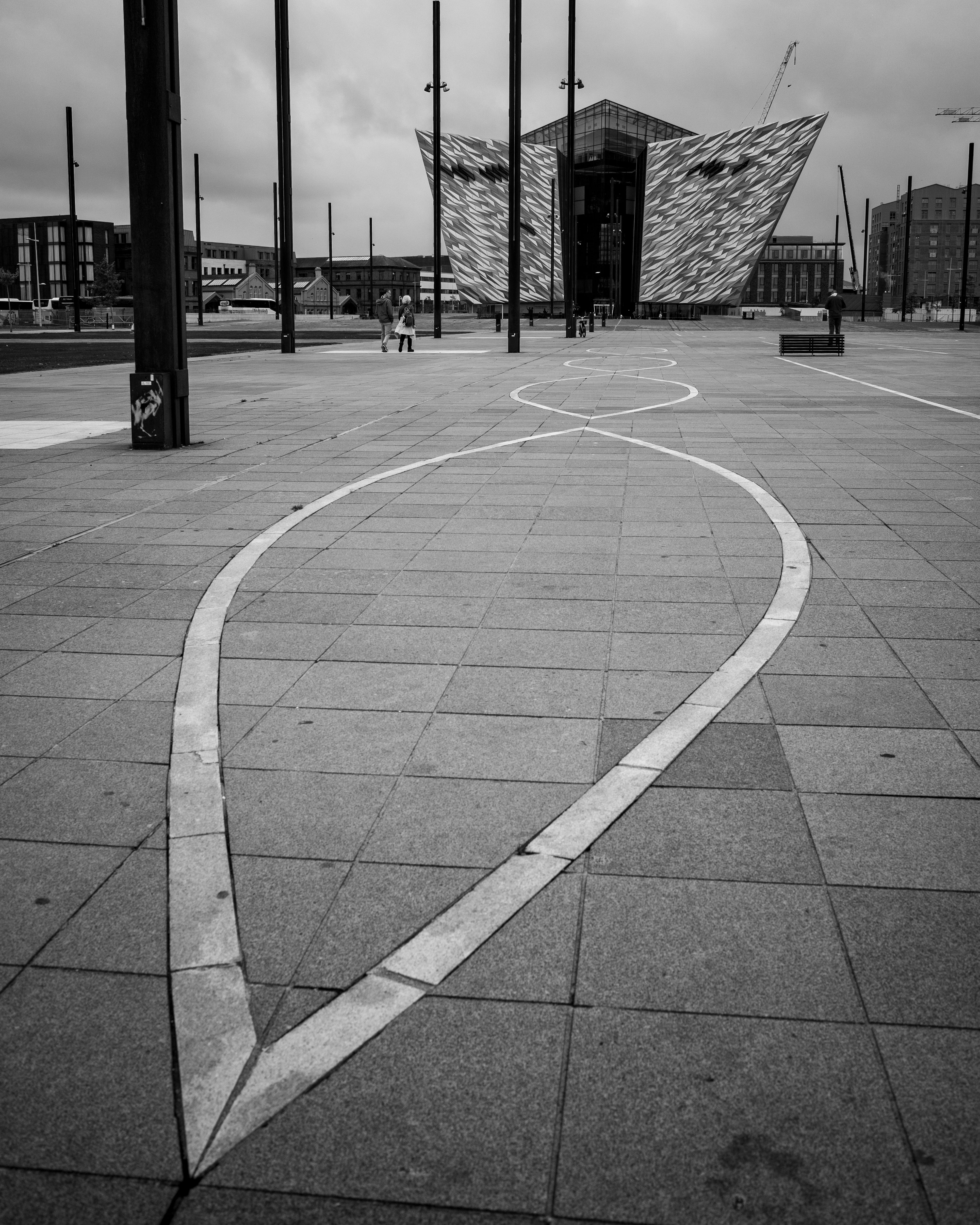
Of course, Titanic is famous for another, more tragic reason—its collision with an iceberg and sinking on its maiden voyage. The exhibits do justice to the whole story, including the discovery of the wreck in the 1980s. For me, walking the length of the ship’s outline, just outside the building, really brought home the sense of immediacy with another part of Belfast’s history.

The next day, we signed up for a coach tour of the coastal region. Over seven hours, our tour guide and driver, Steve, did a wonderful job of explaining the complicated history of Northern Ireland, while pointing out the many sights of the region.

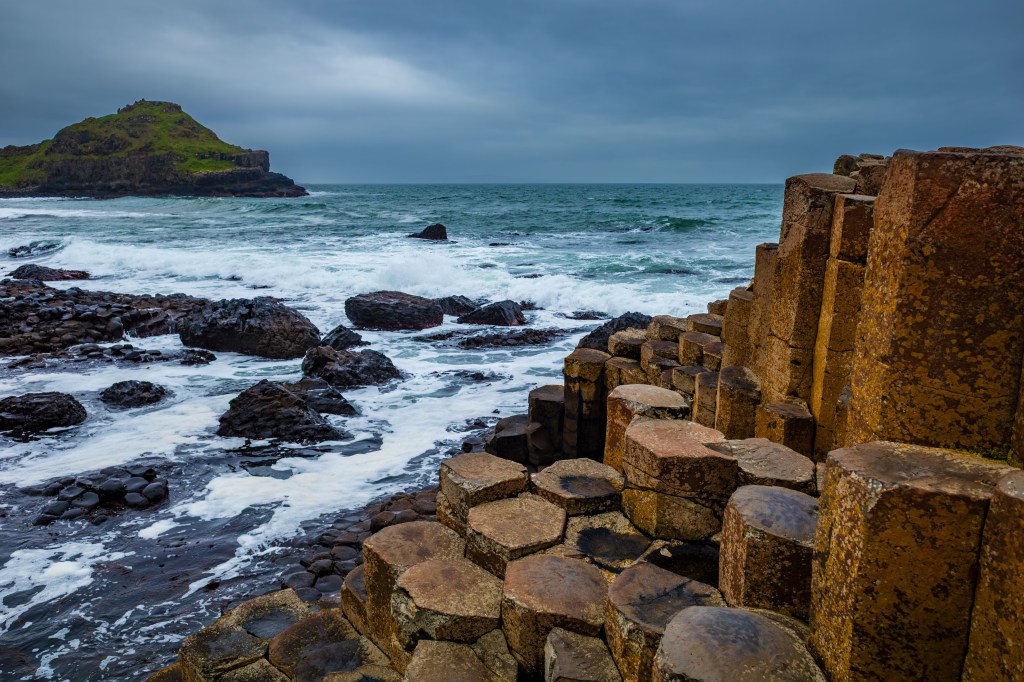
The main attraction for us was the Giant’s Causeway, a unique geological formation and UNESCO site on Ireland’s northern coastline. The Causeway consists of thousands of hexagonal pillars of basalt, which extend out into the ocean. A folk legend says that Fionn McCool, an Irish giant, built the causeway by throwing boulders into the sea. McCool wanted to make a bridge that would reach the Scottish Isle of Staffa, where he could challenge a rival giant, Benandonner, who had made a claim for Fionn’s island (Ireland). You can read the full story and find out what happened to Fionn here.

The scientific explanation is that the causeway resulted from a volcanic explosion about 60 million years ago. As the lava cooled quickly, it cracked into the distinctive pattern of interconnected basalt columns. These two explanations can exist side-by-side, because this is Ireland, after all. However it came to be, the formation is unlike anything else we have seen.

We had no idea that the popular HBO series Game of Thrones had been such a boon to the regional economy. In fact, we were the only people on our coach who had never watched the series. Nevertheless, we enjoyed the pop culture lesson as we checked out many of the shooting locales.

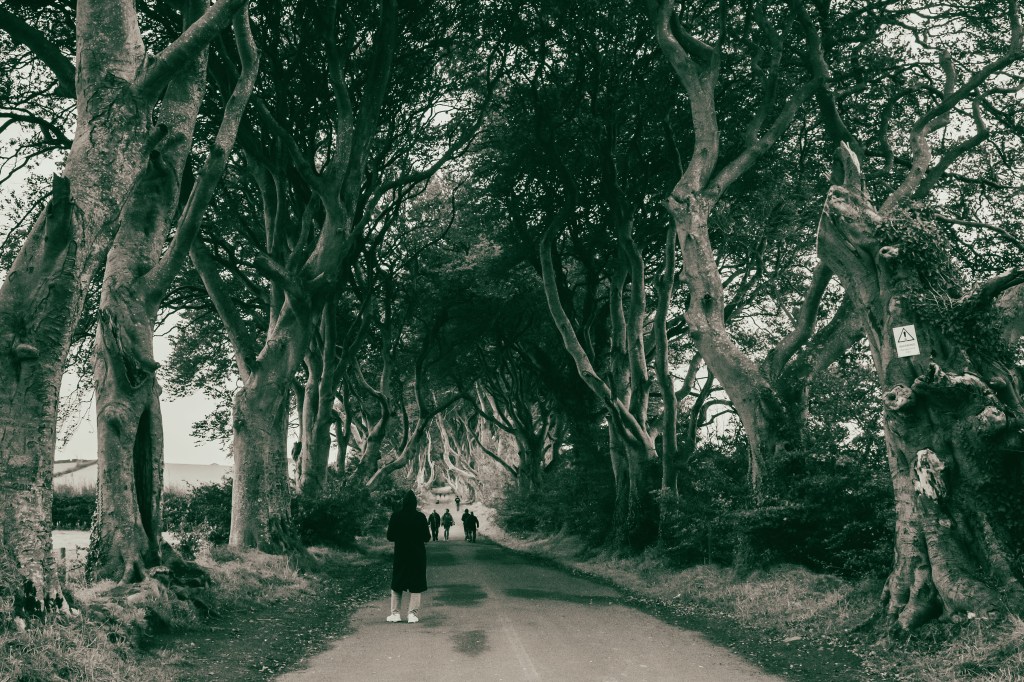
The most recognizable locale is probably the Dark Hedges, a long avenue lined with ancient beech trees, which create a distinctly medieval atmosphere. We enjoyed strolling the length of the avenue as our last stop before returning to Belfast city centre.

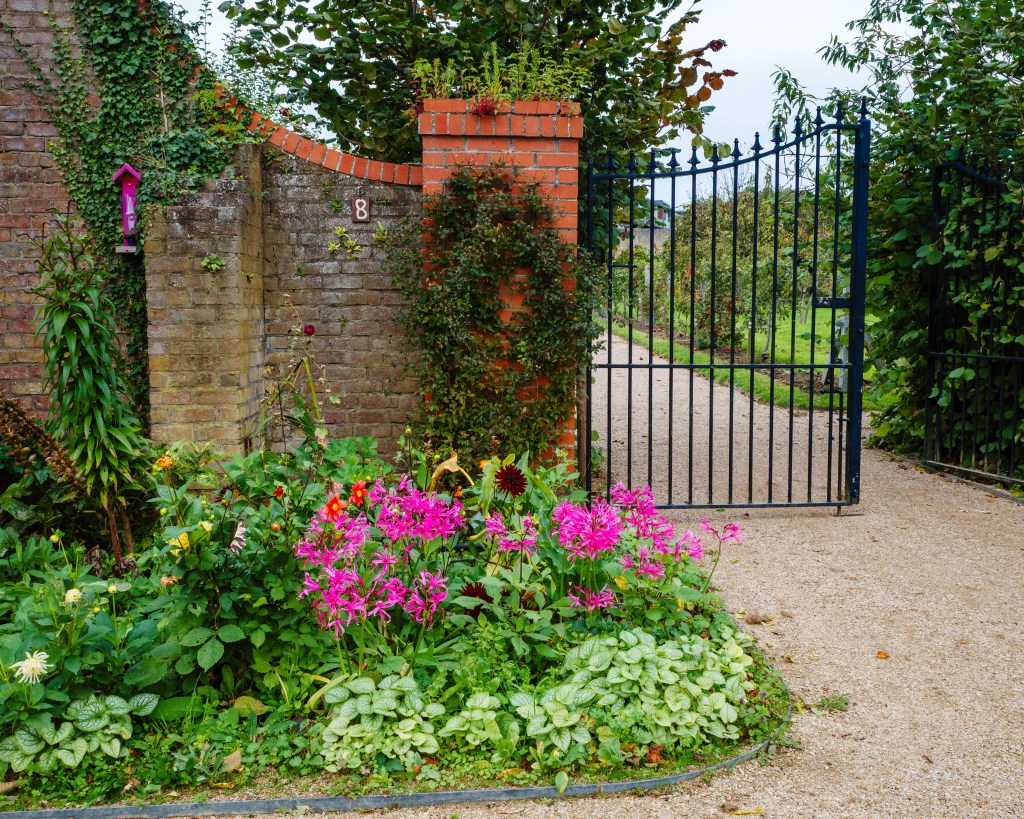
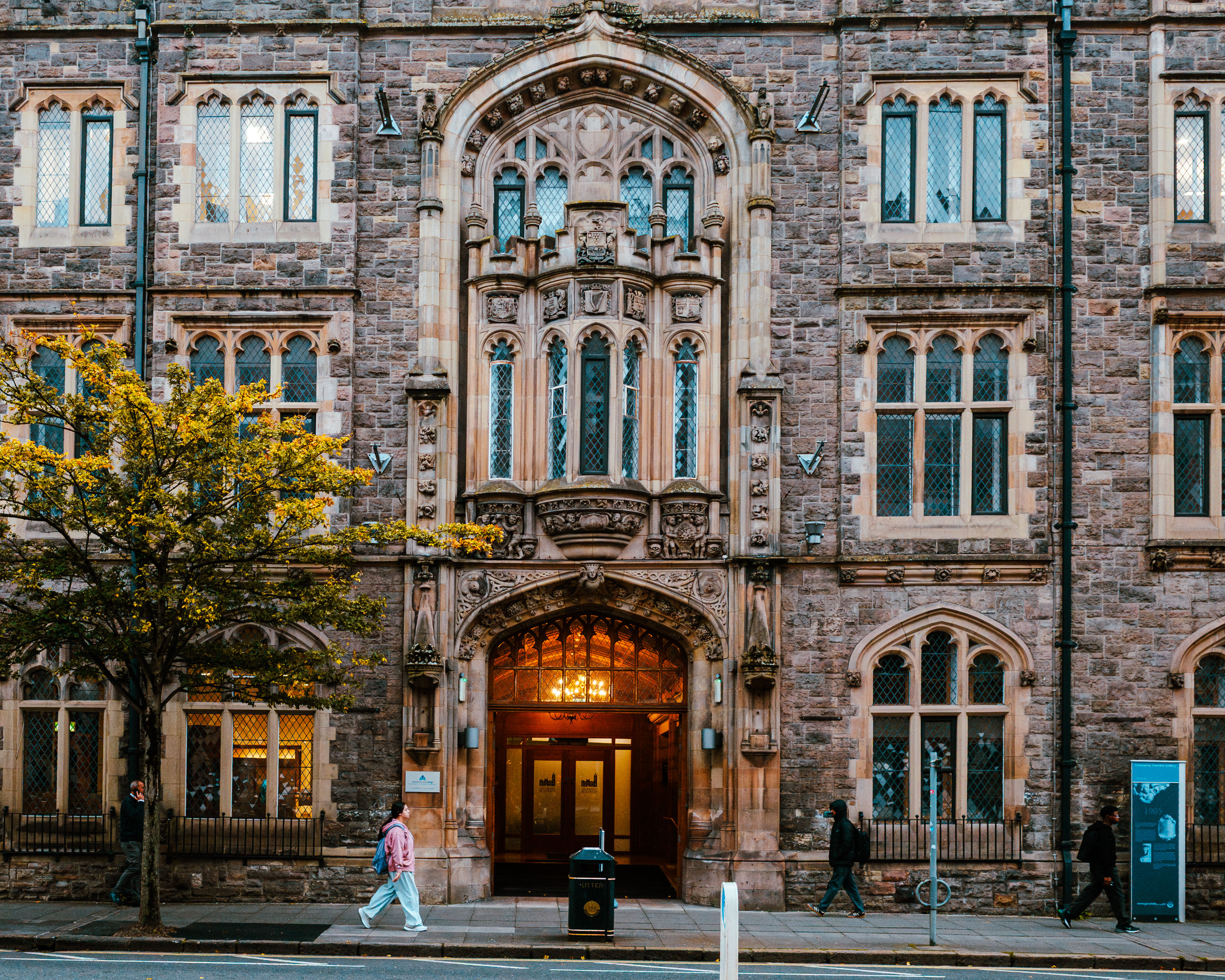
Let me share a few pictures from our short but impactful time in Northern Ireland. We’re very glad we decided to visit.

Final Thoughts

Ireland (the whole island) is an easy place to visit, and even better, to enjoy. We’ve found the locals to be welcoming, patient and engaging. We had fond memories of our first visit, so we were keen to return. The main cities, Dublin and Belfast, have very different histories, and that is reflected in the way each city feels as you explore on foot. In a few words, Dublin feels more intimate, warm and friendly. Belfast is more serious and stately. And perhaps due to a couple of peaceful decades, there is also a strong positive vibe in the city.

Until next time, be well and BE FAST!

Hello Vancouver!

CALL Health and Wellness Speaker Series

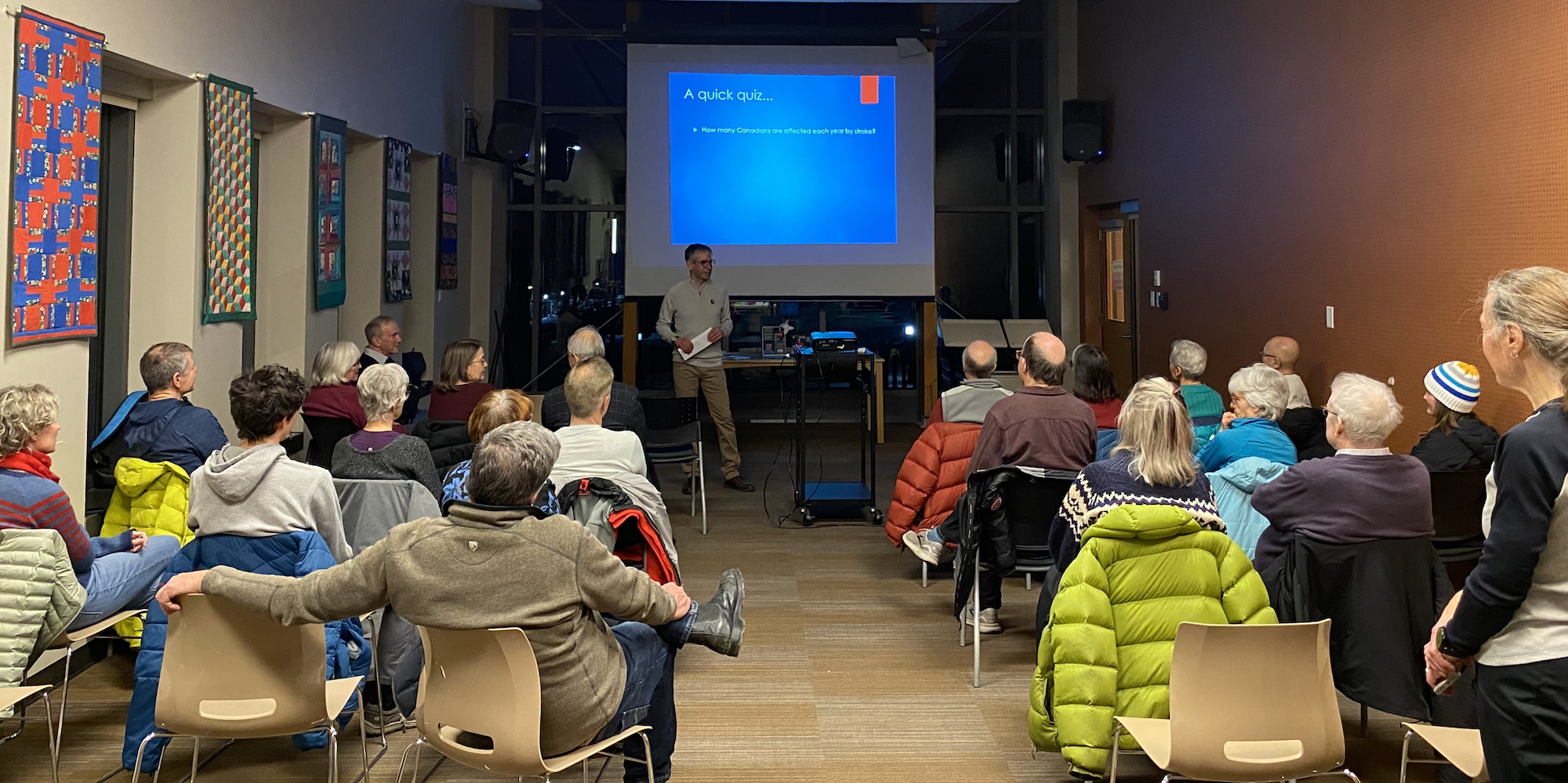
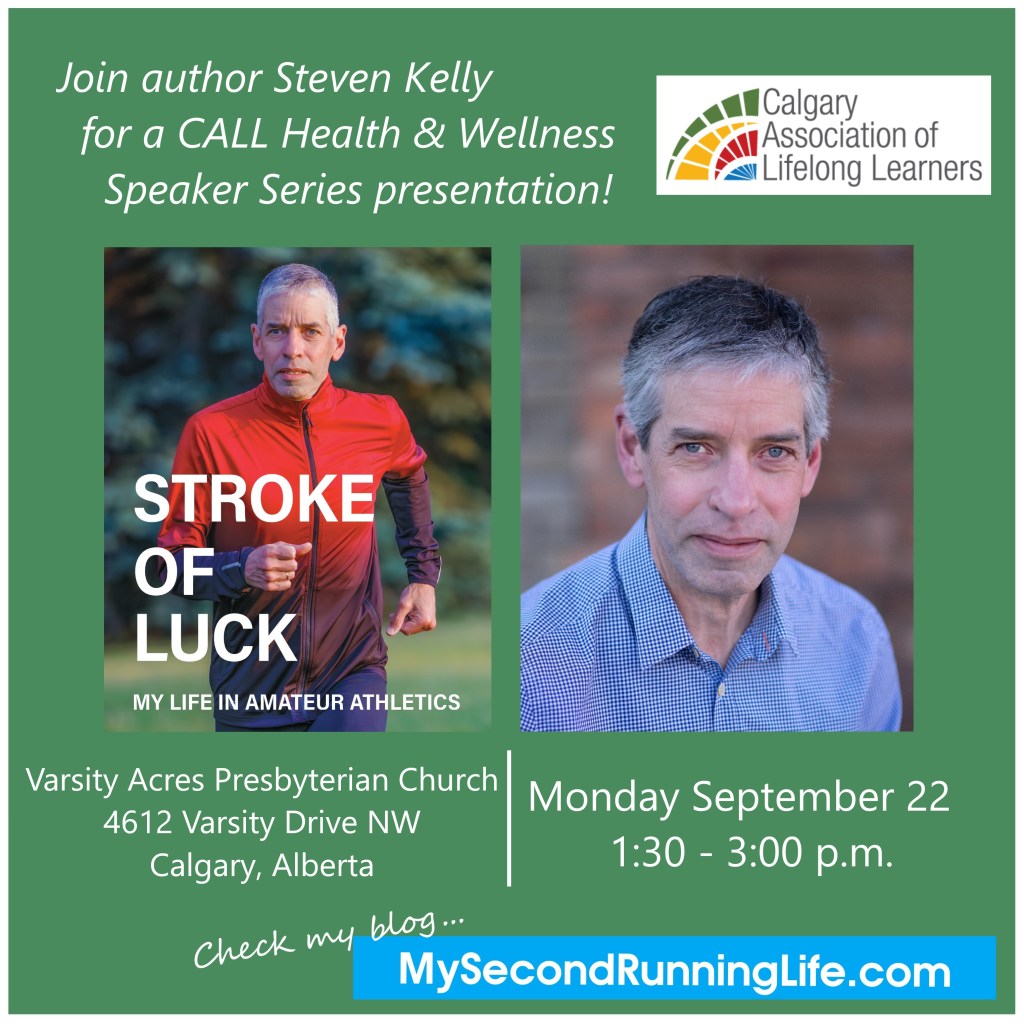
I’m thrilled to announce an upcoming event with the Calgary Association of Lifelong Learners. I’ll be doing a presentation of my memoir on September 22, 2025, at the Varsity Acres Presbyterian Church. See the details below.

The Calgary Association of Lifelong Learners (CALL) is a member-led, non-profit organization. Their mandate is to facilitate lifelong learning for residents of Calgary and area. Programs and activities are wide-ranging, focusing on arts and culture, society and politics, and health and science.

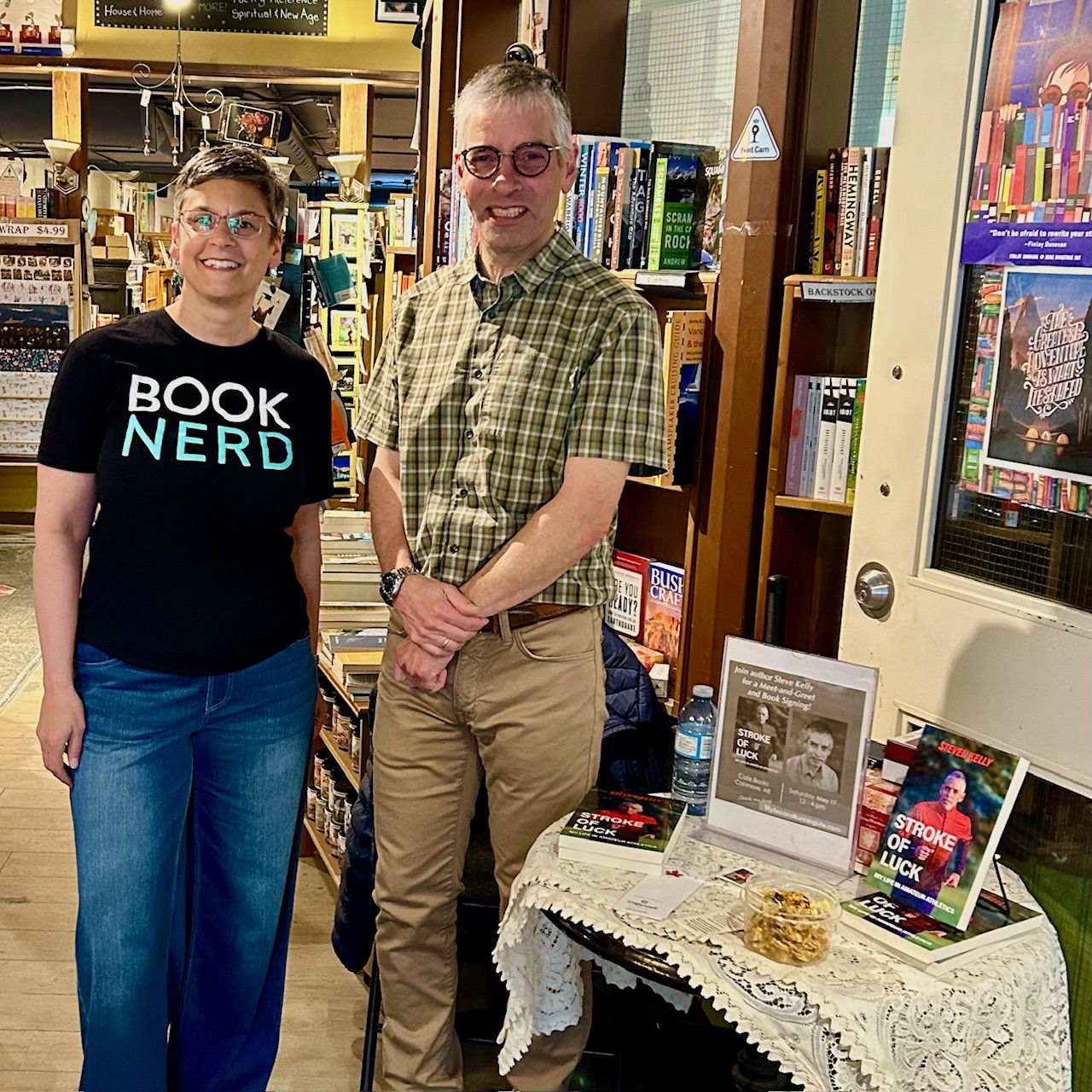
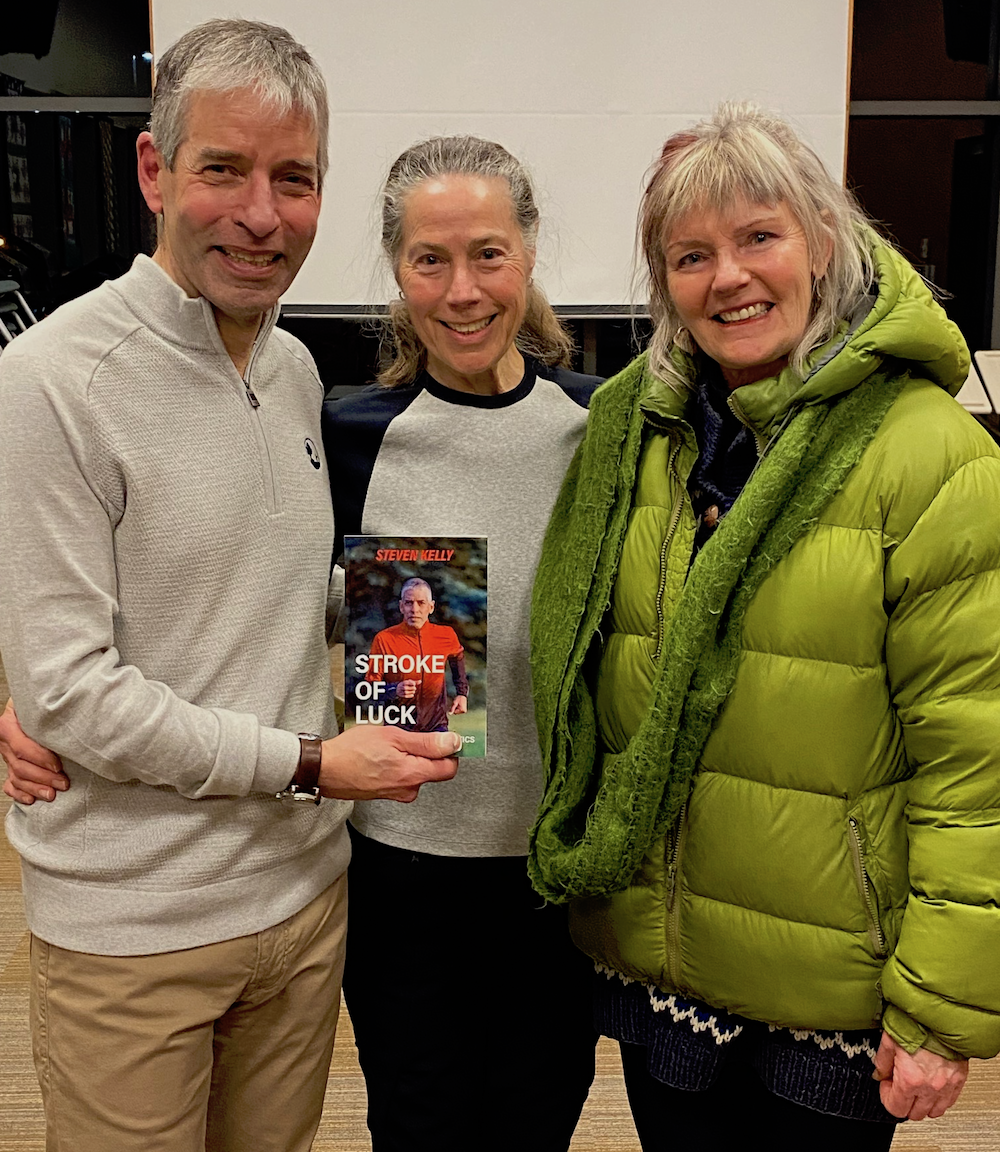
My presentation will be part of CALL’s Health and Wellness Speaker Series. I look forward to telling the story of my lifelong connection to the great sport of athletics and my recovery from a series of strokes in 2017. As my regular readers will know, I wrote about running, health, and recovery in Stroke of Luck: My Life in Amateur Athletics. The opportunity to meet with groups and clubs is by far the best part of this project. I’m gratified to be able to share my main messages:

  • The importance of an active lifestyle
  • Awareness of the full range of stroke symptoms
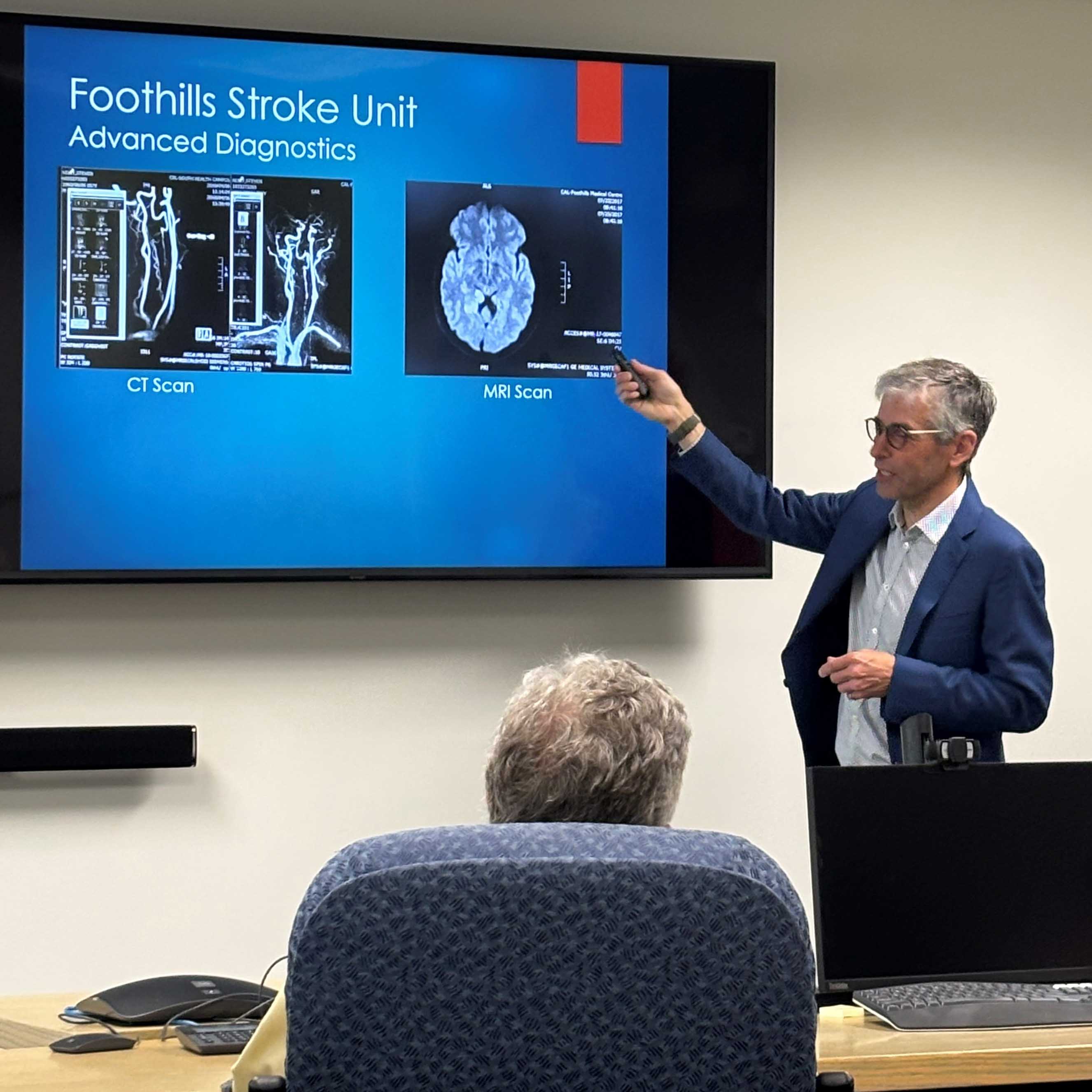
  • Raising funds to support the lifesaving work at the Foothills Stroke Unit

If you are interested in joining us on the 22nd, or if you’d like to find out more about CALL, please reach out to them here. I hope to see you then!

A Quick Visit to Vancouver

Our vacation planning this year has been somewhat ad hoc. That’s resulted in a series of short trips to some unexpected locations: Moose Jaw, San Diego, and Edmonton. But rather than being a problem, it’s been an opportunity. So much so that we are looking forward to doing more of the same in the months to come.

Last week, we decided to make an impromptu, short trip to Vancouver. There’s never a bad time to visit Vancouver, but our timing was especially good. We were in the city for two perfect days. While most of our trips to the city in the last few years have had us staying in Kitsilano or Yaletown—both fine locations—we opted for downtown this time. 

Deb suggested that we stay at the new Azur Hotel on W Pender Street. The Azur is one of the Leading Hotels of the World, and she was curious about it. We’ve enjoyed stays at several LHW hotels—the Azur is one of only a few in North America. It was a great decision. Everything about our stay was excellent. The hotel feels quaint, and it exudes style. The staff were amazing. They treated us like royalty. The amenities were excellent, and the included breakfast was delicious. 

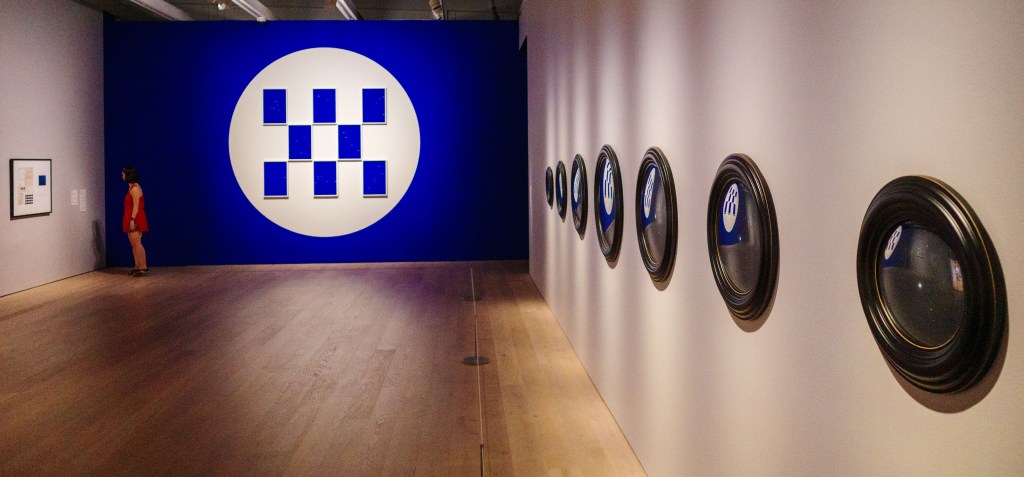
We enjoyed walking through Gastown and along the waterfront at Canada Place. Of course, watching the Harbour Air seaplanes taking off and landing is always fun. We took the SeaBus across Burrard Inlet to North Vancouver and checked out the latest exhibits at the Polygon Gallery. We both thought the large-scale astronomical photographs by Thomas Ruff, a German photographer, part of the current Star Witnesses exhibit, were a highlight.

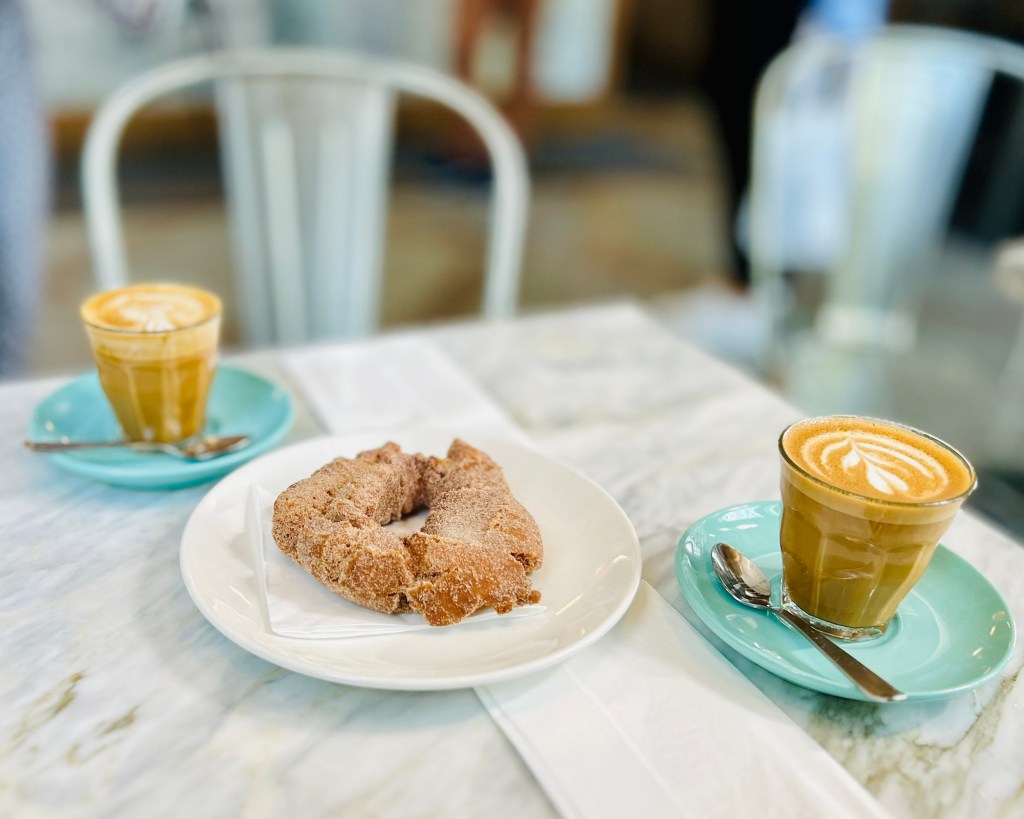
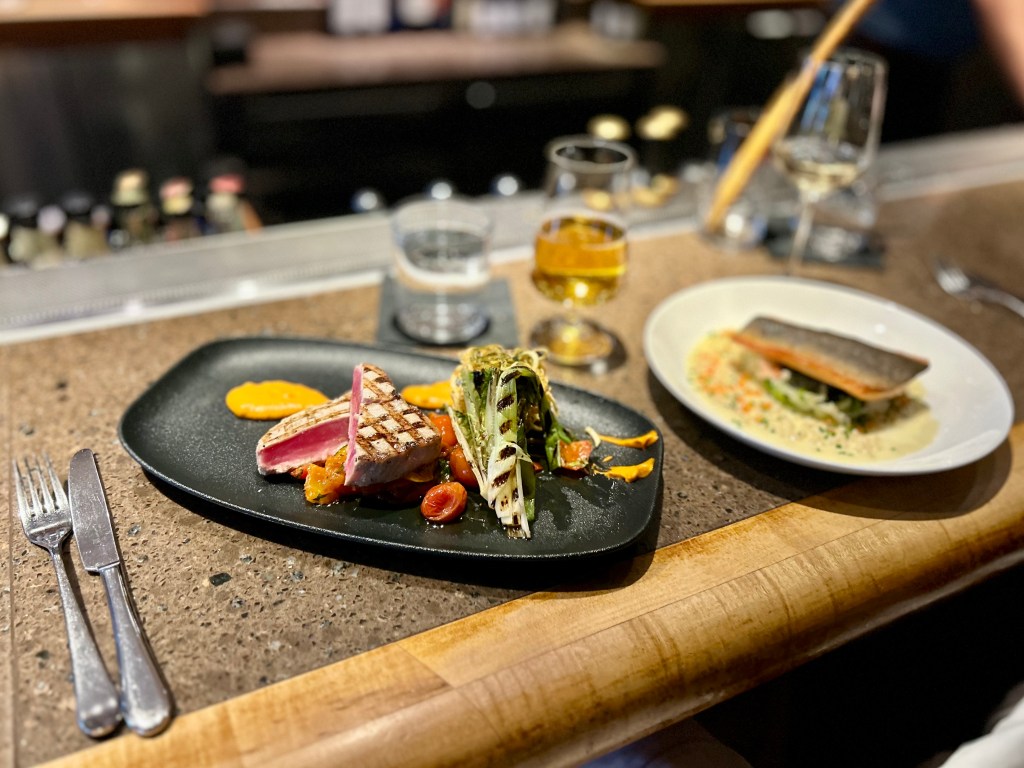
Food and drink? Well, you can’t go wrong with a coffee and doughnut from the 49th Parallel cafe on Thurlow, so we did that. And for dinner, we enjoyed a meal at the bar in the Blue Water Cafe in Yaletown. I had the Yellowfin Tuna, and Deb chose the Arctic Char. Both were delicious.

Some Vancouver Street Photography

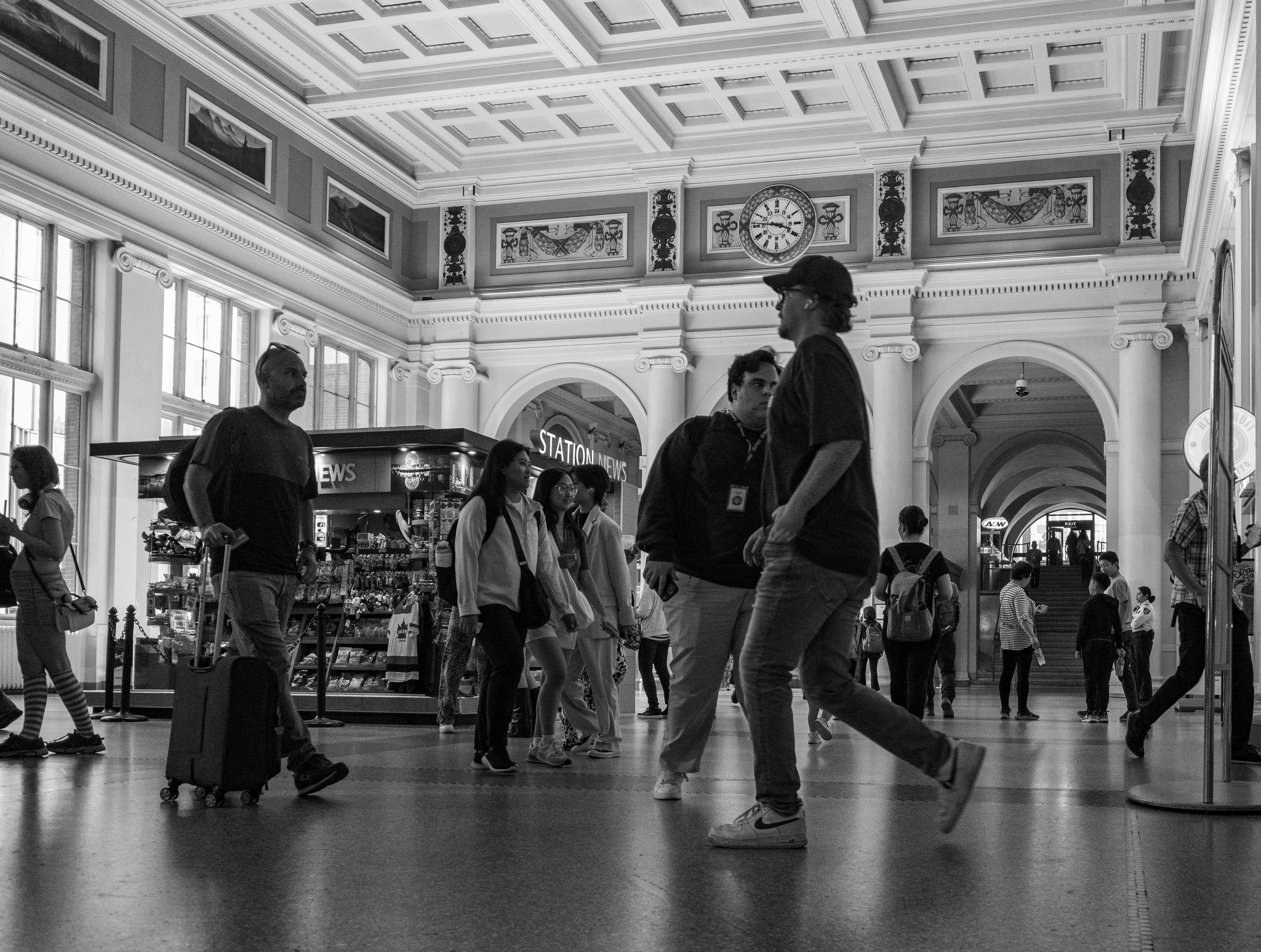
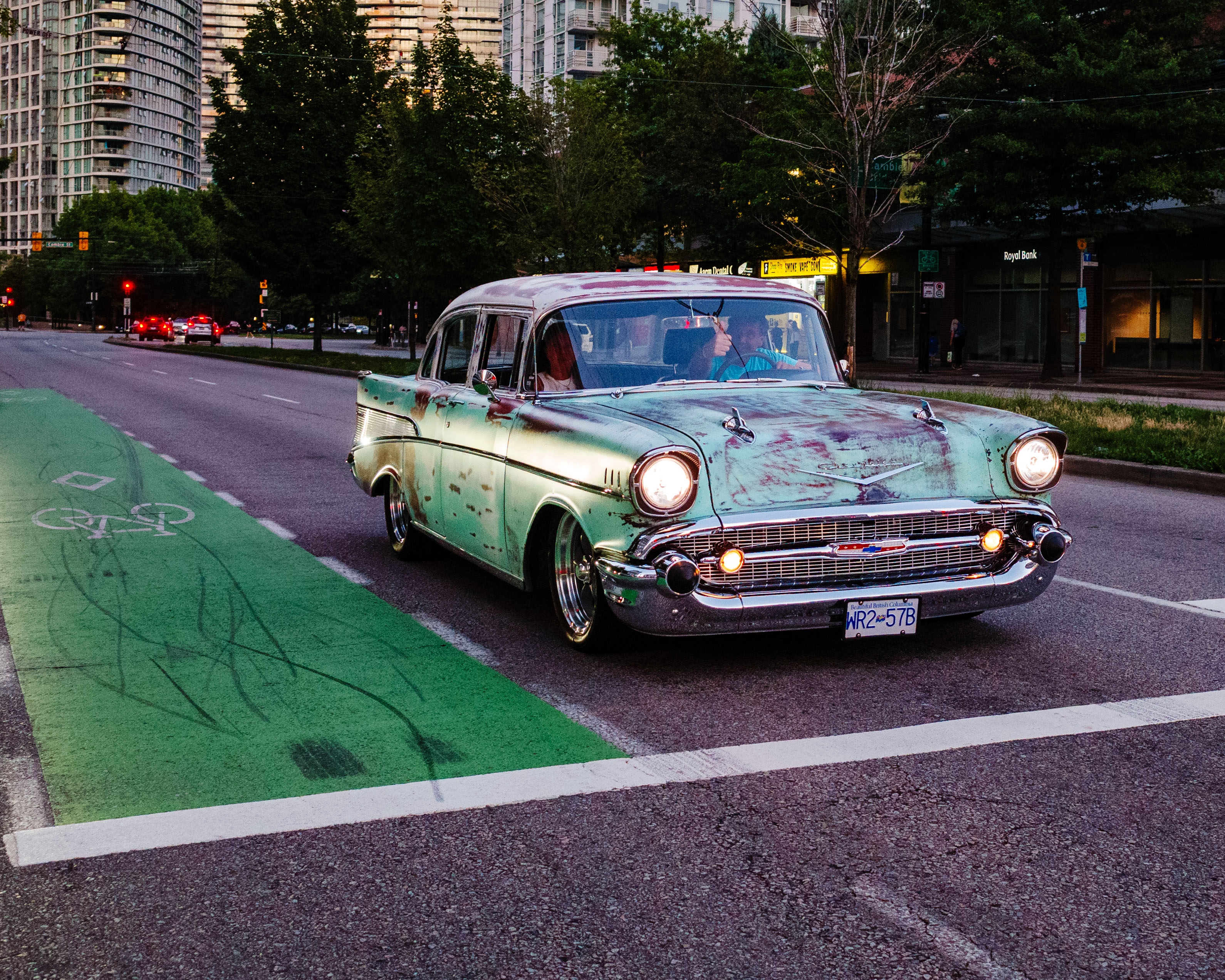
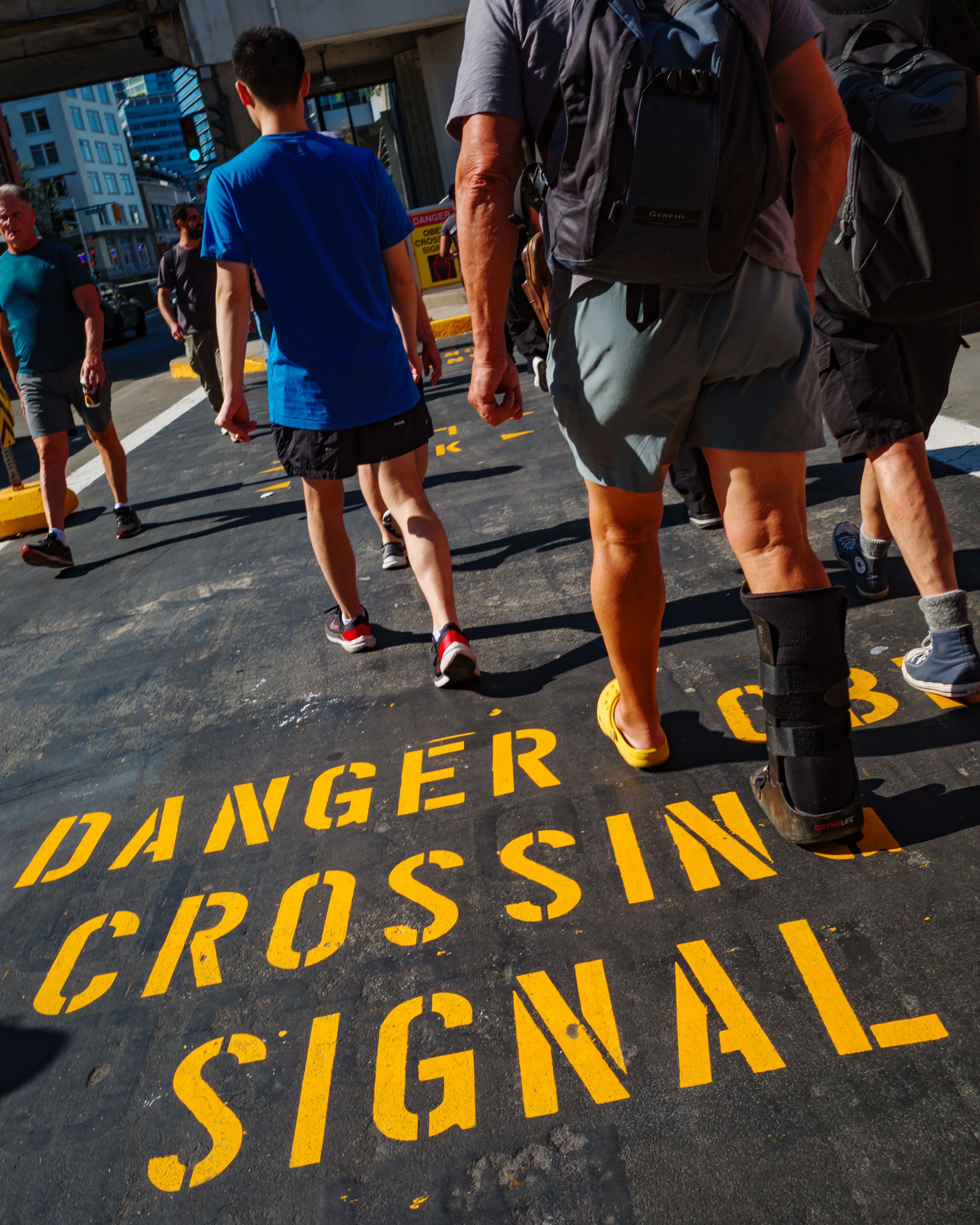
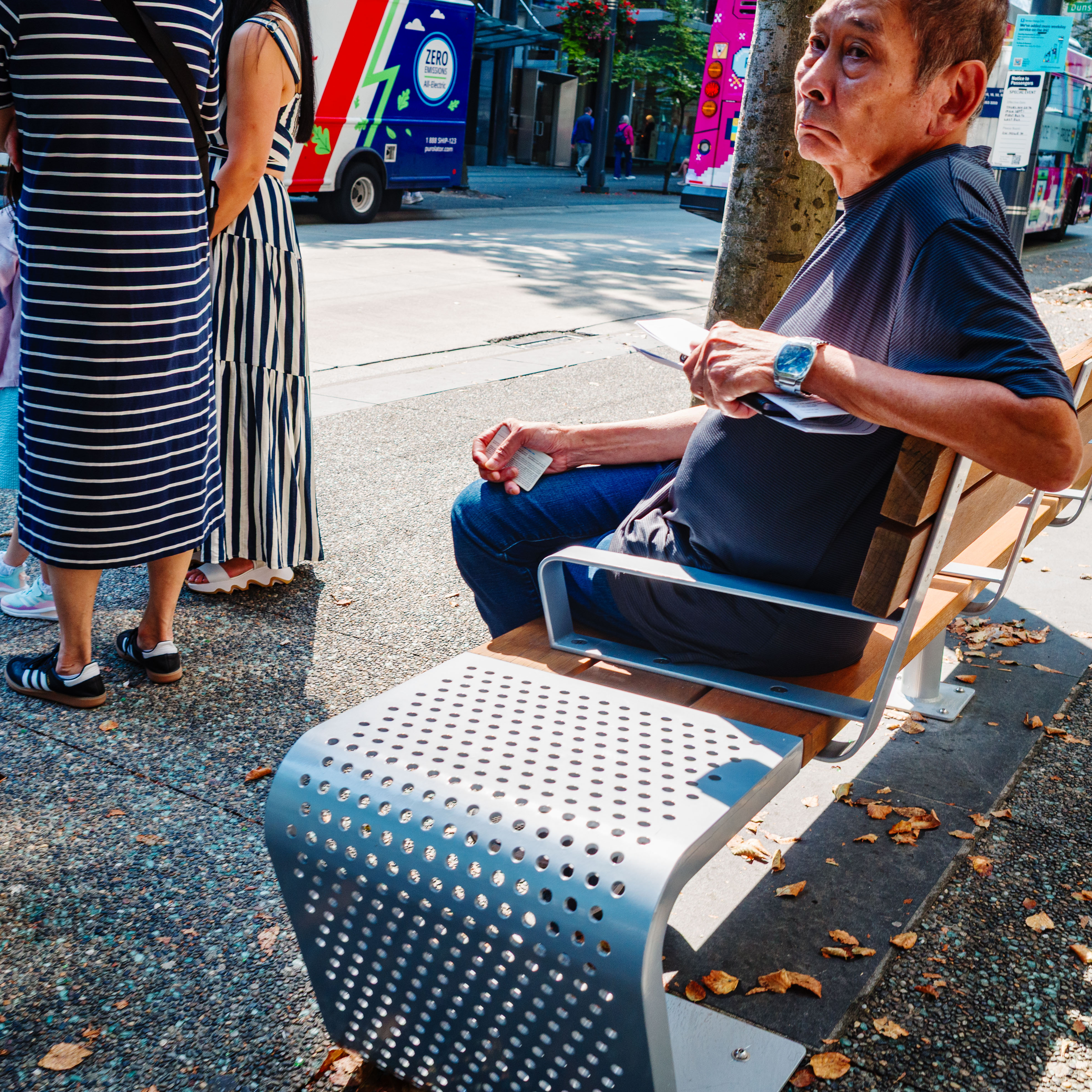
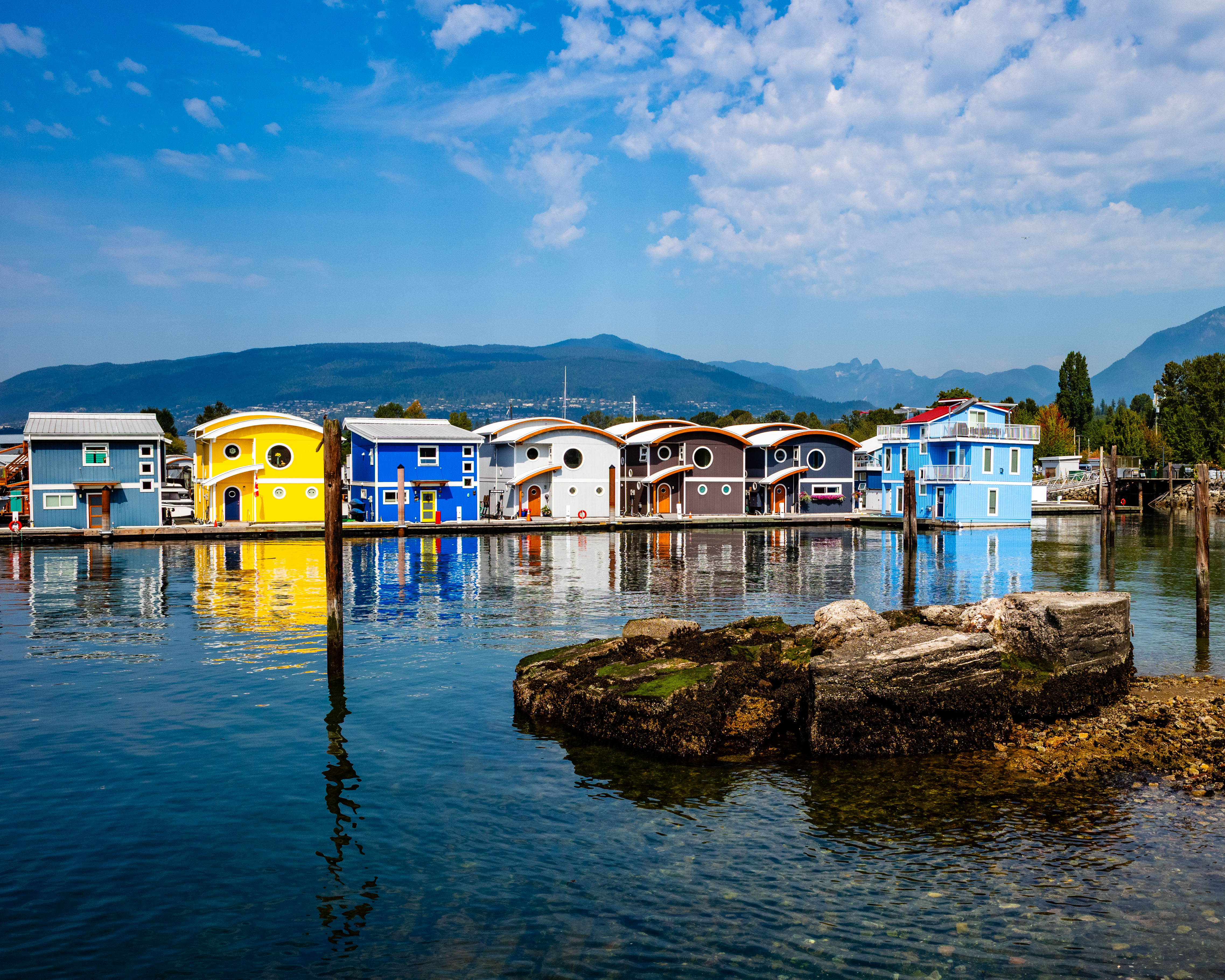
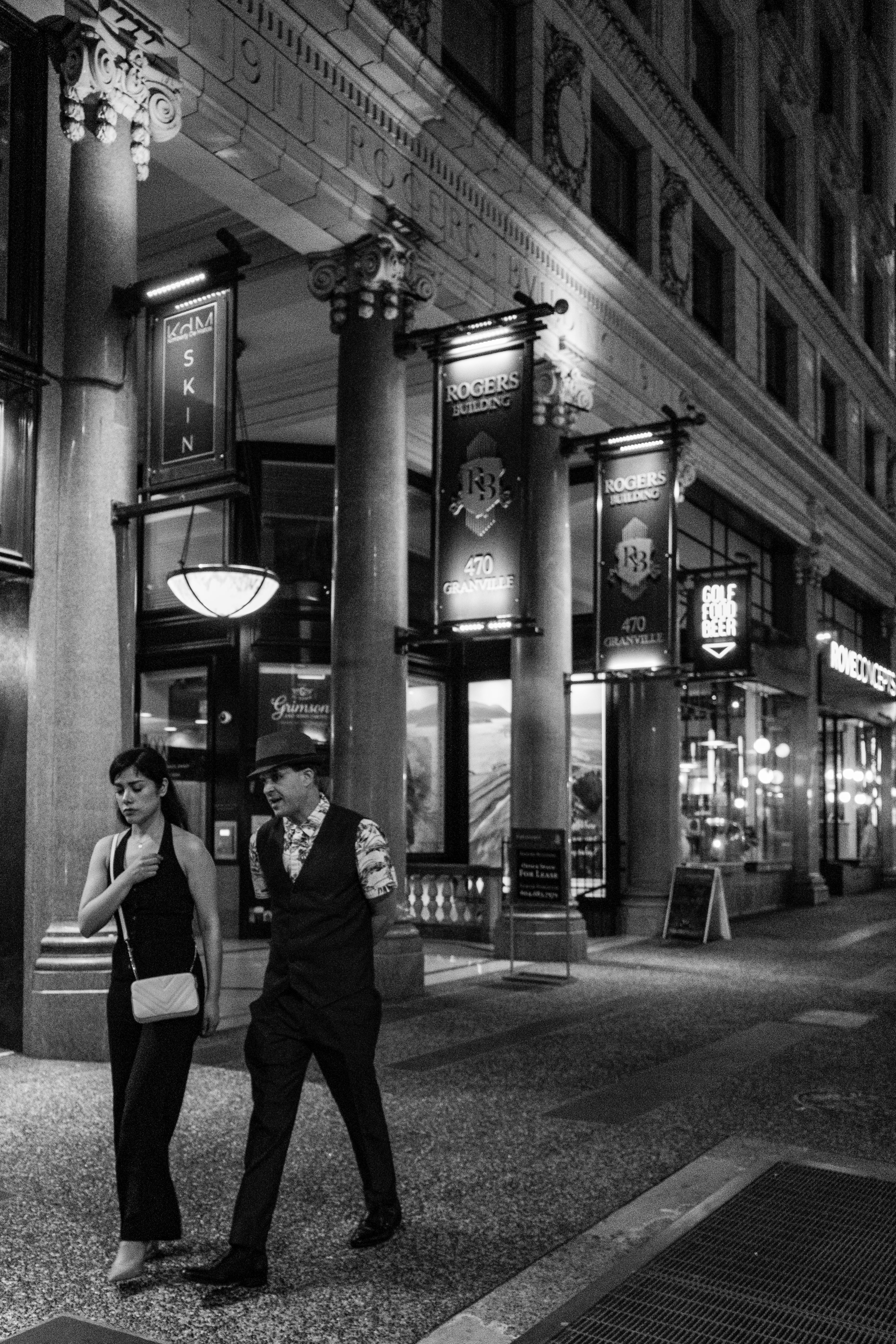
Now, it wouldn’t be an outing worth talking about if there weren’t a few photos to share. With my trusty Ricoh GR III in hand, I caught the occasional street scene. Here are some examples:

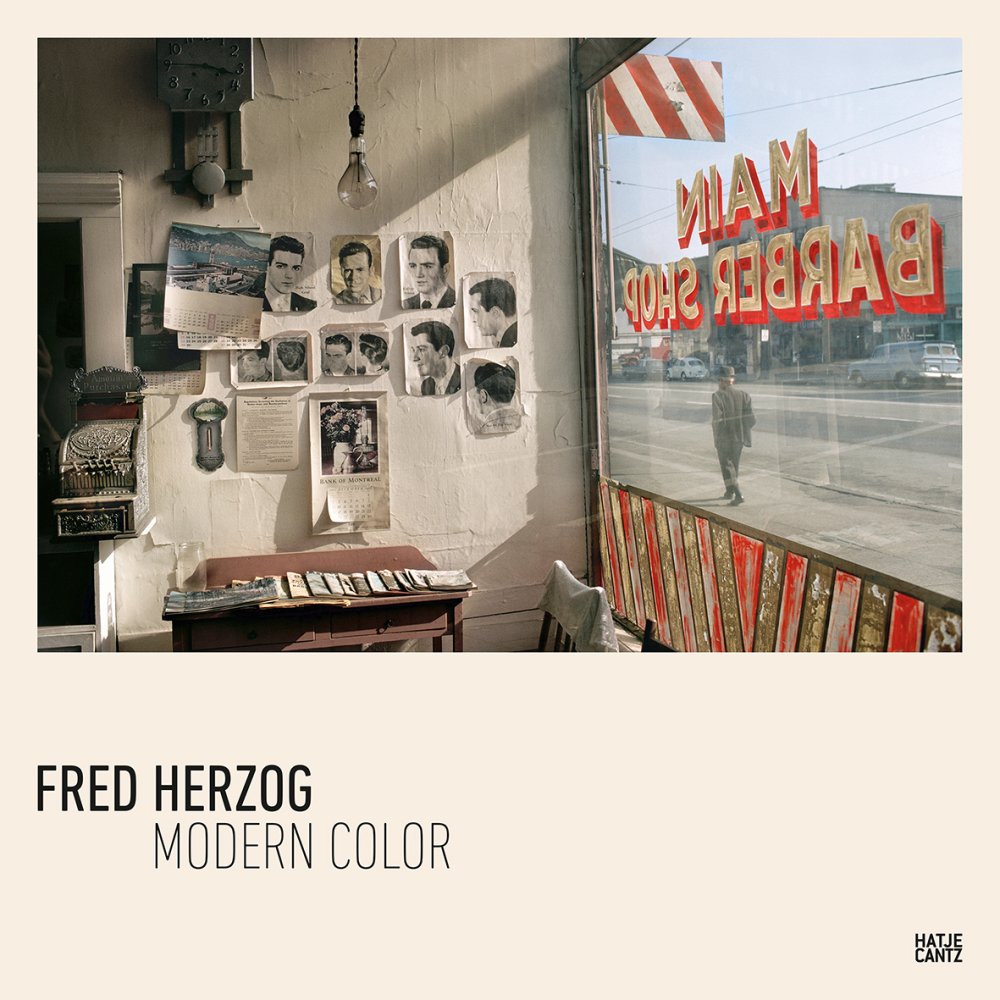
When we’re in Vancouver, we always think about Fred Herzog. For those who aren’t familiar with him, Herzog was a Vancouver-based photographer, active in the 1950s and 1960s. He’s one of our favourite photographers, and a source of inspiration when I’m walking the streets of Vancouver. Herzog mainly shot with a Leica rangefinder using Kodachrome colour film, and his photographs reveal much about the character of the city during that era.

Although it isn’t fair to say Herzog was unknown during his lifetime, his work is really only getting the credit it deserves now. That’s due in large part to the efforts of the Equinox Gallery in Vancouver and the Trepanier Baer Gallery in Calgary. Here’s the cover of Fred Herzog: Modern Color. It’s a superb collection of Herzog’s photographs, published in 2017 by the Equinox Gallery. The image on the cover happens to be my favourite Herzog photograph.

This gives me an idea for a new blog series: My Favourite Photographers. I think Fred Herzog will have to be my first subject. Look for that soon! 

While writing about the GR III, I’ll mention that Ricoh has just announced the GR IV (and discontinued the GR III). I’m definitely interested, although it might be said that on first glance, the specs are only marginally better than my current one. That said, my camera is now four years old, and I’ve noticed that it seems to have accumulated a lot of dust on the sensor. This problem is a known issue for the GR III. I thought I had avoided the problem until I looked closer at my shots from Vancouver. I probably shouldn’t be surprised, given how I handle (mishandle?) this camera on my photo runs. C’est la vie!

On that note, I’ll sign off. Thanks for reading. Until next time, be well and BE FAST!
Edmonton Marathon Report

In what has already been a memorable year for racing, the 2025 edition of the Servus Edmonton Marathon may have delivered the most excitement. And I haven’t even been racing!

Deborah and I decided to make a quick weekend trip to Alberta’s capital city for a couple of reasons, the main one being a chance to see Dan race in the Half Marathon. For a short time, I entertained the idea of signing up for the 5k—that was until my dodgy Achilles decided the matter for me.

It was a thrilling weekend. We enjoyed soaking up the atmosphere around race headquarters at the Edmonton Convention Centre. It was also a busy weekend, with various festivals going on around the city, in addition to the race. We had forgotten how lush and green the Edmonton river valley is.

To the action

All the distances at this year’s 34th edition of the event were popular. Across all the races, more than 8,000 runners signed up. On a perfect day, sunny but not too warm, 1,200 runners started in the main event, the Servus Marathon. The Healthcare Solutions Half Marathon was the biggest event by far, with over 3,000 runners toeing the line for the 7:45 a.m. start. By the way, the HM served as the Canadian championship race, so the field was big and the elite field was very deep. The Army 10k took place later in the morning, with a field of 1,800 runners, and the Family 5k Fun Run rounded out the day.

Dan competed in the HM with the Canadian Armed Forces CISM Elite Running Team. For those unfamiliar with CISM, it’s the Conseil International du Sport Militaire, or the International Military Sports Council. Founded in 1948, CISM is one of the largest multidisciplinary organizations in the world. CISM organizes various sporting events for the armed forces of its 142 member countries.

Canada’s armed forces are active in many sports through CISM, and each year the athletics team is one of the largest. In Edmonton, 13 CISM runners competed in the HM and 10k, and they all turned in excellent performances.

My vantage point on Jasper Avenue was ideal for photographing the action on the fast out-and-back course. The bright sunshine created both opportunities and challenges behind the lens, but I did manage to capture quite a few worthy shots. The finish in the men’s race was as close as you can get, with Rory Linkletter nipping Cam Levins at the wire, in just under 63 minutes. Lauren McNeil of Great Britain took the women’s race in 1:11:25. My Adrenaline Rush Athletics teammate, Jen MacPherson, won the F55-59 age group, in a very speedy 1:38:35, as she builds to a fall marathon. Well done, Jen!

Here’s a sample of photos from the Half Marathon:

The men’s Marathon was won by Alberta running legend, Kip Kangogo. On the women’s side, Kristen Spady was the winner. The 10k didn’t disappoint, with lots of fast times and great competition. The winners were Courtney Hufsmith in the women’s race and Yahye Mohmaed Jama for the men. Another Adrenaline Rush athlete, Gord MacPherson, ran his goal time of 54:58 while balancing his training with his other summer passion, golf!

A few more snaps from the 10k and marathon:

The CISM Team rocks!

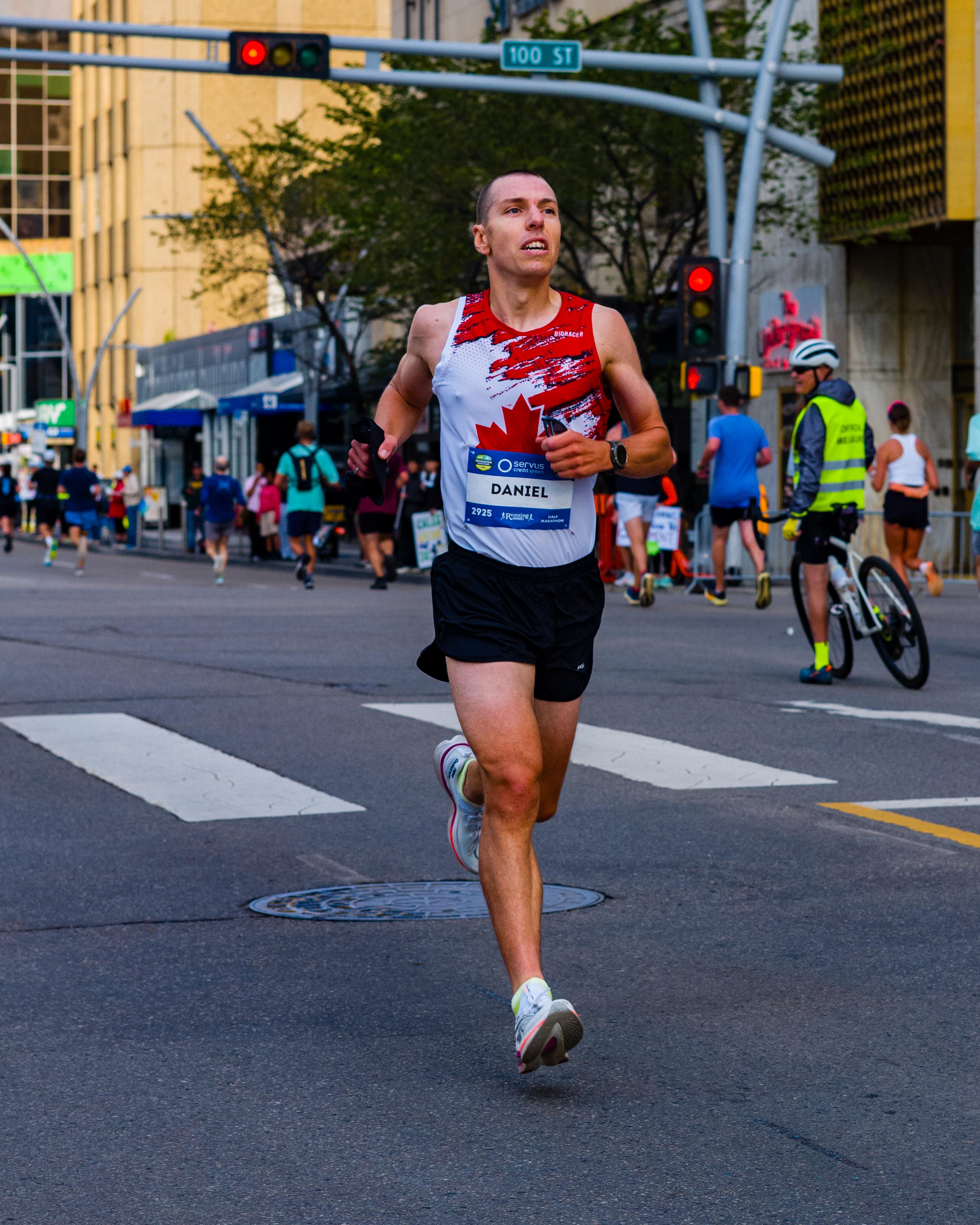
Having Daniel and his teammates involved added a whole new dimension to our spectating. Fortunately, there was also plenty to cheer about. Our task was made easier because we could pick out the distinctive red and white singlets from a long way off. Here’s a small sample from the many impressive performances recorded by CISM racers on Sunday.

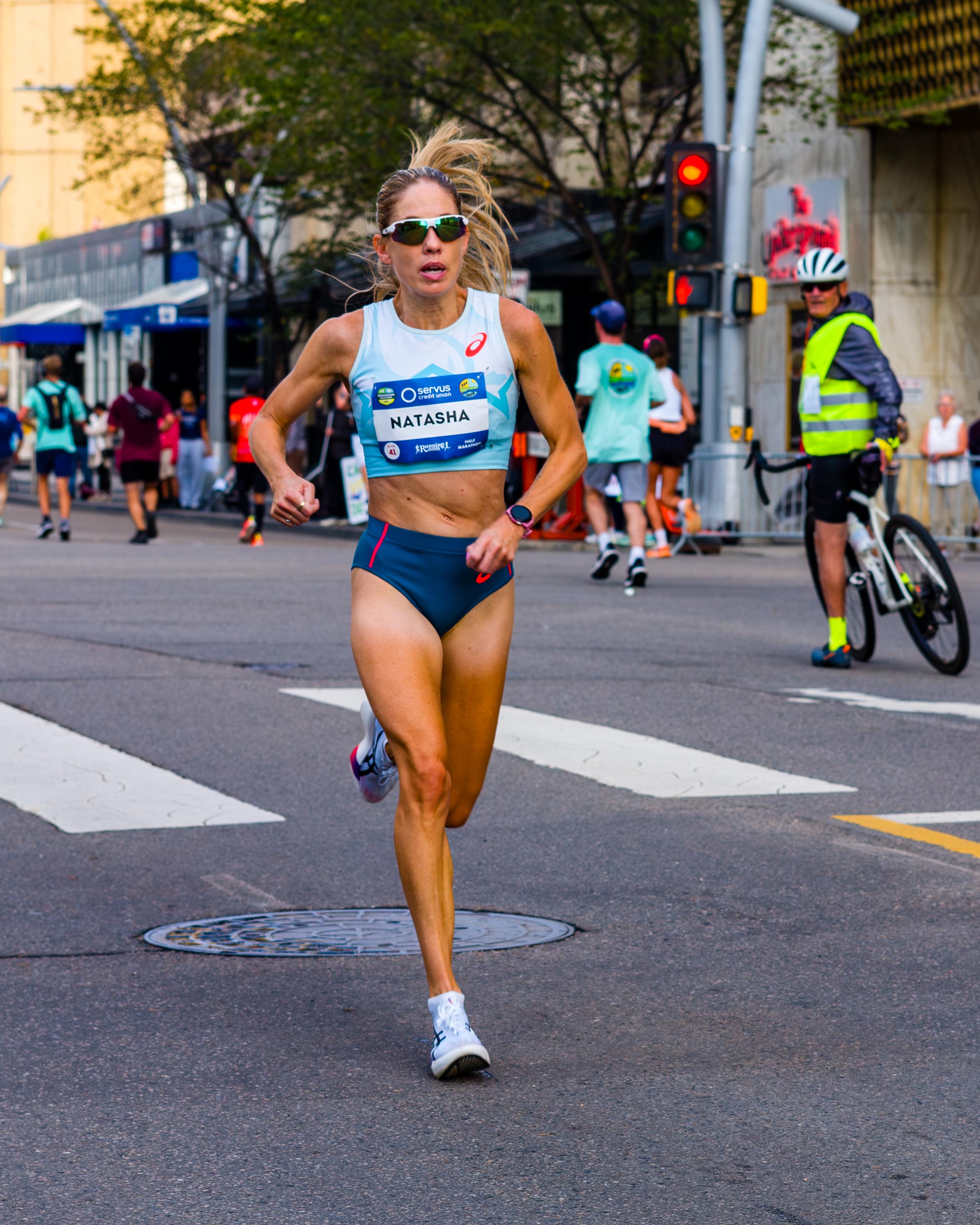
Now, I can’t move on to my final subject before mentioning one story that came out of the Half Marathon. To set the scene, Daniel (@stridesandsummits) started strong for the first third of the race, but felt he had more to prove. As it happened, he met up and teamed up with Canadian marathon record holder, Natasha Wodak. For the rest of the race, they worked together to crush their respective goals: Natasha took home the Canadian Half Marathon title (1:11:40), and Dan notched a solid PB of 1:11:35. Way to go, Daniel and Natasha!

Natasha Wodak powers to the Canadian title!

Yes, there is a personal connection!

It seems I have a connection to a lot of races, and that includes the Edmonton Marathon. Deb and I moved to Edmonton in the dark, cold days of December 1984. By the summer of 1986, I was confident enough to sign up for what was then called the Northlands Klondike Marathon. I recall it being a short-lived effort to get a marathon going in the city.

This was my third attempt at the distance. My previous efforts had been less than successful, based on how dissatisfied I was with my performances. Things did turn out a little better for me on this warm July day. I finished 19th out of 139 finishers, running for the Edmonton Roadrunners—check out the vintage singlet. My time of 3:01:27 was tantalizingly close to the magical 3-hour barrier. Looking back, I figure the heavy New Balance 990s I wore must have cost me about 5 minutes—not exactly supershoes!

So there you have it. Another eventful day at the races. For those of you who ran, congratulations! For anyone thinking about it, the Edmonton races are now a solid fixture on the Alberta race calendar. See you there in 2026?

Until next time, be well, and BE FAST!

Moose Jaw Delivers!

Are there certain places you’ve heard about your whole life? Places you’ve wondered what it might be like to visit? Over the weekend, we made a visit to one such mysterious and notable place: Moose Jaw, Saskatchewan. This is a place that everyone seems to have heard about. After all, it’s a name you remember.

For Deborah and me, there have been tenuous connections to Moose Jaw over the years: family, friends, work colleagues who hail from there. More recently, and more directly, our son Daniel has been stationed in Moose Jaw as an RCAF pilot trainee.

As for initial impressions, Moose Jaw seems to have the whole range covered. You see, the city’s former motto was The Friendly City, but that has been changed to Canada’s Most Notorious City. Hmmm. This was clearly another reason to visit. So we did. And we are very glad we did!

First, that name

This city of 33,000—the fourth largest in Saskatchewan—is located at the confluence of the Moose Jaw River and Thunder Creek, about an hour west of Regina.

The name Moose Jaw is said to come from a phrase in the Cree language, which translates to “warm place by the river”. This phrase likely refers to the sheltered valley where the city is located. Alternatively, the name may have come from the resemblance of the river’s shape to a moose’s jawbone. Whatever the origin, the name is anything but ordinary.

Moose Jaw was a historically important location for the economic development of western Canada, as it was a key railroad hub for the Canadian Pacific Railway. With its wide downtown streets and early 20th-century architecture, it gives the impression of a city that enjoyed some influence.

What we liked

In short, almost everything!

We stayed in the stately Grant Hall Hotel, right on Main Street. In no time, we discovered lovely Crescent Park, a few steps from the hotel. We crossed the street to the bustling Himawari Sushi restaurant, where we enjoyed an excellent dinner. It was delicious, maybe more so because it was so unexpected.

After dinner, we walked a few blocks down Main Street in persistent rain. We noticed the many architectural gems—City Hall, the Capitol Theatre, the CPR train station. This is a city with a rich history. We retired to the hotel and crossed our fingers for a break in the weather, as we had a busy schedule for the next day.

We lucked out in the weather department, although Saturday morning brought a smoky sky due to nearby wildfires. Fortunately, it wasn’t bad enough to put a crimp in our plans. We met with Dan and got a tour of the 15 Wing Air Base. That meant a chance to take in some aviation action up close. We walked through the CT-156 Harvard II hangar and watched a few planes taking off and doing maneuvers. We also peeked in at the simulators and the training rooms. Very cool!

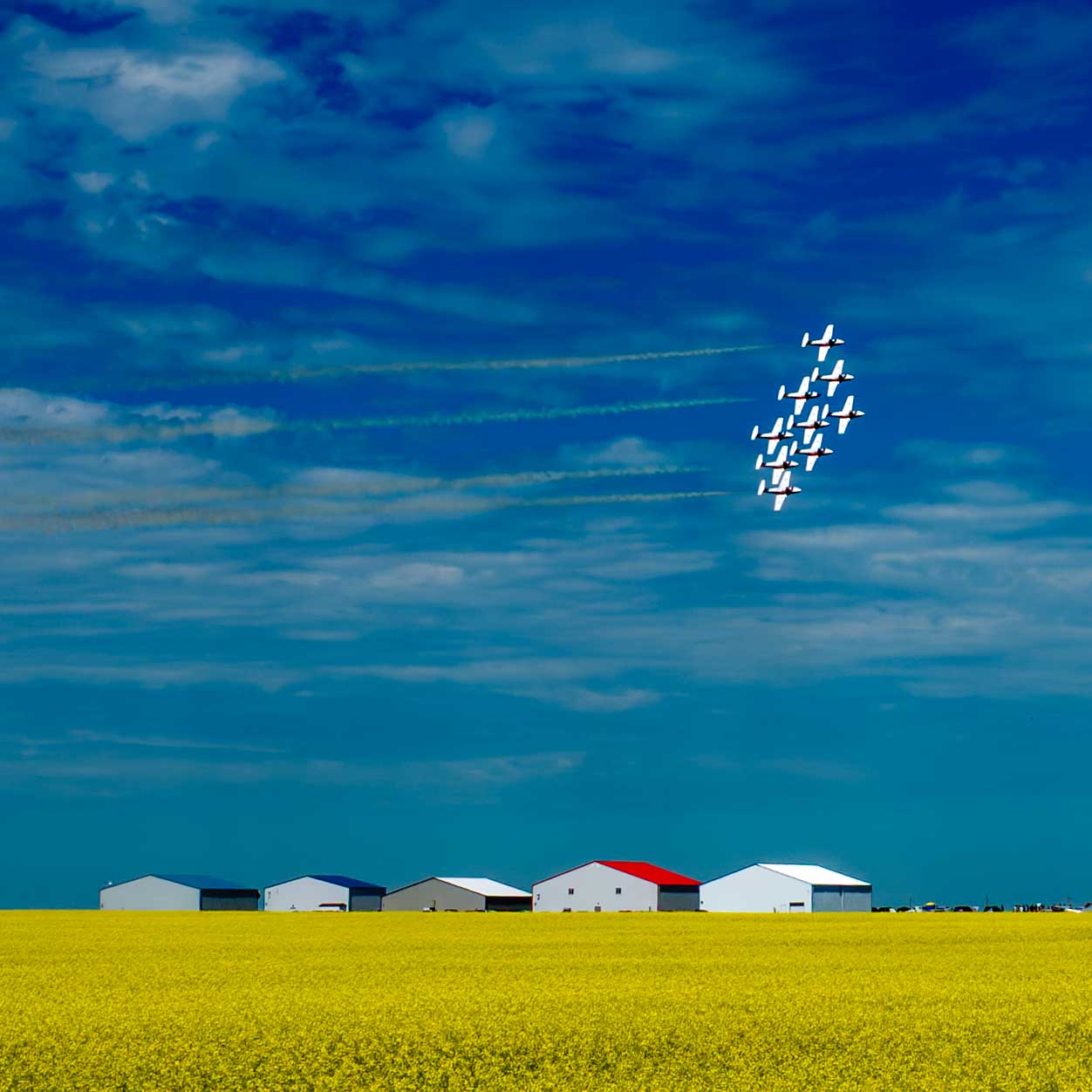
One of the highlights of our visit was an aerobatic display by Canada’s Snowbirds, the famous flight team of the Royal Canadian Air Force. Officially, they’re known as the 431 Air Demonstration Squadron, and Moose Jaw is their home base. We enjoyed 20 minutes of thrilling formation flying from the perfect viewing location that Dan had scouted out for us. It was breathtaking!

There was more—more great meals, more sightseeing, more history. We did touristy things, like the Tunnels of Moose Jaw Chicago Connection guided tour. (The city’s possible connection to the gangster Al Capone is where its “notorious” reputation comes from, by the way.) The tour was good fun.

We did artsy things, like the impressive Moose Jaw Museum and Art Gallery. Then, as the sun was setting, we found a couple of beautiful locations for photos, like these taken under the Thunderbird Viaduct (also known as the 4th Avenue Bridge).

Even a Photo Run!

I came prepared for a short photo run while I was in town. So, with the prospect of a warm day ahead, I got up early and jogged some of the downtown streets. What I found was more pleasant surprises.

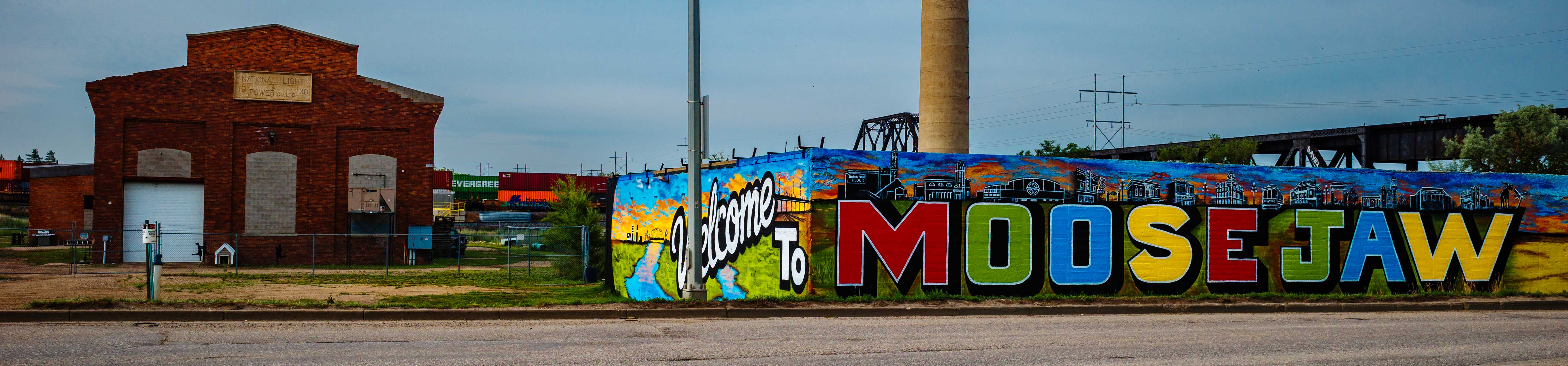
I ran by the historic 1932 Natatorium in Crescent Park—today we would call it a pool. I found some murals in the downtown area. And I checked out the imposing Parrish & Heimbecker grain elevator, adjacent to the rail line just off High Street. All before breakfast!

Here are a few more photos, taken in and around downtown Moose Jaw. There was no shortage of photo opportunities!

Wrapping up

We couldn’t help but feel that we should have visited Moose Jaw years before. As we grudgingly headed west for home, it was with a feeling that we had found a real treasure on the prairies. We would welcome the chance for another visit, if we should be so lucky.

Before we left town, we had to visit Mac the Moose, the city’s mascot. Even here, we found a story. You see, in 2019, Mac lost his title of “world’s tallest moose” to Storelgen, a steel moose sculpture in Stor-Elvdal, Norway. Not to be outdone, the citizens of Moose Jaw rallied and constructed a new set of antlers for Mac, to ensure he could once again proudly guard the eastern entrance to the city. (To be fair, Mac’s initial pair was pretty wimpy. And to avoid an international incident, I will keep my comments about the relative merits of each sculpture to myself…) But I will say, congratulations to Mac and the whole city!

Until next time, be well and BE FAST!
Favourite Hikes: Cory Pass/Edith Pass

I’m back with another entry in my series of Favourite Hikes. This time, I’ll describe an incredible hike in Banff National Park that is somewhat of a hidden gem. The Cory Pass/Edith Pass circuit is both challenging and scenic. It offers a full experience, with varied terrain and some unusual geological formations. And maybe best of all, it manages to be both close to the Banff townsite AND not overrun by visitors.

I did this hike in July 2021. It was a long but extremely satisfying day in the mountains with my friends Peter and Tim.

Cory Pass/Edith Pass Overview

We have many hiking guides around our house, and the consensus among them is that the Cory Pass/Edith Pass circuit is well worth the considerable effort it requires. Most guides suggest doing the route as a circuit, to introduce some variety on the return leg. Out-and-back options are obviously available depending on weather, skill level, or one’s own preferences.

The other question to ask, if you’re considering this hike, is the direction to do the circuit. We followed the more popular clockwise direction, and this makes sense because it puts the steep ascent up front. It’s usually easier to climb than to descend steeply.

Here’s the Strava record of our hike:

A few things will be clear from this summary. The hike is essentially a circumnavigation of Mount Edith. It’s long and with considerable elevation gain. We did some extra hiking and climbing during the day, so our figures are inflated compared to the basic route. Most descriptions put the circuit at about 14 km and 1,000 m of gain. Timewise, our outing was in the range of most estimates, which are 5-7 hours for the circuit.

Be aware that the north side of Mt. Edith involves some slogging on scree slopes, and the route can be a little hard to find on the return leg where the trail heads back into the forest. It wasn’t an issue when we did the hike, but snow can make the trail impassible until mid-summer. If you plan accordingly, the hike is well worth the effort.

Outbound to Cory Pass

Shortly after departing from the Fireside Day Use area—a quick drive from Banff and a worthy picnic spot—the trail splits to form the Cory Pass/Edith Pass circuit. And the climbing starts immediately after turning left for Cory Pass. There are good views of the Banff townsite and Mount Rundle, but mostly this section is about gaining elevation, and quite relentlessly, for a few kilometres along the south ridge of Mount Edith.

The grade moderates onto a long, dry traverse of the base of the mountain. Mount Cory is on the left. Even though the trail is narrow and exposed in spots, it never creates any significant challenges. For some reason, possibly my aching quads, I have no pictures from this part of the hike. Fortunately, here are a couple of shots taken along the traverse, courtesy of the Hike the Canadian Rockies website.

Finally, after about 6 km of effort, the col at Cory Pass is reached. The elevation is 2,350 metres. Here, the views are spectacular.

Gargoyle Valley

Descending steeply from Cory Pass is a scree trail between Mount Edith and Mount Louis—a jagged, dogtooth peak which looms large on the horizon. This section of the hike was the highlight for me, because of the variations in scenery. Otherworldly geological formations, the “gargoyles”, give the valley its name.

We enjoyed a leisurely lunch and did some exploring in and around the large rock pinnacles. Marmots enjoy sunning themselves on the high flat tops of the formations.

Once past the gargoyles, there is a long slog across a scree slope on the north side of Mount Edith. Finding the trail is never in doubt but the footing can be tricky in spots—poles are a must here. Gaiters too! A large boulder field marks the end of the scree trail. Again, the trail is easily found through the boulders.

Inbound via Edith Pass

Once you’ve picked your way through the boulder field, and enjoyed one last view of Mount Louis—now behind you to the north—it’s important to pay attention to find the return trail. We made one brief false start. The path becomes obvious if you look and hike upwards. There is a sign where bare slopes give way to the treeline.

The last 3 or 4 km of the trail are on a gradual decline through a dense forest. The mosquitoes and the noise of the highway were what I remember most in this section. To be honest, the exit trail is rather anticlimactic after the impressive sights we experienced earlier in the day. As is often the case in the Rockies, the ecosystem on the east side of the mountain is very different from the west side.

Eventually, the Cory/Edith fork is reached, leaving only an easy stroll back to the parking lot.

Summing Up

It was smiles all around (sort of) when we got back to Fireside for a well-deserved snack and beverage. Tim, Peter and I agree that the Cory Pass/Edith Pass hike checks many boxes, having everything we look for in a memorable hike. There’s plenty of challenge, but even more rewards. Highly recommended!

Until next time, happy trails. BE FAST!
Head Hunting

The Art of Jaume Plensa

I was looking for an excuse to go into downtown Calgary for some photography, and I thought about the “big head” sculpture that sits in front of The Bow building. Like the building, the sculpture is iconic; it’s a monumental and very popular piece of public art. I’ve photographed the sculpture many times, but it seems to always have more to offer, depending on the season, the time of day and of course, the light.

First, some background. The sculpture’s official name is Wonderland and it’s by the Spanish artist, Jaume Plensa. Plensa was born in 1955 in Barcelona. He studied art in his home city. Over several decades he has lived, worked and exhibited his art in cities across Europe and the United States. Plensa has received international recognition for his exhibitions and installation pieces. His diverse works include sculpture, fountains and graphic arts.

Wonderland (2012), Calgary

Wonderland is one of many sculptures that Plensa has created for public spaces around the world. When I looked into the origin of Wonderland, I learned that he has installed similar large-scale pieces across Europe, Asia and North America.

Wonderland is ideally situated in the curved façade of The Bow, where it’s been since 2013. The sculpture depicts the head of a young girl. It’s about 12 metres high, and it’s made of bent steel wire. I think the piece is so popular because it has openings at ground level, which let visitors enter the sculpture’s inner space. Plensa invites us to contemplate Calgary’s downtown from the perspective of the subject. It’s a thought-provoking piece, for sure.

Here are several of the many shots of Wonderland I’ve taken over the years.

Julia (2018), Madrid

I realized that Debbie and I had seen other Plensa pieces in our travels. Most recently, we stayed a couple of blocks from a monumental sculpture in the Plaza de Colón in Madrid, called Julia. About the same size as the Calgary piece, Julia is also a sculpture of a young woman’s head. The subject’s eyes are closed as if she is meditating.

Julia is typical of Plensa’s large, elongated and flattened busts. When you look at them straight on, they give the impression of being on an angle. It’s an impressive optical illusion. The Madrid piece is made of polyester resin and white marble dust. It’s stunning.

We passed Julia several times a day while we were in the city, and each time I took a few photos. While Julia has been in her current location since 2018, it turns out that she may not be installed permanently… it’s a good thing I took so many photos while we were nearby. Here are a couple of my favourites:

Sanna (2013), Bordeaux

As I did more research into the artist, I realized we had seen another sculpture similar to Julia in Bordeaux, France some years earlier. Sure enough, it was another Plensa piece called Sanna. That one sits in the Theatre Square (the Place de la Comédie) in the heart of the city. Its perspective has been manipulated in the same way as the Madrid piece, and the subject is also shown in a quiet, contemplative pose. Unlike Julia, Sanna is made of cast iron. She is 7 metres high.

The story of Sanna coming to be in Bordeaux is that in 2013 the city hosted an exposition of Plensa’s pieces. The event was popular, so much so that residents initiated a movement to acquire Sanna permanently. As far as I know, it will remain in place until at least 2027.

We have very fond memories of our visit to Bordeaux. The square where Sanna sits is busy with cafes and shops. If we ever make it back there, I hope Sanna will still be there.

Source (2017), Montreal

The final Plensa sculpture I want to highlight is installed on a terrace in Rue Wellington, just at the entrance to downtown Montreal. Somewhat in the same style as Wonderland, Source is a three-dimensional piece within an open outer frame. It’s a stainless-steel sculpture formed from a random pattern of letters taken from different alphabets, which depict a sitting figure.

The Montreal piece symbolizes the many cultures that have come together over the city’s long history. Fittingly, it was installed for the 375th anniversary of Montreal’s founding in 2017. Like the Calgary piece, Source is open, so it invites visitors to enter the inner space of the piece.

Our stop at the Source was short, and I only have one photo of the piece. Rest assured, I will take more time to check it out next time we are in Montreal.

Concluding thoughts

So what is my take on Plensa, and his large public art pieces?

In a 2019 interview with Forbes, Plensa discusses his use of altered perspective and open gridwork sculptural elements. He described using these techniques as a way of exploring his interest in the way humans communicate, and how different cultures use language.

For me, Plensa’s sculptures seem designed to invite close inspection and discussion. We want to get close to these sculptures. We want to walk around them and even into them. The large scale of his head sculptures could be intimidating, but Plensa defuses this by the way he plays with perspective, and by his use of serene and peaceful subjects.

Having seen four of his works in person, and looked at many others on his website, I find them to be beautiful and innovative. It’s clear from Plensa’s vast catalogue that his formula is a success: there are literally dozens of his pieces installed around the world. I don’t take this as evidence of an overworked theme. Rather, I would say that Plensa has achieved his goal: his works encourage us to get together in pleasant locations and talk. For this reason alone, his art is well suited to the public spaces in which we find it.

Colour or Monochrome?

While flipping through some recent pictures, I realized I was “seeing” them in either black & white or colour. This was before I had started doing any editing. My mind seemed to be jumping to conclusions about the end result. 

Maybe this was inevitable, as I must have “seen” some version of the final image before I pushed the shutter button. Was my initial visualization strong enough to override any subsequent artistic choices?

I try not to limit myself to one expression or another, and I take plenty of photos in each style. My preference is for black & white images. Many of the photographers who have made an impression on me worked mainly in monochrome. Adams. Cartier-Bresson. Schaller.

That would be a good idea for a future piece… the photographers or the images that have been most impactful for me. But for this piece, I wanted to explore the idea of initial visualization and see if that process might be acting as a barrier to my artistic ideas.  I picked several recent images, more or less at random, for the following, non-scientific analysis.

Sedona Landscape

The first image was a landscape, highlighted by the setting sun and building clouds over the peaks in Sedona, Arizona. There’s no doubt I imagined this image in bold monochrome. I shot it using my favourite JPG setting in the Ricoh GR III: hard monochrome. The in-camera JPG looked promising, on the tiny 3″ viewfinder screen. I couldn’t wait to see the image in Lightroom.

I hadn’t even considered the option of a colour version of this image, but maybe I had been too hasty. I reimported the image and forced myself to ignore the monochrome button. This is a comparison of the two versions:

Evening clouds, Sedona (March 2024)

To my surprise, I found the colours in the foreground… the famous red rocks of Sedona… to be a distraction. This wasn’t the result I expected. The dramatic clouds, which I was able to set against the sky with a red filter effect, were hardly noticeable. Instead, they were competing for attention. I had to go with my first instinct. This photograph is better in monochrome. 

Cold, Icy Calgary

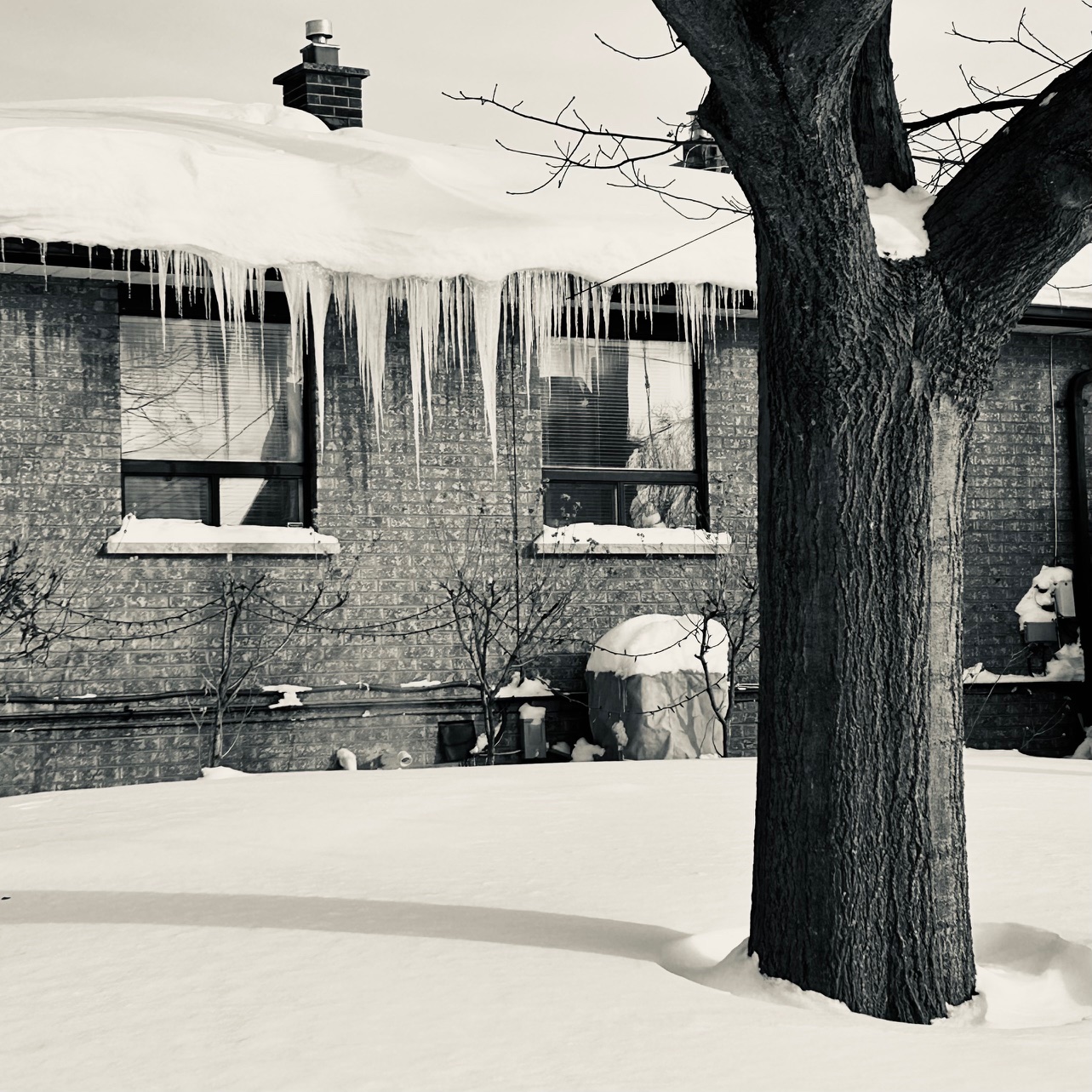
My second image was totally different from the picturesque scene in Sedona. We had returned to a late blast of winter in Calgary. It must have been some blast, based on the icicles that were hanging from every rooftop. A photo opportunity!

As with the landscape, I saw this roof and its crop of icicles in black & white. Texture and lines, contrasty clouds (where’s that red filter?) The thick icicles were a cool feature… no pun intended.  

My monochrome image needed only a few edits: an increase in contrast and darkening of the sky. I also bumped up the exposure a little, to ensure the picture wasn’t a complete wash of drab grey. And I added a bit of texture to the peeling paint. This was just about exactly what I visualized when I took the shot.

A good crop of icicles (March 2024)

But had I been too hasty? I had to find out. So I re-imported the RAW image and edited the colour version. I hadn’t even noticed the blue paint on the trim. And I missed the discolouration in the icicles from whatever had been oozing out of the eavestroughs. Time for some repairs.

What do you think?

Personally, I don’t like it at all. My mind’s eye was right to see this image in tones of grey. The colours are irrelevant to the story that this picture is telling. I wanted to put the viewer into a scene that was edgy, cold and stark. Instead, the pale blue trim on the house tempers the scene, while the brownish stuff coming out of the eaves is a distraction.

Springtime in Hamilton

My final image is from a recent visit to Hamilton. Walking around my old neighbourhood in April was a riot for the senses. Spring was in full bloom. I snapped a picture at the corner of (obviously) Maple Avenue and Province Street. I initially saw this as a colour picture, with a sunlit magnolia tree as the highlight.

Maple and Province, Springtime (April 2024)

Even though I like the colour image, I decided to try a monochrome version. This one is more of a toss-up. I like both versions. Why? The colour version puts the viewer right in the scene. Spring has clearly sprung. On the other hand, the monochrome version shows us every detail but leaves us to imagine what colour everything is in the scene.

Of course, these are just my thoughts. Let me ask you: monochrome or colour? Leave me a reply in the comments.

Thanks, Steve

Arizona Dreaming – Part 2

Sedona, Red Rock Country

Straight from our successful morning at the XTerra Black Canyon trail run, our convoy headed north to beautiful Sedona for a week at the Seven Canyons resort. Our theme for the week was “Elevate Performance”, and our hosts, Bill and Janice, were exceptionally generous, opening their home and directing all manner of activities. 

We explored the extensive trail system around Sedona, which brought us awesome views of the stunning “red rocks” for which the city is famous. Sedona was much busier than what we remembered from our last visit, so we made sure to get an early start for our trail runs. 

Did you know that the unique red colour of Sedona’s geological formations comes from iron oxide? The rocks are primarily sandstone and limestone. Because these are relatively soft rocks, they are susceptible to physical and chemical erosion. Wind and water (think flash flooding) have played a significant role in shaping the landscape over millions of years. And the result is spectacular… it’s unlike any other place I’ve been.

Our first group run was on the Little Horse-Bell Rock trail. We could have legitimately said we were still recovering from the race a couple of days earlier. That may have been partly true for Deb, but I was definitely okay with an easy start as I was still feeling the effects of my fall (and knowing that we had a busy week ahead of us.) This trail was perfect, even for those in our group who were a bit more ambitious. We did an out-and-back route that brought us all to the trailhead at the same time, so it all worked out. And what views!

“Elevate Performance” – Adrenaline Rush hits the trails at Little Horse

A highlight of the week was a trail run starting from the Dry Creek trailhead. We went out on the Long Canyon trail and returned via the Mescal-Yucca loop. We knew this route from prior runs, and we stopped along the way to enjoy the breathtaking… in both senses of the word… views.

Taking a break on Mescal

We added a second trail race to our calendar, given that the Sedona Stumble was conveniently scheduled for Saturday March 23, at the Posse Grounds Park in town. The 5k and 10k distances were full of challenges, including sections on a narrow single-track circuit and a mountain bike slalom course. Wow!

The race was very well organized by Run Sedona. Adrenaline Rush runners tackled both distances. Once around this technical loop was enough for Deb and me. We enjoyed the post-race snacks and festivities, especially the delicious donuts provided by Sedonuts. It was no surprise that Adrenaline Rush runners again made an impact on the podium. Congrats to Allison (1st in F50-59) and Al (1st in M60-69) in the 10k, to Doreen (1st in F60-69), Janice (2nd in F60-69) and Carolyn (1st in F50-59) in the 5k, and to the rest of our group on your strong results!

In addition to trail running, there was a lot of golf action on the beautiful Seven Canyons course throughout the week. Deb and I enjoyed a few casual games, although the glaring truth, for me at least, is that my game needs serious attention. A summer project, perhaps?

It was all smiles after the (cool and breezy) Adrenaline Rush golf game

Of course, I carried my Ricoh GR III with me on our runs and was rewarded with some good shots. From our vantage point on Rachel’s Knoll, I also got some amazing landscapes. The weather was cool and breezy, which meant some very interesting evening cloud formations. And the sunsets were outstanding.

Evening clouds roll in, Sedona

All told it was a magical week in paradise.

Thanks for reading,